Comparativa de ejercicios
Goblet Squat vs Bulgarian Split Squat: Two Legs or One
The goblet squat and the Bulgarian split squat both train the quads and glutes with dumbbells, but one loads both legs and the other one leg at a time. The goblet squat is the simpler, more stable pattern and is limited mainly by how heavy a dumbbell can be held at the chest. The Bulgarian split squat places a much higher load on each leg with the same equipment, at the cost of balance and longer sets.
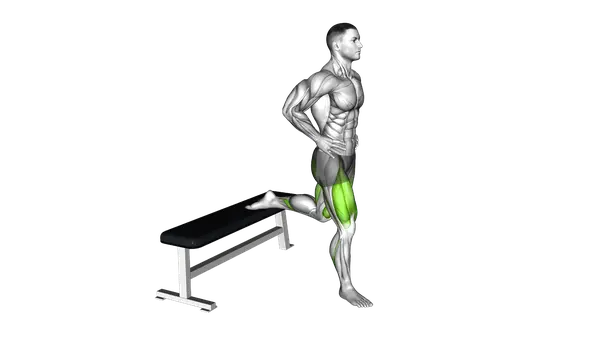
Dumbbell Goblet Squat vs Bulgarian Split Squat
De un vistazo
| Característica | Dumbbell Goblet Squat | Bulgarian Split Squat |
|---|---|---|
| Músculos principales | Cuádriceps, Glúteos | Cuádriceps, Glúteos |
| Músculos secundarios | Isquiotibiales, Aductores, Erector de la columna, Trapecios | Isquiotibiales, Aductores, Erector de la columna |
| Equipamiento | Mancuerna | Mancuerna, Barra (Barbell), Ejercicios con peso corporal |
| Dificultad | Principiante | Intermedio |
| Tipo | Compuesto | Compuesto |
| Tipo de fuerza | Leg | Leg |
01
Bilateral vs unilateral loading
In the goblet squat, a single dumbbell or kettlebell is held vertically against the chest, and both legs share the load in a symmetrical stance. In the Bulgarian split squat, the rear foot rests on a bench and the front leg performs most of the work, with dumbbells held at the sides or one dumbbell held in goblet position.
This difference determines how heavily each leg is loaded. The same dumbbell weight is shared by two legs in the goblet squat but concentrated on one leg in the Bulgarian split squat, together with most of the body mass. A dumbbell that is light for a goblet squat can therefore be demanding in a Bulgarian split squat.
02
Where each exercise places the load
Holding the dumbbell at the chest keeps the torso upright and allows deep knee flexion, which makes the goblet squat a quadriceps-oriented pattern. In a comparison with the landmine squat, the goblet squat produced higher quadriceps activity and higher vertical force [1].
The Bulgarian split squat places more of its demand on the hip extensors of the front leg. Direct comparisons with the goblet squat are not available, but compared with a bilateral back squat it produced less knee joint displacement, and its authors suggest it for situations that call for emphasizing hip extension while limiting knee demands [2]. With both exercises loaded to each lifter's 10-repetition maximum, the hip extension moment per leg at the bottom position was 44% greater in the rear-foot-elevated split squat than in the back squat, despite a lighter absolute load and a more upright trunk [3].
03
Adjusting glute and hamstring emphasis
Torso angle changes the emphasis of the Bulgarian split squat. In trained female athletes, a forward trunk lean increased gluteus maximus, biceps femoris and rectus femoris activity compared with a neutral trunk [4].
The goblet squat offers less room for this adjustment. The front load keeps the torso relatively upright, and leaning forward pulls the dumbbell away from the body and makes it harder to hold. Glute involvement in the goblet squat depends mainly on squat depth.
04
Load limits and progression
The goblet squat has a practical ceiling. The load is limited by how heavy a dumbbell can be held at the chest, and stronger lifters reach that limit before the legs are challenged in moderate rep ranges. Progression then comes from more reps, slower lowering phases, pauses at the bottom or a move to a barbell.
The Bulgarian split squat extends the usefulness of dumbbells, because moderate weights produce a high load on the working leg. In academy rugby players, five weeks of training with the rear-foot-elevated split squat alone improved back squat 1RM, 40-m sprint time and change-of-direction speed, with no significant difference from a group that trained the back squat [5].
05
Balance, mobility and session time
The goblet squat is easier to learn and to perform consistently. A symmetrical stance removes most of the balance demand, and the weight in front of the body helps beginners reach depth with an upright torso. Both legs are trained in every set, which takes about half the time of a unilateral exercise.
The Bulgarian split squat requires balance on one leg, adequate hip-flexor length in the rear leg and a bench at a suitable height, and each set must be repeated on the other side. In return, each leg is trained independently, which prevents the stronger leg from compensating for the weaker one as it can in a two-legged squat.
La conclusión
Use the goblet squat as the main squat pattern for beginners, for higher-rep quad work and for sessions where time and simplicity matter. Use the Bulgarian split squat when dumbbells are the only equipment and the goblet squat has become too light, when more glute and hip extensor work is the goal, or when one leg is noticeably weaker than the other. In a dumbbell-only program the two combine well: the goblet squat early in training or as a warm-up pattern, and the Bulgarian split squat as the main strength exercise once the heaviest goblet load stops being challenging.
¿Cuál es tu objetivo de fitness?
Elige uno y la app construye tu programa en torno a él, a tu equipamiento y a los días que puedes entrenar.
Conviene saber
Preguntas frecuentes
For lifters who can already goblet squat the heaviest available dumbbell for many reps, the Bulgarian split squat usually provides a greater stimulus because each leg handles most of the load. For beginners, the goblet squat trains the same muscles with less balance demand and is easier to progress early on.
The Bulgarian split squat places a higher demand on the hip extensors of the working leg, and a slight forward lean of the torso increases glute activity further. The goblet squat trains the glutes most effectively when performed to full depth.
Yes. Holding one dumbbell at the chest removes the grip demand of two dumbbells at the sides and keeps the torso upright. The load is then limited by what can be held at the chest, the same constraint as in the goblet squat.
Referencias científicas
-
[1]
Differences in Muscle Activity and Kinetics Between the Goblet Squat and Landmine Squat in Men and Women.
Collins KS, Klawitter LA, Waldera RW et al. · Journal of strength and conditioning research (2021)
-
[2]
Biomechanical Differences Between the Bulgarian Split-Squat and Back Squat.
Mackey ER, Riemann BL · International journal of exercise science (2021)
-
[3]
Greater Hip Moments in Rear-Foot-Elevated Split Squats Than in Conventional Back Squats With the Same Relative Intensity of Loads.
Arakawa H, Mori M, Tanimoto M · Journal of strength and conditioning research (2023)
-
[4]
Targeted muscle activation in Bulgarian split squat variations: effects of trunk position and suspension-based execution.
Aygun-Polat E, Guzel NA, Guruhan S et al. · BMC sports science, medicine & rehabilitation (2025)
-
[5]
Unilateral vs. Bilateral Squat Training for Strength, Sprints, and Agility in Academy Rugby Players.
Speirs DE, Bennett MA, Finn CV et al. · Journal of strength and conditioning research (2016)
Las fuentes son publicaciones académicas revisadas por pares de PubMed.
Ejercicios


































Más comparaciones de ejercicios
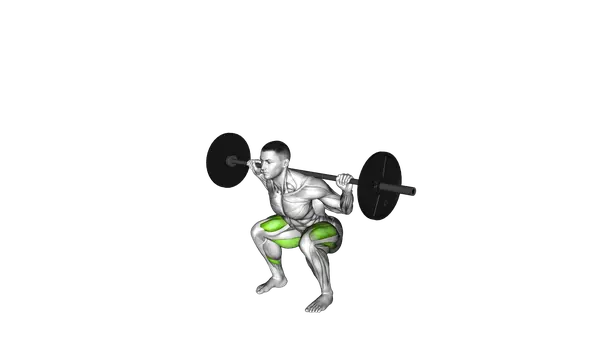
Squat vs Bulgarian Split Squat: Which One Should You Prioritize?
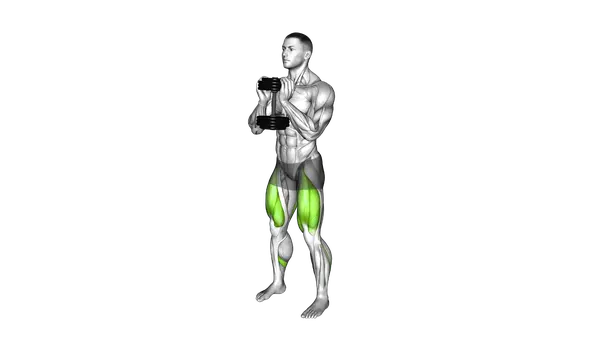
Goblet Squat vs Back Squat: Load Limits and When to Switch
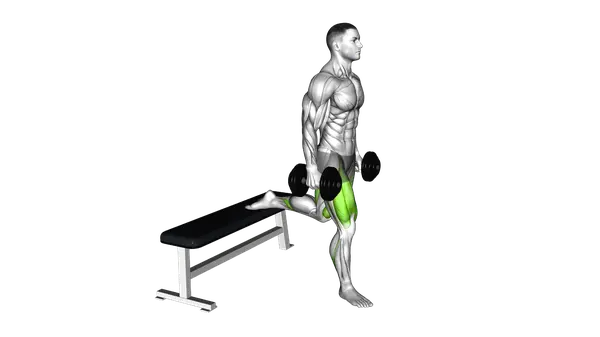
Split Squat vs Bulgarian Split Squat: What the Bench Changes
Front Squat vs Back Squat: Where Should the Bar Go?
Squat vs Leg Press: Do You Really Need Both?
Leg Extensions vs Squats: Can a Machine Replace the King?