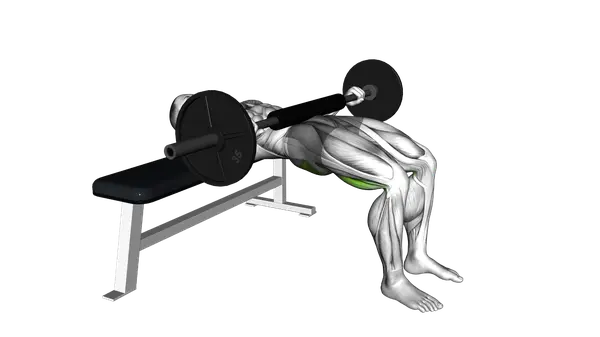
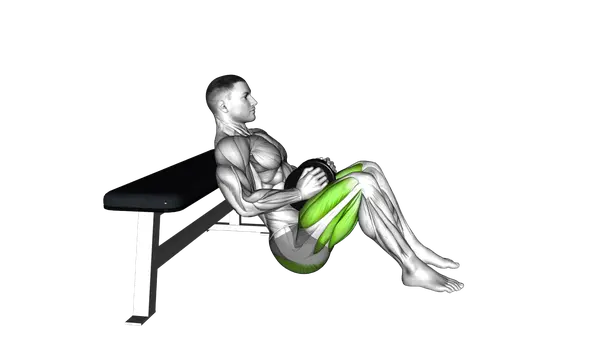
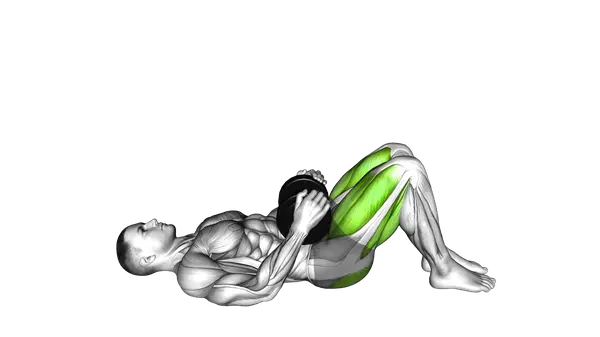
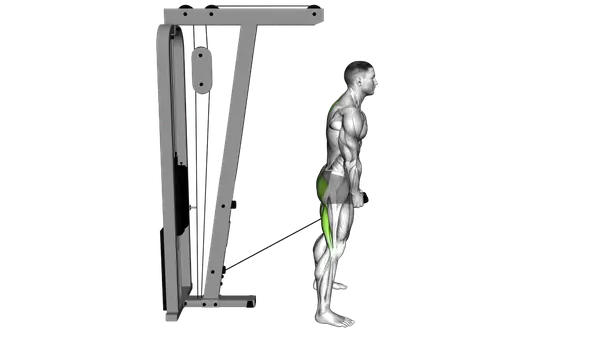
The barbell hip thrust loads hip extension with the upper back supported on a bench and the knees bent. Because the knees stay bent, the hamstrings work from a shortened position and the glutes drive most of the movement. Gluteus maximus and hamstring activity in the hip thrust is highest at the top of the movement, where the hips are fully extended [3].
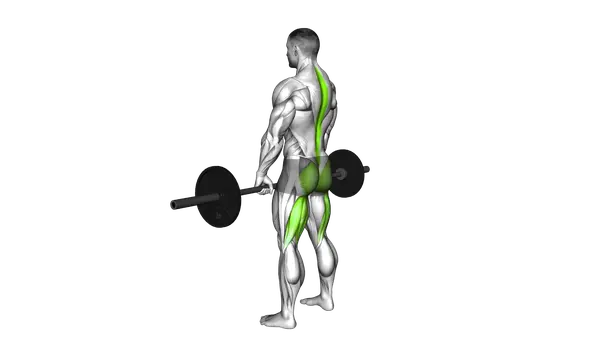
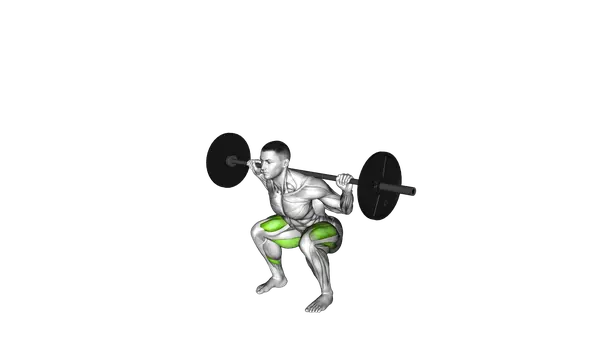
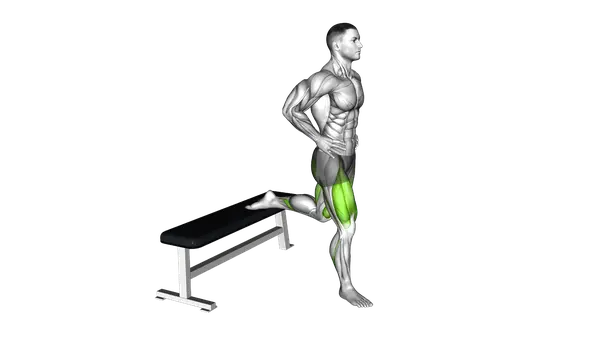
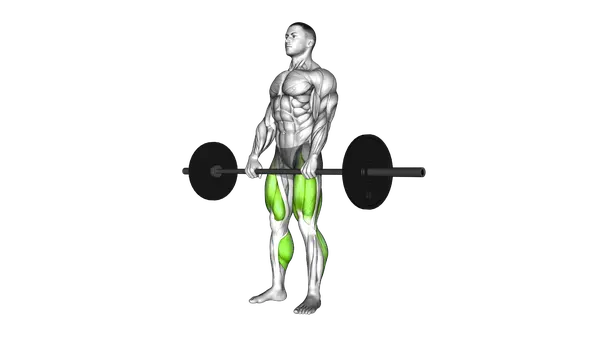
A close substitute keeps three features: hip extension as the primary joint action, limited knee extension so the quadriceps do not take over, and a load that can be increased progressively. Hinges and squats load the glutes hardest in the stretched position at the bottom instead of at lockout, which changes the strength curve but not the target muscle.
Higher activation does not automatically mean more growth. In a nine-week trial in untrained adults, the hip thrust produced higher glute EMG than the back squat, yet both exercises led to similar gluteal hypertrophy [1]. Movement similarity, loading potential, and practical setup therefore matter as much as activation data when choosing a replacement.