Incline Bench Press vs Flat Bench Press: Do You Need Both?
The flat bench press is the most popular gym exercise in the world. The incline bench press is its angled cousin. Most people know the incline targets the upper chest — but how important is that, and is it worth doing both?
Published: 2026-03-09
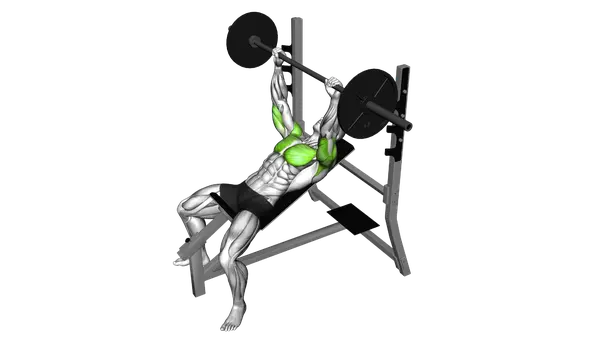
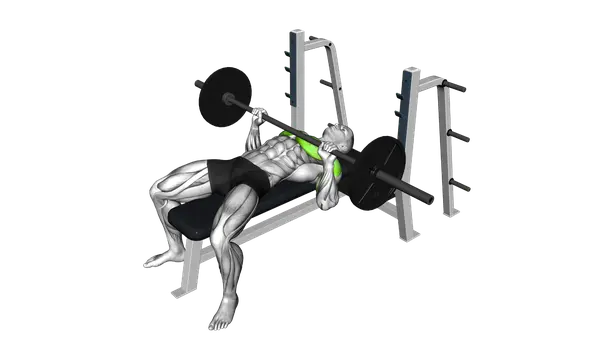
The angle shifts the target
Your chest is one muscle (the pectoralis major), but it has different regions that can be emphasized with different angles. The flat bench targets the middle and lower portions more. The incline — typically set at 30-45 degrees — shifts emphasis to the upper portion [1] and the front of your shoulders.
This doesn't mean the flat bench ignores the upper chest or the incline ignores the lower chest. Both exercises train the entire pec. The emphasis just shifts based on the angle.
The upper chest matters for how you look
A well-developed upper chest creates the look of a full, rounded chest that starts right below your collarbone. If you only do flat pressing, the lower part of your chest can develop faster than the upper part, creating an unbalanced look.
Many experienced lifters wish they had done more incline work earlier in their training. The upper chest is harder to develop and takes longer to grow, so starting early pays off.
How much weaker will you be on incline?
Expect to incline press about 70-80% of your flat bench. If you flat bench 100kg, your incline will be around 70-80kg. This is normal — the incline position puts your chest in a less favorable mechanical position and shifts more work to the smaller front deltoid muscles.
Don't let the lower numbers discourage you. The incline press isn't weaker than the flat bench — it's a different exercise with different strength standards.
The shoulder angle difference
Some people find flat benching uncomfortable for their shoulders because the horizontal pressing angle can stress the front of the shoulder joint. The incline angle can actually feel better for some people's shoulders because it changes the stress distribution.
If flat benching bothers your shoulders, experiment with a slight incline (15-30 degrees). Many lifters find this "low incline" position is the sweet spot where their chest still gets great work but their shoulders feel much better.
The Bottom Line
Yes, do both. Start your chest workout with whichever you prioritize (flat for overall chest development and strength, incline for upper chest emphasis). Then do the other as your second exercise with slightly less weight. If you can only pick one, the flat bench builds more overall chest mass, but the incline prevents the upper chest from lagging behind.
What is your fitness goal?
Pick one and the app builds your program around it, your equipment and the days you can train.
At a Glance
Barbell Incline Bench Press
Barbell Bench Press
Common Questions
What incline angle is best for upper chest?
30 degrees is the sweet spot according to most research. At 45 degrees, your front delts start taking over. At 15 degrees, it's barely different from flat. Aim for 30 degrees.
Should I do incline before flat bench?
If your upper chest is a weak point, yes — do incline first when you're freshest. Otherwise, start with flat bench for maximum strength and do incline as your second exercise.
Scientific References
[1] Analysis of the Activation of Upper-Extremity Muscles During Various Chest Press Modalities.
Christian JR, Gothart SE, Graham HK et al. · Journal of strength and conditioning research (2023)
Coratella G, Tornatore G, Longo S et al. · European journal of sport science (2020)
Sources are peer-reviewed academic publications from PubMed.