Exercise comparison
Squat vs Leg Press: Do You Really Need Both?
The barbell squat is often called the king of all exercises. The leg press is sometimes dismissed as the "easy option." But the truth is more nuanced than that. Both exercises build strong legs — they just do it differently, and the best choice depends on your situation.
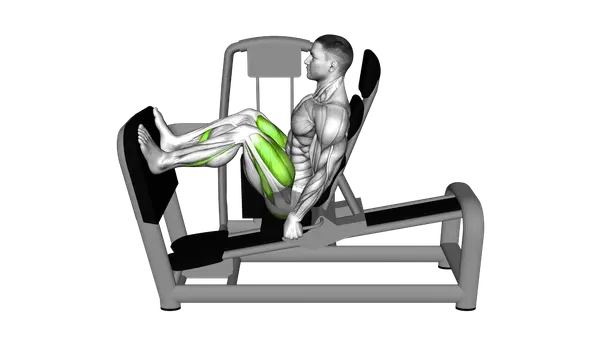
Barbell Squat vs Lever Seated Leg Press
At a Glance
| Feature | Barbell Squat | Lever Seated Leg Press |
|---|---|---|
| Primary muscles | Quads, Glutes | Quads, Glutes |
| Secondary muscles | Hamstrings, Erector Spinae, Abs, Traps | Hamstrings |
| Equipment | Barbell | Machine |
| Difficulty | Intermediate | Beginner |
| Type | Compound | Compound |
| Force | Leg | Leg |
01
Why the squat is harder (and that's the point)
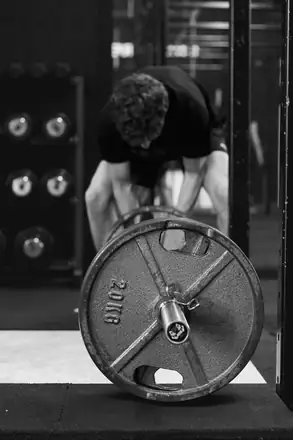
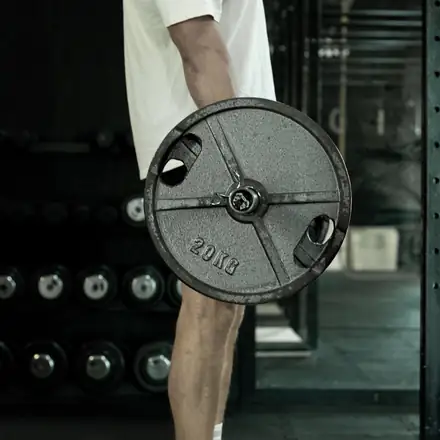
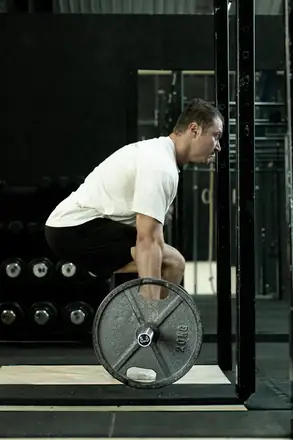
When you squat, you're standing with a barbell on your back. Your entire body has to work together — your core braces, your back stays tight, your ankles and hips need mobility. It's a full-body exercise that happens to target your legs.
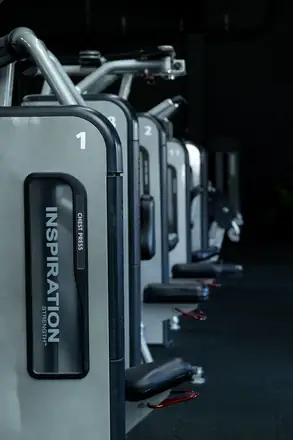
The leg press removes most of that complexity. You sit down, push a platform away, and your back is supported the whole time. This makes it easier to focus purely on your quads and glutes without worrying about balance or core strength.
02
Which builds bigger legs?
Both are effective for building leg muscle. The squat works more total muscle because your core, back, and stabilizers all contribute [1]. The leg press lets you isolate your quads more directly because you're not limited by how much your back can handle.
In practice, people who only do leg presses can still build impressive quads. But they often miss out on the hamstring, glute, and core development that squats provide for free.
03
The safety question
Squats get a bad reputation for being dangerous, but they're only risky if you use bad form or load too heavy too fast. With proper technique, squats are perfectly safe and actually strengthen your joints and bones.
The leg press feels safer because you're seated and supported. But it has its own risk: people tend to load it way too heavy and let their lower back round at the bottom. This "butt wink" on the leg press can actually hurt your lower back more than a properly done squat.
04
What if you can't squat?
Some people genuinely struggle with squats — maybe due to hip anatomy, ankle mobility, or a back injury. In those cases, the leg press is a perfectly valid replacement for building leg strength. There's no rule that says you have to squat.
That said, if you're avoiding squats just because they're hard, that's a different conversation. The difficulty is part of what makes them effective.
The Bottom Line
If you can squat with good form, make it your primary leg exercise. It builds more total-body strength and has carryover to everyday life. Use the leg press as a secondary exercise to add more volume to your quads without fatiguing your back. If you can't squat due to injuries or mobility issues, the leg press is a solid alternative.
What is your fitness goal?
Pick one and the app builds your program around it, your equipment and the days you can train.
Good to know
Common Questions
For quad and glute development, largely yes. For overall strength, core stability, and athletic performance, no. The squat trains your body as a unit in a way the leg press can't replicate.
Because the machine supports your back and eliminates balance. The weight you move on a leg press isn't comparable to a squat — a 200kg leg press is not the same as a 200kg squat.
Scientific References
-
[1]
Core Muscle Activation in Three Lower Extremity Exercises With Different Stability Requirements.
Saeterbakken AH, Stien N, Pedersen H et al. · Journal of strength and conditioning research (2022)
Sources are peer-reviewed academic publications from PubMed.
Exercises













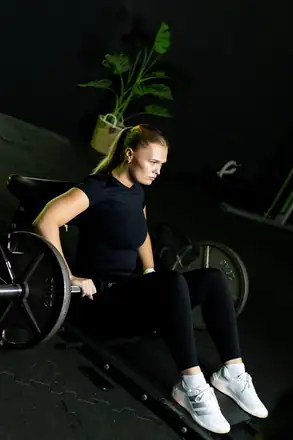
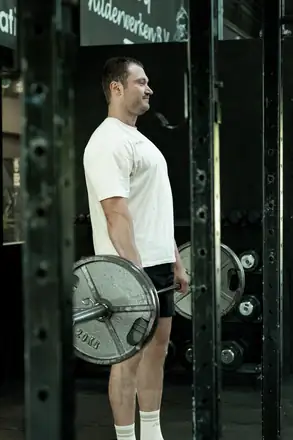
More Exercise Comparisons
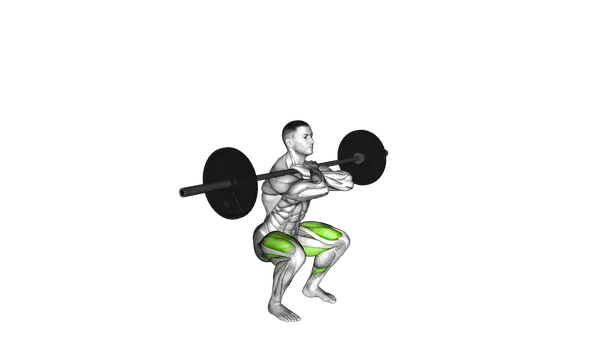
Front Squat vs Back Squat: Where Should the Bar Go?
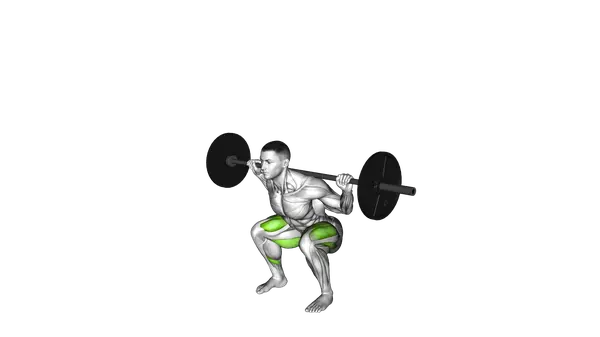
Squat vs Bulgarian Split Squat: Which One Should You Prioritize?
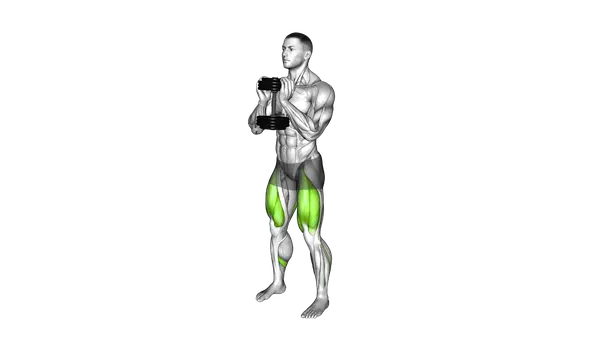
Goblet Squat vs Back Squat: Load Limits and When to Switch
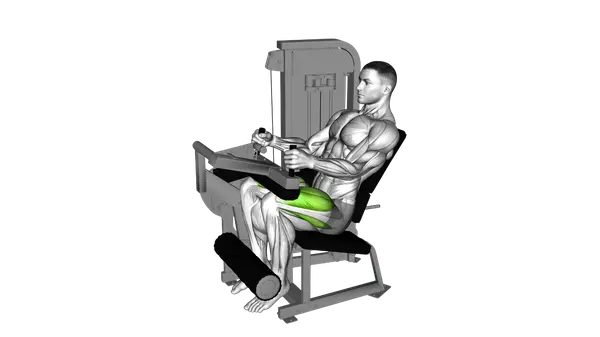
Leg Extensions vs Squats: Can a Machine Replace the King?
Goblet Squat vs Bulgarian Split Squat: Two Legs or One
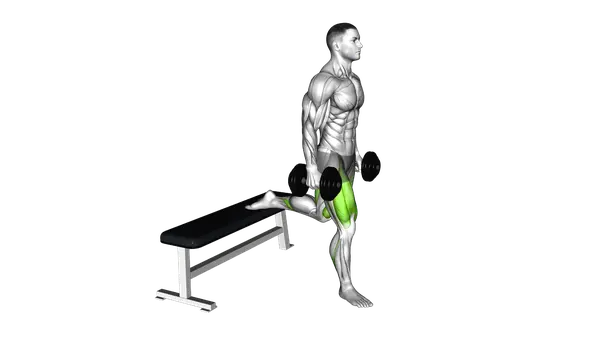
Split Squat vs Bulgarian Split Squat: What the Bench Changes