Exercises to improve endurance, burn calories, and support heart health
Cardio exercises
Cardio exercises are essential for building endurance, improving cardiovascular health, and supporting fat-burning goals. Whether you're training at home, in the gym, or outdoors, cardio can be tailored to your goals and fitness level. From low-impact routines to high-intensity challenges, a consistent cardio practice strengthens your heart, lungs, and mental resilience.
Focus on
Pick your muscle groups
Pick your equipment
Abdominal Air Bike
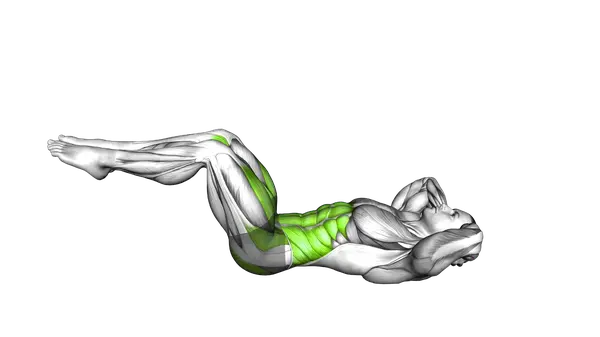
The Abdominal Air Bike, often simply called "Air Bike" in fitness circles, has established itself as a cornerstone exercise for anyone looking to strengthen their core while simultaneously boosting cardiovascular endurance. This dynamic movement mimics the motion of riding a bicycle while lying on your back, creating a powerful combination of abdominal engagement and controlled breathing that's particularly effective for beginners just starting their fitness journey. Unlike static core exercises, the Air Bike keeps your abs under constant tension through a rotational pattern that targets both the rectus abdominis (your "six-pack" muscles) and the often-neglected obliques. What makes this exercise particularly valuable is its scalability: you can adjust the intensity by simply changing your pace or extending the duration as your strength improves. The Air Bike has gained tremendous popularity within HIIT and CrossFit communities due to its ability to quickly elevate heart rate while requiring minimal space and no equipment. When incorporated into high-intensity interval protocols, it serves as an excellent metabolic conditioning tool that can help maximize caloric burn in minimal time. For those focused on building cardio capacity and muscular endurance, the Air Bike delivers impressive results. The continuous movement pattern challenges your cardiovascular system while the sustained muscle activation in your core builds localized endurance that transfers to many everyday activities and athletic movements. Many fitness enthusiasts appreciate how the Air Bike can be seamlessly integrated into various workout formats: whether as part of a dedicated ab circuit, as an active recovery station between strength exercises, or as a finisher to cap off a training session. Its versatility makes it a smart addition to virtually any fitness program, regardless of your current fitness level or specific goals.
Assault Bike Run
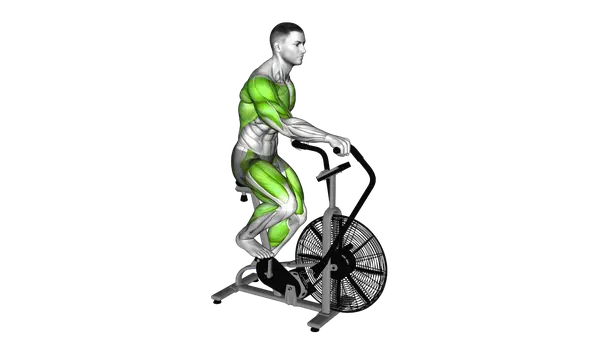
The Assault Bike Run combines the brutal efficiency of the assault bike (air bike) with running intervals to create a comprehensive cardio workout that challenges even seasoned athletes. This workout alternates between intense assault bike sessions and running segments, creating a metabolic storm that maximizes calorie burn while building impressive cardiovascular capacity. Popular in CrossFit boxes and HIIT studios, this combination has earned a reputation as one of the most effective conditioning protocols available. While beginners can modify the Assault Bike Run to suit their fitness level, this workout is best classified as intermediate due to its intensity and the technical coordination required. The dual-modality approach demands familiarity with both running mechanics and assault bike operation. Athletes should have established a baseline of cardiovascular fitness before tackling this challenging combination. The Assault Bike Run exemplifies high-intensity interval training principles, making it a staple in CrossFit programming. The work-to-rest ratios can be manipulated to emphasize different energy systems, though most variations feature short, all-out efforts followed by active recovery periods. This structure creates the perfect metabolic conditioning environment that CrossFit athletes seek for competition preparation. Few workout combinations match the Assault Bike Run for cardiovascular endurance building. The workout develops both central and peripheral aspects of the cardiovascular system while enhancing mitochondrial density. Athletes experience improvements in VO2 max, lactate threshold, and overall work capacity. The complementary nature of the two movements ensures comprehensive cardio development while reducing repetitive stress that might occur from single-modality training. The Assault Bike Run's reputation for effectiveness stems from its total-body engagement and scalability. By combining upper and lower body pushing and pulling with running's locomotion demands, this workout activates major muscle groups in varying patterns, creating a potent stimulus for cardiovascular adaptation without plateauing.
Battling Ropes
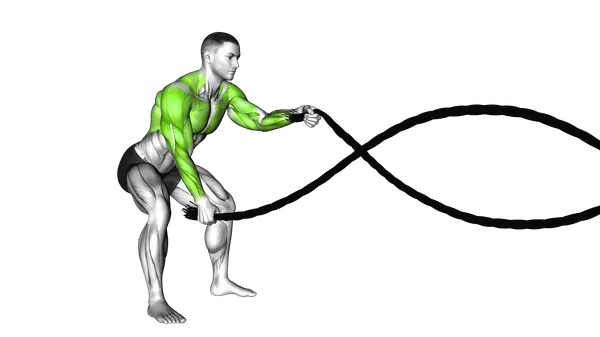
Battling ropes have revolutionized high-intensity training, offering a comprehensive cardio and strength challenge that targets multiple muscle groups simultaneously. These thick, heavy ropes, typically anchored to a stable point, deliver an impressive metabolic workout that can elevate your heart rate rapidly and sustain it throughout your training session. For intermediate fitness enthusiasts looking to break through plateaus, battling ropes provide the perfect blend of resistance and cardiovascular demand. When incorporated into HIIT or CrossFit routines, battling ropes create an exceptional stimulus for improving both power output and endurance capacity. The beauty of rope exercises lies in their versatility: they can be manipulated at various intensities to match your specific fitness goals while consistently challenging your cardiovascular system. The dynamic nature of the movements engages your core, shoulders, arms, and back in ways that traditional cardio equipment simply cannot match. The true benefit of battling ropes emerges in their ability to improve your aerobic and anaerobic conditioning simultaneously. As you generate powerful waves, slams, or spirals with the ropes, your body works through high-output intervals that significantly elevate oxygen consumption both during and after your workout. This creates the much-desired afterburn effect (EPOC) that continues to consume calories long after your session ends. Athletes particularly appreciate how battling rope training enhances their endurance without the joint impact associated with running or plyometric exercises. The constant tension throughout each movement pattern forces your muscles to work continuously without rest, building impressive muscular endurance while strengthening stabilizing muscles that support overall performance. The visible feedback from the rope waves also provides immediate performance metrics: the more consistent your waves, the better your conditioning. Integrating battling ropes into your fitness regimen two to three times weekly can dramatically improve your work capacity, grip strength, and overall cardiovascular health while adding refreshing variety to your training approach. The challenging yet accessible nature of rope exercises makes them appropriate for intermediate fitness enthusiasts looking to elevate their conditioning to the next level.
Burpee
The burpee stands as one of fitness's most celebrated and simultaneously dreaded movements. This compound exercise has earned its reputation as a high-intensity staple that delivers comprehensive benefits in minimal time. Originally developed in the 1930s by physiologist Royal H. Burpee as a fitness test, this movement has evolved to become a cornerstone in modern workout programs across various fitness disciplines. While beginners can attempt modified versions, the traditional burpee requires a moderate fitness foundation. The exercise demands coordination between multiple movement patterns and sufficient strength to transition smoothly between positions. Intermediate exercisers will find burpees challenging yet achievable, making them perfect for progressive overload as fitness improves. The burpee excels at activating multiple muscle groups simultaneously. Your core muscles (rectus abdominis, obliques, and transverse abdominis) work continuously to stabilize your body throughout the movement. The quadriceps power your jump and assist in the stand-up portion, while your glutes activate strongly during the explosive component. Beyond muscle engagement, your cardiovascular system works overtime, elevating heart rate quickly and efficiently. Burpees feature prominently in High-Intensity Interval Training (HIIT) protocols, where they deliver maximum metabolic impact in short time frames. Their versatility makes them ideal for Tabata intervals, EMOM (Every Minute On the Minute) challenges, and AMRAP (As Many Rounds As Possible) formats. In CrossFit, burpees appear regularly in benchmark workouts and the CrossFit Games, testing athletes' power endurance and mental fortitude. Few exercises match the burpee's efficiency for cardiovascular development. Regular incorporation improves VO2 max, cardiac output, and overall endurance capacity. The full-body nature of the movement creates a significant oxygen demand, training your body to utilize oxygen more efficiently during exercise. This translates to improved stamina across other athletic pursuits and daily activities.
Burpee Box Jump
The burpee box jump is a dynamic, compound movement that seamlessly combines the intense full-body conditioning of a traditional burpee with the explosive power of a box jump. This intermediate-level exercise delivers an impressive bang for your buck, simultaneously targeting your quads, glutes, abs, and providing an exceptional cardiovascular challenge in one fluid sequence. Popular in both HIIT and CrossFit training methodologies, this movement elevates your heart rate rapidly while building functional strength and power. The integration of the burpee's pushing and pulling components with the box jump's plyometric demand creates a perfect storm for improving muscular endurance and cardiovascular capacity. This combination makes it particularly effective for athletes looking to develop power endurance: the ability to sustain explosive movements over time. What makes the burpee box jump particularly valuable is its efficiency in training multiple energy systems simultaneously. The anaerobic power required for the jump portion complements the aerobic demand of performing multiple repetitions, creating a metabolic conditioning effect that continues well after your workout ends. Many fitness enthusiasts appreciate how this exercise develops practical, real-world fitness that translates to improved performance in various sports and daily activities. While challenging, the beauty of the burpee box jump lies in its scalability. The exercise can be adapted to various fitness levels by adjusting box height, modifying the burpee portion, or adjusting work-to-rest ratios. This versatility makes it a staple in progressive training programs, allowing athletes to continuously challenge themselves as their fitness improves. When incorporated intelligently into a balanced training regimen, the burpee box jump serves as an excellent tool for breaking through plateaus, improving body composition, and developing the kind of conditioning that supports both athletic performance and overall health. The mental toughness developed through pushing through sets of this demanding exercise is just as valuable as the physical benefits it provides.
Built for Progress
Take the Guesswork
Out of Training
Create personalized AI-powered workout plans that evolve with you. Train smarter, track every rep and keep moving forward.

Burpee Broad Jump
The Burpee Broad Jump stands as a formidable total-body movement that combines explosive power, cardiovascular endurance, and muscular strength into one comprehensive exercise. This intermediate-level movement has gained tremendous popularity in both HIIT and CrossFit training circles for its efficiency in targeting multiple muscle groups simultaneously while elevating your heart rate. When performing this dynamic exercise, you'll engage your pecs during the push-up portion, creating that chest-building tension that helps develop upper body strength. Your quads and glutes activate powerfully during both the squat component and especially during the explosive jump phase, where they generate the forward propulsion needed for distance. Throughout the entire movement, your core muscles remain engaged, with your abs working overtime to maintain proper form and body alignment. What makes this exercise particularly valuable is its dual nature of building endurance while delivering serious cardio benefits. The rapid transitions between movements create an oxygen demand that challenges your cardiovascular system, making it an excellent choice for those looking to improve conditioning while burning significant calories. This exercise efficiently combines strength and cardio elements, eliminating the need to separate these training components. The beauty of the Burpee Broad Jump lies in its adaptability across fitness levels. While categorized as intermediate, it can be modified or intensified based on your specific goals and capabilities. Many athletes incorporate this movement into their training to develop power, explosiveness, and stamina—all qualities that transfer well to various sports and daily activities. For those seeking efficiency in their workouts, this exercise delivers exceptional bang for your buck, recruiting major muscle groups while simultaneously challenging your cardiovascular system. Its inclusion in HIIT and CrossFit programs speaks to its effectiveness as a metabolic conditioning tool that pushes physical boundaries and builds mental toughness alongside physical strength.
Butt Kicks
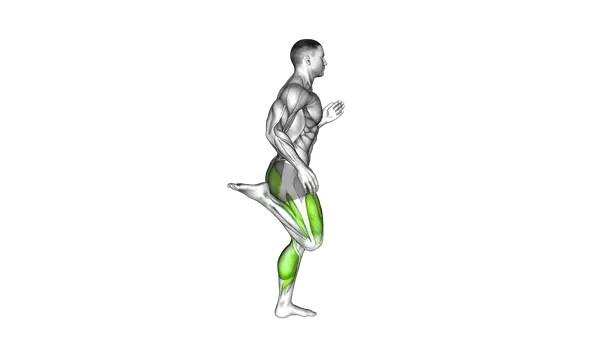
Butt kicks are a dynamic, high-energy exercise that serves as an excellent addition to any fitness routine, particularly for beginners looking to build lower body strength and cardiovascular endurance. This accessible movement primarily targets the hamstrings while also engaging the glutes, making it a focused yet comprehensive lower body exercise that delivers impressive results with proper form and consistent practice. Many fitness professionals incorporate butt kicks into HIIT circuits due to their ability to quickly elevate heart rate and create metabolic demand without complex movement patterns. However, their versatility extends beyond intense training sessions, as they also function perfectly as part of a thorough warm-up sequence to prepare the posterior chain for more demanding exercises, or as a cool-down activity to facilitate recovery while maintaining elevated circulation. The beauty of butt kicks lies in their dual benefits – simultaneously developing muscular endurance in the hamstrings and glutes while providing an effective cardio stimulus that improves aerobic capacity. The rhythmic nature of this movement challenges your cardiovascular system similarly to jogging but with increased posterior chain activation, creating a more balanced lower body workout that complements other common exercises like high knees or jumping jacks. For those monitoring their fitness progress, butt kicks offer a measurable benchmark – tracking improvements in speed, duration, and technical execution provides tangible evidence of developing endurance and coordination. As your fitness level advances, you can naturally increase the intensity by performing the movement with greater speed or for extended durations without needing to modify the basic exercise pattern. Whether incorporated into a dedicated training session or used as a quick energy-boosting activity during a busy day, butt kicks deliver significant physiological benefits while remaining accessible to virtually any fitness level. Their minimal space requirements and zero-equipment nature make them a practical option for home workouts, travel fitness, or outdoor training sessions.
Dumbbell Devils Press
The Dumbbell Devil's Press is a formidable full-body exercise that has gained immense popularity in HIIT and CrossFit communities. This intermediate-level movement combines the explosive power of a burpee with the strength demands of a dumbbell snatch, creating a challenging compound exercise that delivers serious results. When you tackle the Devil's Press, you're engaging multiple major muscle groups simultaneously. Your pecs, triceps, and front delts work together through the pushing components, while your lats activate powerfully during the pulling phase. What many exercisers appreciate is the significant lower body engagement, particularly in the glutes, which fire throughout the movement to generate force and stability. The beauty of the Devil's Press lies in its versatility as a training tool. For strength development, it challenges your body to move external resistance through a full range of motion while maintaining proper form. As an endurance builder, few exercises compare to its ability to sustain muscle tension across different movement patterns. The cardiovascular demands are equally impressive, elevating your heart rate quickly and keeping it elevated throughout your working sets. Exercise scientists particularly value the Devil's Press for its metabolic efficiency. The combination of ground-to-overhead movement patterns with dumbbells creates significant oxygen demand, making it an excellent choice for improving cardiovascular conditioning while simultaneously building functional strength. This dual-purpose nature makes it a time-efficient option for those with busy schedules. Whether programmed as part of a challenging HIIT circuit or incorporated into a CrossFit WOD, the Devil's Press demands respect for its intensity. Many fitness enthusiasts find it particularly effective when placed toward the beginning of a workout when energy levels are highest, or strategically positioned as a finisher to empty the tank completely. Either way, this exercise delivers an impressive stimulus-to-fatigue ratio that makes it worth incorporating into your training arsenal.
Dumbbell Swing
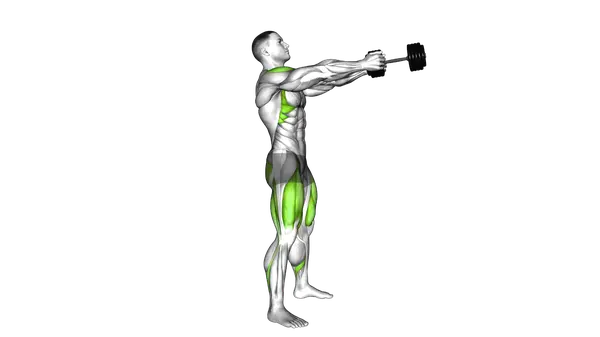
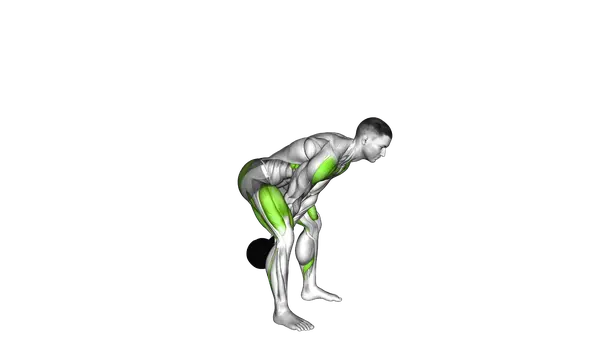
The dumbbell swing represents a versatile and powerful exercise that borrows from the traditional kettlebell swing methodology but utilizes the widely available dumbbell instead. This adaptation makes the movement accessible to more fitness enthusiasts while still delivering impressive benefits. This dynamic exercise seamlessly blends strength training with cardiovascular conditioning, making it a valuable addition to various training protocols. The dumbbell swing sits comfortably in the intermediate category, requiring a solid foundation of hip hinge mechanics and core stability. While beginners can learn the movement pattern with proper instruction, mastering the timing and explosiveness takes practice and body awareness that typically develops after establishing basic fitness fundamentals. The power of the dumbbell swing emanates primarily from the posterior chain. The glutes serve as the main engine, generating explosive force through powerful hip extension. The hamstrings work synergistically with the glutes to control the descent and assist in the driving phase. Meanwhile, the abdominal muscles remain constantly engaged to maintain proper spine position and transfer force effectively throughout the movement. The dumbbell swing shines within high-intensity interval training (HIIT) protocols, where its explosive nature elevates heart rate quickly while simultaneously building power. In CrossFit programming, it frequently appears in metabolic conditioning workouts, offering an efficient way to combine strength and cardiovascular demands within a single movement pattern. Few exercises deliver dual strength and cardiovascular benefits as efficiently as the dumbbell swing. The explosive hip extension develops functional posterior chain strength applicable to numerous athletic endeavors and daily activities. Simultaneously, the rhythmic, high-intensity nature of properly performed swing sets challenges the cardiovascular system, improving conditioning and work capacity.
High Knee Skips
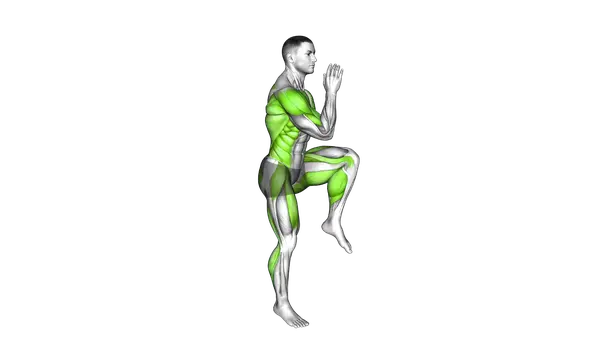
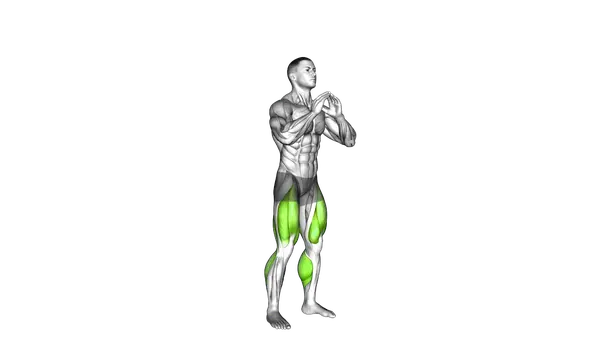
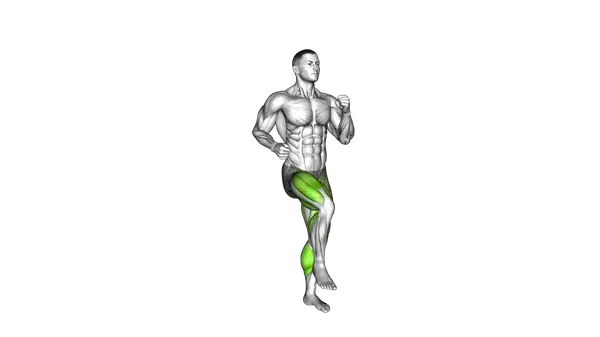
High Knee Skips are a dynamic exercise that perfectly bridges the gap between a standard warm-up and an intense cardio session. This intermediate-level movement targets multiple muscle groups simultaneously, with primary emphasis on the quadriceps, calves, and abdominal muscles working in coordinated harmony. As a staple in both HIIT protocols and comprehensive warm-up routines, High Knee Skips deliver an impressive cardiovascular challenge while preparing the body for more intense activity. The rhythmic nature of this exercise elevates your heart rate quickly, making it an efficient cardio option when time is limited. The beauty of High Knee Skips lies in their ability to improve multiple fitness components at once. While enhancing your cardiovascular capacity, you're also building muscular endurance in the lower body. The explosive nature of each skip strengthens fast-twitch muscle fibers, contributing to improved athletic performance across various activities. Many fitness enthusiasts appreciate how High Knee Skips naturally improve coordination and rhythm, qualities that transfer well to sports performance and daily movement patterns. The exercise demands core stability throughout, creating that coveted mind-muscle connection between your brain and abdominal muscles. For endurance athletes, incorporating High Knee Skips regularly can improve running economy and stride efficiency. The exaggerated knee lift reinforces proper running mechanics while simultaneously building resistance to fatigue in the hip flexors and quadriceps. What separates High Knee Skips from basic jogging is the intentional height and power behind each repetition. This deliberate intensity makes the exercise an excellent metabolic conditioning tool, helping to improve both aerobic and anaerobic energy systems. Whether you're using them as part of your warm-up routine or as intense cardio intervals, High Knee Skips deserve a place in your fitness repertoire for their versatility and effectiveness.
Inchworm
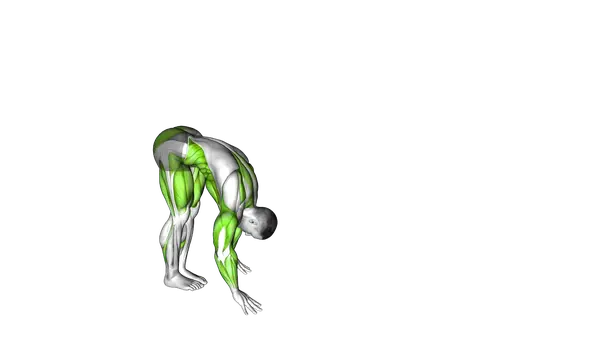
The Inchworm is a versatile full-body exercise that seamlessly combines mobility work with core strengthening and cardiovascular benefits, making it perfect for beginners who want to build a solid foundation for their fitness journey. This dynamic movement primarily engages your abdominal muscles and front deltoids (shoulders), creating a functional pattern that mimics natural human movement. As a staple in both warm-up routines and high-intensity interval training (HIIT) circuits, the Inchworm serves multiple purposes in your fitness regimen. When used as a warm-up, it gradually increases your heart rate while simultaneously preparing your muscles and joints for more intense activity. The gentle stretching component helps improve flexibility in your hamstrings, calves, and lower back—areas that often become tight from prolonged sitting. The beauty of the Inchworm lies in its comprehensive approach to mobility. The exercise takes your body through a range of motion that activates multiple joints and muscle groups, enhancing your overall movement quality. Your shoulders, spine, hips, and ankles all receive attention during this single exercise, making it extremely efficient for those with limited workout time. From a core perspective, the Inchworm creates a continuous tension through your midsection as you move through the exercise. This isometric component trains your abdominals, obliques, and lower back to stabilize your spine during movement—a crucial skill for injury prevention and performance enhancement in daily activities and sports. When incorporated into HIIT workouts, the Inchworm elevates your heart rate effectively, contributing to improved cardiovascular health and calorie burning. The controlled nature of the movement also allows you to adjust the pace based on your fitness level and goals, making it adaptable for recovery days or more challenging sessions. For those new to fitness, the Inchworm offers an approachable entry point that delivers multiple benefits without requiring equipment or advanced skill. As your strength and mobility improve, you can progress this exercise with variations that continue to challenge your body in new ways.
Jog in place
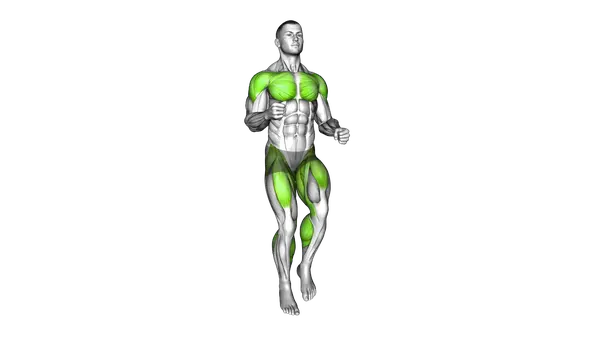
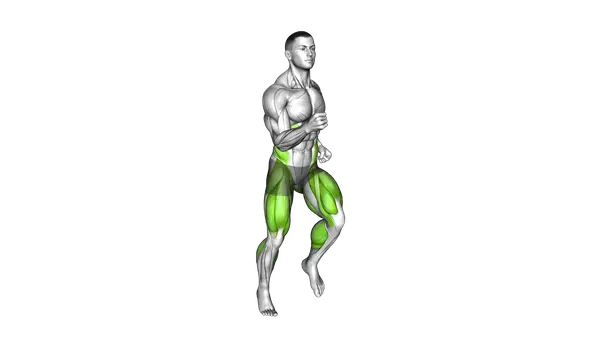
Jogging in place might seem like a basic movement, but it's a surprisingly versatile exercise that delivers impressive cardio benefits without requiring any equipment or space. This accessible exercise mimics the natural running motion while staying in a fixed position, making it perfect for indoor workouts or when time and space are limited. Jogging in place serves as an excellent entry point for those new to fitness. The beauty of this exercise lies in its simplicity and adaptability. For beginners, it provides a low-impact introduction to cardio that can be modified based on fitness level. The familiar movement pattern requires minimal coordination, allowing newcomers to focus on building endurance rather than mastering complex techniques. As a cardiovascular exercise, jogging in place elevates your heart rate effectively, improving heart health and circulation throughout the body. Regular sessions can help decrease resting heart rate over time, a key indicator of cardiovascular fitness. The sustained rhythmic movement engages multiple muscle groups simultaneously, creating an efficient calorie-burning activity that supports weight management goals. Jogging in place transitions seamlessly between workout phases. As a warm-up, it gradually increases body temperature and prepares muscles for more intense activity. In HIIT protocols, it can serve as either a high-intensity interval or an active recovery period depending on execution speed. Post-workout, a gentle jog helps gradually lower heart rate during cool-down, facilitating better recovery. Consistent jogging in place contributes significantly to endurance building. The exercise improves oxygen utilization and delivery throughout the body, enhancing your aerobic capacity over time. This increased stamina transfers to daily activities and other exercises, creating a foundation of fitness that supports overall physical performance and longevity.
Jump Box
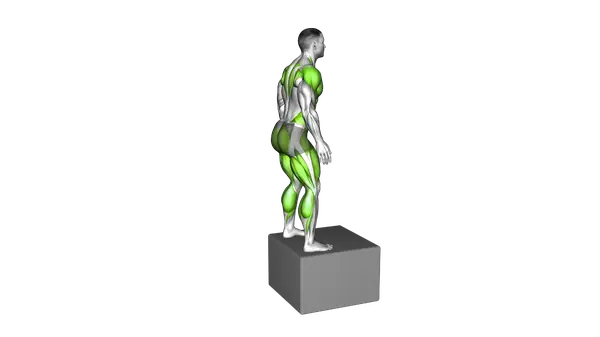
The jump box is an incredibly versatile training tool that has revolutionized functional fitness across HIIT and CrossFit communities. This simple yet effective piece of equipment offers intermediate athletes a challenging way to develop explosive power through the lower body, primarily targeting the quads, glutes, and calves in one dynamic movement. What makes the jump box particularly valuable is its ability to simultaneously build strength, endurance, and cardiovascular capacity. The height challenge creates progressive overload opportunities that few other exercises can match, allowing athletes to quantifiably track improvements in their explosive power over time. During high-intensity interval training sessions, the jump box serves as a perfect station for maximal effort bursts that elevate heart rate rapidly while building muscular endurance in the lower kinetic chain. CrossFit athletes particularly value jump box work for developing the explosive hip extension pattern critical for Olympic lifting and other compound movements. The beauty of jump box training lies in its scalability. The same box that challenges a beginner can be repositioned to test even advanced athletes, making it a staple in functional fitness programming. The neurological demands of box jumping also improve proprioception and spatial awareness, contributing to better overall athletic performance. Beyond physical benefits, jump box work develops mental fortitude as athletes must commit fully to each repetition, building confidence that transfers to other athletic endeavors. This psychological component makes it particularly effective for breaking through plateaus in training. As with any plyometric movement, jump box work creates significant training stimulus with relatively low repetitions, making it an efficient addition to any workout program that values time-efficient results. The combination of strength development, cardiovascular challenge, and coordination requirements makes the jump box a cornerstone tool for those serious about functional fitness and athletic development.
Jump Rope
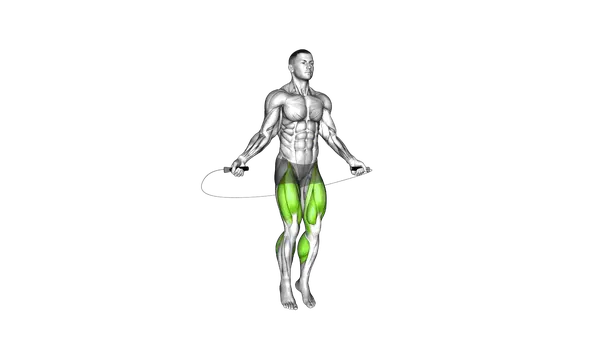
The jump rope, a timeless fitness tool transcending generations from playground games to elite athletic training, offers incredible versatility for practitioners of all levels. For beginners, this accessible exercise requires minimal equipment while delivering impressive results from day one. The simple act of rhythmically jumping over a swinging rope builds coordination and establishes foundational movement patterns that benefit virtually all other physical activities. As an exceptional lower-body developer, jump rope training particularly targets the calves through constant, controlled contractions. These muscles work continuously to propel your body upward with each jump, creating natural resistance training that builds lean, functional strength. Simultaneously, your cardiovascular system kicks into high gear as you maintain this dynamic movement, making the jump rope one of the most efficient calorie-burning tools available. The jump rope shines brilliantly within high-intensity interval training (HIIT) and CrossFit protocols, where its ability to rapidly elevate heart rate makes it perfect for intense work periods. Many elite CrossFit athletes incorporate various jump rope styles—from standard bounces to double-unders—in their competitive routines. Additionally, jump rope serves as an ideal warm-up activity, increasing core temperature, enhancing blood flow to working muscles, and activating the nervous system before more demanding exercises. Few activities match the jump rope's effectiveness for cardiovascular conditioning. The continuous, rhythmic nature of jumping challenges both your aerobic and anaerobic systems, particularly as you increase speed or complexity. This makes it exceptionally valuable for endurance development, teaching your body to sustain effort efficiently while improving heart and lung capacity. Regular sessions progressively extend your stamina thresholds, creating tangible improvements in everyday energy levels and athletic performance. The beauty of jump rope training lies in its scalability—the same tool serves the fitness novice and the seasoned athlete alike, with progress measured through duration, intensity, and technical variations rather than equipment upgrades. This enduring simplicity explains why the jump rope remains a cornerstone in fitness programs worldwide.
Jump Split
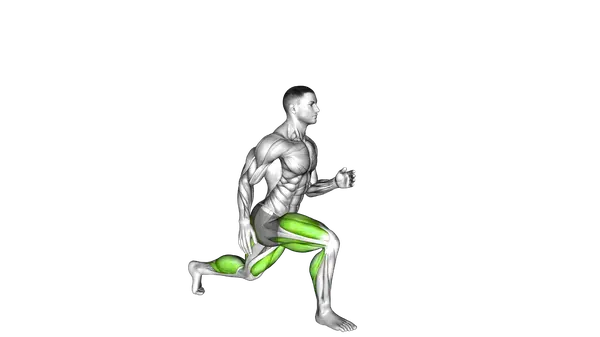
The Jump Split is a dynamic plyometric exercise that delivers an impressive mix of cardiovascular conditioning and lower body strengthening, making it a favorite among intermediate fitness enthusiasts. This explosive movement primarily targets the quads, glutes, and hamstrings, creating a comprehensive lower body workout that enhances both strength and mobility simultaneously. When incorporated into HIIT or CrossFit routines, Jump Splits create an immediate heart rate spike, maximizing caloric burn while developing fast-twitch muscle fibers essential for athletic performance. The alternating nature of this exercise means you're constantly challenging your balance and coordination, which translates to improved stability in other athletic endeavors. What sets the Jump Split apart from standard plyometric exercises is its dual focus on endurance and cardio benefits. As you perform multiple repetitions, your muscles develop greater stamina while your cardiovascular system adapts to the demands of repeated explosive movements. This combination makes it particularly effective for athletes looking to improve their anaerobic threshold and recovery capacity between intense efforts. The beauty of this exercise lies in its scalability – as your fitness improves, you can increase the height of your jumps or add weighted elements to continue challenging your body. Many athletes report significant improvements in their vertical leap and sprint performance after incorporating Jump Splits into their regular training routine. While demanding, the payoff from consistent Jump Split training is substantial: greater power output, improved hip mobility, enhanced cardiovascular efficiency, and that satisfying muscle fatigue that signals real progress. For those looking to break through fitness plateaus or add variety to their lower body training, this intermediate-level movement delivers impressive results when performed correctly and consistently as part of a balanced fitness program.
Jump Squat
The jump squat stands as a dynamic powerhouse in any fitness routine, merging the strength-building benefits of traditional squats with explosive plyometric movement. This intermediate-level exercise simultaneously targets multiple lower body muscle groups, primarily engaging the quadriceps, glutes, and calves through a combination of controlled descent and explosive ascent. Popular in both HIIT and CrossFit programming, jump squats serve as an excellent metabolic conditioning tool that elevates your heart rate quickly while building functional power. The beauty of this exercise lies in its versatility—it can be incorporated into circuit training, used as a finisher, or programmed within complex training protocols that pair strength movements with plyometrics. The exercise's high-intensity nature makes it particularly effective for developing muscular endurance and cardiovascular capacity. As you progress through multiple repetitions, you'll notice the dual challenge of maintaining proper form while fighting through the burning sensation in your legs—a hallmark sign that you're building muscular endurance. Meanwhile, your cardiovascular system works overtime to supply oxygen to your working muscles, creating that beneficial cardio training effect. Research has demonstrated that incorporating plyometric exercises like jump squats into your routine can improve power output, vertical jump height, and even running economy. The neuromuscular adaptations that occur when regularly performing jump squats translate well to athletic performance across various sports and activities. For those tracking fitness metrics, jump squats typically burn more calories than their static counterparts due to the increased energy demand of propelling your body weight against gravity. This makes them an efficient choice for those with limited workout time who want to maximize their results. While challenging, the reward of mastering jump squats extends beyond aesthetic benefits—you'll develop real-world power that translates to improved performance in daily activities, recreational sports, and other fitness pursuits.
Jumping Jack
The jumping jack stands as one of fitness's most recognizable and versatile movements, making it perfect for beginners while still delivering results for experienced exercisers. This classic cardio exercise elevates your heart rate quickly while engaging multiple muscle groups simultaneously, proving that sometimes the simplest movements yield the most impressive benefits. As a cornerstone of cardio training, jumping jacks efficiently burn calories while improving circulation and respiratory function. Their rhythmic nature helps establish a steady breathing pattern, making them particularly valuable for those new to fitness who are still developing their cardio base. The exercise's low-impact variation—keeping feet closer to the ground with smaller movements—offers an accessible entry point for beginners concerned about joint stress. Jumping jacks shine brilliantly within HIIT protocols, warm-up routines, and cool-down sequences alike. In high-intensity interval training, they serve as an excellent spike exercise that quickly elevates heart rate between strength movements. When incorporated into warm-ups, jumping jacks prepare the body by increasing core temperature, enhancing joint mobility, and priming the nervous system for the workout ahead. During cool-downs, a gentler execution helps gradually return the heart rate to resting levels while maintaining blood flow to working muscles. The beauty of jumping jacks lies in their dual contribution to cardiovascular health and muscular endurance. Regular incorporation helps strengthen the heart muscle while improving oxygen delivery throughout the body. Meanwhile, the repetitive nature challenges muscular staying power, particularly in the shoulders, calves, and core stabilizers that must work continuously throughout the movement. Research suggests that simple, accessible exercises like jumping jacks promote better adherence to fitness routines, especially among beginners. Their familiarity removes barriers to entry while their effectiveness ensures continued results. Whether used as a standalone conditioning exercise or integrated into a comprehensive fitness program, jumping jacks deliver impressive cardiovascular benefits without requiring complex instruction or specialized equipment.
Kettlebell Swing
The kettlebell swing stands as a cornerstone in functional fitness, beloved by intermediate athletes looking to simultaneously challenge multiple muscle groups while boosting cardiovascular capacity. This dynamic movement primarily targets the posterior chain, with your glutes and hamstrings handling the heavy lifting, while your abs engage throughout to maintain stability and power generation through the hips. What makes the kettlebell swing particularly valuable is its versatility across training methodologies. In HIIT workouts, it serves as an explosive interval option that rapidly elevates heart rate and calorie burn. Crossfit enthusiasts appreciate how it builds the power and conditioning necessary for complex movements, while bodybuilders increasingly incorporate swings as a metabolic finisher that sculpts the hamstrings and glutes without adding unwanted bulk. The beauty of this movement lies in its triple-threat development of strength, endurance, and cardiovascular fitness. From a strength perspective, the posterior chain development translates to improved deadlifts, squats, and athletic performance. Endurance benefits emerge when performing moderate-weight, higher-rep sets that challenge muscular stamina, particularly in the grip, core, and hip extensors. Meanwhile, the ballistic nature of properly executed swings creates a cardiovascular training effect comparable to sprinting but with lower joint impact. Many fitness enthusiasts appreciate the kettlebell swing's efficiency—few exercises deliver such comprehensive benefits in such a time-efficient package. The movement pattern also reinforces proper hip hinging, a fundamental human movement pattern often lost in our sedentary culture. This hip-dominant exercise counterbalances the quad-dominant patterns prevalent in modern workouts and daily life, potentially reducing injury risk and improving athletic longevity. For those seeking an exercise that bridges the gap between strength training and conditioning while emphasizing posterior development, the kettlebell swing provides an evidence-based solution that continues to stand the test of time in effective fitness programming.
Long Jump
The Long Jump is a dynamic plyometric movement that challenges your explosive power while engaging multiple lower body muscle groups simultaneously. This intermediate-level exercise primarily targets your glutes, quads, hamstrings, and calves, making it an efficient full-leg developer in a single movement. What makes the Long Jump particularly valuable is its versatility across different training modalities. It's a staple in HIIT circuits where it elevates your heart rate rapidly, a common component in CrossFit WODs for developing athletic capacity, and an excellent warm-up exercise to prime your muscles before heavy lifting sessions. The movement mimics the natural jumping pattern humans have used throughout evolutionary history, which explains why it translates so effectively to real-world athletic performance. From a physiological perspective, the Long Jump develops three key fitness components: strength through rapid force production, endurance through repeated efforts, and cardiovascular conditioning when performed in succession. The explosive nature of the movement recruits fast-twitch muscle fibers, which are essential for activities requiring sudden bursts of power. Research shows that regular implementation of plyometric exercises like the Long Jump can increase vertical jump height by 5-10% while improving running economy and sprint times. The beauty of the Long Jump lies in its functional carryover to daily life and sports performance. Each jump trains your neuromuscular system to coordinate multiple muscle groups efficiently, enhancing your body's ability to generate and absorb force. This translates to improved performance in everything from basketball and volleyball to simply climbing stairs or catching yourself when you trip. Athletes who incorporate the Long Jump regularly often report improved lower body power, better coordination, and enhanced athletic confidence. It's a time-efficient movement that delivers substantial fitness benefits without requiring any equipment, making it accessible regardless of your training environment.
Marching On Spot
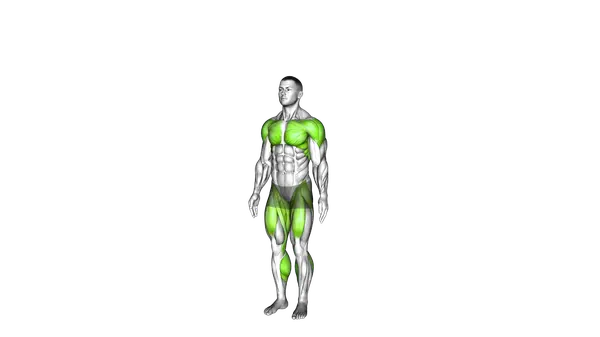
Marching on the spot offers a perfect entry point for beginners looking to elevate their heart rate without complex movements or equipment. This foundational exercise primarily engages your quadriceps and calves, creating a gentle but effective lower body workout while simultaneously boosting your cardiovascular system. What makes marching on the spot so versatile is its adaptability across different workout segments. Whether you're incorporating it into a high-intensity interval training (HIIT) circuit for quick bursts of movement, using it to prepare your body during a warm-up, or gradually decreasing your heart rate during a cool-down phase, this exercise seamlessly transitions between roles. The beauty of this movement lies in its endurance-building potential. By consistently performing marching on the spot for extended periods, you'll notice improvements in your aerobic capacity and muscular stamina. The steady, rhythmic nature of the exercise elevates your heart rate into the cardio training zone, making it an effective calorie-burning activity that can be sustained longer than more intense exercises. Research shows that even simple movements like marching can significantly impact your metabolic rate and contribute to improved fitness levels over time. The accessibility of this exercise makes it particularly valuable for those beginning their fitness journey or returning after a break. No specialized coordination or previous experience is required: just a willingness to move. For those tracking fitness metrics, marching on the spot provides a reliable baseline activity that can help establish your working heart rate zones and monitor improvements in recovery time as your fitness progresses. The minimal impact nature of the movement makes it sustainable for longer sessions without placing excessive stress on your joints, making it a smart addition to any well-rounded fitness program.
Medicine Ball Overhead Slam
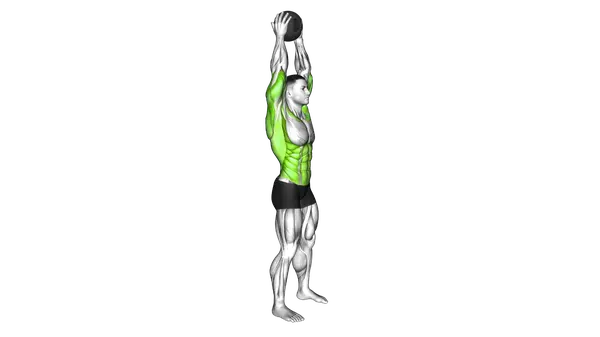
The Medicine Ball Overhead Slam stands as a powerful, dynamic exercise that delivers an impressive blend of strength building and cardiovascular benefits. This intermediate-level movement primarily targets your abs, front delts (anterior deltoids), and lats (latissimus dorsi), creating a comprehensive upper body and core engagement that's hard to match with static exercises. A favorite in both HIIT (High-Intensity Interval Training) and CrossFit communities, this explosive movement perfectly embodies the functional fitness philosophy by mimicking real-world movement patterns while adding resistance. The beauty of the overhead slam lies in its dual-nature, simultaneously developing strength while elevating your heart rate for substantial calorie burn. When incorporated into your routine, this exercise creates a perfect storm of muscle activation and metabolic demand. Your core muscles fire intensely to stabilize your trunk during the overhead position and throughout the explosive downward phase. Meanwhile, your shoulders and back work in concert to control the ball's trajectory, building functional upper body power that translates to everyday activities and other athletic pursuits. What makes the medicine ball overhead slam particularly valuable is its adaptability across fitness levels. By simply adjusting the weight of the medicine ball or modifying the tempo, you can scale the intensity to match your current capabilities while still challenging your system. This versatility explains why it's become a staple in training programs focused on developing power, core strength, and metabolic conditioning. For those looking to break through plateaus or add variety to their routine, this exercise delivers an invigorating challenge that engages both mind and body. The satisfying impact of the ball creates immediate feedback while the full-body nature of the movement ensures you're getting significant bang for your workout buck, making it an efficient choice for those with limited training time who want maximum results.
Mountain Climber
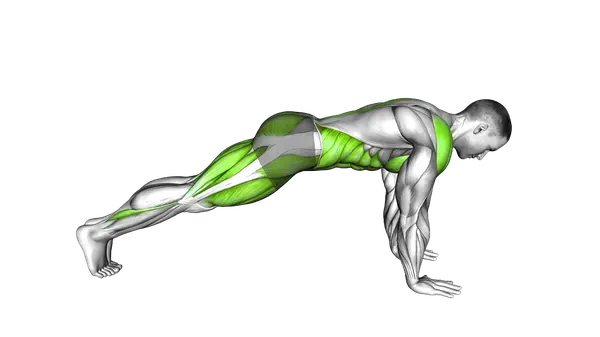
Mountain Climbers are a dynamic, full-body exercise that packs a serious punch in terms of fitness benefits. This intermediate-level movement simulates the action of climbing a mountain at a rapid pace, engaging multiple muscle groups simultaneously while elevating your heart rate. When you perform Mountain Climbers, you're primarily targeting your abdominal muscles, which continuously contract to maintain stability throughout the movement. Your quads get an intense workout as they drive each knee forward, while your glutes activate to support the hip movement and maintain proper form. This comprehensive muscle engagement makes Mountain Climbers a staple in various training protocols. You'll commonly find Mountain Climbers featured in HIIT (High-Intensity Interval Training) sessions, where they serve as an excellent spike in intensity. Crossfit athletes incorporate them regularly for their metabolic conditioning benefits, and they make for an effective warm-up exercise by quickly raising your core temperature and preparing multiple muscle groups for more intense work ahead. The beauty of Mountain Climbers lies in their versatility as a training tool. They build muscular endurance, particularly in your core, which translates to better performance in everyday activities and other exercises. As a cardio component, they efficiently elevate your heart rate and improve cardiovascular capacity without requiring any equipment or much space. The constant engagement of your core throughout the exercise strengthens your abdominal muscles while improving stability and balance. What makes Mountain Climbers particularly effective is their scalability – you can adjust the tempo to match your fitness level, making them appropriate for various workout intensities. The exercise challenges your coordination, strength, and cardiovascular system simultaneously, delivering impressive fitness benefits in a time-efficient manner. Whether you're looking to enhance your core strength, boost your cardio capacity, or simply add a challenging element to your routine, Mountain Climbers deliver results that match their intimidating name.
PVC Figure 8
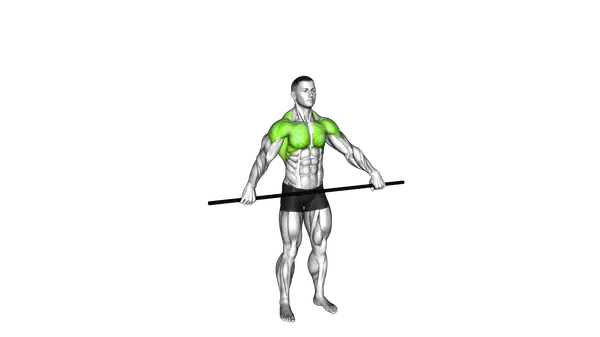
The PVC Figure 8 exercise offers a dynamic blend of core engagement and shoulder activation that's ideal for elevating your fitness routine to the next level. This intermediate movement simultaneously targets your abs and front deltoids, creating a comprehensive upper-body and core challenge that delivers multiple benefits in one fluid motion. Popular in HIIT, CrossFit, and warm-up routines, the Figure 8 pattern creates constant tension through your midsection while maintaining consistent movement through your shoulders. The continuous motion elevates your heart rate, making it an excellent addition to cardio-focused training days when you want to maximize calorie burn while building functional strength. What makes the PVC Figure 8 particularly effective is how it forces your core to stabilize against rotational forces while your shoulders work through various planes of motion. This translates directly to improved performance in everyday activities and athletic movements that require rotational power and stability. The lightweight PVC pipe adds just enough resistance to challenge your muscles without overwhelming them. The exercise serves as both a core strengthener and a cardiovascular enhancer, allowing you to improve your endurance and muscular definition simultaneously. Many fitness enthusiasts appreciate how the Figure 8 movement pattern trains the often-neglected oblique muscles while also engaging the rectus abdominis (six-pack muscles) and transverse abdominis (deep core). For those looking to diversify their training regimen, the PVC Figure 8 serves as an excellent metabolic conditioning tool that fits seamlessly into circuit training. Its versatility makes it appropriate for various fitness levels, though intermediates will find it particularly beneficial for developing the core control and shoulder endurance needed for more advanced movements. As your technique improves, you'll notice enhanced coordination between your upper and lower body, contributing to better overall athletic performance.
Rowing (Rowing Machine)
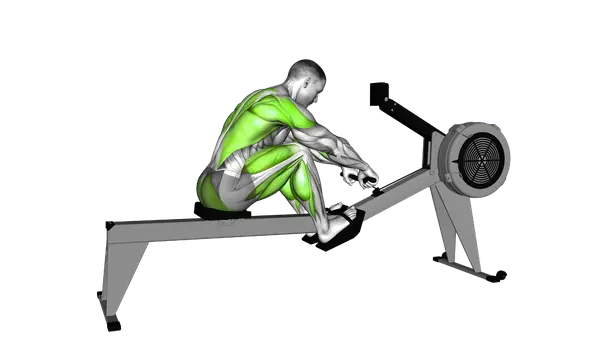
Rowing on a machine offers a dynamic full-body workout that engages multiple muscle groups simultaneously, making it an intermediate-level exercise that delivers impressive results. When you're powering through each stroke, your lats are engaged as you pull the handle toward your body, creating that coveted V-shaped back over time. Your powerful quad muscles activate during the drive phase, while hamstrings and glutes work in harmony during the recovery, creating a lower-body trifecta of strength development. What many don't realize is how rowing silently transforms your core - your abs remain engaged throughout the entire movement as they stabilize your body between the drive and recovery phases. The versatility of rowing makes it a standout choice for various training modalities. In HIIT workouts, alternating between high-intensity rowing sprints and recovery periods creates a metabolic furnace that continues burning calories long after you've stepped off the machine. CrossFit enthusiasts incorporate rowing for its measurable output and efficiency at building power endurance. Perhaps most underrated is rowing's role in recovery sessions, where maintaining a steady, moderate pace increases blood flow to muscles without the impact stress of other cardio options. Rowing stands tall as an endurance builder, allowing you to develop impressive stamina as you log meters or time on the machine. The beauty lies in how it improves cardiovascular health while simultaneously developing muscular endurance. Your heart and lungs adapt to the rhythmic demands, improving oxygen delivery throughout your body. Unlike some cardio options that neglect upper body development, rowing's full-body engagement means you're building endurance across multiple muscle groups simultaneously. Whether you're looking to supplement your existing fitness routine or make rowing your primary cardio choice, this efficient exercise delivers comprehensive benefits that few other machines can match - all while being gentle on your joints and adaptable to virtually any fitness level or goal.
Running
Running is an accessible, foundational form of cardio that's perfect for beginners looking to build their fitness base without complex equipment or techniques. This natural movement engages multiple muscle groups simultaneously, with your quads powering you forward, hamstrings controlling your stride, and calves providing the spring in your step. Your core muscles also activate to maintain proper posture and balance throughout your run, making it a surprisingly effective workout for your abs. The beauty of running lies in its versatility. For beginners, starting with alternating walking and jogging intervals builds endurance without overwhelming your cardiovascular system or muscles. As your fitness improves, you can gradually increase your running duration and intensity at your own pace. Running can be incorporated into various training styles to achieve different fitness goals. Use it as a warm-up with a light 5-10 minute jog to increase your heart rate and prepare your muscles for more intense activity. For HIIT workouts, alternate between sprints and recovery jogs to maximize calorie burn and improve both aerobic and anaerobic fitness. During recovery days, a slow, gentle run helps increase blood flow to muscles without adding stress, promoting faster healing after intense training sessions. The endurance benefits of running are unmatched, gradually strengthening your heart, expanding lung capacity, and improving your body's efficiency in using oxygen. Regular running sessions build cardiovascular health by reducing resting heart rate and blood pressure while increasing your VO2 max: your body's ability to utilize oxygen during exercise. Consistency is key with running. Even short, regular sessions deliver more benefits than occasional long runs. Listen to your body, progress at your own pace, and enjoy the mental clarity that often accompanies this rhythmic, meditative form of exercise. Many beginners find that running becomes less about the physical challenge and more about the psychological benefits, the coveted "runner's high" that keeps them coming back for more.
Running on Treadmill
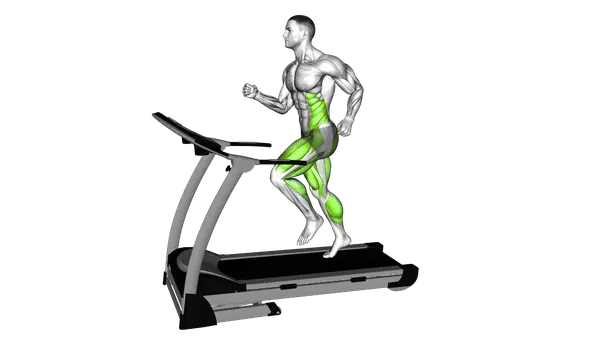
Running on a treadmill offers a fantastic, weather-proof option for cardiovascular exercise that's perfect for beginners and experienced athletes alike. This accessible exercise primarily targets the quadriceps, hamstrings, and calves, making it an excellent lower body workout while significantly boosting your cardiovascular system. For beginners, treadmill running provides a controlled environment to build endurance safely. The cushioned surface reduces impact on joints compared to outdoor running, allowing new exercisers to focus on proper form and breathing without worrying about uneven terrain or traffic. Start with alternating between walking and jogging intervals to gradually build your cardiovascular capacity. Treadmill running shines as a versatile activity that can be adapted for HIIT (High-Intensity Interval Training), warm-ups, or cool-downs. For HIIT workouts, alternate between sprinting for 30 seconds and walking for 90 seconds. As a warm-up, a five-minute light jog prepares your muscles for more intense exercise. For cooling down, gradually reduce your pace to help normalize your heart rate and prevent blood pooling. The beauty of treadmill running lies in its dual benefits for endurance and cardio health. Regular sessions strengthen your heart, improve lung capacity, and boost your body's ability to utilize oxygen efficiently. Your endurance improvements will translate to everyday activities, making climbing stairs, carrying groceries, or chasing after kids feel easier. Consistency is key with treadmill running. Even 20-30 minute sessions, three times weekly, can produce noticeable improvements in cardiovascular health and stamina. The machine's ability to track metrics like distance, speed, heart rate, and calories burned provides motivating feedback on your progress. Remember that proper running shoes are essential to absorb impact and support your feet properly. Listen to your body, progress gradually, and enjoy the endorphin rush that comes from this accessible, effective exercise that can be modified endless ways as your fitness journey evolves.
Increase stamina, improve health markers, and support weight management
Training goals for cardio development
Regular cardio training helps lower resting heart rate, reduce blood pressure, and boost metabolic function. It’s also effective for managing stress and improving sleep. Whether you're looking to lose fat, improve recovery, or build aerobic capacity for sport, incorporating the right cardio exercises into your weekly schedule can drive sustainable progress and better health.
Use steady-state or interval formats to target different energy systems
Best cardio exercises for endurance and fat loss
The best cardio exercises include running, cycling, rowing, jumping rope, and high-intensity interval training (HIIT) workouts. These activities elevate your heart rate and burn calories, while also building muscular and cardiovascular endurance. Steady-state cardio is great for building aerobic base, while intervals push intensity and accelerate fat loss. Both formats can be rotated for a balanced routine.
Train cardio with machines, bodyweight, or portable tools
Equipment options for cardio training
You don’t need a treadmill to get a good cardio workout. At home, bodyweight circuits using jumping jacks, mountain climbers, burpees, or shadow boxing can provide an effective challenge. Equipment like jump ropes, resistance bands, or stationary bikes adds intensity. In the gym, treadmills, rowers, air bikes, and ellipticals offer variety and tracking tools to help monitor progress.
Match your cardio approach to your fitness level and goals
Training plans featuring cardio exercises
Effective cardio routines are structured around duration, intensity, and recovery. Beginners may start with short walks or light intervals, while advanced users may benefit from programmed HIIT sessions. Cardio can complement strength training or stand alone depending on your goals. The app helps you create a personalized cardio plan tailored to your fitness level, time constraints, and preferred equipment: so you can improve endurance and burn calories efficiently.
Frequently asked questions about cardio exercises
It depends on your goals. HIIT burns more calories in less time and improves both aerobic and anaerobic capacity. Steady-state cardio is easier to recover from and better for building a solid endurance base. A combination of both is often the most effective and sustainable approach.
No. While machines like treadmills and bikes offer measurable progress and convenience, cardio fitness can be improved with simple tools or even bodyweight. Jump ropes, resistance bands, and creative routines allow for variety and progression without expensive equipment.
For general health, 2–4 sessions per week of 20–45 minutes each is effective. If you're training for fat loss or performance, you may increase frequency and vary the intensity between steady-state and interval workouts. Always balance cardio with recovery and strength training to avoid burnout or muscle loss.
Yes, bodyweight cardio exercises like high knees, mountain climbers, jumping jacks, and burpees can provide an excellent workout. You can also use stairs, do shadow boxing, or follow interval timers to structure short but effective sessions. These methods are ideal for those with limited space or no gym access.
The best cardio exercises include running, cycling, rowing, jumping rope, and HIIT workouts. These activities raise your heart rate, improve cardiovascular fitness, and support fat loss. Choose exercises you enjoy and can do consistently — variety helps prevent plateaus and keeps motivation high.
Integrate workouts into full-body and split routines