Back
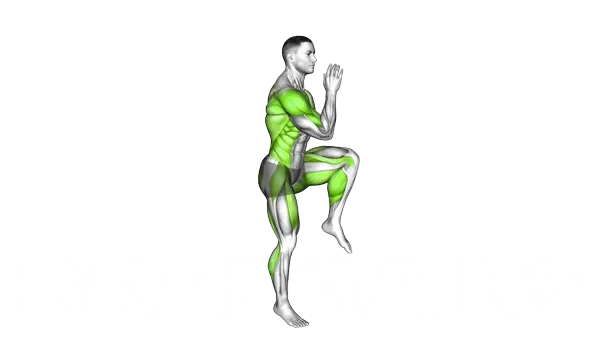
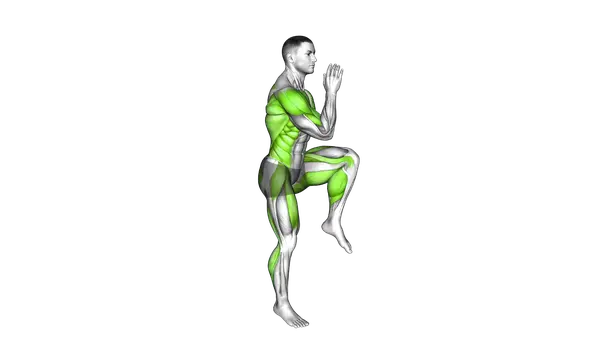
High Knee Skips
Add to Workout

High Knee Skips

Build

How to Perform

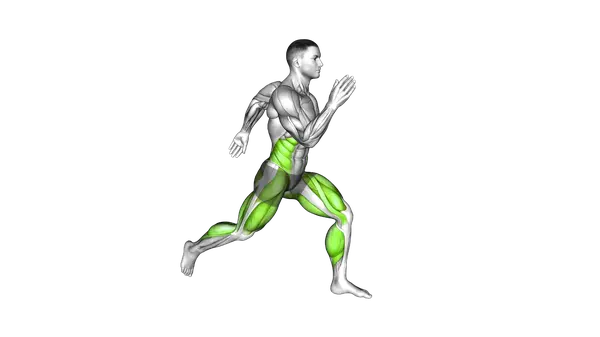
  1. Stand tall with your feet hip-width apart, shoulders relaxed, and arms bent at 90 degrees by your sides.
  2. Raise your right knee toward your chest while simultaneously lifting your left arm forward and right arm backward, maintaining the 90-degree bend in your elbows.
  3. As your knee reaches chest height, extend through the ball of your left foot to create a small hop or skip while keeping your core engaged.
  4. Land softly on the ball of your left foot, absorbing the impact by slightly bending your knee and maintaining an upright torso position.
  5. Immediately transition to raising your left knee toward your chest while switching arm positions, with right arm forward and left arm backward.
  6. Continue alternating knees in a rhythmic skipping motion, focusing on height rather than forward distance, while breathing naturally throughout the movement.
  7. Maintain a slight forward lean from the ankles, not the waist, keeping your chest up and shoulders directly over your hips as you progress.
  8. Drive your arms in opposition to your legs with each skip, using them to help propel your knees higher while keeping your core tight for stability.

Important information

  • Keep your landings light and controlled, landing on the balls of your feet rather than flat-footed to reduce impact on your joints.
  • Focus on knee height rather than speed in the beginning; quality of movement is more important than quantity.
  • Make sure your core remains engaged throughout to protect your lower back and improve performance.
  • Keep your shoulders relaxed and down away from your ears to prevent unnecessary tension in your upper body.

Exercise Details

Primary Muscles

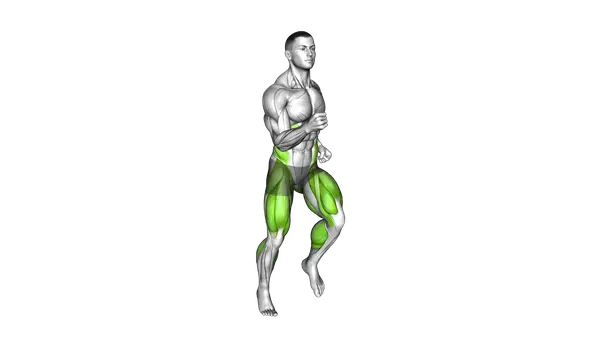
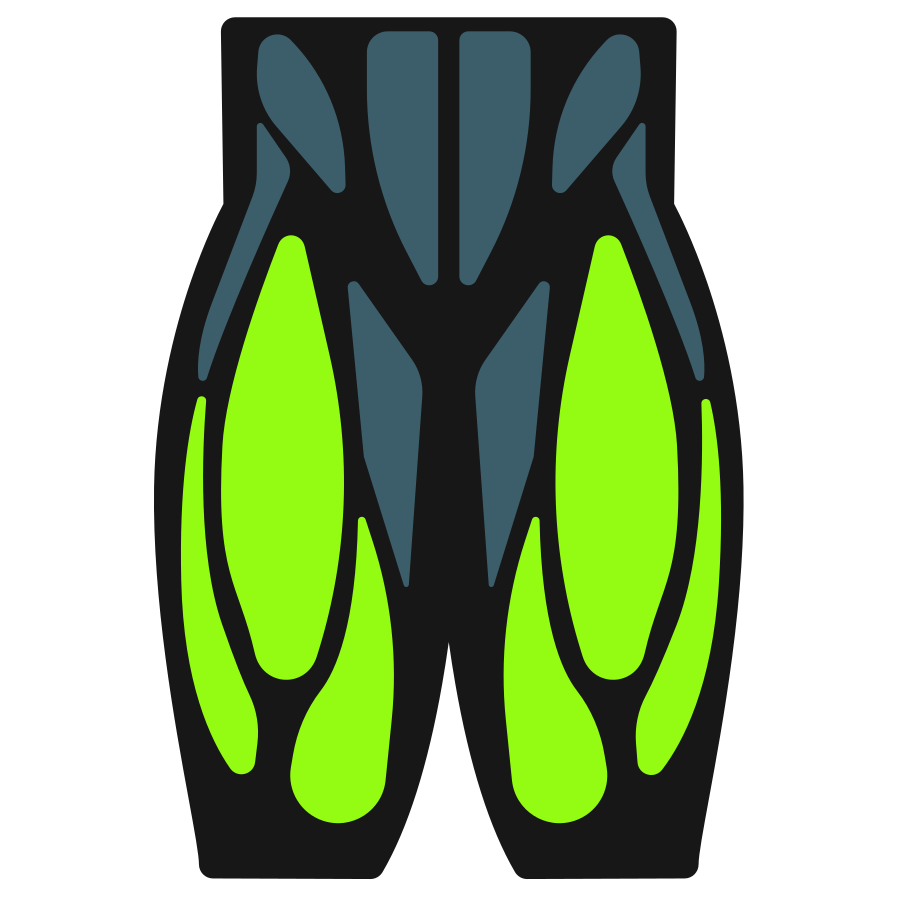
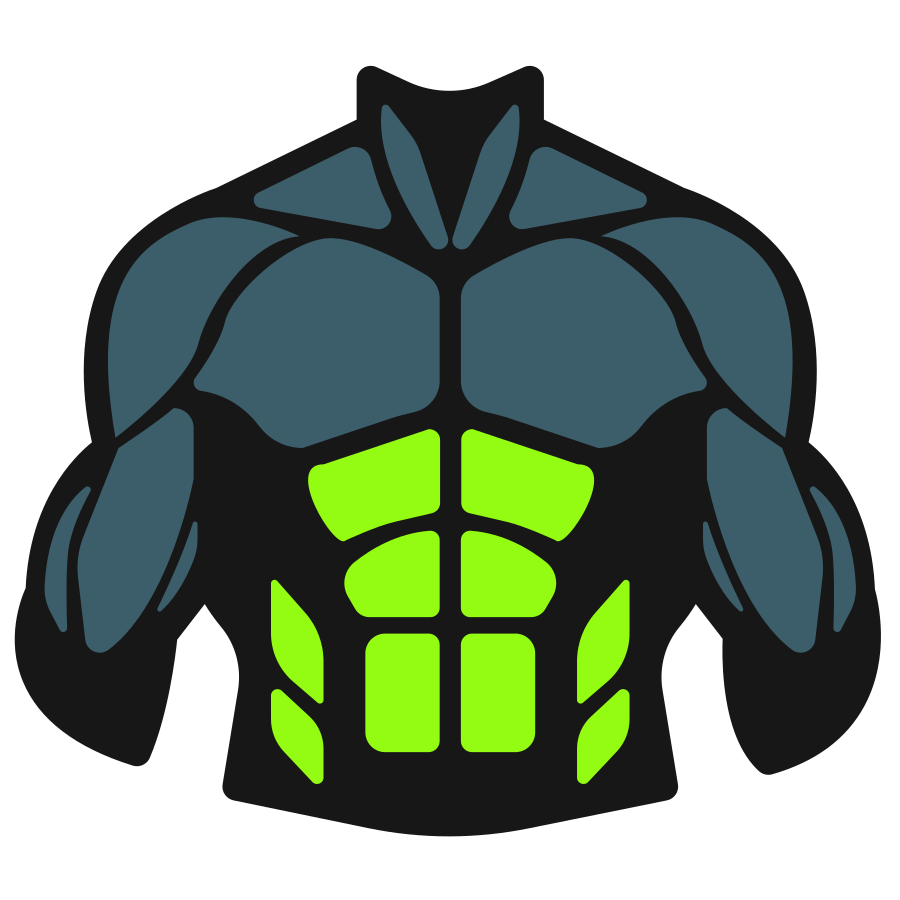
Quads Calves Abs

Muscle Groups

Leg exercises Ab exercises

Mechanic

Compound

Built for progress

Take the guesswork out of training

Create personalized AI-powered workout plans that evolve with you. Train smarter, track every rep and keep moving forward, one workout at a time.

Be among the first to join!
GrabGains workout plans

High Knee Skips are a dynamic exercise that perfectly bridges the gap between a standard warm-up and an intense cardio session. This intermediate-level movement targets multiple muscle groups simultaneously, with primary emphasis on the quadriceps, calves, and abdominal muscles working in coordinated harmony. As a staple in both HIIT protocols and comprehensive warm-up routines, High Knee Skips deliver an impressive cardiovascular challenge while preparing the body for more intense activity. 

The rhythmic nature of this exercise elevates your heart rate quickly, making it an efficient cardio option when time is limited. The beauty of High Knee Skips lies in their ability to improve multiple fitness components at once. While enhancing your cardiovascular capacity, you're also building muscular endurance in the lower body. The explosive nature of each skip strengthens fast-twitch muscle fibers, contributing to improved athletic performance across various activities. Many fitness enthusiasts appreciate how High Knee Skips naturally improve coordination and rhythm, qualities that transfer well to sports performance and daily movement patterns. The exercise demands core stability throughout, creating that coveted mind-muscle connection between your brain and abdominal muscles. 

For endurance athletes, incorporating High Knee Skips regularly can improve running economy and stride efficiency. The exaggerated knee lift reinforces proper running mechanics while simultaneously building resistance to fatigue in the hip flexors and quadriceps. What separates High Knee Skips from basic jogging is the intentional height and power behind each repetition. This deliberate intensity makes the exercise an excellent metabolic conditioning tool, helping to improve both aerobic and anaerobic energy systems. Whether you're using them as part of your warm-up routine or as intense cardio intervals, High Knee Skips deserve a place in your fitness repertoire for their versatility and effectiveness.

FAQ - High Knee Skips

What muscles do High Knee Skips primarily target?

High Knee Skips primarily engage the quadriceps, hip flexors, calves, and core muscles. Your hamstrings and glutes also activate as stabilizers, making this a comprehensive lower-body and core exercise.

How can I modify High Knee Skips for different fitness levels?

Beginners can reduce height and speed while focusing on proper form. To increase intensity, add arm movements, increase knee height, incorporate longer sets, or add resistance with bands around your waist.

How often should I include High Knee Skips in my workout routine?

Incorporate High Knee Skips 2-4 times weekly, either as part of your warm-up routine (1-2 sets of 20-30 seconds) or as a cardio interval within HIIT workouts (30-60 second work periods). Allow 24-48 hours between high-intensity sessions for recovery.

What are the most common form mistakes with High Knee Skips?

Common mistakes include insufficient knee height, hunching forward, landing flat-footed, and allowing the core to sag. Focus on driving knees above hip level, maintaining an upright torso with engaged core, and landing on the balls of your feet with each skip.

Are High Knee Skips safe for people with knee problems?

High Knee Skips create significant impact and knee flexion that may aggravate existing knee conditions. If you have knee issues, consider lower-impact alternatives like marching in place or consult a physical therapist for specific modifications suitable for your condition.

Workouts with High Knee Skips

Alternative Exercises

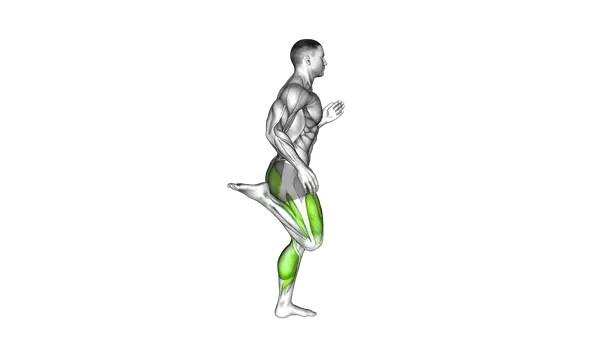
Butt Kicks

Butt Kicks

Butt kicks are a dynamic, high-energy exercise that serves as an excellent addition to any fitness routine, particularly for beginners looking to build lower body strength and cardiovascular endurance. This accessible movement primarily targets the hamstrings while also engaging the glutes, making it a focused yet comprehensive lower body exercise that delivers impressive results with proper form and consistent practice. Many fitness professionals incorporate butt kicks into HIIT circuits due to their ability to quickly elevate heart rate and create metabolic demand without complex movement patterns. However, their versatility extends beyond intense training sessions, as they also function perfectly as part of a thorough warm-up sequence to prepare the posterior chain for more demanding exercises, or as a cool-down activity to facilitate recovery while maintaining elevated circulation. The beauty of butt kicks lies in their dual benefits – simultaneously developing muscular endurance in the hamstrings and glutes while providing an effective cardio stimulus that improves aerobic capacity. The rhythmic nature of this movement challenges your cardiovascular system similarly to jogging but with increased posterior chain activation, creating a more balanced lower body workout that complements other common exercises like high knees or jumping jacks. For those monitoring their fitness progress, butt kicks offer a measurable benchmark – tracking improvements in speed, duration, and technical execution provides tangible evidence of developing endurance and coordination. As your fitness level advances, you can naturally increase the intensity by performing the movement with greater speed or for extended durations without needing to modify the basic exercise pattern. Whether incorporated into a dedicated training session or used as a quick energy-boosting activity during a busy day, butt kicks deliver significant physiological benefits while remaining accessible to virtually any fitness level. Their minimal space requirements and zero-equipment nature make them a practical option for home workouts, travel fitness, or outdoor training sessions.

Endurance
Cardio
HIIT
Warm-up
+1
Bodyweight exercises
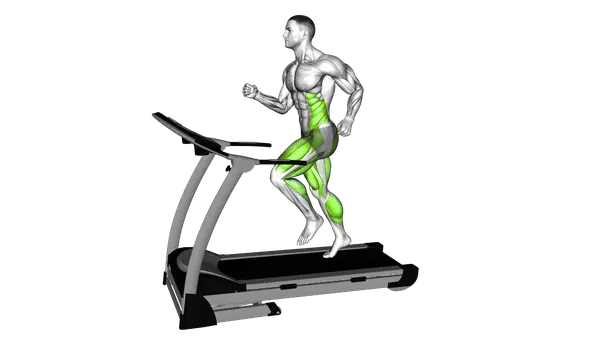
Running on Treadmill

Running on Treadmill

Running on a treadmill offers a fantastic, weather-proof option for cardiovascular exercise that's perfect for beginners and experienced athletes alike. This accessible exercise primarily targets the quadriceps, hamstrings, and calves, making it an excellent lower body workout while significantly boosting your cardiovascular system. For beginners, treadmill running provides a controlled environment to build endurance safely. The cushioned surface reduces impact on joints compared to outdoor running, allowing new exercisers to focus on proper form and breathing without worrying about uneven terrain or traffic. Start with alternating between walking and jogging intervals to gradually build your cardiovascular capacity. Treadmill running shines as a versatile activity that can be adapted for HIIT (High-Intensity Interval Training), warm-ups, or cool-downs. For HIIT workouts, alternate between sprinting for 30 seconds and walking for 90 seconds. As a warm-up, a five-minute light jog prepares your muscles for more intense exercise. For cooling down, gradually reduce your pace to help normalize your heart rate and prevent blood pooling. The beauty of treadmill running lies in its dual benefits for endurance and cardio health. Regular sessions strengthen your heart, improve lung capacity, and boost your body's ability to utilize oxygen efficiently. Your endurance improvements will translate to everyday activities, making climbing stairs, carrying groceries, or chasing after kids feel easier. Consistency is key with treadmill running. Even 20-30 minute sessions, three times weekly, can produce noticeable improvements in cardiovascular health and stamina. The machine's ability to track metrics like distance, speed, heart rate, and calories burned provides motivating feedback on your progress. Remember that proper running shoes are essential to absorb impact and support your feet properly. Listen to your body, progress gradually, and enjoy the endorphin rush that comes from this accessible, effective exercise that can be modified endless ways as your fitness journey evolves.

Endurance
Cardio
HIIT
Warm-up
+1
Machine
Sprinting

Sprinting

Sprinting is arguably the most fundamental expression of human power and speed, combining explosive strength with cardiovascular demand in a way few other movements can match. This intermediate-level exercise primarily engages your quads, hamstrings, and calves while delivering an intense cardio stimulus that can rapidly elevate your heart rate to near-maximum levels within seconds. When incorporated into HIIT routines, Crossfit WODs, or simply as part of a dynamic warm-up, sprinting delivers remarkable physiological benefits. The beauty of sprinting lies in its simplicity and efficiency: your body becomes both the resistance and the machine, requiring nothing more than space and your maximum effort. Research consistently shows that sprint training produces significant improvements in both anaerobic and aerobic capacity, making it a versatile tool for developing multiple energy systems simultaneously. Your fast-twitch muscle fibers are recruited at extraordinarily high rates during sprinting, stimulating adaptations that can enhance performance across numerous other activities and sports. The cardiovascular benefits are equally impressive, as repeated sprint efforts can improve heart health, increase stroke volume, and enhance your body's ability to deliver oxygen to working muscles. Many fitness professionals consider sprint training the ultimate "bang for your buck" exercise, as even short sessions can produce remarkable endurance gains when performed consistently. Beyond the physical benefits, there's something profoundly satisfying about pushing your body to its velocity limits. The neural drive required for maximum sprinting creates a mind-muscle connection that carries over to virtually every other physical activity. Whether you're looking to improve athletic performance, boost your metabolism, or simply experience the exhilaration of moving at your highest possible speed, sprinting deserves a place in your fitness regimen as a cornerstone of both cardio and endurance training.

Cardio
Endurance
HIIT
Crossfit
+1
Bodyweight exercises
Running

Running

Running is an accessible, foundational form of cardio that's perfect for beginners looking to build their fitness base without complex equipment or techniques. This natural movement engages multiple muscle groups simultaneously, with your quads powering you forward, hamstrings controlling your stride, and calves providing the spring in your step. Your core muscles also activate to maintain proper posture and balance throughout your run, making it a surprisingly effective workout for your abs. The beauty of running lies in its versatility. For beginners, starting with alternating walking and jogging intervals builds endurance without overwhelming your cardiovascular system or muscles. As your fitness improves, you can gradually increase your running duration and intensity at your own pace. Running can be incorporated into various training styles to achieve different fitness goals. Use it as a warm-up with a light 5-10 minute jog to increase your heart rate and prepare your muscles for more intense activity. For HIIT workouts, alternate between sprints and recovery jogs to maximize calorie burn and improve both aerobic and anaerobic fitness. During recovery days, a slow, gentle run helps increase blood flow to muscles without adding stress, promoting faster healing after intense training sessions. The endurance benefits of running are unmatched, gradually strengthening your heart, expanding lung capacity, and improving your body's efficiency in using oxygen. Regular running sessions build cardiovascular health by reducing resting heart rate and blood pressure while increasing your VO2 max:  your body's ability to utilize oxygen during exercise. Consistency is key with running. Even short, regular sessions deliver more benefits than occasional long runs. Listen to your body, progress at your own pace, and enjoy the mental clarity that often accompanies this rhythmic, meditative form of exercise. Many beginners find that running becomes less about the physical challenge and more about the psychological benefits, the coveted "runner's high" that keeps them coming back for more.

Endurance
Cardio
Hyrox
HIIT
+2
Bodyweight exercises