Race preparation
HYROX Calculator, Calculate your race time
Our HYROX calculator helps you calculate your HYROX race time by analyzing your average run pace, station times, and roxzone efficiency. Predict your HYROX finish time accurately with this free HYROX time calculator.
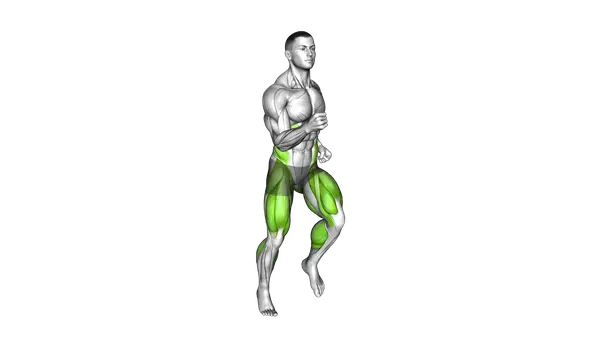
SkiErg
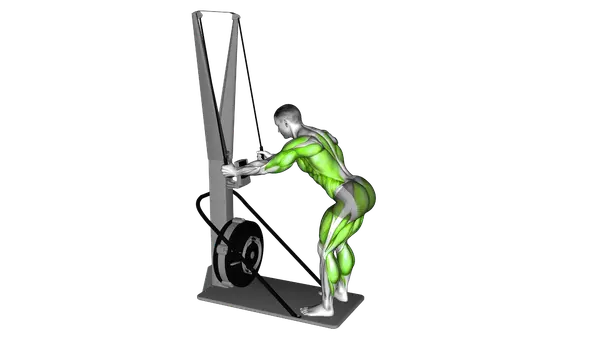
Sled Push
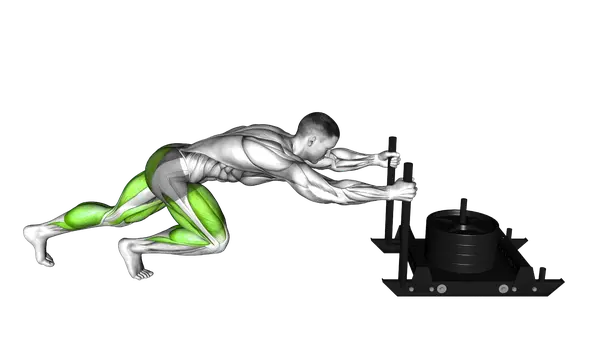
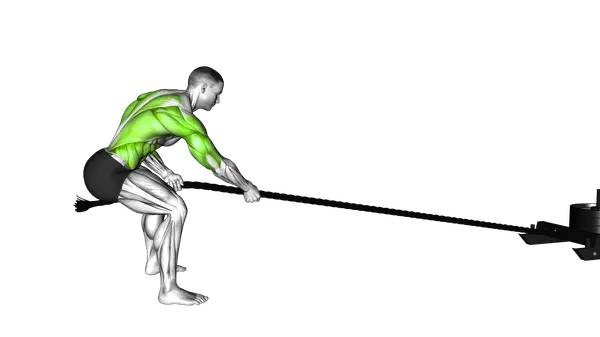
Sled Pull
Burpee Broad Jumps

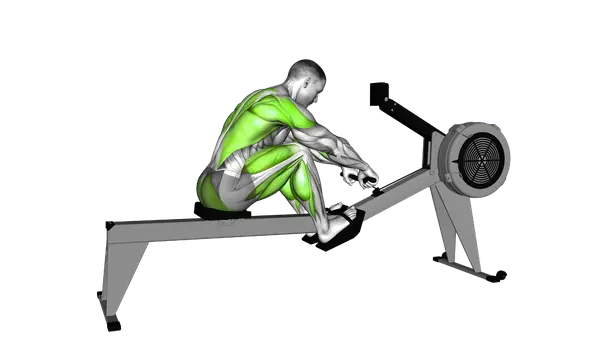
Row
Farmers Carry

Sandbag Lunges
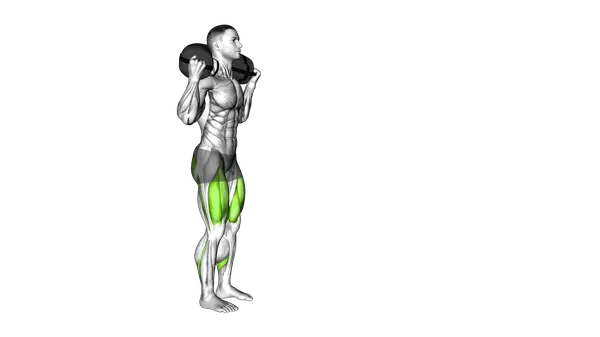
Wall Balls

Breakdown
HYROX Pacing Tips & Race Strategy
These are general pacing tips for HYROX. Your actual race time may vary based on your individual fitness, experience and race conditions.
Strength training
Strength is the half of HYROX you train in the gym
Five of the eight stations are loaded: sled push, sled pull, farmers carry, sandbag lunges and wall balls all come down to leg drive, grip and trunk stability. GrabGains builds a strength program around your goal, your equipment and the days you can train, and tracks every set.
- A program built from your goal, experience, equipment and training days
- Sets, reps, timed holds and loaded carries in one log
- Estimated one-rep max and a strength chart per exercise







































What is HYROX?
HYROX is a fitness racing competition that combines running and functional exercises. Each race consists of 8 rounds of 1km running followed by a functional workout station. The 8 HYROX stations include SkiErg, Sled Push, Sled Pull, Burpee Broad Jumps, Rowing, Farmers Carry, Sandbag Lunges, and Wall Balls. Athletes compete in either Solo or Doubles format, and can choose between Open or Pro divisions based on their fitness level.
How the HYROX Calculator Works
Our HYROX time calculator uses your running pace, station completion times, and transition efficiency to estimate your total race time. Simply enter your average 1km run pace, set your expected times for each of the 8 HYROX stations, and input your total roxzone time. The calculator will provide you with an estimated finish time, breakdown by component, and personalized pacing tips to help you optimize your race strategy.
HYROX Race Format Explained
A HYROX race consists of 8 rounds, each starting with a 1km run followed by one functional exercise station. The roxzone is the transition area between the "IN" and "OUT" arches at each station, adding approximately 800 meters of extra running distance throughout the race. Athletes can compete Solo (completing all work individually) or in Doubles (splitting the work with a partner). The Open division uses standard weights, while the Pro division features heavier loads for advanced athletes.
What is a HYROX Race Calculator?
A HYROX race calculator is a tool that helps athletes estimate their total finish time by combining running pace, station performance, and transition times. By inputting your expected pace per kilometer and time for each of the 8 functional workout stations, you get a realistic prediction of your race result. This calculator is essential for race planning, goal setting, and identifying areas to improve in your HYROX training.
Frequently Asked Questions
The HYROX calculator provides estimates based on your input pace and station times. Actual race performance can vary by ±5-10% depending on factors like race day conditions, fatigue management, nutrition, and transition efficiency. For best accuracy, input realistic paces based on recent training data.
For first-timers, men typically finish between 75-95 minutes and women between 85-105 minutes in the Open division. Focus on consistent pacing rather than a specific time goal. Completing your first HYROX is an achievement regardless of time!
Use a pace slightly slower than your 10K/6mi pace. You're running in intervals with functional exercises between each run. Most athletes run 10-15% slower than their standalone 10K/6mi pace due to cumulative fatigue from the stations.
Pro division uses significantly heavier weights across all stations - approximately 33-50% heavier than Open. Pro athletes typically finish 5-15 minutes slower than they would in Open due to increased loads. Only attempt Pro after completing several Open races and building substantial strength.
Focus on three key areas: 1) Build running endurance at race pace, 2) Practice station transitions to minimize rest time, and 3) Train stations individually then combine them. Most time is gained through efficient transitions and consistent pacing, not by going all-out on individual sections.
Doubles is a great starting point if you have a training partner. You split the work, allowing for recovery while your partner works. However, Solo gives you complete control over pacing. Choose based on whether you have a compatible partner and your preference for team vs individual competition.
Eat a carb-rich meal 2-3 hours before the race (oatmeal, banana, toast). Take an energy gel 15 minutes before start and consider another at the halfway point (after row). Stay hydrated but avoid drinking too much right before. Practice your race nutrition during training first.
Aim for 10-20 seconds per transition. Elite athletes average 10-15 seconds, intermediate athletes 15-25 seconds. With 16 total transitions in a race, improving from 30 to 15 seconds per transition saves 4 minutes off your total time. Practice quick equipment adjustments and minimize rest.
Built for progress
Take the guesswork out of training
Get a personalized workout plan built around your goal, equipment and schedule. Train smarter, track every rep and keep moving forward, one workout at a time.