Build, Focus & Training Goals

Find Your Focus

Pick your equipment

90 Degree Alternate Heel Touch

90 Degree Alternate Heel Touch

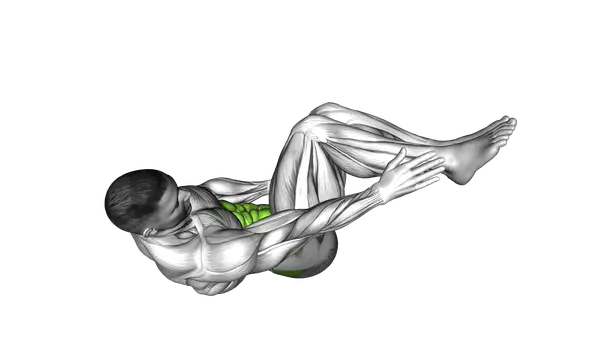
The 90 Degree Alternate Heel Touch is a dynamic core exercise that effectively targets the obliques and rectus abdominis muscles, offering an excellent addition to any abdominal training regimen. This intermediate-level movement creates substantial engagement throughout the entire core region while requiring minimal equipment, making it versatile enough to incorporate into HIIT circuits, traditional bodybuilding splits, or even recovery day routines. What makes this exercise particularly effective is how it combines rotational movement with isometric stability. As you alternate reaching toward each heel, your obliques contract forcefully to facilitate the rotation while your deeper core muscles work to maintain proper positioning throughout the movement. This simultaneous action creates comprehensive core development that translates well to both athletic performance and everyday functional strength. The beauty of the 90 Degree Alternate Heel Touch lies in its scalability. Fitness enthusiasts at the intermediate level will find it challenging enough to stimulate growth and endurance in their core musculature, while still being accessible enough to perform with proper form. The exercise's rhythmic, alternating pattern also makes it ideal for timed intervals within HIIT workouts, where maintaining intensity for 30-45 seconds can significantly elevate heart rate and caloric burn. For bodybuilders, this movement serves as an excellent complement to traditional core exercises by specifically targeting the external obliques and serratus muscles that contribute to that coveted V-taper physique. The controlled rotation helps sculpt definition along the sides of the torso while maintaining tension on the rectus abdominis throughout the exercise's duration. Even during recovery phases, the 90 Degree Alternate Heel Touch can be valuable. Performed at a more deliberate pace with focus on breathing patterns, it encourages blood flow to the midsection without creating excessive fatigue or soreness. This makes it a smart active recovery option that maintains core engagement without compromising your body's rebuilding processes between more intense training sessions.

Core
HIIT
Bodybuilding
+1
Bodyweight exercises
90 Degree Heel Touch

90 Degree Heel Touch

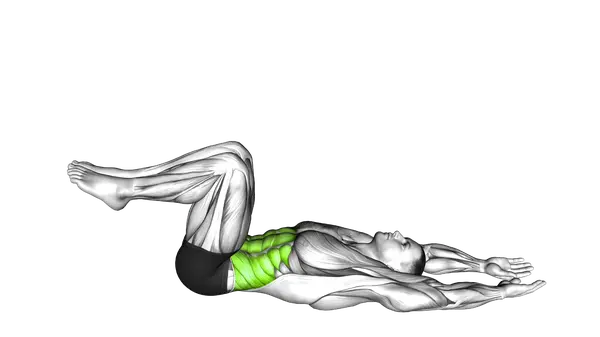
The 90 Degree Heel Touch is a dynamic core strengthening exercise that effectively targets multiple areas of your abdominal muscles, particularly emphasizing the obliques while engaging the entire core region. This intermediate-level movement has gained popularity across various training modalities including HIIT circuits, bodybuilding routines, and even recovery programs due to its versatility and effectiveness. Unlike standard crunches that primarily work the rectus abdominis (the "six-pack" muscles), the 90 Degree Heel Touch creates rotational tension that activates the internal and external obliques more intensely. This lateral movement pattern helps develop functional core strength that translates to improved performance in daily activities and sports that require rotational power. What makes this exercise particularly valuable is its scalability for intermediate fitness enthusiasts. The movement pattern allows for controlled intensity without placing excessive strain on the lower back, making it accessible for those who have developed basic core strength but aren't quite ready for advanced progressions. The exercise creates time under tension that stimulates muscle growth while also elevating heart rate when performed in higher-rep sequences. From a physiological perspective, the 90 Degree Heel Touch enhances neuromuscular coordination between your upper and lower body. This integration is crucial for developing a resilient core that can effectively transfer force through the kinetic chain. Research suggests that exercises incorporating this type of controlled rotation can contribute to improved spinal stability and reduced injury risk. When incorporated into HIIT workouts, this movement serves as an excellent metabolic driver, whereas in bodybuilding contexts, it helps sculpt definition in the oblique region. For recovery-focused sessions, the controlled nature of the movement can promote blood flow without overtaxing systems already in repair mode. The exercise stands as a testament to effective training design – challenging enough to stimulate adaptation while remaining accessible enough for consistent implementation across various fitness goals.

Core
HIIT
Bodybuilding
+1
Bodyweight exercises
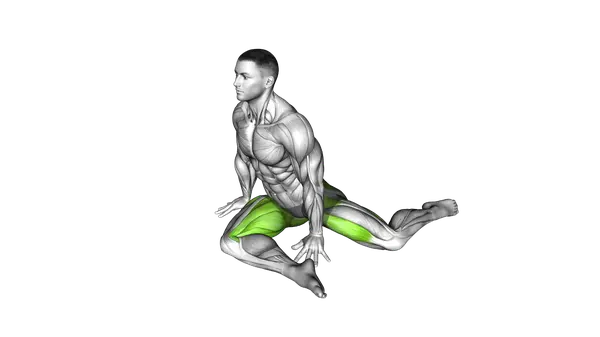
90/90 Stretch

90/90 Stretch

The 90/90 Stretch is a gentle yet highly effective mobility exercise that targets multiple areas of the lower body simultaneously, making it perfect for beginners looking to improve their hip function. This versatile stretch primarily engages the glutes and hip flexors, providing a deep release in areas that commonly become tight from prolonged sitting or intense workouts. As both a recovery tool and preparatory movement, the 90/90 Stretch earns its place in cool-down routines, recovery sessions, and warm-ups alike. Its ability to open the hips in multiple planes of motion makes it particularly valuable before activities requiring hip mobility, such as squats, lunges, or athletic movements that involve changing direction. What makes the 90/90 particularly special is how it combines stretching and mobility work in one efficient position. The stretch addresses external and internal rotation of the hips simultaneously, which helps restore natural movement patterns that may become restricted through daily activities or exercise. Many fitness professionals consider this movement a cornerstone of hip maintenance, especially for those dealing with discomfort or restrictions in their hip complex. Regular practice of the 90/90 Stretch can progressively improve your overall hip mobility, potentially enhancing athletic performance and reducing the risk of compensatory movements that might lead to injury. The beauty of this stretch lies in its simplicity and adaptability: it can be modified to accommodate different flexibility levels, making it accessible to virtually anyone. For optimal results, the 90/90 Stretch works best when performed consistently as part of a comprehensive mobility routine. Many find it beneficial to incorporate this movement daily, particularly after long periods of sitting, to reset hip positioning and maintain healthy movement patterns in this crucial joint complex.

Stretching
Mobility
Recovery
Cool-down
+1
Bodyweight exercises
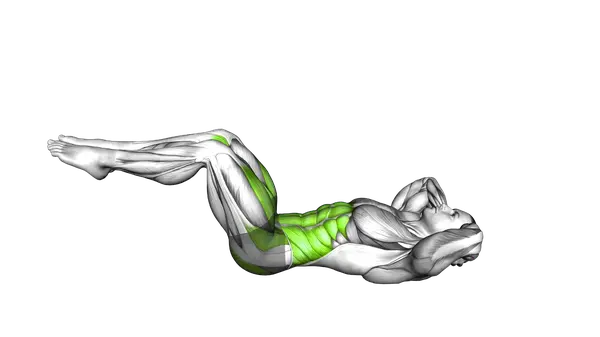
Abdominal Air Bike

Abdominal Air Bike

The Abdominal Air Bike, often simply called "Air Bike" in fitness circles, has established itself as a cornerstone exercise for anyone looking to strengthen their core while simultaneously boosting cardiovascular endurance. This dynamic movement mimics the motion of riding a bicycle while lying on your back, creating a powerful combination of abdominal engagement and controlled breathing that's particularly effective for beginners just starting their fitness journey. Unlike static core exercises, the Air Bike keeps your abs under constant tension through a rotational pattern that targets both the rectus abdominis (your "six-pack" muscles) and the often-neglected obliques. What makes this exercise particularly valuable is its scalability: you can adjust the intensity by simply changing your pace or extending the duration as your strength improves. The Air Bike has gained tremendous popularity within HIIT and CrossFit communities due to its ability to quickly elevate heart rate while requiring minimal space and no equipment. When incorporated into high-intensity interval protocols, it serves as an excellent metabolic conditioning tool that can help maximize caloric burn in minimal time. For those focused on building cardio capacity and muscular endurance, the Air Bike delivers impressive results. The continuous movement pattern challenges your cardiovascular system while the sustained muscle activation in your core builds localized endurance that transfers to many everyday activities and athletic movements. Many fitness enthusiasts appreciate how the Air Bike can be seamlessly integrated into various workout formats: whether as part of a dedicated ab circuit, as an active recovery station between strength exercises, or as a finisher to cap off a training session. Its versatility makes it a smart addition to virtually any fitness program, regardless of your current fitness level or specific goals.

Cardio
Endurance
HIIT
Crossfit
Bodyweight exercises
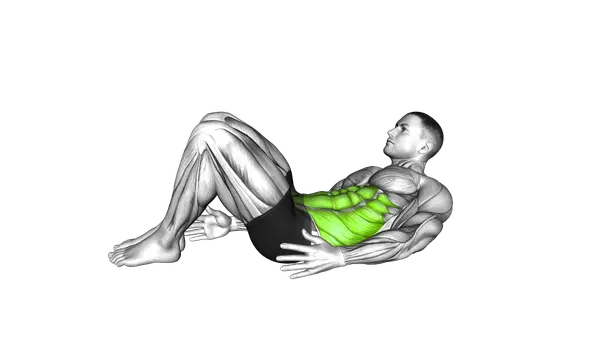
Alternate Heel Touchers

Alternate Heel Touchers

Alternate Heel Touchers are a fantastic beginner-friendly core exercise that seamlessly fits into various workout segments, from energizing HIIT circuits to active recovery periods and effective warm-up routines. This accessible movement primarily targets the abdominal muscles, with particular emphasis on the obliques – those muscles running along the sides of your torso that contribute to that coveted athletic look. What makes Alternate Heel Touchers particularly valuable is their adaptability for those just starting their fitness journey. The exercise delivers an effective core challenge without overwhelming beginners with complex movements or excessive strain on the lower back – a common concern with many traditional ab exercises. The controlled lateral motion engages your core stability while simultaneously improving coordination and body awareness. When incorporated into a HIIT sequence, these heel touches elevate your heart rate while maintaining focus on core engagement. Alternatively, during recovery phases between more intense exercises, they serve as active rest that maintains muscle activation without pushing you to exhaustion. Their gentle yet effective nature also makes them perfect for warming up the midsection before more demanding workouts. Beyond just aesthetics, consistently performing Alternate Heel Touchers contributes significantly to core endurance – that essential ability to maintain proper posture and stability throughout daily activities and other exercises. This functional strength translates directly to improved performance in everything from household chores to athletic pursuits, while simultaneously reducing injury risk through enhanced core stability. For those looking to build a solid foundation of core strength without jumping immediately into advanced movements, Alternate Heel Touchers provide that perfect stepping stone. They're particularly effective when performed with controlled, deliberate movement rather than rushed repetitions, allowing you to truly connect with and activate those important abdominal muscles while progressively building the endurance necessary for more challenging core exercises.

Core
Endurance
HIIT
Recovery
+1
Bodyweight exercises

Built for Progress

Take the Guesswork
Out of Training

Create personalized AI-powered workout plans that evolve with you. Train smarter, track every rep and keep moving forward.
Alternate Leg Raise

Alternate Leg Raise

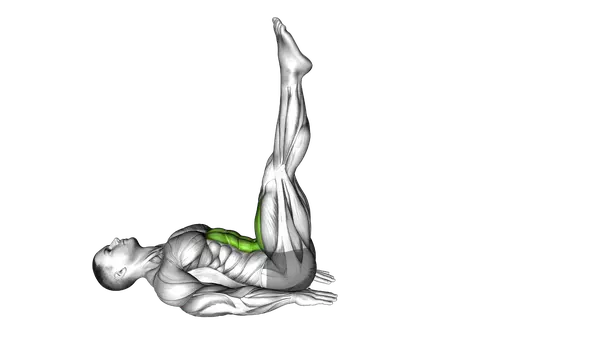
The Alternate Leg Raise is a fundamental core exercise that perfectly balances simplicity with effectiveness, making it an excellent choice for beginners just starting their fitness journey. This movement primarily targets the abdominal muscles while also engaging the hip flexors as secondary movers, creating a comprehensive lower core workout with minimal equipment needed: just your body and a comfortable mat. When incorporated into HIIT circuits, Alternate Leg Raises can elevate your heart rate while maintaining focus on core strength development. The exercise is equally valuable during recovery phases of training, as it allows for controlled movement patterns that promote blood flow without excessive strain. Many fitness professionals also recommend including this movement in warm-up routines to activate the core musculature before more demanding exercises. What makes the Alternate Leg Raise particularly valuable is its focus on core stability and endurance rather than raw power. The alternating nature of the movement challenges your body to maintain balance and proper positioning throughout the exercise duration, which translates to improved functional fitness in everyday activities. As you progress through sets, you'll notice the endurance component becoming increasingly challenging as your core muscles work to maintain proper form. For those looking to build a solid foundation of core strength, this exercise delivers remarkable benefits with minimal risk. The controlled alternating pattern helps prevent the lower back strain often associated with double leg raises, making it accessible even for those with some movement limitations. As your core endurance improves through consistent practice, you'll notice enhanced stability in other exercises and daily movements. The beauty of the Alternate Leg Raise lies in its versatility: it can be performed anywhere, requires no special equipment, and can be modified to match your current fitness level while still providing an effective core stimulus that builds the foundation for more advanced abdominal training.

Core
Endurance
HIIT
Recovery
+1
Bodyweight exercises
Alternate Lying Floor Leg Raise

Alternate Lying Floor Leg Raise

The Alternate Lying Floor Leg Raise offers an effective intermediate-level challenge for anyone looking to target their abs and strengthen their core foundation. This versatile exercise has earned its place in various training protocols from high-intensity interval training to bodybuilding routines and even recovery programs, making it a valuable addition to virtually any fitness regimen. What sets this movement apart is its ability to engage the entire abdominal region while minimizing stress on the lower back when performed correctly. The alternating pattern creates a dynamic stability challenge that forces your core to work continuously throughout the exercise, recruiting not just the visible rectus abdominis (your "six-pack" muscles) but also the deeper transverse abdominis and obliques. For intermediate fitness enthusiasts, this exercise provides that sweet spot between basic movements and advanced variations. You'll experience a targeted burn that indicates deep muscle activation within the abdominal wall. Many people appreciate that this movement can be performed anywhere with zero equipment, making it accessible for home workouts, travel, or when gym access isn't available. The alternating pattern of the leg raises introduces an element of rotational stability, which better mimics real-world movement patterns compared to traditional bilateral leg raises. This translational benefit means you're not just building aesthetic abs but functional core strength that supports everyday activities and athletic performance. Regular inclusion of Alternate Lying Floor Leg Raises in your routine can lead to improved posture, enhanced core endurance, and better overall trunk stability. These benefits extend beyond the gym, potentially reducing risk of lower back issues and improving performance in other exercises that require core stability as a foundation. As with any effective core exercise, consistency is key to seeing results. When incorporated into a well-rounded fitness program alongside proper nutrition, this movement can contribute significantly to both your core strength goals and overall physical development.

Core
HIIT
Bodybuilding
+1
Bodyweight exercises
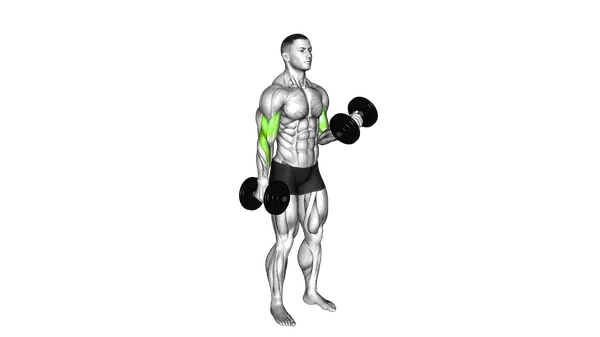
Alternate Standing Dumbbell Curl

Alternate Standing Dumbbell Curl

The Alternate Standing Dumbbell Curl is a foundational biceps exercise that delivers impressive results despite its simplicity. This classic movement targets the biceps brachii as the primary muscle group while also engaging the forearms for stability and grip strength. It's particularly valuable for beginners who are just starting their fitness journey, as it teaches proper isolation technique without overwhelming complexity. When incorporated into a bodybuilding program, this exercise allows for focused development of each arm independently, making it excellent for identifying and correcting strength imbalances between your dominant and non-dominant sides. The alternating pattern also enables you to concentrate fully on each repetition, establishing that crucial mind-muscle connection that advanced bodybuilders prize so highly. What makes this movement particularly effective is the way it allows for natural wrist position and shoulder rotation, reducing the risk of strain while maximizing biceps activation. The standing position engages your core stabilizers, adding a functional element to this isolation exercise. For those focused on strength development, the alternate pattern allows for heavier weight selection than simultaneous curls might permit, as you can channel your full focus into moving each dumbbell with proper form. Many fitness enthusiasts appreciate this exercise for its versatility: it can be performed anywhere with minimal equipment and can be easily modified to match your current fitness level. As your strength improves, you'll notice enhanced definition along the entire length of your biceps, with particular development in the peak that creates that coveted arm silhouette. Whether you're just beginning your fitness journey or looking to add variety to your established routine, the Alternate Standing Dumbbell Curl deserves a place in your program. Its effectiveness for building both aesthetic appeal and functional strength makes it a timeless addition to any upper body training day.

Strength
Bodybuilding
Dumbbell
Assault Bike Run

Assault Bike Run

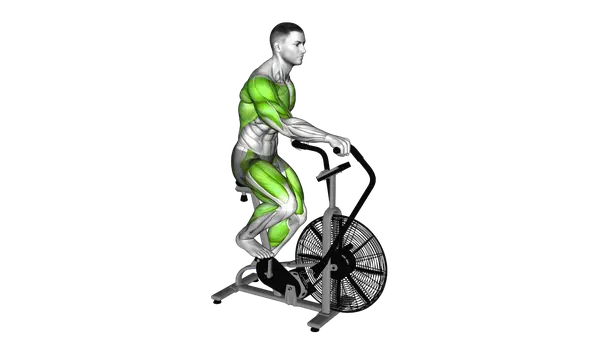
The Assault Bike Run combines the brutal efficiency of the assault bike (air bike) with running intervals to create a comprehensive cardio workout that challenges even seasoned athletes. This workout alternates between intense assault bike sessions and running segments, creating a metabolic storm that maximizes calorie burn while building impressive cardiovascular capacity. Popular in CrossFit boxes and HIIT studios, this combination has earned a reputation as one of the most effective conditioning protocols available. While beginners can modify the Assault Bike Run to suit their fitness level, this workout is best classified as intermediate due to its intensity and the technical coordination required. The dual-modality approach demands familiarity with both running mechanics and assault bike operation. Athletes should have established a baseline of cardiovascular fitness before tackling this challenging combination. The Assault Bike Run exemplifies high-intensity interval training principles, making it a staple in CrossFit programming. The work-to-rest ratios can be manipulated to emphasize different energy systems, though most variations feature short, all-out efforts followed by active recovery periods. This structure creates the perfect metabolic conditioning environment that CrossFit athletes seek for competition preparation. Few workout combinations match the Assault Bike Run for cardiovascular endurance building. The workout develops both central and peripheral aspects of the cardiovascular system while enhancing mitochondrial density. Athletes experience improvements in VO2 max, lactate threshold, and overall work capacity. The complementary nature of the two movements ensures comprehensive cardio development while reducing repetitive stress that might occur from single-modality training. The Assault Bike Run's reputation for effectiveness stems from its total-body engagement and scalability. By combining upper and lower body pushing and pulling with running's locomotion demands, this workout activates major muscle groups in varying patterns, creating a potent stimulus for cardiovascular adaptation without plateauing.

Endurance
Cardio
HIIT
Crossfit
Machine
Assisted Pull-Up

Assisted Pull-Up

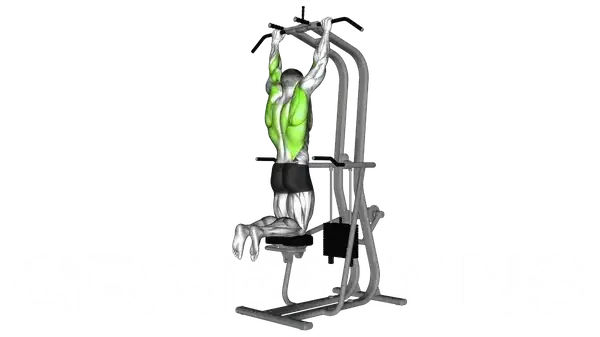
The assisted pull-up is one of the most effective ways to build the strength and technique needed for full, unassisted pull-ups. By reducing the amount of body weight you need to lift, it allows you to focus on proper form and controlled movement while still activating the key pulling muscles: the latissimus dorsi, biceps, shoulders, and core. This makes it an ideal exercise for beginners, returning athletes, or anyone aiming to improve upper-body strength without overstraining the joints.Instead of replacing the pull-up, this variation provides a smart progression path. Using a resistance band or machine for assistance helps you perform the full range of motion with proper control, building both strength and confidence. As you progress, you can gradually reduce the assistance to move closer to performing bodyweight pull-ups on your own.The assisted pull-up also fits perfectly into circuit and strength-based workouts. In HIIT-style sessions, it complements pushing movements like push-ups or overhead presses by balancing upper-body development and improving muscular endurance. Because you can easily adjust the level of support, the exercise remains challenging but safe, even when fatigue sets in.Over time, consistent practice with assisted pull-ups improves grip strength, posture, and coordination while reinforcing the movement pattern needed for advanced pulling exercises. Its adaptability makes it suitable for every fitness level — from those learning their first pull-up to seasoned lifters refining their form. When performed correctly and progressively, the assisted pull-up proves that smart modifications don’t dilute results, they accelerate them.

Strength
Bodybuilding
HIIT
Machine (+1)
Back Extension On Stability Ball

Back Extension On Stability Ball

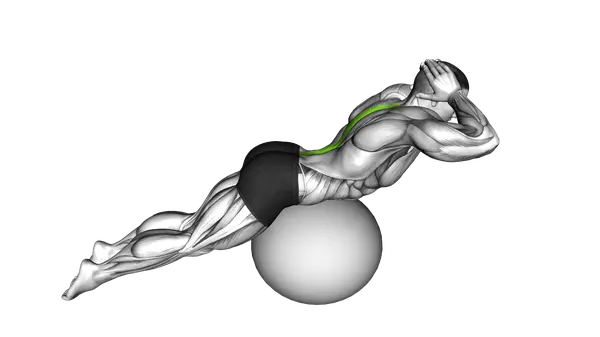
The Back Extension on Stability Ball stands as a versatile intermediate-level exercise that effectively targets the erector spinae: those powerful muscles running along both sides of your spine. This movement has earned its place in both bodybuilding regimens and recovery protocols due to its ability to challenge the posterior chain while minimizing pressure on the spine compared to machine-based alternatives. When incorporated into a consistent training routine, this exercise contributes significantly to developing core strength and overall back stability. The dynamic nature of performing extensions on an unstable surface like an Stability ball engages additional stabilizing muscles throughout your entire midsection, creating a comprehensive strengthening effect that transcends what you'd achieve with more static variations. Fitness enthusiasts particularly appreciate this movement for its dual benefits in strength development and injury prevention. The erector spinae muscles, when properly conditioned, support better posture and provide the foundation for heavier lifts in other compound movements like deadlifts and squats. Many physical therapists also recommend this exercise during recovery phases following lower back issues, as it strengthens the supporting musculature without excessive loading. The beauty of this exercise lies in its adaptability across fitness levels within the intermediate range. The stability ball itself provides a natural limitation to the range of motion, helping prevent hyperextension of the lower back: a common issue with fixed back extension machines. This makes it particularly valuable for those looking to rebuild strength following periods of inactivity or minor injury. For bodybuilders, the back extension on stability ball serves as an excellent finishing movement after heavier training, promoting blood flow to the lumbar region while reinforcing the mind-muscle connection with the posterior chain. The strength and stability gains transfer effectively to both athletic performance and everyday functional movements, making this more than just an aesthetic exercise but a foundational component of a well-rounded fitness program.

Strength
Core
Bodybuilding
Recovery
Stability ball
Back Pec Stretch

Back Pec Stretch

The Back Pec Stretch targets the pectoral muscles (chest) and anterior deltoids (front shoulders), providing essential relief for these commonly tight areas. This accessible stretch helps counteract the forward-hunched posture many of us develop from desk work, driving, or looking at mobile devices. By opening the chest and stretching the front of the shoulders, this movement helps restore natural alignment and improves overall upper body function. For those new to fitness, the Back Pec Stretch serves as an excellent introduction to upper body mobility work. It requires no equipment and can be modified to match any flexibility level. Beginners often experience immediate relief and a noticeable improvement in posture, making it a highly rewarding stretch for newcomers. The simplicity of this stretch also helps build body awareness – a fundamental skill for more advanced exercise progressions. This stretch primarily targets the pectoral major and minor muscles along with the anterior (front) deltoids. These muscle groups tend to become shortened and tight from daily activities like typing, driving, and even sleeping positions. Regular stretching of these areas helps maintain chest flexibility, shoulder mobility, and can potentially reduce upper back and neck tension that stems from chronically tight pecs and front shoulders. The Back Pec Stretch proves versatile enough for multiple phases of your workout routine. During warm-ups, it helps prepare the upper body for movements requiring shoulder mobility. As part of a cool-down, it assists in releasing tension built during chest or push exercises. For recovery days, this stretch promotes blood flow to healing tissues and maintains flexibility between training sessions. As both a stretching and mobility exercise, the Back Pec Stretch contributes to better movement patterns throughout daily life and during other exercises. Regular practice improves thoracic extension, enables better overhead reaching, and can enhance performance in pressing movements by ensuring appropriate muscle length-tension relationships.

Stretching
Mobility
Recovery
Cool-down
+1
Bodyweight exercises
Ball Rolling for Front Thigh

Ball Rolling for Front Thigh

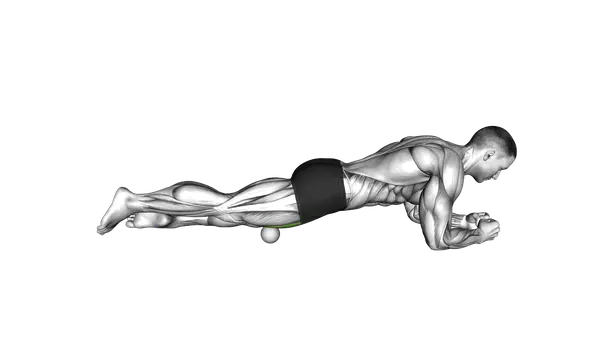
Ball Rolling for Your Thigh Muscle is a simple and effective way to help relieve muscle tightness in the front of your thigh. This easy technique is perfect for beginners and works great before or after exercise. All you need is your body weight and a small firm ball, like a tennis ball or lacrosse ball. The muscle you're working on (called the rectus femoris) is special because it connects both your hip and knee, which means it gets tight easily from sitting too long or being active.When you roll this muscle with a ball, it's like giving yourself a deep massage that helps loosen up knots and tight spots in your muscle. The pressure from the ball helps get more blood flowing to the area, which brings in good nutrients and helps remove waste that builds up in your muscles. This makes you feel less sore and helps you recover faster after exercise. The ball gives you more focused pressure than other tools, so you can really target those stubborn tight spots.Using a ball regularly on this thigh muscle can make your legs feel much better and move more easily. When you release the tightness, you might notice it's easier to bend your knees, your hips feel looser, and everyday movements feel smoother. People who exercise often find they can squat deeper, run more comfortably, and jump better after making this part of their routine. The ball lets you work on exactly the spots that feel tight instead of just rolling over everything.The great thing about using a ball for this muscle work is how simple and effective it is. Whether you're getting ready to exercise, cooling down afterward, or just want to feel better on a day off, this technique really helps. Since the ball is smaller than other massage tools, you can pinpoint exactly where you feel tight and work on those specific areas. Many healthcare professionals recommend this as a way to prevent common leg and knee problems, making it useful for anyone who wants to feel better and move more easily, regardless of how active they are.

Stretching
Mobility
Recovery
Cool-down
+1
Other
Band Resisted Push Up

Band Resisted Push Up

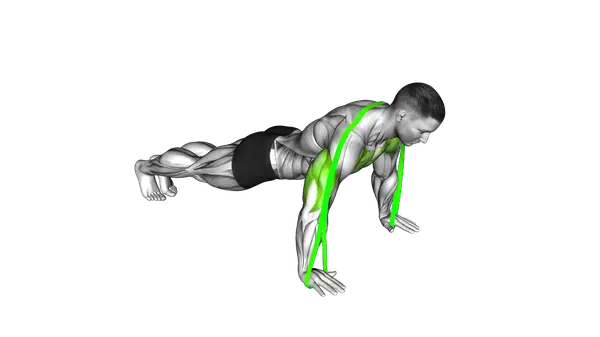
The Band Resisted Push Up represents a brilliant evolution of the classic push-up, offering enhanced resistance for those ready to challenge their upper body development beyond basic bodyweight training. This intermediate-level movement primarily targets the pectoral muscles while significantly engaging the triceps and anterior deltoids, creating a comprehensive upper body stimulus that's difficult to match with standard variations. What makes this exercise particularly valuable is its versatility across training methodologies. Whether you're incorporating it into high-intensity interval training for cardiovascular and muscular endurance benefits, using it as part of a dedicated bodybuilding routine to sculpt and define the chest, or even as an elevated warm-up to prime the pushing muscles before heavier work, the band resisted push-up delivers consistent results. The beauty lies in its simplicity combined with effectiveness. By adding elastic resistance to the traditional movement pattern, you create accommodating resistance that increases tension at the top of the movement: precisely when a standard push-up becomes easiest. This variable resistance profile helps overcome strength plateaus and stimulates new muscle growth through increased time under tension, particularly at the most challenging portion of the range of motion. For strength development specifically, the band resisted push-up excels by allowing progressive overload without changing your body position or form. As you adapt to the resistance, simply upgrading to thicker bands or adjusting band positioning creates new challenges for continued strength gains. This makes it an exceptional option for those training without access to traditional weight equipment or who prefer the joint-friendly nature of band resistance. The exercise embodies functional strength at its finest, developing pushing power that transfers to everyday activities while simultaneously building aesthetic chest development. The constant tension provided by the bands also enhances proprioception and stabilizer muscle recruitment, contributing to improved shoulder health and more balanced upper body development than machine-based alternatives.

Strength
HIIT
Bodybuilding
+1
Resistance Band
Banded Hip Thrusts

Banded Hip Thrusts

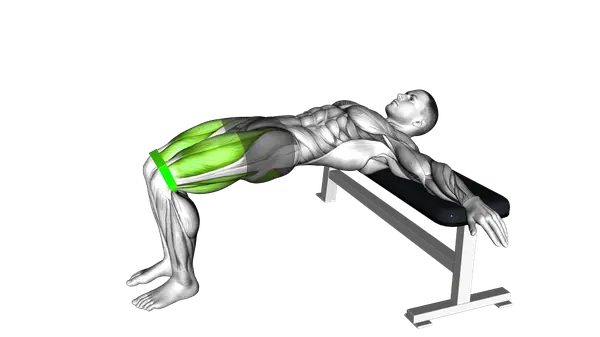
Banded Hip Thrusts stand as a powerful intermediate-level glute and hamstring developer that fitness enthusiasts across bodybuilding and HIIT communities have embraced for its strength-building potential. This variation adds variable resistance to the traditional hip thrust, creating maximum tension at the top of the movement where your glutes are fully contracted. The beauty of this exercise lies in its accessibility and remarkable effectiveness. By adding a resistance band, you challenge your posterior chain throughout the entire range of motion, particularly intensifying the stimulus when your hips reach full extension. This accommodating resistance pattern makes banded hip thrusts particularly valuable for athletes and lifters looking to break through plateaus in glute development and posterior chain strength. While appearing straightforward, banded hip thrusts require proper attention to engagement patterns and positioning to deliver their full benefits. The exercise targets primarily the gluteus maximus the largest muscle in your body, while simultaneously recruiting the hamstrings as critical synergists. This compound movement pattern mirrors many athletic movements, making it functionally relevant for both performance athletes and physique-focused individuals. For strength enthusiasts, progressive overload can be achieved by using bands of increasing resistance, altering band placement, or combining bands with free weights. The exercise fits seamlessly into various training protocols—whether you're programming it as a heavy strength movement (6-8 reps) or incorporating it into metabolic conditioning circuits with higher repetitions. Research consistently highlights hip thrusts as one of the most effective exercises for glute activation and development. The banded variation enhances this effect by maintaining tension throughout the movement and creating a unique stimulus that conventional loading methods can't replicate. This makes it particularly valuable for addressing common postural issues stemming from glute weakness and hamstring tightness in our increasingly sedentary society.

Strength
Bodybuilding
HIIT
Resistance Band
Barbell Bench Press

Barbell Bench Press

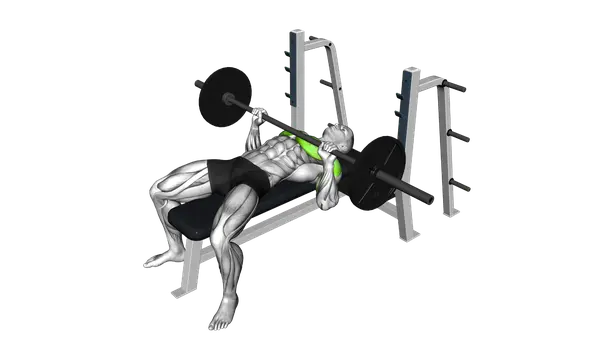
The barbell bench press stands as a cornerstone in strength training, revered by intermediate lifters across powerlifting and bodybuilding communities alike. This compound movement primarily targets the pectoral muscles while significantly engaging the triceps and anterior deltoids, making it an efficient chest developer with impressive strength-building benefits. What makes the bench press particularly valuable is its remarkable ability to overload the upper body pushing muscles with substantial weight, creating the mechanical tension necessary for muscle growth and strength development. For intermediate lifters, this exercise serves as both a reliable strength benchmark and a versatile tool for building a more impressive upper body. The beauty of the bench press lies in its adaptability within various training protocols. Powerlifters typically employ heavier loads with lower repetitions to maximize strength gains, while bodybuilders might incorporate moderate weights with higher volume to stimulate hypertrophy. This versatility allows intermediate athletes to adjust the exercise based on their specific goals without needing to change the movement pattern itself. Beyond the visible physical benefits, the bench press delivers substantial neuromuscular adaptations. The coordination required between the chest, shoulders, and triceps enhances overall pressing strength that transfers to numerous daily activities and other gym movements. Additionally, the stability demands placed on the core and shoulder girdle contribute to improved upper body control and function. For those seeking strength development, few exercises can match the barbell bench press in terms of progressive overload potential. The movement allows for precise weight increments that make tracking progress straightforward and rewarding. This measurability provides intermediate lifters with clear feedback on their development journey, creating both motivation and direction in their training programs. While certainly not the only chest exercise worth performing, the barbell bench press remains an efficient, effective, and evidence-based selection for intermediate lifters looking to develop both strength and muscle mass in their upper body pushing muscles.

Strength
Powerlifting
Bodybuilding
Barbell
Barbell Bent Over Row

Barbell Bent Over Row

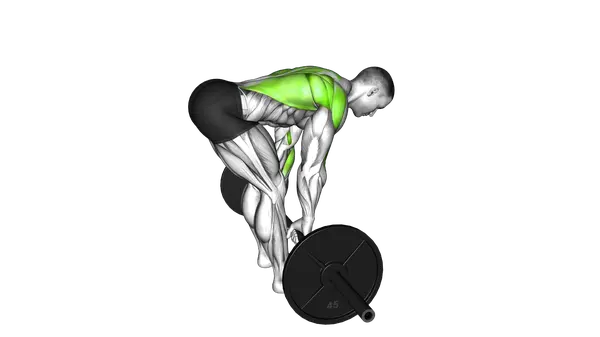
The barbell bent over row stands as one of the most effective compound movements for developing a strong, well-defined back. This classic exercise primarily targets the latissimus dorsi and trapezius muscles while engaging numerous secondary muscle groups throughout the posterior chain. For intermediate lifters, this movement offers an ideal balance of challenge and accessibility, allowing for significant strength and muscle development. When performed correctly, the barbell bent over row creates tremendous activation across the entire back complex. The latissimus dorsi (lats) bear the brunt of the workload, contributing to that coveted V-taper physique. Meanwhile, the trapezius muscles—particularly the middle and lower portions—undergo substantial stimulation, helping to create thickness and definition across the upper back. Additional engagement occurs in the rhomboids, rear deltoids, and even the biceps as assisting muscles. In bodybuilding circles, the bent over row is revered for its hypertrophy-inducing potential. The exercise allows for controlled time under tension and significant loading, creating the mechanical stress necessary for muscle growth. Many successful bodybuilders credit this movement as instrumental in developing the three-dimensional back thickness that stands out on stage. Powerlifters value the bent over row for its tremendous carryover to competition lifts. The strength developed through consistent rowing directly translates to improved deadlift performance by reinforcing proper back positioning under load. Additionally, the enhanced upper back stability contributes to a more solid platform during heavy bench pressing. Few exercises match the barbell bent over row's ability to build functional pulling strength. The movement pattern closely mimics many real-world lifting scenarios, making it exceptionally practical. Progressive overload with this exercise builds not just aesthetic muscle but also genuine strength that transfers to athletic performance. The stabilization demands also strengthen the lower back and core, creating a more injury-resistant physique capable of greater performance across all lifting endeavors.

Strength
Bodybuilding
Powerlifting
Barbell
Barbell Clean And Jerk

Barbell Clean And Jerk

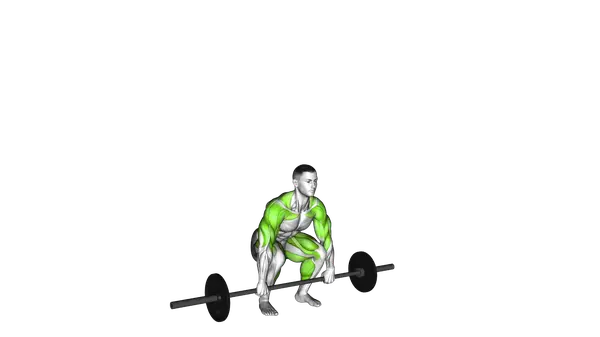
The Barbell Clean and Jerk stands as one of the most technically challenging and physically demanding lifts in strength sports, requiring an extraordinary blend of power, coordination, and athletic ability. This Olympic weightlifting staple is classified as an advanced compound movement that simultaneously engages multiple major muscle groups, with primary emphasis on the quadriceps, glutes, trapezius muscles, and front deltoids during its execution. As the only lift in weightlifting that moves the barbell from floor to overhead, the Clean and Jerk has rightfully earned its reputation as the ultimate test of total-body strength and power. The explosive nature of this lift triggers an impressive hormonal response, stimulating growth across the entire body while developing functional strength that transfers to athletic performance. Many elite athletes across various sports incorporate this movement into their training regimens to enhance power output and athletic capability. While most commonly associated with Olympic weightlifting competitions, the Clean and Jerk has found its way into CrossFit programming as a cornerstone movement, features prominently in many powerlifting-adjacent training protocols, and serves bodybuilders as an effective compound exercise for developing thick traps and powerful legs. The versatility of this lift makes it valuable across multiple fitness disciplines, though it's particularly prized for its strength-building properties. Research indicates that mastering the Clean and Jerk can significantly improve rate of force development, a critical factor in athletic performance that measures how quickly an athlete can generate maximum force. The neural adaptations from regularly performing this complex movement pattern also enhance intermuscular coordination and proprioception, contributing to better body awareness and movement efficiency in other athletic endeavors. For those willing to invest the time to master its technique, the Barbell Clean and Jerk delivers exceptional returns in terms of strength development, power output, and athletic capability, making it one of the most respected and rewarding lifts in the strength training world.

Strength
Crossfit
Powerlifting
+1
Barbell
Barbell Curl

Barbell Curl

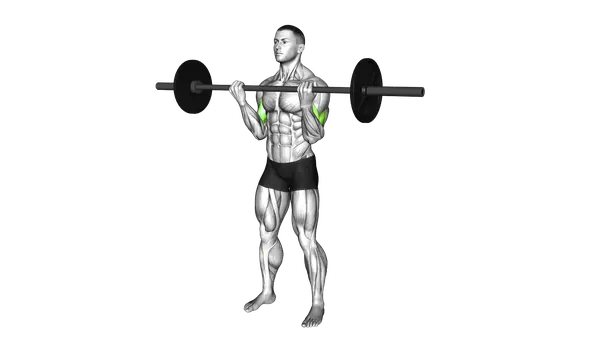
The barbell curl stands as a foundational exercise in the world of bodybuilding and strength training, beloved by beginners and seasoned lifters alike for its effectiveness in developing impressive biceps and forearm strength. This classic movement has remained a staple in fitness routines for decades, with good reason - few exercises isolate and target the biceps brachii with such precision and efficiency. For newcomers to resistance training, the barbell curl offers an accessible entry point into the world of free weight exercises. Its straightforward nature makes it ideal for beginners to learn proper form while still providing enough resistance to stimulate muscle growth. The beauty of this movement lies in its simplicity, yet behind this simplicity lies tremendous potential for biceps and forearm development. In bodybuilding circles, the barbell curl has attained almost legendary status. It's not merely an exercise but a benchmark - a movement that has helped sculpt the arms of countless champions throughout the decades. The steady tension throughout the range of motion creates the perfect environment for muscle hypertrophy, allowing bodybuilders to achieve that coveted bicep peak and overall arm development that's immediately noticeable. Beyond aesthetic benefits, the barbell curl significantly contributes to functional strength. Strong biceps assist in countless daily activities that involve pulling or lifting, making this exercise valuable beyond just its physique-enhancing properties. The forearm activation during barbell curls also improves grip strength, a frequently overlooked component of overall strength that carries over to nearly every other lifting movement. While seemingly straightforward, the barbell curl offers considerable versatility through grip width variations, tempo adjustments, and resistance progression. This adaptability makes it suitable for various training phases, from building a foundation of strength to refining muscle definition. Whether your goal is to develop impressive arms or enhance your functional pulling strength, the barbell curl deserves its prominent place in any well-designed training program.

Strength
Bodybuilding
Barbell
Barbell Deadlift

Barbell Deadlift

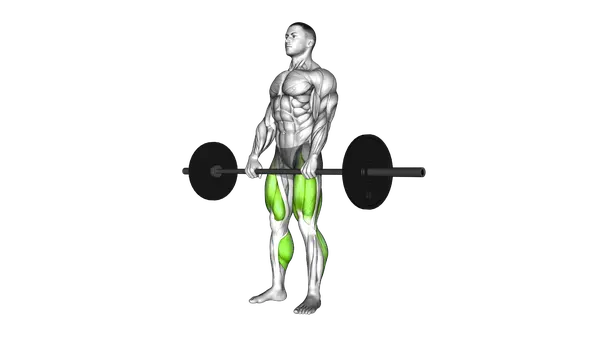
The Barbell Deadlift stands as a cornerstone in strength training, revered across both powerlifting and bodybuilding communities for its unparalleled ability to develop total-body power. This compound movement primarily targets the posterior chain, with significant engagement of the glutes, hamstrings, and erector spinae muscles, though it effectively works nearly every major muscle group in some capacity. What makes the deadlift particularly valuable is its carryover to real-world strength. The fundamental hip-hinge pattern mimics movements we perform daily, from picking up groceries to moving furniture, but allows for progressive loading that can transform your physique and functional capacity. For intermediate lifters, the deadlift offers a perfect balance of challenge and reward, serving as a reliable marker of overall strength development. The beauty of the deadlift lies in its simplicity and efficiency. Few exercises deliver comparable hormonal responses, with research showing significant increases in growth hormone and testosterone following heavy deadlift sessions. This hormonal cascade creates an optimal environment for muscle growth throughout the entire body, not just in the directly targeted muscles. Competitive powerlifters value the deadlift as one of the "big three" lifts in competition, often training variations to overcome sticking points. Meanwhile, bodybuilders appreciate how the movement develops thickness in the back, density in the hamstrings, and roundness in the glutes – all crucial elements for a balanced physique. While classified as an intermediate movement, the deadlift rewards lifelong practice. As strength increases, many find their technique continually evolving, with subtle refinements leading to significant performance breakthroughs. The deadlift also serves as an excellent assessment tool, revealing weaknesses in the posterior chain that might otherwise go unaddressed in typical training programs. For those seeking genuine strength development rather than just the appearance of strength, regular deadlifting provides indisputable results. It remains one of the most honest indicators of true functional power and a cornerstone of any serious strength training regimen.

Strength
Powerlifting
Bodybuilding
Barbell
Barbell Decline Bench Press

Barbell Decline Bench Press

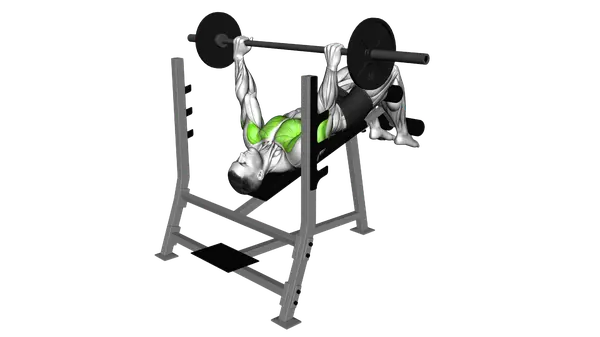
The Barbell Decline Bench Press stands as a powerful compound movement that has earned its place in both bodybuilding and powerlifting circles. This intermediate-level exercise predominantly targets the lower portion of the pectoral muscles while engaging the triceps and front deltoids as crucial secondary movers. The unique angle of the decline bench shifts emphasis to the lower chest fibers, creating a more comprehensive pec development when programmed alongside flat and incline variations. Unlike its flat bench counterpart, the decline position reduces shoulder strain for many lifters while allowing for potentially heavier loads due to the shortened range of motion and advantageous leverage. This makes it particularly valuable for strength enthusiasts looking to overload the pressing muscles with substantial weight. The mechanical efficiency of this movement often enables lifters to handle 5-10% more weight than they might on a traditional flat bench. For bodybuilders, the decline bench press delivers that coveted lower pectoral development and contributes significantly to creating a full, balanced chest appearance. The exercise promotes hypertrophy through substantial time under tension and the ability to handle challenging loads. Meanwhile, powerlifters appreciate the carryover strength benefits to competition bench pressing, as the decline variation can help overcome sticking points and build pressing power. Research suggests that EMG activity in the lower pectoral region is notably higher during decline pressing compared to flat or incline variations, confirming its effectiveness for targeting this specific area. This makes it an excellent option for those looking to bring up lagging lower chest development or simply add variety to their pressing movements. While sometimes overlooked in favor of its flat and incline siblings, the decline bench press delivers remarkable strength and muscle-building benefits when properly programmed. Whether incorporated as a primary movement or as an accessory exercise, it offers unique advantages that can help intermediate lifters continue progressing toward their physique and performance goals.

Strength
Bodybuilding
Powerlifting
Barbell
Barbell Front Raise

Barbell Front Raise

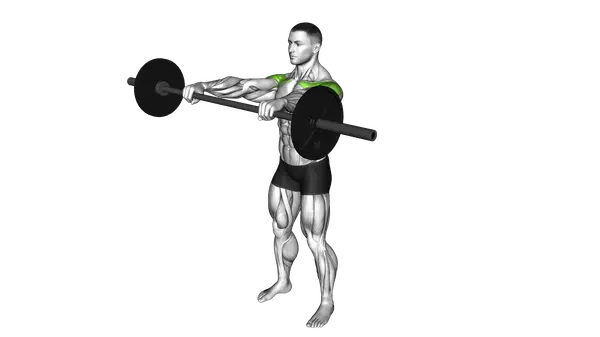
The Barbell Front Raise stands as a potent shoulder-building movement that specifically targets your front deltoids, making it an excellent addition to any comprehensive upper body routine. This intermediate-level exercise has earned its place in both bodybuilding and strength training regimens for its ability to isolate and develop the anterior deltoid muscles with remarkable precision. When properly integrated into your training program, the Barbell Front Raise helps create that sought-after shoulder cap development that many physique athletes pursue. The exercise utilizes a straight barbell to provide balanced resistance across both shoulders simultaneously, ensuring symmetrical development while allowing you to move significant weight as your strength progresses. For bodybuilders, this translates to enhanced shoulder definition and that coveted 3D look when on stage or in photos. Beyond aesthetic benefits, strengthening your front delts through this movement carries significant functional advantages. Strong anterior deltoids contribute to improved pressing power, better posture, and greater stability in numerous everyday activities and athletic movements. For strength athletes, well-developed front delts can translate to improvements in pressing exercises like the bench press and overhead press. What sets the Barbell Front Raise apart from dumbbell variations is the fixed hand position, which creates a unique stability challenge and can potentially allow for heavier loading patterns over time. The exercise can be programmed effectively as either a primary shoulder movement on deltoid-focused days or as a finishing movement after compound presses to ensure complete front deltoid stimulation. As with any shoulder exercise, respecting proper loading parameters is crucial for joint health and sustainable progress. The Barbell Front Raise rewards patience and proper form over excessive weight, making it an exercise where the mind-muscle connection truly matters. For best results, incorporate this movement into your routine 1-2 times weekly, allowing for adequate recovery between sessions to maximize growth and strength development.

Strength
Bodybuilding
Barbell
Barbell Front Squat

Barbell Front Squat

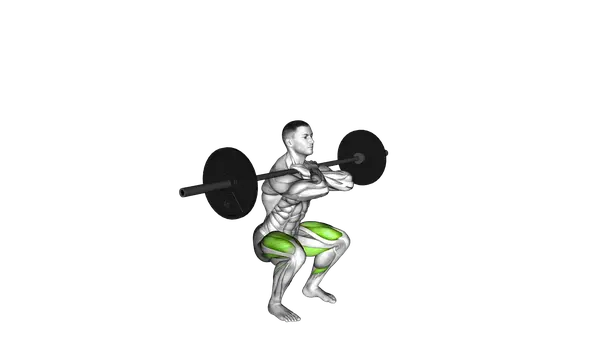
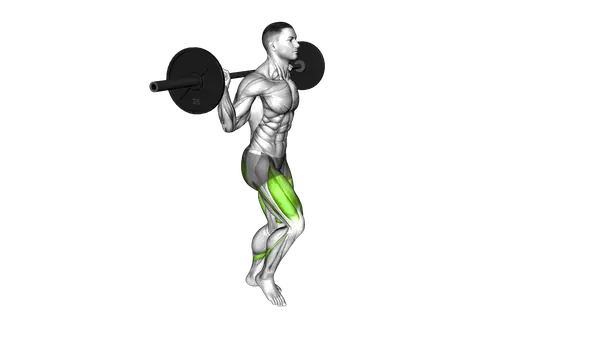
The barbell front squat stands as a cornerstone compound movement in strength training that delivers exceptional results for intermediate lifters seeking to develop their lower body and core strength. Unlike its more common counterpart, the back squat, the front squat positions the barbell across the front of the shoulders, creating a more upright torso position that dramatically increases the activation of the quadriceps while still engaging the glutes significantly. This exercise has earned its respected place in both powerlifting and bodybuilding circles for good reason. Powerlifters appreciate the front squat's ability to strengthen the quad dominance needed for competition squats and its carryover to improved positioning in deadlifts. Bodybuilders value its targeted quad development and the aesthetic benefits it brings to the anterior chain. The front rack position engages the core musculature more intensely than many other squat variations, as your abdominals must work overtime to maintain an upright torso position throughout the movement. This core stabilization aspect makes the front squat particularly valuable for athletes looking to develop functional strength that transfers to sport-specific movements. What sets the front squat apart is its joint-friendly nature compared to other squat variations. The more vertical torso position reduces shear forces on the lumbar spine, making it an excellent option for those with back concerns who still want to train heavy. The movement also demands and builds impressive mobility in the wrists, elbows, shoulders, and ankles – creating better overall movement patterns. For intermediate lifters looking to break through plateaus, the front squat serves as both a humbling reality check and an effective strength builder. The exercise forces proper form – you simply cannot cheat a front squat without dropping the bar. This built-in feedback mechanism makes it an honest assessment of your true strength capabilities while simultaneously building the foundation for even greater gains in your overall training program.

Strength
Powerlifting
Bodybuilding
Barbell
Barbell Good Morning

Barbell Good Morning

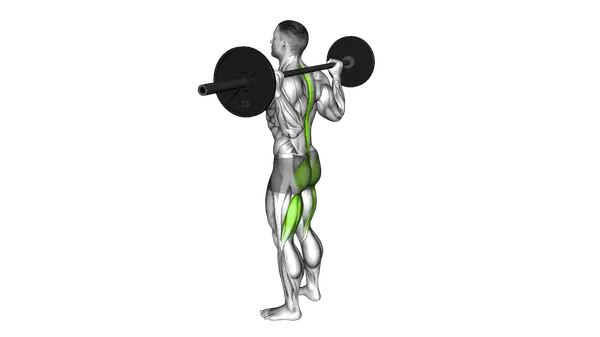
The Barbell Good Morning stands as a powerful posterior chain developer that's often underutilized in many training programs. This intermediate movement primarily targets the hamstrings, erector spinae, and glutes, making it invaluable for both powerlifting and bodybuilding pursuits. As a strength-focused exercise, it develops the hip hinge pattern critical for deadlifts and squats while building impressive back-side musculature. What sets the Good Morning apart is its unique leveraged position, creating significant tension through the entire posterior chain with relatively modest loads. The exercise earned its quirky name from its resemblance to the bowing greeting common in certain cultures. Despite its somewhat unusual appearance, serious strength athletes have long recognized its value for developing hip extension strength and enhancing overall power production. For powerlifters, the Good Morning serves as an excellent accessory movement that directly carries over to squat and deadlift performance by strengthening the exact muscles needed to maintain proper positioning under heavy loads. Bodybuilders appreciate it for developing the dense, striated hamstring and glute development that's difficult to achieve through isolation movements alone. The beauty of the Good Morning lies in its versatility: it can be programmed as a main strength movement using moderate weights for sets of 5-8 reps, or as an accessory exercise with lighter weights for higher repetitions to build muscular endurance and hypertrophy. The exercise particularly shines for athletes who struggle with maintaining a neutral spine during heavy pulling movements or who need to develop stronger posterior chains to balance quad-dominant training. While not as glamorous as bench presses or as immediately satisfying as bicep curls, the Barbell Good Morning rewards dedicated practitioners with injury resilience, improved posture, and the kind of functional strength that translates to real-world activities and serious athletic performance. Its time-tested effectiveness makes it a worthy addition to any comprehensive strength training program.

Strength
Powerlifting
Bodybuilding
Barbell
Barbell Hip Thrust

Barbell Hip Thrust

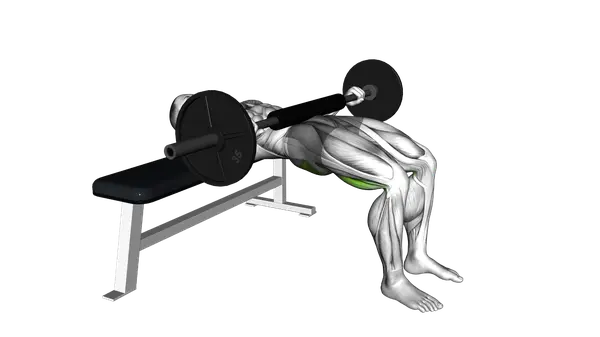
The Barbell Hip Thrust stands as a cornerstone movement for anyone serious about developing posterior chain strength, particularly targeting the glutes and hamstrings with remarkable efficiency. This intermediate-level exercise has gained tremendous popularity in both bodybuilding and powerlifting circles for its ability to isolate and overload the hip extensors in a biomechanically advantageous position. Unlike many traditional lower body exercises, the hip thrust places the hip joint through its complete range of motion against resistance while minimizing stress on the lower back. This makes it especially valuable for athletes looking to improve strength and power output in activities requiring explosive hip extension - from sprinting and jumping to heavy lifting movements. What sets the barbell hip thrust apart is its superior activation of the gluteus maximus compared to squats and deadlifts, as confirmed by electromyography (EMG) studies. The horizontal force vector created during the exercise places constant tension on the glutes throughout the movement, making it an unparalleled glute-builder. For powerlifters, this translates to improved lockout strength in deadlifts and enhanced stability in squats. The beauty of the hip thrust lies in its scalability - beginners can start with bodyweight variations before progressing to loaded versions, while advanced lifters can load the barbell with impressive weights as their strength develops. Many experienced lifters find they can hip thrust significantly more weight than they can squat, creating a powerful stimulus for muscle growth. For those focused on aesthetics, few exercises can match the hip thrust's ability to develop the rounded, muscular glute appearance prized in bodybuilding. Simultaneously, strength athletes value the exercise for its carryover to athletic performance and compound lift improvements. Whether your goal is a stronger posterior chain, enhanced athletic performance, or aesthetic development, the barbell hip thrust deserves a prominent place in your training regimen.

Strength
Bodybuilding
Powerlifting
Barbell
Barbell Incline Bench Press

Barbell Incline Bench Press

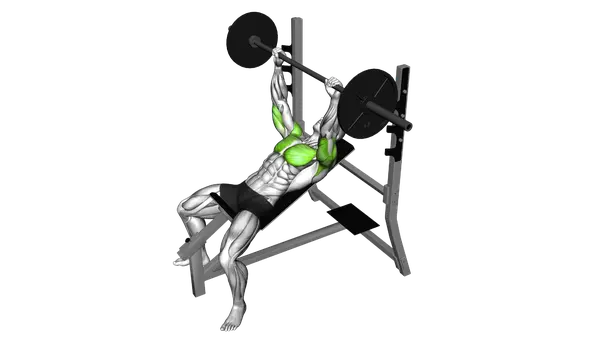
The Barbell Incline Bench Press stands as a cornerstone compound movement for developing impressive upper body strength and musculature. This intermediate-level exercise primarily targets the upper pectorals while significantly engaging the anterior deltoids (front shoulders) and triceps as supporting muscle groups. The angled position—typically set between 30 to 45 degrees—shifts emphasis to the upper chest region, creating a balanced development that flat bench pressing alone cannot achieve. Athletes across bodybuilding and powerlifting disciplines incorporate this movement for distinct but complementary purposes. Bodybuilders value the incline press for its ability to sculpt a well-defined chest with full upper pectoral development, preventing the drooping appearance that can result from overdeveloping the lower chest. Powerlifters, while focusing more on flat bench for competition, utilize the incline variation to strengthen supporting muscles that contribute to their overall pressing power and performance. The beauty of the incline barbell press lies in its versatility for strength development. Progressive overload is particularly effective with this movement, allowing lifters to continuously challenge their upper body by incrementally increasing resistance. This steady progression stimulates not just muscle growth but also reinforces the neural pathways responsible for strength expression. Many strength enthusiasts find that improvements in incline press performance correlate with enhanced overall pressing capability. From a physiological perspective, the exercise creates optimal tension through the clavicular fibers of the pectoral muscles while maintaining substantial recruitment of the sternal fibers. This comprehensive activation pattern, combined with significant triceps engagement, makes it an efficient use of training time for those seeking both aesthetic and functional improvements to their upper body. When programmed correctly—typically for 3-4 sets of 6-12 repetitions depending on specific goals—the incline barbell bench press delivers substantial returns on investment, making it a worthy addition to any serious strength or physique-focused regimen.

Strength
Bodybuilding
Powerlifting
Barbell
Showing 1-26 of 344 exercises

Integrate workouts into full-body and split routines
Related workouts