All Exercises

Other

Pick your muscle groups
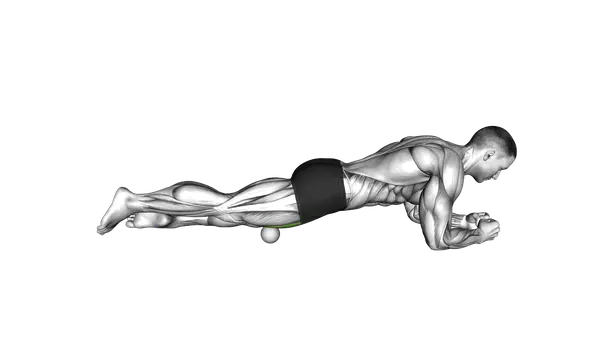
Ball Rolling for Front Thigh

Ball Rolling for Front Thigh

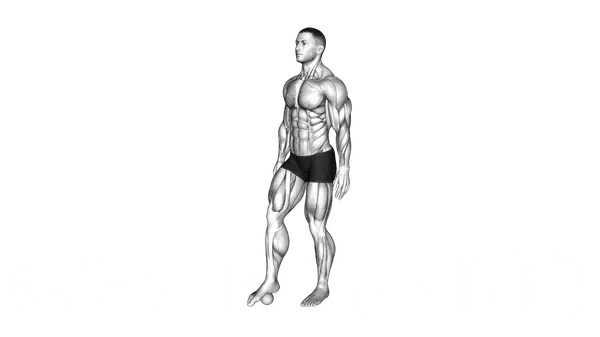
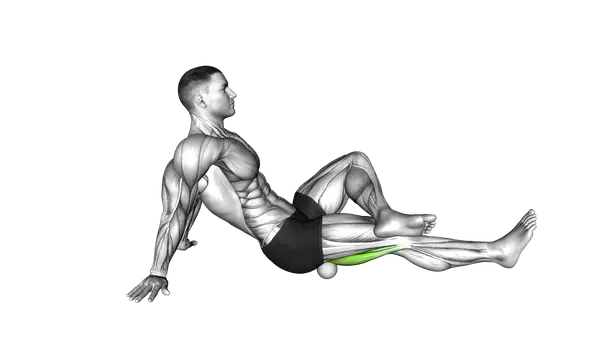
Ball Rolling for Your Thigh Muscle is a simple and effective way to help relieve muscle tightness in the front of your thigh. This easy technique is perfect for beginners and works great before or after exercise. All you need is your body weight and a small firm ball, like a tennis ball or lacrosse ball. The muscle you're working on (called the rectus femoris) is special because it connects both your hip and knee, which means it gets tight easily from sitting too long or being active.When you roll this muscle with a ball, it's like giving yourself a deep massage that helps loosen up knots and tight spots in your muscle. The pressure from the ball helps get more blood flowing to the area, which brings in good nutrients and helps remove waste that builds up in your muscles. This makes you feel less sore and helps you recover faster after exercise. The ball gives you more focused pressure than other tools, so you can really target those stubborn tight spots.Using a ball regularly on this thigh muscle can make your legs feel much better and move more easily. When you release the tightness, you might notice it's easier to bend your knees, your hips feel looser, and everyday movements feel smoother. People who exercise often find they can squat deeper, run more comfortably, and jump better after making this part of their routine. The ball lets you work on exactly the spots that feel tight instead of just rolling over everything.The great thing about using a ball for this muscle work is how simple and effective it is. Whether you're getting ready to exercise, cooling down afterward, or just want to feel better on a day off, this technique really helps. Since the ball is smaller than other massage tools, you can pinpoint exactly where you feel tight and work on those specific areas. Many healthcare professionals recommend this as a way to prevent common leg and knee problems, making it useful for anyone who wants to feel better and move more easily, regardless of how active they are.

Stretching
Mobility
Recovery
Cool-down
+1
Other
Battling Ropes

Battling Ropes

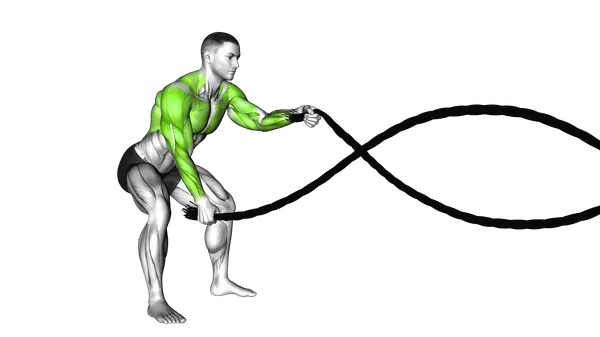
Battling ropes have revolutionized high-intensity training, offering a comprehensive cardio and strength challenge that targets multiple muscle groups simultaneously. These thick, heavy ropes, typically anchored to a stable point, deliver an impressive metabolic workout that can elevate your heart rate rapidly and sustain it throughout your training session. For intermediate fitness enthusiasts looking to break through plateaus, battling ropes provide the perfect blend of resistance and cardiovascular demand. When incorporated into HIIT or CrossFit routines, battling ropes create an exceptional stimulus for improving both power output and endurance capacity. The beauty of rope exercises lies in their versatility:  they can be manipulated at various intensities to match your specific fitness goals while consistently challenging your cardiovascular system. The dynamic nature of the movements engages your core, shoulders, arms, and back in ways that traditional cardio equipment simply cannot match. The true benefit of battling ropes emerges in their ability to improve your aerobic and anaerobic conditioning simultaneously. As you generate powerful waves, slams, or spirals with the ropes, your body works through high-output intervals that significantly elevate oxygen consumption both during and after your workout. This creates the much-desired afterburn effect (EPOC) that continues to consume calories long after your session ends. Athletes particularly appreciate how battling rope training enhances their endurance without the joint impact associated with running or plyometric exercises. The constant tension throughout each movement pattern forces your muscles to work continuously without rest, building impressive muscular endurance while strengthening stabilizing muscles that support overall performance. The visible feedback from the rope waves also provides immediate performance metrics: the more consistent your waves, the better your conditioning. Integrating battling ropes into your fitness regimen two to three times weekly can dramatically improve your work capacity, grip strength, and overall cardiovascular health while adding refreshing variety to your training approach. The challenging yet accessible nature of rope exercises makes them appropriate for intermediate fitness enthusiasts looking to elevate their conditioning to the next level.

Endurance
Cardio
HIIT
Crossfit
Other
Bent Over Row With Towel

Bent Over Row With Towel

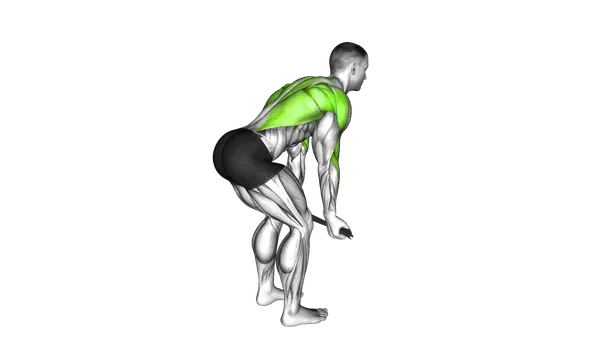
The Bent Over Row With Towel offers a unique twist on the traditional bent-over row exercise, delivering exceptional benefits for your upper back development while adding an element of grip challenge. This intermediate-level movement primarily targets the latissimus dorsi, trapezius, and biceps, making it a powerful compound exercise for building a stronger, more defined back. What sets this variation apart is the use of a towel, which creates an unstable grip that forces your forearms, biceps, and grip strength to work overtime while you're targeting those powerful back muscles. The added instability means your stabilizing muscles must engage more intensely throughout the movement, amplifying the overall effectiveness for bodybuilding purposes. When incorporated into HIIT workouts, the Bent Over Row With Towel can elevate your heart rate while simultaneously building strength in your posterior chain. This dual benefit makes it particularly valuable for those looking to maximize workout efficiency. The exercise serves as an excellent addition to upper body strength routines, especially for athletes or fitness enthusiasts seeking to improve functional pulling power. The beauty of this exercise lies in its adaptability—whether you're using it as part of a bodybuilding regimen to sculpt a well-defined back or integrating it into high-intensity circuits for conditioning, the Bent Over Row With Towel delivers impressive results. The increased grip demand translates to greater overall back activation, potentially leading to enhanced muscle recruitment throughout the lats and traps. Regular implementation of this exercise into your training routine can contribute significantly to postural improvements, back strength development, and upper body aesthetics. The combination of strength demands and muscle activation patterns makes it particularly effective for intermediate trainees looking to break through plateaus in their back development or grip strength. As with any resistance exercise, consistent progressive overload remains key to seeing continued strength and muscle adaptations over time.

Strength
Bodybuilding
HIIT
Other
Burpee Box Jump

Burpee Box Jump

The burpee box jump is a dynamic, compound movement that seamlessly combines the intense full-body conditioning of a traditional burpee with the explosive power of a box jump. This intermediate-level exercise delivers an impressive bang for your buck, simultaneously targeting your quads, glutes, abs, and providing an exceptional cardiovascular challenge in one fluid sequence. Popular in both HIIT and CrossFit training methodologies, this movement elevates your heart rate rapidly while building functional strength and power. The integration of the burpee's pushing and pulling components with the box jump's plyometric demand creates a perfect storm for improving muscular endurance and cardiovascular capacity. This combination makes it particularly effective for athletes looking to develop power endurance: the ability to sustain explosive movements over time. What makes the burpee box jump particularly valuable is its efficiency in training multiple energy systems simultaneously. The anaerobic power required for the jump portion complements the aerobic demand of performing multiple repetitions, creating a metabolic conditioning effect that continues well after your workout ends. Many fitness enthusiasts appreciate how this exercise develops practical, real-world fitness that translates to improved performance in various sports and daily activities. While challenging, the beauty of the burpee box jump lies in its scalability. The exercise can be adapted to various fitness levels by adjusting box height, modifying the burpee portion, or adjusting work-to-rest ratios. This versatility makes it a staple in progressive training programs, allowing athletes to continuously challenge themselves as their fitness improves. When incorporated intelligently into a balanced training regimen, the burpee box jump serves as an excellent tool for breaking through plateaus, improving body composition, and developing the kind of conditioning that supports both athletic performance and overall health. The mental toughness developed through pushing through sets of this demanding exercise is just as valuable as the physical benefits it provides.

Endurance
Cardio
HIIT
Crossfit
Other
Dumbbell Step Up

Dumbbell Step Up

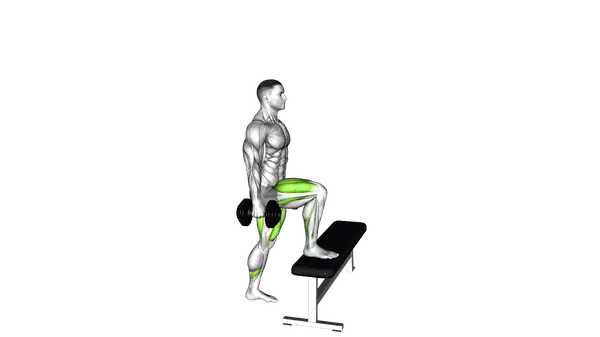
The Dumbbell Step Up stands as an incredibly versatile compound movement that delivers remarkable lower body development while challenging your cardiovascular system. This intermediate-level exercise primarily targets the glutes, quads, and hamstrings, making it a powerhouse movement for anyone looking to build lower body strength and definition. When incorporated into various training styles like HIIT, bodybuilding, or CrossFit, the Dumbbell Step Up adapts seamlessly to different programming goals. In HIIT workouts, it elevates heart rate quickly while maintaining resistance benefits. For bodybuilders, it offers targeted muscle activation and hypertrophy potential, especially when performed with heavier weights and controlled tempo. CrossFit enthusiasts appreciate its functional carryover to everyday movements and athletic performance. What sets the Dumbbell Step Up apart is its dual focus on developing both strength and endurance simultaneously. The unilateral nature of the exercise creates greater stability challenges than bilateral movements, enhancing proprioception and addressing muscle imbalances between sides. This translates to more balanced physical development and reduced injury risk over time. Another advantage is the exercise's scalability – it can be modified by adjusting step height, dumbbell weight, or rep schemes to match your current fitness level and goals. This adaptability makes it valuable for progressive overload principles, allowing continuous advancement without plateauing. The Dumbbell Step Up also delivers significant metabolic benefits, burning substantial calories during and after your workout through the EPOC effect (Excess Post-exercise Oxygen Consumption). This makes it particularly effective for body composition goals when combined with proper nutrition. For optimal integration into your routine, consider placing Dumbbell Step Ups early in your workout when targeting strength development or later when pursuing endurance adaptations. Either way, this exercise delivers exceptional results for lower body development while supporting functional movement patterns that transfer to daily activities and athletic performance.

Strength
Endurance
HIIT
Bodybuilding
+1
Dumbbell (+1)

Built for Progress

Take the Guesswork
Out of Training

Create personalized AI-powered workout plans that evolve with you. Train smarter, track every rep and keep moving forward.
Foot Rolling with Ball

Foot Rolling with Ball

Foot Rolling with a Ball is a simple and relaxing recovery exercise that helps your feet feel lighter and move better. By gently rolling a small ball under your foot, you ease tight spots, improve circulation, and reduce the soreness that can build up after walking, running, or standing for long periods.Even though it looks like a small movement, it does more than just loosen your feet. Keeping your balance while rolling also activates your core muscles and improves your overall stability. It’s an easy way to strengthen your body without heavy effort or strain.Doing this exercise regularly helps your feet recover faster, keeps them flexible, and can even improve how your knees and hips move. It’s a great addition to your cooldown after a workout or as a short daily routine to keep your lower body feeling fresh and mobile.Foot Rolling with a Ball shows that recovery and strength go hand in hand: sometimes the simplest movements make the biggest difference.

Other
Glute Rolling With Ball

Glute Rolling With Ball

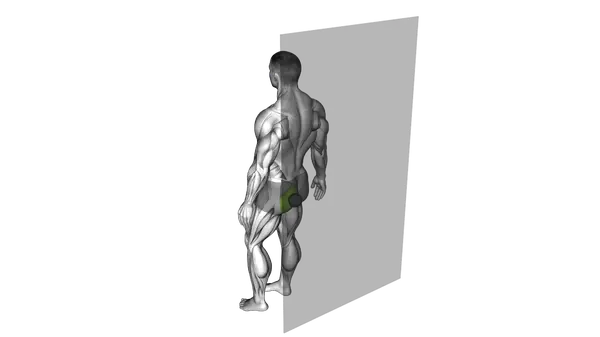
Glute Rolling With Ball is a versatile recovery and mobility technique that targets the often-overlooked gluteal muscles, which play a crucial role in lower body movements and core stability. This intermediate-level exercise effectively addresses both the glutes and engages the abdominal muscles as stabilizers during the movement, making it a comprehensive approach to lower body care. Unlike traditional strength training, this rolling technique falls into the intersection of HIIT and bodybuilding methodologies, serving as an excellent active recovery component between intense training sessions. Athletes and fitness enthusiasts incorporate glute rolling to enhance tissue quality and improve movement patterns before or after their workouts. The beauty of this technique lies in its dual benefit of increasing strength potential while simultaneously improving mobility in the posterior chain. By applying controlled pressure to the gluteal muscles, you're essentially performing a self-myofascial release that helps break up adhesions and trigger points that can limit your performance in squats, deadlifts, and other compound movements. Regular implementation of glute rolling can contribute to better movement mechanics and potentially reduce injury risk by addressing muscle imbalances and tightness. Many physical therapists and strength coaches recommend this practice as part of a comprehensive approach to glute activation and hip mobility work. What makes this exercise particularly valuable is its adaptability across different fitness levels and goals. While classified as intermediate, the pressure can be modified by adjusting your body position and weight distribution on the ball. This technique serves as an excellent complement to both high-intensity interval training protocols and traditional bodybuilding regimens. The fusion of strength and mobility benefits makes glute rolling with a ball a time-efficient addition to any fitness routine. By improving the function of these powerful muscles, you're essentially creating a more solid foundation for athletic performance while simultaneously addressing the recovery needs that intensive training demands.

Strength
Mobility
HIIT
Bodybuilding
Other
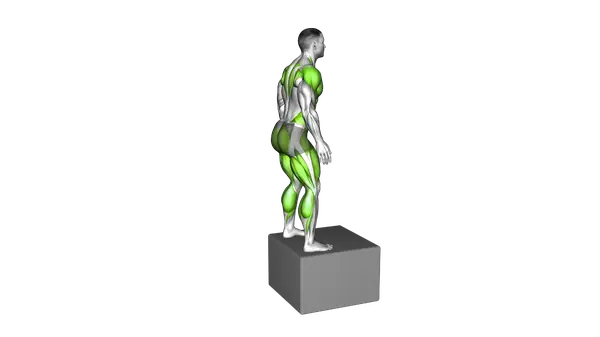
Jump Box

Jump Box

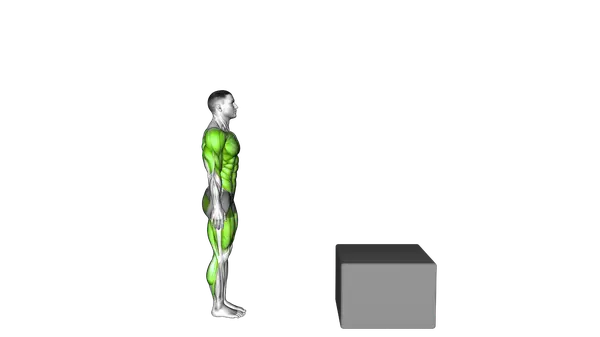
The jump box is an incredibly versatile training tool that has revolutionized functional fitness across HIIT and CrossFit communities. This simple yet effective piece of equipment offers intermediate athletes a challenging way to develop explosive power through the lower body, primarily targeting the quads, glutes, and calves in one dynamic movement. What makes the jump box particularly valuable is its ability to simultaneously build strength, endurance, and cardiovascular capacity. The height challenge creates progressive overload opportunities that few other exercises can match, allowing athletes to quantifiably track improvements in their explosive power over time. During high-intensity interval training sessions, the jump box serves as a perfect station for maximal effort bursts that elevate heart rate rapidly while building muscular endurance in the lower kinetic chain. CrossFit athletes particularly value jump box work for developing the explosive hip extension pattern critical for Olympic lifting and other compound movements. The beauty of jump box training lies in its scalability. The same box that challenges a beginner can be repositioned to test even advanced athletes, making it a staple in functional fitness programming. The neurological demands of box jumping also improve proprioception and spatial awareness, contributing to better overall athletic performance. Beyond physical benefits, jump box work develops mental fortitude as athletes must commit fully to each repetition, building confidence that transfers to other athletic endeavors. This psychological component makes it particularly effective for breaking through plateaus in training. As with any plyometric movement, jump box work creates significant training stimulus with relatively low repetitions, making it an efficient addition to any workout program that values time-efficient results. The combination of strength development, cardiovascular challenge, and coordination requirements makes the jump box a cornerstone tool for those serious about functional fitness and athletic development.

Strength
Endurance
Cardio
HIIT
Crossfit
Other
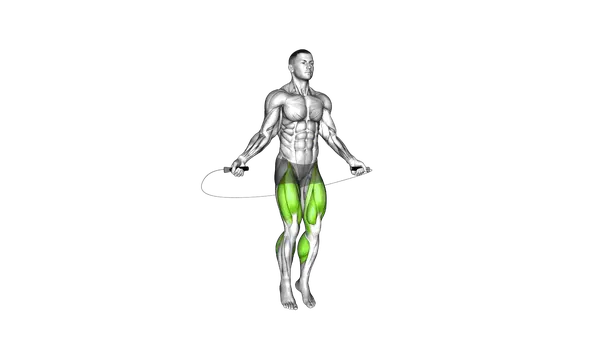
Jump Rope

Jump Rope

The jump rope, a timeless fitness tool transcending generations from playground games to elite athletic training, offers incredible versatility for practitioners of all levels. For beginners, this accessible exercise requires minimal equipment while delivering impressive results from day one. The simple act of rhythmically jumping over a swinging rope builds coordination and establishes foundational movement patterns that benefit virtually all other physical activities. As an exceptional lower-body developer, jump rope training particularly targets the calves through constant, controlled contractions. These muscles work continuously to propel your body upward with each jump, creating natural resistance training that builds lean, functional strength. Simultaneously, your cardiovascular system kicks into high gear as you maintain this dynamic movement, making the jump rope one of the most efficient calorie-burning tools available. The jump rope shines brilliantly within high-intensity interval training (HIIT) and CrossFit protocols, where its ability to rapidly elevate heart rate makes it perfect for intense work periods. Many elite CrossFit athletes incorporate various jump rope styles—from standard bounces to double-unders—in their competitive routines. Additionally, jump rope serves as an ideal warm-up activity, increasing core temperature, enhancing blood flow to working muscles, and activating the nervous system before more demanding exercises. Few activities match the jump rope's effectiveness for cardiovascular conditioning. The continuous, rhythmic nature of jumping challenges both your aerobic and anaerobic systems, particularly as you increase speed or complexity. This makes it exceptionally valuable for endurance development, teaching your body to sustain effort efficiently while improving heart and lung capacity. Regular sessions progressively extend your stamina thresholds, creating tangible improvements in everyday energy levels and athletic performance. The beauty of jump rope training lies in its scalability—the same tool serves the fitness novice and the seasoned athlete alike, with progress measured through duration, intensity, and technical variations rather than equipment upgrades. This enduring simplicity explains why the jump rope remains a cornerstone in fitness programs worldwide.

Cardio
Endurance
HIIT
Crossfit
+1
Other
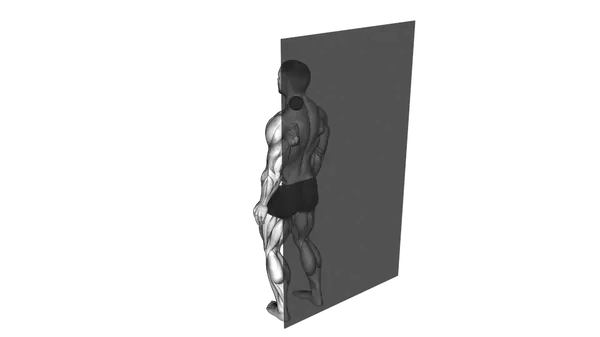
Levator Scapula Ball

Levator Scapula Ball

The Levator Scapula Ball technique offers a targeted approach to addressing one of the most common areas of tension in today's desk-bound world. This intermediate-level mobility exercise specifically targets the levator scapulae muscle, which runs from the upper scapula to the cervical spine, alongside engaging the trapezius muscles and neck. When this muscle becomes chronically tight: often from prolonged sitting, computer work, or stresss and it can contribute to that characteristic "computer neck" pain and limited range of motion many experience. What makes this technique particularly effective is its versatility across training phases. As a warm-up element, it helps prepare the upper body for overhead movements and exercises requiring thorough shoulder mobility. During recovery or cool-down sessions, it assists in releasing accumulated tension, potentially reducing post-workout stiffness and encouraging better tissue quality in an area notorious for developing trigger points. The beauty of using a ball for this purpose lies in its ability to provide specific, sustained pressure that helps release fascial restrictions and muscular knots that hands alone might struggle to address effectively. This approach allows for a form of self-massage release that can be adjusted based on individual sensitivity and need: making it accessible despite being classified at the intermediate level. Research suggests that targeted mobility work on the levator scapulae can contribute to improved posture, reduced cervical pain, and enhanced overhead movement patterns. Regular implementation, even for brief 2-3 minute sessions, may help counteract the negative postural adaptations common in our technology-driven environment. For those experiencing chronic neck tension or anyone engaged in activities requiring significant upper body engagement, incorporating this technique into a comprehensive mobility routine represents a evidence-based approach to maintaining tissue quality and function. The levator scapulae, despite being relatively small, plays an outsized role in neck comfort and upper body mechanics, making this focused attention well worth the effort.

Mobility
Recovery
Cool-down
+1
Other
Power Sled Pull

Power Sled Pull

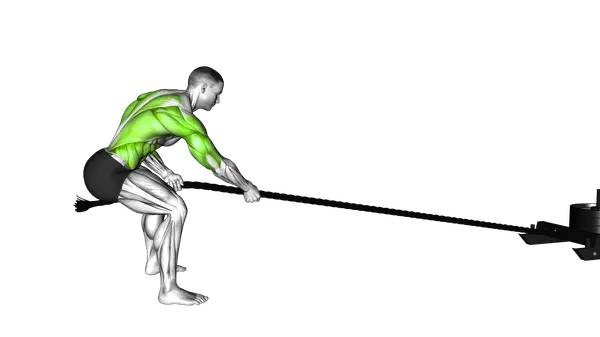
The Power Sled Pull stands as one of the most comprehensive and challenging exercises in any serious athlete's arsenal. This advanced movement targets multiple major muscle groups simultaneously, creating a full-body conditioning experience that few other exercises can match. As you drive against the resistance of the weighted sled, your hamstrings and glutes activate powerfully, serving as the primary engines that generate the force needed to overcome inertia.While your lower body works overtime, your upper body isn't just along for the ride. Your biceps engage significantly as you grip and pull the handles or straps, while your lats provide crucial stability and power through each movement phase. Perhaps surprisingly to newcomers, your core muscles: particularly your abs, work continuously to maintain proper posture and transfer force efficiently between your upper and lower body, essentially serving as the critical link in this kinetic chain.The beauty of the Power Sled Pull lies in its versatility for training objectives. Athletes seeking endurance benefits can lighten the load and perform higher-rep distances, challenging their cardiovascular system while building muscular stamina that transfers to sports and daily activities. Conversely, those prioritizing raw strength can load the sled heavily and focus on explosive, shorter-distance pulls that develop maximum power output and fast-twitch muscle fiber recruitment.What truly distinguishes this exercise is its functional carryover to real-world movements and sport-specific demands. Unlike isolated machine exercises, the Power Sled Pull replicates the mechanics of pulling, dragging, and overcoming resistance: movements fundamental to many sports and everyday tasks. The exercise also offers remarkable scalability, making it appropriate for experienced athletes while remaining adaptable as strength and conditioning progress.For those committed to comprehensive fitness development, few exercises deliver the combination of metabolic demand, muscle activation, and functional strength that the Power Sled Pull provides: making it an invaluable component of any advanced training program.

Strength
Hyrox
Crossfit
+1
Other
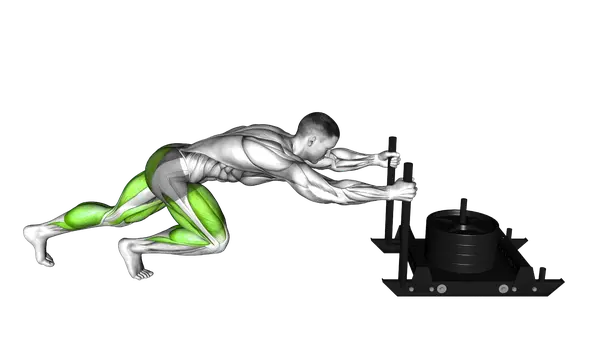
Power Sled Push

Power Sled Push

The Power Sled Push stands as a formidable conditioning tool that has earned its place in serious training programs across multiple disciplines. This intermediate-level exercise delivers an intense full-body workout while primarily targeting the quads, glutes, and hamstrings—the powerhouse muscles that drive athletic performance. What makes the Power Sled Push particularly valuable is its versatility, finding a home in HIIT circuits, CrossFit WODs, and powerlifting accessory work. The exercise creates a perfect storm of resistance that challenges both strength and endurance simultaneously, making it incredibly time-efficient for those seeking comprehensive lower body development. The beauty of sled work lies in its simplicity—a primal pushing movement that requires no complex technique yet delivers remarkable results. Your muscles work under constant tension throughout the movement, stimulating growth while the cardiovascular system kicks into high gear. This combination creates a metabolic effect that continues burning calories long after your session ends. Unlike many traditional exercises, the Power Sled Push places minimal stress on the joints while maximizing muscle recruitment. This makes it an excellent option for athletes recovering from injuries or those looking to supplement their training without additional recovery demands. The concentric-only nature of the movement means reduced muscle soreness compared to exercises with eccentric components. For those plateauing in their fitness journey, incorporating sled pushes can break through stagnation by challenging the body in a novel way. The variable resistance allows for easy progression—simply add more weight as your strength and conditioning improve. Whether you're looking to develop explosive power for sports performance or improve your work capacity for everyday life, this exercise delivers tangible results. The Power Sled Push exemplifies functional training at its finest—building real-world strength that translates directly to improved athletic performance and daily activities, cementing its status as a cornerstone exercise for serious fitness enthusiasts.

Strength
Endurance
Hyrox
HIIT
+2
Other
PVC Figure 8

PVC Figure 8

The PVC Figure 8 exercise offers a dynamic blend of core engagement and shoulder activation that's ideal for elevating your fitness routine to the next level. This intermediate movement simultaneously targets your abs and front deltoids, creating a comprehensive upper-body and core challenge that delivers multiple benefits in one fluid motion. Popular in HIIT, CrossFit, and warm-up routines, the Figure 8 pattern creates constant tension through your midsection while maintaining consistent movement through your shoulders. The continuous motion elevates your heart rate, making it an excellent addition to cardio-focused training days when you want to maximize calorie burn while building functional strength. What makes the PVC Figure 8 particularly effective is how it forces your core to stabilize against rotational forces while your shoulders work through various planes of motion. This translates directly to improved performance in everyday activities and athletic movements that require rotational power and stability. The lightweight PVC pipe adds just enough resistance to challenge your muscles without overwhelming them. The exercise serves as both a core strengthener and a cardiovascular enhancer, allowing you to improve your endurance and muscular definition simultaneously. Many fitness enthusiasts appreciate how the Figure 8 movement pattern trains the often-neglected oblique muscles while also engaging the rectus abdominis (six-pack muscles) and transverse abdominis (deep core). For those looking to diversify their training regimen, the PVC Figure 8 serves as an excellent metabolic conditioning tool that fits seamlessly into circuit training. Its versatility makes it appropriate for various fitness levels, though intermediates will find it particularly beneficial for developing the core control and shoulder endurance needed for more advanced movements. As your technique improves, you'll notice enhanced coordination between your upper and lower body, contributing to better overall athletic performance.

Core
Cardio
HIIT
Crossfit
+1
Other
PVC Pass Through

PVC Pass Through

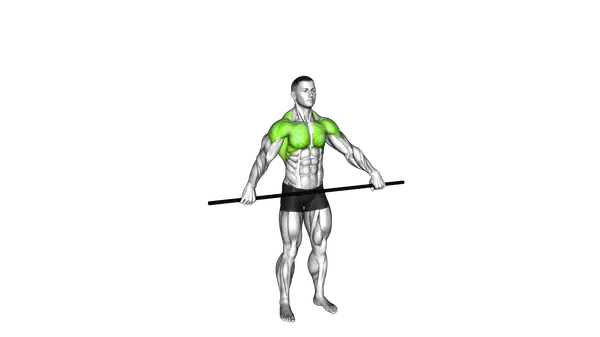
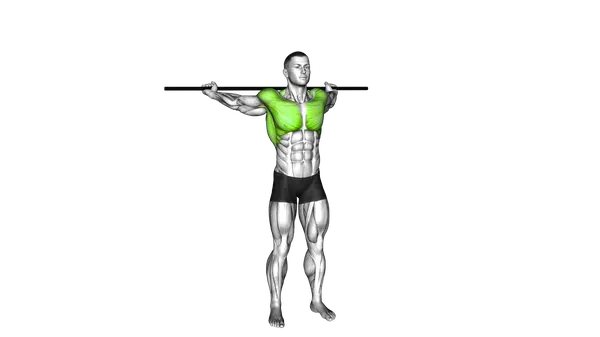
The PVC Pass Through is a wonderfully versatile mobility exercise that deserves a place in every fitness enthusiast's routine, particularly for beginners looking to improve shoulder function and upper body mobility. This gentle movement utilizes a lightweight PVC pipe or dowel rod to create a controlled stretch across the front deltoids and lats, making it perfect for those just starting their fitness journey. What makes this exercise so valuable is its role in both preparation and recovery. As part of a warm-up, the PVC Pass Through increases blood flow to the shoulder complex and activates the rotator cuff muscles, preparing your body for more demanding movements ahead. When used during a cool-down, it helps release tension in the front delts and lats that often tighten during upper body training, potentially accelerating recovery between sessions. The beauty of this mobility drill lies in its simplicity and effectiveness. While performing the movement, you'll feel a gentle opening across the chest and shoulders as the PVC pipe travels in its arc. This stretching sensation targets the anterior deltoids (front shoulders) which often become tight from daily activities like computer work or driving. Simultaneously, the lats (those powerful back muscles that connect your arms to your torso) receive a much-needed release. Regular incorporation of the PVC Pass Through can gradually improve shoulder mobility over time, potentially reducing the risk of impingement issues that plague many fitness enthusiasts. he movement serves as an excellent assessment tool as well, providing immediate feedback about your current mobility limitations while tracking improvements as you practice consistently. For optimal results, consider including the PVC Pass Through not just before workouts but as part of your daily mobility routine. Many experienced athletes and coaches value this simple tool for maintaining shoulder health and enhancing overall upper body function, proving that sometimes the most basic movements deliver the most significant benefits to your mobility practice.

Mobility
Stretching
Recovery
Cool-down
+1
Other
Ring Row

Ring Row

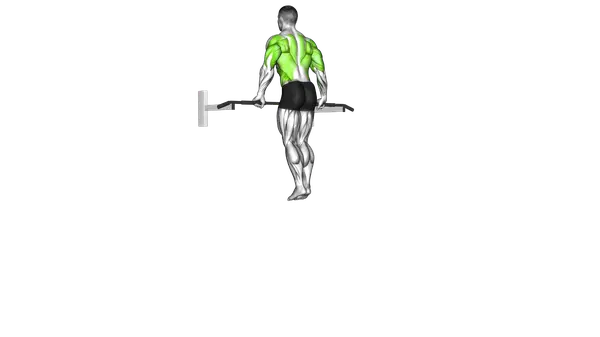
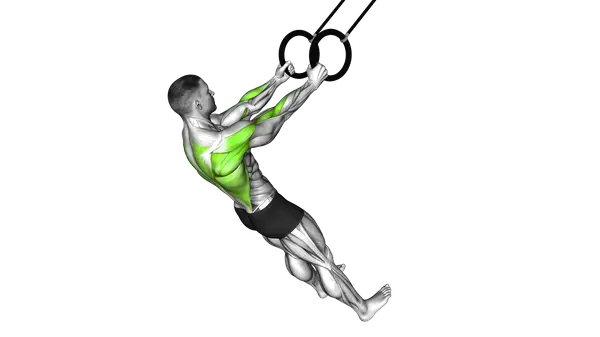
The ring row stands as a cornerstone pulling movement in strength training, offering remarkable versatility for intermediate athletes looking to develop upper body pulling power without the intimidation factor of strict pull-ups. This horizontal pulling exercise primarily engages the latissimus dorsi (lats), trapezius muscles (traps), and biceps, creating a comprehensive back development stimulus while simultaneously challenging core stability. Unlike fixed bars, gymnastics rings introduce an element of instability that recruits additional stabilizer muscles throughout the movement, making it particularly valuable across training methodologies like CrossFit, bodybuilding, and HIIT protocols. The beauty of ring rows lies in their scalability – simply adjusting body angle relative to the ground instantly modifies resistance, allowing athletes to progressively overload as strength improves. From a strength development perspective, ring rows fill a critical gap for those working toward strict pull-ups or looking to enhance overall pulling mechanics. The movement builds the posterior chain resilience necessary for more advanced gymnastics movements while minimizing stress on the shoulders compared to vertical pulling variations. This makes ring rows especially valuable for athletes managing shoulder mobility limitations or recovering from upper body injuries. Many strength coaches consider ring rows an essential "corrective" movement in balancing training programs that often skew toward pushing exercises. Regular incorporation of ring rows can address postural imbalances common in our technology-driven world where forward shoulder positions dominate daily postures. The exercise promotes scapular retraction and depression – movement patterns that directly counteract the hunched position many find themselves in throughout the day. For intermediate trainees, ring rows serve as both a primary strength builder and an accessory movement for enhancing performance across diverse athletic endeavors. Their effectiveness in CrossFit, bodybuilding, and HIIT programming stems from their ability to deliver significant muscular stimulus with minimal equipment requirements, making them a staple in any comprehensive strength development protocol.

Strength
Crossfit
Bodybuilding
+1
Other
Roll Ball Back Head Stretch

Roll Ball Back Head Stretch

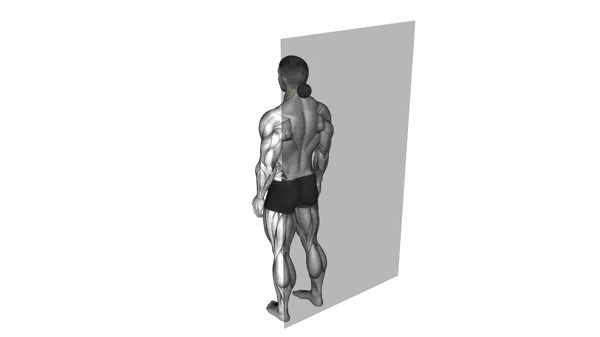
The Roll Ball Back Head Stretch is a gentle yet effective technique that targets the often-neglected muscles of the neck, perfect for beginners looking to enhance their mobility routine. This accessible stretch utilizes a simple therapy ball to create a controlled release of tension along the cervical spine and base of the skull, where many of us hold stress from daily activities like working at computers or looking down at phones. As a recovery tool, this stretch works wonders to alleviate neck stiffness that accumulates throughout the day. The soft pressure from the ball helps to release fascial restrictions and trigger points in the suboccipital muscles – those small but mighty muscles that connect your skull to your upper spine. These muscles frequently become tight and shortened, contributing to headaches, poor posture, and limited range of motion. Whether incorporated into your warm-up to prepare the neck for more intense training, or as part of a cool-down sequence to promote relaxation, the Roll Ball Back Head Stretch offers versatility for various fitness contexts. The gentle pressure stimulates blood flow to the area, helping to nourish tissues and improve overall neck health. For those focused on improving mobility, this stretch provides a unique advantage by targeting areas that are difficult to stretch through conventional methods. The ball creates a pinpoint pressure that helps to break up adhesions between tissue layers, restoring natural gliding movements between muscles and fascia. This improved tissue quality translates to better posture and reduced risk of neck-related discomfort. Regular practice of this stretching technique can lead to noticeable improvements in neck flexibility and a reduction in tension-related discomfort. As a component of a comprehensive mobility practice, the Roll Ball Back Head Stretch represents a simple yet powerful tool for maintaining neck health and function in our increasingly screen-focused world.

Stretching
Mobility
Recovery
Cool-down
+1
Other
Roll Ball Erector Spinae

Roll Ball Erector Spinae

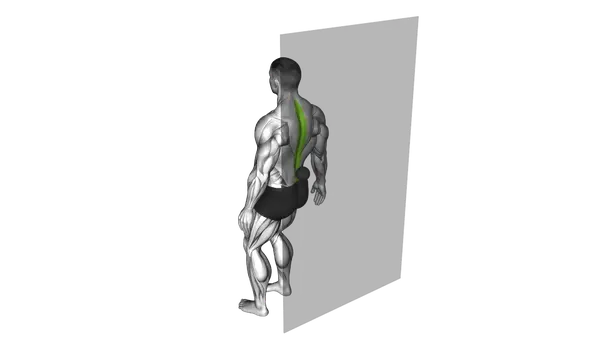
The Roll Ball Erector Spinae exercise offers an excellent intermediate-level approach to simultaneously engage your erector spinae muscles and abdominals while promoting recovery and mobility. This versatile movement sits comfortably in both your cool-down routine and as a strategic addition to your strength training regimen, delivering multiple benefits with minimal equipment. When you incorporate this exercise regularly, you're essentially performing active maintenance on the crucial muscles that support your spine. The erector spinae—that powerful group of muscles running along both sides of your vertebral column—often tightens due to prolonged sitting or intensive training. This rolling technique helps release tension while improving the communication between these muscles and your core stabilizers. What makes this movement particularly valuable is its dual action on strength and mobility. While the gentle pressure from the ball releases fascial adhesions in the erector muscles, your body naturally engages the abdominals to maintain proper positioning. This creates a functional relationship between these muscle groups that translates to better posture and movement efficiency in daily activities. For athletes and fitness enthusiasts dealing with back stiffness or recovering from intense training sessions, this exercise serves as an effective self-myofascial release technique. The controlled pressure stimulates blood flow to the tissue, accelerating recovery and reducing potential inflammation along the paraspinal muscles. This improved circulation delivers essential nutrients to the area while removing metabolic waste products. The beauty of the Roll Ball Erector Spinae lies in its adaptability for different fitness levels within the intermediate range. You can easily modify the intensity by adjusting your body weight distribution or by selecting different densities of balls. This makes it an intelligent addition to any well-rounded fitness program focused on balanced development, injury prevention, and enhanced performance through improved spinal health and core stability.

Strength
Mobility
Recovery
Cool-down
Other
Roll Ball Infraspinatus Stretch

Roll Ball Infraspinatus Stretch

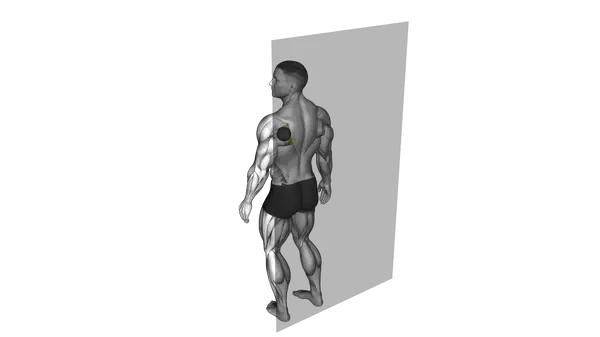
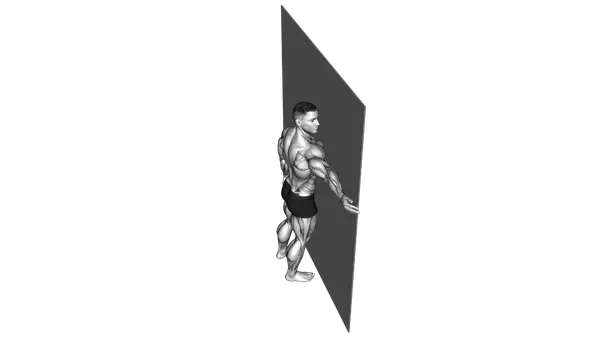
The Roll Ball Infraspinatus Stretch is a gentle yet effective mobility technique that targets the often-neglected infraspinatus muscle, which plays a crucial role in shoulder health and rotation. Perfect for beginners, this accessible stretch requires minimal equipment—just a small therapy ball or tennis ball—making it ideal for home workouts or gym sessions alike. This stretch primarily focuses on releasing tension in the rear deltoids and latissimus dorsi (lats), two muscle groups that commonly develop tightness from daily activities like sitting at a desk, driving, or even from intense upper body training. When these muscles become restricted, they can contribute to poor posture, limited range of motion, and potential shoulder impingement issues. What makes this stretch particularly valuable is its versatility within a fitness routine. It works beautifully as part of your warm-up sequence, preparing the shoulder complex for more dynamic movements by increasing blood flow and tissue temperature in the targeted area. Equally, it serves as an excellent cool-down component after training, helping to alleviate post-workout tightness and promoting faster recovery. The Roll Ball Infraspinatus Stretch falls into both the stretching and mobility categories, offering a unique combination of myofascial release and passive stretching. The pressure of the ball helps break up adhesions in the fascia surrounding the infraspinatus, while the positioning creates a mild stretch that encourages greater tissue elasticity. This dual action makes it more effective than traditional static stretching alone. Regular implementation of this stretch can contribute to improved shoulder mechanics, better posture, and reduced risk of injuries in overhead movements. Many fitness enthusiasts find that incorporating this simple technique two to three times weekly leads to noticeably improved shoulder mobility and decreased tension in the upper back region. The gentle pressure stimulates proprioceptors in the muscle tissue, effectively "teaching" chronically tight muscles to release and relax.

Stretching
Mobility
Recovery
Cool-down
+1
Other
Roll Ball Outside Thigh Stretch

Roll Ball Outside Thigh Stretch

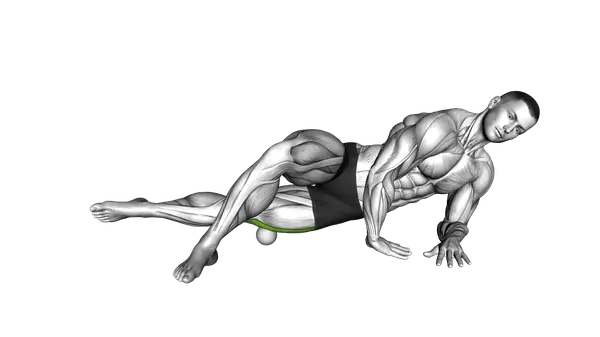
The Roll Ball Outside Thigh Stretch is a gentle yet effective technique perfect for beginners looking to release tension in the lateral thigh region. This stretch specifically targets the iliotibial band (IT band), a thick band of fascia that runs along the outside of the thigh from the hip to the knee, as well as the surrounding abductor and adductor muscles. This recovery-focused movement serves multiple purposes in a fitness routine. Whether incorporated into your warm-up to prepare the lateral thigh muscles for activity, used during your cool-down to alleviate post-workout tightness, or employed as a standalone recovery technique on rest days, the foam rolling approach helps address common IT band issues that many experience from prolonged sitting or repetitive activities. The beauty of this stretch lies in its simplicity and effectiveness for improving mobility. By applying controlled pressure with a foam roller or ball, you can help release adhesions and trigger points in the fascia surrounding the IT band, potentially reducing discomfort and improving range of motion in the hip and knee joints. This is particularly beneficial for runners, cyclists, and those who engage in activities involving lateral movements. Regular practice of this mobility technique may contribute to better movement patterns and reduced risk of overuse injuries related to IT band syndrome. The gentle pressure helps increase blood flow to the area, potentially speeding recovery and reducing soreness after intense workouts. Many fitness enthusiasts find this stretch provides immediate relief from the characteristic tightness that develops along the outside thigh. As a foundational stretching and mobility exercise, the Roll Ball Outside Thigh Tractus Iliotibialis Stretch represents an accessible entry point into self-myofascial release techniques that can become a valuable component of any comprehensive fitness program focused on balanced muscle development and injury prevention.

Stretching
Mobility
Recovery
Cool-down
+1
Other
Roll Ball Pectorial Release

Roll Ball Pectorial Release

The Roll Ball Pectorial Release offers beginners an accessible yet effective way to address tension in the chest muscles, making it an ideal recovery technique after upper body workouts. This gentle self-myofascial release method targets the pectoral muscles, which commonly develop tightness due to poor posture, excessive pushing exercises, or simply the demands of daily life. As a cool-down strategy, this technique helps stimulate blood flow to the chest region, facilitating the removal of metabolic waste products that accumulate during exercise. The pressure applied through the ball helps break up adhesions in the fascia—the connective tissue surrounding your muscles—allowing for improved tissue quality and enhanced mobility over time. What makes this approach particularly valuable for beginners is its self-regulated nature; you control the pressure intensity based on your comfort level and can easily modify the technique as needed. The pectoral release works wonderfully as part of a comprehensive recovery routine, especially when paired with complementary stretching exercises for the chest and shoulders. Regular implementation of this mobility technique can contribute to better posture by counteracting the forward-shoulder position many people develop from desk work or smartphone use. For those new to fitness, this release technique provides a gentle introduction to body awareness and teaches the valuable skill of recognizing and addressing muscle tension before it develops into pain or restriction. When incorporated into your post-workout routine just a few times weekly, the Roll Ball Pectorial Release can significantly improve chest flexibility and shoulder function. This investment in recovery pays dividends in your overall performance, potentially reducing injury risk and enhancing your capacity to perform pressing movements with proper form and full range of motion during future workouts.

Stretching
Mobility
Recovery
Cool-down
Other
Roll Ball Seated Hamstrings Active

Roll Ball Seated Hamstrings Active

This gentle yet effective mobility exercise targets the hamstrings and engages the core, making it perfect for beginners looking to improve flexibility and muscle activation simultaneously. The Roll Ball Seated Hamstrings Active exercise creates a dynamic stretch that helps prepare your posterior chain for more intensive movement patterns while promoting better range of motion in the hamstring muscles. As a stretching and mobility exercise, it serves multiple purposes in your fitness routine. You can incorporate it during your warm-up to activate the hamstrings and prepare them for more demanding exercises, use it during recovery sessions to restore muscle length and function, or include it in your cool-down to gradually decrease intensity while maintaining focus on muscle quality. The beauty of this exercise lies in its ability to combine active engagement with gentle stretching. Unlike passive stretching where you simply hold a position, this active variation encourages neuromuscular awareness as you control the movement of the ball with your feet. This engagement helps signal to your nervous system that this new range of motion is safe, potentially leading to more lasting flexibility improvements. For those who spend long hours sitting, this exercise can be particularly beneficial as it targets the hamstrings—muscles that often become shortened and tight from prolonged sitting. Regular practice can contribute to better posture and reduced lower back tension, as tight hamstrings often contribute to postural issues. The dual focus on hamstrings and abdominals creates a balanced approach to lower body mobility. As you control the ball's movement, your core naturally activates to stabilize your torso, giving you a subtle abdominal workout while primarily focusing on hamstring mobility. This mind-muscle connection developed during the exercise transfers well to more complex movements in your fitness journey, making it a valuable addition to any beginner's routine.

Stretching
Mobility
Recovery
Cool-down
+1
Other
Roll Ball Triceps Latissimus Dorsi Stretch

Roll Ball Triceps Latissimus Dorsi Stretch

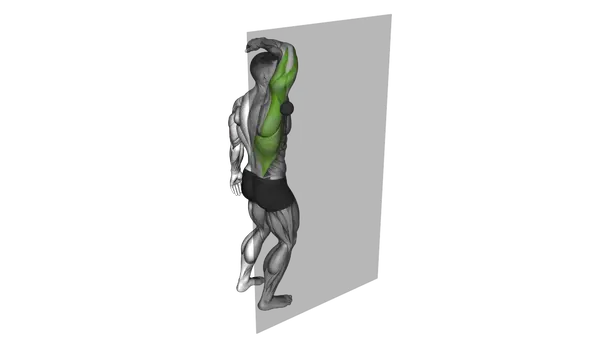
The Roll Ball Triceps Latissimus Dorsi Stretch offers beginners an accessible yet effective way to release tension in two major upper body muscle groups simultaneously. This gentle stretching technique targets both the triceps, those three-headed muscles at the back of your arms, and the latissimus dorsi, the broad muscles spanning your mid and lower back that contribute significantly to posture and shoulder function. This versatile recovery technique serves multiple purposes in your fitness routine. Whether incorporated into your warm-up to prepare these muscles for overhead movements, or as part of your cool-down to help release accumulated tension, this stretch promotes enhanced mobility throughout your posterior chain. The supportive nature of using a stability ball makes this particularly suitable for beginners who might find traditional stretching positions challenging to maintain. Regular inclusion of this stretch can contribute to improved range of motion in the shoulders and better overall upper body mobility. By addressing both the triceps and lats simultaneously, you're efficiently targeting two areas that commonly develop tightness from daily activities like computer work or intense training sessions. The gentle pressure provides a myofascial release effect, helping to alleviate any adhesions that may have formed in the connective tissue surrounding these muscles. For those who struggle with tight shoulders or limited overhead mobility, this stretch becomes especially valuable. The latissimus dorsi often contributes to restricted shoulder movement when tight, while triceps tension can limit elbow extension. By systematically addressing both muscle groups, you're creating a more balanced approach to upper body flexibility. The stability ball adds an element of controlled instability that encourages proper engagement of your core throughout the movement. This recovery-focused stretch fits perfectly into any comprehensive mobility routine, requiring minimal equipment while delivering significant benefits. Whether you're an athlete looking to maintain performance or simply seeking relief from everyday tension, this accessible stretching technique provides an efficient way to care for your upper body musculature.

Stretching
Mobility
Recovery
Cool-down
+1
Other
Sandbag Lunges

Sandbag Lunges

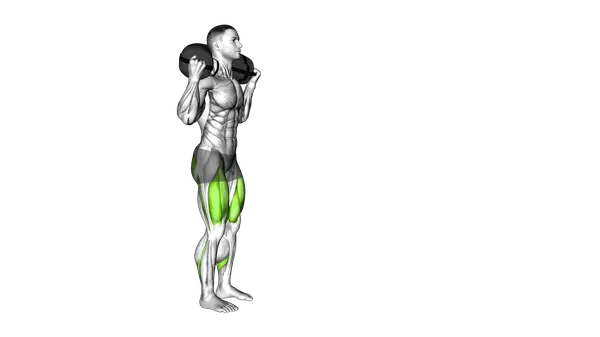
Sandbag lunges represent a challenging progression in lower body training, combining the instability of a sandbag with the functional movement pattern of a lunge. This advanced exercise significantly engages multiple muscle groups simultaneously, with primary emphasis on the glutes, quads, and hamstrings. The shifting weight of the sandbag creates an additional stabilization challenge that traditional weighted lunges can't replicate, forcing your core to work overtime throughout the movement.What makes sandbag lunges particularly effective is their ability to build both strength and endurance concurrently. The constantly shifting center of gravity of the sandbag mimics real-world lifting scenarios, making this exercise exceptionally functional for athletes and fitness enthusiasts alike. Your body must continuously adjust to the sand's movement within the bag, recruiting more muscle fibers and burning additional calories compared to static resistance exercises.The beauty of sandbag training lies in its versatility and practicality. Unlike rigid weights, sandbags conform to your body during movement, reducing joint strain while still providing substantial resistance. This makes them particularly valuable for those looking to build resilience and functional strength that translates to everyday activities and athletic performance. The uneven distribution of weight challenges your proprioception: your body's awareness of its position in space: further enhancing your overall athletic development.For those seeking to break through training plateaus, sandbag lunges offer a novel stimulus that can shock muscles into new growth and adaptation. The exercise builds mental toughness alongside physical strength, as maintaining proper form with an unstable load requires significant focus and determination. Regular incorporation of this movement can lead to impressive gains in lower body power, enhanced core stability, and improved overall athletic performance, making it a valuable addition to any advanced training regimen.

Strength
Hyrox
Crossfit
+2
Other
Seated Towel Row

Seated Towel Row

The Seated Towel Row offers a unique twist on traditional rowing movements, providing both therapeutic benefits and impressive muscle-building potential for your back development. This intermediate exercise primarily targets the latissimus dorsi and trapezius muscle groups, making it an excellent addition to bodybuilding routines while simultaneously supporting recovery protocols. Unlike conventional rows that rely on fixed handles or bars, the towel's unstable nature introduces an element of grip challenge that activates additional stabilizing muscles throughout your forearms and upper back. This increased neuromuscular demand enhances the overall effectiveness for developing functional strength, particularly beneficial for athletes looking to improve performance in pulling-based activities. Many fitness enthusiasts appreciate the Seated Towel Row for its joint-friendly nature. The towel's flexibility allows for a more natural range of motion compared to rigid equipment, potentially reducing stress on the shoulders and elbows while still delivering substantial tension to the target muscles. This makes it particularly valuable during recovery phases or when working around minor injuries that might be aggravated by traditional rowing variations. From a strength development perspective, the Seated Towel Row creates a unique stimulus through its accommodating resistance pattern. As you progress through the movement, the tension increases naturally, creating a peak contraction exactly where it matters most: at the point where your lats and traps are maximally engaged. This quality makes it especially effective for breaking through plateaus in back development. While perhaps not as flashy as some gym movements, this exercise has earned respect among serious lifters for its ability to develop that coveted back thickness and width. The combination of constant tension, enhanced grip requirements, and the natural movement pattern makes the Seated Towel Row a smart choice for those seeking balanced posterior chain development with reduced injury risk while maintaining serious strength-building potential.

Strength
Bodybuilding
Recovery
Other
Superman Towel Row

Superman Towel Row

The Superman Towel Row represents a brilliant fusion of core stability and back strength development, offering a unique challenge for intermediate fitness enthusiasts. This dynamic exercise simultaneously engages multiple muscle groups, with primary focus on the lats, erector spinae, and abdominals, creating a comprehensive posterior chain workout. What makes this movement particularly valuable is its versatility across training styles, fitting seamlessly into both high-intensity interval training (HIIT) circuits and traditional bodybuilding regimens. When incorporated into your fitness routine, the Superman Towel Row delivers impressive benefits for both strength development and core stabilization. The position mimics the classic superman pose while incorporating the pulling resistance of a towel, creating tension that must be overcome through controlled back engagement. This dual-action mechanism forces your body to maintain rigidity through the midsection while generating pulling power through the upper back and shoulders. Many fitness enthusiasts appreciate this exercise for its minimal equipment requirements: just a towel and floor space, making it accessible regardless of your training environment. The movement's effectiveness comes from the isometric contraction required to maintain the extended position while simultaneously performing the dynamic rowing pattern. This combination challenges your neuromuscular system in ways that traditional rows or superman holds alone cannot match. For those focused on functional fitness, the Superman Towel Row translates well to everyday activities requiring back strength and torso stability. The exercise also serves as an excellent progression from basic superman holds when you're ready to increase intensity without necessarily adding external weight. As you advance in your fitness journey, this movement can be modified through timing adjustments, pause repetitions, or altered hand positions to continue challenging your muscular endurance and strength capacity. Regular inclusion of the Superman Towel Row in your training program can contribute significantly to improved posture, reduced risk of lower back pain, and enhanced athletic performance across various activities requiring core stability and back strength.

Strength
Core
HIIT
Bodybuilding
Bodyweight exercises (+1)
Tibialis Posterior with ball

Tibialis Posterior with ball

The tibialis posterior, often overlooked in standard training programs, serves as a critical stabilizer for the foot arch and plays an essential role in ankle movement. This intermediate-level exercise focuses on strengthening the deeper muscles of the calves while enhancing both mobility and stability throughout the lower leg. Using a small therapy ball provides gentle pressure that helps isolate this muscle, which runs along the inner portion of your lower leg behind the shin bone and attaches to multiple points in the foot. Working the tibialis posterior effectively contributes to overall ankle health, potentially reducing the risk of common issues like plantar fasciitis, shin splints, and overpronation during walking or running. The pressure from the ball helps release tension in this hard-to-reach muscle while simultaneously activating it in a controlled manner. This dual action makes it particularly valuable as part of a recovery or cool-down routine after more intense lower body training. Regular attention to this muscle can significantly improve foot mechanics and ankle mobility, creating a more stable foundation for compound movements like squats and deadlifts. The tibialis posterior also works synergistically with other lower leg muscles to control excessive foot flattening during dynamic movements, making this exercise beneficial for athletes across various disciplines who need to maintain proper foot positioning during rapid directional changes. As both a strength and mobility exercise, working the tibialis posterior with a ball offers a gentle yet effective way to address an area that's frequently tight and underactive in many fitness enthusiasts. This balanced approach to lower leg training helps create symmetry between the anterior and posterior compartments of the lower leg, potentially reducing compensation patterns that might lead to discomfort or injury over time.

Strength
Mobility
Recovery
Cool-down
Other
Showing 1-26 of 32 exercises