Back
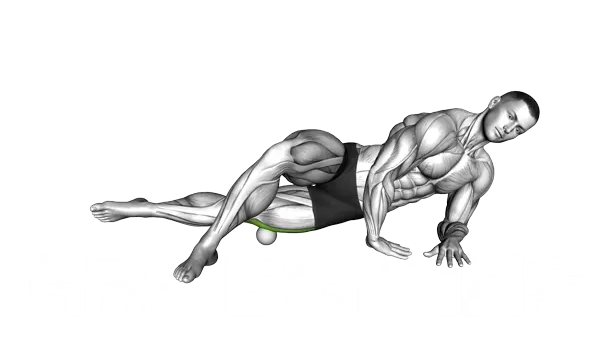
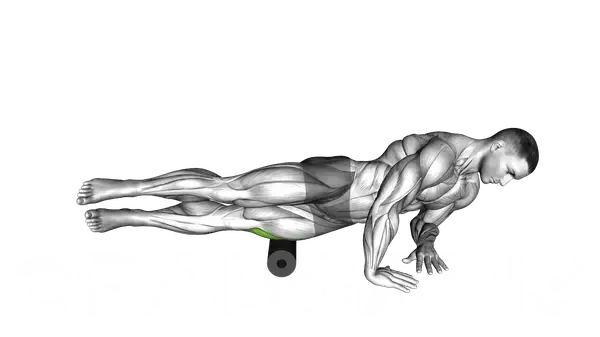
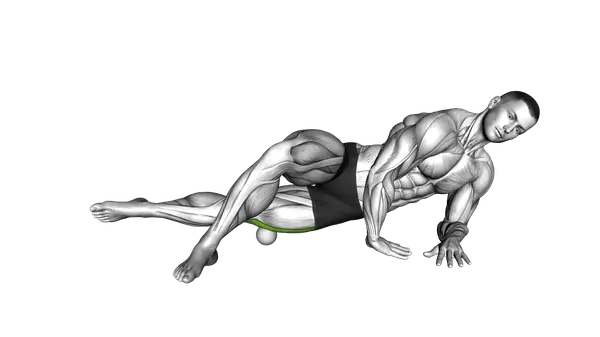
Roll Ball Outside Thigh Stretch
Add to Workout

Roll Ball Outside Thigh Stretch

Build

How to Perform

  1. Position a foam roller perpendicular to your body and lie on your side with the roller under the outside of your thigh, just below your hip.
  2. Place your bottom arm extended on the floor for support and rest your top hand on the floor in front of your chest to help control the movement.
  3. Keep your body straight from head to ankles with your top leg either stacked on the bottom leg or placed in front of you on the floor for stability.
  4. Engage your core muscles and maintain a neutral spine position throughout the exercise.
  5. Slowly roll your body down so the foam roller moves along the outside of your thigh toward your knee, exhaling as you move through any tight spots.
  6. Pause when you find a particularly tender area (trigger point), holding for 20-30 seconds while taking deep, controlled breaths.
  7. Continue rolling between your hip and knee, covering the entire length of the iliotibial band, for 1-2 minutes per side.
  8. To increase pressure on particularly tight areas, stack your top leg over your bottom leg or use a firmer roller, ensuring you maintain controlled breathing throughout.

Important information

  • Keep the movement slow and controlled, avoiding rapid rolling that may minimize the release of muscle tension.
  • Adjust your body position slightly to target different angles of the IT band if you find certain spots need more attention.
  • If the pressure is too intense, support more of your body weight through your arms or place your top foot on the ground for additional support.
  • Perform this stretch after workouts involving running or lower body exercises, when muscles are warm and receptive to release.

Exercise Details

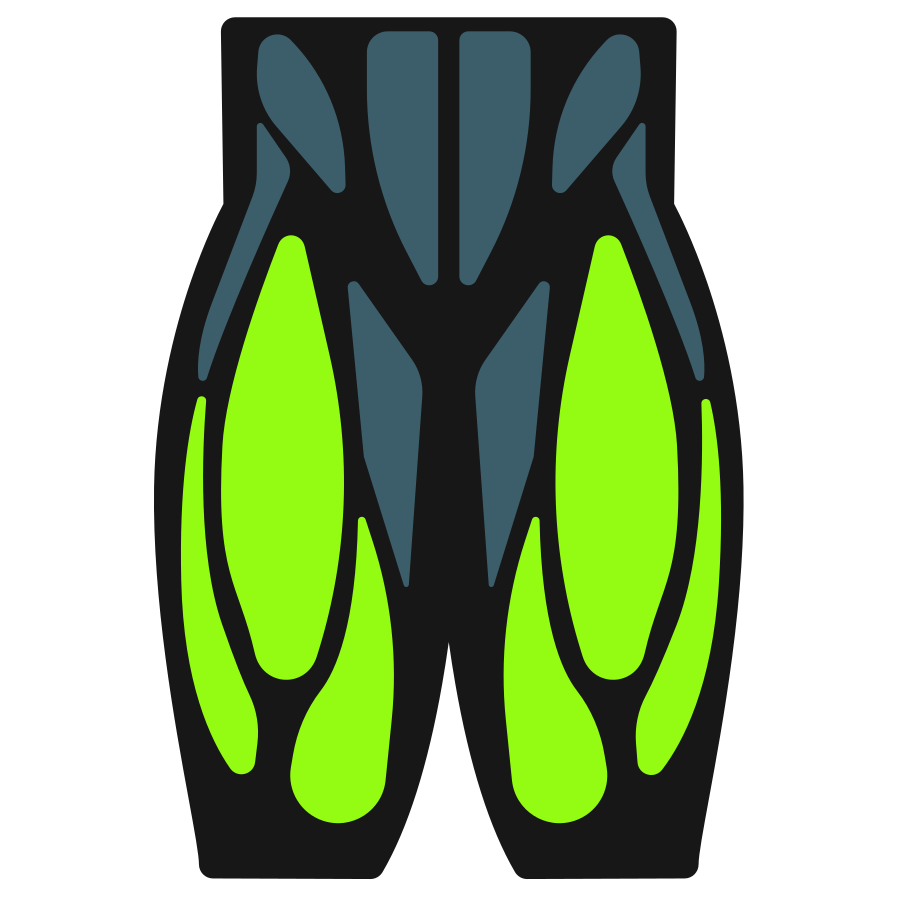
Primary Muscles

Abductors Adductors

Muscle Groups

Leg exercises

Mechanic

Isolation

Risk Areas

Abductors Adductors

Built for progress

Take the guesswork out of training

Create personalized AI-powered workout plans that evolve with you. Train smarter, track every rep and keep moving forward, one workout at a time.

Be among the first to join!
GrabGains workout plans

The Roll Ball Outside Thigh Stretch is a gentle yet effective technique perfect for beginners looking to release tension in the lateral thigh region. This stretch specifically targets the iliotibial band (IT band), a thick band of fascia that runs along the outside of the thigh from the hip to the knee, as well as the surrounding abductor and adductor muscles. This recovery-focused movement serves multiple purposes in a fitness routine. Whether incorporated into your warm-up to prepare the lateral thigh muscles for activity, used during your cool-down to alleviate post-workout tightness, or employed as a standalone recovery technique on rest days, the foam rolling approach helps address common IT band issues that many experience from prolonged sitting or repetitive activities. 

The beauty of this stretch lies in its simplicity and effectiveness for improving mobility. By applying controlled pressure with a foam roller or ball, you can help release adhesions and trigger points in the fascia surrounding the IT band, potentially reducing discomfort and improving range of motion in the hip and knee joints. This is particularly beneficial for runners, cyclists, and those who engage in activities involving lateral movements. Regular practice of this mobility technique may contribute to better movement patterns and reduced risk of overuse injuries related to IT band syndrome. 

The gentle pressure helps increase blood flow to the area, potentially speeding recovery and reducing soreness after intense workouts. Many fitness enthusiasts find this stretch provides immediate relief from the characteristic tightness that develops along the outside thigh. As a foundational stretching and mobility exercise, the Roll Ball Outside Thigh Tractus Iliotibialis Stretch represents an accessible entry point into self-myofascial release techniques that can become a valuable component of any comprehensive fitness program focused on balanced muscle development and injury prevention.

FAQ - Roll Ball Outside Thigh Stretch

What muscles does the Roll Ball Outside Thigh Stretch target?

This technique primarily targets the iliotibial (IT) band, a thick fascia that runs along the outside of the thigh from hip to knee. It also addresses the tensor fasciae latae (TFL), vastus lateralis (outer quad), and gluteus medius muscles that connect to and influence the IT band.

How long should I spend rolling each leg during this stretch?

Aim for 30-60 seconds per leg, focusing on areas that feel particularly tight or tender. For optimal results, perform 2-3 sets per side, allowing the tissues to respond and relax between each round.

What are common mistakes to avoid when performing this stretch?

The most common mistakes include rolling directly on the IT band rather than the surrounding muscles, rolling too quickly without pausing on tight spots, and using excessive pressure that causes pain rather than release. Remember that discomfort is normal, but sharp pain indicates you should reduce pressure.

How often should I include this IT band rolling technique in my routine?

For maintenance, perform this stretch 2-3 times weekly. If you're experiencing IT band tightness or recovering from IT band syndrome, daily rolling can be beneficial. Runners and cyclists may benefit from including it before and after workouts to prevent tightness.

Can I use alternatives to a foam roller for this stretch?

Yes, you can use a tennis ball, lacrosse ball, or specialized massage ball for more targeted pressure. A rolling pin wrapped in a towel works in a pinch, and massage sticks are excellent portable alternatives. For beginners, softer foam rollers provide gentler pressure than firm ones or balls.

Alternative Exercises

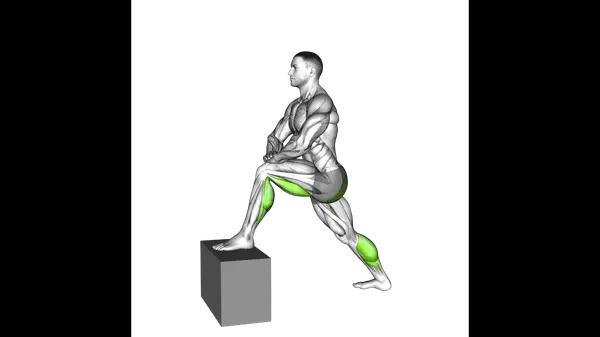
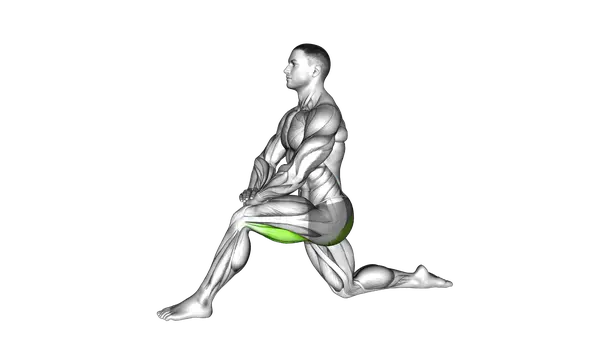
Standing Hip Flexor Stretch

Standing Hip Flexor Stretch

The Standing Hip Flexor Stretch offers a simple yet effective way to release tension in the front of your hips, an area that often tightens due to prolonged sitting or intense physical activity. This beginner-friendly stretch targets the hip flexor muscles—primarily the iliopsoas and rectus femoris—which play crucial roles in everyday movements like walking and climbing stairs. When incorporated into your recovery routine, this stretch helps alleviate the stiffness that accumulates after workouts, particularly following lower-body training sessions. The gentle lengthening of these muscles promotes better circulation to the area, facilitating faster recovery and reduced soreness. Many fitness enthusiasts find this stretch equally valuable as part of their cool-down ritual, helping the body transition from high-intensity exercise back to a resting state. As a warm-up element, the Standing Hip Flexor Stretch prepares your hips for movement by increasing blood flow and temporarily improving range of motion before you tackle more demanding activities. This preparation is especially beneficial before exercises that require hip extension, such as lunges, squats, or running. Beyond its immediate benefits, regular practice of this stretch contributes to enhanced mobility throughout the hip complex. The modern lifestyle, characterized by extended periods of sitting, often leads to chronically shortened hip flexors, which can contribute to postural issues and lower back discomfort. By consistently stretching these muscles, you work toward restoring proper length-tension relationships in the hip region. The beauty of this stretch lies in its accessibility—it requires no equipment and minimal space, making it perfect for a quick mobility break during your workday or as part of a more comprehensive stretching routine. While seemingly simple, the Standing Hip Flexor Stretch delivers significant benefits for everyday movement quality and athletic performance when performed regularly with proper attention to form and breathing.

Stretching
Mobility
Recovery
Cool-down
+1
Bodyweight exercises
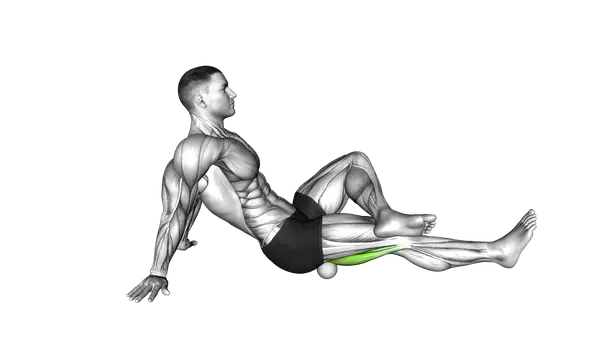
Foam Roller Tensor Fasciae Latae (TFL) Release

Foam Roller Tensor Fasciae Latae (TFL) Release

The Foam Roller Tensor Fasciae Latae Release is an effective way to relieve tension in the front and outer part of your hips. This small but important muscle, the tensor fasciae latae, works alongside the hip flexors and the iliotibial (IT) band to stabilize your pelvis during movement. Because it’s active in almost every lower-body exercise and even while walking or sitting, it often becomes overworked and tight. Using a foam roller helps reduce this tension, improving hip mobility and comfort during squats, running, or daily activities.When used before training, this release prepares your hips for movement by increasing blood flow and reducing stiffness in the connective tissue around the TFL and IT band. After workouts, it helps accelerate recovery by easing muscle tightness and improving circulation in the hip region. Regularly including this technique in your mobility routine can help prevent imbalances and reduce discomfort around the hips and knees.The strength of this mobility exercise lies in its simplicity. By targeting the tensor fasciae latae directly, you’re not only improving local flexibility but also promoting better movement patterns through the entire hip complex. Releasing tension in this area often eases strain on neighboring muscles such as the glutes, hamstrings, and lower back, leading to smoother, more efficient movement.Whether you’re new to foam rolling or experienced with recovery tools, the Foam Roller Tensor Fasciae Latae Release is easy to learn and self-regulated — you control the pressure and range. A few minutes of consistent practice can lead to noticeably freer hips, improved posture, and a lower risk of overuse injuries, proving that small, targeted recovery habits can make a big difference in overall performance.

Stretching
Mobility
Recovery
Cool-down
+1
Foam roller
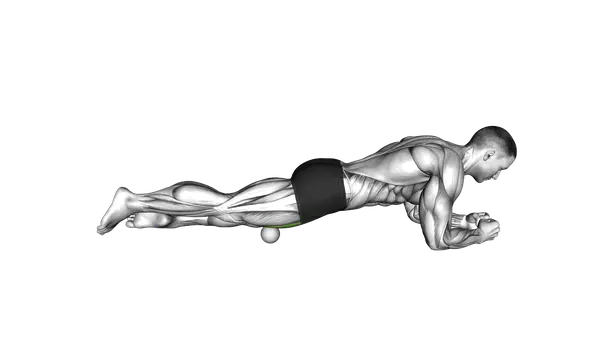
Ball Rolling for Front Thigh

Ball Rolling for Front Thigh

Ball Rolling for Your Thigh Muscle is a simple and effective way to help relieve muscle tightness in the front of your thigh. This easy technique is perfect for beginners and works great before or after exercise. All you need is your body weight and a small firm ball, like a tennis ball or lacrosse ball. The muscle you're working on (called the rectus femoris) is special because it connects both your hip and knee, which means it gets tight easily from sitting too long or being active.When you roll this muscle with a ball, it's like giving yourself a deep massage that helps loosen up knots and tight spots in your muscle. The pressure from the ball helps get more blood flowing to the area, which brings in good nutrients and helps remove waste that builds up in your muscles. This makes you feel less sore and helps you recover faster after exercise. The ball gives you more focused pressure than other tools, so you can really target those stubborn tight spots.Using a ball regularly on this thigh muscle can make your legs feel much better and move more easily. When you release the tightness, you might notice it's easier to bend your knees, your hips feel looser, and everyday movements feel smoother. People who exercise often find they can squat deeper, run more comfortably, and jump better after making this part of their routine. The ball lets you work on exactly the spots that feel tight instead of just rolling over everything.The great thing about using a ball for this muscle work is how simple and effective it is. Whether you're getting ready to exercise, cooling down afterward, or just want to feel better on a day off, this technique really helps. Since the ball is smaller than other massage tools, you can pinpoint exactly where you feel tight and work on those specific areas. Many healthcare professionals recommend this as a way to prevent common leg and knee problems, making it useful for anyone who wants to feel better and move more easily, regardless of how active they are.

Stretching
Mobility
Recovery
Cool-down
+1
Other
Standing Wall Calf Stretch

Standing Wall Calf Stretch

The Standing Wall Calf Stretch is a fundamental mobility exercise that serves as an excellent addition to any fitness routine, particularly for beginners looking to improve lower leg flexibility. This accessible stretch specifically targets the gastrocnemius and soleus muscles: collectively known as the calves, which often become tight from daily activities like walking, running, and even sitting for prolonged periods with feet in a flexed position. As a versatile recovery technique, this stretch can be seamlessly incorporated into your cool-down routine to help alleviate muscle tension after a workout. The gentle, sustained pressure helps to release lactic acid buildup and promotes better circulation to the working muscles, potentially reducing post-exercise soreness. Equally valuable as a warm-up element, the Standing Wall Calf Stretch prepares the lower legs for more intense activity by increasing tissue temperature and enhancing range of motion. The beauty of this stretch lies in its simplicity and effectiveness. By creating a controlled lengthening of the calf muscles, it addresses one of the most commonly tight areas in the body. Regular practice can contribute to improved ankle mobility, which translates to better performance in squats, lunges, and various athletic movements. For runners and walkers, maintaining flexible calves can help prevent overuse injuries such as Achilles tendinitis and plantar fasciitis. This stretch represents a perfect balance between stretching and mobility work: while it certainly elongates the muscle tissue for greater flexibility, it simultaneously improves the functional range of motion at the ankle joint. This dual benefit makes it particularly valuable for those with desk jobs or anyone who experiences calf tightness from daily activities. Whether you're an exercise novice or simply looking to maintain healthy tissue quality in your lower legs, the Standing Wall Calf Stretch offers an accessible, equipment-free option that delivers significant benefits with minimal time investment. Its gentle nature makes it appropriate for nearly all fitness levels and ages.

Stretching
Mobility
Recovery
Cool-down
+1
Bodyweight exercises