Back
Roll Ball Pectorial Release
Add to Workout

Roll Ball Pectorial Release

Build

How to Perform

  1. Lie face down on the floor and place a foam roller or lacrosse ball under your pectoral (chest) muscle near where it attaches to your shoulder.
  2. Position your body weight over the roller or ball, keeping your arm on the affected side relaxed while supporting some of your weight with the opposite forearm on the floor.
  3. Take a deep breath in, and as you exhale, slowly roll the ball or roller across the pectoral muscle from the shoulder toward the sternum, pausing on any tender spots.
  4. Maintain a neutral spine position throughout the movement, avoiding excessive arching of the lower back or rounding of the shoulders.
  5. When you find a tender spot (trigger point), hold that position while taking 2-3 deep breaths, allowing the muscle to relax with each exhale.
  6. Gently move your arm on the affected side through a small range of motion (forward, backward, or in small circles) while maintaining pressure on the tender spot.
  7. Continue rolling slowly across different areas of the pectoral muscle, spending 30-60 seconds on each section before moving to a new area.
  8. After completing one side, switch to the other pectoral muscle and repeat the same process, ensuring balanced treatment of both sides.

Important information

  • Control the pressure by adjusting how much body weight you place on the roller or ball – start with lighter pressure and gradually increase as needed.
  • Keep your breathing deep and rhythmic throughout the exercise, especially when holding pressure on tender areas.
  • Stop if you feel sharp pain (as opposed to therapeutic discomfort) or if you experience numbness or tingling.
  • For best results, perform this release technique before chest workouts to improve mobility or after workouts to aid recovery.

Exercise Details

Primary Muscles

Pecs

Muscle Groups

Chest exercises

Mechanic

Isolation

Built for progress

Take the guesswork out of training

Create personalized AI-powered workout plans that evolve with you. Train smarter, track every rep and keep moving forward, one workout at a time.

Be among the first to join!
GrabGains workout plans

The Roll Ball Pectorial Release offers beginners an accessible yet effective way to address tension in the chest muscles, making it an ideal recovery technique after upper body workouts. This gentle self-myofascial release method targets the pectoral muscles, which commonly develop tightness due to poor posture, excessive pushing exercises, or simply the demands of daily life.

As a cool-down strategy, this technique helps stimulate blood flow to the chest region, facilitating the removal of metabolic waste products that accumulate during exercise. The pressure applied through the ball helps break up adhesions in the fascia—the connective tissue surrounding your muscles—allowing for improved tissue quality and enhanced mobility over time.

What makes this approach particularly valuable for beginners is its self-regulated nature; you control the pressure intensity based on your comfort level and can easily modify the technique as needed. The pectoral release works wonderfully as part of a comprehensive recovery routine, especially when paired with complementary stretching exercises for the chest and shoulders.

Regular implementation of this mobility technique can contribute to better posture by counteracting the forward-shoulder position many people develop from desk work or smartphone use. For those new to fitness, this release technique provides a gentle introduction to body awareness and teaches the valuable skill of recognizing and addressing muscle tension before it develops into pain or restriction.

When incorporated into your post-workout routine just a few times weekly, the Roll Ball Pectorial Release can significantly improve chest flexibility and shoulder function. This investment in recovery pays dividends in your overall performance, potentially reducing injury risk and enhancing your capacity to perform pressing movements with proper form and full range of motion during future workouts.

FAQ - Roll Ball Pectorial Release

What muscles does the Roll Ball Pectorial Release target?

This technique primarily targets the pectoral muscles (chest), including both the pectoralis major and minor. It also indirectly affects the anterior deltoids and the surrounding fascia that can develop adhesions from poor posture or repetitive movements.

How long should I spend on each side when performing this release?

Spend 1-2 minutes on each side, focusing on areas that feel particularly tight or tender. You'll know you've spent enough time when you feel a noticeable reduction in tension and improved mobility in the chest region.

How much pressure should I apply with the ball?

Start with light pressure and gradually increase as your tissues adapt. The sensation should be one of "good pain" – uncomfortable but manageable – rating around 6-7 out of 10 on your personal discomfort scale. Back off immediately if you feel sharp or shooting pain.

How often should I incorporate this release technique into my routine?

For optimal results, perform this release 2-3 times per week, especially after workouts involving pushing movements like push-ups or bench press. You can safely do it daily if addressing significant postural issues or preparing for intense upper body training.

What are common mistakes to avoid with the Roll Ball Pectorial Release?

Avoid rolling directly over bones, lymph nodes, or bruised areas. Don't rush through tender spots – instead, pause and allow the tissue to release. Many beginners also make the mistake of using excessive pressure too soon, which can cause unnecessary pain and potential tissue irritation.

Alternative Exercises

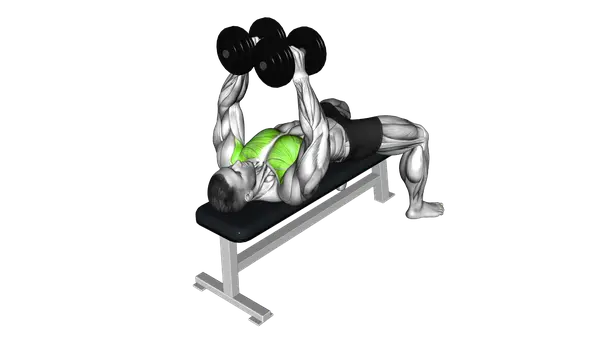
Dumbbell Fly

Dumbbell Fly

The dumbbell fly stands as a cornerstone chest isolation movement in bodybuilding and strength training programs for intermediate lifters seeking to sculpt defined pectorals. This elegant exercise targets the pectoral muscles with remarkable precision, allowing for a deep stretch and concentrated contraction that basic pressing movements simply can't replicate. Unlike compound chest exercises that heavily recruit the triceps and shoulders, the dumbbell fly places primary tension directly on the pecs throughout the entire range of motion. This isolation effect makes it particularly valuable for bodybuilders who need to address muscular symmetry and achieve that coveted chest sweep extending from sternum to armpit. For intermediate trainees who have established foundational strength, the dumbbell fly serves as an excellent secondary movement after heavier pressing. The exercise excels at creating metabolic stress and mechanical tension—two crucial factors for hypertrophy—without the joint stress associated with maximum loads. This makes it sustainable for long-term strength development while still delivering substantial muscle-building stimulus. From a strength perspective, the dumbbell fly helps develop stabilizing muscles throughout the chest, shoulders, and core that contribute to overall pressing power. Strong, well-developed pectoral muscles built through flies can translate to improved performance on bench press variations once you return to those heavier compound movements. Many bodybuilding legends have relied on dumbbell flies to create that dramatic chest development seen on competition stages. The exercise creates that distinctive line separating the upper and lower pectoral regions while enhancing the overall chest thickness that's immediately noticeable in both athletic and aesthetic contexts. For optimal results, intermediate lifters should integrate dumbbell flies strategically within their training split, typically performing them after heavier pressing work when the pectorals are sufficiently warmed up but not fully fatigued. This approach maximizes both safety and muscle fiber recruitment for consistent chest development over time.

Strength
Bodybuilding
Dumbbell
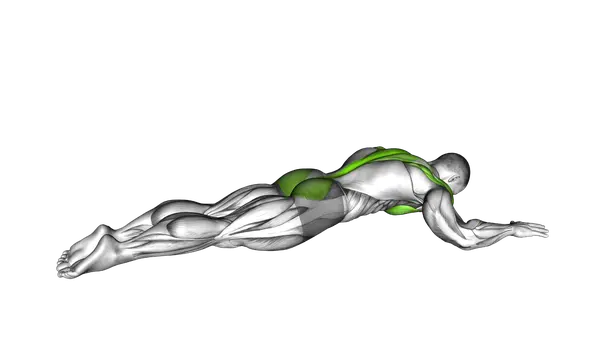
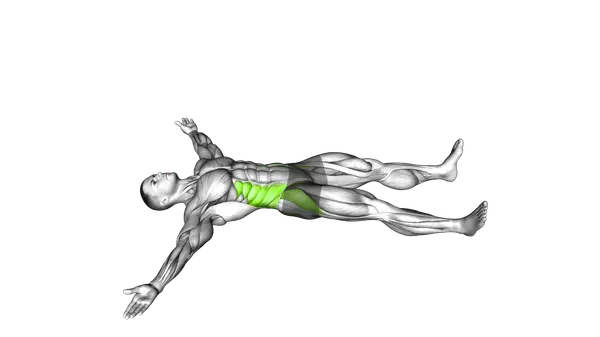
Superman Chest Stretch

Superman Chest Stretch

The Superman Chest Stretch offers a fantastic way to open up your chest and shoulder muscles after they've been contracted during your workout or daily activities. This beginner-friendly stretch primarily targets the pectoral muscles (pecs) and anterior deltoids (front delts), making it an excellent addition to your recovery routine, cool-down session, or even as part of your warm-up sequence. When we spend hours hunched over desks or phones, our chest muscles tighten and shoulders roll forward. This simple yet effective stretch counteracts that posture by creating length through these chronically shortened tissues. The beauty of the Superman Chest Stretch lies in its accessibility—it requires no equipment and can be performed virtually anywhere you have a bit of space. Adding this stretch to your mobility work can significantly improve your range of motion for exercises like bench presses, push-ups, and other chest-focused movements. By regularly incorporating this stretch, you're not just enhancing recovery but also potentially boosting your performance in pressing movements by ensuring your chest muscles can move through their full range. The gentle but effective tension created during this stretch helps increase blood flow to the pectoral region and front shoulders, which accelerates recovery by delivering nutrients to tissues that might be fatigued from training. Many fitness enthusiasts report feeling an immediate sense of relief and openness across the chest after performing this stretch. For optimal results, consider including the Superman Chest Stretch in your cool-down routine after any upper body training day. It pairs particularly well with other stretching and mobility work focused on the upper body. While it feels wonderful after training, it can also serve as an energizing morning stretch to counter sleep postures or as a quick break during long periods of sitting to reset your posture and reawaken your upper body.

Stretching
Mobility
Recovery
Cool-down
+1
Bodyweight exercises
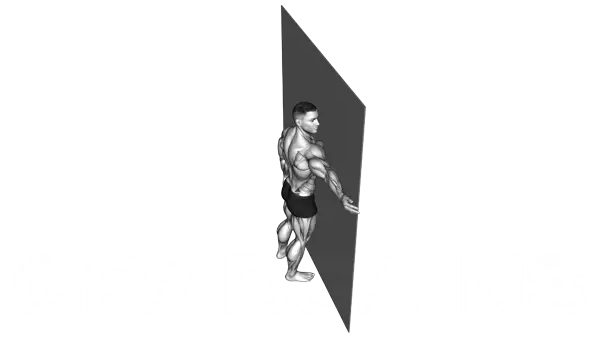
Iron Cross Stretch

Iron Cross Stretch

The Iron Cross Stretch offers a wonderfully effective way to open up the chest and shoulders, making it an excellent addition to any fitness routine, especially for beginners looking to enhance their mobility. This fundamental stretch primarily targets the pectoral muscles and anterior deltoids (front shoulders), which tend to become tight from daily activities like computer work, driving, or even from chest-focused workouts. As a recovery tool, the Iron Cross Stretch helps counteract the natural forward-rounding posture many of us develop throughout the day. By creating a gentle but effective stretch across the chest wall, it helps release tension in these chronically shortened muscles and can significantly improve posture over time when practiced regularly. What makes this stretch particularly valuable is its versatility within a workout routine. When used during a warm-up, it helps prepare the chest and shoulder muscles for more intense activity by increasing blood flow and creating mobility in the shoulder joint. As part of a cool-down protocol, it assists in reducing post-workout muscle soreness and helps maintain long-term flexibility in these important upper body areas. The beauty of the Iron Cross lies in its simplicity yet profound effect on upper body mobility. Regular practice can help correct muscular imbalances between the chest and upper back, potentially reducing the risk of shoulder injuries. For those who spend long hours at a desk, this stretch can provide immediate relief from the sensation of tightness across the front of the shoulders. While gentle enough for beginners, the Iron Cross Stretch offers scalable intensity, allowing you to adjust the degree of stretch based on your current flexibility level. Consistent incorporation of this stretch into your mobility work can lead to noticeable improvements in shoulder range of motion, making everyday movements feel more fluid and comfortable while enhancing performance in various upper body exercises.

Stretching
Mobility
Recovery
Cool-down
+1
Bodyweight exercises
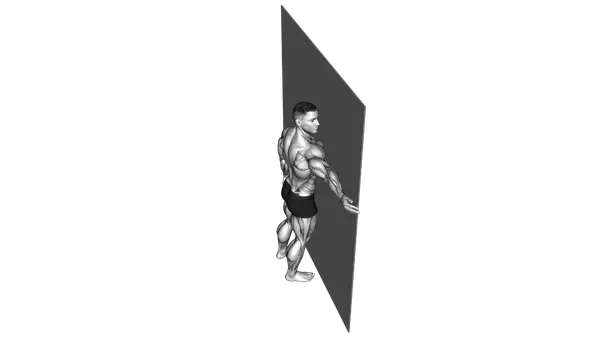
Back Pec Stretch

Back Pec Stretch

The Back Pec Stretch targets the pectoral muscles (chest) and anterior deltoids (front shoulders), providing essential relief for these commonly tight areas. This accessible stretch helps counteract the forward-hunched posture many of us develop from desk work, driving, or looking at mobile devices. By opening the chest and stretching the front of the shoulders, this movement helps restore natural alignment and improves overall upper body function. For those new to fitness, the Back Pec Stretch serves as an excellent introduction to upper body mobility work. It requires no equipment and can be modified to match any flexibility level. Beginners often experience immediate relief and a noticeable improvement in posture, making it a highly rewarding stretch for newcomers. The simplicity of this stretch also helps build body awareness – a fundamental skill for more advanced exercise progressions. This stretch primarily targets the pectoral major and minor muscles along with the anterior (front) deltoids. These muscle groups tend to become shortened and tight from daily activities like typing, driving, and even sleeping positions. Regular stretching of these areas helps maintain chest flexibility, shoulder mobility, and can potentially reduce upper back and neck tension that stems from chronically tight pecs and front shoulders. The Back Pec Stretch proves versatile enough for multiple phases of your workout routine. During warm-ups, it helps prepare the upper body for movements requiring shoulder mobility. As part of a cool-down, it assists in releasing tension built during chest or push exercises. For recovery days, this stretch promotes blood flow to healing tissues and maintains flexibility between training sessions. As both a stretching and mobility exercise, the Back Pec Stretch contributes to better movement patterns throughout daily life and during other exercises. Regular practice improves thoracic extension, enables better overhead reaching, and can enhance performance in pressing movements by ensuring appropriate muscle length-tension relationships.

Stretching
Mobility
Recovery
Cool-down
+1
Bodyweight exercises