All Exercises

Machine

Pick your muscle groups
Assault Bike Run

Assault Bike Run

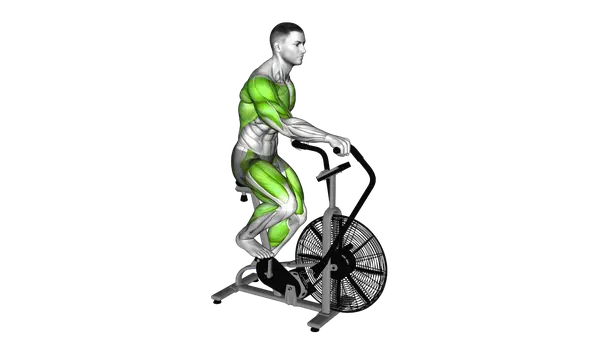
The Assault Bike Run combines the brutal efficiency of the assault bike (air bike) with running intervals to create a comprehensive cardio workout that challenges even seasoned athletes. This workout alternates between intense assault bike sessions and running segments, creating a metabolic storm that maximizes calorie burn while building impressive cardiovascular capacity. Popular in CrossFit boxes and HIIT studios, this combination has earned a reputation as one of the most effective conditioning protocols available. While beginners can modify the Assault Bike Run to suit their fitness level, this workout is best classified as intermediate due to its intensity and the technical coordination required. The dual-modality approach demands familiarity with both running mechanics and assault bike operation. Athletes should have established a baseline of cardiovascular fitness before tackling this challenging combination. The Assault Bike Run exemplifies high-intensity interval training principles, making it a staple in CrossFit programming. The work-to-rest ratios can be manipulated to emphasize different energy systems, though most variations feature short, all-out efforts followed by active recovery periods. This structure creates the perfect metabolic conditioning environment that CrossFit athletes seek for competition preparation. Few workout combinations match the Assault Bike Run for cardiovascular endurance building. The workout develops both central and peripheral aspects of the cardiovascular system while enhancing mitochondrial density. Athletes experience improvements in VO2 max, lactate threshold, and overall work capacity. The complementary nature of the two movements ensures comprehensive cardio development while reducing repetitive stress that might occur from single-modality training. The Assault Bike Run's reputation for effectiveness stems from its total-body engagement and scalability. By combining upper and lower body pushing and pulling with running's locomotion demands, this workout activates major muscle groups in varying patterns, creating a potent stimulus for cardiovascular adaptation without plateauing.

Endurance
Cardio
HIIT
Crossfit
Machine
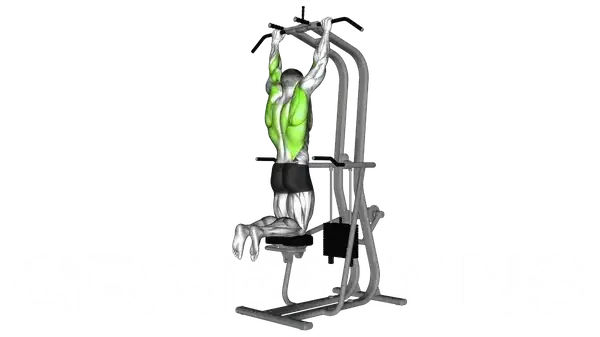
Assisted Pull-Up

Assisted Pull-Up

The assisted pull-up is one of the most effective ways to build the strength and technique needed for full, unassisted pull-ups. By reducing the amount of body weight you need to lift, it allows you to focus on proper form and controlled movement while still activating the key pulling muscles: the latissimus dorsi, biceps, shoulders, and core. This makes it an ideal exercise for beginners, returning athletes, or anyone aiming to improve upper-body strength without overstraining the joints.Instead of replacing the pull-up, this variation provides a smart progression path. Using a resistance band or machine for assistance helps you perform the full range of motion with proper control, building both strength and confidence. As you progress, you can gradually reduce the assistance to move closer to performing bodyweight pull-ups on your own.The assisted pull-up also fits perfectly into circuit and strength-based workouts. In HIIT-style sessions, it complements pushing movements like push-ups or overhead presses by balancing upper-body development and improving muscular endurance. Because you can easily adjust the level of support, the exercise remains challenging but safe, even when fatigue sets in.Over time, consistent practice with assisted pull-ups improves grip strength, posture, and coordination while reinforcing the movement pattern needed for advanced pulling exercises. Its adaptability makes it suitable for every fitness level — from those learning their first pull-up to seasoned lifters refining their form. When performed correctly and progressively, the assisted pull-up proves that smart modifications don’t dilute results, they accelerate them.

Strength
Bodybuilding
HIIT
Machine (+1)
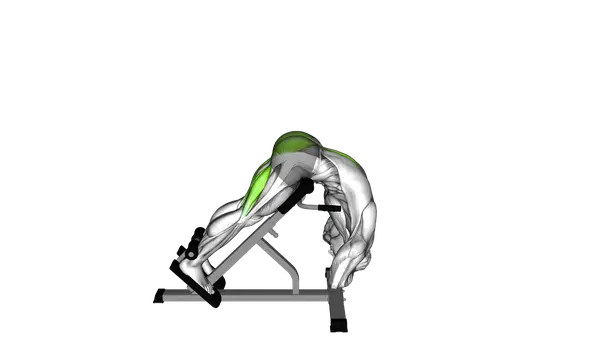
Hyperextension

Hyperextension

The hyperextension is a cornerstone exercise for developing posterior chain strength and stability, targeting the erector spinae, glutes, and hamstrings simultaneously. This intermediate movement serves as an excellent addition to bodybuilding routines, recovery protocols, and warm-up sequences, particularly for those focused on building functional strength. Unlike many isolation exercises, the hyperextension creates a natural synergy between the lower back muscles and the entire posterior chain, promoting balanced development that translates to improved posture and reduced risk of lower back pain. The controlled nature of this movement allows for effective muscle recruitment without excessive loading on the spine, making it appropriate for lifters who need to strengthen their back while working around certain limitations. For bodybuilders, hyperextensions offer a unique advantage by developing the often-neglected erector spinae, which creates that sought-after "Christmas tree" definition in the lower back when body fat is reduced. Meanwhile, the engagement of the glutes and hamstrings contributes to a more complete physique development, addressing areas that can be challenging to target effectively with other movements. When incorporated into recovery protocols, this exercise increases blood flow to tissues that commonly experience tightness or restriction, particularly after heavy squatting or deadlifting sessions. The controlled extension movement helps restore proper movement patterns while reducing stiffness and promoting healing. What makes the hyperextension particularly valuable is its versatility—it can be performed with bodyweight for endurance and warm-up purposes, or progressively loaded for serious strength development. The exercise's ability to strengthen the posterior chain in a functional pattern carries over to improved performance in compound lifts like deadlifts and squats, while simultaneously providing injury prevention benefits for athletes and fitness enthusiasts alike. Whether used as a primary strengthening movement or as supplemental work, the hyperextension delivers exceptional value for relatively minimal time investment, making it a smart addition to virtually any comprehensive training program.

Strength
Bodybuilding
Recovery
+1
Bodyweight exercises (+1)
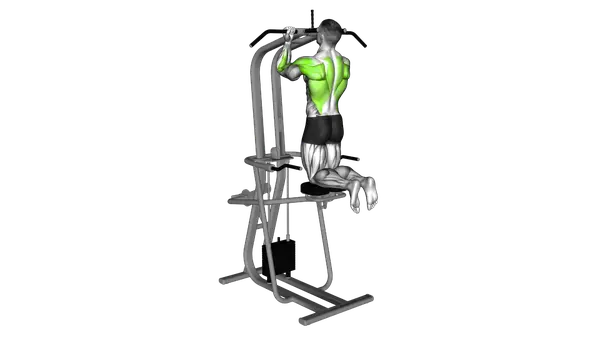
Lever Assisted Chin-Up

Lever Assisted Chin-Up

The Lever Assisted Chin-Up offers an excellent gateway into the world of upper body pulling movements for those who haven't yet developed the strength to perform unassisted chin-ups. This beginner-friendly exercise primarily targets the latissimus dorsi (lats) and biceps while engaging numerous secondary muscles throughout your upper body and core. As a foundational movement in both bodybuilding routines and warm-up sequences, the Lever Assisted Chin-Up allows you to progressively build strength by adjusting the amount of assistance provided. The counterbalance mechanism effectively reduces a portion of your body weight, making the exercise accessible while still delivering an effective stimulus to the target muscles. For those focused on strength development, this variation serves as a crucial stepping stone toward unassisted chin-ups. The beauty of the assisted version lies in its scalability: as your strength improves, you can gradually decrease the assistance until you're handling your full body weight. This progressive approach helps prevent the frustration that often accompanies attempting too difficult a movement too soon. Bodybuilders particularly value this exercise for its ability to develop width in the lats while simultaneously building the biceps, creating that coveted V-taper appearance. Even advanced lifters sometimes incorporate assisted chin-ups into their warm-up routines to prime the neuromuscular pathways before moving to weighted variations. What makes the Lever Assisted Chin-Up so valuable is how it maintains the natural movement pattern of the chin-up while reducing the intensity. This allows beginners to practice proper form and develop the mind-muscle connection that's essential for maximizing results. The controlled nature of the movement also minimizes the risk of injury that can come from kipping or using momentum in an attempt to complete unassisted repetitions before you're ready.

Strength
Bodybuilding
Warm-up
Machine
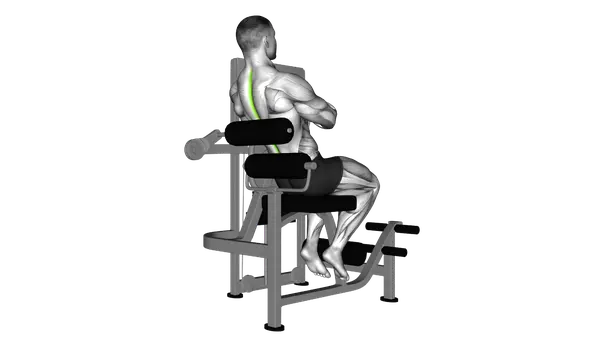
Lever Back Extension

Lever Back Extension

The Lever Back Extension stands as a formidable ally in strengthening the posterior chain, particularly targeting the erector spinae muscles that run along your spine. This intermediate-level movement has earned its place in both serious bodybuilding regimens and rehabilitation protocols, offering significant benefits for spinal health and athletic performance. What makes this exercise particularly valuable is its isolation of the lower back muscles without placing excessive compression on the spine. The controlled nature of the movement allows for intentional stimulation of the erector spinae group, which plays a crucial role in maintaining proper posture and spinal alignment during heavy compound lifts like deadlifts and squats. For bodybuilders, the Lever Back Extension serves as more than just an aesthetic enhancer—it creates that coveted thickness and definition along the spinal column. The exercise allows for progressive overload by adding weight plates or resistance bands, making it adaptable to various strength levels and training goals. Many athletes incorporate this movement into their recovery protocols as well, using lighter loads to increase blood flow to the lower back region without overtaxing the central nervous system. Strength athletes particularly appreciate how this exercise contributes to improved performance in powerlifting and Olympic lifting. By strengthening the erector spinae, you're essentially building a more robust natural weight belt, enhancing core stability and power transfer throughout the kinetic chain. This translates to greater force production in everything from deadlifts to clean and jerks. While often overlooked in favor of more glamorous exercises, the Lever Back Extension deserves serious consideration in any comprehensive training program. Its ability to isolate and strengthen the crucial erector spinae muscles provides both preventative benefits against back injuries and performance enhancements across various athletic disciplines. Whether you're looking to sculpt a more defined back, recover from training stress, or build foundational strength, this movement delivers remarkable results when performed consistently and with proper technique.

Strength
Bodybuilding
Recovery
Machine

Built for Progress

Take the Guesswork
Out of Training

Create personalized AI-powered workout plans that evolve with you. Train smarter, track every rep and keep moving forward.
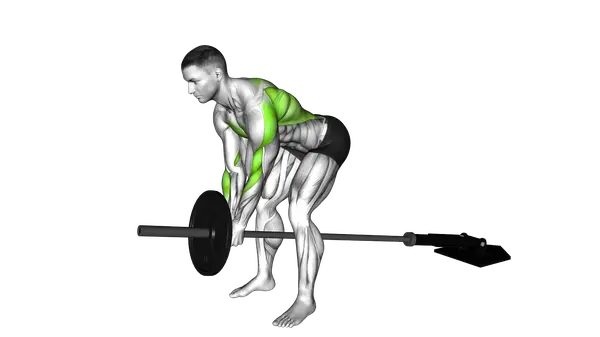
Lever Bent Over Row (Plate Loaded)

Lever Bent Over Row (Plate Loaded)

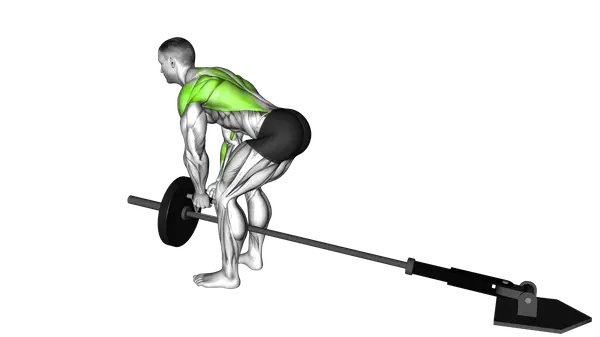
The Lever Bent Over Row using a plate-loaded machine offers an excellent intermediate-level option for targeting your lats and traps effectively. This bodybuilding staple has earned its reputation among serious lifters looking to develop impressive back width and thickness while building functional strength. Unlike its barbell counterpart, the plate-loaded lever row provides a fixed movement path that helps maintain proper form throughout the exercise. This mechanical advantage allows you to focus purely on the mind-muscle connection rather than stabilizing the weight, making it particularly valuable for bodybuilders seeking maximum muscle activation in the latissimus dorsi and trapezius muscle groups. When incorporated into a well-designed training program, this movement serves as a cornerstone for developing that coveted V-taper physique. The lever system creates a unique resistance curve that many lifters find superior to free weights for isolating the mid-back. The combination of constant tension and the ability to load heavy weights makes it ideal for both hypertrophy and strength development protocols. From a strength perspective, the lever bent over row translates remarkably well to improved performance in deadlifts, pull-ups, and various athletic movements requiring back power. The exercise effectively strengthens the posterior chain while minimizing lower back stress compared to traditional bent-over rows, allowing for heavier loading with reduced injury risk. What makes this exercise particularly valuable is its versatility across training goals. For bodybuilding purposes, moderate weight with higher repetitions (8-12) emphasizes muscle growth, while heavier loading with lower reps (4-6) prioritizes strength development. The adjustable settings on most plate-loaded machines also accommodate different body types and mobility limitations, making this a highly customizable back training option. As you progress with this exercise, you'll notice improvements not only in back aesthetics but also in posture, pulling power, and overall upper body stability—making it a worthy investment of your training time for both appearance and performance goals.

Strength
Bodybuilding
Machine
Lever Bent Over Row With V Bar (Plate Loaded)

Lever Bent Over Row With V Bar (Plate Loaded)

The Lever Bent Over Row With V Bar (Plate Loaded) stands as a fantastic compound movement for anyone looking to develop impressive back thickness and strength. This intermediate-level exercise primarily targets the latissimus dorsi (lats) and trapezius muscles (traps), making it a staple in bodybuilding routines designed to create that coveted V-taper physique. When incorporated into a strength-focused program, this variation offers unique advantages over traditional barbell rows. The lever mechanism creates a fixed path of motion while the V-bar grip positions your hands in a neutral position, reducing wrist strain that some lifters experience with straight bars. This more ergonomic hand placement often allows for heavier loading potential as you progress. For bodybuilders specifically, the plate-loaded feature provides precise control over resistance, allowing for micro-adjustments to training volume and intensity across different phases of periodization. The movement's biomechanics create significant time under tension for the middle trapezius and rhomboids while simultaneously engaging the rear deltoids as secondary movers. What makes this exercise particularly valuable is how it bridges the gap between isolation and compound movements. While primarily building back thickness, it simultaneously develops the forearms, biceps, and core stabilizers: all critical components for overall upper body strength development. Many lifters find this variation particularly effective for breaking through plateaus when traditional rowing movements have stalled. Research suggests that exercises featuring this neutral grip position may optimize muscle activation patterns while minimizing the rotational forces on the shoulder joint, potentially reducing injury risk compared to some alternative rowing variations. For best results, incorporate this movement into your pulling routine 1-2 times weekly, ideally in the middle of your workout after heavier deadlift variations but before more isolated finishing movements. The Lever Bent Over Row With V Bar deserves consideration in any serious strength or physique-focused regimen, delivering exceptional muscle-building stimulus to those critical posterior chain muscles that create the foundation for both impressive aesthetics and functional strength.

Strength
Bodybuilding
Machine
Lever Chest Press

Lever Chest Press

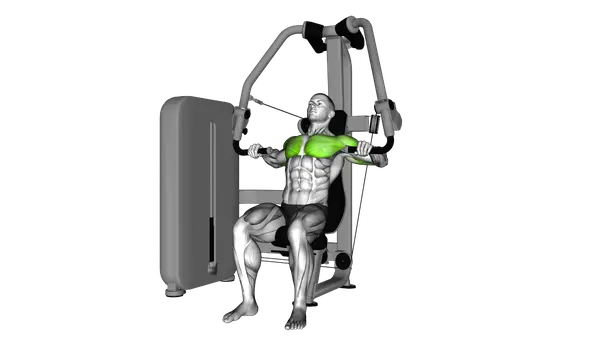
The Lever Chest Press stands as a quintessential chest-building movement in any serious bodybuilding regimen, offering intermediate lifters a superb option for developing impressive pectoral definition and substantial triceps strength. This machine-based exercise provides a fixed movement pattern that allows for focused tension on the target muscles while minimizing the stabilization demands that come with free-weight alternatives. As a compound movement primarily targeting the pectoralis major and minor, the Lever Chest Press simultaneously engages the anterior deltoids and triceps brachii as crucial secondary movers. This synergistic muscle recruitment makes it particularly valuable for bodybuilders seeking balanced upper body development and proportional aesthetics. The mechanical advantage offered by the lever system enables lifters to handle heavier loads with reduced risk compared to barbell or dumbbell pressing movements. For strength-focused athletes, the Lever Chest Press delivers consistent resistance throughout the movement arc, creating an optimal environment for progressive overload—the fundamental principle behind muscle growth and strength gains. The fixed path of motion allows users to concentrate entirely on force production rather than stabilization, making this an excellent choice for those dedicated training sessions where maximum chest fiber recruitment is the goal. Many bodybuilders incorporate this exercise into their chest routines as either a primary movement for heavy loading or as a finishing exercise to achieve complete muscle fatigue. The adjustable seat and handle positions on most Lever Press machines allow for customization to different body types and training objectives, whether targeting the upper, middle, or lower portions of the chest depending on the specific angle selected. While machines like the Lever Chest Press were once dismissed by some strength purists, modern exercise science recognizes their value in a comprehensive resistance training program, particularly for hypertrophy goals. The controlled nature of this movement makes it especially effective for implementing intensity techniques like drop sets, rest-pause training, or tempo manipulation to push past plateaus and stimulate new muscle growth.

Strength
Bodybuilding
Machine
Lever Lateral Raise

Lever Lateral Raise

The lever lateral raise stands as a stellar intermediate-level movement for bodybuilders and strength enthusiasts looking to sculpt impressive side deltoids. This machine-based variation of the traditional dumbbell lateral raise offers unique advantages that make it particularly effective for isolated shoulder development. Unlike free-weight alternatives, the lever mechanism creates a consistent resistance curve throughout the movement, allowing for targeted tension on the medial deltoid: the muscle that gives shoulders that coveted rounded, capped appearance. This mechanical advantage makes it an excellent choice for those who've progressed beyond beginner status but may not yet have the stabilization strength required for advanced shoulder training protocols. For bodybuilders, the lever lateral raise serves as a precision tool for sculpting symmetrical shoulders. The fixed movement path eliminates much of the cheating that often occurs with free weights, ensuring that the side delts receive maximum stimulation with each repetition. This isolation factor makes it particularly valuable during contest preparation phases when definition and separation become paramount. Strength athletes find value in this exercise as well, particularly for addressing imbalances and weaknesses in the shoulder complex. The lever system allows for measurable progressive overload (a cornerstone principle of strength development) while minimizing stress on the rotator cuff compared to heavier compound movements. What truly sets the lever lateral raise apart is its versatility within training programs. It functions effectively as both a primary movement in shoulder-focused sessions and as a finishing exercise to fully exhaust the deltoids after pressing movements. Many experienced lifters incorporate it during metabolic conditioning phases, leveraging its isolated nature for high-rep burnout sets that promote muscle endurance and vascular development. When incorporated consistently into a well-designed training program, the lever lateral raise delivers impressive development to the side deltoid region, contributing significantly to that sought-after V-taper physique that marks accomplished bodybuilders and strength athletes alike.

Strength
Bodybuilding
Machine
Lever Lateral Wide Pulldown

Lever Lateral Wide Pulldown

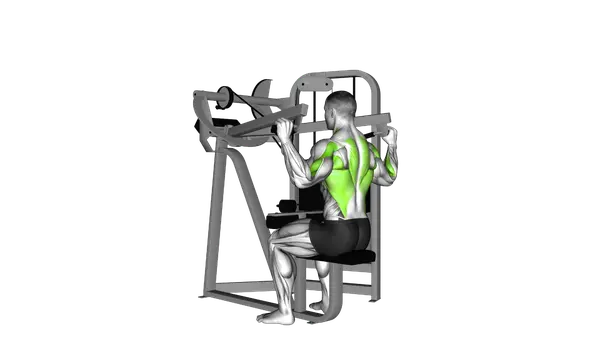
The Lever Lateral Wide Pulldown stands as a cornerstone exercise for developing impressive back width and enhancing shoulder stability. This intermediate-level movement primarily targets the latissimus dorsi (lats) while also engaging the side deltoids, making it an excellent compound exercise for upper body development. For bodybuilding enthusiasts, this exercise offers remarkable aesthetic benefits, helping to create that coveted V-taper physique by broadening the upper back while defining the transition to a narrower waist. The wide grip position particularly emphasizes outer lat development, which is essential for stage-ready physiques and balanced muscular development. Beyond hypertrophy, the Lever Lateral Wide Pulldown significantly contributes to functional strength. The controlled pulling motion strengthens the posterior chain, enhancing pulling power that translates to improved performance in other compound exercises like deadlifts and rows. This carryover effect makes it valuable for strength athletes looking to break through plateaus in their training. What sets the machine variation apart is the guided movement pattern, which allows for consistent tension throughout the entire range of motion. This makes it particularly effective for isolating the target muscles while reducing the involvement of smaller stabilizing muscles that might otherwise fatigue prematurely during free-weight alternatives. For optimal results, many experienced lifters incorporate this exercise into their back-focused training days, typically performing 3-4 sets of 8-12 repetitions with controlled tempo. The lever system provides smooth resistance that can be precisely adjusted, allowing for progressive overload—a fundamental principle for continued strength and muscle development. Regular implementation of the Lever Lateral Wide Pulldown contributes to improved posture by strengthening the upper back musculature that counteracts the forward shoulder position common in today's desk-bound society. This makes it not just an aesthetic exercise but also one with practical applications for long-term shoulder health and functional capacity.

Strength
Bodybuilding
Machine
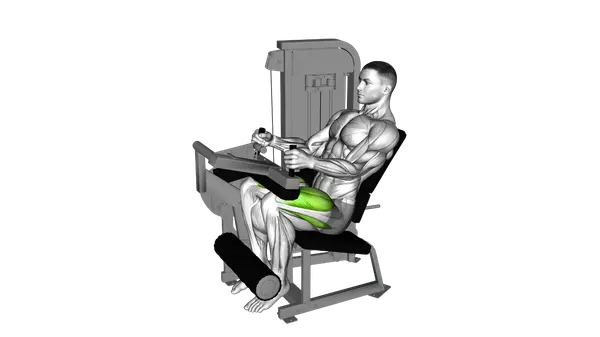
Lever Leg Extension

Lever Leg Extension

The Lever Leg Extension stands as a cornerstone isolation movement in both bodybuilding and strength training circles, earning its reputation as a premier quad-builder for intermediate fitness enthusiasts. This machine-based exercise effectively targets the quadriceps muscle group with laser-like precision, allowing for concentrated tension throughout the movement's range of motion. Unlike compound exercises that distribute stress across multiple muscle groups, the Lever Leg Extension channels force directly into the four heads of the quadriceps, making it particularly valuable for addressing muscular imbalances or lagging development in the frontal thigh region. For bodybuilders pursuing aesthetic symmetry and impressive quad sweep, this exercise delivers the focused stimulus needed to sculpt defined separation between the vastus lateralis, vastus medialis, vastus intermedius, and rectus femoris. The controlled nature of the movement permits a powerful mind-muscle connection, enabling lifters to maximize the quality of each repetition without excessive involvement from supporting muscle groups. Strength athletes often incorporate Lever Leg Extensions as an accessory movement to enhance quadriceps power that translates to improved performance in squats, lunges, and other compound lower body exercises. The isolated nature of this movement allows for targeted strengthening that can help address sticking points in more complex lifts. Additionally, the reduced spinal loading makes it appropriate for training volume that might otherwise be prohibitive with heavier compound movements. The adjustable resistance settings on most leg extension machines accommodate progressive overload principles fundamental to both strength development and hypertrophy goals. This adaptability makes the exercise particularly suitable for intermediate trainees who have established foundational strength and now seek more nuanced approaches to leg development. When programmed intelligently within a balanced training regimen, the Lever Leg Extension can serve as a valuable tool for breaking through plateaus and stimulating new growth in the quadriceps muscles.

Strength
Bodybuilding
Machine
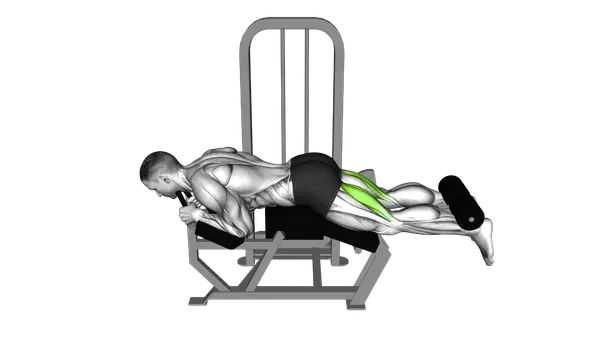
Lever Lying Leg Curl

Lever Lying Leg Curl

The Lever Lying Leg Curl stands as a cornerstone isolation movement for anyone serious about developing powerful posterior leg muscles. This intermediate-level exercise primarily targets the hamstrings while also engaging the glutes as secondary movers, making it invaluable for both bodybuilding aesthetics and functional strength development. When incorporated into a well-structured training program, this machine-based movement allows for precise hamstring isolation that's difficult to achieve with compound exercises alone. The controlled nature of the lever mechanism provides consistent tension throughout the movement pattern, creating an optimal environment for muscle hypertrophy – particularly beneficial for bodybuilders seeking that coveted leg sweep and hamstring definition. Strength athletes benefit equally from this exercise, as stronger hamstrings contribute significantly to improved performance in deadlifts, squats, and athletic movements requiring explosive power. The hamstrings play a crucial role in knee stability and hip extension, making their development essential for not just aesthetic purposes but injury prevention as well. For intermediate lifters, the Lever Lying Leg Curl offers a perfect progression from basic hamstring work, allowing for more targeted intensity without the technical demands of free-weight hamstring exercises. The ability to adjust resistance precisely makes it adaptable to various training protocols, from high-rep hypertrophy work to lower-rep strength-focused sets. What sets this exercise apart is its effectiveness in creating that mind-muscle connection – the lying position eliminates many variables that might otherwise distract from pure hamstring engagement. This focused approach makes it particularly valuable during specialization phases where hamstring development becomes a priority. While machines sometimes get dismissed by functional training purists, the Lever Lying Leg Curl earns its place in comprehensive leg development, filling gaps that even the most thorough compound movement program might miss. For anyone looking to build impressive, balanced lower body development, this exercise deserves regular rotation in your training arsenal.

Strength
Bodybuilding
Machine
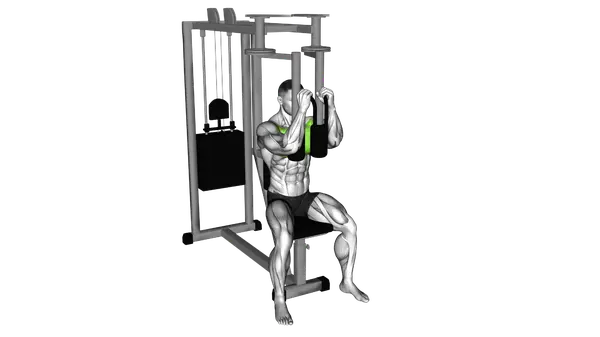
Lever Pec Deck Fly

Lever Pec Deck Fly

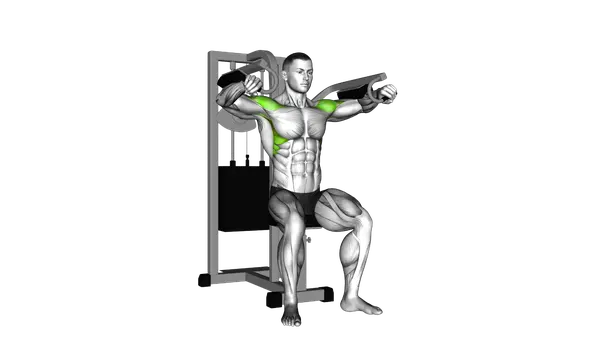
The Lever Pec Deck Fly stands as a cornerstone chest isolation movement in the arsenal of intermediate bodybuilders and strength enthusiasts looking to sculpt and strengthen their pectoral muscles. This machine-based exercise effectively targets the entire chest region while minimizing shoulder strain that can sometimes occur with free-weight alternatives. Unlike compound movements that engage multiple muscle groups, the Pec Deck Fly zones in specifically on the pectoralis major and minor, making it an excellent choice for those seeking detailed chest development. The controlled motion creates constant tension throughout the movement, stimulating muscle fibers across the entire chest wall for balanced development. This targeted approach makes it particularly valuable for bodybuilders working to address symmetry issues or lagging areas in their physique. For intermediate lifters, the Lever Pec Deck offers a perfect blend of isolation and intensity. The machine's fixed movement pattern helps maintain proper form even as fatigue sets in, allowing for greater training volume without compromising safety. This makes it an ideal exercise to incorporate toward the middle or end of a chest-focused training session when stabilizing muscles may already be fatigued but you still want to push your pecs to their limit. From a strength perspective, the machine allows for progressive overload in a controlled environment, letting you systematically increase resistance as your pectoral strength improves. While not typically used as a primary strength builder, its role in developing the supporting musculature of the chest contributes significantly to overall pressing power when paired with compound movements in a well-designed program. Experienced bodybuilders often praise the mind-muscle connection that can be established with this exercise, as the isolated nature of the movement allows for intense focus on pectoral contraction. This heightened awareness can translate to improved engagement across all chest exercises, making the Lever Pec Deck Fly not just a physique enhancer but a valuable tool for developing the neuromuscular pathways essential for continued chest development.

Strength
Bodybuilding
Machine
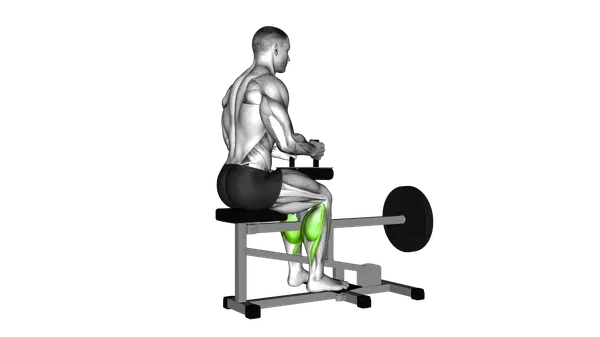
Lever Seated Calf Raise (Plate Loaded)

Lever Seated Calf Raise (Plate Loaded)

The Lever Seated Calf Raise (Plate Loaded) stands as a cornerstone exercise for anyone serious about developing impressive, functional calf muscles. This intermediate-level movement specifically targets the gastrocnemius and soleus muscles of the calves, making it invaluable for both bodybuilding aesthetics and practical strength development. What makes this exercise particularly effective is its ability to isolate the calf muscles under a controlled load. By utilizing a plate-loaded machine, lifters can precisely adjust the resistance to match their current strength level and progressive overload goals. This customization aspect makes it suitable for intermediate athletes who have already established basic calf strength and are now looking to sculpt more defined lower legs. For bodybuilders, the Lever Seated Calf Raise offers the distinct advantage of working the calves from a seated position, which emphasizes the soleus muscle more than standing variations. This targeted approach helps create that coveted diamond-shaped calf development that completes a symmetrical physique. The seated position also allows for greater focus on the mind-muscle connection, essential for maximizing hypertrophy during bodybuilding training. Strength athletes benefit from this exercise as well, as powerful calves contribute significantly to overall lower body power. Strong calves provide a solid foundation for squats, deadlifts, and athletic movements like jumping or sprinting. The isolated nature of this exercise allows for strengthening the calves without fatiguing other muscle groups, making it perfect for supplementary strength work. For optimal results, most training experts recommend incorporating the Lever Seated Calf Raise into your routine 2-3 times weekly, typically performing 3-4 sets of 10-15 repetitions. The calves respond well to both higher volume and heavier loads, so periodizing your approach can yield the best development. As with any isolation exercise, the quality of each repetition matters more than the quantity, so focus on a full range of motion and proper tension throughout each set.

Strength
Bodybuilding
Machine
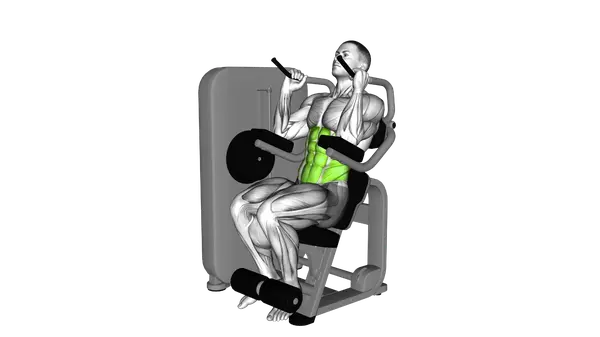
Lever Seated Crunch

Lever Seated Crunch

The Lever Seated Crunch stands as a cornerstone abdominal exercise in the bodybuilder's arsenal, offering a targeted approach to developing that coveted core definition. This machine-based movement provides intermediate fitness enthusiasts with a structured way to challenge their abs beyond basic floor crunches, allowing for consistent resistance throughout the entire range of motion. What sets the Lever Seated Crunch apart is its ability to isolate the abdominal muscles with remarkable precision. Unlike free-weight alternatives, this exercise minimizes the involvement of hip flexors, ensuring that your rectus abdominis (the "six-pack" muscle) receives the primary tension. For bodybuilders pursuing aesthetic perfection, this isolation factor proves invaluable when sculpting detailed midsection musculature. The beauty of this exercise lies in its scalability. As your core strength develops, you can progressively increase the resistance, continually challenging your abs to adapt and grow. This progressive overload principle represents the foundation of effective bodybuilding, making the Lever Seated Crunch particularly valuable for intermediate lifters who have outgrown basic ab movements but aren't quite ready for advanced techniques. Beyond mere aesthetics, strengthening your core through exercises like the Lever Seated Crunch translates to improved performance across all lifting disciplines. A solid core serves as the body's power center, enhancing stability during compound movements and potentially reducing injury risk. This functional carryover makes it more than just a "show muscle" exercise. For those serious about bodybuilding, incorporating the Lever Seated Crunch into a comprehensive abdominal routine creates the perfect environment for core development. The controlled nature of the movement allows for quality contractions with proper form, emphasizing the mind-muscle connection that's crucial for maximizing hypertrophy in the abdominal region. When programmed thoughtfully within your training split, this exercise can be the difference-maker in achieving that shredded, competition-ready midsection that stands out on stage.

Core
Bodybuilding
Machine
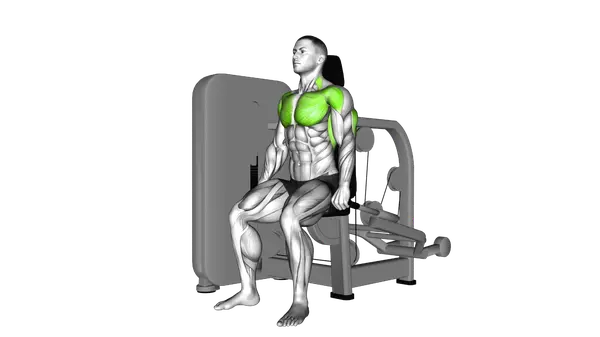
Lever Seated Dip

Lever Seated Dip

The Lever Seated Dip stands as a powerful compound movement in any serious bodybuilder's arsenal, targeting both the pecs and triceps with remarkable efficiency. This intermediate-level exercise has earned its reputation in bodybuilding circles for its ability to build impressive upper body strength while adding noticeable mass to the chest and arms. When incorporated into a structured strength training program, the Lever Seated Dip offers a mechanical advantage that traditional bodyweight dips might not provide. The machine's design allows for precise resistance control, making it particularly valuable for those looking to push beyond plateaus in their chest and tricep development. Many seasoned lifters appreciate how this movement effectively isolates the targeted muscle groups while reducing stress on the shoulder joints compared to its free-weight counterparts. For intermediate lifters focused on hypertrophy, the Lever Seated Dip delivers exceptional muscle fiber recruitment across the pectoralis major and all three heads of the triceps. This comprehensive stimulation explains why it's become a staple in bodybuilding routines aimed at developing that coveted thick, powerful upper body appearance. The exercise's biomechanics create a unique stretching tension at the bottom position, which research suggests may enhance muscle growth potential when performed with proper form and appropriate loading. Strength athletes also benefit substantially from this movement, as it builds pressing power that transfers well to other lifts like bench press variations. The stabilization required throughout the motion additionally enhances overall upper body coordination and muscular control. Many powerlifters incorporate this exercise as an accessory movement to strengthen potential weak points in their pressing chain. When programmed intelligently within a well-designed training split, the Lever Seated Dip can significantly contribute to both aesthetic development and functional strength gains, making it a versatile option for those with intermediate experience looking to advance their physique and performance goals.

Strength
Bodybuilding
Machine
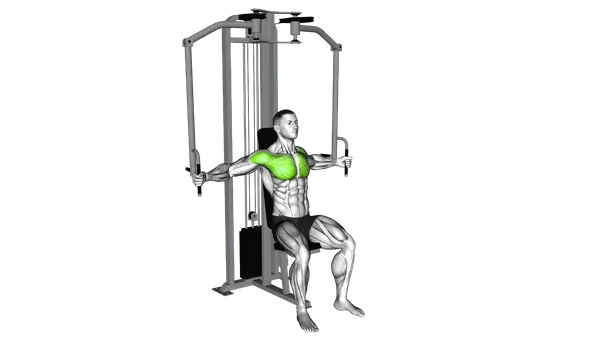
Lever Seated Fly

Lever Seated Fly

The Lever Seated Fly stands as a cornerstone movement in chest development, offering impressive isolation of the pectoral muscles with significant front deltoid engagement as a secondary benefit. This machine-based exercise has earned its reputation among intermediate lifters who have already established foundational strength and proper mind-muscle connection in their training journey. As a staple in bodybuilding routines, the Lever Seated Fly allows for precise targeting of the pecs through a controlled arc movement that mimics the motion of opening your arms after a hug. The beauty of this exercise lies in its ability to create substantial tension throughout the entire range of motion while minimizing stress on supporting muscle groups, making it particularly effective for hypertrophy-focused training. When incorporated into a comprehensive strength program, this movement serves as an excellent accessory exercise that complements compound pressing movements. The mechanical advantage provided by the machine's design allows lifters to handle challenging loads with reduced risk compared to free-weight alternatives, creating an optimal environment for progressive overload: a fundamental principle in developing both muscular size and strength. What makes the Lever Seated Fly particularly valuable is its versatility within programming. It works exceptionally well as a pre-exhaust movement before heavy pressing, as a finisher to completely fatigue the chest after primary exercises, or as a standalone movement during deload phases when joint preservation becomes a priority while maintaining training stimulus. For those focused on symmetrical development, this exercise offers the benefit of working each side of the chest independently through the same fixed path, helping to identify and address strength imbalances that might be masked during barbell work. This attribute makes it particularly valuable for physique athletes looking to bring complete balance to their chest development while building substantial pushing power that transfers to various athletic endeavors.

Strength
Bodybuilding
Machine
Lever Seated Hip Abduction

Lever Seated Hip Abduction

The Lever Seated Hip Abduction machine is a valuable addition to any intermediate-level training program focused on isolating and strengthening the gluteal muscles and hip abductors. This specialized equipment offers a controlled environment to target these often-neglected muscle groups with precision and minimal risk of injury, making it particularly effective for both bodybuilding enthusiasts looking to develop balanced lower body aesthetics and those in recovery seeking to rebuild strength in a controlled manner. Working primarily on the gluteus medius, gluteus minimus, and tensor fasciae latae (TFL), this exercise creates targeted tension through the entire range of motion that's difficult to replicate with free weights. The seated position provides stability for your core and lower back, allowing you to focus entirely on the lateral movement pattern that defines hip abduction. For bodybuilders, this translates to improved muscle definition along the outer thigh and hip region, contributing to that coveted X-frame physique where the hips create visual width in proportion to a tapered waist. From a strength perspective, developing robust hip abductors plays a crucial role in overall lower body performance and functionality. These muscles provide lateral stability during walking, running, and complex movements like squats and lunges. Stronger abductors can correct muscle imbalances that often develop when training focuses exclusively on forward movements, potentially reducing knee and hip pain associated with these imbalances. The machine's adjustable resistance makes it particularly valuable for progressive overload—a fundamental principle for strength development. You can systematically increase the challenge as your muscles adapt, ensuring continued growth and strength gains. For those in recovery phases, the controlled nature of the movement allows precise loading that can be carefully monitored and adjusted based on rehabilitation protocols. Incorporating the Lever Seated Hip Abduction into your routine 1-2 times weekly can yield noticeable improvements in hip stability, glute activation, and overall lower body strength, while creating more balanced muscular development throughout the hip complex.

Strength
Bodybuilding
Recovery
Machine
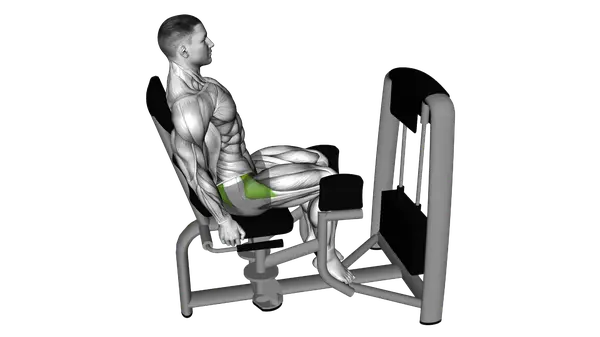
Lever Seated Hip Adduction

Lever Seated Hip Adduction

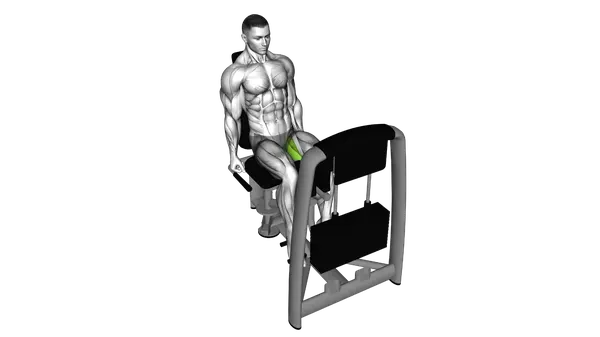
The Lever Seated Hip Adduction is a targeted isolation exercise that effectively engages the inner thigh muscles—specifically the adductors—while also activating the gluteal muscles as stabilizers. This intermediate-level movement has earned its place in both bodybuilding and strength training regimens for its ability to develop lower body symmetry and functional strength where many other exercises fall short. When incorporated into a comprehensive leg workout, this machine-based exercise allows for controlled resistance through a full range of motion, making it particularly valuable for developing the often-neglected adductor muscle group. The beauty of this exercise lies in its simplicity and effectiveness—the seated position removes variables like balance and core stability, enabling complete focus on the target muscles without distraction. For bodybuilders, the Lever Seated Hip Adduction serves as an excellent finishing movement to achieve that coveted inner thigh definition and complete leg development. The isolation aspect helps create the visual separation between muscle groups that's essential for competitive physique athletes. Meanwhile, strength athletes benefit from the increased stability and injury prevention that comes with strong adductors, particularly for movements that require lateral stability. Progressive overload principles apply wonderfully to this exercise, making it ideal for tracking strength improvements over time. The machine setting allows for precise weight adjustments that can be documented and gradually increased as the adductor muscles adapt and strengthen. This methodical approach is crucial for continuous development without hitting plateaus. While not typically a primary exercise in most routines, the Lever Seated Hip Adduction plays a valuable supporting role in creating balanced lower body development. For those dealing with knee issues or recovering from lower body injuries, this exercise often serves as a safe rehabilitation option due to its controlled nature and limited stress on the joints. Remember that proper form always trumps heavy weight when it comes to targeting these specific muscle groups effectively.

Strength
Bodybuilding
Machine
Lever Seated Leg Curl

Lever Seated Leg Curl

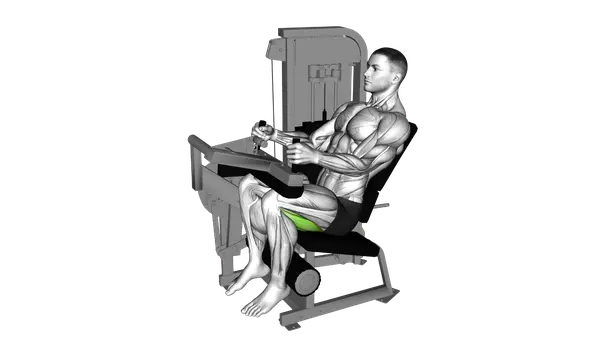
The Lever Seated Leg Curl stands as a cornerstone hamstring isolation exercise in any comprehensive lower body training program. This machine-based movement targets the hamstring muscle group with remarkable precision, making it particularly valuable for both bodybuilders seeking aesthetic development and strength athletes looking to bolster posterior chain power. Unlike free-weight hamstring exercises that often recruit multiple muscle groups, the seated variation allows for focused tension on the hamstrings throughout the entire range of motion. The fixed position and controlled movement pattern make this an intermediate-level exercise that offers significant benefits while minimizing risk when performed with proper form and appropriate weight selection. For bodybuilding enthusiasts, the Lever Seated Leg Curl provides the isolated tension necessary for sculpting defined hamstrings with clear separation – a must for competitive physique athletes. The machine's design allows for constant tension even at the peak contracted position, creating the metabolic stress and mechanical tension required for optimal muscle hypertrophy. From a strength perspective, developing the hamstrings through this exercise contributes to improved posterior chain function, potentially enhancing performance in deadlifts, squats, and athletic movements requiring explosive hip extension. Strong, well-developed hamstrings also help maintain knee joint integrity and create balanced lower body strength, reducing injury potential during other training activities. The Lever Seated Leg Curl can be particularly beneficial when incorporated into a program using various rep ranges – higher repetitions (10-15) for metabolic stress and muscle endurance, or moderate repetitions (6-10) with heavier loads for strength development. For optimal results, many experienced trainers recommend performing this exercise after compound movements like squats or deadlifts, when the hamstrings are already activated but not completely fatigued. Consistent integration of this effective hamstring developer into your training regimen can contribute significantly to both the aesthetic and functional development of your lower body, supporting overall athletic performance and physique enhancement goals.

Strength
Bodybuilding
Machine
Lever Seated Leg Press

Lever Seated Leg Press

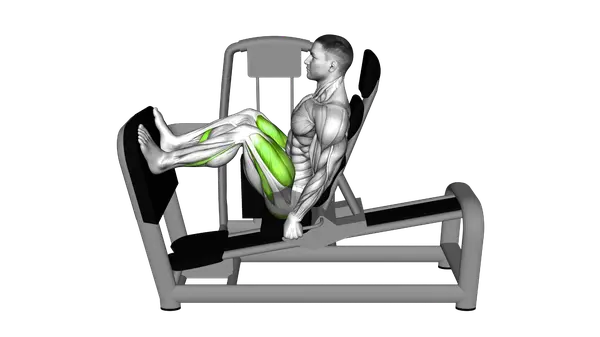
The Lever Seated Leg Press stands as a cornerstone machine in strength training arsenals across gyms worldwide, offering a robust lower-body workout that targets multiple muscle groups simultaneously. This intermediate-level exercise primarily engages the quadriceps, while also effectively recruiting the hamstrings and glutes as secondary movers throughout the pressing motion. The beauty of this exercise lies in its versatility, making it equally valuable for bodybuilders sculpting defined legs and powerlifters developing foundational strength. What distinguishes the Lever Seated Leg Press from its counterparts is the biomechanically advantageous seated position, which naturally supports proper spinal alignment and reduces lower back strain compared to traditional squat variations. This design allows lifters to handle substantial loads safely, creating the mechanical tension necessary for muscle hypertrophy while maintaining joint stability. The fixed movement pattern of the lever mechanism ensures consistent resistance throughout the entire range of motion, creating optimal conditions for muscular development. Strength athletes particularly appreciate how this exercise enables progressive overload with precise weight increments, a crucial factor for continual strength adaptation. For bodybuilders, the ability to adjust foot positioning on the platform provides remarkable versatility in targeting specific areas of the lower body, allowing for balanced muscular development. Higher repetition ranges with moderate weights promote significant metabolic stress and muscle pump, while heavier loads with fewer repetitions build the raw strength that serves as the foundation for other lower body movements. The Lever Seated Leg Press represents an excellent balance between effectiveness and joint-friendliness, making it accessible to a wide range of fitness enthusiasts. Its popularity in training programs stems from its efficiency in building functional lower body strength that transfers to daily activities like climbing stairs or rising from seated positions. When incorporated strategically into a comprehensive strength program, this exercise serves as a reliable tool for developing powerful, resilient legs without excessive wear on the joints.

Strength
Bodybuilding
Powerlifting
Machine
Lever Seated Reverse Fly

Lever Seated Reverse Fly

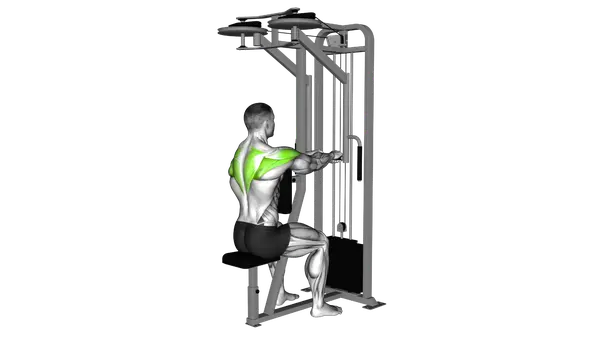
The Lever Seated Reverse Fly stands as a cornerstone exercise for those looking to develop impressive posterior shoulder definition and upper back strength. This intermediate-level movement specifically targets the rear deltoids and trapezius muscles, making it invaluable for bodybuilders seeking that complete, three-dimensional shoulder development that creates an impressive silhouette on stage. While many fitness enthusiasts focus primarily on the front and side deltoids through pressing movements, the rear delts often remain underdeveloped. This muscular imbalance not only detracts from aesthetics but can potentially lead to postural issues and shoulder problems down the road. The beauty of the Lever Seated Reverse Fly lies in its ability to isolate these posterior muscles with remarkable precision, allowing for concentrated tension exactly where it's needed most. From a strength perspective, developing the rear deltoids and traps contributes significantly to overall upper body power. These muscles play crucial supporting roles in compound movements like deadlifts, rows, and even bench pressing by providing stability throughout the shoulder girdle. Regular implementation of the Lever Seated Reverse Fly can address weaknesses in these areas, potentially improving performance across your entire training regimen. For bodybuilders specifically, the exercise delivers that coveted "3D pop" to the shoulders when viewed from any angle. The machine-based nature of this movement allows for consistent resistance throughout the range of motion, creating optimal tension for hypertrophy. Many find they can achieve superior mind-muscle connection compared to free-weight alternatives, making each rep more productive for tissue growth. The Lever Seated Reverse Fly represents the perfect balance between isolation and functionality. While primarily a bodybuilding staple, its benefits extend far beyond aesthetics into improved posture, injury prevention, and enhanced performance in other lifts. Whether you're preparing for competition or simply building a more balanced physique, this exercise deserves a permanent spot in your shoulder training arsenal.

Strength
Bodybuilding
Machine
Lever Seated Row

Lever Seated Row

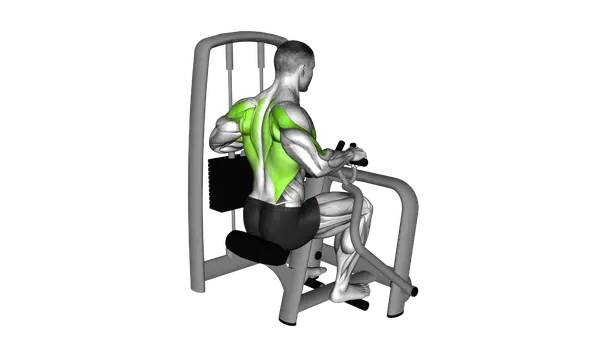
The Lever Seated Row stands as a cornerstone back exercise in any comprehensive bodybuilding regimen, particularly targeting the latissimus dorsi and trapezius muscle groups with remarkable efficiency. This intermediate-level movement has earned its reputation among strength enthusiasts and physique competitors alike for its ability to build impressive back thickness and width simultaneously. What makes the Lever Seated Row particularly valuable is its fixed path of motion, allowing lifters to focus purely on the contraction rather than stabilizing a free weight. This mechanical advantage enables greater time under tension specifically for the lats and traps, making it an excellent choice for bodybuilders seeking detailed muscular development through targeted isolation. While appearing straightforward, mastering the Lever Seated Row requires attentiveness to form nuances that distinguish casual gym-goers from dedicated strength athletes. The exercise serves as an excellent progression for those who have established foundational back strength and are ready to emphasize specific muscle groups with greater load and control. Many experienced lifters incorporate this movement into their training splits, typically performing it for moderate to high repetitions to stimulate hypertrophy. From a strength development perspective, the Lever Seated Row allows for substantial loading potential while minimizing stress on the lower back compared to bent-over row variations. This makes it particularly valuable for those looking to build pulling power without compromising spinal integrity. The stability offered by the chest pad enables lifters to channel their energy into pure pulling force rather than balance maintenance. When programmed effectively within a bodybuilding routine, this exercise can transform back development by creating the coveted thickness through the mid-back region. The versatility of the Lever Seated Row makes it suitable for both strength-focused mesocycles and higher-volume hypertrophy blocks, earning its place as a mainstay in training programs designed for both aesthetic enhancement and functional strength development.

Strength
Bodybuilding
Machine
Lever Seated Shoulder Press

Lever Seated Shoulder Press

The Lever Seated Shoulder Press stands as a cornerstone movement in any serious shoulder development routine, offering a perfect blend of stability and focused tension for intermediate lifters looking to build impressive deltoid mass. This machine-based press primarily targets the anterior (front) and lateral (side) deltoid heads while engaging the triceps as secondary movers throughout the pressing motion. Unlike free weight variations, the lever mechanism provides a fixed path of motion that allows lifters to concentrate purely on output rather than stabilization, making it particularly valuable for bodybuilding purposes. The guided movement pattern reduces the learning curve typically associated with overhead pressing while still delivering substantial muscle activation across the shoulder complex. For strength enthusiasts, the Lever Seated Shoulder Press offers remarkable benefits through its capacity for progressive overload. The weight stack or plate-loading design typically permits incremental resistance adjustments, allowing for precise tracking of strength gains over time. This methodical approach to increasing load serves as an excellent stimulus for both myofibrillar and sarcoplasmic hypertrophy when programmed appropriately. Many bodybuilders appreciate this exercise for its ability to create significant metabolic stress and mechanical tension in the deltoids without the systemic fatigue that often accompanies barbell variations. The seated position provides crucial back support, reducing the risk of compensatory movement patterns that might otherwise diminish shoulder engagement. When incorporated into a well-designed upper body routine, this movement can serve as either a primary compound exercise or as a secondary movement following more technically demanding presses. Its versatility makes it suitable for various rep ranges – from heavy sets of 6-8 repetitions for strength emphasis to moderate sets of 10-15 repetitions for hypertrophy-focused training. For those seeking symmetrical shoulder development, the unilateral versions of this machine can help address muscular imbalances while maintaining the safety benefits inherent to the lever design. This attention to proportional development represents the thoughtful approach that intermediate lifters must adopt as they progress toward advanced training methodologies.

Strength
Bodybuilding
Machine
Lever Standing Calf Raise

Lever Standing Calf Raise

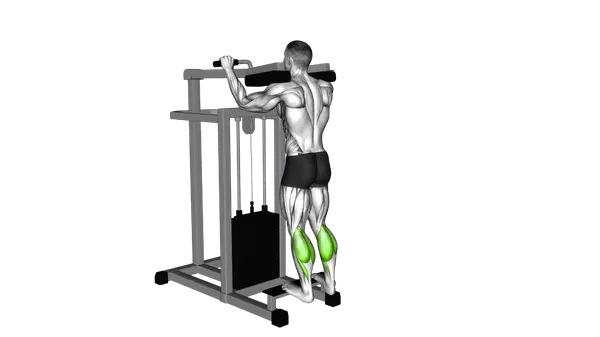
The Lever Standing Calf Raise stands as a cornerstone exercise for anyone serious about developing impressive lower leg definition and functional strength. This intermediate movement specifically targets the gastrocnemius and soleus muscles—collectively known as the calves—making it essential for both bodybuilding aesthetics and practical strength development. Within bodybuilding circles, well-developed calves are often considered a hallmark of a complete physique, yet they're frequently undertrained. The Lever Standing Calf Raise addresses this common oversight by isolating the calf muscles through a controlled vertical movement against resistance. The machine's design allows for precise loading and a full range of motion, essential factors for triggering muscle hypertrophy in these stubborn muscle groups. From a strength perspective, stronger calves contribute significantly to athletic performance across various disciplines. These muscles play a crucial role in explosive movements like jumping, sprinting, and changing direction. Regular training with the Lever Standing Calf Raise can enhance ankle stability and power generation from the ground up, creating a more solid foundation for compound lifts like squats and deadlifts. What makes this exercise particularly valuable is its scalability for the intermediate fitness enthusiast. Unlike some calf exercises that can feel awkward or limited in their resistance options, the lever mechanism provides consistent tension throughout the movement while allowing for progressive overload—a key principle in strength development and muscle growth. For those balancing aesthetic goals with functional fitness, the Lever Standing Calf Raise offers the perfect blend of isolation and practical application. The standing position mimics real-world mechanics, training the calves in a functional manner that translates to everyday activities and sports performance. This makes it not just a bodybuilding staple, but a worthwhile addition to any comprehensive strength training program focused on lower body development.

Strength
Bodybuilding
Machine
Rowing (Rowing Machine)

Rowing (Rowing Machine)

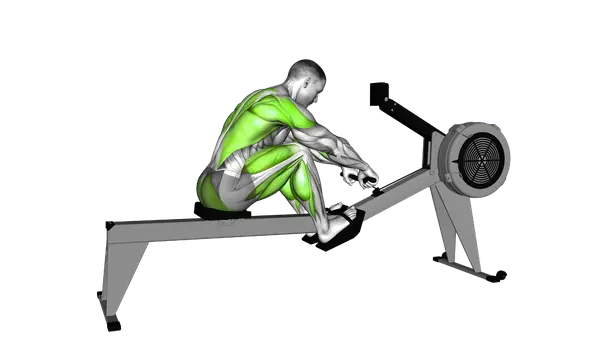
Rowing on a machine offers a dynamic full-body workout that engages multiple muscle groups simultaneously, making it an intermediate-level exercise that delivers impressive results. When you're powering through each stroke, your lats are engaged as you pull the handle toward your body, creating that coveted V-shaped back over time. Your powerful quad muscles activate during the drive phase, while hamstrings and glutes work in harmony during the recovery, creating a lower-body trifecta of strength development. What many don't realize is how rowing silently transforms your core - your abs remain engaged throughout the entire movement as they stabilize your body between the drive and recovery phases. The versatility of rowing makes it a standout choice for various training modalities. In HIIT workouts, alternating between high-intensity rowing sprints and recovery periods creates a metabolic furnace that continues burning calories long after you've stepped off the machine. CrossFit enthusiasts incorporate rowing for its measurable output and efficiency at building power endurance. Perhaps most underrated is rowing's role in recovery sessions, where maintaining a steady, moderate pace increases blood flow to muscles without the impact stress of other cardio options. Rowing stands tall as an endurance builder, allowing you to develop impressive stamina as you log meters or time on the machine. The beauty lies in how it improves cardiovascular health while simultaneously developing muscular endurance. Your heart and lungs adapt to the rhythmic demands, improving oxygen delivery throughout your body. Unlike some cardio options that neglect upper body development, rowing's full-body engagement means you're building endurance across multiple muscle groups simultaneously. Whether you're looking to supplement your existing fitness routine or make rowing your primary cardio choice, this efficient exercise delivers comprehensive benefits that few other machines can match - all while being gentle on your joints and adaptable to virtually any fitness level or goal.

Endurance
Cardio
Hyrox
HIIT
+2
Machine
Showing 1-26 of 30 exercises