Back

Exercise

Lever Leg Extension

Lever Leg Extension
Add to Workout

Lever Leg Extension

Build

How to Perform

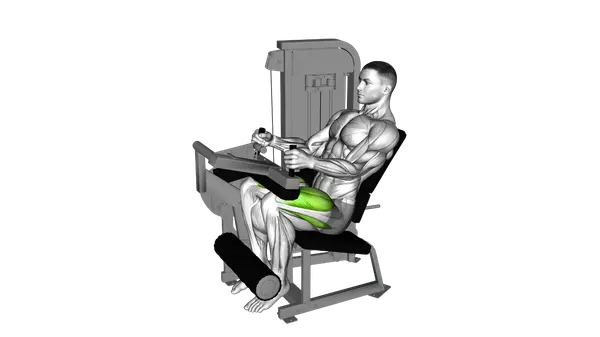
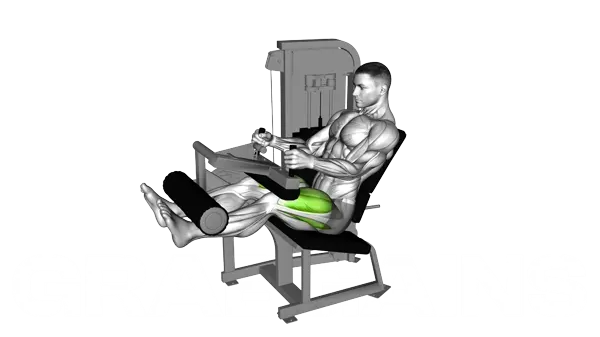
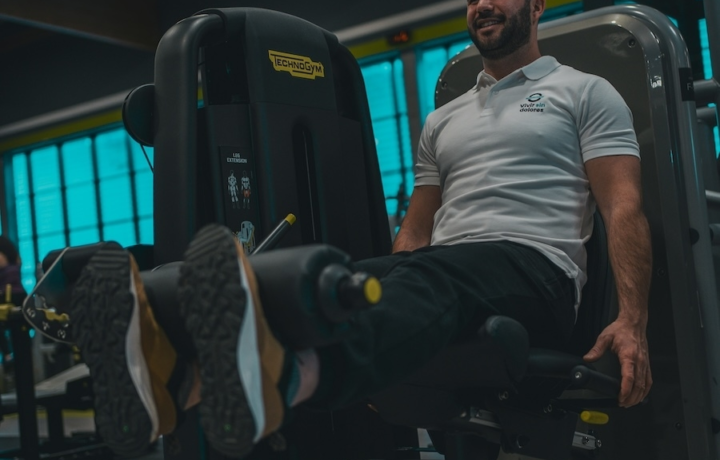
  1. Sit on the leg extension machine with your back flat against the backrest and adjust the pad so it rests on your lower shins just above your feet.
  2. Grasp the side handles of the machine firmly, keeping your upper body stable and your back pressed against the seat throughout the exercise.
  3. Position your knees at a 90-degree angle with your feet hanging relaxed, ensuring your knees align with the machine's pivot point.
  4. Exhale as you extend your legs forward and upward by contracting your quadriceps until your legs are almost completely straight.
  5. Pause briefly at the top position when your legs are fully extended, maintaining tension in your quadriceps muscles.
  6. Inhale as you slowly return to the starting position by bending your knees, controlling the movement rather than letting the weight stack drop.
  7. Keep your ankles flexed with toes pointing upward throughout the movement to maintain proper engagement of the quadriceps.
  8. Maintain a neutral spine position throughout the exercise, avoiding the tendency to arch your lower back as you extend your legs.

Important information

  • Never lock your knees at the top of the movement as this places excessive stress on the joint.
  • Adjust the weight to allow for proper form—using too much weight often leads to using momentum instead of muscle control.
  • Keep your movements smooth and controlled in both directions, especially during the lowering phase.
  • If you experience knee pain during this exercise, check with a fitness professional about adjusting your form or consider alternative quad-strengthening exercises.

Exercise Details

Primary Muscles

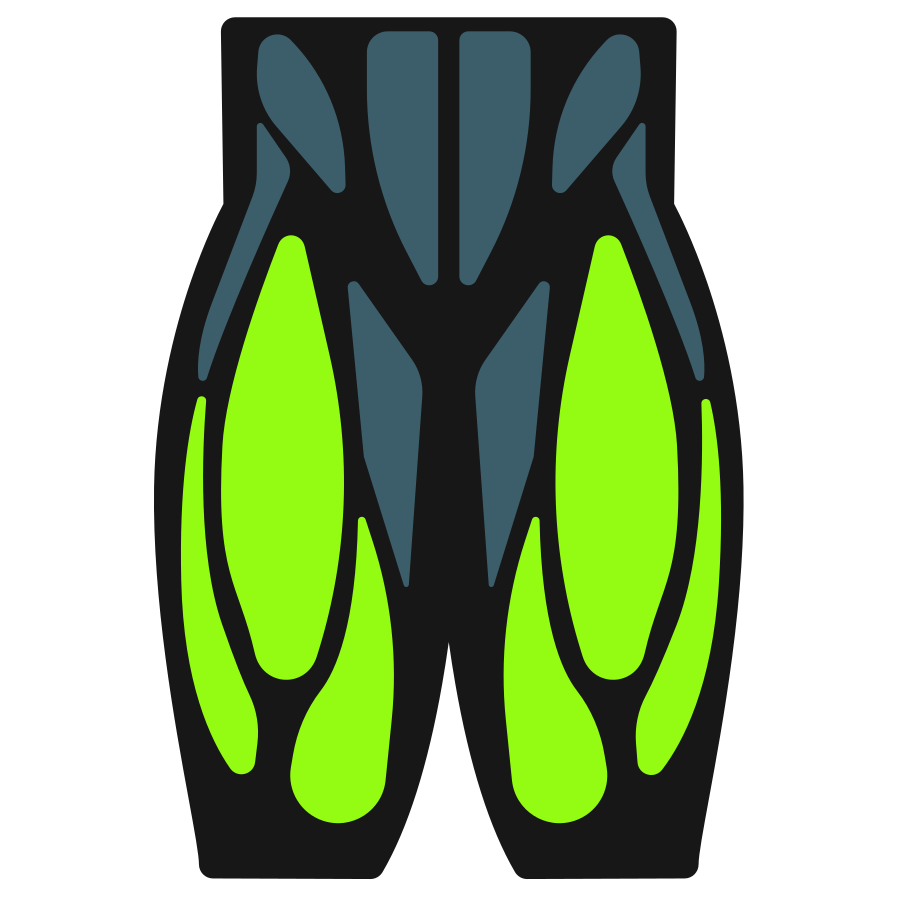
Quads

Muscle Groups

Leg exercises

Mechanic

Isolation

Risk Areas

Quads

Built for progress

Take the guesswork out of training

Create personalized AI-powered workout plans that evolve with you. Train smarter, track every rep and keep moving forward, one workout at a time.

Be among the first to join!
GrabGains workout plans

The Lever Leg Extension stands as a cornerstone isolation movement in both bodybuilding and strength training circles, earning its reputation as a premier quad-builder for intermediate fitness enthusiasts. This machine-based exercise effectively targets the quadriceps muscle group with laser-like precision, allowing for concentrated tension throughout the movement's range of motion. Unlike compound exercises that distribute stress across multiple muscle groups, the Lever Leg Extension channels force directly into the four heads of the quadriceps, making it particularly valuable for addressing muscular imbalances or lagging development in the frontal thigh region. 

For bodybuilders pursuing aesthetic symmetry and impressive quad sweep, this exercise delivers the focused stimulus needed to sculpt defined separation between the vastus lateralis, vastus medialis, vastus intermedius, and rectus femoris. The controlled nature of the movement permits a powerful mind-muscle connection, enabling lifters to maximize the quality of each repetition without excessive involvement from supporting muscle groups. Strength athletes often incorporate Lever Leg Extensions as an accessory movement to enhance quadriceps power that translates to improved performance in squats, lunges, and other compound lower body exercises. The isolated nature of this movement allows for targeted strengthening that can help address sticking points in more complex lifts. Additionally, the reduced spinal loading makes it appropriate for training volume that might otherwise be prohibitive with heavier compound movements. 

The adjustable resistance settings on most leg extension machines accommodate progressive overload principles fundamental to both strength development and hypertrophy goals. This adaptability makes the exercise particularly suitable for intermediate trainees who have established foundational strength and now seek more nuanced approaches to leg development. When programmed intelligently within a balanced training regimen, the Lever Leg Extension can serve as a valuable tool for breaking through plateaus and stimulating new growth in the quadriceps muscles.

FAQ - Lever Leg Extension

What muscles does the Lever Leg Extension target?

The Lever Leg Extension primarily targets all four heads of the quadriceps: vastus lateralis (outer quad), vastus medialis (inner quad), vastus intermedius (middle quad), and rectus femoris (front quad). This isolation exercise minimizes involvement from other muscle groups, allowing for concentrated tension directly on the quadriceps.

Is the Lever Leg Extension safe for my knees?

When performed properly, Lever Leg Extensions can be safe for healthy knees, but they do create shear forces at the knee joint. Keep the movement controlled, avoid locking out your knees at the top, and start with moderate weight. If you have existing knee issues or injuries, consult with a physical therapist before incorporating this exercise.

How should I position myself on the machine for optimal results?

Adjust the seat so your knees align with the machine's pivot point and your back rests firmly against the backrest. Position the roller pad just above your ankles (not on your shins), and maintain a neutral spine throughout the movement. These adjustments ensure proper biomechanics and maximize quadriceps engagement while minimizing joint stress.

How can I incorporate Lever Leg Extensions into my training program?

For hypertrophy, perform 3-4 sets of 8-15 repetitions with controlled tempo, ideally near the end of your leg workout after compound movements. For strength and athletic performance, use them as an accessory exercise 1-2 times weekly. You can also incorporate intensity techniques like drop sets or pause reps to further stimulate quad development.

What are the most common mistakes to avoid with this exercise?

The most common mistake is rushing through the movement without focusing on the quality of the rolling motion. Other errors include using excessive tension rather than controlled movement, and failing to achieve full range of motion through all three planes of shoulder movement (flexion, depression, and retraction).
Alternative Exercises

Lever Seated Leg Press

Lever Seated Leg Press

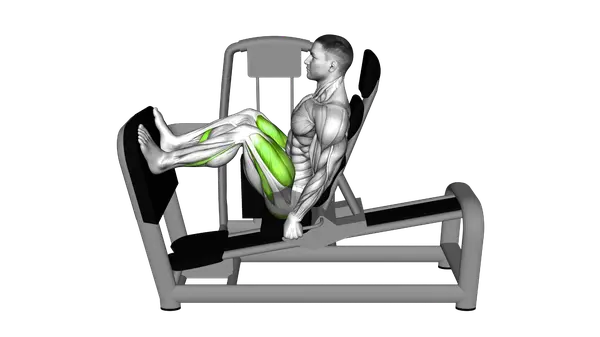
The Lever Seated Leg Press stands as a cornerstone machine in strength training arsenals across gyms worldwide, offering a robust lower-body workout that targets multiple muscle groups simultaneously. This intermediate-level exercise primarily engages the quadriceps, while also effectively recruiting the hamstrings and glutes as secondary movers throughout the pressing motion. The beauty of this exercise lies in its versatility, making it equally valuable for bodybuilders sculpting defined legs and powerlifters developing foundational strength. What distinguishes the Lever Seated Leg Press from its counterparts is the biomechanically advantageous seated position, which naturally supports proper spinal alignment and reduces lower back strain compared to traditional squat variations. This design allows lifters to handle substantial loads safely, creating the mechanical tension necessary for muscle hypertrophy while maintaining joint stability. The fixed movement pattern of the lever mechanism ensures consistent resistance throughout the entire range of motion, creating optimal conditions for muscular development. Strength athletes particularly appreciate how this exercise enables progressive overload with precise weight increments, a crucial factor for continual strength adaptation. For bodybuilders, the ability to adjust foot positioning on the platform provides remarkable versatility in targeting specific areas of the lower body, allowing for balanced muscular development. Higher repetition ranges with moderate weights promote significant metabolic stress and muscle pump, while heavier loads with fewer repetitions build the raw strength that serves as the foundation for other lower body movements. The Lever Seated Leg Press represents an excellent balance between effectiveness and joint-friendliness, making it accessible to a wide range of fitness enthusiasts. Its popularity in training programs stems from its efficiency in building functional lower body strength that transfers to daily activities like climbing stairs or rising from seated positions. When incorporated strategically into a comprehensive strength program, this exercise serves as a reliable tool for developing powerful, resilient legs without excessive wear on the joints.

Strength
Bodybuilding
Powerlifting
Machine
Lever Seated Leg Curl

Lever Seated Leg Curl

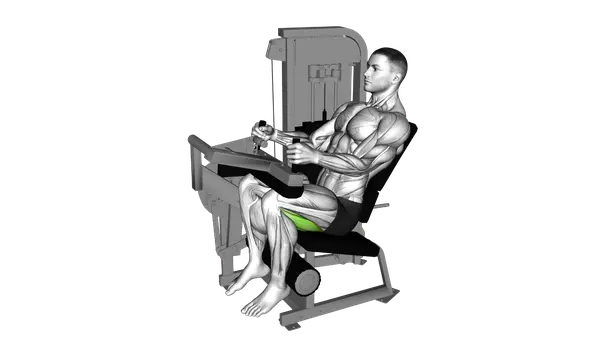
The Lever Seated Leg Curl stands as a cornerstone hamstring isolation exercise in any comprehensive lower body training program. This machine-based movement targets the hamstring muscle group with remarkable precision, making it particularly valuable for both bodybuilders seeking aesthetic development and strength athletes looking to bolster posterior chain power. Unlike free-weight hamstring exercises that often recruit multiple muscle groups, the seated variation allows for focused tension on the hamstrings throughout the entire range of motion. The fixed position and controlled movement pattern make this an intermediate-level exercise that offers significant benefits while minimizing risk when performed with proper form and appropriate weight selection. For bodybuilding enthusiasts, the Lever Seated Leg Curl provides the isolated tension necessary for sculpting defined hamstrings with clear separation – a must for competitive physique athletes. The machine's design allows for constant tension even at the peak contracted position, creating the metabolic stress and mechanical tension required for optimal muscle hypertrophy. From a strength perspective, developing the hamstrings through this exercise contributes to improved posterior chain function, potentially enhancing performance in deadlifts, squats, and athletic movements requiring explosive hip extension. Strong, well-developed hamstrings also help maintain knee joint integrity and create balanced lower body strength, reducing injury potential during other training activities. The Lever Seated Leg Curl can be particularly beneficial when incorporated into a program using various rep ranges – higher repetitions (10-15) for metabolic stress and muscle endurance, or moderate repetitions (6-10) with heavier loads for strength development. For optimal results, many experienced trainers recommend performing this exercise after compound movements like squats or deadlifts, when the hamstrings are already activated but not completely fatigued. Consistent integration of this effective hamstring developer into your training regimen can contribute significantly to both the aesthetic and functional development of your lower body, supporting overall athletic performance and physique enhancement goals.

Strength
Bodybuilding
Machine
Resistance Band Lying Leg Press

Resistance Band Lying Leg Press

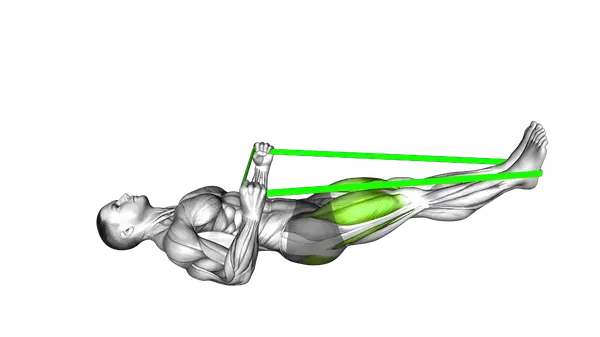
The Resistance Band Lying Leg Press delivers a highly effective lower body workout without the need for bulky gym equipment, making it an excellent addition to both home workouts and studio sessions. This intermediate-level movement primarily targets the quadriceps and glutes while also engaging supporting muscles throughout the posterior chain. When incorporated into bodybuilding routines, this exercise allows for controlled tension throughout the movement pattern, promoting muscle hypertrophy in the targeted muscle groups. The beauty of using resistance bands lies in the variable resistance they provide – the tension increases as the band stretches, creating greater challenge at the end range of the motion where muscles are most contracted. For those embracing HIIT workouts, the Resistance Band Lying Leg Press can be seamlessly integrated as a lower-body power move that elevates heart rate while building strength. The exercise's versatility makes it suitable for various training protocols, whether you're focusing on endurance with higher repetitions or maximal strength with heavier bands and fewer reps. From a strength development perspective, this movement offers unique benefits compared to traditional machine leg presses. The inherent instability when working with bands recruits more stabilizer muscles and core engagement, translating to more functional strength gains. Additionally, the horizontal body position reduces spinal compression, making it potentially more accessible for those with certain back issues. The adaptability of resistance bands allows for progressive overload – a fundamental principle in strength training – by simply adjusting band tension or stacking multiple bands together. This scalability makes the exercise suitable for various fitness levels despite its intermediate classification. For athletes looking to improve lower body power while minimizing joint stress, the Resistance Band Lying Leg Press provides an excellent alternative to high-impact plyometrics while still developing the explosive strength needed for athletic performance in the quads and glutes.

Strength
Bodybuilding
HIIT
Resistance Band
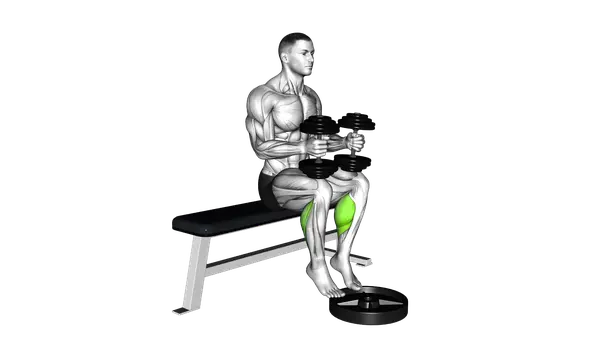
Seated Dumbbell Calf Raise

Seated Dumbbell Calf Raise

The Seated Dumbbell Calf Raise represents an intermediate-level isolation exercise that specifically targets the gastrocnemius and soleus muscles of your calves. This accessible yet effective movement has earned its place in many bodybuilding routines and rehabilitation programs for its ability to develop both aesthetic lower leg definition and functional strength. Unlike standing variations, this seated version places the emphasis squarely on the calf muscles by eliminating the involvement of other leg muscles and reducing the total load. This targeted approach makes it particularly valuable for those looking to address muscular imbalances or recover from lower leg injuries while still providing enough resistance for meaningful strength development. For bodybuilders, the seated dumbbell calf raise offers precise control over the contraction and stretch phases, allowing for the mind-muscle connection essential for hypertrophy. The exercise's adjustable resistance via dumbbell selection makes it scalable as your strength increases, ensuring continuous progression on your fitness journey. Many physique athletes incorporate this movement during both mass-building phases and pre-competition definition work to achieve that coveted diamond-shaped calf development. Beyond aesthetic benefits, strengthening your calves through this exercise carries significant functional advantages. Strong, resilient calf muscles provide the foundation for explosive movements in various sports, improve ankle stability, and can help prevent common injuries like Achilles tendinitis. The seated position also makes this an excellent option for those who experience lower back discomfort with standing calf exercises. Whether you're looking to build impressive lower leg development, recover from an injury, or simply strengthen this often-neglected muscle group, the seated dumbbell calf raise delivers targeted results with minimal equipment requirements. Its effectiveness lies in its simplicity: proving that sometimes the most straightforward exercises yield the most impressive results for both appearance and performance.

Strength
Bodybuilding
Recovery
Dumbbell