Back
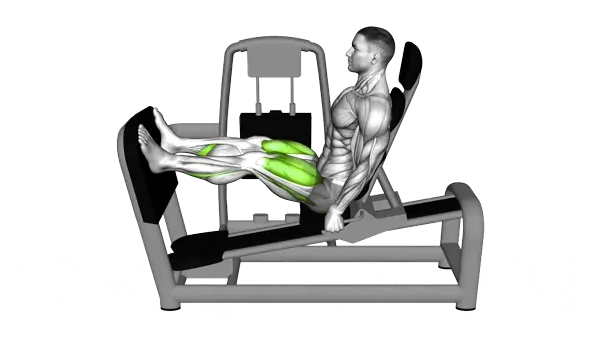
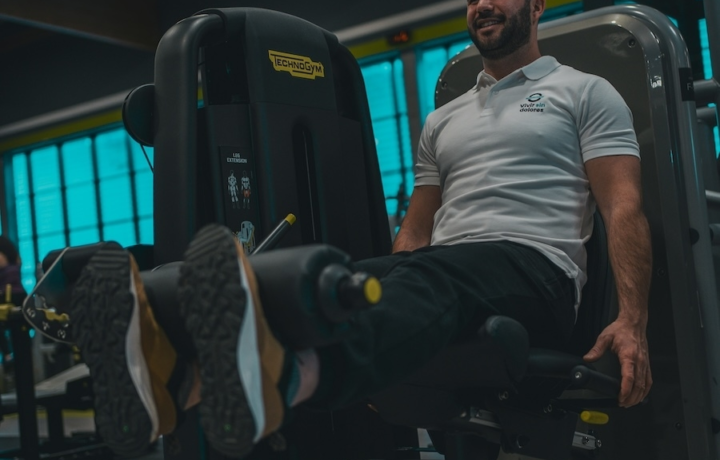
Lever Seated Leg Press
Add to Workout

Lever Seated Leg Press

Build

How to Perform

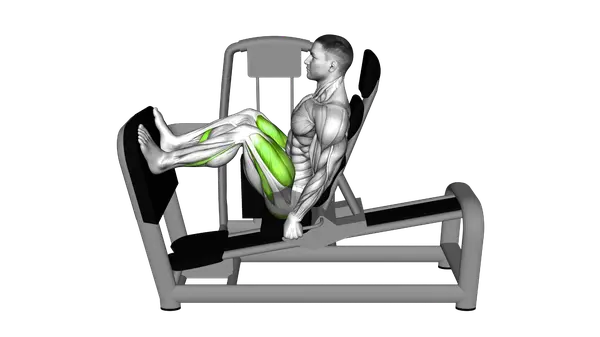
  1. Adjust the machine seat position so your knees form a 90-degree angle when your feet are on the platform and select an appropriate weight.
  2. Sit on the seat with your back pressed firmly against the backrest, keeping your head neutral and shoulders relaxed but engaged.
  3. Place your feet hip-width apart on the platform with toes pointing slightly outward, ensuring your knees track in line with your toes.
  4. Grasp the handles located on the sides of the seat to stabilize your upper body throughout the movement.
  5. Take a deep breath in, then exhale as you push through your heels to extend your legs, being careful not to lock your knees at the top position.
  6. Maintain a neutral spine throughout the movement, avoiding the tendency to round your lower back or lift your hips off the seat.
  7. Inhale as you slowly control the weight back toward your body, bending at the knees and hips until you return to the starting position.
  8. Maintain tension in your legs at the bottom of the movement, never allowing the weight stack to fully rest between repetitions.

Important information

  • Never lock your knees at the top of the movement as this places excessive stress on the knee joint and disengages the muscles.
  • Keep your lower back pressed against the backrest throughout the entire exercise to protect your spine and ensure proper muscle engagement.
  • Adjust your foot placement to target different muscle groups – higher on the platform emphasizes hamstrings and glutes, while lower targets quadriceps more directly.
  • Control the eccentric (lowering) phase of the movement for maximum muscle development and to reduce injury risk.

Exercise Details

Primary Muscles

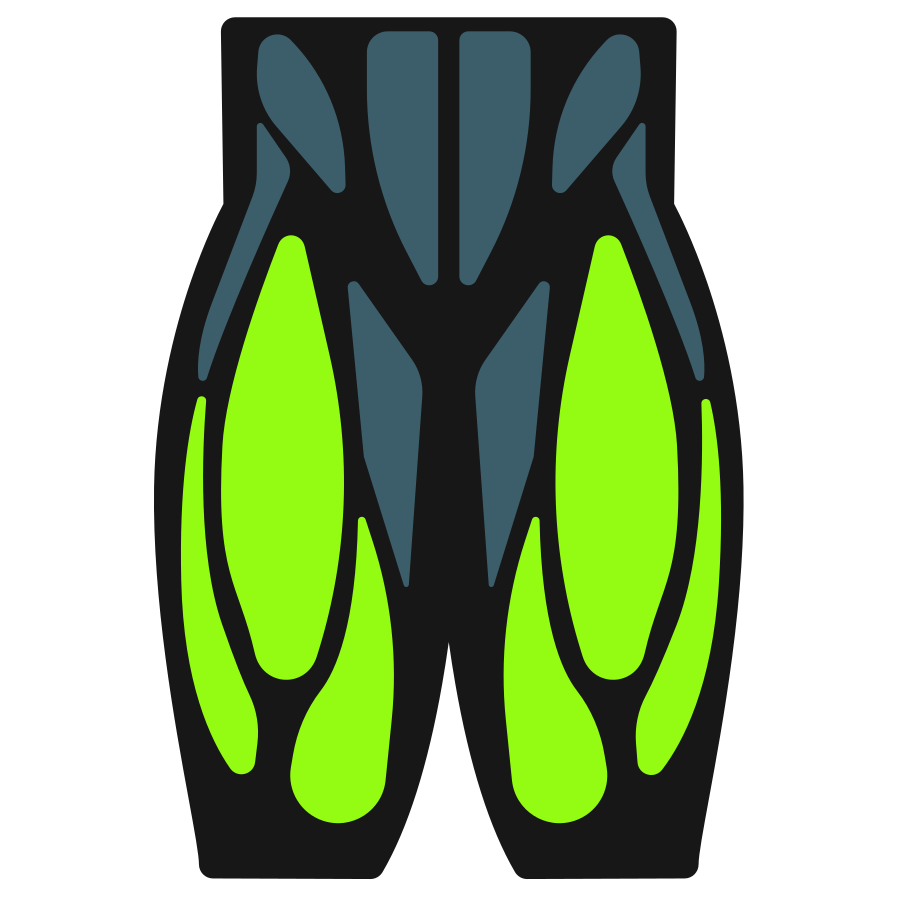
Quads Hamstrings Glutes

Muscle Groups

Leg exercises Glute exercises

Mechanic

Compound

Risk Areas

Hamstrings Glutes

Built for progress

Take the guesswork out of training

Create personalized AI-powered workout plans that evolve with you. Train smarter, track every rep and keep moving forward, one workout at a time.

Be among the first to join!
GrabGains workout plans

The Lever Seated Leg Press stands as a cornerstone machine in strength training arsenals across gyms worldwide, offering a robust lower-body workout that targets multiple muscle groups simultaneously. This intermediate-level exercise primarily engages the quadriceps, while also effectively recruiting the hamstrings and glutes as secondary movers throughout the pressing motion. The beauty of this exercise lies in its versatility, making it equally valuable for bodybuilders sculpting defined legs and powerlifters developing foundational strength.

What distinguishes the Lever Seated Leg Press from its counterparts is the biomechanically advantageous seated position, which naturally supports proper spinal alignment and reduces lower back strain compared to traditional squat variations. This design allows lifters to handle substantial loads safely, creating the mechanical tension necessary for muscle hypertrophy while maintaining joint stability. The fixed movement pattern of the lever mechanism ensures consistent resistance throughout the entire range of motion, creating optimal conditions for muscular development.

Strength athletes particularly appreciate how this exercise enables progressive overload with precise weight increments, a crucial factor for continual strength adaptation. For bodybuilders, the ability to adjust foot positioning on the platform provides remarkable versatility in targeting specific areas of the lower body, allowing for balanced muscular development. Higher repetition ranges with moderate weights promote significant metabolic stress and muscle pump, while heavier loads with fewer repetitions build the raw strength that serves as the foundation for other lower body movements.

The Lever Seated Leg Press represents an excellent balance between effectiveness and joint-friendliness, making it accessible to a wide range of fitness enthusiasts. Its popularity in training programs stems from its efficiency in building functional lower body strength that transfers to daily activities like climbing stairs or rising from seated positions. When incorporated strategically into a comprehensive strength program, this exercise serves as a reliable tool for developing powerful, resilient legs without excessive wear on the joints.

FAQ - Lever Seated Leg Press

What muscles does the Lever Seated Leg Press target?

The Lever Seated Leg Press primarily targets the quadriceps, while also engaging the hamstrings and glutes as secondary muscles. Your calves and hip adductors also receive significant activation, especially when you adjust foot positioning on the platform.

Is the Lever Seated Leg Press safer than barbell squats?

Yes, the Lever Seated Leg Press is generally easier on your lower back because the seated position naturally supports proper spinal alignment. This makes it an excellent alternative for those with back concerns, though proper form is still essential to prevent knee hyperextension.

How should I position my feet on the leg press platform?

Position your feet shoulder-width apart in the middle of the platform for balanced muscle development. Place feet higher to emphasize glutes and hamstrings, lower to target quads more intensely, or wider to engage inner thighs more effectively.

How deep should I go on the Lever Seated Leg Press?

Lower the weight until your knees form approximately a 90-degree angle, avoiding letting your buttocks lift off the seat. Never go so deep that your lower back rounds or your pelvis tilts posteriorly, as this increases risk of injury to your lower back.

How often should I include the Lever Seated Leg Press in my training routine?

Include the Lever Seated Leg Press 1-2 times weekly for optimal results, allowing 48-72 hours for muscle recovery between sessions. For hypertrophy, aim for 3-4 sets of 8-12 reps with moderate weight; for strength, perform 4-5 sets of 4-6 reps with heavier loads.

Alternative Exercises

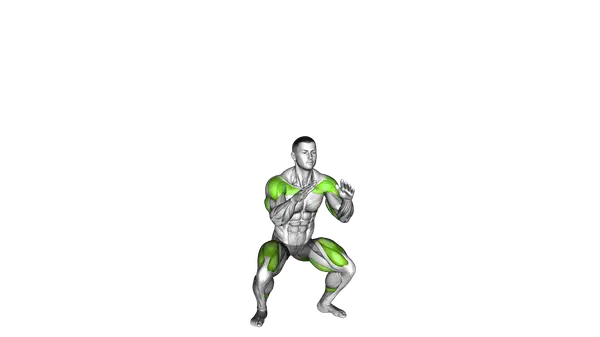
Squat To Straddle

Squat To Straddle

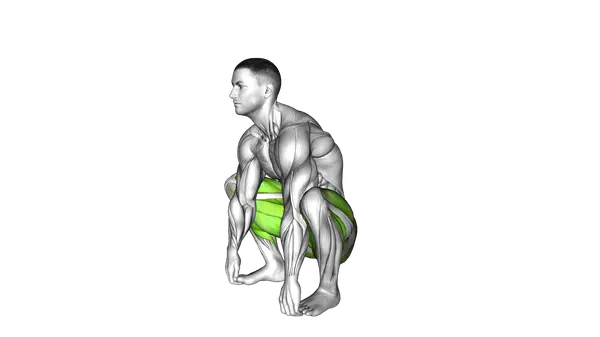
The Squat to Straddle is a dynamic compound movement that bridges traditional strength training with mobility work, making it an excellent addition to various fitness routines. This intermediate-level exercise simultaneously targets multiple major lower body muscle groups, with primary emphasis on the glutes, quads, and hamstrings. The movement pattern challenges not only muscular strength but also hip mobility and lower body coordination. When incorporated into HIIT circuits, the Squat to Straddle elevates heart rate rapidly while building explosive power in the lower body. The transition between the squat position and the wide straddle stance creates a significant metabolic demand, making it effective for calorie burning and cardiovascular conditioning. For bodybuilders, this exercise offers the benefit of working the lower body through multiple planes of motion, contributing to balanced muscle development and improved functional strength. Many fitness professionals recommend the Squat to Straddle as part of a comprehensive warm-up routine because it efficiently prepares the hips, knees, and ankles for more intense training. The movement increases blood flow to the lower extremities while gradually challenging the body's mobility limitations, making subsequent exercises safer and more effective. The dual-nature of this exercise as both a mobility enhancer and strength builder makes it particularly valuable for athletes and fitness enthusiasts looking to improve performance. Regular practice helps develop greater range of motion in the hip joint while simultaneously strengthening the muscles that support proper movement patterns. This combination of mobility and strength benefits can translate to improved performance in other exercises and daily activities. What sets the Squat to Straddle apart from many other exercises is its ability to reveal and address asymmetries in the lower body. By moving through a wide range of motion that challenges stability and control, practitioners can identify areas of weakness that might otherwise go unnoticed in more conventional exercises, making it an intelligent addition to any well-rounded fitness program.

Mobility
Strength
HIIT
Bodybuilding
+1
Bodyweight exercises
Barbell Squat

Barbell Squat

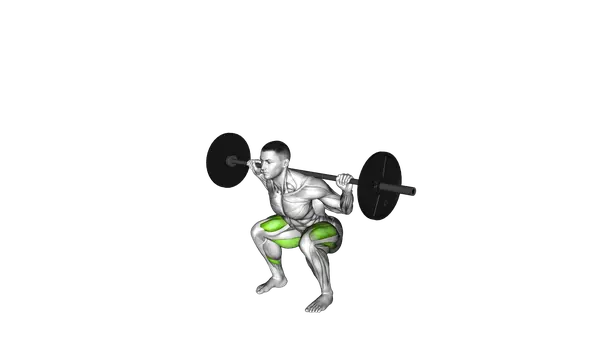
The barbell squat stands as perhaps the most revered compound movement in strength training—a true cornerstone exercise that has built champions across generations. This intermediate-level lift primarily engages the quadriceps, glutes, and hamstrings while recruiting numerous stabilizing muscles throughout the entire body. Both powerlifters and bodybuilders embrace the barbell squat, though with slightly different approaches. Powerlifters typically prioritize moving maximum weight with proper technique, often employing a wider stance and focusing on depth requirements for competition. Bodybuilders, meanwhile, might use varied stances, tempos, and rep ranges to stimulate maximum muscle development and symmetry. What makes the barbell squat truly exceptional is its unparalleled ability to build overall strength. Few exercises can match its potential for progressive overload, allowing lifters to continually challenge themselves with heavier weights as they advance. This progressive nature stimulates not only muscle growth but also impressive strength adaptations throughout the entire lower body and core. The beauty of the squat lies in its functional carryover to daily life and athletic performance. The movement pattern closely mimics actions we perform regularly, from sitting to jumping, making it not just a gym exercise but a movement that enhances quality of life. Research consistently demonstrates that squat strength correlates with improved sprinting speed, jumping ability, and overall athletic prowess. Beyond physical benefits, the mental fortitude developed through consistent squatting cannot be overstated. Standing under a challenging load forces lifters to confront their limitations, build confidence, and develop grit that extends far beyond the weight room. This psychological hardiness, combined with the hormonal response triggered by heavy squatting, creates a powerful stimulus for total-body development.

Strength
Powerlifting
Bodybuilding
Barbell
Dumbbell Goblet Squat

Dumbbell Goblet Squat

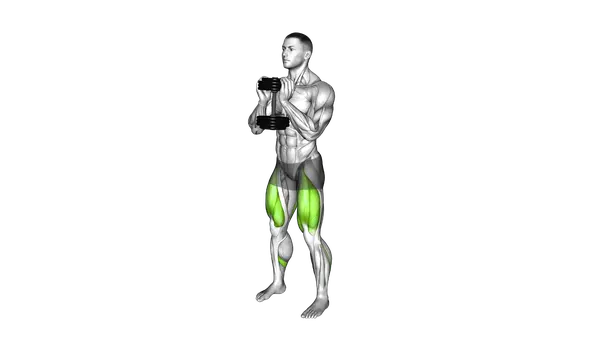
The dumbbell goblet squat stands as a cornerstone movement for anyone stepping into the world of fitness, offering beginners an accessible yet effective entry point to proper squatting mechanics. This foundational exercise primarily targets the quadriceps and glutes, creating a powerful lower body development opportunity without overwhelming those new to resistance training. When incorporated into bodybuilding routines, the goblet squat allows for precise muscle engagement and development, particularly in the anterior chain. The beauty of this movement lies in its versatility, as it transitions seamlessly into high-intensity interval training (HIIT) circuits where it elevates heart rate while maintaining proper form parameters that protect the knees and lower back. Strength benefits emerge quickly with consistent practice, as the goblet position—holding the weight close to the chest—naturally encourages proper spinal alignment and depth through the squat pattern. This makes it not merely a muscle-building exercise but a movement skill that transfers to daily activities, enhancing functional fitness alongside aesthetic improvements. The exercise's popularity in both strength and conditioning programs speaks to its efficiency—delivering significant training stimulus to multiple muscle groups simultaneously while remaining accessible to those with varying mobility challenges. For beginners especially, mastering the goblet squat often serves as a gateway to more complex barbell variations later in their fitness journey. What distinguishes the goblet squat in the fitness landscape is its remarkable balance of simplicity and effectiveness. By focusing on these fundamental movement patterns early in one's training career, proper motor patterns become ingrained, reducing injury risk while establishing the neuromuscular foundation needed for progressive overload in subsequent training phases. This investment in proper movement quality pays dividends throughout one's fitness journey, making the humble goblet squat far more valuable than its beginner-friendly reputation might suggest.

Strength
Bodybuilding
HIIT
Dumbbell
Bodyweight Full Squat With Overhead Press

Bodyweight Full Squat With Overhead Press

The Bodyweight Full Squat With Overhead Press combines lower body power with upper body pushing strength in one fluid movement, creating an efficient full-body exercise that elevates your heart rate while building functional strength. This intermediate-level compound movement simultaneously targets your quadriceps, glutes, and front deltoids, making it perfect for those looking to maximize their workout efficiency. This versatile exercise fits seamlessly into various training methodologies including HIIT circuits, bodybuilding routines, and CrossFit workouts. The dynamic nature of combining a squat with an overhead press creates a cardiovascular demand that burns calories while developing both strength and muscular endurance throughout your entire body. What makes this movement particularly valuable is how it mimics everyday functional patterns: the kind of integrated movement you might use when lifting objects from the ground and placing them on a high shelf. By training these movement patterns together, you're enhancing your body's natural coordination systems while developing practical strength that translates to daily activities. The full squat component engages your entire lower body kinetic chain, activating the quadriceps as primary movers while recruiting the glutes, hamstrings, and core stabilizers. Meanwhile, the overhead press portion develops shoulder strength and stability, particularly in the anterior deltoids, while engaging your triceps and upper back muscles as synergists. For those focused on metabolic conditioning, this exercise delivers impressive results by recruiting large muscle groups simultaneously, significantly elevating oxygen consumption and caloric expenditure. The compound nature makes it particularly effective for those with limited workout time who need maximum benefits from minimal exercises. Regular incorporation of the Bodyweight Full Squat With Overhead Press can lead to improved posture, enhanced core strength, better overhead mobility, and increased lower body power—all critical components for athletic performance and daily function. Whether you're focused on building strength, enhancing endurance, or improving overall fitness, this exercise delivers comprehensive benefits in a single, efficient movement.

Strength
Endurance
HIIT
Bodybuilding
+1
Bodyweight exercises