Back

Exercise

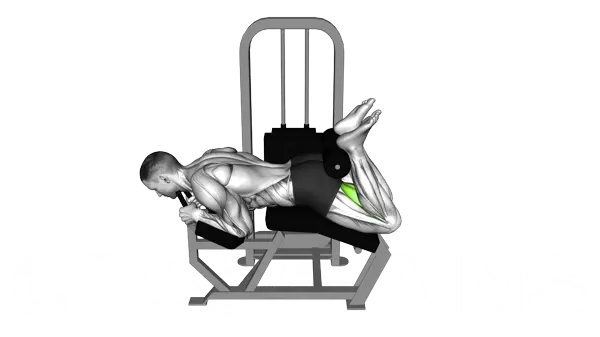
Lever Lying Leg Curl

Lever Lying Leg Curl
Add to Workout

Lever Lying Leg Curl

Build

How to Perform

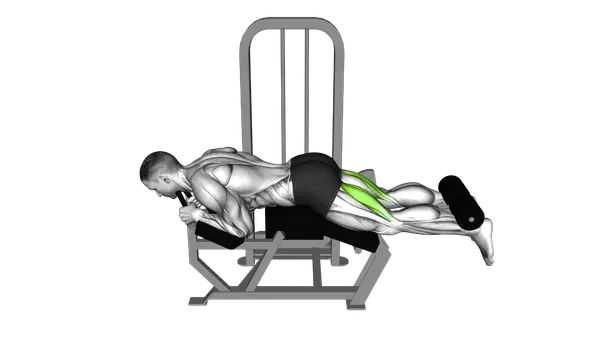
  1. Lie face down on the machine and position the back of your ankles under the roller pads, adjusting them to align with your ankles.
  2. Grasp the handles or the sides of the bench for stability, keeping your hips pressed firmly against the pad and your spine in a neutral position.
  3. Exhale and contract your hamstrings to curl the weight up by bending your knees, moving in a controlled arc until your legs form approximately a 90-degree angle.
  4. Maintain tension in your core and keep your hips pressed down on the bench throughout the movement to prevent your lower back from arching.
  5. Hold the contracted position at the top for 1-2 seconds, focusing on squeezing your hamstrings.
  6. Inhale as you slowly lower the weight back to the starting position, controlling the descent without letting the weight stack touch down completely.
  7. Keep your feet relaxed with toes pointed forward or slightly inward, avoiding unnecessary tension in your calves.
  8. Repeat for the prescribed number of repetitions, maintaining a steady tempo and focusing on hamstring engagement rather than momentum.

Important information

  • Adjust the machine before starting to ensure the pivot point aligns with your knee joint and the leg pad sits just above your heels.
  • Avoid lifting your hips off the bench during the curl—this compromises form and shifts work to your lower back.
  • Keep the movement smooth and controlled rather than using momentum, especially on the lowering phase.
  • If you experience knee pain, try adjusting your foot position or reduce the range of motion until you find a comfortable position.

Exercise Details

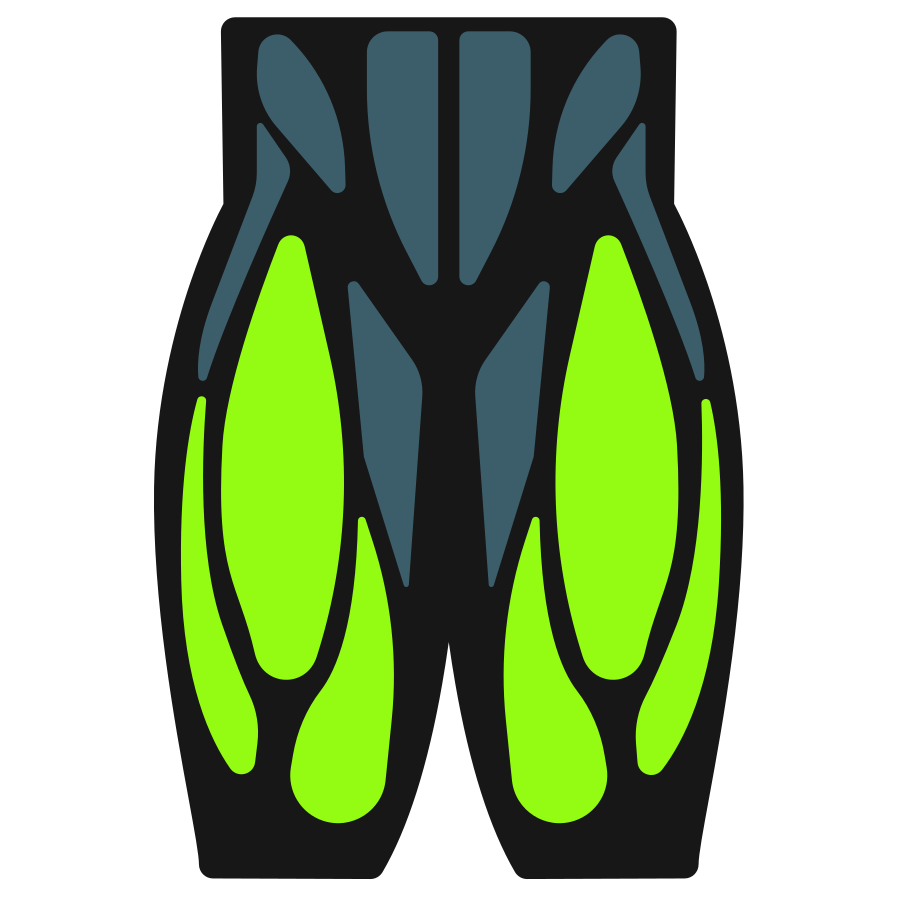
Primary Muscles

Hamstrings Glutes

Muscle Groups

Leg exercises Glute exercises

Mechanic

Isolation

Risk Areas

Hamstrings

Built for progress

Take the guesswork out of training

Create personalized AI-powered workout plans that evolve with you. Train smarter, track every rep and keep moving forward, one workout at a time.

Be among the first to join!
GrabGains workout plans

The Lever Lying Leg Curl stands as a cornerstone isolation movement for anyone serious about developing powerful posterior leg muscles. This intermediate-level exercise primarily targets the hamstrings while also engaging the glutes as secondary movers, making it invaluable for both bodybuilding aesthetics and functional strength development.

When incorporated into a well-structured training program, this machine-based movement allows for precise hamstring isolation that's difficult to achieve with compound exercises alone. The controlled nature of the lever mechanism provides consistent tension throughout the movement pattern, creating an optimal environment for muscle hypertrophy – particularly beneficial for bodybuilders seeking that coveted leg sweep and hamstring definition.

Strength athletes benefit equally from this exercise, as stronger hamstrings contribute significantly to improved performance in deadlifts, squats, and athletic movements requiring explosive power. The hamstrings play a crucial role in knee stability and hip extension, making their development essential for not just aesthetic purposes but injury prevention as well.

For intermediate lifters, the Lever Lying Leg Curl offers a perfect progression from basic hamstring work, allowing for more targeted intensity without the technical demands of free-weight hamstring exercises. The ability to adjust resistance precisely makes it adaptable to various training protocols, from high-rep hypertrophy work to lower-rep strength-focused sets.

What sets this exercise apart is its effectiveness in creating that mind-muscle connection – the lying position eliminates many variables that might otherwise distract from pure hamstring engagement. This focused approach makes it particularly valuable during specialization phases where hamstring development becomes a priority.

While machines sometimes get dismissed by functional training purists, the Lever Lying Leg Curl earns its place in comprehensive leg development, filling gaps that even the most thorough compound movement program might miss. For anyone looking to build impressive, balanced lower body development, this exercise deserves regular rotation in your training arsenal.

FAQ - Lever Lying Leg Curl

What muscles does the Lever Lying Leg Curl target?

The Lever Lying Leg Curl primarily targets the hamstring muscle group (semitendinosus, semimembranosus, and biceps femoris) while also engaging the glutes as secondary movers. This isolation exercise also minimally activates the calves and lower back as stabilizers.

How can I ensure proper form on the Lever Lying Leg Curl?

Position yourself face-down on the machine with the pad just below your calves and your knees aligned with the pivot point. Keep your hips pressed into the bench throughout the movement and avoid lifting them as you curl the weight. Focus on contracting your hamstrings to initiate the movement rather than swinging or using momentum.

How often should I include Lever Lying Leg Curls in my routine?

For optimal results, incorporate Lever Lying Leg Curls 1-2 times weekly, allowing 48-72 hours between sessions for hamstring recovery. Place this exercise on your leg or pull days, typically performing 3-4 sets of 8-12 repetitions for hypertrophy or 4-6 sets of 6-8 reps for strength development.

What are the most common mistakes to avoid with this exercise?

The most common mistake is rushing through the movement without focusing on the quality of the rolling motion. Other errors include using excessive tension rather than controlled movement, and failing to achieve full range of motion through all three planes of shoulder movement (flexion, depression, and retraction).

Can I do Lever Lying Leg Curls if I have lower back issues?

Yes, most people with mild to moderate lower back issues can perform this exercise safely since the prone position with proper hip alignment provides good lower back support. However, avoid hyperextending your lower back during the movement, and if you experience any pain, consider alternatives like seated leg curls or stability ball hamstring curls.
Alternative Exercises

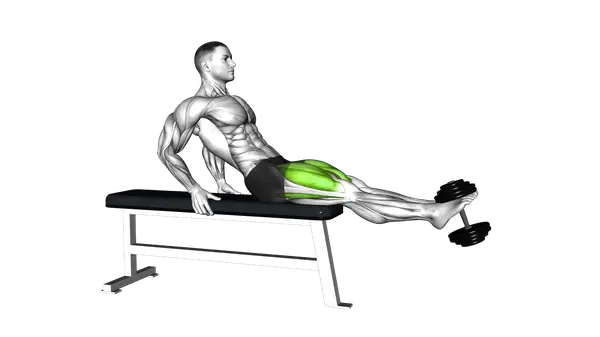
Dumbbell Sitting Leg Extension

Dumbbell Sitting Leg Extension

The dumbbell sitting leg extension offers an effective intermediate-level exercise for bodybuilding enthusiasts looking to isolate and strengthen their quadriceps without requiring access to a leg extension machine. This versatile movement creates dedicated tension across the four muscles of the quadriceps group: the rectus femoris, vastus lateralis, vastus medialis, and vastus intermedius. When incorporated into a comprehensive lower body routine, this exercise can be particularly valuable for developing balanced leg strength and enhancing aesthetic quad development. Unlike many compound movements that distribute tension across multiple muscle groups, the dumbbell sitting leg extension focuses primarily on the quads, making it an excellent choice for bodybuilders seeking targeted hypertrophy. The exercise allows for unilateral training, enabling lifters to address potential strength imbalances between legs while ensuring symmetrical development. For strength athletes, this movement serves as valuable accessory work that can improve knee stability and enhance performance in primary lifts like squats. The beauty of this exercise lies in its accessibility and adaptability. By simply adjusting the weight of the dumbbell, athletes can progress methodically as their strength improves. Many intermediate lifters find this variation particularly useful when traveling or training in facilities with limited equipment. The controlled nature of the movement also allows for concentrated mind-muscle connection, a critical component for maximizing hypertrophy in bodybuilding-focused training programs. For optimal results, many strength coaches recommend incorporating dumbbell sitting leg extensions later in your workout after compound movements like squats or leg presses. This sequencing allows you to pre-fatigue the larger muscle groups before isolating the quadriceps. When programmed appropriately with progressive overload principles, this exercise can significantly contribute to both aesthetic quad development and functional lower body strength, making it a valuable addition to any intermediate lifter's training arsenal.

Strength
Bodybuilding
Dumbbell
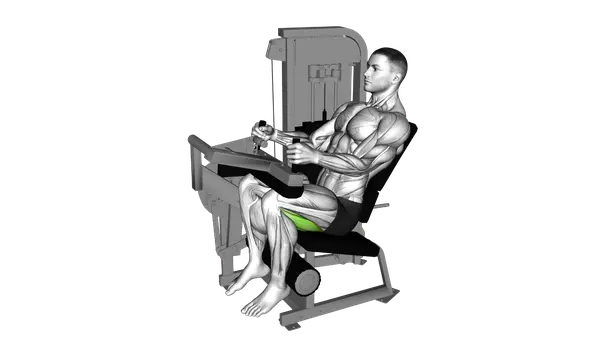
Lever Seated Leg Curl

Lever Seated Leg Curl

The Lever Seated Leg Curl stands as a cornerstone hamstring isolation exercise in any comprehensive lower body training program. This machine-based movement targets the hamstring muscle group with remarkable precision, making it particularly valuable for both bodybuilders seeking aesthetic development and strength athletes looking to bolster posterior chain power. Unlike free-weight hamstring exercises that often recruit multiple muscle groups, the seated variation allows for focused tension on the hamstrings throughout the entire range of motion. The fixed position and controlled movement pattern make this an intermediate-level exercise that offers significant benefits while minimizing risk when performed with proper form and appropriate weight selection. For bodybuilding enthusiasts, the Lever Seated Leg Curl provides the isolated tension necessary for sculpting defined hamstrings with clear separation – a must for competitive physique athletes. The machine's design allows for constant tension even at the peak contracted position, creating the metabolic stress and mechanical tension required for optimal muscle hypertrophy. From a strength perspective, developing the hamstrings through this exercise contributes to improved posterior chain function, potentially enhancing performance in deadlifts, squats, and athletic movements requiring explosive hip extension. Strong, well-developed hamstrings also help maintain knee joint integrity and create balanced lower body strength, reducing injury potential during other training activities. The Lever Seated Leg Curl can be particularly beneficial when incorporated into a program using various rep ranges – higher repetitions (10-15) for metabolic stress and muscle endurance, or moderate repetitions (6-10) with heavier loads for strength development. For optimal results, many experienced trainers recommend performing this exercise after compound movements like squats or deadlifts, when the hamstrings are already activated but not completely fatigued. Consistent integration of this effective hamstring developer into your training regimen can contribute significantly to both the aesthetic and functional development of your lower body, supporting overall athletic performance and physique enhancement goals.

Strength
Bodybuilding
Machine
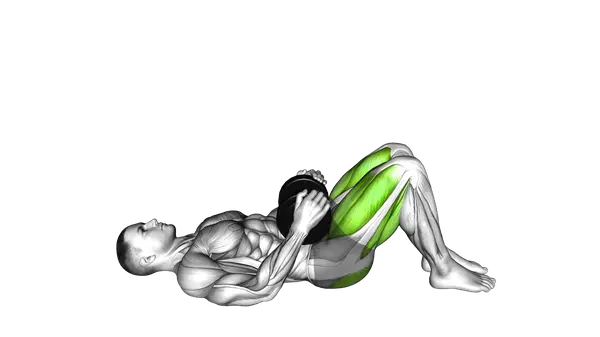
Dumbbell Glute Bridge

Dumbbell Glute Bridge

The Dumbbell Glute Bridge is a fantastic beginner-friendly exercise that primarily targets your glutes while also engaging your hamstrings. This accessible movement requires minimal equipment yet delivers maximum results for anyone looking to strengthen their posterior chain. This exercise serves multiple purposes in your fitness journey. For bodybuilders, it helps develop the aesthetic rounded shape of the glutes that's highly sought after on stage. During recovery phases, the controlled nature of the movement allows for blood flow to the area without excessive strain. As a warm-up exercise, it activates these powerful muscles before more demanding workouts, potentially reducing injury risk during heavier training. What makes the Dumbbell Glute Bridge particularly effective is how it isolates the glute muscles through a full range of motion while providing adjustable resistance. By placing a dumbbell across your hips, you can progressively overload the muscles as they adapt and grow stronger. The exercise creates significant time under tension in the fully contracted position, which research suggests is optimal for muscle development. The beauty of this movement lies in its versatility. You can perform it anywhere with minimal space requirements—at home, in a hotel room, or at the gym. For beginners, it offers a safe way to develop foundational strength in the posterior chain, which translates to improved performance in compound movements like squats and deadlifts. Regular incorporation of Dumbbell Glute Bridges into your routine can address common muscular imbalances caused by prolonged sitting, potentially alleviating lower back discomfort and improving posture. The exercise also engages your core stabilizers as they work to maintain proper pelvic positioning throughout the movement. For optimal results, focus on the mind-muscle connection rather than simply moving weight. The sensation of your glutes powering the movement is far more important than the amount of resistance used, especially when first mastering this effective strength-building exercise.

Strength
Bodybuilding
Recovery
+1
Dumbbell
Bodyweight Full Squat With Overhead Press

Bodyweight Full Squat With Overhead Press

The Bodyweight Full Squat With Overhead Press combines lower body power with upper body pushing strength in one fluid movement, creating an efficient full-body exercise that elevates your heart rate while building functional strength. This intermediate-level compound movement simultaneously targets your quadriceps, glutes, and front deltoids, making it perfect for those looking to maximize their workout efficiency. This versatile exercise fits seamlessly into various training methodologies including HIIT circuits, bodybuilding routines, and CrossFit workouts. The dynamic nature of combining a squat with an overhead press creates a cardiovascular demand that burns calories while developing both strength and muscular endurance throughout your entire body. What makes this movement particularly valuable is how it mimics everyday functional patterns: the kind of integrated movement you might use when lifting objects from the ground and placing them on a high shelf. By training these movement patterns together, you're enhancing your body's natural coordination systems while developing practical strength that translates to daily activities. The full squat component engages your entire lower body kinetic chain, activating the quadriceps as primary movers while recruiting the glutes, hamstrings, and core stabilizers. Meanwhile, the overhead press portion develops shoulder strength and stability, particularly in the anterior deltoids, while engaging your triceps and upper back muscles as synergists. For those focused on metabolic conditioning, this exercise delivers impressive results by recruiting large muscle groups simultaneously, significantly elevating oxygen consumption and caloric expenditure. The compound nature makes it particularly effective for those with limited workout time who need maximum benefits from minimal exercises. Regular incorporation of the Bodyweight Full Squat With Overhead Press can lead to improved posture, enhanced core strength, better overhead mobility, and increased lower body power—all critical components for athletic performance and daily function. Whether you're focused on building strength, enhancing endurance, or improving overall fitness, this exercise delivers comprehensive benefits in a single, efficient movement.

Strength
Endurance
HIIT
Bodybuilding
+1
Bodyweight exercises