Cable
Pick your muscle groups
Cable Bar Lateral Pulldown
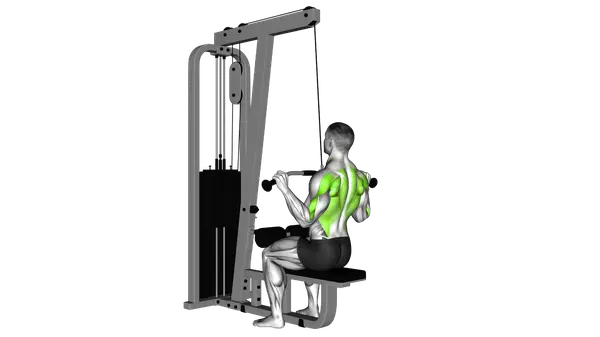
The Cable Bar Lateral Pulldown stands as a stellar compound movement that powerfully engages the latissimus dorsi (lats) while simultaneously recruiting the side deltoids for stability and assistance. This intermediate-level exercise has earned its place in both bodybuilding and strength training regimens due to its effectiveness in developing a wider, more imposing back silhouette while enhancing upper body pulling strength. What distinguishes the Cable Bar Lateral Pulldown from standard pulldowns is the emphasis on lateral engagement. The motion creates exceptional tension across the entire back, particularly targeting the outer lats that contribute to that coveted V-taper physique that bodybuilders prize. The side deltoids work as crucial synergists throughout the movement, receiving significant stimulation that promotes balanced shoulder development. For strength enthusiasts, this exercise delivers impressive functional benefits. The unilateral nature of the movement helps identify and correct muscular imbalances between the left and right sides of the body. Additionally, the core stabilization required throughout the exercise translates to improved performance in other compound lifts like deadlifts and rows. From a bodybuilding perspective, the Cable Bar Lateral Pulldown creates unique mechanical tension through its range of motion, stimulating muscle fibers that might not be fully activated during traditional pulldown variations. This makes it particularly valuable during hypertrophy-focused training phases when development of the outer lats becomes a priority. Progressive overload principles apply beautifully to this exercise, allowing for systematic strength development as your neuromuscular efficiency improves. Many experienced lifters find they can handle surprisingly heavy loads with proper form, making this an excellent exercise for building both show and go – the aesthetic width bodybuilders seek alongside the functional strength that carries over to athletic performance. When programmed strategically within a well-designed training split, the Cable Bar Lateral Pulldown delivers remarkable development to the upper back region while contributing to that balanced, powerful physique that represents the hallmark of intelligent resistance training.
Cable Curl
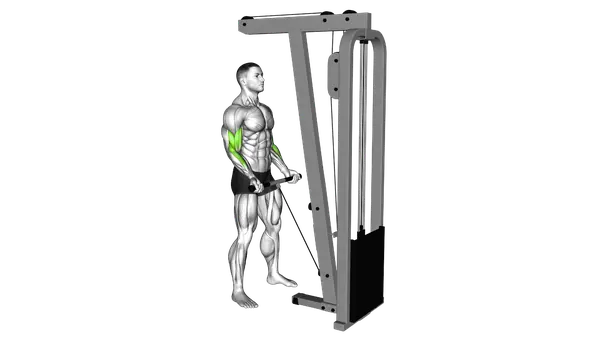
The cable curl stands as a cornerstone biceps exercise in any serious bodybuilding or strength training program. This intermediate-level movement offers unique advantages that traditional free-weight curls simply can't match. The constant tension provided by the cable machine keeps your biceps engaged throughout the entire range of motion, eliminating those rest points that occur at the top and bottom of dumbbell or barbell curls. When incorporated into a well-designed upper body routine, cable curls deliver that coveted muscle pump while contributing significantly to biceps hypertrophy. The exercise targets the entire biceps brachii, with secondary activation of the brachialis and brachioradialis, making it an efficient choice for those seeking balanced arm development. Strength athletes particularly appreciate how cable curls allow for precise loading that can be adjusted in smaller increments than plate-loaded options. For intermediate lifters looking to break through plateaus, cable curls provide the perfect blend of stability and challenge. The predictable resistance pattern makes this an excellent exercise for focusing on mind-muscle connection, a crucial element for bodybuilders seeking to maximize muscle engagement. Many seasoned trainers recommend cable curls as a finisher after heavier compound movements have pre-exhausted the arms. The versatility of cable curls extends to their programming potential. They work exceptionally well in traditional hypertrophy protocols (3-4 sets of 8-12 reps), but also shine in higher-volume approaches or drop sets that push the biceps to their limits. For strength-focused individuals, heavier loads with lower repetitions can effectively build the biceps' peak strength while maintaining joint health due to the smoother resistance curve compared to free weights. Whether you're prioritizing aesthetic development or functional strength, cable curls deserve a permanent place in your arm training arsenal. Their combination of constant tension, customizable resistance, and excellent isolation makes them an irreplaceable tool for anyone serious about developing impressive biceps.
Cable Donkey Kickback
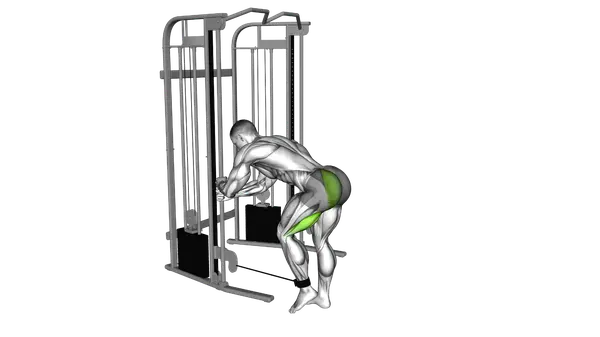
The Cable Donkey Kickback stands as a powerhouse movement for those looking to build impressive lower body strength and definition. This intermediate-level exercise primarily targets the glutes and hamstrings, making it an excellent addition to both bodybuilding routines and high-intensity interval training programs. When incorporated into a consistent training regimen, the Cable Donkey Kickback helps develop functional strength while sculpting those posterior muscles that contribute to an athletic physique. The resistance provided by the cable system creates constant tension throughout the movement, which is something free weights simply cannot replicate with the same efficiency. Many fitness enthusiasts gravitate toward this exercise after mastering basic glute movements, as it allows for precise isolation and progressive overload. The controlled nature of the Cable Donkey Kickback makes it particularly effective for hypertrophy goals, while the dynamic movement pattern can elevate heart rate when performed with minimal rest periods during HIIT sessions. What sets this exercise apart is its versatility across training objectives. Bodybuilders appreciate how it can be used to refine muscle symmetry and address imbalances between the left and right sides. Meanwhile, those focused on strength development benefit from the stability challenges and the opportunity to strengthen the posterior chain in a biomechanically advantageous position. The Cable Donkey Kickback also offers scalability through adjustable resistance, making it suitable for various phases of a periodized training program. As you progress, increasing the weight challenges your glutes and hamstrings to adapt and grow stronger, while maintaining strict form remains crucial for optimal results and injury prevention. For anyone serious about developing lower body strength, enhanced athletic performance, or aesthetic improvements to their physique, the Cable Donkey Kickback delivers exceptional value as a targeted exercise that effectively bridges the gap between foundational movements and advanced training techniques.
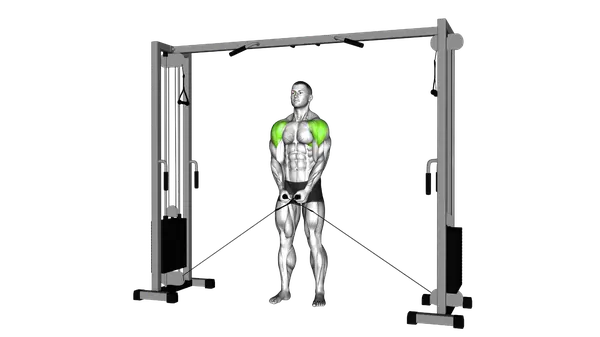
Cable Front Raise
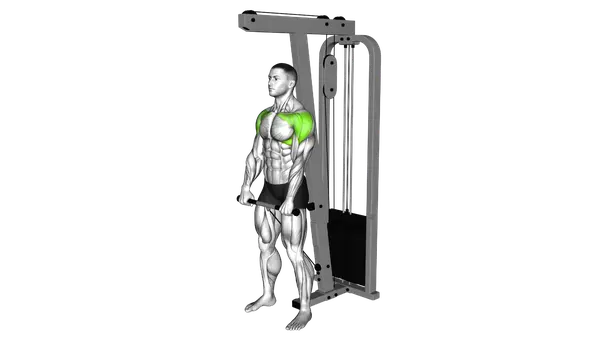
The Cable Front Raise stands as a stellar isolation movement targeting the anterior deltoids, offering bodybuilders and strength enthusiasts alike a powerful tool for sculpting impressive front shoulder development. This intermediate-level exercise delivers remarkable muscle activation through constant tension, setting it apart from traditional dumbbell variations where resistance fluctuates throughout the movement pattern. When incorporated strategically into your training regimen, the Cable Front Raise can effectively bridge the gap between basic and advanced shoulder development, particularly beneficial for those seeking balanced deltoid aesthetics or addressing front delt weaknesses. The cable mechanism creates a unique resistance profile that many bodybuilders find superior for achieving that coveted shoulder cap definition and separation. Strength athletes equally benefit from this movement as it reinforces shoulder stability and power needed for pressing movements. By strengthening the anterior deltoid complex through isolated work, lifters often report improvements in their bench press, overhead press, and other compound pushing exercises. The controlled nature of the cable system also provides an element of safety while still allowing for progressive overload principles to be applied effectively. From a bodybuilding perspective, the Cable Front Raise delivers exceptional muscle fiber recruitment when performed with proper form and appropriate weight selection. The exercise creates remarkable time under tension—a crucial factor for hypertrophy—allowing intermediate lifters to stimulate growth through focused effort rather than excessive loading. This makes it particularly valuable during specialization phases or when implementing pre-exhaust techniques in shoulder-focused training sessions. Whether your goal centers on competitive bodybuilding aesthetics or functional strength development, the Cable Front Raise deserves consideration in your shoulder training arsenal. Its versatility allows for integration into various program structures, from high-volume hypertrophy work to more moderate rep schemes focused on strength-endurance of the anterior deltoids. When programmed intelligently alongside pressing movements and lateral raises, it contributes significantly to comprehensive shoulder development that balances both form and function.
Cable Kneeling Crunch
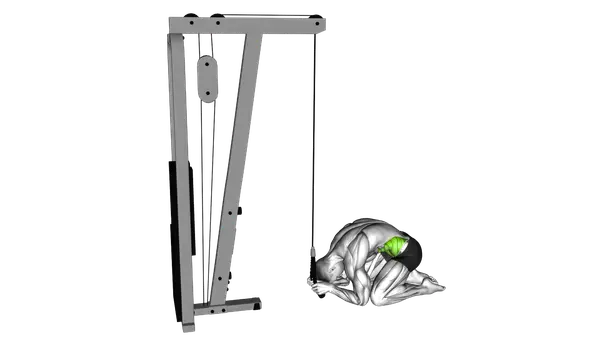
The Cable Kneeling Crunch stands as a stellar intermediate-level exercise that targets the abdominal muscles with remarkable precision. Unlike traditional crunches that rely solely on body weight, this variation incorporates cable resistance to intensify the challenge and maximize muscle activation throughout the core region. This exercise has gained popularity among fitness enthusiasts who have mastered basic ab movements and seek to progress their core development to the next level. Primarily focusing on the rectus abdominis (the "six-pack" muscles), the Cable Kneeling Crunch also engages the obliques and transverse abdominis for comprehensive core development. The beauty of this movement lies in its ability to maintain constant tension on the abdominal muscles throughout the entire range of motion—something traditional crunches often fail to achieve. The cable provides consistent resistance in both the contraction and extension phases, forcing your abs to work harder with each repetition. For bodybuilders, the Cable Kneeling Crunch serves as an excellent sculpting tool for creating definition in the midsection. The adjustable resistance allows for progressive overload—a fundamental principle in muscle hypertrophy. By gradually increasing the weight, bodybuilders can continue challenging their abs for continued growth and definition, making this an essential component of any physique-focused training regimen. Within High-Intensity Interval Training (HIIT) circuits, the Cable Kneeling Crunch adds a powerful core component that elevates heart rate while building abdominal strength. When performed with minimal rest between sets or as part of a larger circuit, this exercise contributes significantly to both strength development and cardiovascular conditioning, offering an efficient two-for-one training stimulus. Beyond aesthetic benefits, this exercise contributes to functional core strength that transfers to everyday activities and athletic performance. The kneeling position promotes proper spinal alignment and teaches abdominal bracing—a crucial skill for both performance and injury prevention. The isolated nature of the movement enhances mind-muscle connection, allowing for more effective core engagement across all physical activities.
Built for Progress
Take the Guesswork
Out of Training
Create personalized AI-powered workout plans that evolve with you. Train smarter, track every rep and keep moving forward.
Cable Lateral Raise
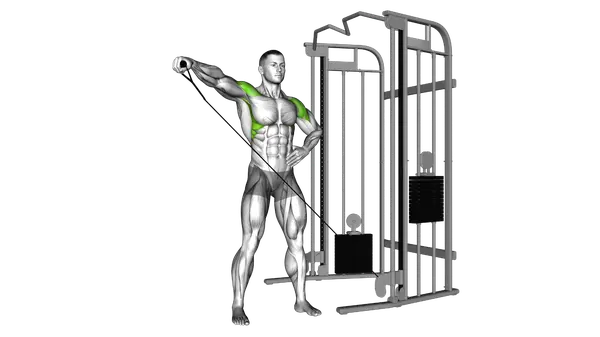
The Cable Lateral Raise stands as a cornerstone intermediate movement for anyone serious about sculpting defined, powerful shoulders. This exercise primarily targets the side deltoids, with significant engagement of the front deltoids as well, making it an efficient compound movement for upper body development. For bodybuilding enthusiasts, the Cable Lateral Raise offers distinct advantages over its free-weight counterpart. The constant tension provided by the cable mechanism creates a unique stimulus throughout the entire range of motion, particularly at the bottom position where dumbbells typically allow tension to dissipate. This continuous resistance pattern promotes greater time under tension—a critical factor for hypertrophy and muscle growth in the deltoid region. Strength athletes appreciate this movement for its ability to address shoulder stability and balance, which translates to improved performance in pressing movements like bench press and overhead press. The cable's resistance path also helps correct common imbalances between the dominant and non-dominant sides, as each arm must work independently against the same resistance profile. What separates elite physiques from average ones is often shoulder development, and the Cable Lateral Raise specifically emphasizes the lateral head of the deltoid—the muscle that creates that coveted shoulder width and upper body V-taper. When properly integrated into a training program, this exercise contributes significantly to that three-dimensional shoulder appearance prized in competitive bodybuilding. From a physiological perspective, the side deltoids respond particularly well to controlled, moderate-weight movements with proper form rather than excessive loading. This makes the Cable Lateral Raise ideal for hypertrophy-focused training, allowing for precision in muscle targeting without the joint stress associated with heavier overhead pressing movements. For optimal results, many experienced lifters incorporate this exercise later in shoulder workouts after compound movements have pre-exhausted the larger muscle groups, maximizing the isolation effect on the deltoids when muscle fibers are most receptive to targeted stimulation.
Cable Leaning Lateral Raise
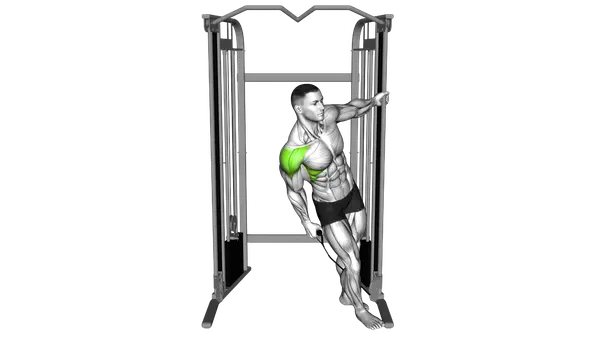
The Cable Leaning Lateral Raise stands as a stellar intermediate-level movement for bodybuilders and strength enthusiasts looking to sculpt impressive shoulders. This exercise primarily targets the side delts while also engaging the front deltoids, creating that coveted shoulder width and definition that transforms an ordinary physique into an extraordinary one. What makes this variation particularly effective is the constant tension provided by the cable mechanism. Unlike traditional dumbbell lateral raises where tension decreases at certain points in the range of motion, cables maintain consistent resistance throughout the entire movement, forcing your deltoids to work harder from start to finish. For bodybuilders seeking that detailed shoulder separation and cap-like appearance to the deltoids, the leaning aspect of this exercise creates a unique angle of resistance that can help break through plateaus when standard lateral raises no longer produce results. The slight forward lean removes some of the potential for momentum and body English that often creeps into standing variations. Strength-focused lifters will appreciate how this exercise builds stabilizing strength throughout the shoulder complex. The unilateral nature of the movement reveals and addresses imbalances between your dominant and non-dominant sides – a crucial factor for overall shoulder health and performance in pressing movements. When incorporated into your training split, consider placing this exercise after your heavy compound pressing movements but before smaller isolation work. This strategic positioning allows you to hit your side delts with significant intensity while they're still fresh enough to handle challenging loads, but after you've warmed up the shoulder complex with bigger movements. For optimal shoulder development, most trainees find success with moderate rep ranges of 10-15 repetitions per set, focusing on quality contractions rather than excessive weight that compromises form. Remember that shoulder hypertrophy often responds better to proper execution than sheer loading: a principle that makes the Cable Leaning Lateral Raise particularly valuable in your shoulder training arsenal.
Cable Low to High Cable Fly
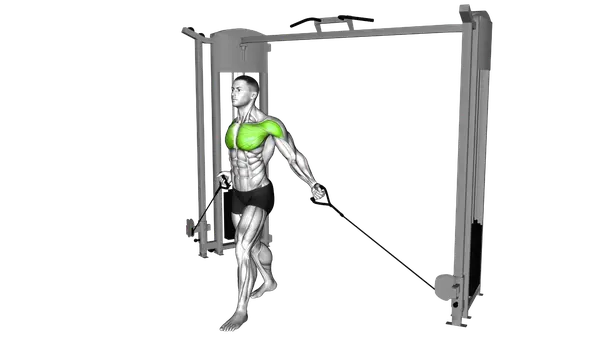
The Cable Low to High Fly is an effective chest exercise that helps build strength and shape in your upper body. It mainly targets the chest muscles, with extra activation in the front of the shoulders. Because multiple muscles work together during the movement, it’s a smart choice for developing overall upper-body strength and control. Unlike traditional flat bench chest flies, the low-to-high angle creates unique muscle activation patterns across the pecs, particularly emphasizing the upper and inner portions. This trajectory mimics the natural movement pattern of bringing your arms together against resistance, which makes it biomechanically sound for most physiques and shoulder structures. For bodybuilding enthusiasts, this exercise offers exceptional value in creating that sought-after chest separation and definition. The constant tension provided by the cables throughout the entire range of motion stimulates both fast and slow-twitch muscle fibers, promoting balanced development and improved mind-muscle connection in the chest region. While primarily considered a hypertrophy exercise, the Cable Low to High Fly contributes significantly to functional strength development. The stabilization required throughout the movement engages core musculature and improves shoulder joint integrity, translating to enhanced performance in pressing movements like bench press and push-ups. Program this exercise strategically in your training split: it works excellently as a finisher after heavy compound movements when the chest fibers are already fatigued. Alternatively, use it as a pre-exhaust technique before pressing exercises to maximize pectoral recruitment. Many advanced lifters also incorporate it into superset protocols to amplify training density and metabolic stress. The beauty of cable exercises lies in their adjustability. As your strength increases, simple weight progression allows continued challenge without the awkward jumps sometimes experienced with dumbbell alternatives. This makes the Cable Low to High Fly an excellent choice for consistent progression in your chest development journey, regardless of whether you're training primarily for aesthetics or functional strength.
Cable One Arm Lateral Raise
The Cable One Arm Lateral Raise stands as a premier isolation movement for developing impressive side deltoid definition. This unilateral exercise employs constant tension through the cable mechanism, creating a unique resistance profile that free weights simply cannot match. By working one arm at a time, you can identify and address strength imbalances while giving each shoulder the dedicated attention it deserves. This exercise primarily targets the lateral deltoid head, the muscle responsible for that coveted shoulder width and the rounded cap appearance at the top of your arm. While the anterior (front) and posterior (rear) deltoid heads receive secondary engagement, the lateral head bears the brunt of the workload. This focused tension makes the Cable One Arm Lateral Raise exceptionally effective for those seeking to emphasize their shoulder silhouette. Bodybuilders have long embraced this movement for its ability to isolate and sculpt the side deltoids with precision. The constant tension provided by the cable creates an exceptional pump and metabolic stress, two key factors in hypertrophy (muscle growth). The exercise allows for controlled eccentric (lowering) phases and peak contractions at the top of each rep – elements that are fundamental to the bodybuilding approach of maximizing muscle development through controlled time under tension. While not overly complex in execution, the Cable One Arm Lateral Raise requires sufficient shoulder stability and body awareness to perform correctly. Intermediate lifters will appreciate how this movement builds upon foundational shoulder training while introducing the benefits of unilateral work and constant tension. The exercise demands proper mind-muscle connection to avoid compensatory movements that could reduce effectiveness or increase injury risk. Though primarily known as a hypertrophy exercise, consistent training with the Cable One Arm Lateral Raise contributes to functional shoulder strength. The improved lateral deltoid development translates to greater shoulder stability and strength in pressing movements while enhancing overall upper body capability in daily activities.
Cable Overhead Triceps Extension
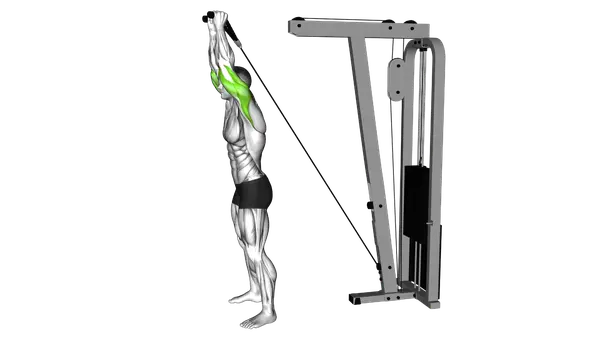
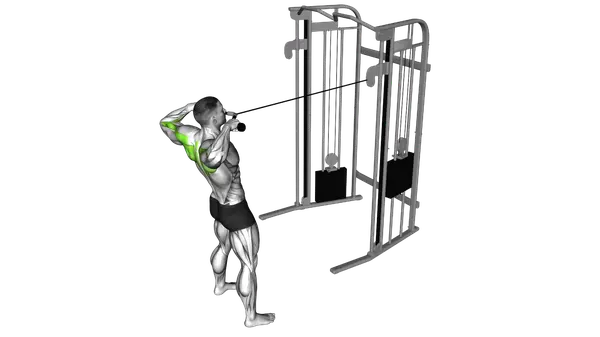
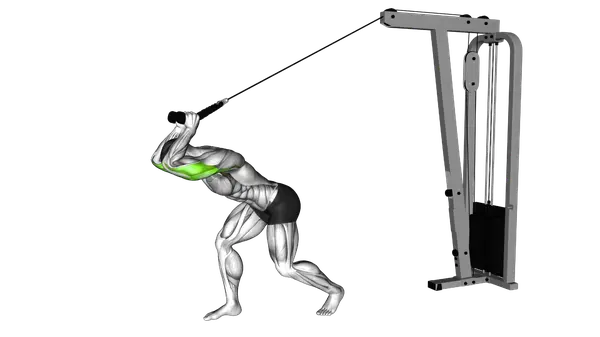
The Cable Overhead Triceps Extension stands as a cornerstone movement for anyone serious about developing impressive triceps definition and functional pushing strength. This intermediate exercise targets the often-neglected long head of the triceps muscle, which contributes significantly to that coveted horseshoe appearance when properly developed. Unlike some isolation movements, this exercise allows for consistent tension throughout the range of motion, making it particularly effective for bodybuilders seeking that detailed separation between muscle groups. The cable mechanism provides steady resistance that free weights simply can't match, challenging your triceps from a fully stretched position to complete contraction. For strength enthusiasts, regular implementation of this movement can translate to improved performance in compound pushing exercises like bench press and military press. The stability demands of the overhead position also engage your core and shoulders as secondary stabilizers, creating a more integrated strength development approach while maintaining primary focus on the triceps. When incorporated into a well-designed upper body routine, this exercise serves as an excellent finisher after heavier compound movements have pre-exhausted the larger muscle groups. Bodybuilders particularly appreciate how the exercise allows for precise control over the contraction and peak tension points, enabling that crucial mind-muscle connection that drives hypertrophy. Many intermediate lifters find this movement bridges the gap between basic triceps work and more advanced techniques. The exercise responds well to various repetition schemes—whether you're pursuing the pump with higher reps or focusing on strength development with more moderate loading patterns. What makes the Cable Overhead Triceps Extension particularly valuable in a strength program is its ability to strengthen the triceps in a position that mimics overhead pressing motions. This carryover effect can help break through plateaus in military press and other overhead movements where triceps strength often becomes the limiting factor.
Cable Pull Through
The Cable Pull Through stands as an exceptional posterior chain developer, targeting your glutes and hamstrings with remarkable efficiency. This intermediate-level movement delivers impressive results for both bodybuilding enthusiasts seeking muscle development and those incorporating high-intensity interval training into their regimens. What makes this exercise particularly valuable is how it effectively strengthens these key muscle groups while maintaining a hip-hinge pattern that minimizes stress on the lower back. Unlike many glute-focused exercises, the Cable Pull Through creates constant tension throughout the movement pattern, forcing your posterior chain to work continuously against resistance. This time-under-tension aspect makes it particularly effective for hypertrophy goals when incorporated into bodybuilding programs. The exercise allows for progressive overload while maintaining proper form, making it suitable for those who've mastered basic hip hinge movements and are ready for more challenging variations. When integrated into HIIT circuits, the Cable Pull Through elevates heart rate while simultaneously building strength in these powerful lower body muscles. The glutes, being the largest muscle group in the body, respond exceptionally well to this movement, leading to improved athletic performance across various activities. Meanwhile, the hamstrings receive comprehensive stimulation, enhancing both their strength and resilience against potential injuries. Regular incorporation of this exercise contributes significantly to developing balanced lower body strength. The movement pattern translates well to everyday activities and sports performance, making it functional beyond aesthetic benefits. Many fitness enthusiasts find that strengthening these posterior chain muscles through Cable Pull Throughs improves their deadlift performance, sprint capability, and overall power generation. For those seeking to diversify their glute and hamstring training beyond traditional squats and deadlifts, the Cable Pull Through offers a joint-friendly alternative that doesn't sacrifice effectiveness. Its adaptability makes it suitable for various training phases, whether you're focusing on strength building, hypertrophy, or maintaining muscle during a cutting phase.
Cable Standing Face Pull (With Rope)
The Cable Standing Face Pull with Rope is an exceptional compound movement that deserves a place in any well-rounded fitness regimen. This intermediate-level exercise primarily targets the rear deltoids and trapezius muscles, making it invaluable for anyone seeking balanced shoulder development or addressing the common forward-shoulder posture that plagues many desk workers. Unlike exercises that focus on the more visible front and side deltoids, face pulls specifically strengthen the posterior shoulder region, which is crucial for proper posture and shoulder health. The rope attachment provides a unique advantage, allowing for external rotation at the end of the movement that activates stabilizing muscles often neglected in conventional training. For bodybuilders, face pulls offer that coveted 3D shoulder look by developing the rear deltoids, which create the illusion of wider shoulders when viewed from multiple angles. This exercise also serves as an excellent recovery tool for athletes who perform a lot of pressing movements, as it helps balance muscle development and can alleviate potential shoulder issues caused by training imbalances. From a strength perspective, face pulls contribute to overall upper body performance by reinforcing the posterior chain. Strong rear delts and traps transfer power more effectively during compound movements like deadlifts, rows, and even bench presses. The stability gained from regular face pull training can help prevent injuries and enhance performance across various athletic endeavors. What makes the cable standing face pull particularly effective is the constant tension provided by the cable machine throughout the entire range of motion. This continuous resistance ensures that the targeted muscles are engaged from start to finish, maximizing time under tension—a key factor for muscle development. Many strength coaches consider face pulls not just an accessory exercise but a fundamental movement for shoulder health and performance. When incorporated consistently into your training routine, the cable standing face pull with rope can transform not only your physique but also your functional strength and posture, making it one of the most underrated yet beneficial exercises in the fitness arsenal.
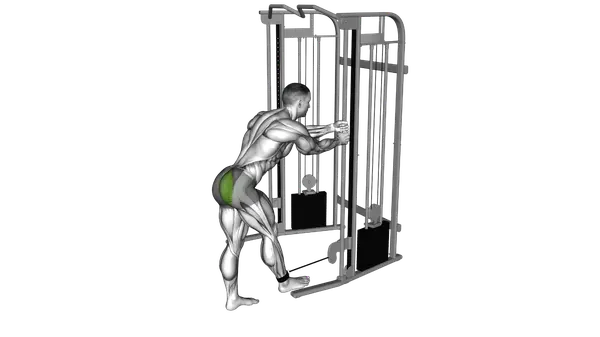
Cable Standing Hip Extension
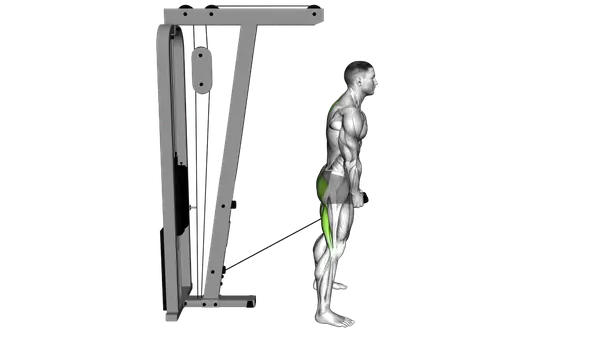
Cable Standing Hip Extension is a targeted lower body exercise that belongs in the arsenal of any fitness enthusiast looking to build stronger, more defined glutes and hamstrings. This intermediate-level movement has gained popularity in both bodybuilding circles and HIIT programs for its effectiveness at isolating the posterior chain while minimizing stress on the lower back. When incorporated into a consistent training regimen, this exercise helps develop impressive strength in the hip extensors: the powerful muscle groups responsible for propelling your body forward when walking, running, or jumping. The continuous tension provided by the cable mechanism creates a unique resistance profile that free weights simply cannot match, challenging your muscles throughout the entire range of motion. The beauty of the Cable Standing Hip Extension lies in its versatility. Bodybuilders appreciate how it allows for precise muscle targeting and hypertrophy development, while HIIT enthusiasts value its ability to quickly elevate heart rate when performed with higher repetitions. This dual nature makes it equally valuable for aesthetic goals and functional fitness improvements. What sets this exercise apart is the stability challenge it presents. While primarily targeting the glutes and hamstrings, your core engages significantly to maintain proper positioning, turning it into a more comprehensive strength builder than many initially realize. This engagement of multiple muscle groups creates an efficient training stimulus that maximizes your time in the gym. For those concerned about progressive overload: a cornerstone principle of strength development, the Cable Standing Hip Extension offers straightforward advancement paths. By gradually increasing resistance, adjusting stance, or manipulating rep schemes, you can continue challenging these powerful muscles for months and years to come, preventing the plateaus that often plague fitness journeys.
Cable Standing Up Straight Crossovers
Cable Standing Up Straight Crossovers combine targeted precision with functional strength development, making them an intermediate-level movement that's become a staple in chest training routines. This exercise primarily engages the pectoral muscles, with significant activation of the front deltoids as secondary movers. The beauty of this movement lies in its versatility—equally effective in bodybuilding protocols for muscle hypertrophy or incorporated into HIIT circuits for cardiovascular conditioning while building strength. What separates Cable Standing Up Straight Crossovers from other chest movements is the constant tension provided throughout the entire range of motion. Unlike free weights that rely on gravity's downward pull, the cables maintain resistance as you bring your arms together in front of your body, creating that intense peak contraction that serious lifters chase. This mechanical advantage makes it particularly effective at targeting the inner chest fibers that can be difficult to isolate with traditional pressing movements. The exercise's standing position engages your core stabilizers while the upward cable angle creates a unique resistance pattern that complements traditional horizontal pressing movements in your training arsenal. Many lifters find this exercise allows them to feel their chest working more intensely, developing that mind-muscle connection essential for maximizing growth. The cable's smooth resistance curve also makes this movement joint-friendly compared to some loaded pressing variations. For strength development, these crossovers can be programmed with heavier loads and lower repetitions, though most trainees find the sweet spot in the 8-12 rep range where both strength and hypertrophy adaptations occur simultaneously. The isolation nature of this movement makes it ideal as a finisher after compound pressing exercises when the pectoral fibers are pre-fatigued and primed for detailed sculpting work.
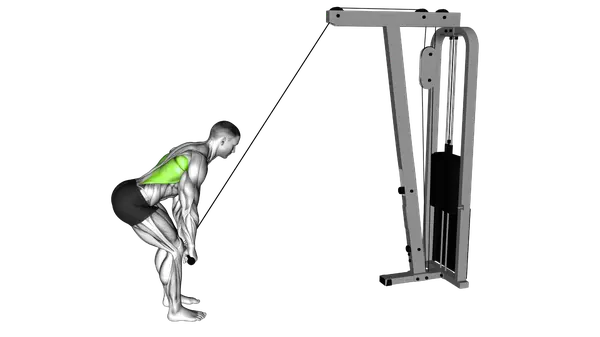
Cable Straight Arm Pulldown
The Cable Straight Arm Pulldown stands as a formidable intermediate exercise that predominantly targets the latissimus dorsi while engaging the triceps as secondary movers. This compound movement has earned its place in both bodybuilding regimens and high-intensity interval training protocols, offering impressive strength development benefits when performed correctly. What distinguishes the straight arm pulldown from other lat exercises is the constant tension maintained throughout the movement. By keeping the arms straight, you effectively remove much of the biceps' contribution, forcing your lats to handle the majority of the workload. This isolation characteristic makes it particularly valuable for bodybuilders seeking to enhance the width and detail of their back musculature. When incorporated into HIIT workouts, this exercise can significantly elevate heart rate while simultaneously building functional upper body strength. The controlled nature of the movement allows for various tempos and resistance levels, making it adaptable to different training phases and goals. Many athletes find this versatility particularly beneficial when transitioning between hypertrophy and strength-focused programming. From a strength development perspective, the straight arm pulldown offers unique advantages. The exercise trains the lats through a different angle and resistance curve than pull-ups or rows, creating more comprehensive development. Additionally, the movement pattern reinforces proper shoulder positioning and scapular control, translating to improved performance in other pressing and pulling movements. For those dealing with limited equipment, the cable straight arm pulldown provides exceptional value, as it delivers intense lat stimulation without requiring the full-body coordination of movements like pull-ups. This makes it an excellent option for fatigued athletes or those looking to add additional back volume without overtaxing their recovery systems. The exercise serves equally well as a primary movement for lat development or as a finisher to fully exhaust the muscles after heavier pulling work.
High Pulley Overhead Tricep Extension
The High Pulley Overhead Tricep Extension stands as a quintessential isolation movement for anyone serious about developing their triceps. This intermediate-level exercise has earned its place in countless bodybuilding and strength training programs due to its effectiveness at targeting the triceps brachii with remarkable precision. When you're looking to add definition and power to the back of your arms, this movement delivers consistent results by emphasizing the long head of the triceps—the largest portion of the muscle that significantly contributes to that coveted horseshoe appearance. The beauty of using the cable pulley system lies in the constant tension it provides throughout the entire range of motion, something free weights simply cannot replicate with the same efficiency. For intermediate lifters who have mastered basic tricep movements, the High Pulley Overhead Extension offers the perfect progression to continue challenging these muscles. The exercise excels at isolating the triceps while minimizing involvement from supporting muscle groups, making it particularly valuable for bodybuilders seeking targeted hypertrophy in their arm development strategy. Strength athletes benefit from this movement as well, as stronger triceps translate to improved performance in pressing movements like the bench press and overhead press. The overhead position specifically trains the triceps in a stretched state, which research suggests may optimize muscle growth and development of functional strength through a complete range of motion. While primarily known as a bodybuilding staple, this exercise bridges the gap between aesthetic-focused training and practical strength development. The controlled nature of the movement allows for focused mind-muscle connection—a critical component for maximizing growth stimulus in any resistance training program. Whether incorporated into an arm-specific training day or as a finishing movement in a push workout, the High Pulley Overhead Tricep Extension delivers exceptional value for intermediate lifters committed to building impressive, powerful arms.
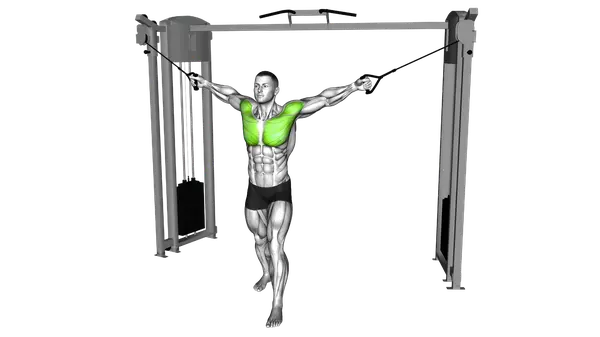
Middle Cable Chest Fly
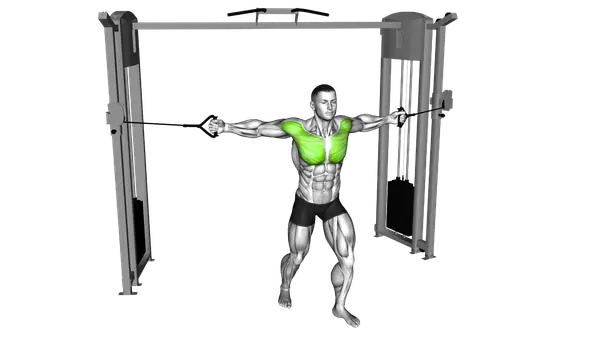
The Middle Cable Chest Fly stands as a stellar intermediate-level exercise that specifically targets the pectoral muscles while engaging the front deltoids as secondary movers. This movement has earned its place in countless bodybuilding and strength-focused routines due to its effectiveness at isolating the chest through a controlled horizontal adduction pattern. Unlike free weight alternatives, the cable machine provides consistent tension throughout the entire range of motion, making the middle chest fly particularly valuable for developing that coveted pec separation and definition. The constant resistance challenges the muscle fibers differently than traditional pressing movements, stimulating growth through increased time under tension: a key factor for hypertrophy-focused bodybuilding programs. For strength enthusiasts, the middle cable fly serves as an excellent accessory movement that addresses potential imbalances between the left and right sides of the chest. This bilateral balance is crucial for maximizing performance in compound pressing movements like the bench press. The isolation nature of this exercise allows you to strengthen the pectoral muscles without the limitation of other muscle groups failing first. What makes this exercise especially valuable for intermediate lifters is its scalability. As your strength progresses, you can easily adjust the resistance to continue challenging the muscles appropriately. This progression capability makes it a staple in periodized training programs designed to build both aesthetic chest development and functional pushing strength. The middle cable fly's effectiveness comes from its ability to create maximal tension at the point where the pectoral muscles are fully contracted. This peak contraction, difficult to achieve with free weights due to the changing resistance curve, is precisely why bodybuilders rely on this movement to sculpt a well-defined chest shelf that stands out on stage or at the beach.
Rope Tricep Extension
The Rope Tricep Extension stands as one of the most effective isolation exercises for developing impressive triceps definition and strength. This intermediate-level movement has earned its place as a staple in bodybuilding routines for decades, targeting all three heads of the triceps brachii with particular emphasis on the medial and lateral heads. Unlike compound movements that distribute tension across multiple muscle groups, the Rope Tricep Extension creates focused stress directly on the triceps, making it ideal for those looking to add specific detail and size to the back of their arms. The use of a rope attachment provides a unique advantage by allowing natural wrist rotation throughout the movement, reducing unnatural stress on the joints while maximizing muscle fiber recruitment. For bodybuilders specifically, this exercise offers remarkable versatility within a training program. It can be positioned early in a workout for heavier loading when triceps are fresh, or saved for the finale to achieve that coveted muscle pump and metabolic stress necessary for hypertrophy. The exercise responds well to various rep ranges: lower reps with heavier weight for strength development, or higher rep schemes for muscular endurance and that skin-splitting pump. What makes the Rope Tricep Extension particularly valuable in a strength-building context is its ability to strengthen the lockout portion of pressing movements. Athletes who struggle with the final phase of bench presses or overhead presses often find that dedicated tricep work through extensions directly translates to improved performance in these compound lifts. While seemingly straightforward, mastering the mind-muscle connection with this movement transforms it from a simple accessory exercise into a powerful triceps developer. The adaptability of this exercise makes it suitable for training cycles focused on strength, hypertrophy, or even endurance, securing its position as a cornerstone movement for anyone serious about developing impressive, functional triceps.
Seated Cable Row
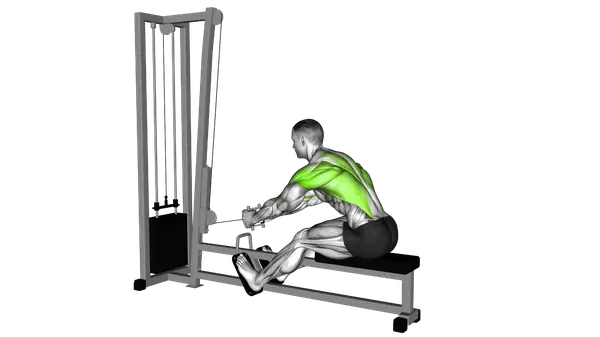
The Seated Cable Row stands as a cornerstone back exercise in strength training programs, offering impressive development potential for the entire posterior chain. This compound movement primarily targets the latissimus dorsi (lats), while significantly engaging the trapezius muscles (traps) and recruiting the biceps as secondary movers. Perfect for both bodybuilders seeking aesthetic development and powerlifters looking to enhance pulling strength, this exercise deserves its reputation as an intermediate-level movement that continues to deliver results even as you advance in your fitness journey. What makes the Seated Cable Row particularly valuable is its constant tension throughout the movement, something free weights simply cannot replicate. The cable mechanism ensures your muscles remain engaged at every point in the range of motion, creating an optimal environment for hypertrophy while establishing the mind-muscle connection that separates casual lifters from dedicated athletes. For strength enthusiasts, the exercise builds the essential posterior chain power necessary for deadlifts, barbell rows, and other fundamental compound movements. Many experienced lifters appreciate how the Seated Cable Row allows for training to near-failure without the safety concerns associated with free-weight alternatives. This makes it ideal for those intense training phases where maximum muscle fiber recruitment is the goal. The exercise also offers tremendous versatility through attachment options: from wide handles that emphasize the outer lats to V-handles that allow deeper contraction in the mid-back region. For optimal results, most strength coaches recommend incorporating this movement into your routine 1-2 times weekly, typically performing 3-4 sets in the 8-12 repetition range for hypertrophy or 4-6 sets of 4-6 reps for strength-focused training. As with any resistance exercise, progressive overload remains the key to continued development, so tracking your performance and gradually increasing the resistance will ensure your back development continues to advance. The Seated Cable Row truly represents one of those rare exercises that delivers both practical strength and aesthetic results.
Tricep Pushdown (Cable)
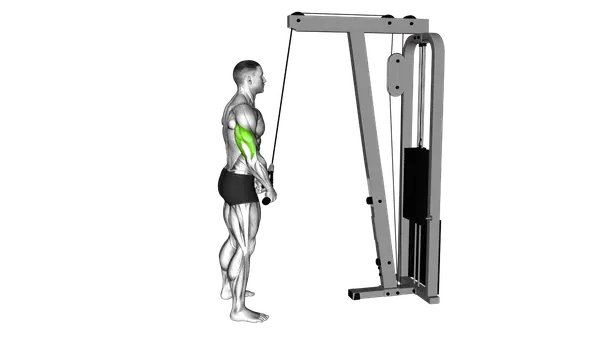
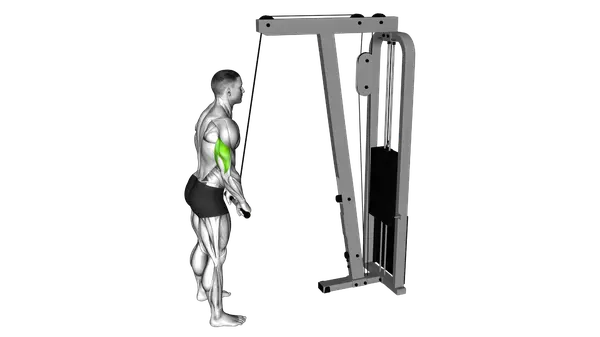
The Tricep Pushdown using a cable machine stands as a cornerstone exercise for anyone serious about developing impressive arm definition and functional upper body strength. This intermediate-level movement isolates the triceps brachii: the three-headed muscle that comprises roughly two-thirds of your upper arm mass: making it essential for both bodybuilding aesthetics and practical pushing power. When incorporated into a well-structured training program, the cable pushdown offers unique benefits that free-weight triceps exercises sometimes miss. The constant tension provided by the cable mechanism ensures your triceps remain engaged throughout the entire range of motion, creating that muscle-building stimulus that drives hypertrophy. Bodybuilders particularly value this exercise for its ability to sculpt detailed separation in the triceps, especially when preparing for competition where arm definition becomes critically important. From a strength development perspective, stronger triceps translate to improved performance in virtually all pressing movements: from bench presses to overhead presses and even push-ups. The stability and control required during cable pushdowns also help reinforce proper elbow joint mechanics, potentially reducing injury risk during more complex compound exercises that involve the triceps. For those focused on progressive overload, the cable station offers precise weight adjustments that allow for methodical strength increases over time. This precision makes it an ideal exercise for tracking performance improvements, whether you're adding weight, increasing repetitions, or enhancing your mind-muscle connection with this powerful arm developer. While seemingly straightforward, mastering the nuances of the tricep pushdown separates casual gym-goers from dedicated physique architects. The exercise rewards consistency and attention to execution rather than ego-driven heavy loads. When programmed intelligently: typically for sets of 8-15 repetitions, the cable pushdown becomes an indispensable component of any serious arm development strategy, helping to build the horseshoe-shaped triceps that exemplify a well-developed upper body.
Wide Grip Seated Cable Row
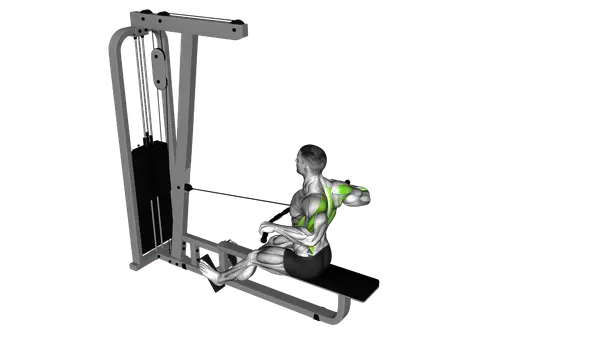
The Wide Grip Seated Cable Row stands as a cornerstone back exercise in the arsenal of intermediate fitness enthusiasts looking to develop impressive back width and thickness. This compound movement primarily targets the latissimus dorsi (lats) and trapezius muscles, creating that coveted V-taper physique that's essential for a balanced, aesthetic appearance in bodybuilding circles. Unlike its narrow grip counterpart, the wide grip variation places greater emphasis on the outer portions of your back, helping to create that wingspan effect that's so highly prized on competitive stages. The beauty of this exercise lies in its versatility: while powerfully building strength in your posterior chain, it simultaneously enhances muscle definition and contributes to overall back development that translates into both functional power and visual impact. For intermediate lifters navigating the path between beginner fundamentals and advanced techniques, this movement offers the perfect balance of challenge and accessibility. The constant tension provided by the cable mechanism ensures your back muscles remain engaged throughout the entire range of motion, a distinct advantage over free weight alternatives when hypertrophy is the primary goal. This continuous tension is particularly effective for bodybuilding purposes, where muscle fiber recruitment and time under tension drive results. Strength athletes also benefit tremendously from incorporating wide grip seated cable rows into their training regimen. The exercise reinforces proper scapular retraction and enhances postural strength, both critical components for those looking to improve performance in deadlifts, barbell rows, and even bench press stability. The controlled nature of the movement also makes it excellent for developing mind-muscle connection, that elusive skill that separates good lifters from great ones. Whether you're aiming to carve out an impressive back for the stage or build functional strength for athletic performance, the wide grip seated cable row deserves a prominent place in your training program. Its versatility, effectiveness, and scalability make it a timeless exercise that continues to deliver results for generations of dedicated lifters.