All Exercises

Resistance Band

Pick your muscle groups
Assisted Pull-Up

Assisted Pull-Up

The assisted pull-up is one of the most effective ways to build the strength and technique needed for full, unassisted pull-ups. By reducing the amount of body weight you need to lift, it allows you to focus on proper form and controlled movement while still activating the key pulling muscles: the latissimus dorsi, biceps, shoulders, and core. This makes it an ideal exercise for beginners, returning athletes, or anyone aiming to improve upper-body strength without overstraining the joints.Instead of replacing the pull-up, this variation provides a smart progression path. Using a resistance band or machine for assistance helps you perform the full range of motion with proper control, building both strength and confidence. As you progress, you can gradually reduce the assistance to move closer to performing bodyweight pull-ups on your own.The assisted pull-up also fits perfectly into circuit and strength-based workouts. In HIIT-style sessions, it complements pushing movements like push-ups or overhead presses by balancing upper-body development and improving muscular endurance. Because you can easily adjust the level of support, the exercise remains challenging but safe, even when fatigue sets in.Over time, consistent practice with assisted pull-ups improves grip strength, posture, and coordination while reinforcing the movement pattern needed for advanced pulling exercises. Its adaptability makes it suitable for every fitness level — from those learning their first pull-up to seasoned lifters refining their form. When performed correctly and progressively, the assisted pull-up proves that smart modifications don’t dilute results, they accelerate them.

Strength
Bodybuilding
HIIT
Machine (+1)
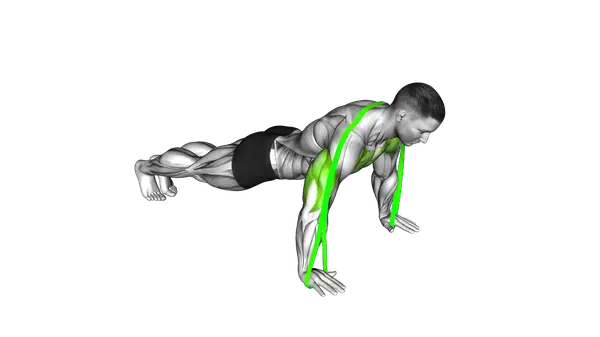
Band Resisted Push Up

Band Resisted Push Up

The Band Resisted Push Up represents a brilliant evolution of the classic push-up, offering enhanced resistance for those ready to challenge their upper body development beyond basic bodyweight training. This intermediate-level movement primarily targets the pectoral muscles while significantly engaging the triceps and anterior deltoids, creating a comprehensive upper body stimulus that's difficult to match with standard variations. What makes this exercise particularly valuable is its versatility across training methodologies. Whether you're incorporating it into high-intensity interval training for cardiovascular and muscular endurance benefits, using it as part of a dedicated bodybuilding routine to sculpt and define the chest, or even as an elevated warm-up to prime the pushing muscles before heavier work, the band resisted push-up delivers consistent results. The beauty lies in its simplicity combined with effectiveness. By adding elastic resistance to the traditional movement pattern, you create accommodating resistance that increases tension at the top of the movement: precisely when a standard push-up becomes easiest. This variable resistance profile helps overcome strength plateaus and stimulates new muscle growth through increased time under tension, particularly at the most challenging portion of the range of motion. For strength development specifically, the band resisted push-up excels by allowing progressive overload without changing your body position or form. As you adapt to the resistance, simply upgrading to thicker bands or adjusting band positioning creates new challenges for continued strength gains. This makes it an exceptional option for those training without access to traditional weight equipment or who prefer the joint-friendly nature of band resistance. The exercise embodies functional strength at its finest, developing pushing power that transfers to everyday activities while simultaneously building aesthetic chest development. The constant tension provided by the bands also enhances proprioception and stabilizer muscle recruitment, contributing to improved shoulder health and more balanced upper body development than machine-based alternatives.

Strength
HIIT
Bodybuilding
+1
Resistance Band
Banded Hip Thrusts

Banded Hip Thrusts

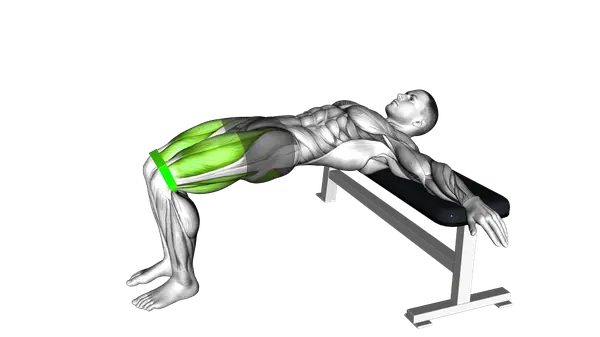
Banded Hip Thrusts stand as a powerful intermediate-level glute and hamstring developer that fitness enthusiasts across bodybuilding and HIIT communities have embraced for its strength-building potential. This variation adds variable resistance to the traditional hip thrust, creating maximum tension at the top of the movement where your glutes are fully contracted. The beauty of this exercise lies in its accessibility and remarkable effectiveness. By adding a resistance band, you challenge your posterior chain throughout the entire range of motion, particularly intensifying the stimulus when your hips reach full extension. This accommodating resistance pattern makes banded hip thrusts particularly valuable for athletes and lifters looking to break through plateaus in glute development and posterior chain strength. While appearing straightforward, banded hip thrusts require proper attention to engagement patterns and positioning to deliver their full benefits. The exercise targets primarily the gluteus maximus the largest muscle in your body, while simultaneously recruiting the hamstrings as critical synergists. This compound movement pattern mirrors many athletic movements, making it functionally relevant for both performance athletes and physique-focused individuals. For strength enthusiasts, progressive overload can be achieved by using bands of increasing resistance, altering band placement, or combining bands with free weights. The exercise fits seamlessly into various training protocols—whether you're programming it as a heavy strength movement (6-8 reps) or incorporating it into metabolic conditioning circuits with higher repetitions. Research consistently highlights hip thrusts as one of the most effective exercises for glute activation and development. The banded variation enhances this effect by maintaining tension throughout the movement and creating a unique stimulus that conventional loading methods can't replicate. This makes it particularly valuable for addressing common postural issues stemming from glute weakness and hamstring tightness in our increasingly sedentary society.

Strength
Bodybuilding
HIIT
Resistance Band
Lateral Band Walk

Lateral Band Walk

The Lateral Band Walk stands as a fundamental yet powerful resistance exercise that delivers targeted activation of the gluteal muscles and hip abductors. This beginner-friendly movement has gained popularity across multiple training modalities including HIIT circuits, bodybuilding routines, and as an essential component of effective warm-up sequences. What makes this exercise particularly valuable is its dual focus on building strength while simultaneously enhancing hip mobility: a combination that addresses key functional movement patterns. When properly executed, this banded movement creates constant tension through the lateral plane, forcing your body to resist the pull of the resistance band while maintaining proper alignment. The gluteus medius: often undertrained in conventional workouts, receives particular attention during lateral band walks, helping to correct muscular imbalances that can lead to knee, hip, and lower back issues. For beginners, this exercise serves as an excellent foundation for developing hip stability before progressing to more complex lower body movements. Fitness professionals regularly incorporate lateral band walks into various training protocols because of their versatility. In bodybuilding contexts, they function as an activation exercise to prime the glutes before heavy lifting sessions. Within HIIT frameworks, higher repetition lateral walks with minimal rest elevate heart rate while strengthening stabilizing muscles. For those focused on mobility improvement, the controlled lateral movement pattern helps maintain healthy hip function and can counteract the negative effects of prolonged sitting. The beauty of lateral band walks lies in their accessibility: they require minimal equipment, can be performed in limited space, and offer progressive resistance options through different band strengths. Whether you're an athlete looking to enhance sports performance, a fitness enthusiast seeking balanced development, or someone recovering from injury, this exercise delivers significant benefits with relatively low joint impact. The lateral band walk exemplifies how sometimes the most straightforward movements yield the most functional results for everyday strength and mobility.

Strength
Mobility
HIIT
Bodybuilding
+1
Resistance Band
Loop Band Glute Kickback

Loop Band Glute Kickback

The Loop Band Glute Kickback stands as an exceptional intermediate-level exercise that targets the glutes and hamstrings with remarkable precision. This movement has gained significant popularity among fitness enthusiasts for its ability to effectively activate the posterior chain while requiring minimal equipment: just a simple resistance loop band. What makes this exercise particularly valuable is its versatility across different training modalities. Whether you're focused on bodybuilding to sculpt and define your lower body or incorporating it into high-intensity interval training (HIIT) circuits for calorie burning and conditioning, the Loop Band Glute Kickback delivers impressive results. The constant tension provided by the band creates an intense mind-muscle connection that's difficult to replicate with traditional weight-based exercises. From a strength perspective, this movement offers progressive overload potential as you can easily increase resistance by switching to bands with greater tension. This allows for continuous adaptation and growth in the targeted muscle groups without placing excessive stress on the lower back or joints: making it accessible even for those with certain mobility limitations or recovering from injuries. The beauty of the Loop Band Glute Kickback lies in its functional carryover to everyday movements and athletic performance. By strengthening the glutes, our body's largest and most powerful muscle group: you'll experience improved posture, enhanced lower body power, and potentially reduced risk of knee and lower back issues. Many physical therapists and trainers recommend this exercise specifically for addressing muscle imbalances that can develop from prolonged sitting. When incorporated consistently into your training regimen, you can expect to see noticeable improvements in gluteal definition, hamstring development, and overall lower body strength. The exercise's isolated nature ensures quality muscle activation without compensation from other muscle groups, making it an efficient addition to any leg day or full-body workout routine.

Strength
Bodybuilding
HIIT
Resistance Band

Built for Progress

Take the Guesswork
Out of Training

Create personalized AI-powered workout plans that evolve with you. Train smarter, track every rep and keep moving forward.

Resistance Band Clam

Resistance Band Clam

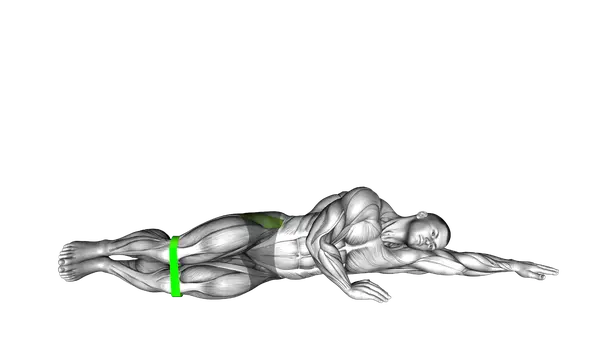
The Resistance Band Clam is a subtle yet remarkably effective exercise that has gained well-deserved popularity in rehabilitation settings, warm-up routines, and strength programs alike. This beginner-friendly movement primarily targets the glutes and hip abductors—muscles that often become dormant due to our modern sedentary lifestyles. Perfect for those new to fitness, the Resistance Band Clam creates targeted tension through a controlled range of motion, making it accessible while still delivering meaningful results. The beauty of this exercise lies in its ability to activate muscles that are crucial for proper movement patterns but frequently overlooked in traditional training programs. As a staple in recovery protocols, this gentle yet effective movement helps restore proper neuromuscular function in the lateral hip system without placing excessive stress on joints. Many physical therapists recommend it for addressing issues ranging from runner's knee to lower back discomfort, highlighting its therapeutic value beyond simple strength building. When incorporated into a warm-up routine, the Resistance Band Clam excels at "waking up" the hip stabilizers before more demanding activities. This pre-activation can significantly improve movement quality during squats, lunges, and athletic endeavors by ensuring the glutes engage properly throughout more complex patterns. From a strength perspective, don't be fooled by its simplicity. With proper band selection and focused execution, this exercise creates substantial tension through the gluteus medius and minimus—muscles that contribute significantly to hip stability and power generation during functional movements. Beyond strength, the controlled nature of the Resistance Band Clam enhances hip mobility by encouraging proper articulation of the femur in the hip socket. This improvement in mobility, when paired with increased strength in the same range, creates lasting changes in movement quality that transfer to daily activities and athletic performance.

Strength
Mobility
Recovery
Warm-up
Resistance Band
Resistance Band Glute Bridge

Resistance Band Glute Bridge

The Resistance Band Glute Bridge stands as a foundational exercise for anyone looking to develop stronger, more defined glutes and hamstrings. Perfect for beginners, this movement offers a gentle yet effective introduction to lower body resistance training without the intimidation factor of heavy weights or complex equipment. With just a simple resistance band looped above your knees, this exercise transforms the classic glute bridge into a more challenging activation drill that specifically targets the often-underutilized gluteal muscles while simultaneously engaging the hamstrings for support. The added tension from the band forces your hip abductors to fire more intensely, creating a more comprehensive lower-body workout than the standard version. For those pursuing bodybuilding goals, the Resistance Band Glute Bridge serves as an excellent accessory movement that helps develop the posterior chain aesthetics that are crucial for a balanced physique. The controlled nature of this exercise allows for intense muscle engagement without excessive joint stress, making it particularly valuable during recovery phases or when working around certain injuries. As a warm-up tool, few exercises match its efficiency in awakening the glute muscles before more demanding lower body training. The movement pattern primes the hip extension mechanism that's central to squats, deadlifts, and other compound lifts, potentially improving performance and reducing injury risk in those subsequent exercises. From a strength perspective, while not typically loaded heavily enough to be a primary strength builder, the Resistance Band Glute Bridge excels at developing endurance and mind-muscle connection in these critical posterior chain muscles. This improved neuromuscular control often translates to better performance in more challenging strength movements where glute power is essential, such as hip thrusts, squats, and deadlifts. The beauty of this exercise lies in its simplicity and versatility: it can be performed virtually anywhere, requires minimal equipment, yet delivers meaningful results for everyone from rehabilitation patients to elite athletes focusing on specific aesthetic or performance improvements.

Strength
Bodybuilding
Recovery
+1
Resistance Band
Resistance Band Leg Curl

Resistance Band Leg Curl

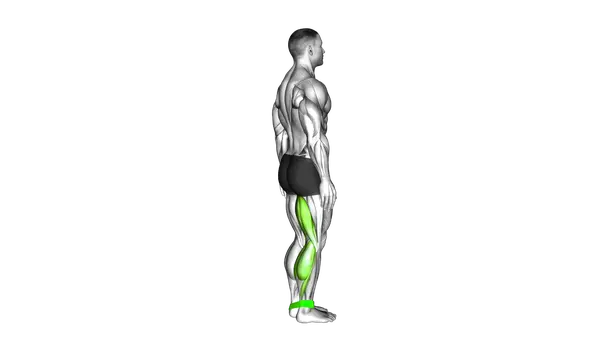
The Resistance Band Leg Curl offers an accessible yet effective option for targeting the hamstrings and glutes, making it perfect for beginners just starting their fitness journey. This versatile exercise delivers impressive results without requiring expensive gym equipment, as a simple resistance band can transform any space into your personal hamstring training station. While often overlooked in favor of more glamorous exercises, properly strengthening the hamstrings plays a crucial role in building balanced lower body strength and stability. The resistance band variation provides a gentler alternative to machine leg curls while still delivering meaningful muscle activation. For those focused on bodybuilding, this exercise helps develop the posterior chain aesthetics that create that coveted athletic silhouette. The beauty of resistance band leg curls lies in their adaptability. As a beginner-friendly movement, you can easily adjust the tension by changing band resistance or position. This scalability makes it equally valuable for strength development and rehabilitation purposes. Many physical therapists recommend this exercise during recovery from lower body injuries since it allows for controlled movement patterns with adjustable resistance. For strength enthusiasts, don't dismiss this exercise as too basic. The constant tension provided by the band creates a unique challenge compared to traditional weights, particularly at the end ranges of motion where your hamstrings must work hardest. This continuous resistance helps develop functional strength that translates to improved performance in compound movements like deadlifts and squats. Beyond strength benefits, regularly incorporating resistance band leg curls can enhance knee joint stability, improve athletic performance, and potentially reduce injury risk. The exercise's low-impact nature makes it suitable for consistent training, allowing you to strengthen these vital posterior muscles without excessive strain on your joints. Whether your goals center on aesthetics, performance, or simply maintaining functional movement patterns as you age, this humble yet mighty exercise deserves a place in your fitness routine.

Strength
Bodybuilding
Recovery
Resistance Band
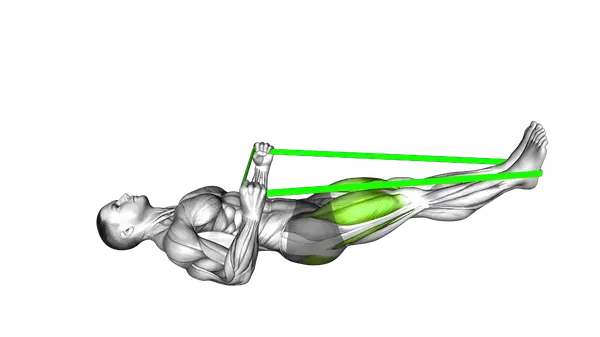
Resistance Band Lying Leg Press

Resistance Band Lying Leg Press

The Resistance Band Lying Leg Press delivers a highly effective lower body workout without the need for bulky gym equipment, making it an excellent addition to both home workouts and studio sessions. This intermediate-level movement primarily targets the quadriceps and glutes while also engaging supporting muscles throughout the posterior chain. When incorporated into bodybuilding routines, this exercise allows for controlled tension throughout the movement pattern, promoting muscle hypertrophy in the targeted muscle groups. The beauty of using resistance bands lies in the variable resistance they provide – the tension increases as the band stretches, creating greater challenge at the end range of the motion where muscles are most contracted. For those embracing HIIT workouts, the Resistance Band Lying Leg Press can be seamlessly integrated as a lower-body power move that elevates heart rate while building strength. The exercise's versatility makes it suitable for various training protocols, whether you're focusing on endurance with higher repetitions or maximal strength with heavier bands and fewer reps. From a strength development perspective, this movement offers unique benefits compared to traditional machine leg presses. The inherent instability when working with bands recruits more stabilizer muscles and core engagement, translating to more functional strength gains. Additionally, the horizontal body position reduces spinal compression, making it potentially more accessible for those with certain back issues. The adaptability of resistance bands allows for progressive overload – a fundamental principle in strength training – by simply adjusting band tension or stacking multiple bands together. This scalability makes the exercise suitable for various fitness levels despite its intermediate classification. For athletes looking to improve lower body power while minimizing joint stress, the Resistance Band Lying Leg Press provides an excellent alternative to high-impact plyometrics while still developing the explosive strength needed for athletic performance in the quads and glutes.

Strength
Bodybuilding
HIIT
Resistance Band
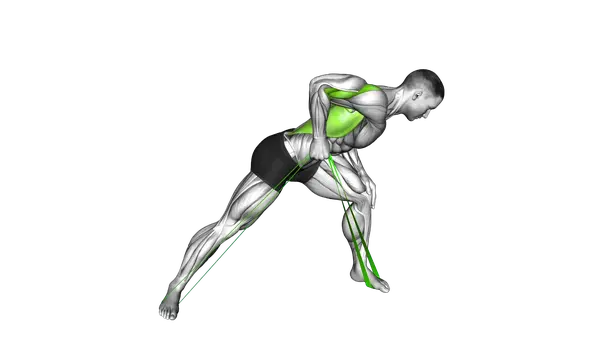
Resistance Band One Arm Bent Over Row

Resistance Band One Arm Bent Over Row

The Resistance Band One Arm Bent Over Row stands as a versatile back-building exercise that delivers impressive results with minimal equipment. This intermediate movement primarily targets the latissimus dorsi (lats) and trapezius (traps) muscles, making it an excellent addition to both bodybuilding routines and high-intensity interval training (HIIT) circuits when you're focusing on developing upper body strength. What makes this exercise particularly effective is how it isolates each side of the back independently, allowing you to address muscle imbalances that might go unnoticed in bilateral movements. The unilateral nature of this row creates greater core engagement as your midsection works to stabilize your body against the band's resistance, essentially giving you a supplementary core workout while you build your back. The beauty of incorporating resistance bands lies in their unique resistance profile: they create increasing tension throughout the movement, particularly at the point of peak muscle contraction. This variable resistance pattern challenges your muscles differently than free weights, promoting new adaptations and growth. For bodybuilders, this means more complete muscle development; for HIIT enthusiasts, it translates to efficient strength work that keeps the heart rate elevated. From a strength development perspective, the one-arm approach allows for greater mind-muscle connection with each side of your back. This heightened awareness can translate to improved recruitment of muscle fibers and, consequently, enhanced strength gains over time. The constant tension provided by the band also minimizes the rest periods at the bottom of the movement, keeping your muscles under stress throughout the entire set. Resistance bands offer progressive overload options by simply adjusting your stance or selecting different band tensions, making this exercise scalable as your strength improves. Whether you're looking to add detail to your back musculature for physique purposes or develop functional pulling strength that transfers to daily activities, the Resistance Band One Arm Bent Over Row delivers impressive results while being gentle on the joints.

Strength
Bodybuilding
HIIT
Resistance Band
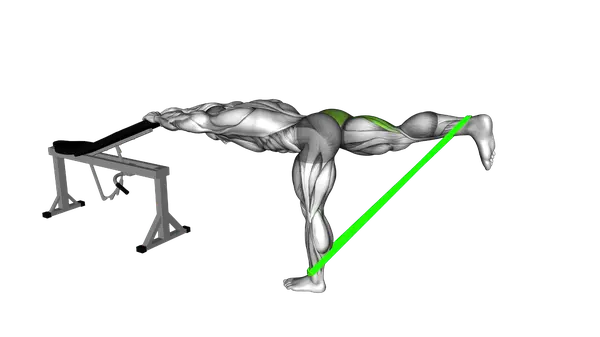
Resistance Band One Leg Kickback (Bent Position)

Resistance Band One Leg Kickback (Bent Position)

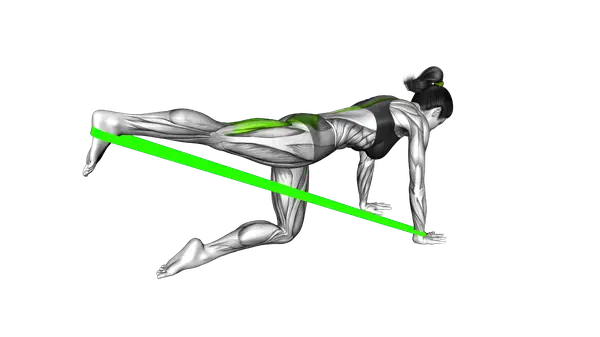
The Resistance Band One Leg Kickback performed in a bent position is a remarkable intermediate exercise that delivers targeted activation to your posterior chain, specifically honing in on the glutes and hamstrings. This movement has gained popularity within bodybuilding communities and rehabilitation settings alike for its ability to isolate these powerful muscle groups without placing excessive strain on your joints. When properly executed, this exercise creates constant tension throughout the movement pattern, forcing your glutes to work harder than they would against gravity alone. The elastic resistance provided by the band introduces variable resistance, meaning the exercise becomes progressively more challenging as you extend your leg backward, precisely when your glutes are in their strongest position. For strength development, this exercise offers unique benefits that traditional weighted exercises might miss. The resistance band creates tension in multiple directions, encouraging stabilizer muscle recruitment and enhancing overall functional strength. The unilateral nature of the movement addresses muscle imbalances between your left and right sides, a common issue even among experienced fitness enthusiasts. From a bodybuilding perspective, the Resistance Band One Leg Kickback helps sculpt defined, powerful glutes by targeting both the gluteus maximus and the often-neglected gluteus medius. The controlled eccentric portion of the movement: when you slowly return your leg to the starting position, stimulates additional muscle fibers that contribute to overall development and hypertrophy. This exercise also plays a valuable role in recovery protocols. The controlled resistance helps increase blood flow to the posterior chain without the joint compression that can accompany heavy loading, making it ideal for active recovery days or rehabilitation from lower back injuries. The movement pattern reinforces proper hip extension mechanics, potentially reducing injury risk during more demanding compound lifts.Incorporating this exercise into your routine 2-3 times weekly can yield impressive improvements in glute activation, posterior chain strength, and overall lower body aesthetics. The beauty of resistance band training lies in its portability and adaptability: simply adjust your band resistance to progress this movement as your strength increases.

Strength
Bodybuilding
Recovery
Resistance Band
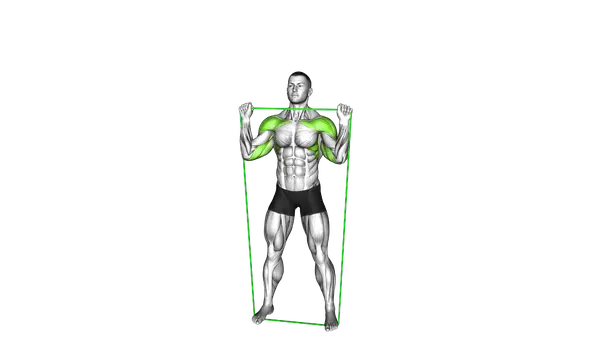
Resistance Band Overhead Shoulder Press

Resistance Band Overhead Shoulder Press

The Resistance Band Overhead Shoulder Press stands as a versatile and effective movement for targeting your shoulder complex, particularly the front and side deltoids. This intermediate-level exercise offers a unique advantage over traditional overhead presses by providing consistent tension throughout the entire range of motion, challenging your muscles differently than free weights. When incorporated into bodybuilding routines, this press helps sculpt defined shoulders while enhancing that coveted shoulder width and cap that many physique enthusiasts seek. The beauty of band resistance lies in the accommodating resistance curve – as you extend your arms upward, the tension increases, creating peak contraction exactly where you need it most for muscular development. For those incorporating High-Intensity Interval Training (HIIT) into their fitness regimen, the Resistance Band Overhead Press proves invaluable. The quick setup and minimal equipment requirements make it perfect for circuit-style training, allowing you to maintain elevated heart rates while building upper body strength simultaneously. The exercise transitions seamlessly between other movements, making it an excellent addition to metabolic conditioning workouts. Strength gains from this exercise manifest differently than with barbells or dumbbells, focusing more on stabilization and control throughout the pressing motion. The unpredictable nature of band resistance recruits additional stabilizer muscles, particularly in the rotator cuff region, potentially reducing shoulder injury risk when performed correctly. This makes it an excellent complementary movement to more traditional pressing variations. The beauty of band training lies in its scalability – simply adjusting your grip position, band thickness, or stance can dramatically alter the resistance curve. This adaptability makes the Resistance Band Overhead Press suitable for progressive overload principles despite not using conventional weight increments. Whether you're working around an injury, training while traveling, or simply adding variety to your shoulder routine, this exercise delivers impressive results with minimal equipment investment.

Strength
Bodybuilding
HIIT
Resistance Band
Resistance Band Pull Apart

Resistance Band Pull Apart

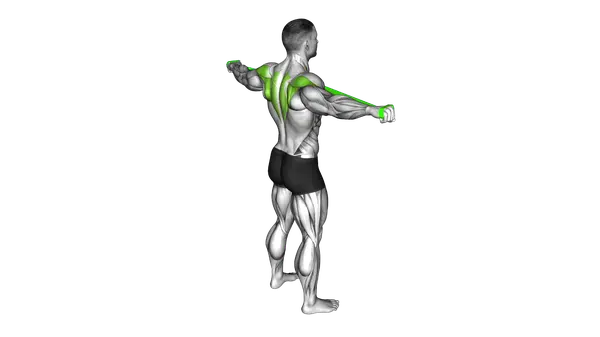
The Resistance Band Pull Apart is a versatile exercise that deserves a prominent place in any fitness regimen, particularly for those just beginning their strength journey. This simple yet effective movement primarily targets the rear deltoids and trapezius muscles, making it exceptional for developing that coveted upper back definition while improving posture that often suffers from our modern, screen-focused lifestyles. For beginners, this exercise offers a gentle introduction to resistance training with minimal risk of injury when performed correctly. The beauty of the Resistance Band Pull Apart lies in its adaptability—simply choosing bands of different tensions allows you to progressively challenge yourself as your strength develops, ensuring continuous improvement without plateauing. In bodybuilding circles, this movement is valued as an accessory exercise that helps create balanced shoulder development, preventing the front-heavy appearance that can result from overemphasizing pressing movements. As a warm-up tool, few exercises can match its effectiveness at activating the upper back musculature before heavier training. The increased blood flow and neural activation prepare the body for more intense work while reducing injury risk. Recovery protocols increasingly feature the Resistance Band Pull Apart due to its low impact nature and ability to flush the targeted muscle groups with nutrient-rich blood without causing additional muscle damage. This makes it ideal for active recovery days when maintaining movement without hindering repair is the goal. From a training perspective, the exercise offers dual benefits for both strength and endurance development. The controlled tension throughout the movement builds fundamental strength in often-neglected posterior chain muscles, while higher repetition sets effectively build muscular endurance that transfers to improved posture throughout daily activities and athletic performance. The Resistance Band Pull Apart proves that sometimes the simplest tools yield the most impressive results. Whether incorporated into warm-up routines, used as a corrective exercise, or programmed as part of a comprehensive training plan, this movement delivers remarkable benefits for minimal equipment investment.

Strength
Endurance
Bodybuilding
Warm-up
+1
Resistance Band
Resistance Band Renegade Row

Resistance Band Renegade Row

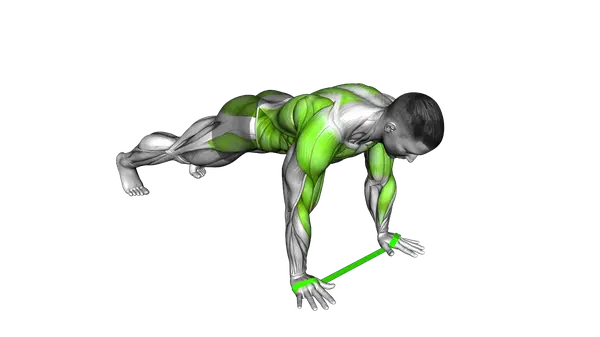
The Resistance Band Renegade Row delivers a powerful punch as a compound movement that challenges multiple muscle groups simultaneously. This intermediate-level exercise has gained popularity across various training modalities including HIIT, CrossFit, and traditional bodybuilding programs, making it a versatile addition to nearly any fitness regimen. When performed correctly, this exercise primarily targets the latissimus dorsi (lats), anterior deltoids (front delts), and triceps, creating a comprehensive upper body stimulus. What makes the Resistance Band Renegade Row particularly effective is its dual focus on both strength development and core stabilization, as your midsection must work overtime to maintain proper positioning throughout the movement. The beauty of incorporating resistance bands rather than traditional dumbbells lies in the variable resistance pattern – the tension increases as you progress through the movement, creating a unique challenge that free weights simply cannot replicate. This accommodation resistance can help break through plateaus while reducing joint stress compared to conventional loading methods. Many fitness enthusiasts appreciate this exercise for its minimal equipment requirements and versatility, allowing for effective workouts whether you're in a fully-equipped gym or training at home with limited space. The resistance band variation also permits easy modification of intensity by simply adjusting hand positioning or selecting bands with different tension levels. For those focused on functional fitness, the Resistance Band Renegade Row translates exceptionally well to real-world activities that require rotational stability and pulling strength. The anti-rotation component particularly benefits athletes and everyday individuals alike, reinforcing proper movement patterns that protect against injury during daily activities. Whether you're looking to build a stronger back, enhance shoulder stability, or develop a more resilient core, the Resistance Band Renegade Row deserves consideration as a staple movement in your training arsenal. Its time-efficient nature makes it particularly valuable for those with busy schedules seeking maximum results from minimal time investment.

Strength
Core
HIIT
Crossfit
+1
Resistance Band
Resistance Band Romanian Deadlift

Resistance Band Romanian Deadlift

The Resistance Band Romanian Deadlift offers a versatile alternative to the traditional barbell version, delivering impressive benefits with minimal equipment. This intermediate movement primarily targets the posterior chain, with significant engagement of the hamstrings and glutes while also recruiting the lower back and core stabilizers as supporting muscle groups. What makes the resistance band variation particularly valuable is the unique tension profile it provides. Unlike free weights which rely on gravity, bands create increasing resistance throughout the movement, particularly at the top portion when the muscles are in their strongest position. This accommodating resistance pattern makes it excellent for both bodybuilding-focused hypertrophy work and high-intensity interval training (HIIT) circuits where sustained tension is desired. For strength development, the resistance band Romanian deadlift serves as both a supplementary exercise to barbell training and a standalone movement when equipment access is limited. The constant tension through the eccentric (lowering) phase promotes time under tension, a critical factor for muscle growth, while the reduced loading on the spine makes it more accessible for those with certain mobility limitations or recovery needs. Many fitness enthusiasts appreciate this exercise for its scalability across different fitness levels. By simply adjusting band resistance or using multiple bands simultaneously, you can progressively overload the movement as strength increases. The portable nature of resistance bands also makes this an excellent option for travel workouts or home gym settings. Research suggests that the posterior chain strengthening provided by Romanian deadlift variations contributes significantly to athletic performance, particularly in activities requiring explosive hip extension like sprinting and jumping. Additionally, the movement pattern reinforces proper hip-hinging mechanics, which translates to better performance in daily activities and reduced injury risk during bending and lifting movements in everyday life.

Strength
Bodybuilding
HIIT
Resistance Band
Resistance Band Seated Row

Resistance Band Seated Row

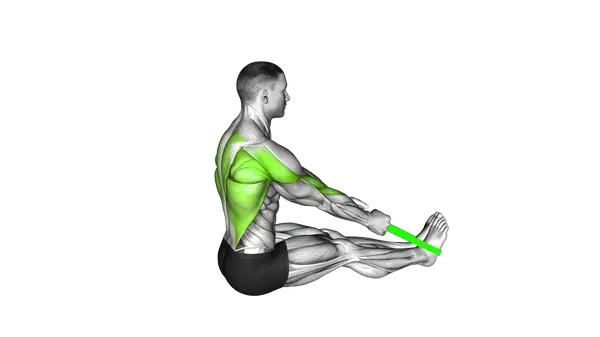
The Resistance Band Seated Row offers beginners an excellent entry point into back training with minimal equipment and maximal results. This accessible exercise primarily targets the latissimus dorsi (lats) and trapezius (traps) muscles, creating that coveted V-taper appearance when developed properly. What makes this movement particularly valuable is its versatility across multiple training goals—whether you're focusing on bodybuilding aesthetics, recovering from injury, or simply warming up before more intensive work. For those new to strength training, the seated row with resistance bands provides a perfect introduction to the pulling pattern that forms the foundation of more advanced back exercises. The bands create a unique resistance profile, increasing tension as you pull, which helps develop both strength and control throughout the movement. The gradual resistance curve makes this exercise particularly joint-friendly, allowing you to build foundational back strength without the intimidation factor of free weights. What separates the resistance band seated row from machine alternatives is the element of stabilization. Your core muscles engage throughout the exercise as they work to maintain proper posture, effectively turning this isolated movement into more of a compound exercise. This translates to better functional strength development and improved posture—benefits that extend well beyond aesthetic improvements. The exercise effectively strengthens the posterior chain, counterbalancing the forward-hunched position many of us adopt during daily activities. For bodybuilders, this exercise serves as an excellent tool for developing mind-muscle connection in the back, a notoriously difficult area to feel working. During recovery phases, the adjustable resistance allows for blood-flow stimulating work without excessive strain. As a warm-up tool before heavy pulling sessions, few exercises better prepare the lats and traps for more intensive loading. The beauty of the resistance band seated row lies in its simplicity—a straightforward movement that delivers serious strength development with minimal risk, making it a staple in any well-designed fitness program.

Strength
Bodybuilding
Recovery
+1
Resistance Band
Roll Recumbent Hip External Rotator And Hip Extension

Roll Recumbent Hip External Rotator And Hip Extension

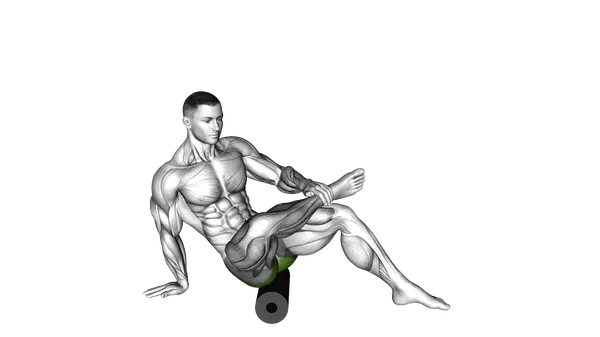
The Roll Recumbent Hip External Rotator and Hip Extension is an intermediate-level mobility exercise that effectively targets multiple muscle groups simultaneously, primarily engaging the glutes, hamstrings, and hip abductors. This versatile movement serves dual purposes as both a recovery technique and warm-up activation, making it an excellent addition to any comprehensive fitness routine. When incorporated into your mobility work, this rolling technique helps release tension in the lateral hip region while simultaneously promoting external rotation strength - a combination that addresses both flexibility and functional stability. The exercise's design cleverly mimics natural hip movement patterns we use in everyday activities and athletic endeavors, creating a bridge between rehabilitation and performance enhancement. Many fitness enthusiasts appreciate this exercise for its ability to improve hip function without requiring specialized equipment or excessive space. The rolling component introduces a proprioceptive challenge that engages your nervous system differently than static stretching alone, potentially leading to more lasting improvements in joint range of motion and muscle quality. Regular practitioners often report noticeable improvements in their ability to maintain proper form during more complex movements like squats and lunges. For those dealing with recovery needs, this movement serves as an excellent self-myofascial release technique that can alleviate tightness in chronically overworked muscles of the posterior chain. The combined strength and mobility benefits make this particularly valuable for individuals who spend long periods sitting, as it directly counteracts the hip flexion and internal rotation patterns that typically develop in desk-bound positions. While simple in appearance, the effectiveness of this exercise lies in its ability to create multi-directional tension through the hip complex, promoting balanced development of often neglected stabilizing muscles. When performed with proper control and attention to form, it becomes more than just a mobility drill – it transforms into a foundational element that can enhance overall movement quality and potentially reduce injury risk in more demanding strength training or athletic activities.

Mobility
Strength
Recovery
Warm-up
Bodyweight exercises (+1)