Back
Roll Recumbent Hip External Rotator And Hip Extension
Add to Workout

Roll Recumbent Hip External Rotator And Hip Extension

Build

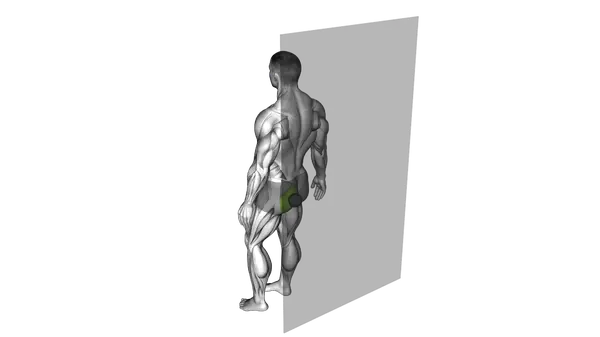
How to Perform

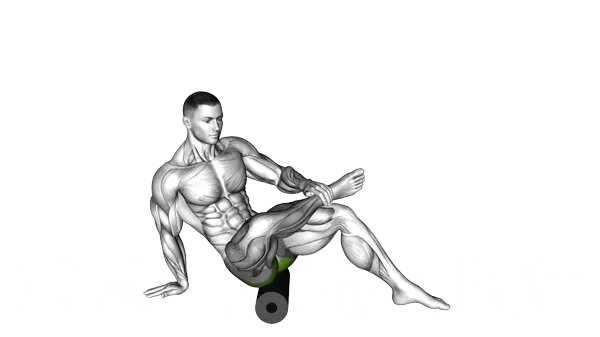
  1. Lie on your side on a mat with your knees bent at a 90-degree angle and hips flexed to 45 degrees, placing your top hand on the floor for support.
  2. Stack your knees directly on top of each other with your feet together, ensuring your spine maintains a neutral position throughout the movement.
  3. Keeping your feet together, rotate your top knee upward by engaging your hip external rotators while maintaining the 90-degree bend in both knees.
  4. Inhale as you open your knee as far as possible without rotating your pelvis or lower back, creating tension in the outer hip and glute region.
  5. At the top position, extend your top leg behind you while maintaining the external rotation, feeling your glute muscles fully engage.
  6. Exhale as you slowly return to the starting position by first bending your knee back to 90 degrees, then lowering it to stack on top of the bottom knee.
  7. Maintain core engagement throughout the entire movement to stabilize your pelvis and prevent unwanted rotation of your spine.
  8. Complete all repetitions on one side before switching to the other side, allowing for equal development of both hip complexes.

Important information

  • Focus on keeping your pelvis stable throughout the movement—avoid letting it rock backward or forward as you rotate and extend.
  • If you feel any pinching in the front of your hip during the movement, slightly adjust your starting position or reduce the range of motion.
  • Start with a smaller range of motion and gradually increase as you build strength and control in your hip rotators.
  • When extending your leg backward, keep the movement controlled rather than using momentum to swing the leg.

Exercise Details

Primary Muscles

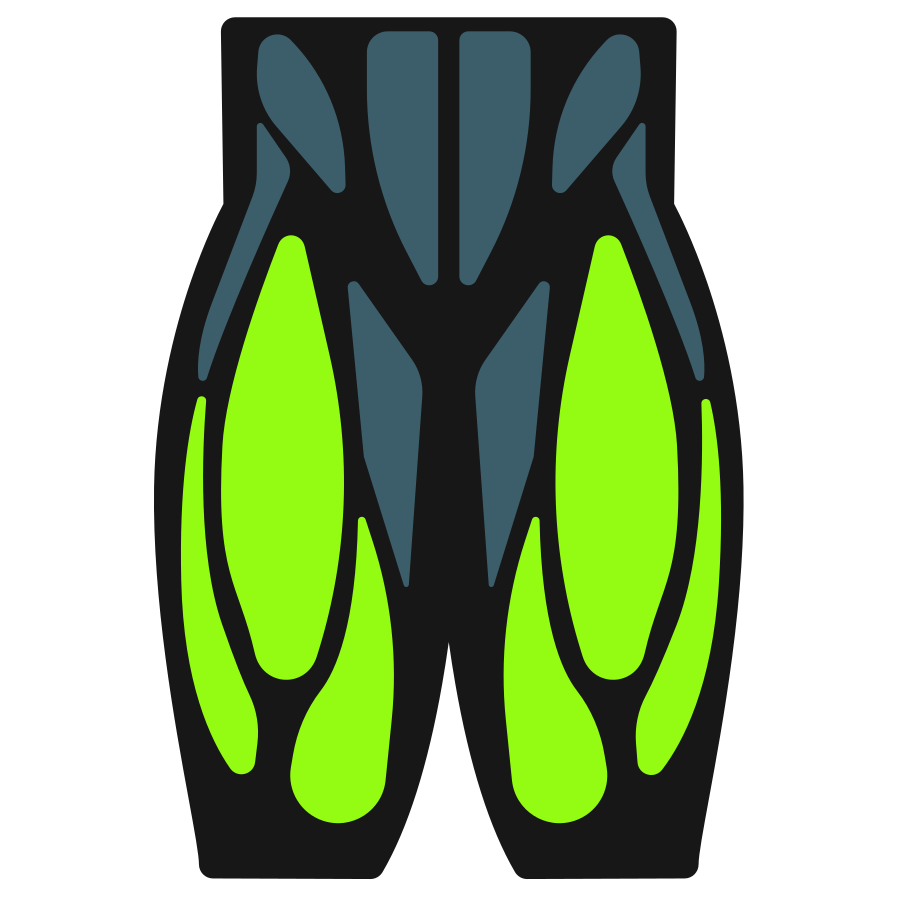
Glutes Hamstrings Abductors

Muscle Groups

Glute exercises Leg exercises

Mechanic

Isolation

Risk Areas

Glutes Hamstrings

Built for progress

Take the guesswork out of training

Create personalized AI-powered workout plans that evolve with you. Train smarter, track every rep and keep moving forward, one workout at a time.

Be among the first to join!
GrabGains workout plans

The Roll Recumbent Hip External Rotator and Hip Extension is an intermediate-level mobility exercise that effectively targets multiple muscle groups simultaneously, primarily engaging the glutes, hamstrings, and hip abductors. This versatile movement serves dual purposes as both a recovery technique and warm-up activation, making it an excellent addition to any comprehensive fitness routine.

When incorporated into your mobility work, this rolling technique helps release tension in the lateral hip region while simultaneously promoting external rotation strength - a combination that addresses both flexibility and functional stability. The exercise's design cleverly mimics natural hip movement patterns we use in everyday activities and athletic endeavors, creating a bridge between rehabilitation and performance enhancement.

Many fitness enthusiasts appreciate this exercise for its ability to improve hip function without requiring specialized equipment or excessive space. The rolling component introduces a proprioceptive challenge that engages your nervous system differently than static stretching alone, potentially leading to more lasting improvements in joint range of motion and muscle quality. Regular practitioners often report noticeable improvements in their ability to maintain proper form during more complex movements like squats and lunges.

For those dealing with recovery needs, this movement serves as an excellent self-myofascial release technique that can alleviate tightness in chronically overworked muscles of the posterior chain. The combined strength and mobility benefits make this particularly valuable for individuals who spend long periods sitting, as it directly counteracts the hip flexion and internal rotation patterns that typically develop in desk-bound positions.

While simple in appearance, the effectiveness of this exercise lies in its ability to create multi-directional tension through the hip complex, promoting balanced development of often neglected stabilizing muscles. When performed with proper control and attention to form, it becomes more than just a mobility drill – it transforms into a foundational element that can enhance overall movement quality and potentially reduce injury risk in more demanding strength training or athletic activities.

FAQ - Roll Recumbent Hip External Rotator And Hip Extension
What muscles does the Roll Recumbent Hip External Rotator and Hip Extension target?

This exercise primarily targets the glutes, hamstrings, and hip external rotators (including the piriformis and deep rotators). It also engages the hip abductors like the gluteus medius, making it an excellent compound mobility movement for the entire hip complex.

How can I modify this exercise if I'm experiencing discomfort?

Reduce the range of motion by limiting how far you roll or extend your hip. You can also place a folded towel under your hip for cushioning or use a softer foam roller/mat surface. If discomfort persists, consult with a physical therapist for personalized modifications.

How often should I include this exercise in my routine?

You can safely perform this exercise 3-4 times weekly, either as part of your warm-up or cool-down routine. It's particularly beneficial after intense upper body training sessions or on recovery days to maintain shoulder health and function.

What are the common mistakes to avoid with this exercise?

The most common mistakes include rushing through the movement, using momentum instead of controlled muscle activation, and excessive arching of the lower back. Ensure you're initiating the movement from the hip rather than compensating with your lower back, and maintain core engagement throughout the exercise.

How do I know if I'm ready to progress this exercise?

You're ready to progress when you can perform the standard version with perfect form for 12-15 repetitions without discomfort. Advanced variations include adding ankle weights, increasing time under tension with slower movements, or combining with other hip mobility exercises for longer sequences that challenge stability and control.

Alternative Exercises

90/90 Stretch

90/90 Stretch

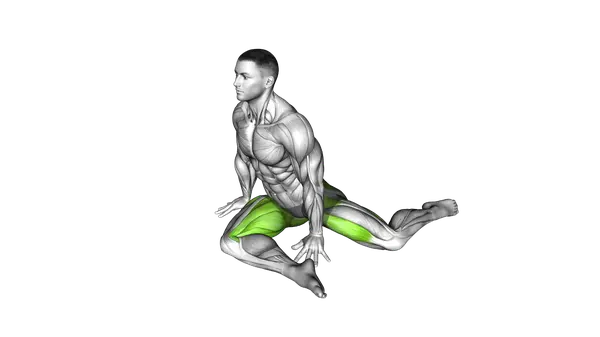
The 90/90 Stretch is a gentle yet highly effective mobility exercise that targets multiple areas of the lower body simultaneously, making it perfect for beginners looking to improve their hip function. This versatile stretch primarily engages the glutes and hip flexors, providing a deep release in areas that commonly become tight from prolonged sitting or intense workouts. As both a recovery tool and preparatory movement, the 90/90 Stretch earns its place in cool-down routines, recovery sessions, and warm-ups alike. Its ability to open the hips in multiple planes of motion makes it particularly valuable before activities requiring hip mobility, such as squats, lunges, or athletic movements that involve changing direction. What makes the 90/90 particularly special is how it combines stretching and mobility work in one efficient position. The stretch addresses external and internal rotation of the hips simultaneously, which helps restore natural movement patterns that may become restricted through daily activities or exercise. Many fitness professionals consider this movement a cornerstone of hip maintenance, especially for those dealing with discomfort or restrictions in their hip complex. Regular practice of the 90/90 Stretch can progressively improve your overall hip mobility, potentially enhancing athletic performance and reducing the risk of compensatory movements that might lead to injury. The beauty of this stretch lies in its simplicity and adaptability: it can be modified to accommodate different flexibility levels, making it accessible to virtually anyone. For optimal results, the 90/90 Stretch works best when performed consistently as part of a comprehensive mobility routine. Many find it beneficial to incorporate this movement daily, particularly after long periods of sitting, to reset hip positioning and maintain healthy movement patterns in this crucial joint complex.

Stretching
Mobility
Recovery
Cool-down
+1
Bodyweight exercises
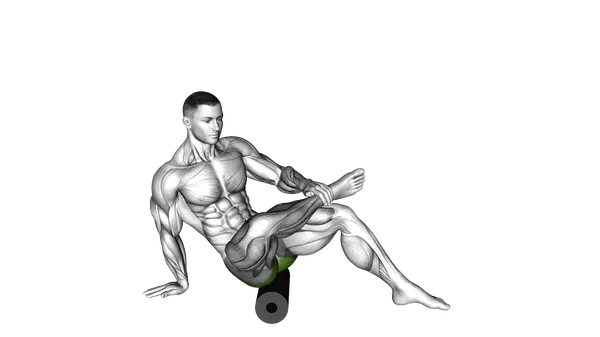
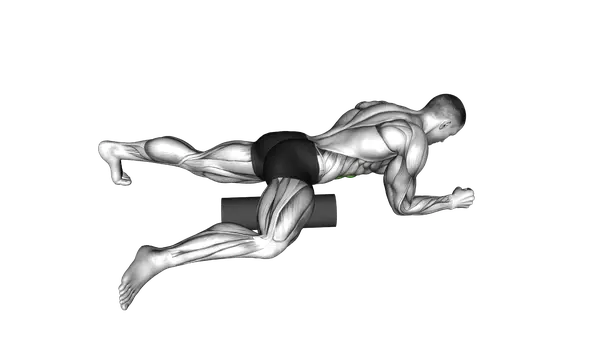
Foam Roller Tensor Fasciae Latae (TFL) Release

Foam Roller Tensor Fasciae Latae (TFL) Release

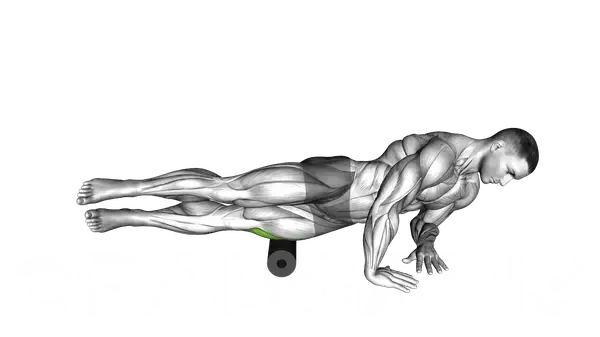
The Foam Roller Tensor Fasciae Latae Release is an effective way to relieve tension in the front and outer part of your hips. This small but important muscle, the tensor fasciae latae, works alongside the hip flexors and the iliotibial (IT) band to stabilize your pelvis during movement. Because it’s active in almost every lower-body exercise and even while walking or sitting, it often becomes overworked and tight. Using a foam roller helps reduce this tension, improving hip mobility and comfort during squats, running, or daily activities.When used before training, this release prepares your hips for movement by increasing blood flow and reducing stiffness in the connective tissue around the TFL and IT band. After workouts, it helps accelerate recovery by easing muscle tightness and improving circulation in the hip region. Regularly including this technique in your mobility routine can help prevent imbalances and reduce discomfort around the hips and knees.The strength of this mobility exercise lies in its simplicity. By targeting the tensor fasciae latae directly, you’re not only improving local flexibility but also promoting better movement patterns through the entire hip complex. Releasing tension in this area often eases strain on neighboring muscles such as the glutes, hamstrings, and lower back, leading to smoother, more efficient movement.Whether you’re new to foam rolling or experienced with recovery tools, the Foam Roller Tensor Fasciae Latae Release is easy to learn and self-regulated — you control the pressure and range. A few minutes of consistent practice can lead to noticeably freer hips, improved posture, and a lower risk of overuse injuries, proving that small, targeted recovery habits can make a big difference in overall performance.

Stretching
Mobility
Recovery
Cool-down
+1
Foam roller
Glute Rolling With Ball

Glute Rolling With Ball

Glute Rolling With Ball is a versatile recovery and mobility technique that targets the often-overlooked gluteal muscles, which play a crucial role in lower body movements and core stability. This intermediate-level exercise effectively addresses both the glutes and engages the abdominal muscles as stabilizers during the movement, making it a comprehensive approach to lower body care. Unlike traditional strength training, this rolling technique falls into the intersection of HIIT and bodybuilding methodologies, serving as an excellent active recovery component between intense training sessions. Athletes and fitness enthusiasts incorporate glute rolling to enhance tissue quality and improve movement patterns before or after their workouts. The beauty of this technique lies in its dual benefit of increasing strength potential while simultaneously improving mobility in the posterior chain. By applying controlled pressure to the gluteal muscles, you're essentially performing a self-myofascial release that helps break up adhesions and trigger points that can limit your performance in squats, deadlifts, and other compound movements. Regular implementation of glute rolling can contribute to better movement mechanics and potentially reduce injury risk by addressing muscle imbalances and tightness. Many physical therapists and strength coaches recommend this practice as part of a comprehensive approach to glute activation and hip mobility work. What makes this exercise particularly valuable is its adaptability across different fitness levels and goals. While classified as intermediate, the pressure can be modified by adjusting your body position and weight distribution on the ball. This technique serves as an excellent complement to both high-intensity interval training protocols and traditional bodybuilding regimens. The fusion of strength and mobility benefits makes glute rolling with a ball a time-efficient addition to any fitness routine. By improving the function of these powerful muscles, you're essentially creating a more solid foundation for athletic performance while simultaneously addressing the recovery needs that intensive training demands.

Strength
Mobility
HIIT
Bodybuilding
Other
Lateral Band Walk

Lateral Band Walk

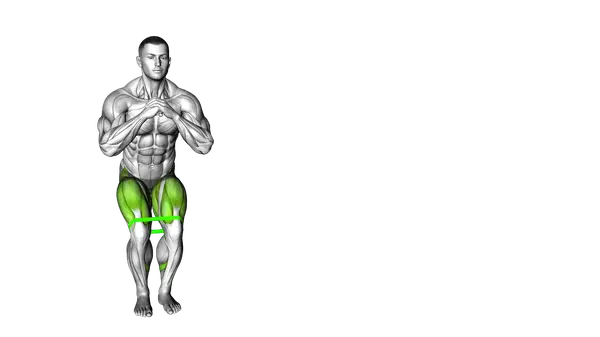
The Lateral Band Walk stands as a fundamental yet powerful resistance exercise that delivers targeted activation of the gluteal muscles and hip abductors. This beginner-friendly movement has gained popularity across multiple training modalities including HIIT circuits, bodybuilding routines, and as an essential component of effective warm-up sequences. What makes this exercise particularly valuable is its dual focus on building strength while simultaneously enhancing hip mobility: a combination that addresses key functional movement patterns. When properly executed, this banded movement creates constant tension through the lateral plane, forcing your body to resist the pull of the resistance band while maintaining proper alignment. The gluteus medius: often undertrained in conventional workouts, receives particular attention during lateral band walks, helping to correct muscular imbalances that can lead to knee, hip, and lower back issues. For beginners, this exercise serves as an excellent foundation for developing hip stability before progressing to more complex lower body movements. Fitness professionals regularly incorporate lateral band walks into various training protocols because of their versatility. In bodybuilding contexts, they function as an activation exercise to prime the glutes before heavy lifting sessions. Within HIIT frameworks, higher repetition lateral walks with minimal rest elevate heart rate while strengthening stabilizing muscles. For those focused on mobility improvement, the controlled lateral movement pattern helps maintain healthy hip function and can counteract the negative effects of prolonged sitting. The beauty of lateral band walks lies in their accessibility: they require minimal equipment, can be performed in limited space, and offer progressive resistance options through different band strengths. Whether you're an athlete looking to enhance sports performance, a fitness enthusiast seeking balanced development, or someone recovering from injury, this exercise delivers significant benefits with relatively low joint impact. The lateral band walk exemplifies how sometimes the most straightforward movements yield the most functional results for everyday strength and mobility.

Strength
Mobility
HIIT
Bodybuilding
+1
Resistance Band