All Exercises

Bodyweight exercises

Pick your muscle groups
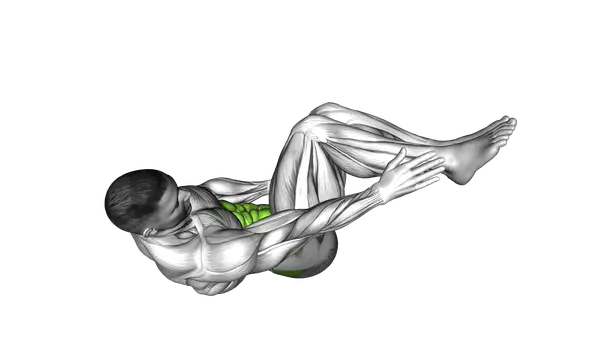
90 Degree Alternate Heel Touch

90 Degree Alternate Heel Touch

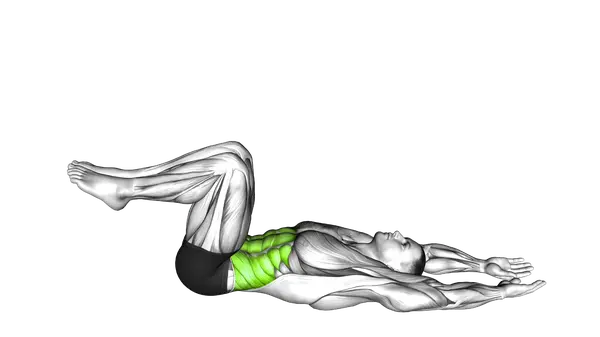
The 90 Degree Alternate Heel Touch is a dynamic core exercise that effectively targets the obliques and rectus abdominis muscles, offering an excellent addition to any abdominal training regimen. This intermediate-level movement creates substantial engagement throughout the entire core region while requiring minimal equipment, making it versatile enough to incorporate into HIIT circuits, traditional bodybuilding splits, or even recovery day routines. What makes this exercise particularly effective is how it combines rotational movement with isometric stability. As you alternate reaching toward each heel, your obliques contract forcefully to facilitate the rotation while your deeper core muscles work to maintain proper positioning throughout the movement. This simultaneous action creates comprehensive core development that translates well to both athletic performance and everyday functional strength. The beauty of the 90 Degree Alternate Heel Touch lies in its scalability. Fitness enthusiasts at the intermediate level will find it challenging enough to stimulate growth and endurance in their core musculature, while still being accessible enough to perform with proper form. The exercise's rhythmic, alternating pattern also makes it ideal for timed intervals within HIIT workouts, where maintaining intensity for 30-45 seconds can significantly elevate heart rate and caloric burn. For bodybuilders, this movement serves as an excellent complement to traditional core exercises by specifically targeting the external obliques and serratus muscles that contribute to that coveted V-taper physique. The controlled rotation helps sculpt definition along the sides of the torso while maintaining tension on the rectus abdominis throughout the exercise's duration. Even during recovery phases, the 90 Degree Alternate Heel Touch can be valuable. Performed at a more deliberate pace with focus on breathing patterns, it encourages blood flow to the midsection without creating excessive fatigue or soreness. This makes it a smart active recovery option that maintains core engagement without compromising your body's rebuilding processes between more intense training sessions.

Core
HIIT
Bodybuilding
+1
Bodyweight exercises
90 Degree Heel Touch

90 Degree Heel Touch

The 90 Degree Heel Touch is a dynamic core strengthening exercise that effectively targets multiple areas of your abdominal muscles, particularly emphasizing the obliques while engaging the entire core region. This intermediate-level movement has gained popularity across various training modalities including HIIT circuits, bodybuilding routines, and even recovery programs due to its versatility and effectiveness. Unlike standard crunches that primarily work the rectus abdominis (the "six-pack" muscles), the 90 Degree Heel Touch creates rotational tension that activates the internal and external obliques more intensely. This lateral movement pattern helps develop functional core strength that translates to improved performance in daily activities and sports that require rotational power. What makes this exercise particularly valuable is its scalability for intermediate fitness enthusiasts. The movement pattern allows for controlled intensity without placing excessive strain on the lower back, making it accessible for those who have developed basic core strength but aren't quite ready for advanced progressions. The exercise creates time under tension that stimulates muscle growth while also elevating heart rate when performed in higher-rep sequences. From a physiological perspective, the 90 Degree Heel Touch enhances neuromuscular coordination between your upper and lower body. This integration is crucial for developing a resilient core that can effectively transfer force through the kinetic chain. Research suggests that exercises incorporating this type of controlled rotation can contribute to improved spinal stability and reduced injury risk. When incorporated into HIIT workouts, this movement serves as an excellent metabolic driver, whereas in bodybuilding contexts, it helps sculpt definition in the oblique region. For recovery-focused sessions, the controlled nature of the movement can promote blood flow without overtaxing systems already in repair mode. The exercise stands as a testament to effective training design – challenging enough to stimulate adaptation while remaining accessible enough for consistent implementation across various fitness goals.

Core
HIIT
Bodybuilding
+1
Bodyweight exercises
90/90 Stretch

90/90 Stretch

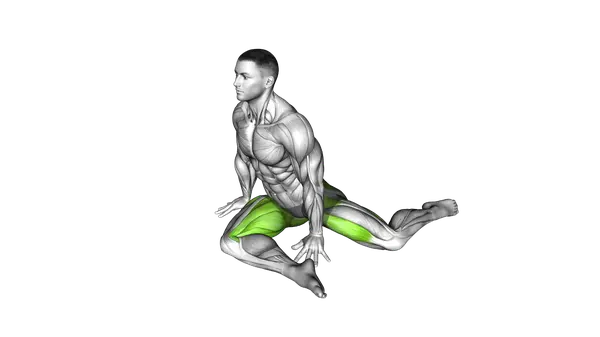
The 90/90 Stretch is a gentle yet highly effective mobility exercise that targets multiple areas of the lower body simultaneously, making it perfect for beginners looking to improve their hip function. This versatile stretch primarily engages the glutes and hip flexors, providing a deep release in areas that commonly become tight from prolonged sitting or intense workouts. As both a recovery tool and preparatory movement, the 90/90 Stretch earns its place in cool-down routines, recovery sessions, and warm-ups alike. Its ability to open the hips in multiple planes of motion makes it particularly valuable before activities requiring hip mobility, such as squats, lunges, or athletic movements that involve changing direction. What makes the 90/90 particularly special is how it combines stretching and mobility work in one efficient position. The stretch addresses external and internal rotation of the hips simultaneously, which helps restore natural movement patterns that may become restricted through daily activities or exercise. Many fitness professionals consider this movement a cornerstone of hip maintenance, especially for those dealing with discomfort or restrictions in their hip complex. Regular practice of the 90/90 Stretch can progressively improve your overall hip mobility, potentially enhancing athletic performance and reducing the risk of compensatory movements that might lead to injury. The beauty of this stretch lies in its simplicity and adaptability: it can be modified to accommodate different flexibility levels, making it accessible to virtually anyone. For optimal results, the 90/90 Stretch works best when performed consistently as part of a comprehensive mobility routine. Many find it beneficial to incorporate this movement daily, particularly after long periods of sitting, to reset hip positioning and maintain healthy movement patterns in this crucial joint complex.

Stretching
Mobility
Recovery
Cool-down
+1
Bodyweight exercises
Abdominal Air Bike

Abdominal Air Bike

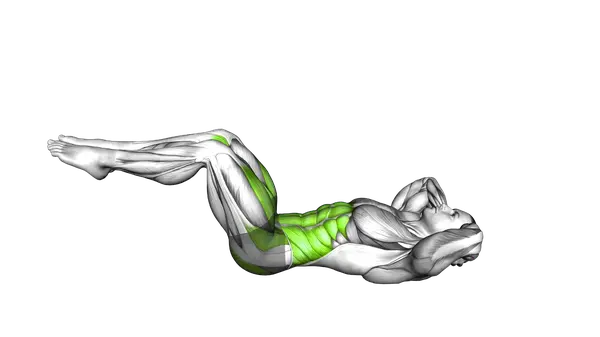
The Abdominal Air Bike, often simply called "Air Bike" in fitness circles, has established itself as a cornerstone exercise for anyone looking to strengthen their core while simultaneously boosting cardiovascular endurance. This dynamic movement mimics the motion of riding a bicycle while lying on your back, creating a powerful combination of abdominal engagement and controlled breathing that's particularly effective for beginners just starting their fitness journey. Unlike static core exercises, the Air Bike keeps your abs under constant tension through a rotational pattern that targets both the rectus abdominis (your "six-pack" muscles) and the often-neglected obliques. What makes this exercise particularly valuable is its scalability: you can adjust the intensity by simply changing your pace or extending the duration as your strength improves. The Air Bike has gained tremendous popularity within HIIT and CrossFit communities due to its ability to quickly elevate heart rate while requiring minimal space and no equipment. When incorporated into high-intensity interval protocols, it serves as an excellent metabolic conditioning tool that can help maximize caloric burn in minimal time. For those focused on building cardio capacity and muscular endurance, the Air Bike delivers impressive results. The continuous movement pattern challenges your cardiovascular system while the sustained muscle activation in your core builds localized endurance that transfers to many everyday activities and athletic movements. Many fitness enthusiasts appreciate how the Air Bike can be seamlessly integrated into various workout formats: whether as part of a dedicated ab circuit, as an active recovery station between strength exercises, or as a finisher to cap off a training session. Its versatility makes it a smart addition to virtually any fitness program, regardless of your current fitness level or specific goals.

Cardio
Endurance
HIIT
Crossfit
Bodyweight exercises
Alternate Heel Touchers

Alternate Heel Touchers

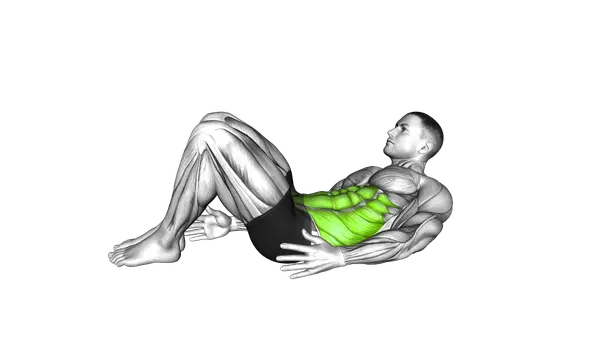
Alternate Heel Touchers are a fantastic beginner-friendly core exercise that seamlessly fits into various workout segments, from energizing HIIT circuits to active recovery periods and effective warm-up routines. This accessible movement primarily targets the abdominal muscles, with particular emphasis on the obliques – those muscles running along the sides of your torso that contribute to that coveted athletic look. What makes Alternate Heel Touchers particularly valuable is their adaptability for those just starting their fitness journey. The exercise delivers an effective core challenge without overwhelming beginners with complex movements or excessive strain on the lower back – a common concern with many traditional ab exercises. The controlled lateral motion engages your core stability while simultaneously improving coordination and body awareness. When incorporated into a HIIT sequence, these heel touches elevate your heart rate while maintaining focus on core engagement. Alternatively, during recovery phases between more intense exercises, they serve as active rest that maintains muscle activation without pushing you to exhaustion. Their gentle yet effective nature also makes them perfect for warming up the midsection before more demanding workouts. Beyond just aesthetics, consistently performing Alternate Heel Touchers contributes significantly to core endurance – that essential ability to maintain proper posture and stability throughout daily activities and other exercises. This functional strength translates directly to improved performance in everything from household chores to athletic pursuits, while simultaneously reducing injury risk through enhanced core stability. For those looking to build a solid foundation of core strength without jumping immediately into advanced movements, Alternate Heel Touchers provide that perfect stepping stone. They're particularly effective when performed with controlled, deliberate movement rather than rushed repetitions, allowing you to truly connect with and activate those important abdominal muscles while progressively building the endurance necessary for more challenging core exercises.

Core
Endurance
HIIT
Recovery
+1
Bodyweight exercises

Built for Progress

Take the Guesswork
Out of Training

Create personalized AI-powered workout plans that evolve with you. Train smarter, track every rep and keep moving forward.
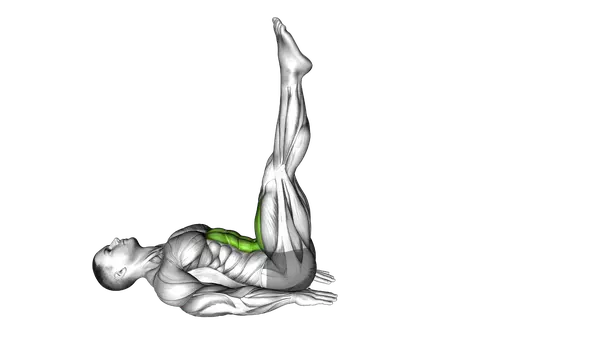
Alternate Leg Raise

Alternate Leg Raise

The Alternate Leg Raise is a fundamental core exercise that perfectly balances simplicity with effectiveness, making it an excellent choice for beginners just starting their fitness journey. This movement primarily targets the abdominal muscles while also engaging the hip flexors as secondary movers, creating a comprehensive lower core workout with minimal equipment needed: just your body and a comfortable mat. When incorporated into HIIT circuits, Alternate Leg Raises can elevate your heart rate while maintaining focus on core strength development. The exercise is equally valuable during recovery phases of training, as it allows for controlled movement patterns that promote blood flow without excessive strain. Many fitness professionals also recommend including this movement in warm-up routines to activate the core musculature before more demanding exercises. What makes the Alternate Leg Raise particularly valuable is its focus on core stability and endurance rather than raw power. The alternating nature of the movement challenges your body to maintain balance and proper positioning throughout the exercise duration, which translates to improved functional fitness in everyday activities. As you progress through sets, you'll notice the endurance component becoming increasingly challenging as your core muscles work to maintain proper form. For those looking to build a solid foundation of core strength, this exercise delivers remarkable benefits with minimal risk. The controlled alternating pattern helps prevent the lower back strain often associated with double leg raises, making it accessible even for those with some movement limitations. As your core endurance improves through consistent practice, you'll notice enhanced stability in other exercises and daily movements. The beauty of the Alternate Leg Raise lies in its versatility: it can be performed anywhere, requires no special equipment, and can be modified to match your current fitness level while still providing an effective core stimulus that builds the foundation for more advanced abdominal training.

Core
Endurance
HIIT
Recovery
+1
Bodyweight exercises
Alternate Lying Floor Leg Raise

Alternate Lying Floor Leg Raise

The Alternate Lying Floor Leg Raise offers an effective intermediate-level challenge for anyone looking to target their abs and strengthen their core foundation. This versatile exercise has earned its place in various training protocols from high-intensity interval training to bodybuilding routines and even recovery programs, making it a valuable addition to virtually any fitness regimen. What sets this movement apart is its ability to engage the entire abdominal region while minimizing stress on the lower back when performed correctly. The alternating pattern creates a dynamic stability challenge that forces your core to work continuously throughout the exercise, recruiting not just the visible rectus abdominis (your "six-pack" muscles) but also the deeper transverse abdominis and obliques. For intermediate fitness enthusiasts, this exercise provides that sweet spot between basic movements and advanced variations. You'll experience a targeted burn that indicates deep muscle activation within the abdominal wall. Many people appreciate that this movement can be performed anywhere with zero equipment, making it accessible for home workouts, travel, or when gym access isn't available. The alternating pattern of the leg raises introduces an element of rotational stability, which better mimics real-world movement patterns compared to traditional bilateral leg raises. This translational benefit means you're not just building aesthetic abs but functional core strength that supports everyday activities and athletic performance. Regular inclusion of Alternate Lying Floor Leg Raises in your routine can lead to improved posture, enhanced core endurance, and better overall trunk stability. These benefits extend beyond the gym, potentially reducing risk of lower back issues and improving performance in other exercises that require core stability as a foundation. As with any effective core exercise, consistency is key to seeing results. When incorporated into a well-rounded fitness program alongside proper nutrition, this movement can contribute significantly to both your core strength goals and overall physical development.

Core
HIIT
Bodybuilding
+1
Bodyweight exercises
Back Pec Stretch

Back Pec Stretch

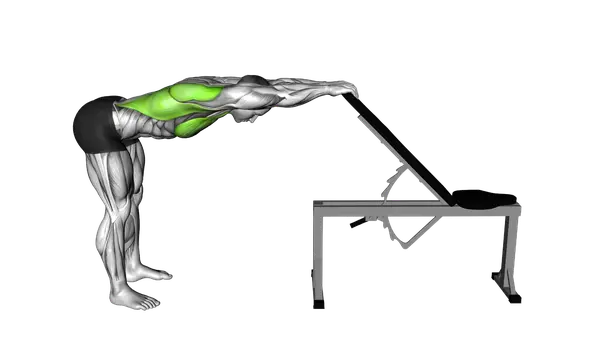
The Back Pec Stretch targets the pectoral muscles (chest) and anterior deltoids (front shoulders), providing essential relief for these commonly tight areas. This accessible stretch helps counteract the forward-hunched posture many of us develop from desk work, driving, or looking at mobile devices. By opening the chest and stretching the front of the shoulders, this movement helps restore natural alignment and improves overall upper body function. For those new to fitness, the Back Pec Stretch serves as an excellent introduction to upper body mobility work. It requires no equipment and can be modified to match any flexibility level. Beginners often experience immediate relief and a noticeable improvement in posture, making it a highly rewarding stretch for newcomers. The simplicity of this stretch also helps build body awareness – a fundamental skill for more advanced exercise progressions. This stretch primarily targets the pectoral major and minor muscles along with the anterior (front) deltoids. These muscle groups tend to become shortened and tight from daily activities like typing, driving, and even sleeping positions. Regular stretching of these areas helps maintain chest flexibility, shoulder mobility, and can potentially reduce upper back and neck tension that stems from chronically tight pecs and front shoulders. The Back Pec Stretch proves versatile enough for multiple phases of your workout routine. During warm-ups, it helps prepare the upper body for movements requiring shoulder mobility. As part of a cool-down, it assists in releasing tension built during chest or push exercises. For recovery days, this stretch promotes blood flow to healing tissues and maintains flexibility between training sessions. As both a stretching and mobility exercise, the Back Pec Stretch contributes to better movement patterns throughout daily life and during other exercises. Regular practice improves thoracic extension, enables better overhead reaching, and can enhance performance in pressing movements by ensuring appropriate muscle length-tension relationships.

Stretching
Mobility
Recovery
Cool-down
+1
Bodyweight exercises
Bench Dip with heels on Floor

Bench Dip with heels on Floor

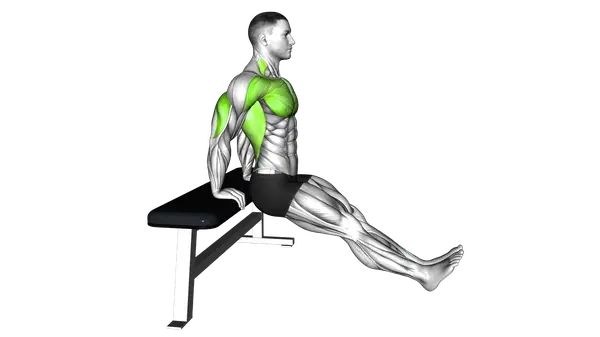
The Bench Dip with Heels on Floor is a great upper body exercise that works your triceps (the muscles on the back of your arms) along with your chest and front shoulder muscles. It's perfect for people who want to build stronger, more defined arms without needing a gym membership or fancy equipment.What makes this exercise so popular is how simple it is to do. All you need is a sturdy bench, chair, or couch edge, and you use your own body weight to create the workout. This exercise is especially good because you can make it easier or harder as you get stronger - beginners can start with shorter movements, while more experienced people can add weight or change the angle.This exercise is fantastic for building the tricep muscles that give your arms that toned, defined look. It targets all parts of your triceps, which helps create better overall arm shape and strength. Many people love adding this to their workout routine because it really helps sculpt the back of the arms.You'll often see this exercise in quick, intense workouts because it gets your heart pumping while building muscle at the same time. This makes it perfect for busy people who want to get the most out of their limited workout time.Strong triceps aren't just about looking good: they help with everyday activities like pushing heavy doors, lifting objects overhead, or even getting up from chairs. The exercise also works your shoulders and chest, which can help improve your posture and make daily tasks easier.While the Bench Dip with Heels on Floor looks simple, doing it correctly and gradually making it more challenging is key to seeing results. It's proof that you don't need complicated equipment or expensive gym memberships to get an effective workout - sometimes the simplest exercises are the most powerful when done consistently and with good form.

Strength
Bodybuilding
HIIT
Bodyweight exercises
Bent Knee Glute Kickback

Bent Knee Glute Kickback

The Bent Knee Glute Kickback stands as a targeted isolation exercise that has earned its place in the arsenal of intermediate fitness enthusiasts looking to develop stronger, more defined glutes and hamstrings. This movement has gained popularity in bodybuilding circles and rehabilitation programs alike for its ability to effectively engage the posterior chain without placing excessive stress on the lower back. Unlike compound movements that distribute tension across multiple muscle groups, the bent knee variation creates a more concentrated stimulus directly on the gluteus maximus while simultaneously recruiting the hamstrings as secondary movers. The bent knee position is particularly valuable as it reduces hamstring involvement compared to straight-leg variations, allowing for more precise glute targeting: something essential for both aesthetic development and functional strength. For those in recovery phases or dealing with certain lower back conditions, this exercise provides a safer alternative to more demanding hip extension movements. The controlled nature of the kickback makes it ideal for rehabilitation protocols while still delivering enough resistance to stimulate muscle growth when properly loaded. The exercise becomes especially effective when incorporated into high-repetition finisher sets designed to create metabolic stress in the glutes. Strength athletes increasingly recognize the value of isolated glute work for improving performance in compound lifts. The bent knee glute kickback helps address posterior chain weaknesses that might limit progress in deadlifts, squats, and Olympic movements. By strengthening these muscles in isolation, athletes often find improved power generation and stability in their primary lifts. When programmed strategically: typically for 3-4 sets of 12-15 repetitions, this exercise proves valuable for hypertrophy-focused training splits and as an activation movement before heavier lifting sessions. The mind-muscle connection developed through this focused movement translates to better recruitment patterns during more complex exercises, making it not just an aesthetic builder but a performance enhancer for intermediate lifters seeking balanced posterior chain development.

Strength
Bodybuilding
Recovery
Bodyweight exercises
Bicycle Crunch

Bicycle Crunch

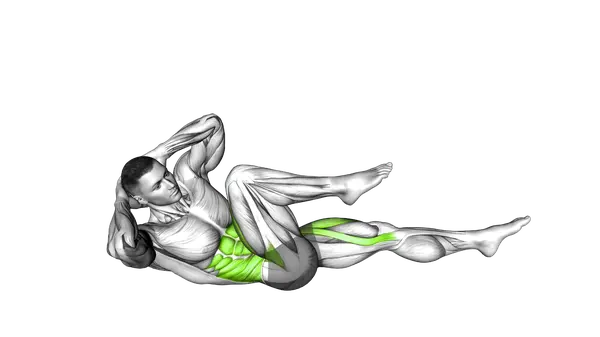
The Bicycle Crunch stands as a cornerstone in core training, beloved by fitness enthusiasts across experience levels while being particularly suitable for those at an intermediate stage. This dynamic movement simultaneously engages your abs and obliques, creating a comprehensive core challenge that goes beyond the basic crunch. Unlike static exercises, the Bicycle Crunch incorporates rotational elements that mimic the pedaling motion of cycling, hence its aptly chosen name. The beauty of this exercise lies in its versatility – it seamlessly fits into both high-intensity interval training (HIIT) protocols and traditional bodybuilding routines. When incorporated into HIIT circuits, it elevates heart rate while building core strength; in bodybuilding regimens, it helps sculpt definition across the midsection. What makes the Bicycle Crunch particularly effective is how it targets multiple muscle groups within the core region. The primary focus remains on developing core strength and endurance, two essential fitness components that translate to improved performance in virtually all physical activities. The alternating nature of the movement pattern creates constant tension through the abdominals and obliques, making it significantly more challenging than standard crunches. Many fitness professionals appreciate the Bicycle Crunch for its accessibility – requiring no equipment while delivering impressive results. The exercise has stood the test of time in the fitness industry because it consistently produces results when performed regularly as part of a balanced routine. Its effectiveness has been supported by electromyography (EMG) studies, which have demonstrated higher muscle activation in the rectus abdominis and obliques compared to many other common abdominal exercises. For those looking to enhance their core development, the Bicycle Crunch represents an efficient movement that delivers considerable benefits for the time invested. Its reputation as a superior core exercise continues to be reinforced by both scientific research and real-world results in those who incorporate it consistently into their training programs.

Core
Endurance
HIIT
Bodybuilding
Bodyweight exercises
Bird Dog

Bird Dog

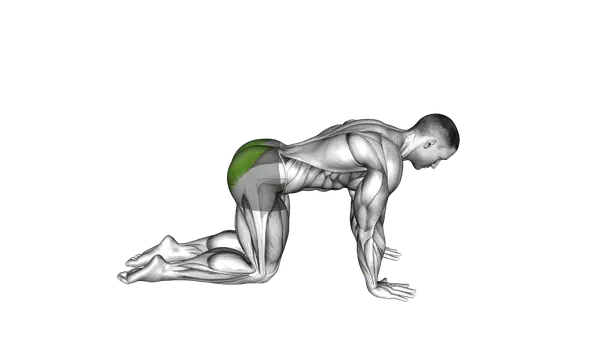
The Bird Dog stands out as a foundational core stability exercise accessible to fitness enthusiasts at the beginner level, making it perfect for those just starting their fitness journey. This gentle yet effective movement simultaneously engages multiple muscle groups including the glutes, abdominals, and erector spinae muscles along the spine, creating a comprehensive strengthening experience without requiring advanced fitness abilities. What makes the Bird Dog particularly valuable is its versatility across different workout phases. As a recovery exercise, it promotes blood flow and gentle movement without taxing the nervous system, allowing muscles to actively repair while maintaining mobility. During warm-up routines, it awakens the core stabilizers and primes the posterior chain for more demanding movements to follow, reducing injury risk in subsequent exercises. The exercise brilliantly addresses two critical aspects of fitness that are often overlooked: core stability and mobility. While many mistakenly equate core training with endless crunches, the Bird Dog trains the deeper core muscles that maintain spinal alignment during movement. This translates directly to improved posture in daily activities and enhanced performance in other exercises. Simultaneously, it develops mobility through the shoulders and hips, addressing common restriction areas for many people who spend hours sitting. The beauty of the Bird Dog lies in its simplicity and profound effect on total-body coordination. By creating opposing forces through the extended limbs, it challenges the body's proprioception and balance systems, essentially teaching your brain and muscles to work together more efficiently. This neurological training aspect makes it particularly valuable for athletic development and injury prevention. Regular practice of the Bird Dog can lead to noticeable improvements in posture, reduced lower back discomfort, and greater body awareness during other physical activities. For these reasons, it remains a staple recommendation among physical therapists, strength coaches, and rehabilitation specialists across the fitness spectrum.

Core
Mobility
Recovery
Warm-up
Bodyweight exercises
Bodyweight Full Squat With Overhead Press

Bodyweight Full Squat With Overhead Press

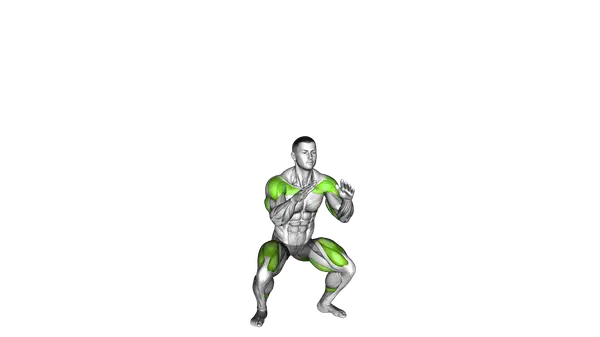
The Bodyweight Full Squat With Overhead Press combines lower body power with upper body pushing strength in one fluid movement, creating an efficient full-body exercise that elevates your heart rate while building functional strength. This intermediate-level compound movement simultaneously targets your quadriceps, glutes, and front deltoids, making it perfect for those looking to maximize their workout efficiency. This versatile exercise fits seamlessly into various training methodologies including HIIT circuits, bodybuilding routines, and CrossFit workouts. The dynamic nature of combining a squat with an overhead press creates a cardiovascular demand that burns calories while developing both strength and muscular endurance throughout your entire body. What makes this movement particularly valuable is how it mimics everyday functional patterns: the kind of integrated movement you might use when lifting objects from the ground and placing them on a high shelf. By training these movement patterns together, you're enhancing your body's natural coordination systems while developing practical strength that translates to daily activities. The full squat component engages your entire lower body kinetic chain, activating the quadriceps as primary movers while recruiting the glutes, hamstrings, and core stabilizers. Meanwhile, the overhead press portion develops shoulder strength and stability, particularly in the anterior deltoids, while engaging your triceps and upper back muscles as synergists. For those focused on metabolic conditioning, this exercise delivers impressive results by recruiting large muscle groups simultaneously, significantly elevating oxygen consumption and caloric expenditure. The compound nature makes it particularly effective for those with limited workout time who need maximum benefits from minimal exercises. Regular incorporation of the Bodyweight Full Squat With Overhead Press can lead to improved posture, enhanced core strength, better overhead mobility, and increased lower body power—all critical components for athletic performance and daily function. Whether you're focused on building strength, enhancing endurance, or improving overall fitness, this exercise delivers comprehensive benefits in a single, efficient movement.

Strength
Endurance
HIIT
Bodybuilding
+1
Bodyweight exercises
Bodyweight Muscle Up

Bodyweight Muscle Up

The Bodyweight Muscle Up stands as one of the most coveted and impressive calisthenics movements in the fitness world, representing the pinnacle of upper body strength, coordination, and explosive power. This advanced movement seamlessly combines a powerful pull-up with a skilled transition and a commanding dip, requiring exceptional development of the lats, triceps, and pectoral muscles working in harmonious synchronization. Often showcased in CrossFit competitions, HIIT workouts, and advanced bodybuilding routines, the muscle up has become a benchmark for upper body dominance. What makes this movement so challenging isn't merely the strength requirements—though they are substantial—but the technical proficiency needed to execute the transition phase between the pull and push portions of the exercise. The raw strength developed through consistent muscle up training translates to remarkable functional power that carries over to numerous athletic endeavors. Athletes who master this movement typically experience significant improvements in pulling strength, pushing power, and core stability that benefit them across various training modalities and sports. Beyond the physical benefits, there's an undeniable psychological edge to conquering the muscle up. Many fitness enthusiasts spend months, even years, working toward their first clean repetition. This journey builds mental fortitude alongside physical capacity, teaching patience and persistence—qualities that extend far beyond the training environment. While flashy on social media, the muscle up isn't just for show. The comprehensive recruitment of upper body musculature makes it an efficient strength developer that challenges the body through multiple planes of movement. The intensity of the exercise triggers substantial hormonal responses that support muscle growth and strength adaptation when programmed appropriately. For those seeking to elevate their bodyweight training to elite levels, the muscle up represents not just an exercise but a milestone—a physical manifestation of dedicated training and technical mastery that few recreational athletes ever achieve.

Strength
Crossfit
HIIT
+1
Bodyweight exercises
Bodyweight Single Leg Deadlift

Bodyweight Single Leg Deadlift

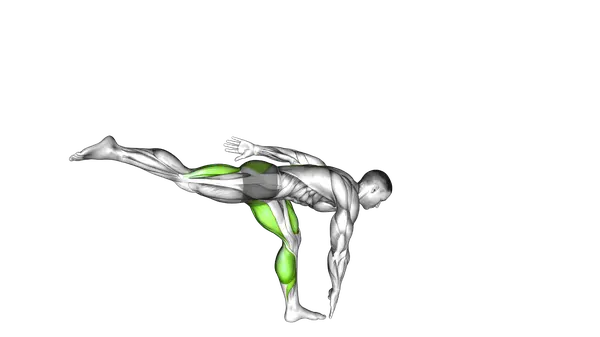
The Bodyweight Single Leg Deadlift represents an exceptional intermediate-level movement that targets the posterior chain, with primary emphasis on the glutes and hamstrings. This versatile exercise bridges the gap between rehabilitation and high-performance training, making it valuable for both bodybuilding enthusiasts looking to sculpt balanced lower body aesthetics and athletes in recovery phases seeking to rebuild strength without excessive loading. Unlike its weighted counterpart, this bodyweight variation allows practitioners to develop unilateral strength—addressing muscular imbalances that often go unnoticed in traditional bilateral exercises. The single-leg component introduces an inherent stability challenge that engages the core musculature while simultaneously training proprioception and balance, elements crucial for functional strength development. Many fitness enthusiasts underestimate the strength-building potential of this movement simply because it doesn't involve external resistance. However, research suggests that the neuromuscular coordination required to maintain proper alignment throughout the exercise creates significant tension in the target muscles, particularly at the eccentric phase when the hip hinge is performed with control. This makes it particularly effective for developing strength foundations before progressing to loaded variations. The beauty of this exercise lies in its accessibility and scalability. For those with advanced strength profiles, it serves as an excellent warm-up or recovery day option that maintains movement patterns without overtaxing the central nervous system. For intermediate trainees, it offers just enough challenge to stimulate growth while refining movement mechanics and intramuscular coordination. From a physiological perspective, the single-leg position creates greater recruitment of stabilizing muscles throughout the hip complex, enhancing not just primary movers but also the supporting cast of muscles that contribute to lower body power. This comprehensive approach to posterior chain development makes it particularly valuable for those looking to build functional strength that transfers to athletic performance rather than just aesthetic muscle development.

Strength
Bodybuilding
Recovery
Bodyweight exercises
Bodyweight Squat

Bodyweight Squat

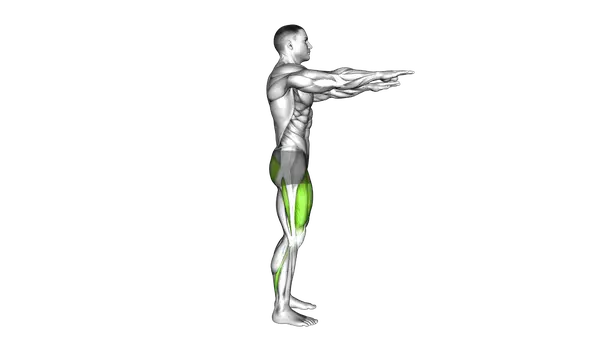
Bodyweight squats are a foundational lower body exercise that serve as the perfect starting point for beginners while remaining valuable for advanced athletes. This accessible movement primarily targets the glutes and quadriceps, though it also engages your hamstrings, calves, and core as stabilizing muscles throughout the movement. The beauty of bodyweight squats lies in their versatility. They can be seamlessly incorporated into high-intensity interval training (HIIT) circuits to elevate your heart rate and burn calories, or utilized in bodybuilding routines to establish proper movement patterns before adding external resistance. Many experienced lifters include bodyweight squats in their warm-up sequences to increase blood flow to the lower body and prime the muscles for more challenging work ahead. Consistent practice of bodyweight squats builds both strength and endurance in your lower body. The movement pattern trains your muscles to generate force efficiently through a full range of motion, enhancing overall athletic performance. When performed with higher repetitions, bodyweight squats challenge muscular endurance and improve your stamina for daily activities and sports. What makes this exercise particularly valuable is its functional carryover to everyday life. The squat pattern mimics movements we perform regularly—sitting down, standing up, and lifting objects from the ground. By strengthening this pattern, you improve your capacity for daily tasks while reducing injury risk during these common movements. For those looking to progress, bodyweight squats establish the neuromuscular foundation necessary for more advanced squat variations like goblet squats, front squats, and back squats. The movement also improves lower body mobility, particularly in the ankles, knees, and hips, which often becomes restricted through sedentary lifestyles. Whether your fitness goals involve building strength, improving endurance, or simply moving better in daily life, the humble bodyweight squat deserves a place in your exercise routine as a cornerstone movement that delivers impressive benefits without equipment.

Strength
Endurance
HIIT
Bodybuilding
+1
Bodyweight exercises
Bodyweight Standing Calf Raise

Bodyweight Standing Calf Raise

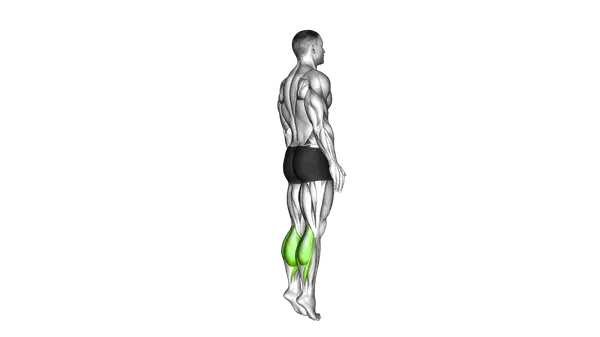
The Bodyweight Standing Calf Raise stands as one of the most accessible yet effective exercises for developing calf strength and definition. This fundamental movement targets the gastrocnemius and soleus muscles—the primary muscles that make up your calves—requiring nothing more than your body weight and a flat surface to perform. Perfect for beginners, this exercise serves as an excellent introduction to lower leg training without overwhelming novice fitness enthusiasts. The simplicity of the movement belies its effectiveness, making it an ideal starting point for those new to fitness while still offering benefits to more experienced individuals when incorporated into higher-volume training. In the realm of bodybuilding, these raises help create that coveted diamond-shaped calf development that completes a well-balanced physique. Many bodybuilders use this exercise as a finishing movement after more intense weighted variations, allowing for additional volume without excessive strain. The exercise's versatility also makes it valuable for warm-up routines, preparing the ankles and calves for more demanding lower body training. During recovery phases, bodyweight calf raises can maintain muscle engagement without compromising healing, offering a low-impact option to keep blood flowing to the area. This makes them particularly useful between more intensive training sessions or when coming back from lower leg injuries under appropriate medical guidance. From a strength perspective, while not as challenging as weighted variations, consistent performance of bodyweight calf raises builds fundamental lower leg strength that translates to improved performance in various athletic activities. The stabilizing effect strengthens not just the calves but also enhances ankle stability—a crucial component for preventing injuries during more dynamic movements. Whether performed as standalone sets during quick home workouts or integrated into comprehensive training programs, the Bodyweight Standing Calf Raise delivers impressive benefits to calf development, functional strength, and overall lower body performance while remaining accessible to virtually anyone regardless of fitness level.

Strength
Bodybuilding
Warm-up
+1
Bodyweight exercises
Bodyweight Step Up

Bodyweight Step Up

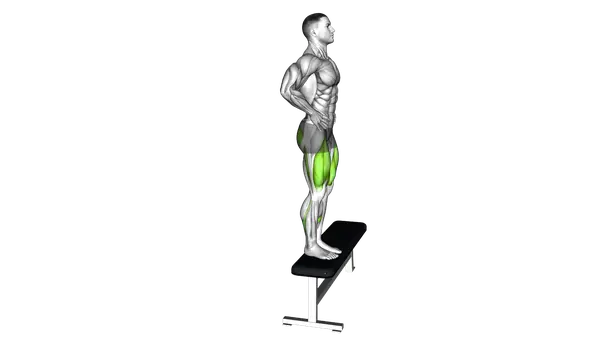
The Bodyweight Step Up is a versatile lower-body exercise that delivers impressive results without requiring fancy equipment. This accessible movement targets multiple muscle groups simultaneously, with primary emphasis on the glutes, quads, and hamstrings—the powerhouse muscles that drive everyday movements and athletic performance. Perfect for beginners just starting their fitness journey, this exercise offers a gentle introduction to lower body training while still providing enough challenge to stimulate muscle growth and strength development. The beauty of step-ups lies in their scalability; you can adjust the height of your platform based on your current fitness level, making it possible to progress gradually as your strength improves. Step-ups shine across various training modalities. In HIIT workouts, they elevate your heart rate quickly, burning calories and improving cardiovascular fitness. For bodybuilding purposes, they help sculpt defined legs and a shapely posterior when performed with proper form and appropriate volume. During recovery phases, lower, controlled step-ups with body weight can enhance blood flow to healing muscles without excessive strain. The exercise develops both strength and endurance simultaneously. The lifting phase builds power in your legs and glutes, while performing multiple repetitions challenges your muscular endurance and stamina. This dual benefit makes step-ups particularly valuable for athletes and fitness enthusiasts looking to improve functional fitness that transfers to real-world activities. What makes the Bodyweight Step Up truly stand out is its practicality. You'll strengthen the same movement patterns used when climbing stairs, hiking uphill, or stepping onto a bus—movements we encounter daily. This functional carryover is why many trainers consider step-ups a cornerstone exercise for building a resilient, capable body that performs well both in and out of the gym.

Strength
Endurance
HIIT
Bodybuilding
+1
Bodyweight exercises
Bulgarian Split Squat

Bulgarian Split Squat

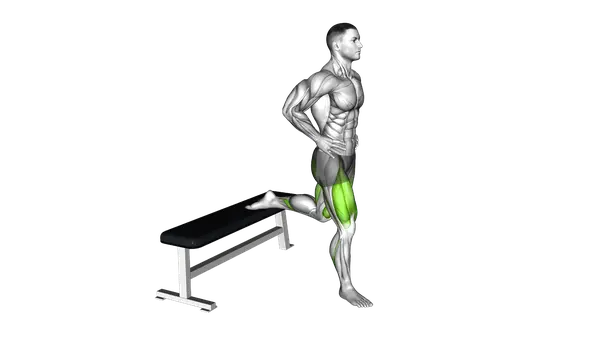
The Bulgarian Split Squat stands as a powerful unilateral leg exercise that has earned its reputation in both strength and physique development circles. This intermediate movement primarily targets the glutes, quads, and hamstrings while engaging numerous stabilizing muscles throughout the lower body and core. Originally popularized by Olympic weightlifters from Bulgaria, this exercise has transcended its origins to become a staple in bodybuilding and HIIT protocols alike. The beauty of the Bulgarian Split Squat lies in its ability to expose and correct muscular imbalances between your dominant and non-dominant legs—something that traditional bilateral exercises often mask. When incorporated into a bodybuilding regimen, this movement excels at creating symmetrical development and detail across the lower body musculature. The isolation of each leg creates tremendous tension through a full range of motion, stimulating muscle growth while improving functional strength. For HIIT enthusiasts, the Bulgarian Split Squat delivers an intense cardiovascular challenge when performed with minimal rest, elevating heart rate and caloric expenditure. From a strength perspective, this exercise offers significant carryover to athletic movements. By training each leg independently, you develop the stabilizing muscles critical for change of direction, acceleration, and power production. The balance component simultaneously enhances proprioception and neuromuscular coordination, which translates to improved performance in compound lifts like squats and deadlifts. What makes the Bulgarian Split Squat particularly valuable is its accessibility—requiring minimal equipment while delivering maximum results. Whether your goal is hypertrophy, conditioning, or functional strength, this exercise delivers remarkable benefits with proper implementation. As you progress, you'll find this movement not only reshapes your lower body aesthetics but also contributes to improved movement patterns and athletic capacity in daily life and sports performance.

Strength
Bodybuilding
HIIT
Dumbbell (+2)
Burpee

Burpee

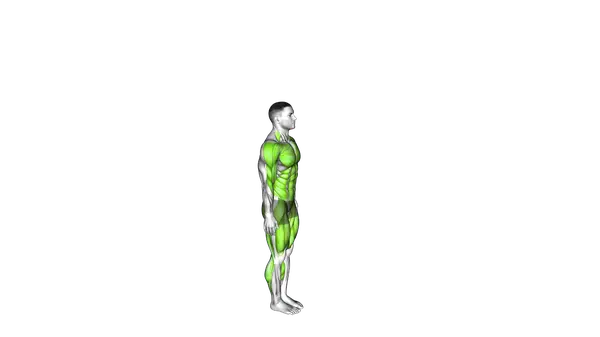
The burpee stands as one of fitness's most celebrated and simultaneously dreaded movements. This compound exercise has earned its reputation as a high-intensity staple that delivers comprehensive benefits in minimal time. Originally developed in the 1930s by physiologist Royal H. Burpee as a fitness test, this movement has evolved to become a cornerstone in modern workout programs across various fitness disciplines. While beginners can attempt modified versions, the traditional burpee requires a moderate fitness foundation. The exercise demands coordination between multiple movement patterns and sufficient strength to transition smoothly between positions. Intermediate exercisers will find burpees challenging yet achievable, making them perfect for progressive overload as fitness improves. The burpee excels at activating multiple muscle groups simultaneously. Your core muscles (rectus abdominis, obliques, and transverse abdominis) work continuously to stabilize your body throughout the movement. The quadriceps power your jump and assist in the stand-up portion, while your glutes activate strongly during the explosive component. Beyond muscle engagement, your cardiovascular system works overtime, elevating heart rate quickly and efficiently. Burpees feature prominently in High-Intensity Interval Training (HIIT) protocols, where they deliver maximum metabolic impact in short time frames. Their versatility makes them ideal for Tabata intervals, EMOM (Every Minute On the Minute) challenges, and AMRAP (As Many Rounds As Possible) formats. In CrossFit, burpees appear regularly in benchmark workouts and the CrossFit Games, testing athletes' power endurance and mental fortitude. Few exercises match the burpee's efficiency for cardiovascular development. Regular incorporation improves VO2 max, cardiac output, and overall endurance capacity. The full-body nature of the movement creates a significant oxygen demand, training your body to utilize oxygen more efficiently during exercise. This translates to improved stamina across other athletic pursuits and daily activities.

Endurance
Cardio
HIIT
Crossfit
Bodyweight exercises
Burpee Broad Jump

Burpee Broad Jump

The Burpee Broad Jump stands as a formidable total-body movement that combines explosive power, cardiovascular endurance, and muscular strength into one comprehensive exercise. This intermediate-level movement has gained tremendous popularity in both HIIT and CrossFit training circles for its efficiency in targeting multiple muscle groups simultaneously while elevating your heart rate. When performing this dynamic exercise, you'll engage your pecs during the push-up portion, creating that chest-building tension that helps develop upper body strength. Your quads and glutes activate powerfully during both the squat component and especially during the explosive jump phase, where they generate the forward propulsion needed for distance. Throughout the entire movement, your core muscles remain engaged, with your abs working overtime to maintain proper form and body alignment. What makes this exercise particularly valuable is its dual nature of building endurance while delivering serious cardio benefits. The rapid transitions between movements create an oxygen demand that challenges your cardiovascular system, making it an excellent choice for those looking to improve conditioning while burning significant calories. This exercise efficiently combines strength and cardio elements, eliminating the need to separate these training components. The beauty of the Burpee Broad Jump lies in its adaptability across fitness levels. While categorized as intermediate, it can be modified or intensified based on your specific goals and capabilities. Many athletes incorporate this movement into their training to develop power, explosiveness, and stamina—all qualities that transfer well to various sports and daily activities. For those seeking efficiency in their workouts, this exercise delivers exceptional bang for your buck, recruiting major muscle groups while simultaneously challenging your cardiovascular system. Its inclusion in HIIT and CrossFit programs speaks to its effectiveness as a metabolic conditioning tool that pushes physical boundaries and builds mental toughness alongside physical strength.

Endurance
Cardio
Hyrox
HIIT
+1
Bodyweight exercises
Butt Kicks

Butt Kicks

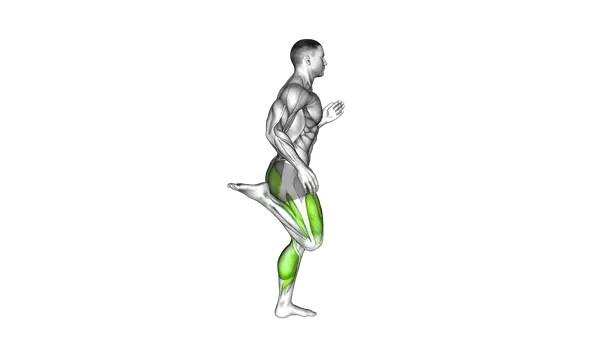
Butt kicks are a dynamic, high-energy exercise that serves as an excellent addition to any fitness routine, particularly for beginners looking to build lower body strength and cardiovascular endurance. This accessible movement primarily targets the hamstrings while also engaging the glutes, making it a focused yet comprehensive lower body exercise that delivers impressive results with proper form and consistent practice. Many fitness professionals incorporate butt kicks into HIIT circuits due to their ability to quickly elevate heart rate and create metabolic demand without complex movement patterns. However, their versatility extends beyond intense training sessions, as they also function perfectly as part of a thorough warm-up sequence to prepare the posterior chain for more demanding exercises, or as a cool-down activity to facilitate recovery while maintaining elevated circulation. The beauty of butt kicks lies in their dual benefits – simultaneously developing muscular endurance in the hamstrings and glutes while providing an effective cardio stimulus that improves aerobic capacity. The rhythmic nature of this movement challenges your cardiovascular system similarly to jogging but with increased posterior chain activation, creating a more balanced lower body workout that complements other common exercises like high knees or jumping jacks. For those monitoring their fitness progress, butt kicks offer a measurable benchmark – tracking improvements in speed, duration, and technical execution provides tangible evidence of developing endurance and coordination. As your fitness level advances, you can naturally increase the intensity by performing the movement with greater speed or for extended durations without needing to modify the basic exercise pattern. Whether incorporated into a dedicated training session or used as a quick energy-boosting activity during a busy day, butt kicks deliver significant physiological benefits while remaining accessible to virtually any fitness level. Their minimal space requirements and zero-equipment nature make them a practical option for home workouts, travel fitness, or outdoor training sessions.

Endurance
Cardio
HIIT
Warm-up
+1
Bodyweight exercises
Butterfly Yoga Pose

Butterfly Yoga Pose

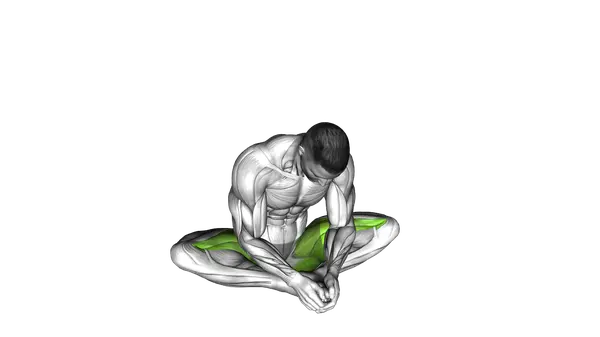
The Butterfly Pose, also known as Baddha Konasana in Sanskrit, is a fundamental yoga position that offers tremendous benefits for practitioners of all experience levels, particularly beginners seeking to improve their flexibility and mobility. This gentle seated posture primarily targets the adductors—those inner thigh muscles that often become tight from our modern sedentary lifestyle—making it an excellent addition to any stretching routine. The beauty of the Butterfly Pose lies in its versatility. It serves wonderfully as part of a warm-up sequence, preparing the hips and groin for more demanding movements by increasing blood flow to these areas. Equally, it shines as a recovery or cool-down exercise, helping to release tension accumulated during more intense activities while promoting a sense of groundedness and calm. What makes this pose particularly accessible is how it naturally encourages proper alignment while allowing practitioners to control the intensity of the stretch according to their own flexibility level. The gentle opening sensation along the inner thighs creates space in an area where many people experience chronic tightness, potentially improving overall hip mobility and posture with regular practice. Beyond the physical benefits, the Butterfly Pose offers a moment of mindful connection with your body. The subtle sensations that arise during this stretch provide an opportunity to practice awareness and breathing into areas of tension—skills that translate to both athletic performance and everyday movement patterns. As a mobility-enhancing posture, the Butterfly supports healthy hip function, which serves as the foundation for many daily activities and athletic movements. The gentle nature of this stretch makes it appropriate for nearly everyone, from office workers combating the effects of prolonged sitting to athletes looking to maintain supple, responsive muscles for optimal performance. This timeless pose demonstrates that sometimes the simplest movements yield the most profound benefits.

Stretching
Mobility
Recovery
Cool-down
+1
Bodyweight exercises
Cat Cow Stretch

Cat Cow Stretch

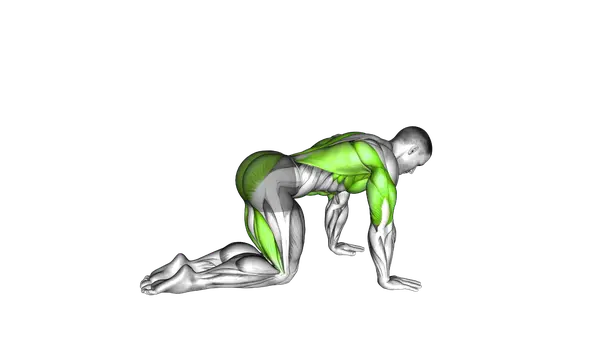
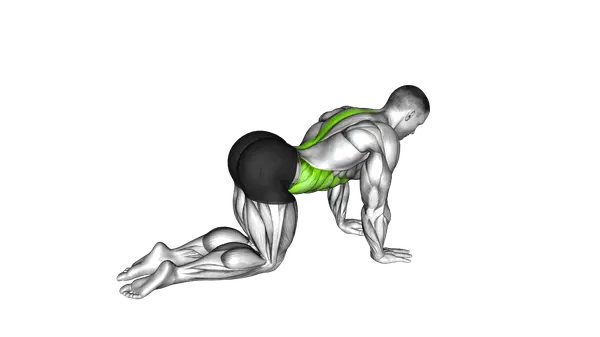
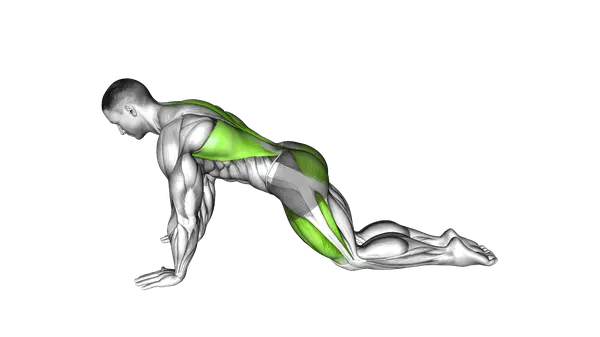
The Cat Cow Stretch represents one of the most accessible yet effective mobility exercises in any fitness routine, perfect for beginners while remaining valuable for exercisers at all levels. This gentle, flowing movement primarily targets the erector spinae muscles that run along your spine and your abdominal muscles, creating a beautiful balance of engagement and release through your entire core structure. What makes the Cat Cow particularly versatile is its application across various phases of your workout journey. As a warm-up element, it awakens the spine and central nervous system, preparing your body for more intense movements to come. During recovery periods, it serves as a reset button, allowing you to catch your breath while maintaining movement. And as a cool-down component, it helps transition your body back to a resting state while releasing tension accumulated during exercise. The beauty of this stretch lies in its dual focus on both stretching and mobility. While it lengthens tight muscles along the back and abdomen, it simultaneously encourages articulation through each vertebra, promoting healthier spinal function. This combination makes it especially valuable in our modern world, where prolonged sitting and device use often lead to compressed spines and restricted movement patterns. Regular incorporation of the Cat Cow can contribute to improved posture, reduced back discomfort, and enhanced awareness of your core muscles. The gentle nature of the movement makes it accessible even on days when energy levels are low, ensuring you can maintain some form of movement practice regardless of circumstances. For those dealing with stress, the rhythmic pairing of movement with breath in the Cat Cow offers meditative benefits beyond the physical, creating a mind-body connection that grounds you in the present moment. This makes it not just an exercise for physical wellness, but a holistic practice supporting overall wellbeing.

Stretching
Mobility
Recovery
Cool-down
+1
Bodyweight exercises
Child's Pose

Child's Pose

Child's Pose, often referred to as the resting pose in yoga practice, offers an accessible entry point for beginners while providing profound benefits for more advanced fitness enthusiasts. This gentle position primarily targets the erector spinae: those important muscles running along your spine, while also providing a mild release for the glutes, making it perfect for anyone experiencing tightness in the lower back region. What makes Child's Pose particularly valuable is its versatility within a fitness routine. As a recovery position, it allows the body to reset between more challenging exercises, bringing the heart rate down while maintaining engagement. During cool-down sequences, it helps transition the body from an active state to rest, signaling to your nervous system that the intense work is complete. Alternatively, incorporating it into your warm-up routine gently awakens the spine and prepares the back muscles for more demanding movements ahead. The pose primarily functions as a stretching exercise, creating gentle elongation through the entire posterior chain from the ankles to the neck. This stretching quality makes it exceptional for releasing tension that accumulates throughout the day, especially for those who spend hours sitting at desks. Beyond simple stretching, Child's Pose enhances mobility by encouraging the natural articulation of the spine and promoting healthy range of motion in the hips. Perhaps what's most remarkable about Child's Pose is its dual nature: simultaneously calming the mind while physically preparing the body. The position naturally encourages deeper breathing patterns, which activates the parasympathetic nervous system. This physiological response helps reduce cortisol levels and creates a moment of mindfulness even within a physically-focused training session. For athletes dealing with recovery from more intense workouts, this meditative quality offers both mental and physical restoration.

Stretching
Mobility
Recovery
Cool-down
+1
Bodyweight exercises
Chin-Up

Chin-Up

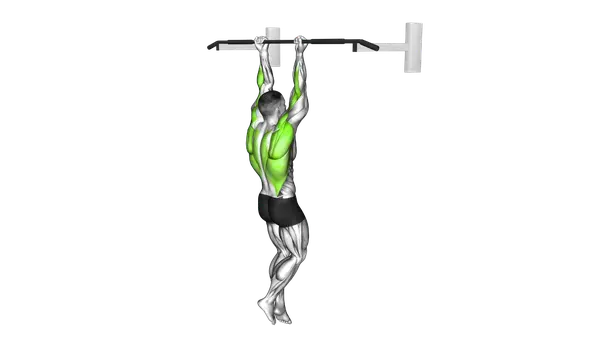
The chin-up stands as one of the most effective upper body exercises in your fitness arsenal, delivering impressive results for intermediate lifters looking to build both aesthetic appeal and functional strength. This compound movement primarily targets your latissimus dorsi (lats), creating that coveted V-taper physique, while simultaneously engaging your biceps and forearms for comprehensive development. Unlike its cousin the pull-up, the chin-up's underhand grip places greater emphasis on your biceps, making it particularly valuable for bodybuilding enthusiasts seeking balanced arm development. The exercise creates significant time under tension for these muscle groups, stimulating the hypertrophy necessary for visible muscle growth. Your forearms also receive substantial work as they struggle to maintain your grip throughout the movement, developing that rugged forearm definition many fitness enthusiasts pursue. What makes chin-ups particularly effective is their versatility across training modalities. In traditional strength programming, weighted chin-ups serve as a primary vertical pulling movement, building raw pulling power that transfers to numerous real-world activities. When incorporated into HIIT workouts, chin-ups elevate your heart rate while simultaneously building upper body strength, offering an efficient approach to training that maximizes your time investment. The benefits extend beyond mere aesthetics. Regular chin-up practice improves shoulder stability, enhances grip strength that carries over to other lifts, and develops the posterior chain muscles often neglected in typical training programs. Research consistently demonstrates that compound pulling movements like chin-ups stimulate greater hormonal responses compared to isolation exercises, potentially enhancing overall muscle growth throughout your physique. For intermediate lifters, chin-ups represent a perfect challenge: demanding enough to stimulate continued adaptation but achievable with consistent practice. Whether your goal is developing an impressive back, building functional strength, or creating a comprehensive upper body training program, the chin-up deserves a permanent place in your exercise rotation.

Strength
Bodybuilding
HIIT
Bodyweight exercises
Showing 1-26 of 112 exercises