Back
Cat Cow Stretch
Add to Workout

Cat Cow Stretch

Build

How to Perform

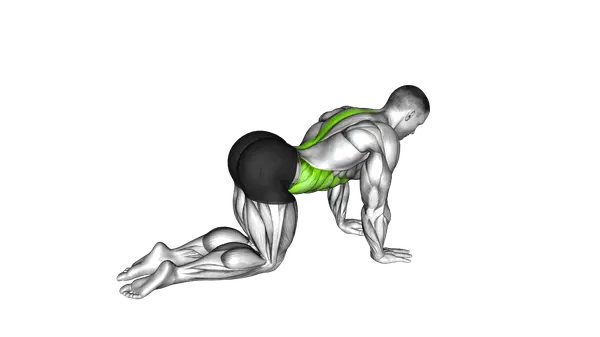
  1. Begin on all fours with your wrists directly under your shoulders and knees under your hips, maintaining a neutral spine position.
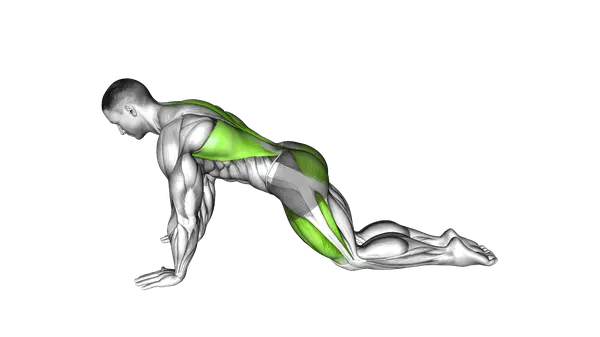
  2. Inhale deeply as you arch your back, allowing your belly to sink toward the floor while lifting your chin and tailbone toward the ceiling.
  3. Draw your shoulder blades down your back during the cow position, creating space between your shoulders and ears.
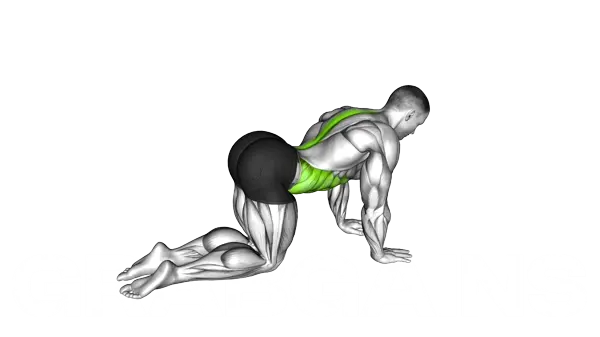
  4. Exhale slowly as you round your spine toward the ceiling, tucking your chin to your chest and drawing your tailbone under.
  5. Pull your navel toward your spine in the cat position, engaging your core muscles to maximize the stretch.
  6. Keep your weight evenly distributed through your hands and knees throughout the movement to maintain stability.
  7. Flow smoothly between the two positions, synchronizing your breath with each movement for 5-10 repetitions.
  8. Focus on the articulation of your spine, moving one vertebra at a time rather than making rigid, jerky movements.

Important information

  • Keep your arms straight but not locked, with your elbows soft to prevent joint strain.
  • If you have wrist discomfort, try placing your hands slightly forward of your shoulders or making fists with your knuckles on the ground.
  • Maintain equal weight distribution between all four points of contact to prevent shoulder or hip imbalances.
  • Move at a pace that allows you to feel each segment of your spine articulating; this isn't a race.

Exercise Details

Primary Muscles

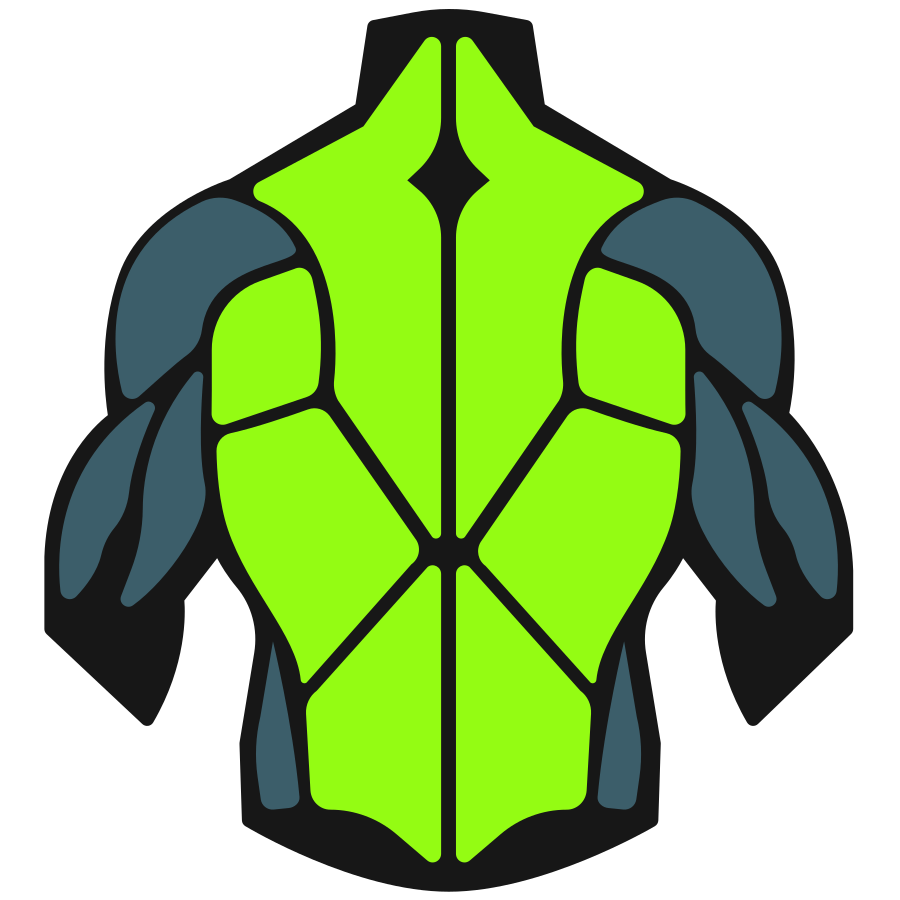
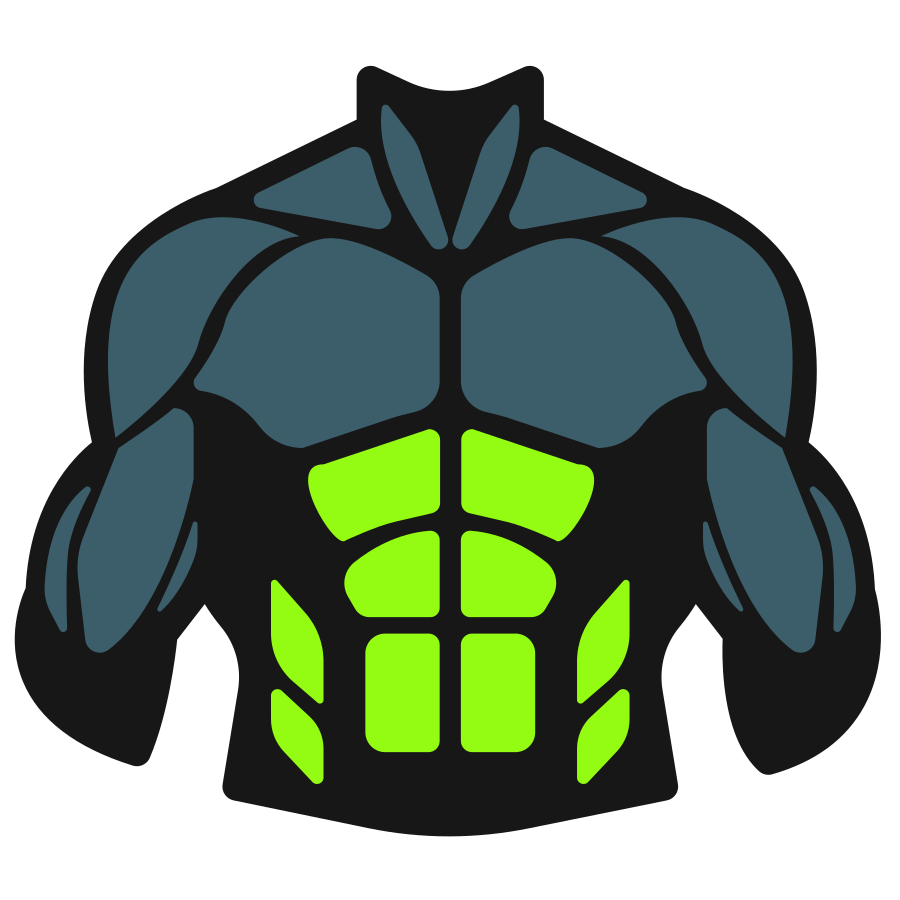
Erector Spinae Abs

Muscle Groups

Back exercises Ab exercises

Mechanic

Compound

Built for progress

Take the guesswork out of training

Create personalized AI-powered workout plans that evolve with you. Train smarter, track every rep and keep moving forward, one workout at a time.

Be among the first to join!
GrabGains workout plans

The Cat Cow Stretch represents one of the most accessible yet effective mobility exercises in any fitness routine, perfect for beginners while remaining valuable for exercisers at all levels. This gentle, flowing movement primarily targets the erector spinae muscles that run along your spine and your abdominal muscles, creating a beautiful balance of engagement and release through your entire core structure.

What makes the Cat Cow particularly versatile is its application across various phases of your workout journey. As a warm-up element, it awakens the spine and central nervous system, preparing your body for more intense movements to come. During recovery periods, it serves as a reset button, allowing you to catch your breath while maintaining movement. And as a cool-down component, it helps transition your body back to a resting state while releasing tension accumulated during exercise.

The beauty of this stretch lies in its dual focus on both stretching and mobility. While it lengthens tight muscles along the back and abdomen, it simultaneously encourages articulation through each vertebra, promoting healthier spinal function. This combination makes it especially valuable in our modern world, where prolonged sitting and device use often lead to compressed spines and restricted movement patterns.

Regular incorporation of the Cat Cow can contribute to improved posture, reduced back discomfort, and enhanced awareness of your core muscles. The gentle nature of the movement makes it accessible even on days when energy levels are low, ensuring you can maintain some form of movement practice regardless of circumstances.

For those dealing with stress, the rhythmic pairing of movement with breath in the Cat Cow offers meditative benefits beyond the physical, creating a mind-body connection that grounds you in the present moment. This makes it not just an exercise for physical wellness, but a holistic practice supporting overall wellbeing.

FAQ - Cat Cow Stretch

What muscles does the Cat Cow Stretch target?

The Cat Cow primarily engages your erector spinae (back muscles), abdominals, and core stabilizers while also involving your neck, shoulders, and hips. This flowing movement creates a balance of engagement and release through your entire spine and core structure.

Is the Cat Cow Stretch safe for people with back problems?

Generally yes, as it's a gentle mobility exercise that can actually help relieve minor back discomfort by promoting healthy spinal movement. However, those with specific spinal injuries or severe back pain should consult their healthcare provider first and modify the range of motion as needed.

When is the best time to perform the Cat Cow Stretch?

The Cat Cow is versatile enough to be beneficial during multiple phases of your workout: as a warm-up to awaken the spine, during active recovery between intense exercises, or as part of your cool-down routine. It's also excellent as a standalone practice for stress reduction or to counter prolonged sitting.

What are the most common form mistakes with the Cat Cow?

The most common mistakes include rushing through the movement, failing to coordinate breath with movement (inhale with cow, exhale with cat), and not engaging the core muscles. Also, avoid overarching in the cow position or rounding too aggressively in the cat position, which can strain your neck.

How can I make the Cat Cow Stretch more challenging?

To increase difficulty, try slowing down the movement to build greater control, add extended holds at the peak of each position, or incorporate limb movements (like opposite arm/leg reaches) during the stretch. You can also perform the sequence with your eyes closed to enhance proprioception and balance.

Workouts with Cat Cow Stretch
Alternative Exercises

Pelvic Tilt Into Bridge

Pelvic Tilt Into Bridge

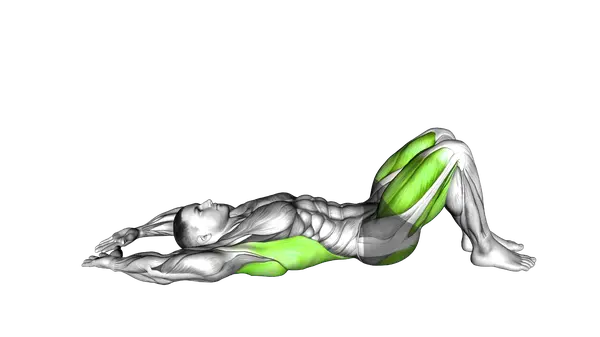
The Pelvic Tilt Into Bridge is a foundational movement that serves as an excellent starting point for beginners looking to strengthen their posterior chain while developing core awareness. This gentle yet effective exercise primarily targets the glutes and abdominal muscles, creating a solid foundation for more advanced strength training movements. When incorporated into your fitness routine, this exercise functions beautifully as either a warm-up to activate key muscles before more intense training or as a recovery element during cool-down phases. The controlled nature of the movement allows you to establish a mind-muscle connection while gradually increasing blood flow to the working muscles. What makes the Pelvic Tilt Into Bridge particularly valuable is its dual focus on strength and mobility. As you transition from the subtle pelvic tilt into the more demanding bridge position, you're not only building functional strength in your glutes and core but also improving hip mobility – an often overlooked aspect of fitness that affects everything from your posture to athletic performance. The exercise represents a perfect balance between therapeutic movement and strength development. Your core musculature learns to stabilize your spine in various positions, which translates to better posture and reduced lower back discomfort in daily activities. Meanwhile, the glute engagement helps counter the negative effects of prolonged sitting that many experience in modern life. For those new to fitness, the Pelvic Tilt Into Bridge provides a safe introduction to posterior chain activation without the intimidation factor of more complex movements. As your body adapts, this exercise can become progressively more challenging through increased repetitions or hold times, making it a versatile addition to any fitness regimen focused on building foundational strength and mobility while supporting overall physical wellness.

Strength
Mobility
Core
Recovery
Cool-down
+1
Bodyweight exercises
Child's Pose

Child's Pose

Child's Pose, often referred to as the resting pose in yoga practice, offers an accessible entry point for beginners while providing profound benefits for more advanced fitness enthusiasts. This gentle position primarily targets the erector spinae: those important muscles running along your spine, while also providing a mild release for the glutes, making it perfect for anyone experiencing tightness in the lower back region. What makes Child's Pose particularly valuable is its versatility within a fitness routine. As a recovery position, it allows the body to reset between more challenging exercises, bringing the heart rate down while maintaining engagement. During cool-down sequences, it helps transition the body from an active state to rest, signaling to your nervous system that the intense work is complete. Alternatively, incorporating it into your warm-up routine gently awakens the spine and prepares the back muscles for more demanding movements ahead. The pose primarily functions as a stretching exercise, creating gentle elongation through the entire posterior chain from the ankles to the neck. This stretching quality makes it exceptional for releasing tension that accumulates throughout the day, especially for those who spend hours sitting at desks. Beyond simple stretching, Child's Pose enhances mobility by encouraging the natural articulation of the spine and promoting healthy range of motion in the hips. Perhaps what's most remarkable about Child's Pose is its dual nature: simultaneously calming the mind while physically preparing the body. The position naturally encourages deeper breathing patterns, which activates the parasympathetic nervous system. This physiological response helps reduce cortisol levels and creates a moment of mindfulness even within a physically-focused training session. For athletes dealing with recovery from more intense workouts, this meditative quality offers both mental and physical restoration.

Stretching
Mobility
Recovery
Cool-down
+1
Bodyweight exercises
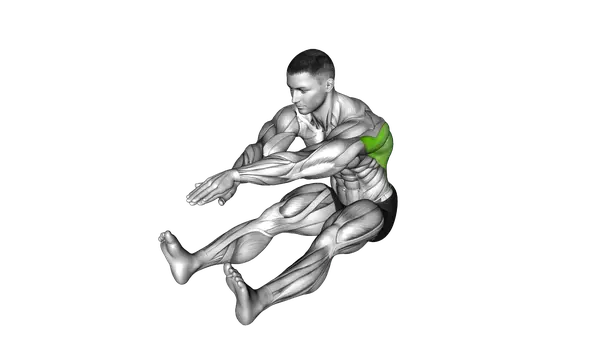
Sitting Bent-Over Back Stretch

Sitting Bent-Over Back Stretch

The Sitting Bent-Over Back Stretch offers a gentle yet effective way to release tension in your erector spinae and hamstrings simultaneously. This beginner-friendly stretch serves as a versatile component of your fitness routine, fitting perfectly into warm-ups, cool-downs, or recovery sessions when your muscles need some attention. What makes this stretch particularly valuable is its accessibility: requiring no equipment and minimal space, it can be performed virtually anywhere when you need to decompress your spine and lengthen those hamstrings after prolonged sitting or physical activity. The stretch works by creating a controlled elongation of the posterior chain, from your lower back muscles that run along your spine all the way down to the hamstrings at the backs of your thighs. Many people carry tension in their back muscles without realizing it, and this stretch addresses that hidden tightness while simultaneously improving your overall mobility. Regular practice can contribute to better posture and may help reduce the risk of back discomfort associated with tight erector spinae muscles. For desk workers especially, incorporating this stretch into daily routines can counteract the negative effects of extended sitting. The beauty of this stretch lies in its simplicity and effectiveness. While it appears straightforward, it delivers profound benefits for your body's mobility systems. The gentle traction it creates along the spine can help maintain the health of your intervertebral discs and promote optimal nerve function throughout the back. Remember that stretching shouldn't be rushed: this particular movement rewards patience and proper breathing. As with all stretching and mobility work, consistency yields the best results. Making this stretch part of your regular recovery protocol can lead to noticeable improvements in your movement quality, athletic performance, and everyday comfort. Your back and hamstrings will thank you for the regular attention to their flexibility needs.

Stretching
Mobility
Recovery
Cool-down
+1
Bodyweight exercises
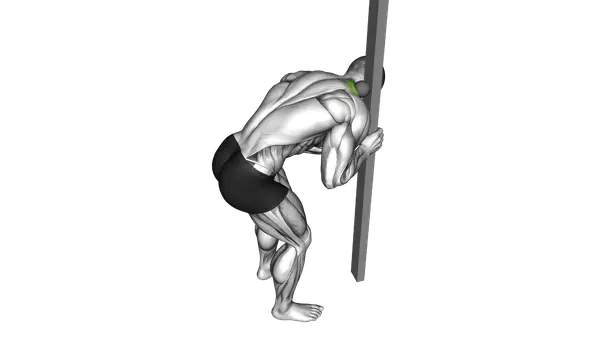
Trapezius muscle release with ball

Trapezius muscle release with ball

The trapezius muscle release with a ball offers a wonderful self-myofascial release technique ideal for beginners looking to alleviate tension in the upper body. This recovery-focused practice targets the trapezius muscles: those diamond-shaped muscles extending from your neck across your shoulders and down your upper back, which often harbor stress and tightness from daily activities. As a gentle cool-down method, this technique allows you to apply controlled pressure to trigger points in your traps and neck region, helping to release built-up tension that can contribute to headaches, shoulder pain, and limited mobility. The beauty of this approach lies in its simplicity and effectiveness for improving tissue quality without complicated equipment or assistance. When incorporated into your post-workout routine, this stretching technique helps facilitate blood flow to the worked muscles, potentially reducing recovery time and decreasing soreness. The pressure from the ball helps to break up adhesions in the fascia (the connective tissue surrounding your muscles) which can form due to repetitive movements, poor posture, or intense training. For those focused on improving mobility, regular trapezius release work can significantly enhance your range of motion in the neck and shoulders. This translates to better performance in overhead movements and reduced risk of injury during both workout sessions and everyday activities. The increased circulation from this practice also delivers nutrients to the area, supporting tissue health and flexibility. This trapezius release technique serves as an excellent introduction to self-myofascial release practices, providing a foundation for more advanced mobility work as you progress in your fitness journey. By spending just a few minutes on this recovery technique several times per week, you'll likely notice improvements in how your upper body feels and moves, making it a valuable addition to any well-rounded fitness regimen.

Stretching
Mobility
Recovery
Cool-down
Other