Back

Exercise

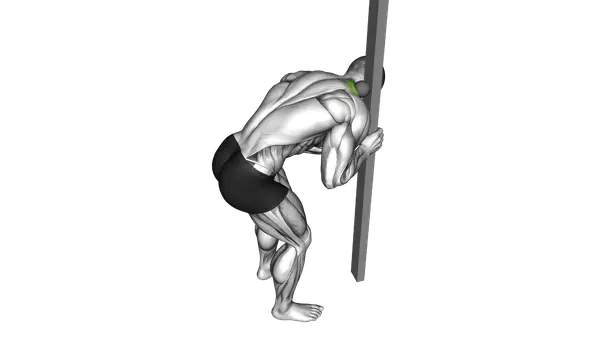
Trapezius muscle release with ball

Trapezius muscle release with ball
Add to Workout

Trapezius muscle release with ball

Build

How to Perform

  1. Place a lacrosse ball, tennis ball, or massage ball on the floor and position yourself so the ball is under your upper back where your trapezius muscle connects to your shoulder.
  2. Lie down on the ball, supporting your body weight with your feet flat on the ground and knees bent, while keeping your core engaged for stability.
  3. Relax your head and shoulders, allowing the ball to sink into the muscle tissue as you exhale slowly through your mouth.
  4. Slowly roll your body so the ball moves across different parts of your upper trapezius, pausing on tender spots for 15-30 seconds while taking deep breaths.
  5. When you find a particularly tight knot, try raising your arm on the same side and moving it in small circles to intensify the release.
  6. Maintain controlled breathing throughout the exercise, inhaling through your nose and exhaling through your mouth to help release tension.
  7. After working on one side, move the ball to the opposite trapezius and repeat the same process, ensuring you address both sides equally.
  8. Gradually work your way along the muscle from the base of your skull down toward your shoulder, spending a total of 1-2 minutes on each side.

Important information

  • Keep the pressure manageable—you should feel a "good pain" rather than sharp or shooting sensations that might indicate nerve compression.
  • If you have existing neck injuries or severe pain, consult with a healthcare professional before attempting this release technique.
  • For a gentler approach, perform this exercise against a wall instead of on the floor to reduce the pressure.
  • Drink plenty of water after performing muscle release techniques to help flush metabolic waste from the tissues.

Exercise Details

Primary Muscles

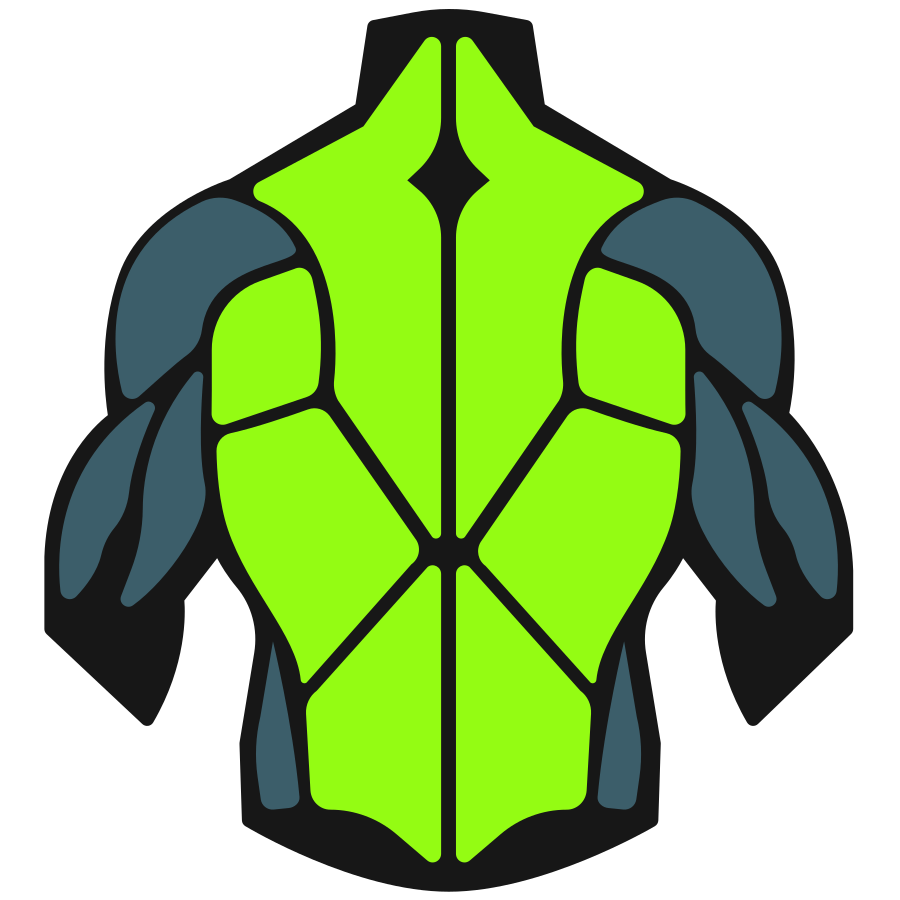
Traps Neck

Muscle Groups

Back exercises

Mechanic

Isolation

Risk Areas

Neck

Built for progress

Take the guesswork out of training

Create personalized AI-powered workout plans that evolve with you. Train smarter, track every rep and keep moving forward, one workout at a time.

Be among the first to join!
GrabGains workout plans

The trapezius muscle release with a ball offers a wonderful self-myofascial release technique ideal for beginners looking to alleviate tension in the upper body. This recovery-focused practice targets the trapezius muscles: those diamond-shaped muscles extending from your neck across your shoulders and down your upper back, which often harbor stress and tightness from daily activities. As a gentle cool-down method, this technique allows you to apply controlled pressure to trigger points in your traps and neck region, helping to release built-up tension that can contribute to headaches, shoulder pain, and limited mobility. 

The beauty of this approach lies in its simplicity and effectiveness for improving tissue quality without complicated equipment or assistance. When incorporated into your post-workout routine, this stretching technique helps facilitate blood flow to the worked muscles, potentially reducing recovery time and decreasing soreness. The pressure from the ball helps to break up adhesions in the fascia (the connective tissue surrounding your muscles) which can form due to repetitive movements, poor posture, or intense training. 

For those focused on improving mobility, regular trapezius release work can significantly enhance your range of motion in the neck and shoulders. This translates to better performance in overhead movements and reduced risk of injury during both workout sessions and everyday activities. The increased circulation from this practice also delivers nutrients to the area, supporting tissue health and flexibility. This trapezius release technique serves as an excellent introduction to self-myofascial release practices, providing a foundation for more advanced mobility work as you progress in your fitness journey. By spending just a few minutes on this recovery technique several times per week, you'll likely notice improvements in how your upper body feels and moves, making it a valuable addition to any well-rounded fitness regimen.

FAQ - Trapezius muscle release with ball

What muscles does the trapezius release with a ball target?

This technique primarily targets the trapezius muscles, which extend from your neck across your shoulders and down your upper back. It also indirectly affects connected tissues in the neck, shoulders, and upper back region.

How long should I spend on each trigger point during this release?

Spend 20-30 seconds on each tender spot or trigger point, allowing the tissue to gradually relax under the pressure. If an area is particularly tight, you may extend to 45-60 seconds, but avoid staying on one spot for more than a minute.

How often should I perform trapezius release with a ball?

For optimal results, incorporate this technique 3-4 times per week, especially after workouts that engage the upper body or during periods of increased neck/shoulder tension. Daily application is safe if done gently, but give your tissues time to recover if you experience soreness.

What type of ball works best for this release technique?

A tennis ball or lacrosse ball works effectively for most people, with the lacrosse ball providing firmer pressure for deeper release. Beginners may start with a softer massage ball or tennis ball, while those seeking deeper pressure can progress to a lacrosse or therapy ball.

What are common mistakes to avoid when performing this release?

Avoid applying excessive pressure that causes sharp pain rather than a "good hurt" sensation. Don't roll quickly over the area—instead, use slow, controlled movements and sustained pressure on trigger points. Also, keep breathing deeply throughout the release to help your muscles relax.

Alternative Exercises

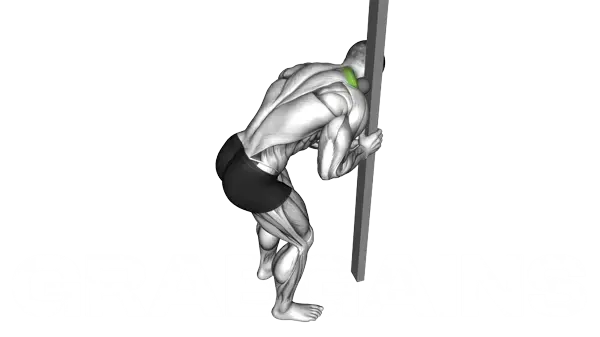
Sitting Bent-Over Back Stretch

Sitting Bent-Over Back Stretch

The Sitting Bent-Over Back Stretch offers a gentle yet effective way to release tension in your erector spinae and hamstrings simultaneously. This beginner-friendly stretch serves as a versatile component of your fitness routine, fitting perfectly into warm-ups, cool-downs, or recovery sessions when your muscles need some attention. What makes this stretch particularly valuable is its accessibility: requiring no equipment and minimal space, it can be performed virtually anywhere when you need to decompress your spine and lengthen those hamstrings after prolonged sitting or physical activity. The stretch works by creating a controlled elongation of the posterior chain, from your lower back muscles that run along your spine all the way down to the hamstrings at the backs of your thighs. Many people carry tension in their back muscles without realizing it, and this stretch addresses that hidden tightness while simultaneously improving your overall mobility. Regular practice can contribute to better posture and may help reduce the risk of back discomfort associated with tight erector spinae muscles. For desk workers especially, incorporating this stretch into daily routines can counteract the negative effects of extended sitting. The beauty of this stretch lies in its simplicity and effectiveness. While it appears straightforward, it delivers profound benefits for your body's mobility systems. The gentle traction it creates along the spine can help maintain the health of your intervertebral discs and promote optimal nerve function throughout the back. Remember that stretching shouldn't be rushed: this particular movement rewards patience and proper breathing. As with all stretching and mobility work, consistency yields the best results. Making this stretch part of your regular recovery protocol can lead to noticeable improvements in your movement quality, athletic performance, and everyday comfort. Your back and hamstrings will thank you for the regular attention to their flexibility needs.

Stretching
Mobility
Recovery
Cool-down
+1
Bodyweight exercises
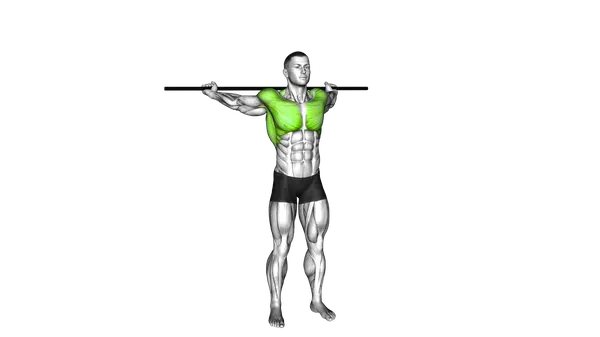
PVC Pass Through

PVC Pass Through

The PVC Pass Through is a wonderfully versatile mobility exercise that deserves a place in every fitness enthusiast's routine, particularly for beginners looking to improve shoulder function and upper body mobility. This gentle movement utilizes a lightweight PVC pipe or dowel rod to create a controlled stretch across the front deltoids and lats, making it perfect for those just starting their fitness journey. What makes this exercise so valuable is its role in both preparation and recovery. As part of a warm-up, the PVC Pass Through increases blood flow to the shoulder complex and activates the rotator cuff muscles, preparing your body for more demanding movements ahead. When used during a cool-down, it helps release tension in the front delts and lats that often tighten during upper body training, potentially accelerating recovery between sessions. The beauty of this mobility drill lies in its simplicity and effectiveness. While performing the movement, you'll feel a gentle opening across the chest and shoulders as the PVC pipe travels in its arc. This stretching sensation targets the anterior deltoids (front shoulders) which often become tight from daily activities like computer work or driving. Simultaneously, the lats (those powerful back muscles that connect your arms to your torso) receive a much-needed release. Regular incorporation of the PVC Pass Through can gradually improve shoulder mobility over time, potentially reducing the risk of impingement issues that plague many fitness enthusiasts. he movement serves as an excellent assessment tool as well, providing immediate feedback about your current mobility limitations while tracking improvements as you practice consistently. For optimal results, consider including the PVC Pass Through not just before workouts but as part of your daily mobility routine. Many experienced athletes and coaches value this simple tool for maintaining shoulder health and enhancing overall upper body function, proving that sometimes the most basic movements deliver the most significant benefits to your mobility practice.

Mobility
Stretching
Recovery
Cool-down
+1
Other
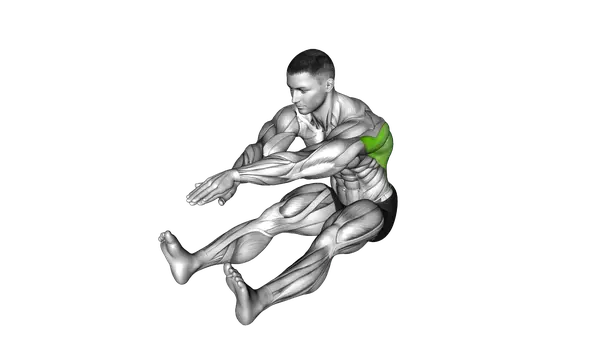
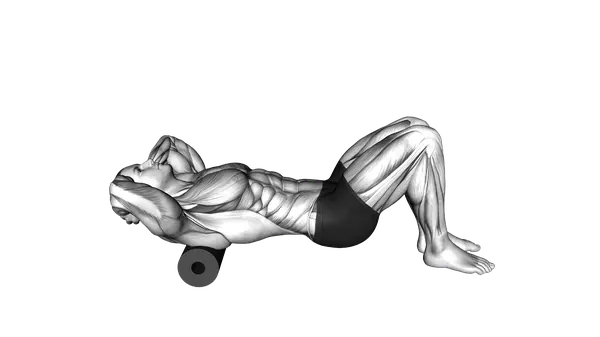
Foam Roll Upper Back

Foam Roll Upper Back

The Roll Upper Back is a gentle yet highly effective recovery technique that targets the trapezius muscles and rear deltoids, making it an excellent addition to any cool-down routine. This beginner-friendly mobility exercise helps release tension that accumulates in the upper back throughout the day, whether from desk work, training, or general stress. The rolling motion helps to improve blood flow to these areas, facilitating faster recovery and promoting better posture. As a stretching modality, this technique works by applying controlled pressure to the trapezius muscles, gradually easing tightness and enhancing flexibility in the upper thoracic region. The beauty of this exercise lies in its simplicity and accessibility – it requires minimal equipment and can be performed virtually anywhere as part of your recovery protocol. Regular implementation can lead to decreased muscle soreness and improved range of motion in your shoulders and neck. Many fitness enthusiasts underestimate the importance of targeted mobility work for the upper back, yet this area often stores significant tension, particularly for those engaged in pushing movements like bench press or overhead exercises. The Roll Upper Back serves as an excellent counterbalance, helping to maintain muscular equilibrium between the anterior and posterior chain. For beginners especially, developing this habit early in their fitness journey can prevent compensatory patterns that might otherwise lead to discomfort or injury. The rear deltoids, which play a crucial role in shoulder stability and posture, particularly benefit from this stretching technique. When incorporated into a consistent cool-down routine, this exercise can help mitigate the forward-rounded shoulder position common in our technology-driven society. Research suggests that such mobility work not only improves immediate comfort but can contribute to long-term joint health and functional movement quality. Remember that recovery isn't just an optional component of fitness – it's an essential element that allows your body to adapt and grow stronger. The Roll Upper Back represents a simple yet powerful tool in your recovery arsenal that pays dividends in both performance and everyday comfort.

Mobility
Stretching
Recovery
Cool-down
Foam roller
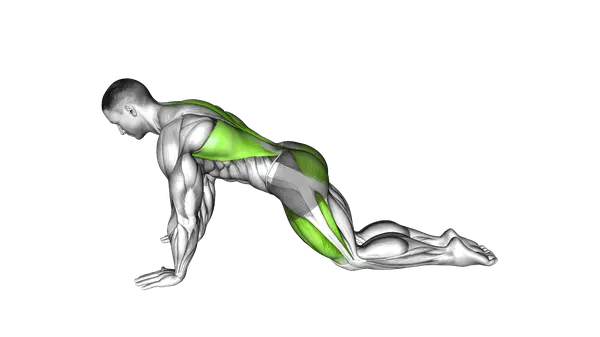
Child's Pose

Child's Pose

Child's Pose, often referred to as the resting pose in yoga practice, offers an accessible entry point for beginners while providing profound benefits for more advanced fitness enthusiasts. This gentle position primarily targets the erector spinae: those important muscles running along your spine, while also providing a mild release for the glutes, making it perfect for anyone experiencing tightness in the lower back region. What makes Child's Pose particularly valuable is its versatility within a fitness routine. As a recovery position, it allows the body to reset between more challenging exercises, bringing the heart rate down while maintaining engagement. During cool-down sequences, it helps transition the body from an active state to rest, signaling to your nervous system that the intense work is complete. Alternatively, incorporating it into your warm-up routine gently awakens the spine and prepares the back muscles for more demanding movements ahead. The pose primarily functions as a stretching exercise, creating gentle elongation through the entire posterior chain from the ankles to the neck. This stretching quality makes it exceptional for releasing tension that accumulates throughout the day, especially for those who spend hours sitting at desks. Beyond simple stretching, Child's Pose enhances mobility by encouraging the natural articulation of the spine and promoting healthy range of motion in the hips. Perhaps what's most remarkable about Child's Pose is its dual nature: simultaneously calming the mind while physically preparing the body. The position naturally encourages deeper breathing patterns, which activates the parasympathetic nervous system. This physiological response helps reduce cortisol levels and creates a moment of mindfulness even within a physically-focused training session. For athletes dealing with recovery from more intense workouts, this meditative quality offers both mental and physical restoration.

Stretching
Mobility
Recovery
Cool-down
+1
Bodyweight exercises