Build a stronger body with proven fundamentals
Strength workouts
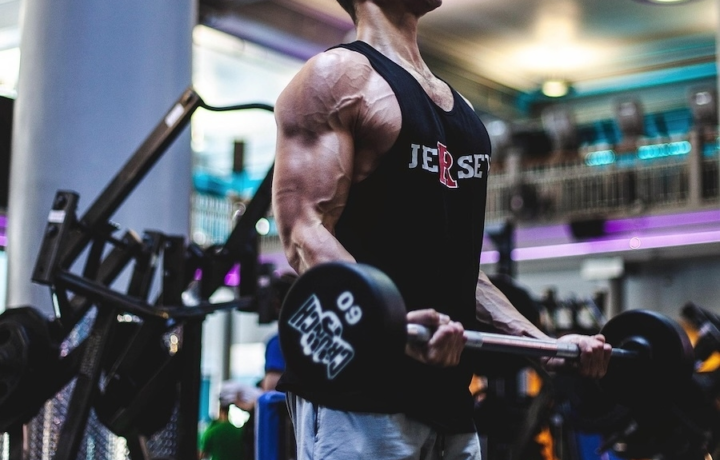
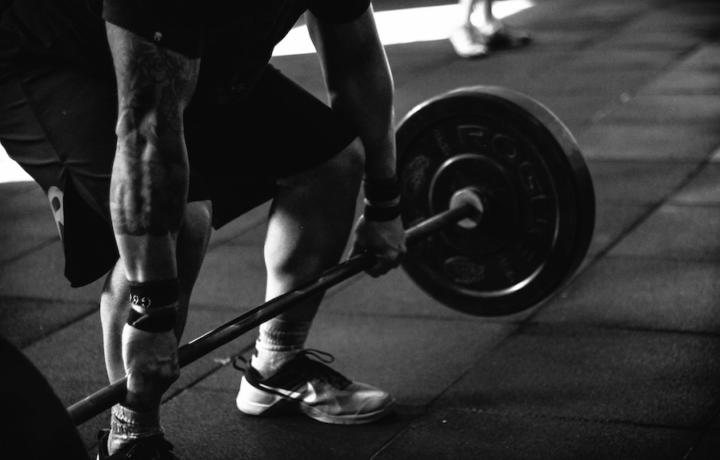
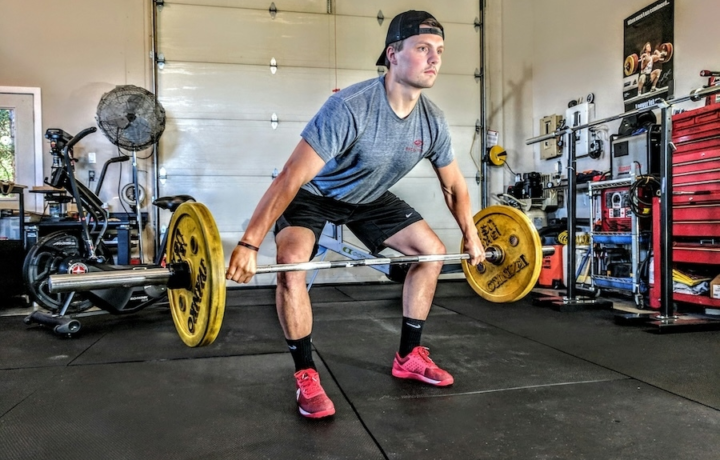
Strength workouts focus on increasing your ability to lift heavier weights and perform challenging movements with control and consistency. These programs prioritize compound lifts like squats, deadlifts, and presses, often using lower rep ranges with higher loads. Whether you're a beginner or advanced lifter, strength training improves physical performance, enhances muscular coordination, and supports long-term health and resilience.
Workout 1 Strength (Upper Body Push Power)
This session is all about pressing power: bench presses, shoulders, and chest. You warm up with mobility and push-ups, after which you focus on bench press and dumbbell presses to build real upper body strength. The mix of barbell and dumbbell exercises ensures balance, while close-grip push-ups conclude the session with extra work for the triceps. Perfect if you want to press more weight, build upper body muscle mass, and improve your pressing power.
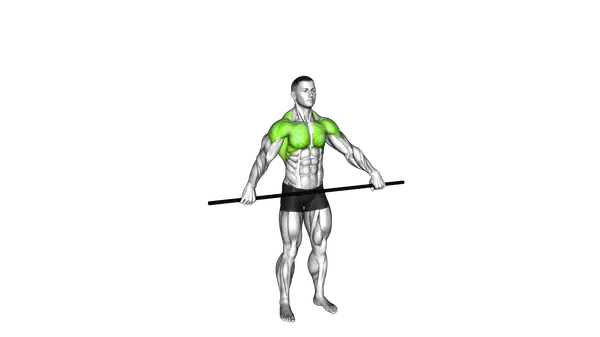
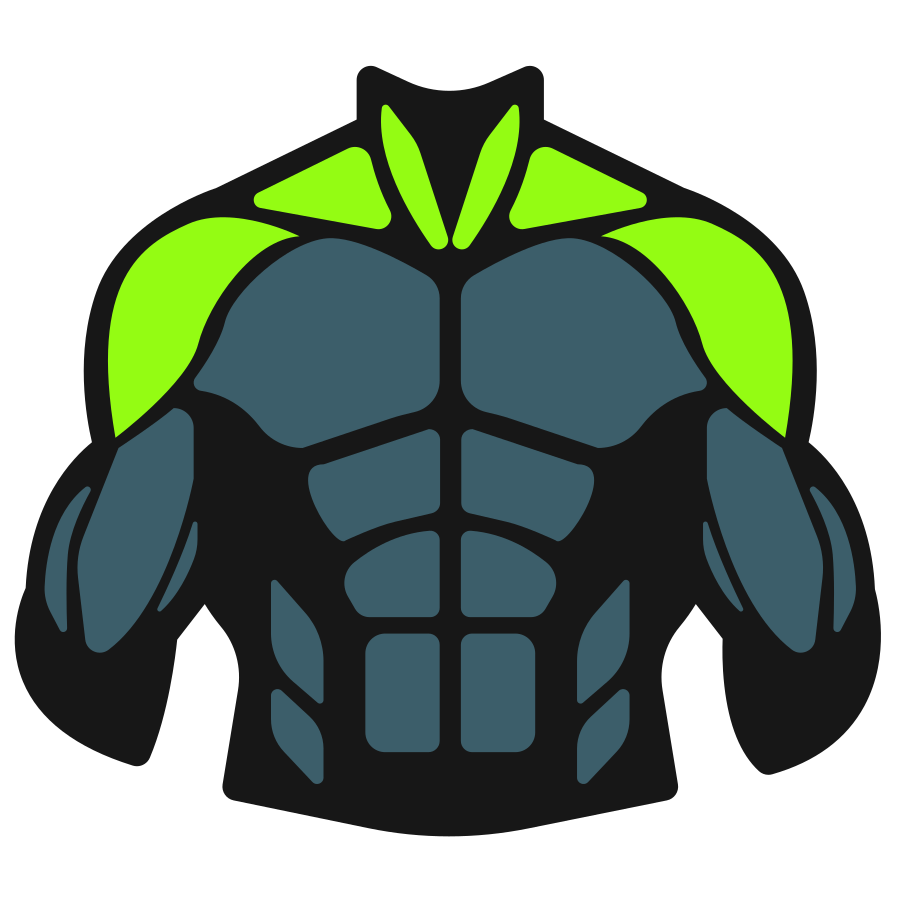
PVC Figure 8
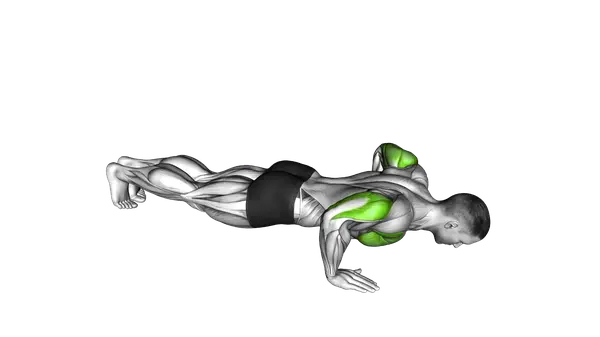
Push-Up
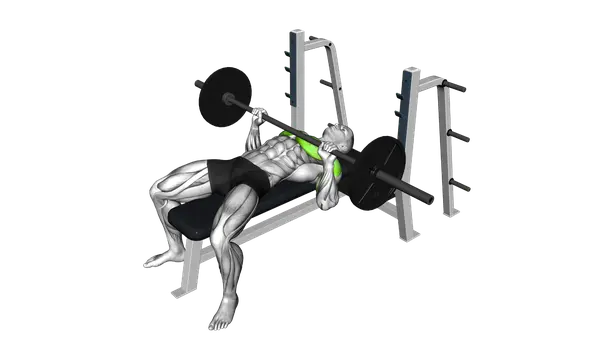
Barbell Bench Press
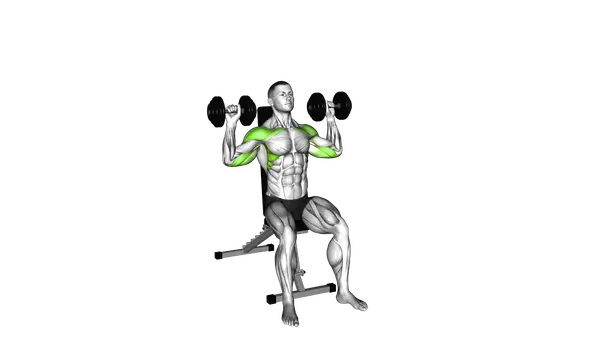
Seated Dumbbell Shoulder Press
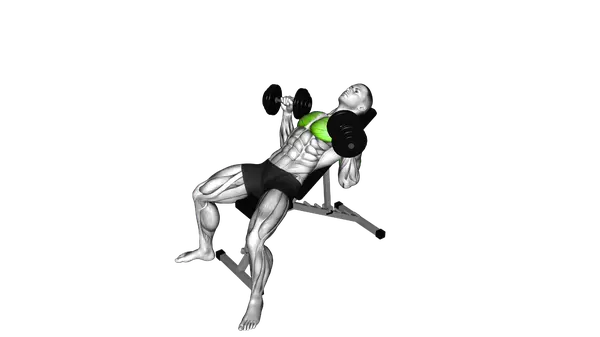
Dumbbell Incline Chest Press
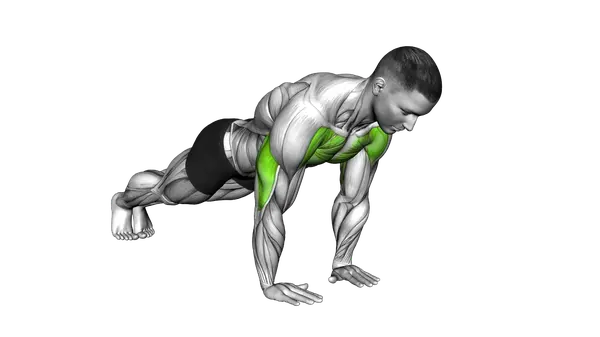
Close Grip Push Up
Train for confidence, control, and sustainability
The Benefits of Strength Training
Strength training develops your body's ability to generate force and move efficiently. It improves posture, joint stability, and bone density, while reducing the risk of injuries. You will also experience more energy, mental resilience, and better performance in daily tasks and sports. Unlike training purely focused on aesthetics, strength training emphasizes practical, lasting physical improvements.
Built for progress
Take the guesswork out of training
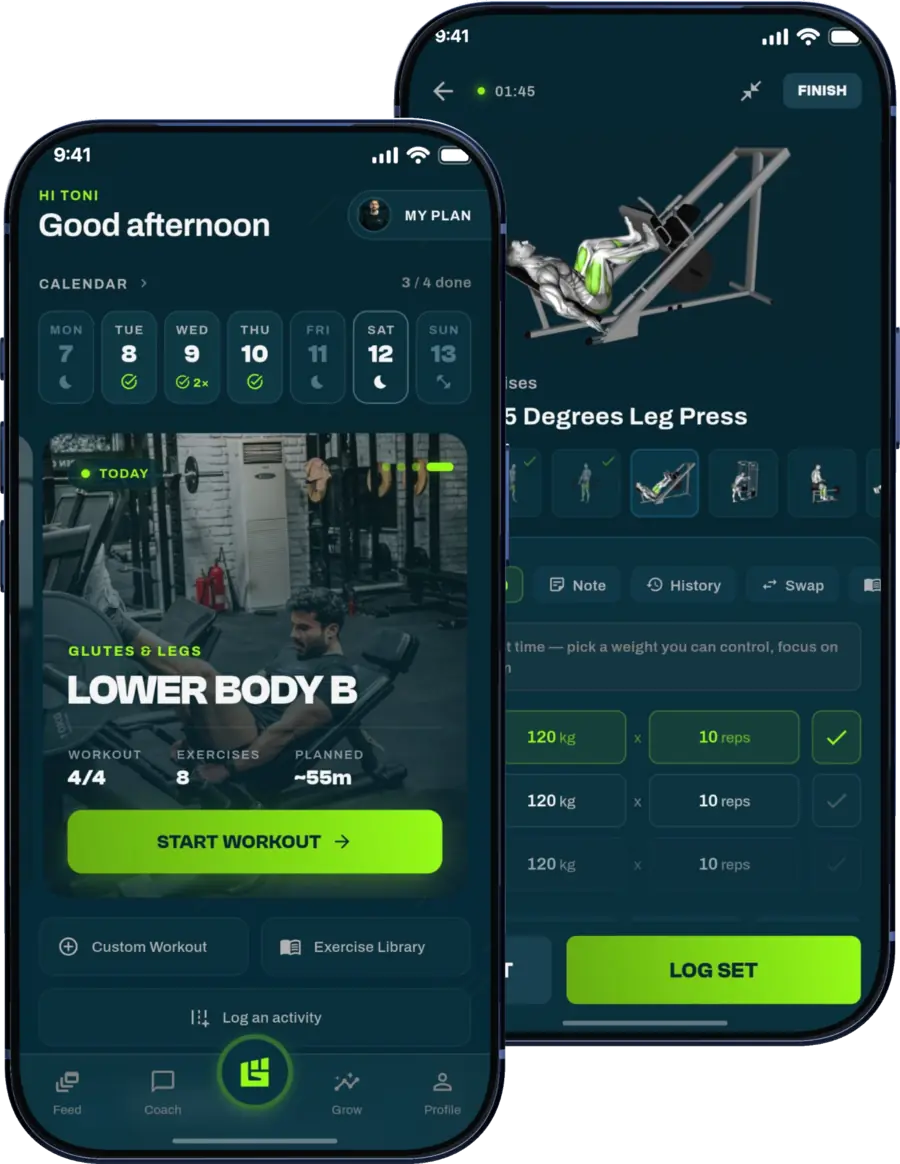
Get a personalized workout plan built around your goal, equipment and schedule. Train smarter, track every rep and keep moving forward, one workout at a time.




Workout 2 Strength (Upper Body Pure Strength)
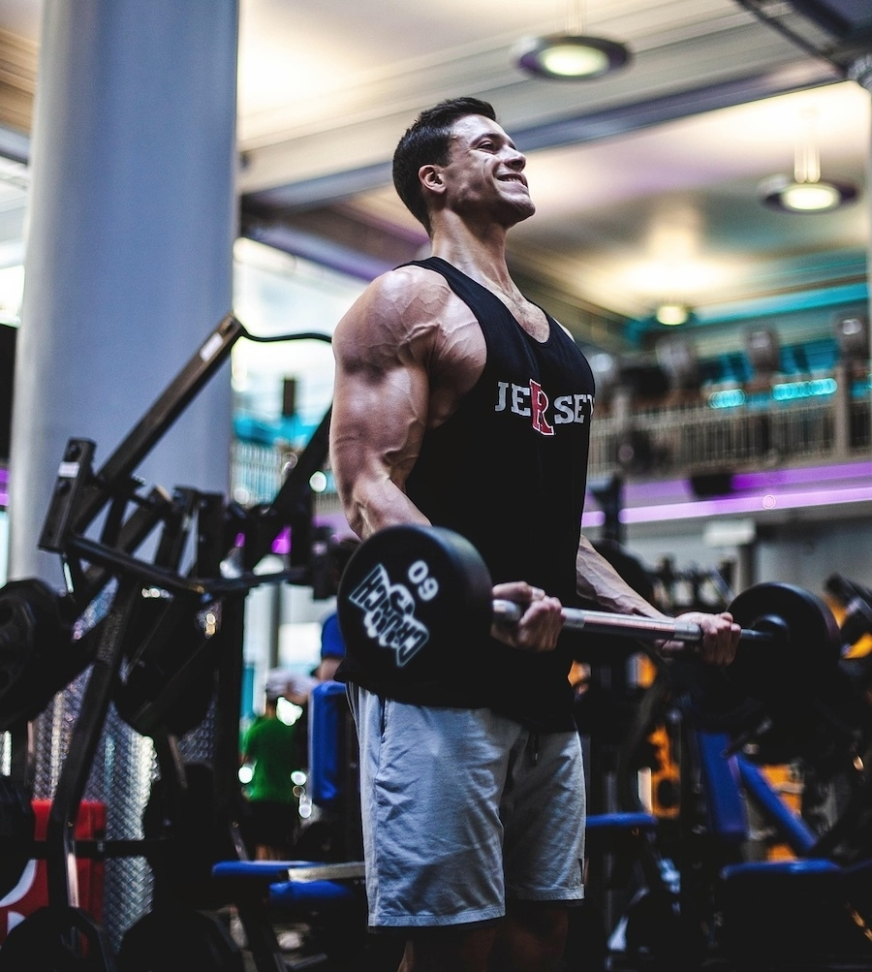
This workout focuses on your pulling power: rows, chin-ups, and curls to build a strong back and strong arms. You start with resistance band exercises and stretches, before moving on to heavy barbell rows and chin-ups to challenge your lats and biceps. Dumbbell work ensures proper balance and guarantees that each side is loaded equally. Perfect if you want a thicker back, stronger arms, and more pulling power for both your lifts and your everyday strength.
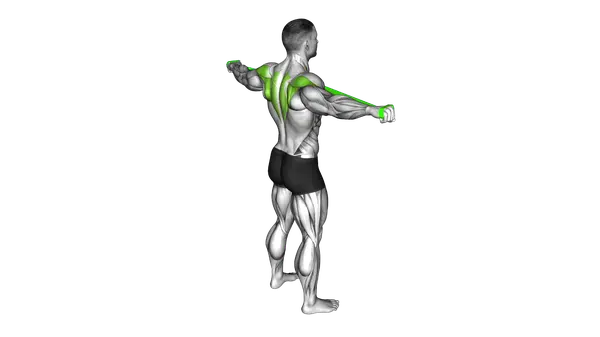
Resistance Band Pull Apart
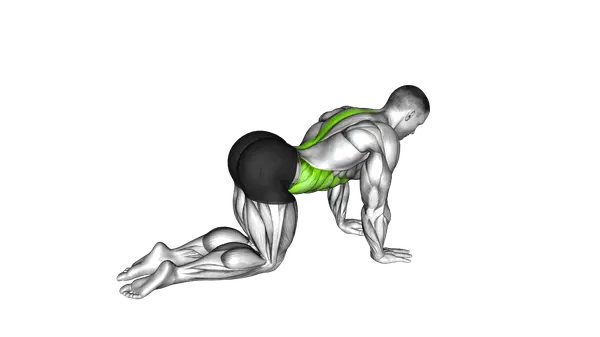
Cat Cow Stretch
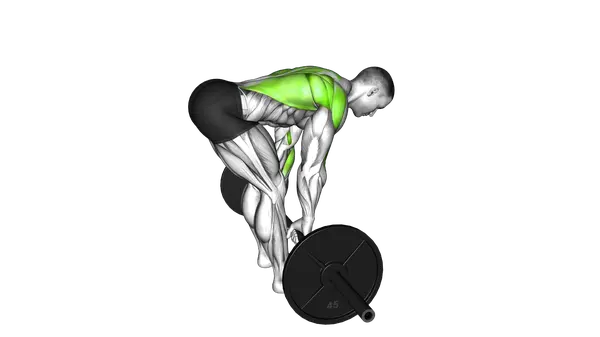
Barbell Bent Over Row
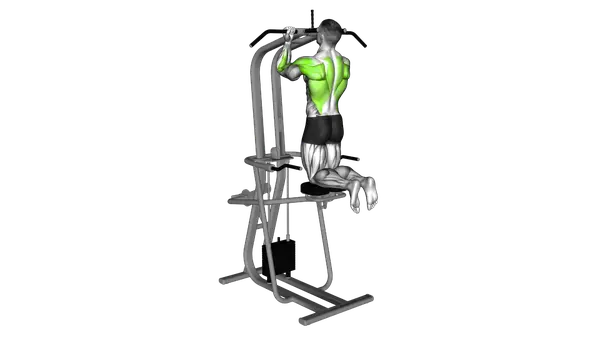
Lever Assisted Chin-Up
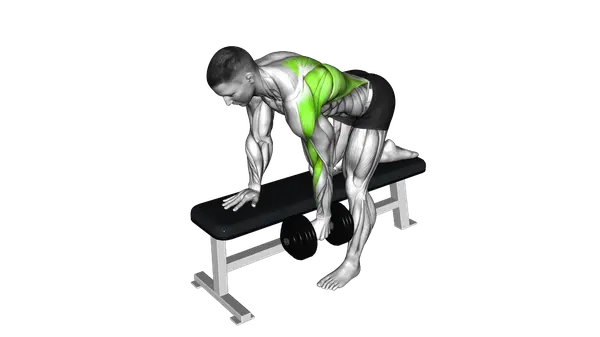

Dumbbell Single Arm Bent Over Row
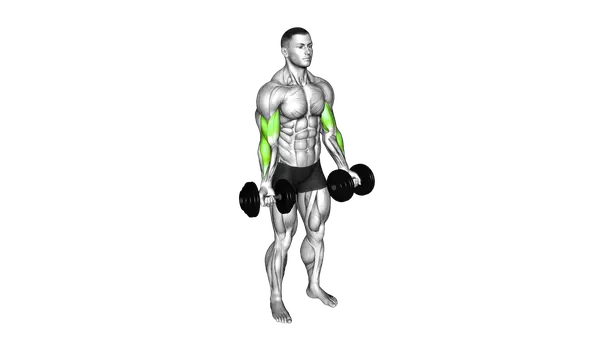
Dumbbell Biceps Curl
Workout 3 Strength (Lower Body Power)
This workout builds strong, powerful legs with a mix of squats, deadlifts, and single-leg exercises. You'll start with bodyweight and glute activation, then load the bar for heavy squats and Romanian deadlifts. Bulgarian split squats and lunges finish it off, ensuring balance, stability, and serious lower body strength. Perfect if you want to build leg muscle mass, strengthen your glutes, and move with more power.
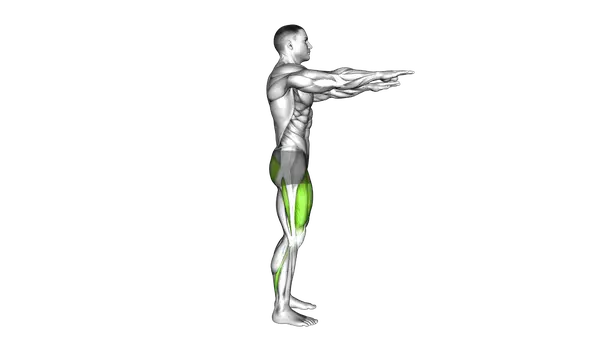

Bodyweight Squat
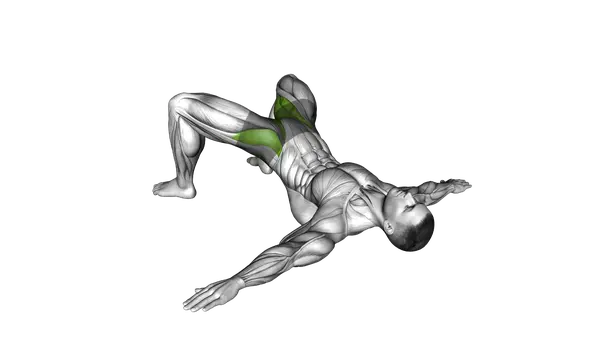
Glute Bridge Abduction
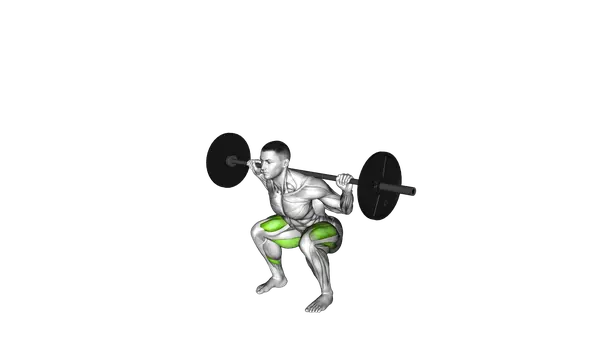
Barbell Squat
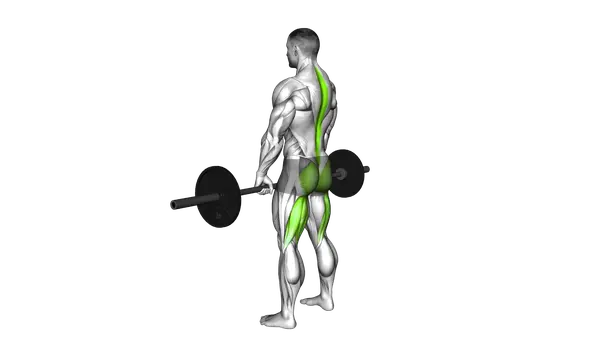
Barbell Romanian Deadlift
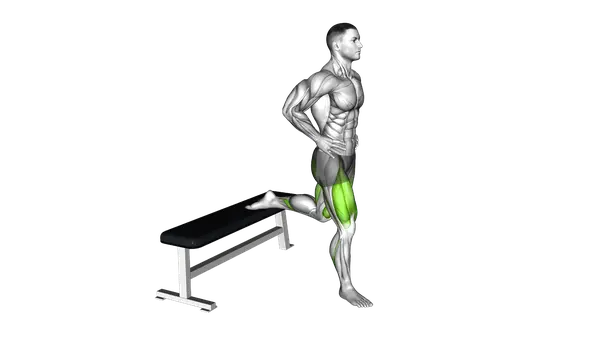
Bulgarian Split Squat
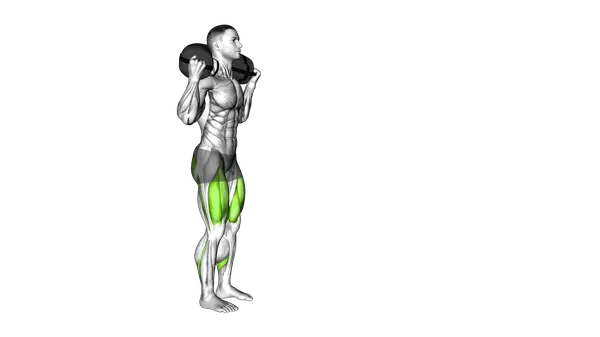
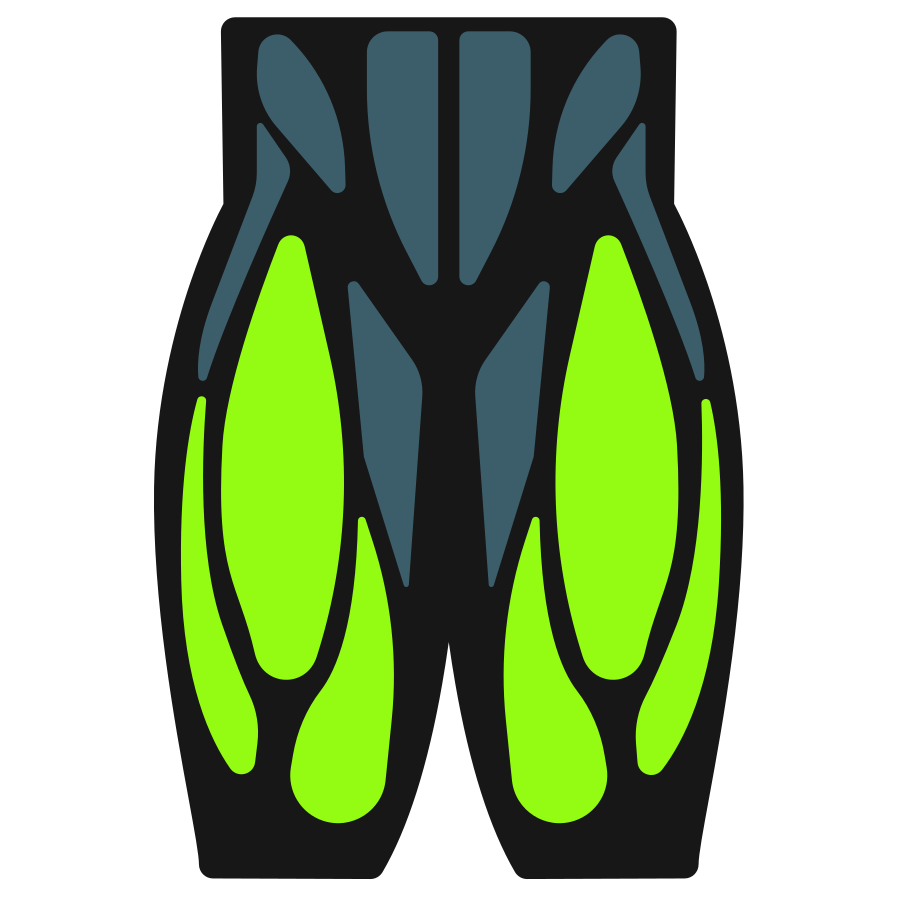
Sandbag Lunges
FAQs: Strength Workouts
Yes! Strength training is ideal for beginners. Starting with foundational movements and proper technique builds coordination, confidence, and a strong base for any fitness goal. Just start with lighter weights and gradually increase load as your form improves.
Not necessarily. While it’s useful to know your 1RM for programming purposes, most strength progress comes from training at submaximal intensities (70–90%) with good form. Max testing is best reserved for testing phases or competitions.
Strength training focuses on lifting heavier weights with lower reps to increase force output. Hypertrophy training focuses on building muscle size with moderate weights and higher reps (8–15). Both styles can complement each other, depending on your goals.
Most strength-focused programs involve 3–4 sessions per week, with each workout targeting major compound lifts. This allows enough intensity and volume while still giving your body time to recover. Many people follow full-body or upper/lower splits.
Strength workouts typically use lower rep ranges—about 3 to 6 reps per set—with heavier loads (75–90% of your one-rep max). This rep range targets neural adaptations and helps increase raw strength without necessarily adding muscle size.
Build lasting strength and performance
Ready to train smarter?
You have just discovered some of the most effective strength training workouts: designed to increase pure strength, full-body control, and long-term progression. Whether you're lifting heavy, improving your athletic ability, or building a solid foundation, the app helps you follow structured routines that increase strength without compromising form or recovery.
Discover more training variations
Related Strength Workouts
Train smarter with weekly schedules