For posture, strength and injury prevention
Lower Back workouts
Your lower back plays a central role in nearly every lift, posture correction, and core movement. Lower back workouts focus on strengthening the erector spinae muscles, which support the spine and help transfer force during heavy lifting. These routines often include foundational movements like back extensions, Romanian deadlifts, and good mornings, helping to reduce the risk of injury while improving stability and performance across your entire posterior chain.
Workout 1 Lower Back (Basic)
This workout builds a strong, stable lower back with simple but effective exercises. Cat cows and glute bridges warm up your core and hips, supermans strengthen the spine, and loaded glute bridges provide extra strength. Planks conclude the session by focusing on overall stability. Ideal if you want to protect your back, improve your posture, and lay a solid foundation for strength training and daily movement.
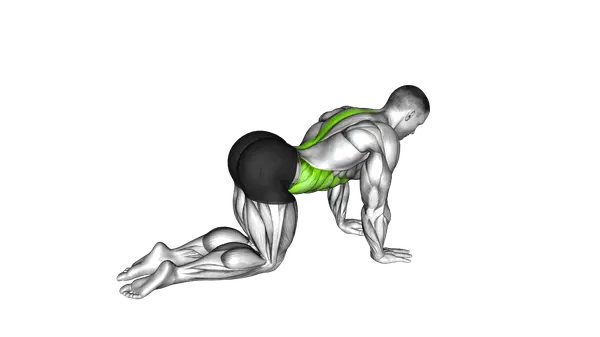
Cat Cow Stretch
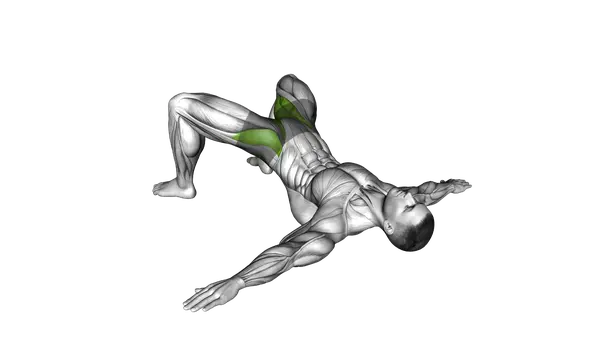
Glute Bridge Abduction
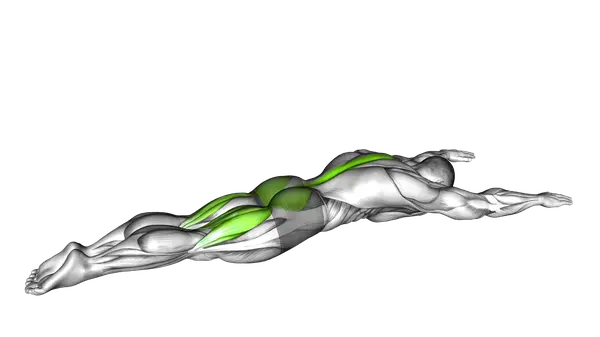
Superman
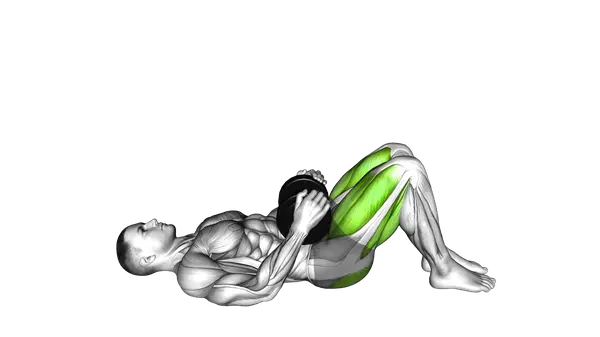
Dumbbell Glute Bridge
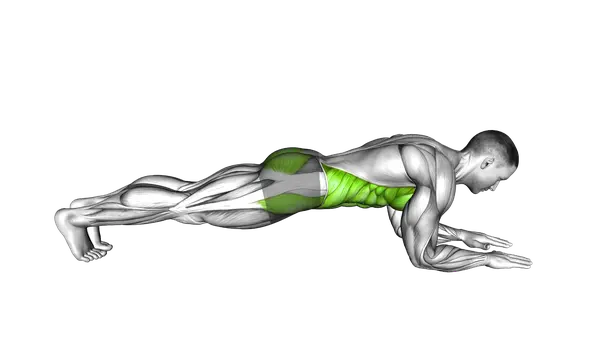
Front Elbow Plank
Support your spine, reduce the risk of pain, and unlock the power of your entire body.
The Benefits of Lower Back Workouts
A strong lower back helps protect against strains and injuries, especially during compound exercises like squats, deadlifts, and overhead presses. Training this area improves posture, core strength, and spinal alignment. For individuals with a sedentary profession or a history of back problems, strengthening the lower back can also help reduce stiffness and improve daily mobility. It is a crucial area for both athletes and recreational weightlifters.
Built for progress
Take the guesswork out of training
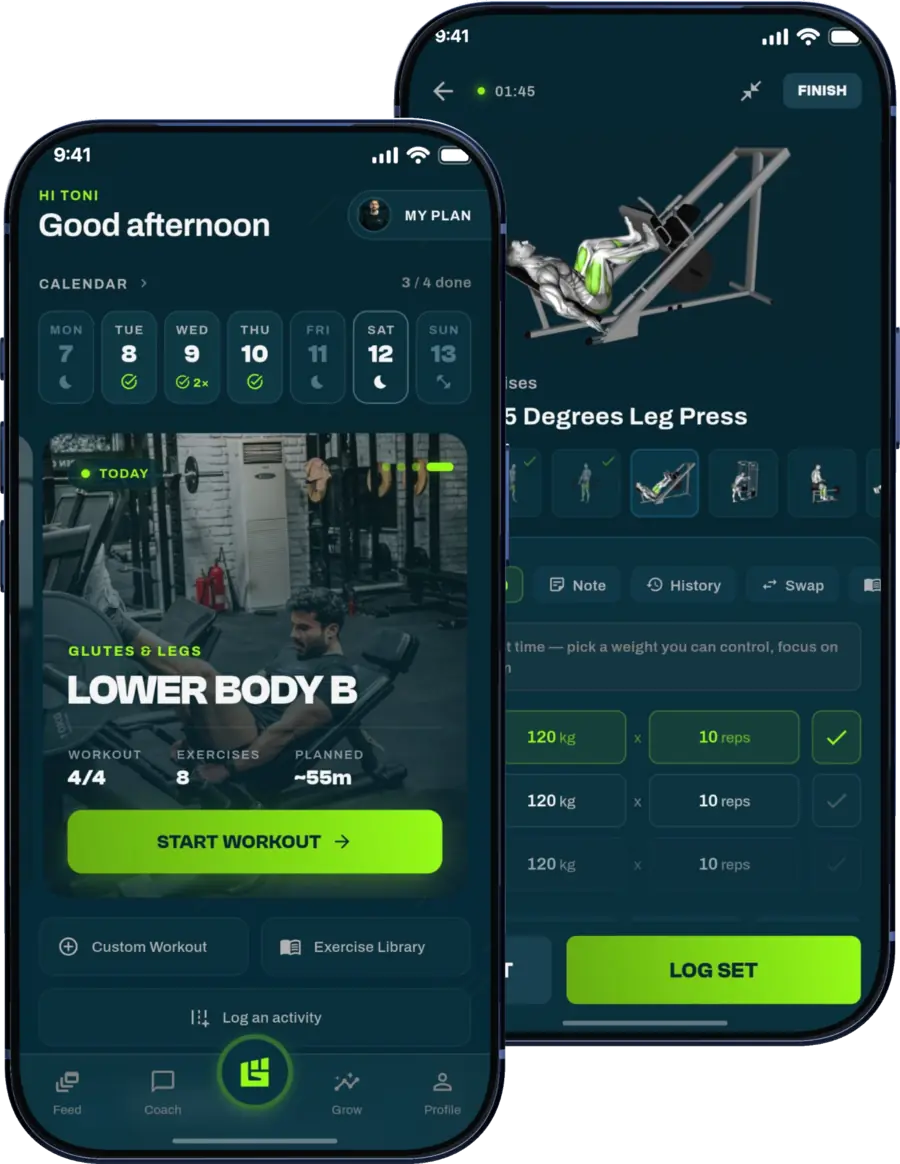
Get a personalized workout plan built around your goal, equipment and schedule. Train smarter, track every rep and keep moving forward, one workout at a time.




Workout 2 Lower Back (Posterior Chain Integration)
This workout strengthens your entire posterior chain: glutes, hamstrings, and lower back. You start with a warm-up and then use Romanian deadlifts and single-leg glute bridges to build strength and stability. Supermans focus on spinal support, and squats bring everything together for balanced lower-body strength. Perfect if you want a stronger, safer back while also building muscles in your entire posterior chain.
Cat Cow Stretch
Glute Bridge Abduction
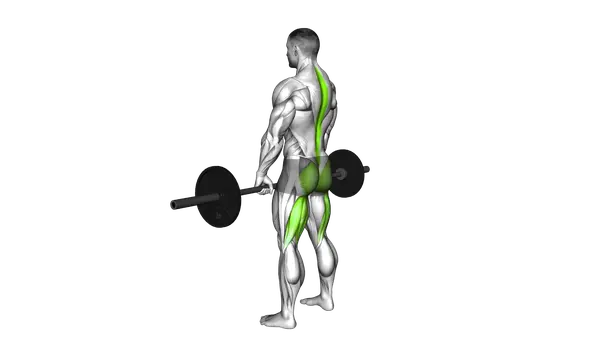
Barbell Romanian Deadlift
Superman
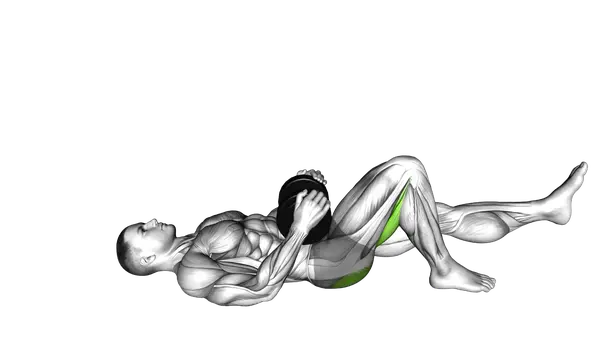
Dumbbell Single-Leg Glute Bridge
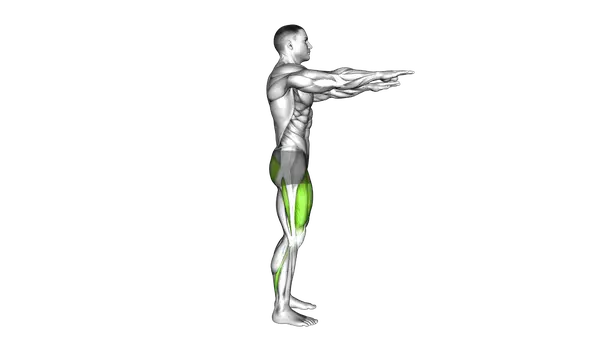
Bodyweight Squat
Workout 3 Lower Back (Balanced core and lower back development)
This workout combines lower back and core strength for complete support. You'll first warm up, then perform hyperextensions and glute bridges to build strength in your back and hips. Planks and bird dogs add stability and control, making your core iron-strong from every angle. Perfect if you want a strong, resilient back that protects you during lifting, sports, and daily movements.
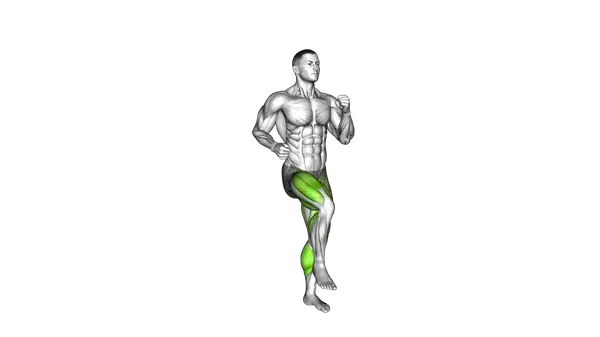
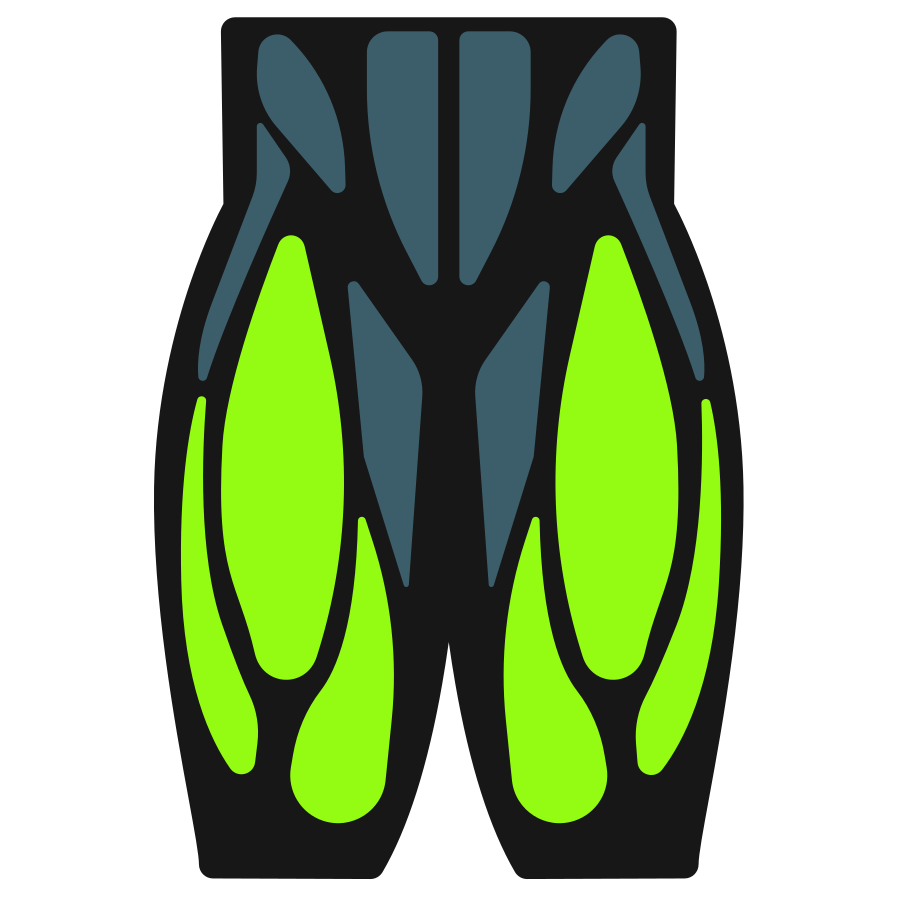
Marching On Spot
Cat Cow Stretch
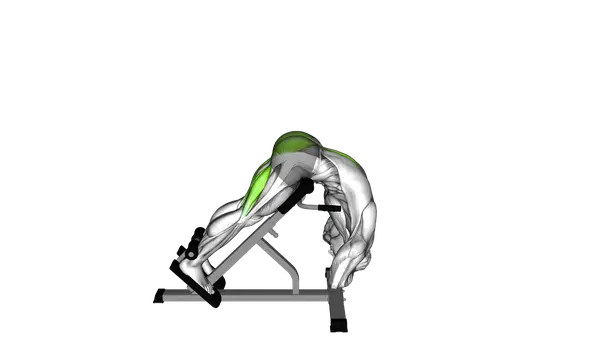
Hyperextension
Front Elbow Plank
Dumbbell Glute Bridge
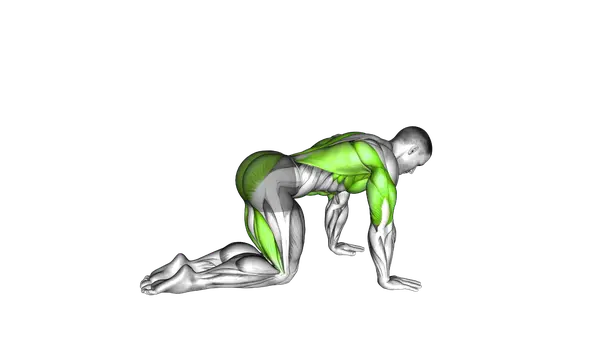
Bird Dog
Build a strong and resilient foundation
Ready to train smarter?
You've just discovered some of the most effective lower back workouts: essential for your posture, injury prevention, and overall body strength. With the app, you can incorporate these into a routine that supports core stability and keeps your back healthy in the long term.
FAQ: Lower Back Workouts
Not necessarily. While a Roman chair, barbell, or resistance bands can be helpful, you can still train your lower back with bodyweight exercises like superman holds, bird-dogs, glute bridges, and floor-based back extensions. Adding light weights or resistance gradually can increase the challenge safely.
Yes. The lower back is involved in almost every major lift, so it’s often already under stress. Direct training should be approached with control and focus on quality over quantity. Low to moderate weight with controlled tempo and bodyweight exercises often work best for isolation and endurance.
Yes, strengthening the lower back can help reduce or prevent certain types of lower back pain, especially those caused by muscular weakness or poor posture. However, it’s important to start light, use proper form, and consult a health professional if you're dealing with chronic pain or injury.
You can train your lower back 1–2 times per week directly, especially if you're also doing compound lifts like squats and deadlifts. Recovery is key, so focus on good form, moderate volume, and avoid training it when already fatigued from other heavy lifting days.
Top exercises include back extensions, Romanian deadlifts, good mornings, bird-dogs, and superman holds. These moves target the erector spinae and help build stability around the spine. When performed with proper form and control, they significantly improve lower back strength and resilience.
Pull-heavy sessions for new muscle growth
Related Lower Back Workouts


Train your posterior chain the smart way.