Back
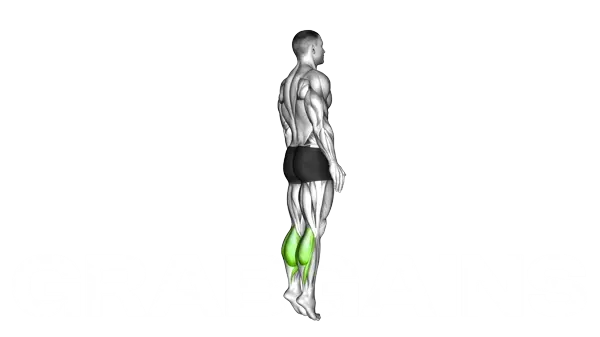
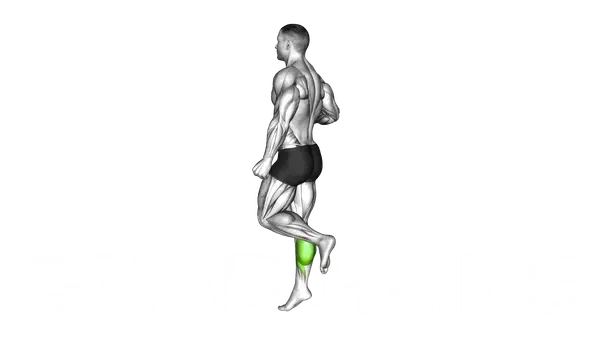
Bodyweight Standing Calf Raise
Add to Workout

Bodyweight Standing Calf Raise

Build

How to Perform

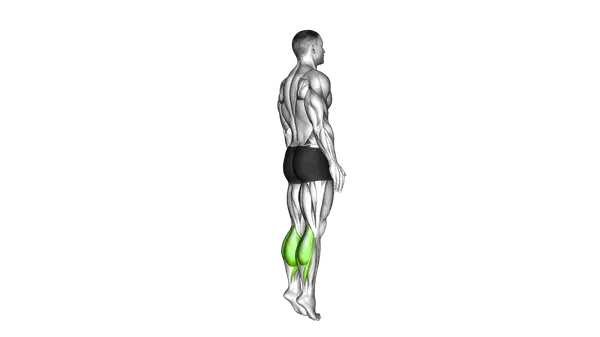
  1. Stand with your feet hip-width apart on a flat surface, keeping your toes pointing forward and your spine in a neutral position.
  2. Engage your core muscles and place your hands lightly on a wall or sturdy object for balance if needed, keeping your arms relaxed.
  3. Distribute your weight evenly across the balls of both feet while maintaining a slight bend in your knees to protect your joints.
  4. Inhale deeply and prepare for the movement by creating tension in your calf muscles.
  5. Exhale as you press through the balls of your feet to raise your heels off the ground as high as possible, keeping your ankles, knees, and hips aligned.
  6. Pause briefly at the top of the movement, focusing on the full contraction of your calf muscles while maintaining your balance.
  7. Inhale as you slowly lower your heels back down, controlling the descent until you feel a stretch in your calf muscles.
  8. Touch your heels to the ground without fully releasing tension from your calves before beginning the next repetition.

Important information

  • Keep your weight centered over the middle of your foot throughout the exercise to maximize calf engagement and prevent rolling to the outside edges of your feet.
  • Maintain an upright posture with your shoulders back and down to avoid leaning forward, which can reduce the effectiveness of the exercise.
  • Focus on a complete range of motion by fully extending at the top and lowering your heels below the level of your toes at the bottom for optimal muscle development.
  • If balance is difficult, try performing the exercise near a wall or holding onto something stable until your stabilizing muscles develop.

Exercise Details

Primary Muscles

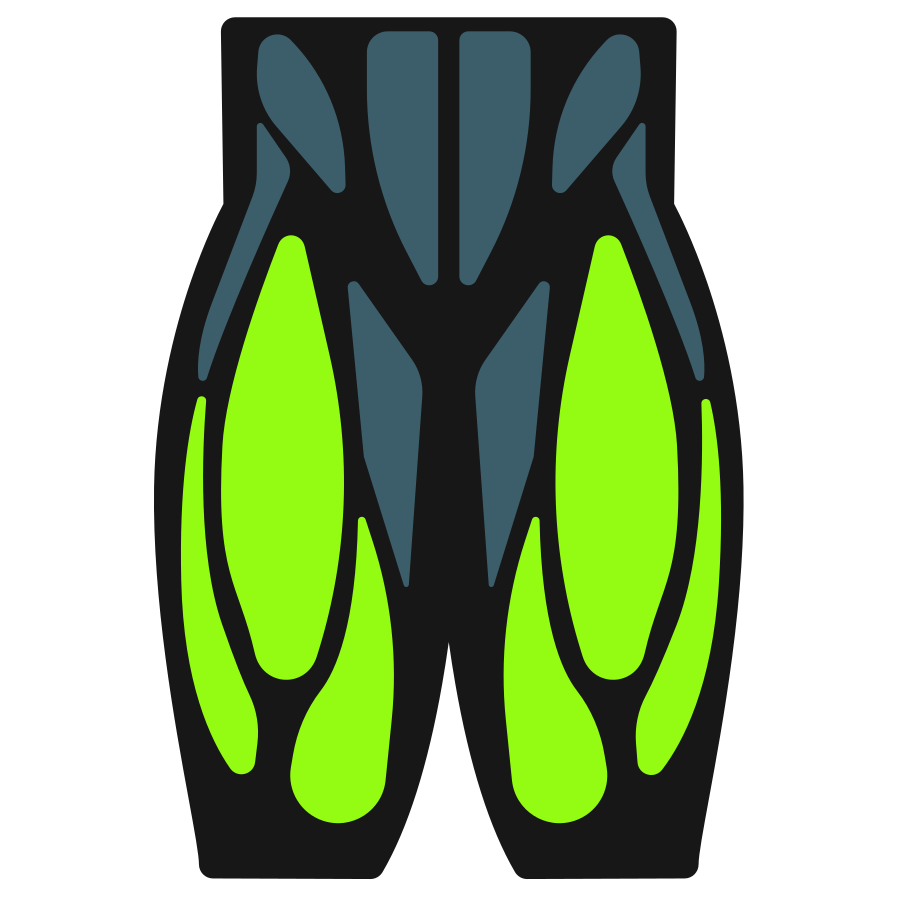
Calves

Muscle Groups

Leg exercises

Mechanic

Isolation

Built for progress

Take the guesswork out of training

Create personalized AI-powered workout plans that evolve with you. Train smarter, track every rep and keep moving forward, one workout at a time.

Be among the first to join!
GrabGains workout plans

The Bodyweight Standing Calf Raise stands as one of the most accessible yet effective exercises for developing calf strength and definition. This fundamental movement targets the gastrocnemius and soleus muscles—the primary muscles that make up your calves—requiring nothing more than your body weight and a flat surface to perform.

Perfect for beginners, this exercise serves as an excellent introduction to lower leg training without overwhelming novice fitness enthusiasts. The simplicity of the movement belies its effectiveness, making it an ideal starting point for those new to fitness while still offering benefits to more experienced individuals when incorporated into higher-volume training.

In the realm of bodybuilding, these raises help create that coveted diamond-shaped calf development that completes a well-balanced physique. Many bodybuilders use this exercise as a finishing movement after more intense weighted variations, allowing for additional volume without excessive strain. The exercise's versatility also makes it valuable for warm-up routines, preparing the ankles and calves for more demanding lower body training.

During recovery phases, bodyweight calf raises can maintain muscle engagement without compromising healing, offering a low-impact option to keep blood flowing to the area. This makes them particularly useful between more intensive training sessions or when coming back from lower leg injuries under appropriate medical guidance.

From a strength perspective, while not as challenging as weighted variations, consistent performance of bodyweight calf raises builds fundamental lower leg strength that translates to improved performance in various athletic activities. The stabilizing effect strengthens not just the calves but also enhances ankle stability—a crucial component for preventing injuries during more dynamic movements.

Whether performed as standalone sets during quick home workouts or integrated into comprehensive training programs, the Bodyweight Standing Calf Raise delivers impressive benefits to calf development, functional strength, and overall lower body performance while remaining accessible to virtually anyone regardless of fitness level.

FAQ - Bodyweight Standing Calf Raise

What muscles do bodyweight standing calf raises target?

Bodyweight standing calf raises primarily target the gastrocnemius (the larger, diamond-shaped muscle) and soleus muscles that make up your calves. They also engage smaller stabilizing muscles around the ankles and feet.

How many reps should I do for effective calf development?

For bodyweight calf raises, aim for higher repetitions (15-25 per set) since the resistance is relatively low. Perform 3-5 sets with minimal rest between sets for optimal calf development and endurance.

How can I make bodyweight calf raises more challenging?

Increase difficulty by performing one-legged raises, slowing down the tempo (especially the lowering phase), pausing at the top of each rep for 2-3 seconds, or performing them on the edge of a step to increase range of motion.

What are the most common form mistakes with calf raises?

Common mistakes include not rising fully onto the balls of your feet, bouncing through the movement, letting your ankles collapse inward, or failing to maintain a straight body alignment. Focus on controlled movements with a full range of motion for best results.

How often should I include calf raises in my workout routine?

For optimal calf development, train them 2-3 times per week with at least 48 hours between sessions to allow for recovery. Since calf muscles are used frequently in daily activities, they can handle higher training frequencies than larger muscle groups, but still require adequate recovery time.

Alternative Exercises

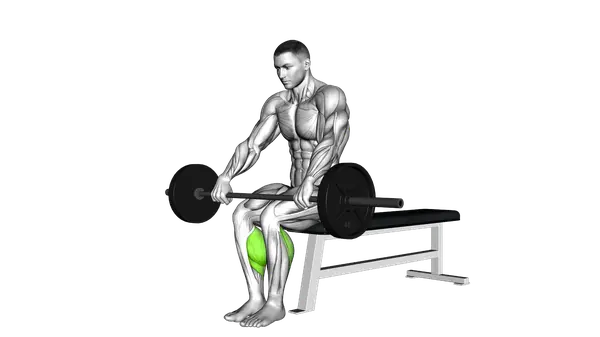
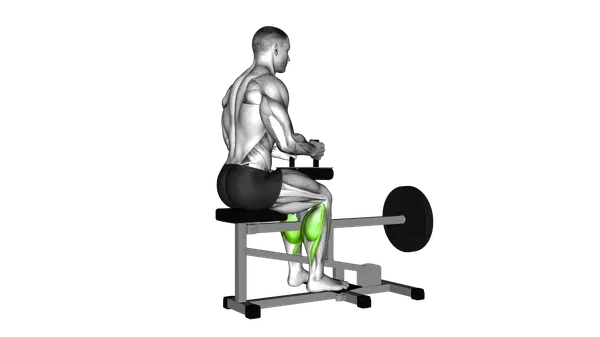
Barbell Seated Calf Raise

Barbell Seated Calf Raise

The barbell seated calf raise stands as a cornerstone exercise for anyone serious about developing impressive lower leg definition and functional strength. This intermediate-level movement specifically targets the gastrocnemius and soleus muscles that comprise your calves, making it invaluable for both bodybuilding aesthetics and practical strength gains. What sets the seated variation apart from standing calf exercises is its ability to isolate the soleus muscle more effectively. By placing your body in a seated position with knees bent at 90 degrees, the gastrocnemius (which crosses both knee and ankle joints) is somewhat deactivated, forcing the soleus to handle the majority of the workload. This targeted approach proves particularly beneficial for bodybuilders seeking balanced, proportional development in the lower leg region. For strength athletes, well-developed calves translate to improved performance across various athletic endeavors. The barbell seated calf raise helps build resilient ankle joints and lower leg strength that carries over to jumping, running, and overall lower body power. The progressive overload potential with the barbell makes it superior to machine alternatives for those looking to continually challenge their calf development. Many lifters neglect direct calf training, creating a visual disconnect between impressively built quads and hamstrings and underdeveloped calves. Incorporating this exercise into your routine 2-3 times weekly with varying rep ranges (8-12 for hypertrophy, 15-20 for endurance) can address this common weak point. The seated variation also tends to be gentler on the spine compared to standing loaded calf work, making it accessible for those with certain back concerns. Remember that calves typically respond best to a combination of higher volume, varied rep tempos, and full ranges of motion. The barbell seated calf raise delivers on all fronts, providing the necessary stimulus for growth while allowing precise load management for consistent progression in both size and strength.

Strength
Bodybuilding
Barbell
Lever Seated Calf Raise (Plate Loaded)

Lever Seated Calf Raise (Plate Loaded)

The Lever Seated Calf Raise (Plate Loaded) stands as a cornerstone exercise for anyone serious about developing impressive, functional calf muscles. This intermediate-level movement specifically targets the gastrocnemius and soleus muscles of the calves, making it invaluable for both bodybuilding aesthetics and practical strength development. What makes this exercise particularly effective is its ability to isolate the calf muscles under a controlled load. By utilizing a plate-loaded machine, lifters can precisely adjust the resistance to match their current strength level and progressive overload goals. This customization aspect makes it suitable for intermediate athletes who have already established basic calf strength and are now looking to sculpt more defined lower legs. For bodybuilders, the Lever Seated Calf Raise offers the distinct advantage of working the calves from a seated position, which emphasizes the soleus muscle more than standing variations. This targeted approach helps create that coveted diamond-shaped calf development that completes a symmetrical physique. The seated position also allows for greater focus on the mind-muscle connection, essential for maximizing hypertrophy during bodybuilding training. Strength athletes benefit from this exercise as well, as powerful calves contribute significantly to overall lower body power. Strong calves provide a solid foundation for squats, deadlifts, and athletic movements like jumping or sprinting. The isolated nature of this exercise allows for strengthening the calves without fatiguing other muscle groups, making it perfect for supplementary strength work. For optimal results, most training experts recommend incorporating the Lever Seated Calf Raise into your routine 2-3 times weekly, typically performing 3-4 sets of 10-15 repetitions. The calves respond well to both higher volume and heavier loads, so periodizing your approach can yield the best development. As with any isolation exercise, the quality of each repetition matters more than the quantity, so focus on a full range of motion and proper tension throughout each set.

Strength
Bodybuilding
Machine
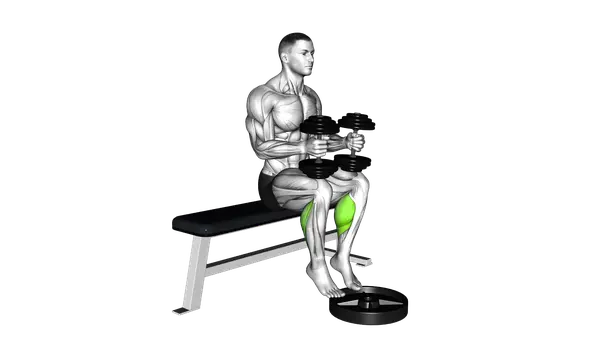
Seated Dumbbell Calf Raise

Seated Dumbbell Calf Raise

The Seated Dumbbell Calf Raise represents an intermediate-level isolation exercise that specifically targets the gastrocnemius and soleus muscles of your calves. This accessible yet effective movement has earned its place in many bodybuilding routines and rehabilitation programs for its ability to develop both aesthetic lower leg definition and functional strength. Unlike standing variations, this seated version places the emphasis squarely on the calf muscles by eliminating the involvement of other leg muscles and reducing the total load. This targeted approach makes it particularly valuable for those looking to address muscular imbalances or recover from lower leg injuries while still providing enough resistance for meaningful strength development. For bodybuilders, the seated dumbbell calf raise offers precise control over the contraction and stretch phases, allowing for the mind-muscle connection essential for hypertrophy. The exercise's adjustable resistance via dumbbell selection makes it scalable as your strength increases, ensuring continuous progression on your fitness journey. Many physique athletes incorporate this movement during both mass-building phases and pre-competition definition work to achieve that coveted diamond-shaped calf development. Beyond aesthetic benefits, strengthening your calves through this exercise carries significant functional advantages. Strong, resilient calf muscles provide the foundation for explosive movements in various sports, improve ankle stability, and can help prevent common injuries like Achilles tendinitis. The seated position also makes this an excellent option for those who experience lower back discomfort with standing calf exercises. Whether you're looking to build impressive lower leg development, recover from an injury, or simply strengthen this often-neglected muscle group, the seated dumbbell calf raise delivers targeted results with minimal equipment requirements. Its effectiveness lies in its simplicity: proving that sometimes the most straightforward exercises yield the most impressive results for both appearance and performance.

Strength
Bodybuilding
Recovery
Dumbbell
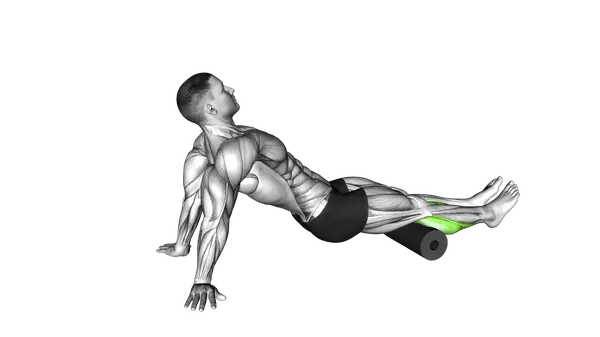
Calf Foam Roll

Calf Foam Roll

The calf foam roll technique stands as an essential recovery and warm-up practice for intermediate fitness enthusiasts looking to optimize their lower leg performance. This self-myofascial release method targets the gastrocnemius and soleus muscles: collectively known as the calves, which often harbor tension from daily activities and athletic pursuits. Foam rolling the calves serves multiple purposes within bodybuilding, recovery, and warm-up routines. When implemented before strength training, it increases blood flow to the muscles, enhancing their pliability and reducing the risk of strains during heavy lifting. For bodybuilders, this technique proves invaluable for breaking up adhesions that can limit muscle growth and symmetry, particularly important when developing impressive lower leg aesthetics. The beauty of calf foam rolling lies in its ability to simultaneously support both strength and endurance goals. By releasing trigger points and reducing muscular knots, athletes experience improved range of motion in the ankle joint, which translates to better performance in compound movements like squats and deadlifts. Endurance athletes benefit similarly, as consistent foam rolling helps prevent the tightness that can lead to inefficient running mechanics and premature fatigue. Regular implementation of this recovery technique addresses the unique challenges faced by the calves, which endure constant stress as weight-bearing muscles. Unlike larger muscle groups, the dense fascia surrounding the calves requires specific attention to maintain optimal function. Many fitness professionals recommend incorporating calf foam rolling into daily routines, particularly for those who experience frequent cramping or Achilles tendon issues. Whether you're focusing on building impressive calf definition or enhancing functional endurance, this maintenance technique delivers benefits that extend beyond mere comfort. By improving circulation and nerve signal transmission to these crucial muscles, calf foam rolling creates the foundation for balanced lower body development while mitigating the compensatory patterns that often lead to knee and foot problems.

Strength
Endurance
Bodybuilding
Recovery
+1
Foam roller