Front Squat vs Back Squat: Where Should the Bar Go?
Same movement, different bar position. The front squat rests the bar on your shoulders in front of your neck. The back squat places it behind your neck on your upper back. This changes which muscles work harder, how deep you can go, and how the exercise feels.
Published: 2026-03-09
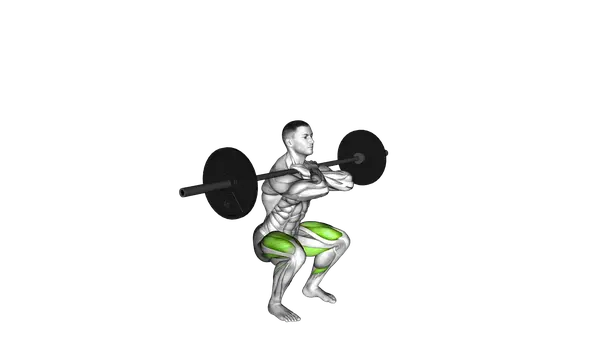
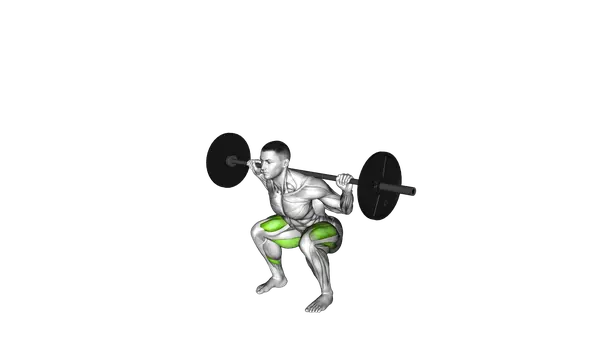
Where the weight sits changes everything
When the bar is on your back, you can lean forward more and push through your hips. This lets you lift heavier weight and shifts more work to your glutes and hamstrings.
When the bar is on the front of your shoulders, you have to stay much more upright or you'll drop it. This upright position shifts the workload to your quads and demands more from your upper back and core. You can't lean your way out of a front squat.
Quad focus vs total leg development
The front squat is one of the best quad builders available. The upright torso position means your knees travel further forward, which puts more stretch and load on the quads [1].
The back squat distributes the work more evenly between quads, glutes, and hamstrings. It's a better overall leg developer, but if your quads are lagging, the front squat targets them more directly.
The mobility requirement
Front squats require much more mobility — specifically in your wrists, upper back, and ankles. Holding the bar in the front rack position with your elbows high is a skill that takes practice. Many people avoid front squats simply because the bar position feels uncomfortable.
Back squats are more forgiving. The bar sits on muscle, the position is natural, and you don't need exceptional wrist or upper back mobility. If you're just getting started with barbell training, back squats are the easier entry point.
How much less weight can you front squat?
Most people front squat about 70-85% of their back squat. If you back squat 120kg, expect to front squat around 85-100kg. This isn't a weakness — it's the nature of the exercise.
The limiting factor in the front squat is often your upper back and core, not your legs. Your legs might have more in them, but your torso can't maintain the position. This is actually valuable feedback about where you need to get stronger.
The Bottom Line
Use the back squat as your primary squat variation — it builds the most total leg strength with the heaviest loads. Add front squats if you want to specifically target your quads, improve your posture and core strength, or if you're an Olympic lifter. Many strong lifters rotate between the two.
What is your fitness goal?
Pick one and the app builds your program around it, your equipment and the days you can train.
At a Glance
Barbell Front Squat
Barbell Squat
Common Questions
Is the front squat safer than the back squat?
In some ways, yes. If you fail a front squat, you just dump the bar forward — it's hard to get stuck under it. The upright position also puts less stress on your lower back. But both are safe when done with proper form.
Why do front squats feel so much harder?
Because they require more core strength, upper back strength, and mobility. Your legs might not feel more challenged, but the rest of your body is working much harder to keep you upright.
Scientific References
Coratella G, Tornatore G, Caccavale F et al. · International journal of environmental research and public health (2021)
[2] Muscle Activation During Single-Legged Squat Is Affected by Position of the Nonstance Limb.
Khuu A, Loverro KL, Lewis CL · Journal of athletic training (2022)
Sources are peer-reviewed academic publications from PubMed.
More Exercise Comparisons
Squat vs Bulgarian Split Squat: Which One Should You Prioritize?
Squat vs Leg Press: Do You Really Need Both?
Leg Extensions vs Squats: Can a Machine Replace the King?
Deadlift vs Romanian Deadlift: They're Not the Same Exercise
Hip Thrust vs Glute Bridge: Which Builds Better Glutes?
Sumo Deadlift vs Conventional Deadlift: Which Style Is Right for You?