Strength training
What is strength training? Definition, effects and guidelines
Strength training is exercise in which muscles produce force against a resistance: a barbell, a machine, a resistance band or your own body weight. Health guidelines call it muscle-strengthening activity and recommend it for every age group. Regular training increases strength and muscle mass, supports bone density and insulin sensitivity, and is associated with a lower risk of early death.
Last updated:

- per week (WHO guideline)
- 2×
- lower all-cause mortality
- 10–17%
- reps per set for beginners
- 8–12
Short answer
Strength training is any form of exercise in which your muscles work against an external resistance or your own body weight, using free weights, machines, resistance bands or bodyweight exercises. It increases strength and muscle mass. The WHO recommends muscle-strengthening activities that involve all major muscle groups on at least two days a week.
What is strength training?
Strength training is a form of exercise in which skeletal muscles contract against a resistance in order to become stronger, larger or more resistant to fatigue. The resistance can be external, such as a barbell, dumbbell, kettlebell, cable or machine, or it can be your own body weight. Resistance training and weight training are common synonyms. The WHO physical activity guidelines use the term muscle-strengthening activities and specify that these should be performed at moderate or greater intensity and involve all major muscle groups [1].
A muscle can produce force in three ways: while shortening (concentric), while lengthening under control (eccentric) and while holding a position without moving (isometric). Well-designed programmes use all three, and combine exercises that move one joint, such as a biceps curl, with exercises that move several joints at once, such as a squat. To keep producing adaptations, the programme has to become harder over time, a principle known as progressive overload [2]. The resistance, the number of repetitions or the number of sets increases gradually as the body adapts.
More about strength training
In-depth pages on eating around your training, the calories strength training burns and which activities count as strength training.
Eating before and after
Daily protein matters more than timing. What to eat before and after strength training, with amounts per meal and example meals.
Calories burned
Kcal per hour of strength training by body weight, the afterburn effect and what trials show about lifting for weight loss.
Pilates, swimming, rowing
Pilates, yoga, swimming, rowing, CrossFit: which activities count as strength training, which count partly, and which are endurance.
Which forms of strength training are there?
Strength training can be done with free weights, machines and cables, body weight, resistance bands or kettlebells. For health purposes the guidelines do not prescribe a specific tool; what they ask for is moderate or greater intensity across all major muscle groups [1]. Free weights and machines allow small, measurable increases in load. Bodyweight exercises and bands are practical at home, but become harder to progress in small steps once the basic movements feel easy. An overview of strength exercises for every muscle group lists the individual movements per category.
Activities such as Pilates, yoga and circuit classes contain strength elements. Whether they count as strength training depends on how much resistance they provide and whether that resistance increases over time. A separate page examines whether Pilates counts as strength training and how it compares with training with weights.
| Form | Examples | Suited for |
|---|---|---|
| Free weights (barbell, dumbbells) | 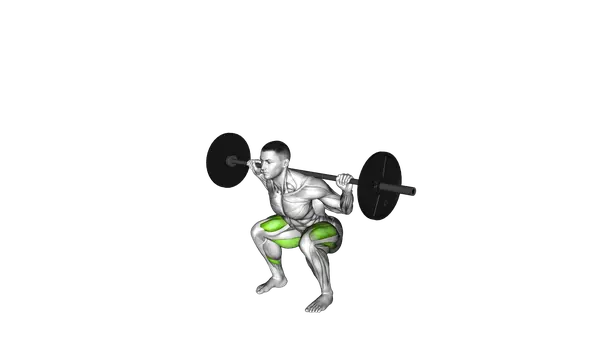 Squat Squat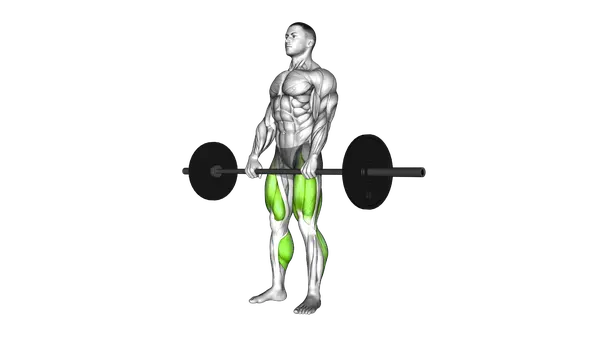 Deadlift Deadlift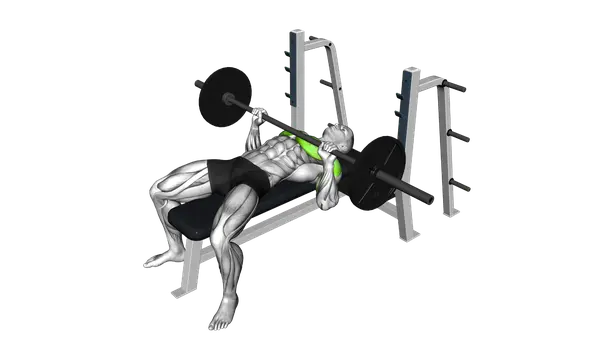 Bench press Bench press Dumbbell row Dumbbell row |
Building maximal strength and muscle mass; precise increases in load |
| Machines and cables | 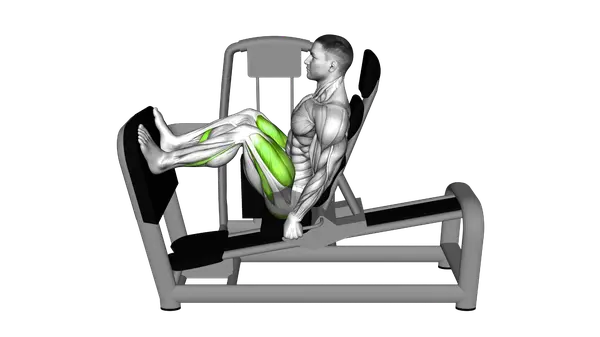 Leg press Leg press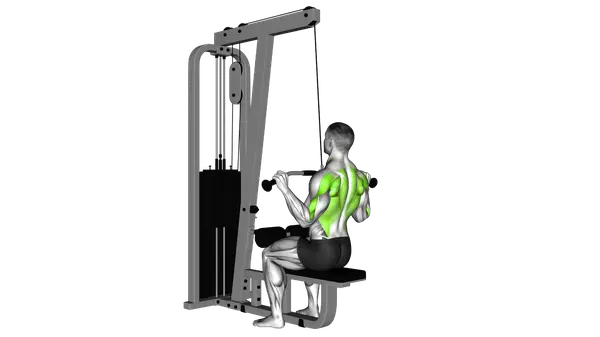 Lat pulldown Lat pulldown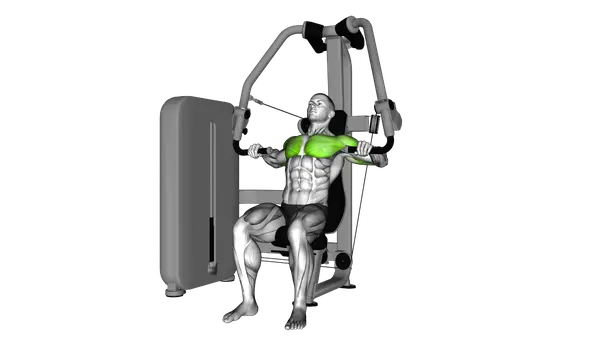 Chest press Chest press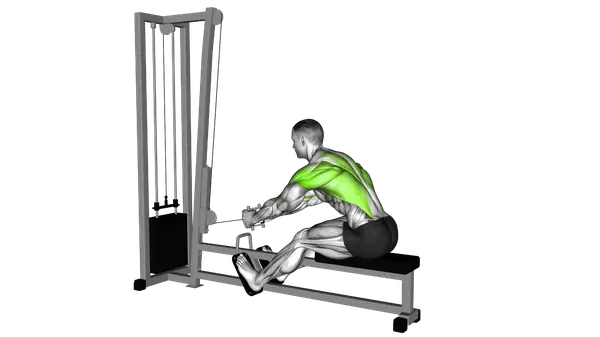 Seated cable row Seated cable row |
Beginners, isolating single muscles, training with a guided movement path |
| Bodyweight (calisthenics) | 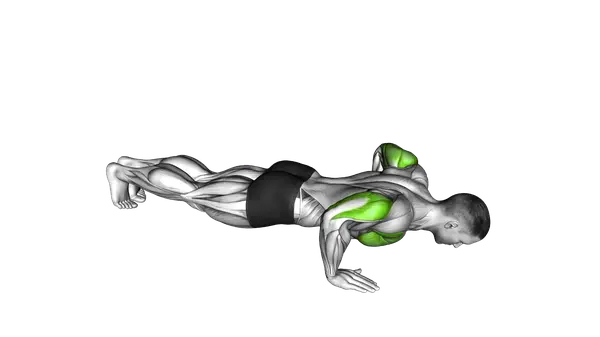 Push-up Push-up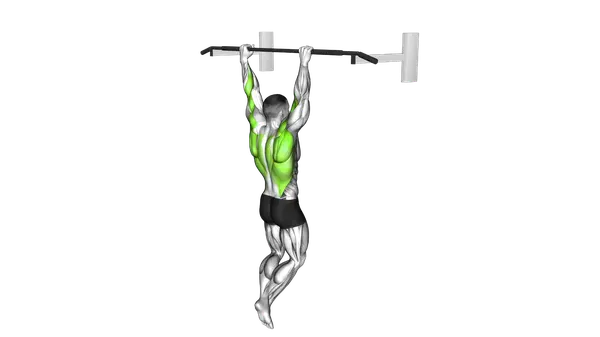 Pull-up Pull-up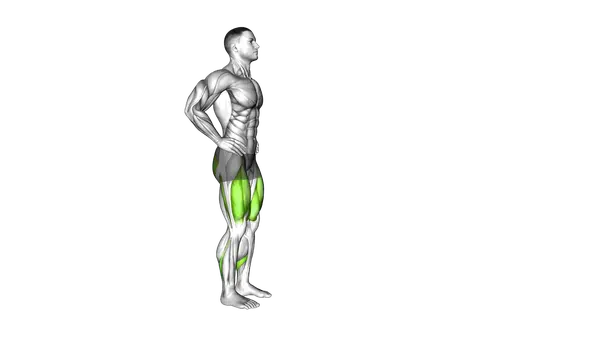 Lunge Lunge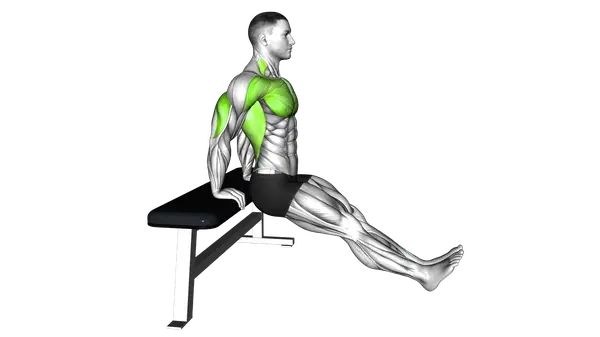 Dip Dip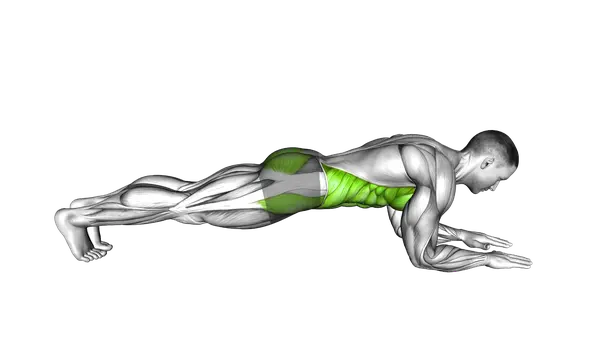 Plank Plank |
Training at home or outdoors without equipment |
| Resistance bands | 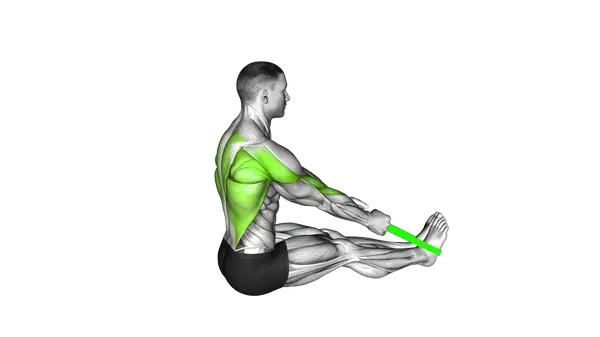 Band row Band row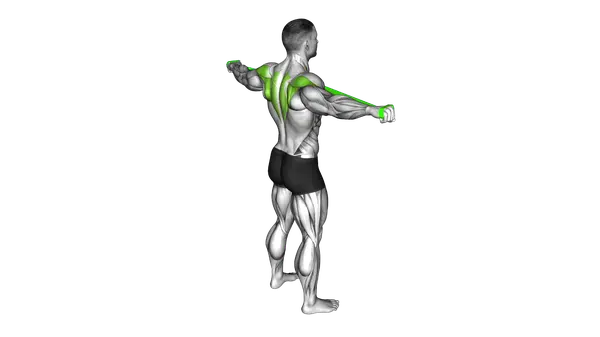 Band pull-apartLateral band walk Band pull-apartLateral band walk |
Travel, warm-ups, rehabilitation exercises and light loads |
| Kettlebells | 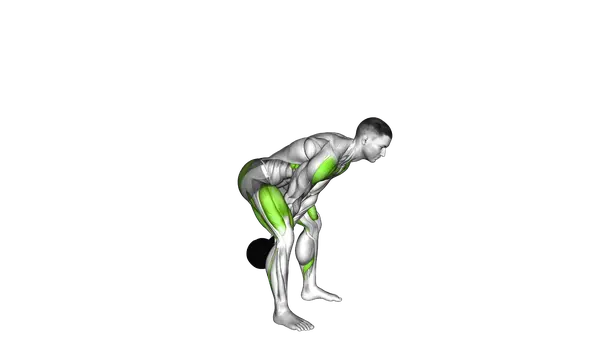 Kettlebell swing Kettlebell swing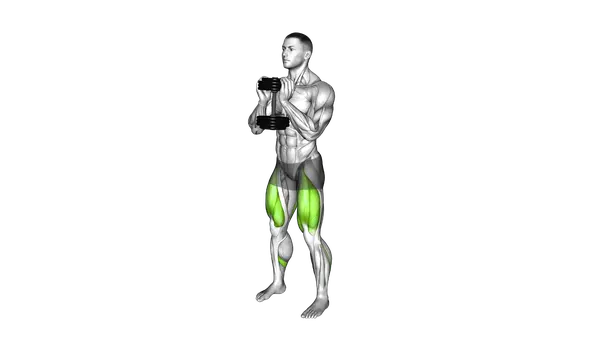 Goblet squatTurkish get-up Goblet squatTurkish get-up |
Combining strength work with conditioning in a small space |
What is your fitness goal?
Pick one and the app builds your program around it, your equipment and the days you can train.
What does strength training do to your body?
Strength training first changes how the nervous system controls the muscles, and only later the muscles themselves. The strength gains of the first weeks are thought to come mainly from neural adaptations, including changes in the activity of motor units: a motor nerve cell together with the muscle fibres it controls [3]. Coordination in the trained movement improves at the same time.
With continued training the muscle fibres grow thicker, a process called hypertrophy. A review of resistance training and health reports that ten weeks of training may increase lean mass by about 1.4 kg (3 lb), reduce fat mass by about 1.8 kg (4 lb) and raise resting metabolic rate by about 7% [4]. These are average values; individual responses vary.
The effects extend beyond muscle. The same review describes improved insulin sensitivity, lower HbA1c (a measure of average blood glucose over several months), less visceral fat, lower resting blood pressure, lower LDL cholesterol and triglycerides, higher HDL cholesterol and increases in bone mineral density of 1–3% [4]. Resistance training may also reduce low back pain and ease discomfort associated with arthritis and fibromyalgia [4].
Strength training also uses energy during the session itself. How many calories strength training burns depends on body weight, the duration of the session and how intensely you train.
| Area | Reported effect |
|---|---|
| Nervous system | Better activation of motor units; main driver of strength gains in the first weeks |
| Muscle | About 1.4 kg more lean mass after ten weeks (average) |
| Body fat | About 1.8 kg less fat mass after ten weeks (average) |
| Metabolism | Resting metabolic rate about 7% higher; better insulin sensitivity and lower HbA1c |
| Heart and blood vessels | Lower resting blood pressure, LDL cholesterol and triglycerides; higher HDL cholesterol |
| Bone | Bone mineral density 1–3% higher |
Why does strength training matter more with age?
Muscle that is not used declines with age. Inactive adults lose an estimated 3–8% of their muscle mass per decade, accompanied by a fall in resting metabolic rate and an increase in body fat [4]. The loss of strength and muscle reduces physiological resilience and increases vulnerability to serious health events [5].
The National Strength and Conditioning Association describes resistance training as a powerful intervention against the loss of muscle strength and muscle mass in older adults, with benefits for physical functioning, mobility, independence, chronic disease management, psychological well-being and quality of life [5]. In a meta-analysis of randomised trials in people aged 65 and over, progressive resistance training increased leg strength and raised bone mineral density at the hip and femur by about 2.8%. The change at the lumbar spine was not statistically significant [6].
For this reason the WHO recommends that adults aged 65 and over, as part of their weekly physical activity, do varied multicomponent activity that emphasises functional balance and strength training at moderate or greater intensity on three or more days a week, to enhance functional capacity and prevent falls [1].
Is strength training healthy?
Strength training is healthy: regular muscle-strengthening activity is associated with a lower risk of early death and chronic disease, independent of aerobic exercise. A 2022 meta-analysis of 16 prospective cohort studies found that muscle-strengthening activities were associated with a 10–17% lower risk of all-cause mortality, cardiovascular disease, total cancer, diabetes and lung cancer [7]. No association was found for some specific cancers, such as colon and kidney cancer.
The relationship with dose was not linear. For all-cause mortality, cardiovascular disease and total cancer, the largest risk reduction of about 10–20% occurred at roughly 30–60 minutes of muscle-strengthening activity per week, and the benefit of much larger volumes was unclear. For diabetes, the risk kept falling up to about 60 minutes per week. People who combined strength training with aerobic activity had a lower risk of all-cause, cardiovascular and cancer mortality than people who did neither [7]. Cohort studies show associations; they cannot prove that strength training itself causes the lower risk.
The WHO classifies its recommendation for muscle-strengthening activities as strong, based on moderate-certainty evidence, and found no evidence of a dose-response relationship with higher volumes [1]. As with any form of exercise, load and volume should be increased gradually.
How much strength training is recommended?
Adults should do muscle-strengthening activities at moderate or greater intensity that involve all major muscle groups on two or more days a week, in addition to 150–300 minutes of moderate-intensity aerobic activity [1]. Children and adolescents should include activities that strengthen muscle and bone on at least three days a week [1].
Two sessions a week that each train the legs, hips, back, chest, shoulders, arms and trunk meet this guideline. A full-body session built around a squat, a hip hinge, a push, a pull and a trunk exercise is one way to do that; spreading muscle groups over more days is another. For people whose goal is muscle growth rather than health, how often to train each muscle group is a separate question from the health minimum.
| Group | Recommendation |
|---|---|
| Children and adolescents (5–17 years) | Activities that strengthen muscle and bone on at least 3 days a week |
| Adults (18–64 years) | Moderate or greater intensity, all major muscle groups, on 2 or more days a week |
| Older adults (65 years and over) | As for adults, plus varied multicomponent activity with balance and strength training on 3 or more days a week |
| Pregnant and postpartum women | A variety of aerobic and muscle-strengthening activities, if there is no contraindication |
Is strength training different for women?
Women and men adapt to strength training through the same mechanisms, so the same principles of load, volume and progression apply. A 2020 meta-analysis that compared men and women on identical programmes found no difference in relative muscle growth or in relative lower-body strength gains, while relative upper-body strength gains were larger in women [8]. The included studies were relatively short and involved young to middle-aged adults, most of them untrained.
The concern that strength training makes women bulky is not supported by these data. Relative gains are comparable, but women on average start with less muscle mass, so the same percentage increase corresponds to fewer kilograms. Muscle growth is also gradual: the average gain reported after ten weeks of training is about 1.4 kg of lean mass, together with a loss of fat mass [4]. A markedly muscular build requires years of training and eating specifically for that goal.
Strength training is also part of the recommendations during pregnancy and after childbirth. The WHO advises pregnant and postpartum women without contraindications to include a variety of aerobic and muscle-strengthening activities [1]. Anyone who is pregnant or has a medical condition should consult a doctor or physiotherapist before starting or changing a training programme.
Strength, muscle size or endurance: how does the training differ?
The training goal determines the load, the number of repetitions and the rest between sets. For maximal strength, the American College of Sports Medicine (ACSM) recommends that trained individuals eventually emphasise heavy loads of 1–6 RM (repetition maximum: the heaviest weight that can be lifted for that number of repetitions) with 3–5 minutes of rest between sets. For local muscular endurance it recommends light to moderate loads of 40–60% of the one-repetition maximum (1RM) for more than 15 repetitions, with rest periods shorter than 90 seconds [2].
Muscle growth depends less on the load than strength does. A meta-analysis of 21 studies in which all sets were taken to muscular failure found greater 1RM strength gains with heavy loads (above 60% of 1RM), but similar hypertrophy with light and heavy loads [9]. The rep range for muscle growth is therefore wide, provided the sets are taken close to failure.
Volume also matters for hypertrophy. The ACSM recommends higher-volume, multiple-set programmes to maximise muscle growth, with an emphasis on 6–12 RM and 1–2 minutes of rest between sets [2]. The number of sets per muscle group per week that produces the most growth has been studied separately.
| Goal | Load | Repetitions per set | Rest between sets |
|---|---|---|---|
| Maximal strength | Heavy (1–6 RM) for trained lifters | 1–6 | 3–5 minutes |
| Muscle growth (hypertrophy) | Moderate, emphasis on 6–12 RM | 6–12 (wider range also effective) | 1–2 minutes |
| Local muscular endurance | Light to moderate (40–60% of 1RM) | More than 15 | Less than 90 seconds |
How do you start with strength training?
Beginners make steady progress with a simple full-body programme and a gradual increase in load. For people without training experience, the ACSM recommends loads that allow 8–12 repetitions per set, a frequency of two to three days a week, and an increase in load of 2–10% once one or two repetitions more than the target number can be completed [2]. Within a session, it advises training large muscle groups before small ones and multi-joint exercises before single-joint exercises [2].
A beginner programme needs only a few basic movements: a squat or leg press, a hip hinge such as the Romanian deadlift, a push such as the push-up or bench press, a pull such as the row or lat pulldown, and a trunk exercise. Learning the technique with a light load first, and writing down weights and repetitions, makes progression measurable. A step-by-step guide on how to start strength training covers the first weeks in more detail.
Training provides the stimulus; the adaptation happens between sessions. Rest days and sufficient food are therefore part of the programme. A separate page explains what to eat before and after strength training.
Good to know
Frequently asked questions about strength training
Strength training builds and maintains muscle mass and strength, which decline with age when they are not used. It also supports bone density, insulin sensitivity and healthy blood pressure, and regular muscle-strengthening activity is associated with a lower risk of early death. For these reasons the WHO recommends it for all age groups, alongside aerobic exercise.
Strength increases within the first weeks, mainly because the nervous system learns to activate the muscles more effectively. Measurable muscle growth takes longer: review data report an average gain of about 1.4 kg of lean mass after ten weeks of training. How quickly visible changes appear depends on the programme, diet and starting level.
Not necessarily. A gym workout can consist of cardio, group classes or strength training. Strength training refers specifically to exercise in which muscles work against a resistance that increases over time, such as weights, machines or demanding bodyweight exercises. A session on the treadmill or exercise bike is aerobic training, not strength training.
Yes. Bodyweight exercises such as push-ups, squats, lunges and planks, combined with resistance bands or a pair of dumbbells, count as muscle-strengthening activity. The main limitation is progression: once the movements become easy, harder variations, slower repetitions or extra load are needed to keep challenging the muscles.
Strength training uses energy during the session and increases muscle mass, which raises resting metabolic rate. Review data report an average loss of about 1.8 kg of fat mass after ten weeks of training, alongside a gain in lean mass. How much fat you lose overall depends largely on your total energy intake and expenditure.
Both. The WHO recommends 150–300 minutes of moderate-intensity aerobic activity per week plus muscle-strengthening activities on at least two days. In a 2022 meta-analysis of cohort studies, people who combined both had a lower risk of all-cause, cardiovascular and cancer mortality than people who did neither.
For health, two days a week that cover all major muscle groups meet the WHO guideline. For beginners, the ACSM recommends two to three sessions per week. Training more often is possible when the work is spread over different muscle groups and recovery between sessions is sufficient.
Yes. Resistance training is regarded as a powerful intervention against the age-related loss of muscle strength and muscle mass. The WHO recommends that adults aged 65 and over combine strength and balance training on at least three days a week to maintain functional capacity and prevent falls. Starting with light loads and good instruction is advisable.
Sources
- Bull FC, Al-Ansari SS, Biddle S, et al. World Health Organization 2020 guidelines on physical activity and sedentary behaviour. Br J Sports Med. 2020;54(24):1451-1462.
- American College of Sports Medicine. American College of Sports Medicine position stand. Progression models in resistance training for healthy adults. Med Sci Sports Exerc. 2009;41(3):687-708.
- Škarabot J, Brownstein CG, Casolo A, et al. The knowns and unknowns of neural adaptations to resistance training. Eur J Appl Physiol. 2021;121(3):675-685.
- Westcott WL. Resistance training is medicine: effects of strength training on health. Curr Sports Med Rep. 2012;11(4):209-216.
- Fragala MS, Cadore EL, Dorgo S, et al. Resistance Training for Older Adults: Position Statement From the National Strength and Conditioning Association. J Strength Cond Res. 2019;33(8):2019-2052.
- O'Bryan SJ, Giuliano C, Woessner MN, et al. Progressive Resistance Training for Concomitant Increases in Muscle Strength and Bone Mineral Density in Older Adults: A Systematic Review and Meta-Analysis. Sports Med. 2022;52(8):1939-1960.
- Momma H, Kawakami R, Honda T, et al. Muscle-strengthening activities are associated with lower risk and mortality in major non-communicable diseases: a systematic review and meta-analysis of cohort studies. Br J Sports Med. 2022;56(13):755-763.
- Roberts BM, Nuckols G, Krieger JW. Sex Differences in Resistance Training: A Systematic Review and Meta-Analysis. J Strength Cond Res. 2020;34(5):1448-1460.
- Schoenfeld BJ, Grgic J, Ogborn D, et al. Strength and Hypertrophy Adaptations Between Low- vs. High-Load Resistance Training: A Systematic Review and Meta-analysis. J Strength Cond Res. 2017;31(12):3508-3523.

































