Back

Exercise

Dumbbell Glute Bridge Chest Press

Dumbbell Glute Bridge Chest Press
Add to Workout

Dumbbell Glute Bridge Chest Press

Build

How to Perform

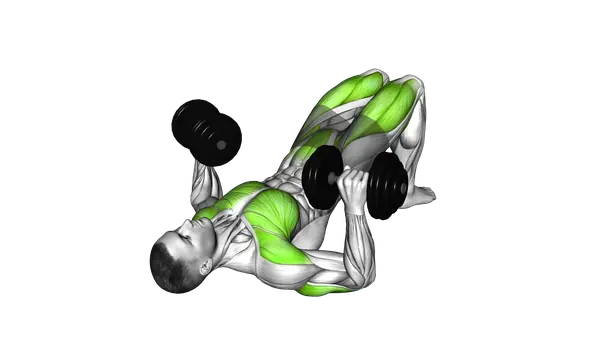
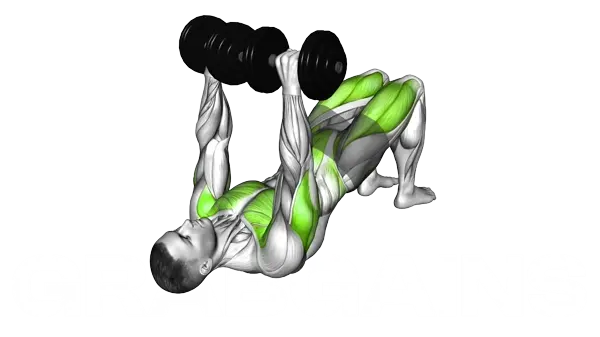
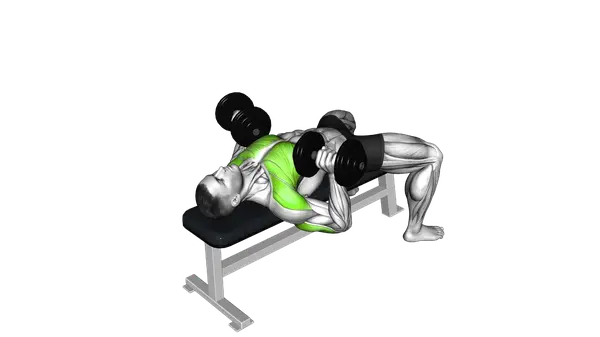
  1. Lie on your back with knees bent, feet flat on the floor hip-width apart, and hold a dumbbell in each hand with palms facing away from you.
  2. Position the dumbbells directly above your chest with arms fully extended and wrists straight.
  3. Drive through your heels and squeeze your glutes to lift your hips off the ground until your body forms a straight line from shoulders to knees.
  4. While maintaining the bridge position, inhale and slowly lower the dumbbells toward your chest by bending your elbows to approximately 90 degrees.
  5. Keep your core engaged and hips elevated throughout the movement, ensuring your lower back doesn't arch.
  6. Exhale as you press the dumbbells back up to the starting position, fully extending your arms while maintaining the hip bridge.
  7. Focus on keeping your shoulders pressed into the ground and your neck in a neutral position during the entire exercise.
  8. Complete your desired number of repetitions while maintaining the bridge position, then lower your hips back to the ground.

Important information

  • Make sure your knees track in line with your toes and don't cave inward during the bridge.
  • If your hips begin to drop during the chest press, reduce the weight or number of repetitions.
  • Keep your core engaged throughout the entire movement to protect your lower back.
  • For beginners, try mastering the glute bridge and chest press separately before combining them.

Exercise Details

Primary Muscles

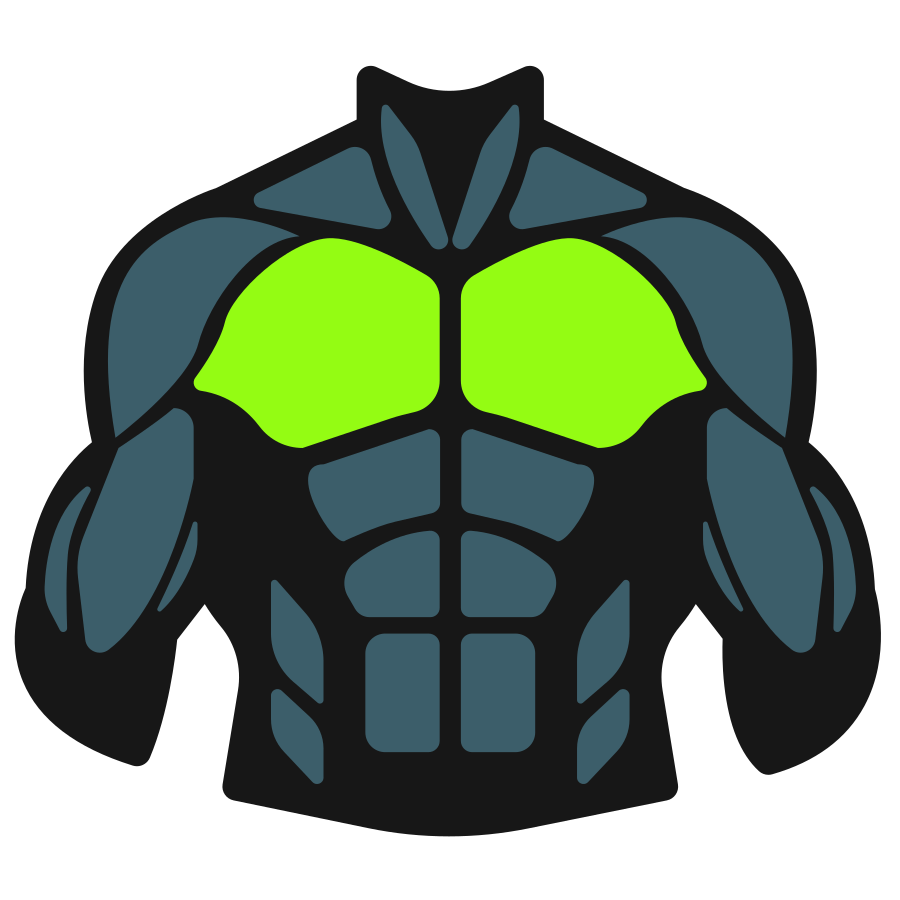
Glutes Pecs

Muscle Groups

Glute exercises Chest exercises

Mechanic

Compound

Risk Areas

Glutes Pecs

Built for progress

Take the guesswork out of training

Create personalized AI-powered workout plans that evolve with you. Train smarter, track every rep and keep moving forward, one workout at a time.

Be among the first to join!
GrabGains workout plans

The Dumbbell Glute Bridge Chest Press stands as a remarkable compound movement that ingeniously combines lower and upper body training into one fluid exercise. This intermediate-level movement simultaneously targets two powerhouse muscle groups – the glutes and pecs – creating an efficient training solution for those looking to maximize their gym time.

By merging a glute bridge with a chest press, this exercise elevates your traditional pressing movement into a comprehensive strength builder. The unstable position created by the glute bridge engages your core stabilizers while adding an additional challenge to the chest press component, making it particularly valuable for bodybuilding enthusiasts seeking muscle development with functional application.

What makes this exercise especially versatile is its adaptability to different training modalities. When incorporated into a bodybuilding routine, the movement can be performed with heavier weights and moderate repetitions to stimulate muscle growth across multiple areas. Alternatively, when integrated into HIIT workouts, lighter weights with higher repetitions transform it into a metabolic powerhouse that drives heart rate up while building strength.

The beauty of this exercise lies in its efficiency. As you drive through your heels and extend your hips skyward, you're activating the entire posterior chain while simultaneously challenging your chest, shoulders, and triceps during the pressing motion. This coordination between upper and lower body enhances neuromuscular connection – a crucial element for developing functional strength that translates to everyday activities and athletic performance.

For intermediate fitness enthusiasts, this movement represents an excellent progression from basic isolation exercises, teaching the body to function as an integrated unit rather than separate parts. The stabilization demands also make it valuable for improving posture and core engagement, addressing the imbalances that often develop from sedentary lifestyles or repetitive movement patterns.

FAQ - Dumbbell Glute Bridge Chest Press

What muscles does the Dumbbell Glute Bridge Chest Press target?

This compound exercise primarily targets your chest (pectoralis major), glutes (gluteus maximus), and triceps. Additionally, it engages your core, hamstrings, and shoulder stabilizers as secondary muscle groups during the movement.

How can I modify this exercise based on my fitness level?

Beginners can start with lighter weight and higher reps (12-15) focusing on proper form. Intermediate lifters can progress to moderate weight in the 8-12 rep range. Advanced lifters can incorporate techniques like drop sets, slower negatives, or single-arm variations to increase intensity without compromising form.

What are the most common form mistakes to avoid?

The most common mistakes include rounding your lower back, rotating your hips instead of keeping them square, rushing through the movement, and not hinging properly at the hips. Focus on maintaining a neutral spine, moving with control, and keeping your standing knee slightly soft rather than locked.

How many sets and reps should I perform for optimal results?

For muscle building, perform 3-4 sets of 8-12 reps with moderate-to-heavy weights. For endurance and metabolic conditioning, try 2-3 sets of 15-20 reps with lighter weights. Include this exercise 1-2 times weekly, allowing 48 hours of recovery between sessions targeting the same muscle groups.

Is this exercise safe for people with back problems?

While the glute bridge component can actually strengthen the posterior chain and support back health, those with existing back issues should consult a healthcare provider first. Ensure proper form by engaging your core throughout the movement and avoiding overextension of the lower back at the top of the bridge.

Alternative Exercises

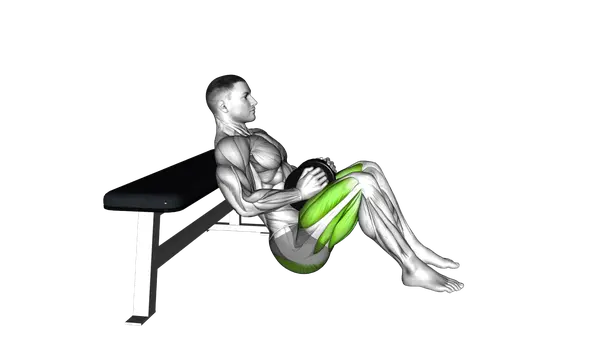
Dumbbell Hip Thrust

Dumbbell Hip Thrust

The dumbbell hip thrust stands as a phenomenal glute-building exercise that has gained tremendous popularity in both bodybuilding and powerlifting circles. This intermediate-level movement primarily targets the glutes while significantly engaging the hamstrings, making it an efficient posterior chain developer. When properly executed, the dumbbell hip thrust can be a game-changer for developing impressive strength in your lower body powerhouse. The beauty of this exercise lies in its simplicity and effectiveness – you don't need fancy equipment, just a dumbbell and something to support your upper back. Athletes who incorporate dumbbell hip thrusts into their training regimen often report noticeable improvements in their squat and deadlift numbers, as the movement pattern directly translates to these compound lifts. The carry-over effect makes this an essential accessory movement for serious strength enthusiasts looking to break through plateaus. For bodybuilders, the dumbbell hip thrust offers precision glute targeting that's difficult to achieve with other movements. The constant tension throughout the exercise creates the metabolic stress necessary for muscle hypertrophy, particularly in the gluteus maximus – the largest muscle in the human body. This focused activation helps create the aesthetic posterior development that's highly valued on competitive stages. What sets the dumbbell hip thrust apart from machine alternatives is the stabilization demand placed on your core and the freedom to adjust your range of motion based on individual biomechanics. This exercise can be particularly beneficial for addressing strength imbalances between sides when performed unilaterally. As you progress with this movement, you'll likely notice improved posture, enhanced athletic performance, and greater lower body power output. The functional carryover extends beyond the gym to everyday activities, making the dumbbell hip thrust not just an aesthetic exercise but a practical strength builder with real-world applications.

Strength
Bodybuilding
Powerlifting
Dumbbell
Dumbbell Glute Bridge

Dumbbell Glute Bridge

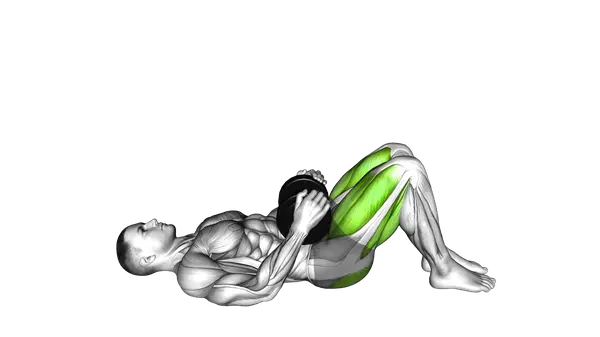
The Dumbbell Glute Bridge is a fantastic beginner-friendly exercise that primarily targets your glutes while also engaging your hamstrings. This accessible movement requires minimal equipment yet delivers maximum results for anyone looking to strengthen their posterior chain. This exercise serves multiple purposes in your fitness journey. For bodybuilders, it helps develop the aesthetic rounded shape of the glutes that's highly sought after on stage. During recovery phases, the controlled nature of the movement allows for blood flow to the area without excessive strain. As a warm-up exercise, it activates these powerful muscles before more demanding workouts, potentially reducing injury risk during heavier training. What makes the Dumbbell Glute Bridge particularly effective is how it isolates the glute muscles through a full range of motion while providing adjustable resistance. By placing a dumbbell across your hips, you can progressively overload the muscles as they adapt and grow stronger. The exercise creates significant time under tension in the fully contracted position, which research suggests is optimal for muscle development. The beauty of this movement lies in its versatility. You can perform it anywhere with minimal space requirements—at home, in a hotel room, or at the gym. For beginners, it offers a safe way to develop foundational strength in the posterior chain, which translates to improved performance in compound movements like squats and deadlifts. Regular incorporation of Dumbbell Glute Bridges into your routine can address common muscular imbalances caused by prolonged sitting, potentially alleviating lower back discomfort and improving posture. The exercise also engages your core stabilizers as they work to maintain proper pelvic positioning throughout the movement. For optimal results, focus on the mind-muscle connection rather than simply moving weight. The sensation of your glutes powering the movement is far more important than the amount of resistance used, especially when first mastering this effective strength-building exercise.

Strength
Bodybuilding
Recovery
+1
Dumbbell
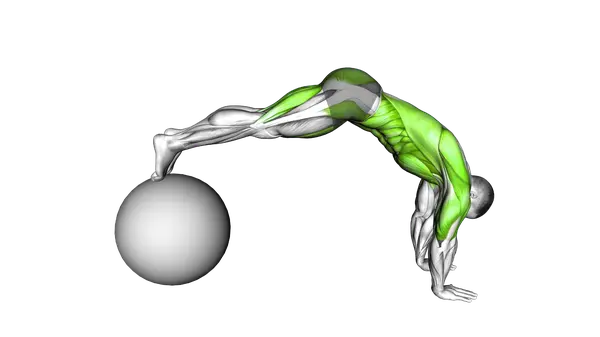
Stability Ball Pike Push-Up

Stability Ball Pike Push-Up

The Stability Ball Pike Push-Up stands as a formidable challenge in the realm of advanced bodyweight training, elevating the traditional push-up to an entirely new dimension of difficulty. This movement seamlessly blends shoulder strength development with core stabilization, making it a powerful addition to any serious fitness enthusiast's repertoire. This exercise primarily targets the front deltoids, the anterior portion of your shoulders responsible for that coveted capped look, while simultaneously engaging the triceps as crucial secondary movers. What truly sets this exercise apart, however, is the extraordinary core engagement required to maintain proper positioning throughout the movement. Perfect for integration into high-intensity interval training sessions or CrossFit WODs, the Stability Ball Pike Push-Up delivers maximum stimulus with minimal equipment. The instability factor introduces an element that traditional gym machines simply cannot replicate, forcing your body to recruit stabilizing muscles throughout your entire kinetic chain. Bodybuilders also appreciate this movement for its ability to isolate and sculpt the shoulders while maintaining functional strength patterns. The compound nature of this exercise makes it particularly effective for developing practical, real-world strength. As you progress with this movement, you'll notice improvements in overhead pressing power, core stability, and overall body control. The intense demand placed on your core musculature creates a synergistic effect, enhancing total-body strength beyond what isolated movements can achieve. For those seeking to break through plateaus in their fitness journey, the Stability Ball Pike Push-Up represents an excellent progression tool. The instability of the ball coupled with the inverted body position creates a unique challenge that forces muscular adaptation. This exercise embodies the principle that true strength isn't just about moving weight: it's about controlling your body through space with precision and power.

Strength
Core
HIIT
Crossfit
+1
Stability ball
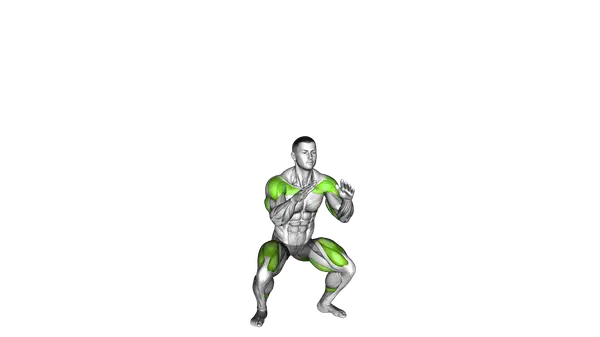
Bodyweight Full Squat With Overhead Press

Bodyweight Full Squat With Overhead Press

The Bodyweight Full Squat With Overhead Press combines lower body power with upper body pushing strength in one fluid movement, creating an efficient full-body exercise that elevates your heart rate while building functional strength. This intermediate-level compound movement simultaneously targets your quadriceps, glutes, and front deltoids, making it perfect for those looking to maximize their workout efficiency. This versatile exercise fits seamlessly into various training methodologies including HIIT circuits, bodybuilding routines, and CrossFit workouts. The dynamic nature of combining a squat with an overhead press creates a cardiovascular demand that burns calories while developing both strength and muscular endurance throughout your entire body. What makes this movement particularly valuable is how it mimics everyday functional patterns: the kind of integrated movement you might use when lifting objects from the ground and placing them on a high shelf. By training these movement patterns together, you're enhancing your body's natural coordination systems while developing practical strength that translates to daily activities. The full squat component engages your entire lower body kinetic chain, activating the quadriceps as primary movers while recruiting the glutes, hamstrings, and core stabilizers. Meanwhile, the overhead press portion develops shoulder strength and stability, particularly in the anterior deltoids, while engaging your triceps and upper back muscles as synergists. For those focused on metabolic conditioning, this exercise delivers impressive results by recruiting large muscle groups simultaneously, significantly elevating oxygen consumption and caloric expenditure. The compound nature makes it particularly effective for those with limited workout time who need maximum benefits from minimal exercises. Regular incorporation of the Bodyweight Full Squat With Overhead Press can lead to improved posture, enhanced core strength, better overhead mobility, and increased lower body power—all critical components for athletic performance and daily function. Whether you're focused on building strength, enhancing endurance, or improving overall fitness, this exercise delivers comprehensive benefits in a single, efficient movement.

Strength
Endurance
HIIT
Bodybuilding
+1
Bodyweight exercises