The 7 best back exercises to strengthen the back
A strong back does more than help you lift heavier weights. It supports good posture, stabilizes the spine, balances pressing movements, and plays a key role in long-term joint health. Effective back training isn’t about doing as many exercises as possible — it’s about choosing movements that cover all essential pulling and stabilizing functions.
In this guide, we break down seven back exercises that work together to strengthen the upper back, mid back, lats, and lower back. Each exercise has a clear purpose and fits into a balanced approach to back training that’s effective, safe, and sustainable.
The 7 best back exercises
Below is a quick overview of the exercises covered in this article. Each movement targets the back from a different angle and contributes to complete back development.
The best back exercises:
- Cable bar lateral pulldown
- Barbell bent over row
- Seated cable row
- Dumbbell single arm bent over row
- Incline bench barbell row
- Cable standing face pull (with rope)
- Lever back extension
Together, these exercises train vertical pulling, horizontal rowing, unilateral strength, upper-back stability, and spinal support.
Built for progress
Take the guesswork out of training
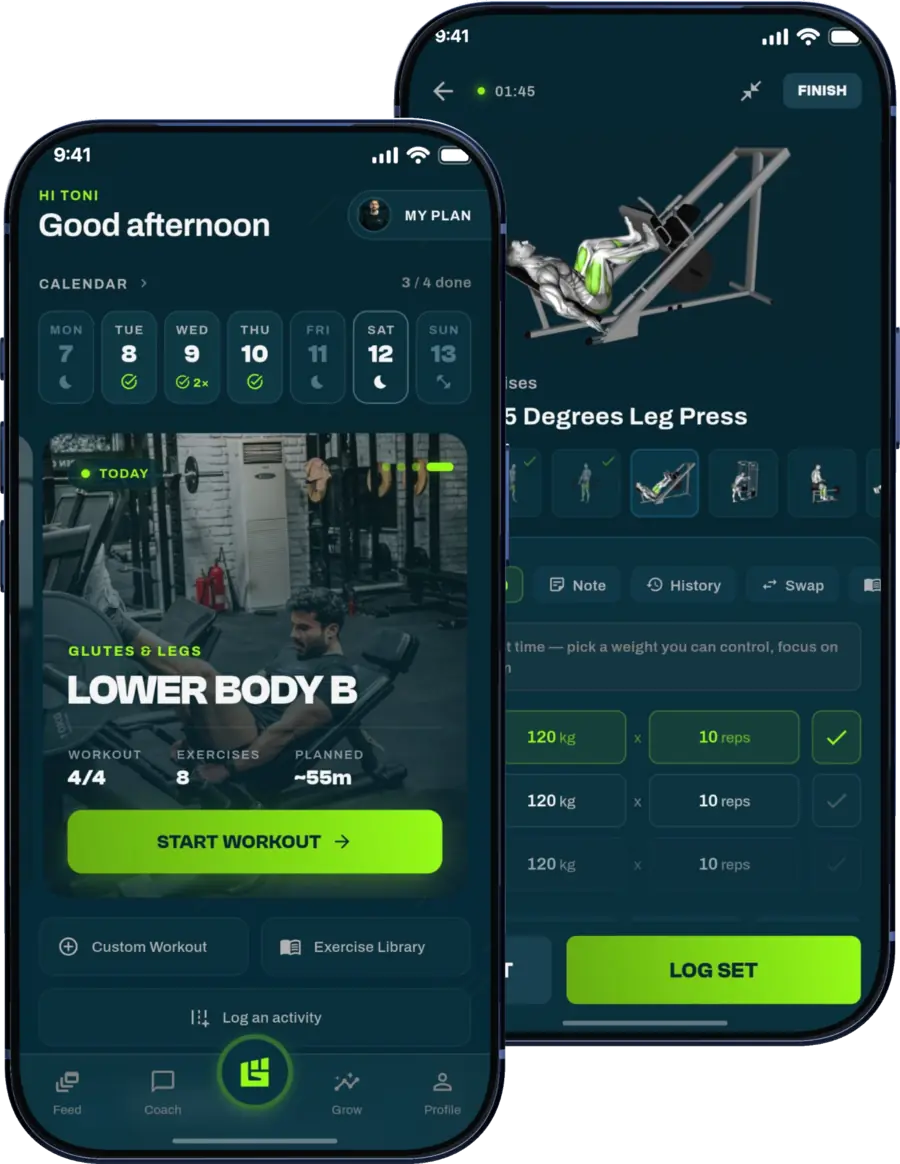
Get a personalized workout plan built around your goal, equipment and schedule. Train smarter, track every rep and keep moving forward, one workout at a time.






Step-by-step guide
A controlled vertical pull for lat and upper-back strength
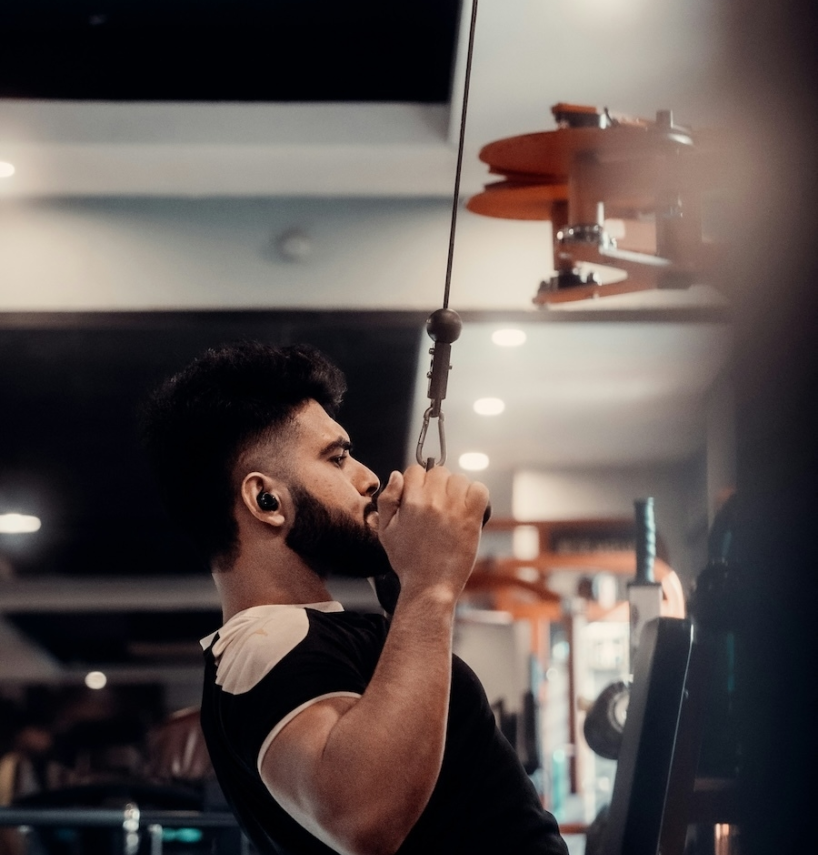
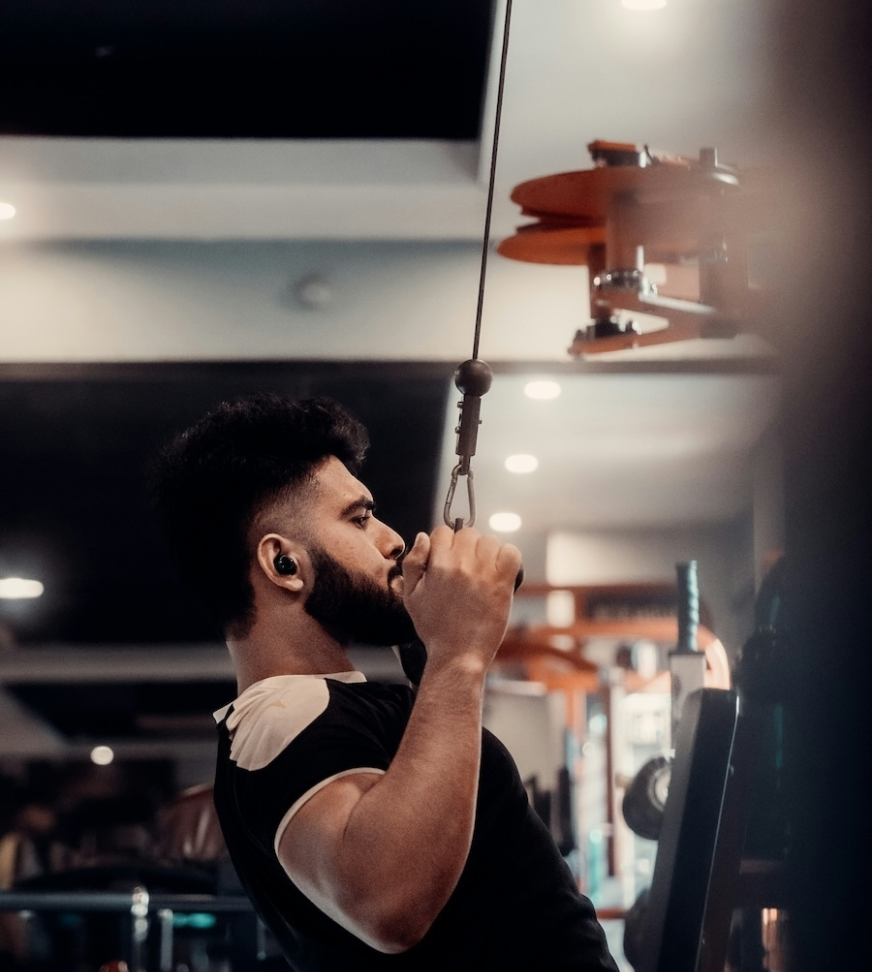
The cable bar lateral pulldown is a foundational vertical pulling exercise that targets the lats and upper back through a long, controlled range of motion. Using a straight bar encourages a stable grip and consistent pulling path, making it easier to focus on back engagement rather than arm dominance.
Because the resistance is adjustable, this exercise works well for all experience levels. It’s especially effective for building back width, improving posture, and developing the pulling strength needed for more demanding back movements.
Why this exercise works
- Trains the lats through a strong downward pulling pattern
- Supports upper-back strength and posture
- Allows controlled progression with adjustable resistance
- Reinforces proper vertical pulling mechanics
How to perform the cable bar lateral pulldown
- Sit tall and grip the bar slightly wider than shoulder width.
- Start with arms fully extended and shoulders relaxed.
- Pull the bar down toward your upper chest by driving your elbows down.
- Keep your chest lifted as you reach the bottom position.
- Return the bar upward under control to a full stretch.
Technique tips
- Pull with your elbows, not your hands
- Avoid leaning back excessively
- Control the lowering phase
- Keep tension through the full range
Step-by-step guide
A heavy horizontal pull for back thickness and strength
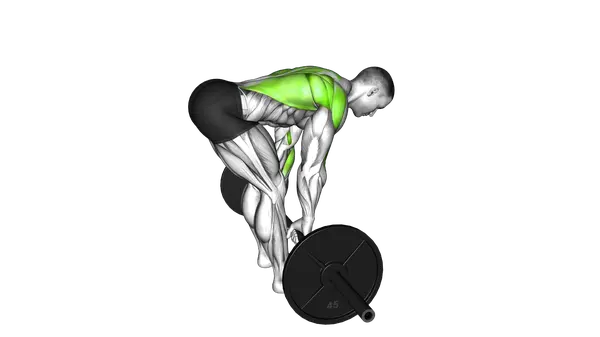
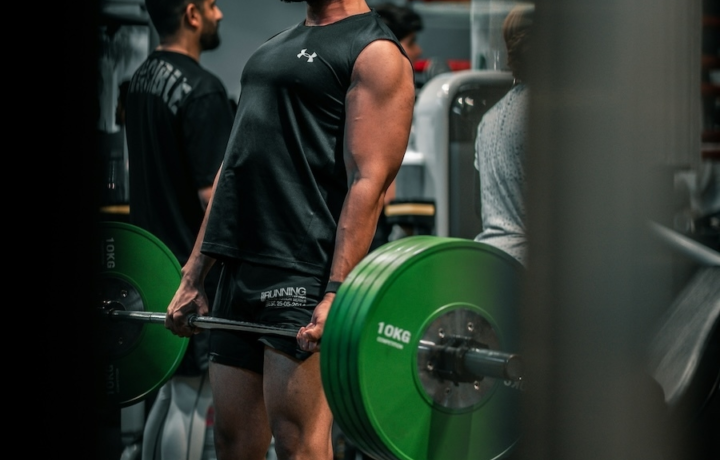
The barbell bent over row is one of the most effective exercises for building overall back thickness and pulling strength. By hinging at the hips and maintaining a stable torso, this movement trains the mid back, upper back, and lats while also challenging core and lower-back stability.
Its ability to handle heavier loads makes it a key strength builder and an important contributor to long-term back development.
Why this exercise works
- Allows heavy loading for strength development
- Builds thickness in the mid and upper back
- Reinforces strong pulling mechanics
- Challenges spinal and core stability
How to perform the barbell bent over row
- Stand with feet hip-width apart and grip the bar just outside your knees.
- Hinge forward at the hips with a neutral spine.
- Pull the bar toward your lower ribs by driving your elbows back.
- Pause briefly at the top while keeping your back tight.
- Lower the bar under control to the starting position.
Technique tips
- Keep your spine neutral throughout
- Pull the bar close to your body
- Avoid using momentum
- Brace your core during each rep
Step-by-step guide
A controlled row with constant tension
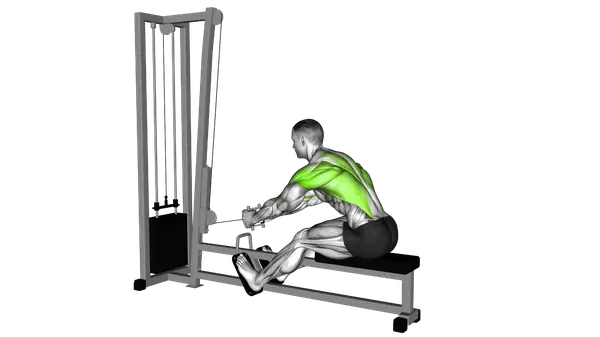
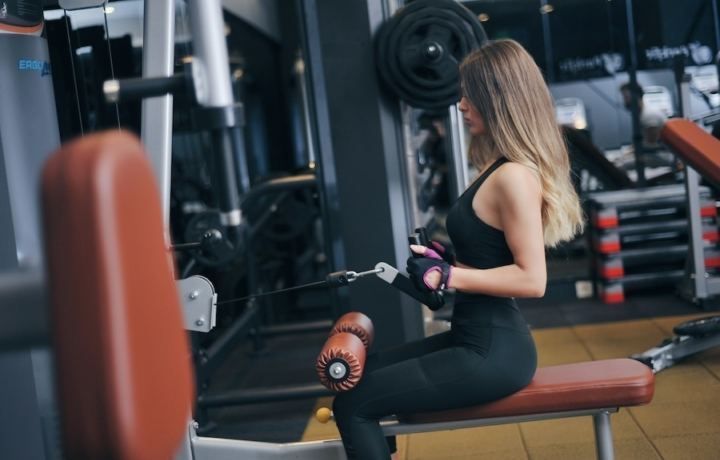
The seated cable row provides steady resistance through the entire range of motion, making it easier to maintain consistent back engagement. The cable setup allows controlled shoulder blade movement, which is essential for posture and back coordination.
This exercise is especially useful for refining rowing technique and developing control through horizontal pulling patterns.
Why this exercise works
- Provides constant tension from start to finish
- Supports controlled shoulder blade movement
- Reduces strain on the lower back
- Reinforces posture and rowing mechanics
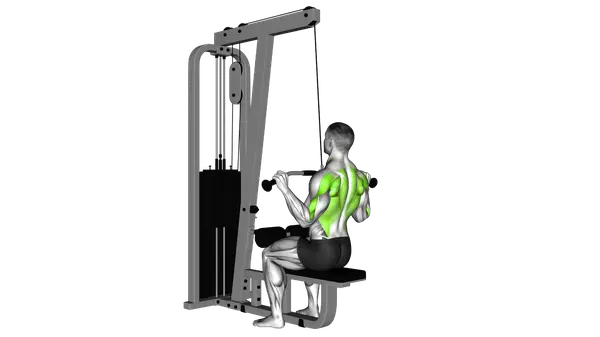
How to perform the seated cable row
- Sit upright with feet planted and arms extended forward.
- Pull the handle toward your torso while drawing your shoulder blades back.
- Keep your chest tall throughout the movement.
- Squeeze your back at the end of the pull.
- Return slowly to the starting position.
Technique tips
- Avoid leaning back excessively
- Move smoothly and with control
- Let your shoulders stretch forward at the start
Step-by-step guide
A unilateral row for balance and control
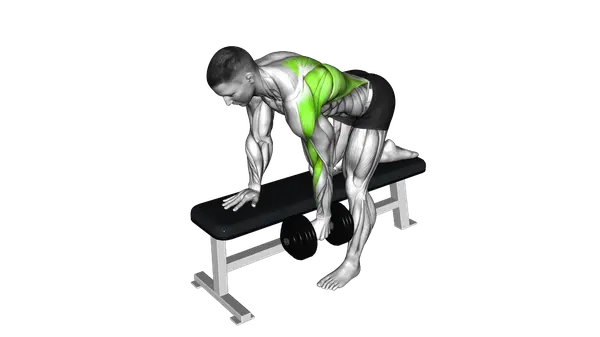
The dumbbell single arm bent over row allows each side of the back to work independently, making it ideal for correcting strength imbalances. Supporting the body on a bench reduces overall fatigue and allows greater focus on controlled pulling.
Because the movement is unilateral, it improves coordination between the back and core while promoting balanced development.
Why this exercise works
- improves left-right strength balance
- allows focused muscle engagement
- reduces overall spinal load
- supports controlled strength development
How to perform the dumbbell single arm bent over row
- Place one hand and knee on a bench for support.
- Hold the dumbbell in the opposite hand with arm extended.
- Pull the weight toward your hip by driving your elbow back.
- Pause briefly at the top.
- Lower the dumbbell under control.
Technique tips
- keep your torso stable
- avoid twisting your body
- pull through your elbow
Step-by-step guide
A supported barbell row for strict back work
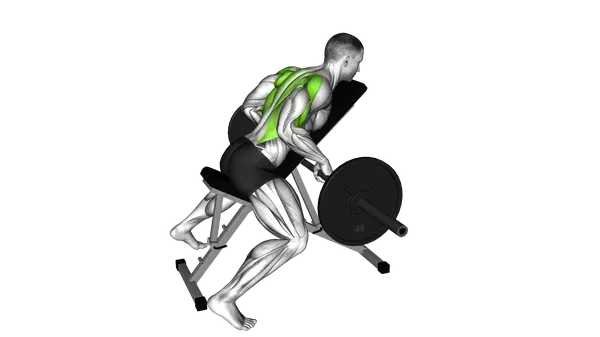
The incline bench barbell row combines barbell loading with added upper-body support. Lying chest-down on the bench removes momentum and limits lower-back involvement, allowing the upper and mid back to do most of the work.
This makes it especially useful when you want strict technique or need to manage lower-back fatigue.
Why this exercise works
- Limits lower-back involvement
- Encourages strict pulling technique
- Allows heavy, controlled loading
- Increases upper- and mid-back engagement
How to perform the incline bench barbell row
- Set an incline bench and place a barbell underneath.
- Lie chest-down with feet planted on the floor.
- Grip the bar slightly wider than shoulder width.
- Pull the bar toward your lower chest.
- Lower the bar slowly under control.
Technique tips
- Keep your chest in contact with the bench
- Avoid jerking the weight
- Focus on squeezing your upper back
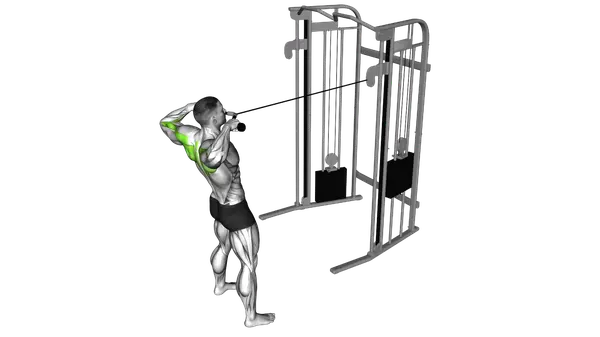
6. Cable Standing Face Pull (With Rope)
Step-by-step guide
Upper-back support for shoulder health
The cable standing face pull with rope targets the upper back and rear shoulders, which are essential for shoulder stability and posture. While it uses lighter loads, it plays an important role in balancing pressing movements and supporting healthy shoulder mechanics.
Why this exercise works
- Dtrengthens the upper back and rear shoulders
- Dupports shoulder stability
- Improves posture
- Balances pressing-heavy training
How to perform the cable standing face pull
- Set the cable at face height.
- Grip the rope with palms facing inward.
- Pull the rope toward your face while spreading your hands apart.
- Squeeze your upper back at the end.
- Return slowly to the starting position.
Technique tips
- Keep elbows high
- Avoid leaning back
- Prioritize control over weight
Step-by-step guide
Controlled lower-back strengthening
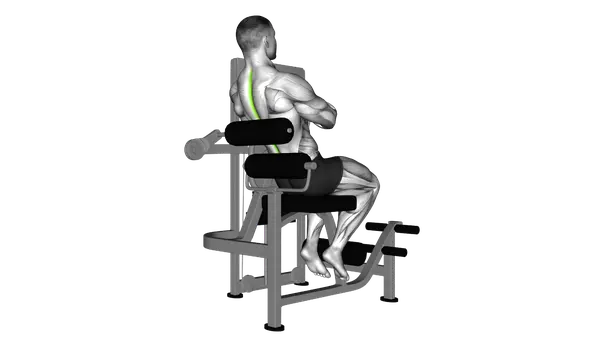
The lever back extension strengthens the muscles that support the spine using a guided machine path. This allows controlled movement and consistent resistance, making it easier to maintain proper positioning.
Rather than maximal loading, this exercise is best used to build endurance and stability in the lower back.
Why this exercise works
- Strengthens spinal support muscles
- Improves lower-back endurance
- Supports posture and lifting mechanics
How to perform the lever back extension
- Position your hips against the pad.
- Start with your torso slightly bent forward.
- Extend upward until your body is in line.
- Pause briefly at the top.
- Lower back down with control.
Technique tips
- Avoid hyperextension
- Move slowly
- Keep tension through your core
These seven exercises cover all essential back functions: vertical pulling, horizontal rowing, unilateral control, upper-back stability, and spinal support. You don’t need all of them in one session: choosing a few and performing them with good technique is enough to build strength steadily.
Back exercise summary table
| Exercise | Main benefit | What it targets | Best used for |
|---|---|---|---|
| Cable bar lateral pulldown | Vertical pulling strength | Upper back, lats | Back width and posture |
| Barbell bent over row | Heavy pulling | Mid and upper back | Thickness and strength |
| Seated cable row | Controlled tension | Mid back | Technique and posture |
| Dumbbell single arm bent over row | Unilateral control | Lats, mid back | Balance and coordination |
| Incline bench barbell row | Supported heavy rowing | Upper and mid back | Strict back training |
| Cable standing face pull | Shoulder support | Upper back | Posture and joint health |
| Lever back extension | Spinal support | Lower back | Stability and resilience |
Final thoughts: building a stronger back safely and effectively
Developing a strong and resilient back doesn’t come from doing endless exercises or constantly switching movements. It comes from practicing a small number of well-chosen exercises consistently, with good technique and controlled effort. The seven exercises in this guide cover every key function of the back: vertical pulling, horizontal rowing, unilateral strength, upper-back stability, and lower-back support.
If you’re just starting out, focus on mastering one vertical pull and one rowing movement first. Learn how to control the weight, move through a full range of motion, and keep tension where it belongs. As your technique improves, gradually increase the load or volume rather than adding more exercises.
More advanced lifters can rotate between different rowing patterns and support exercises to challenge the back from multiple angles while managing fatigue. Training your back 1–2 times per week, using 2–4 exercises per session, is enough for most people to build strength, improve posture, and support long-term progress.
Combine this approach with controlled reps, consistent effort, and patience. A stronger back isn’t built overnight: but with the right movements and steady training, it will support everything else you do in the gym and beyond.
Frequently asked questions about back training
Yes. Rows and pulldowns train the back in different directions. Pulldowns focus more on vertical pulling and back width, while rows emphasize thickness, posture, and upper-back strength. Including both ensures the back develops evenly and functions well in everyday movement and lifting.
Training your back 1–2 times per week is effective for most people, depending on your experience level and total training volume. Beginners can make solid progress with one well-structured back day per week, while intermediate to advanced lifters often benefit from splitting back volume across multiple sessions — such as a pull day and a dedicated deadlift or row-focused day. It’s important to allow adequate recovery between sessions, especially if you're lifting heavy. To ensure balanced development, aim to train both pulling angles (horizontal and vertical) consistently throughout the week.
Both matter. Heavier loads help build strength, while controlled reps improve muscle engagement and joint safety. Most lifters benefit from prioritizing good form and control first, then gradually increasing load as technique improves.
This usually means the arms are taking over the movement. To shift more work to the back, focus on pulling with your elbows, slow down the lowering phase, and reduce the weight if needed. Maintaining good shoulder blade movement and control helps improve back activation over time.
Yes. The lower back plays a crucial role in spinal stability and posture. Exercises like the lever back extension strengthen the muscles that support your spine during lifting and daily activities. Training the lower back with control helps reduce injury risk and improves overall strength balance.
A simple, sustainable approach to long-term back strength
Back related workouts

Get inspired and motivated