Kettlebell Farmer's Carry
The Kettlebell Farmer’s Carry is a full-body strength and conditioning exercise that builds grip strength, core stability and total-body control.



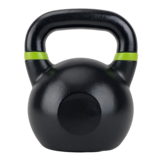
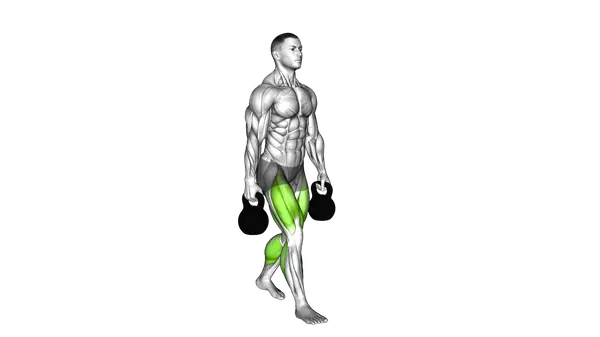
Kettlebell Farmer's Carry
Muscles Worked: Kettlebell Farmer's Carry
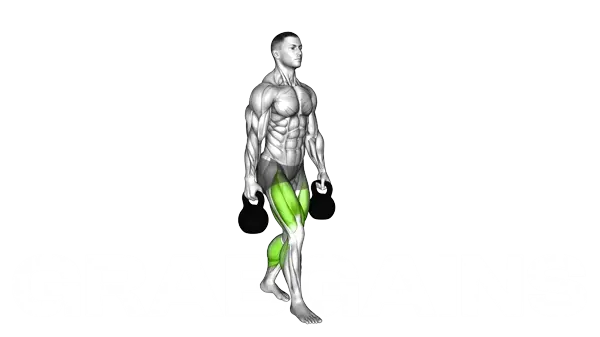
The kettlebell farmer's carry mainly works your glutes and quads because they keep you standing tall and driving each step while the load tries to pull you down. Your hamstrings and calves help with push-off and steady foot placement, while your forearms work hard to keep the bells from slipping. Your abs also brace to stop your torso from leaning or twisting. If you feel your grip, hips, and midsection lighting up while you stay upright under load, you are doing the exercise right; getting stronger with loaded carries fits the basic overload principles that build strength over time.
Built for progress
Take the guesswork out of training
Get a personalized workout plan built around your goal, equipment and schedule. Train smarter, track every rep and keep moving forward, one workout at a time.






Technique and form
How to perform the Kettlebell Farmer's Carry
- Select kettlebells that are appropriately heavy yet allow you to maintain proper form throughout the carry.
- Position yourself between the kettlebells, with feet hip-width apart and core engaged.
- Hinge at the hips while maintaining a neutral spine, then bend your knees to reach down and grasp the kettlebell handles with a firm grip.
- Inhale deeply, then exhale as you drive through your heels to stand up straight, keeping your shoulders pulled back and down away from your ears.
- Hold the kettlebells at your sides with arms fully extended, palms facing your body, and wrists neutral to prevent strain.
- Brace your core, pack your shoulders down and back, and begin walking forward with controlled, even steps while maintaining an upright posture.
- Breathe normally as you walk, focusing on keeping your spine neutral, chest up, and gaze forward throughout the movement.
- Complete your desired distance or time, then carefully place the kettlebells down by hinging at the hips and bending your knees rather than rounding your back.
Important information
- Keep your shoulders pulled back and down throughout the exercise to protect your neck and upper back from unnecessary strain.
- If the kettlebells are pulling you forward or causing you to round your shoulders, reduce the weight until you can maintain proper posture.
- Start with shorter distances and gradually increase as your grip strength and core stability improve.
- Avoid excessive side-to-side swaying or leaning back while walking, as this reduces the core engagement benefits and increases injury risk.
Is the Kettlebell Farmer's Carry good for muscle growth?
Yes. The kettlebell farmer's carry can help build muscle, especially in your glutes, quads, forearms, and trunk, because it lets you hold meaningful load for time and add weight or distance as you improve. That matters because muscle growth and strength both respond well to progressive overload across different set and rep styles when effort is high enough.
- Long time under tension — Unlike a quick lift, a carry keeps your legs, grip, and trunk working for the whole set. That continuous tension is useful for building forearm size and teaching your lower body to stay strong while you move.
- Easy overload without changing technique much — You can progress by adding kettlebell weight, walking farther, or taking fewer breaks. Simple progression matters because stronger starting levels and repeated training exposure both help drive better strength gains over time.
- Hits muscles that often get undertrained — Your grip has to stay locked in, your upper glutes help keep your hips level, and your trunk works hard to stop side bending. That makes carries a smart add-on next to lifts like the kettlebell goblet squat.
- Good when heavy leg work beats you up — Carries can challenge your legs and glutes without the same soreness some people get from high-rep squats or lunges. They pair well with moves like the kettlebell deadlift when you want extra work without a lot of setup.
Programming for muscle growth
Do 3-5 sets of 20-40 meters or 30-45 seconds with 60-90 seconds rest. Train them 1-3 times per week after your main strength work. Use a load that makes the last 5-10 meters tough but still lets you keep steady steps and an upright torso. When all sets feel solid, add a little weight first, then add distance.
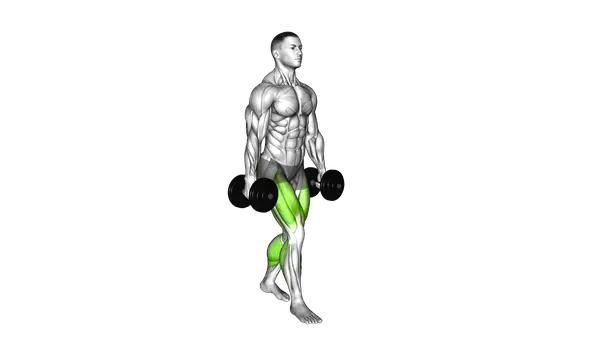
Alternative Exercises
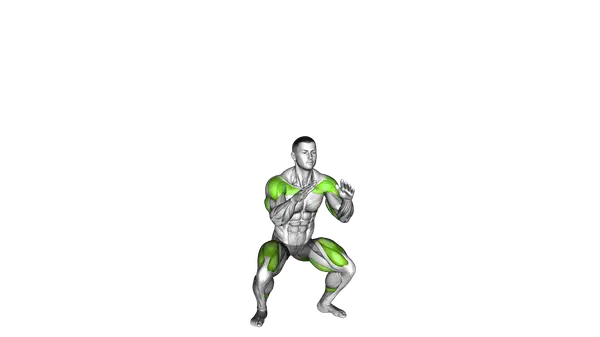
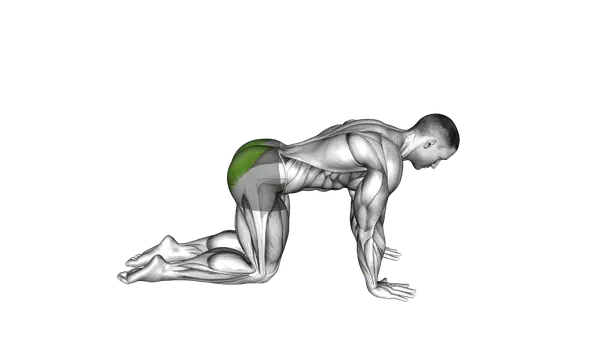
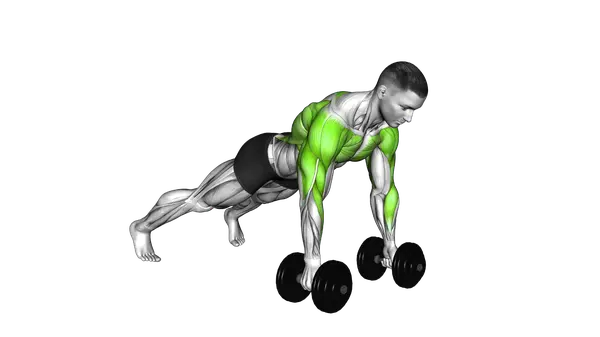
FAQ - Kettlebell Farmer's Carry
The Kettlebell Farmer's Carry primarily targets your forearms, traps, and shoulders while significantly engaging your core, glutes, and back as stabilizers. This exercise is considered a full-body movement because it requires nearly every muscle to work together to maintain proper posture under load.
Choose kettlebells that feel challenging but allow you to maintain proper form for 30-60 seconds of walking. For beginners, start with 20-30% of your bodyweight total (combined weight of both kettlebells), while intermediate and advanced lifters can aim for 50-70% of bodyweight for optimal strength development.
The most common mistakes include hunching the shoulders, leaning to one side, or letting the kettlebells pull your arms away from your body. Always maintain a tall spine, keep your shoulders down and back, and hold the weights close to your sides while taking controlled steps with your core engaged.
Progress by increasing weight when you can complete your target distance with perfect form, or extend the carrying distance/time without setting the weights down. For an additional challenge, try variations like the suitcase carry (one-sided) or bottoms-up carry to introduce instability and increase difficulty.
Incorporate Farmer's Carries 1-3 times weekly, either at the end of your workout or as part of a conditioning circuit. Because the exercise doesn't cause significant muscle damage, you can perform it more frequently than traditional strength exercises, making it excellent for grip strength development and overall work capacity improvement.
Workouts with Kettlebell Farmer's Carry
Kettlebell Farmer's Carry
Thank you for your feedback!
Thank you for your feedback!