Back
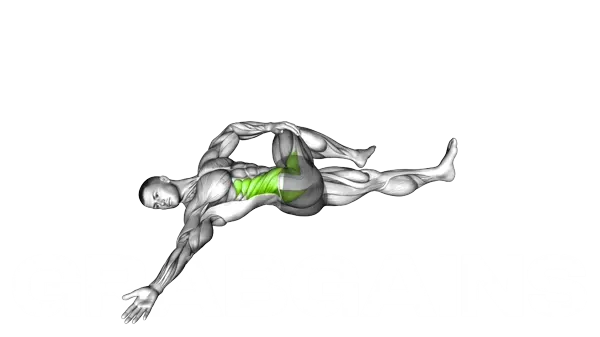
Lying Cross Over Knee Pull Down Stretch
Add to Workout

Lying Cross Over Knee Pull Down Stretch

Build

How to Perform

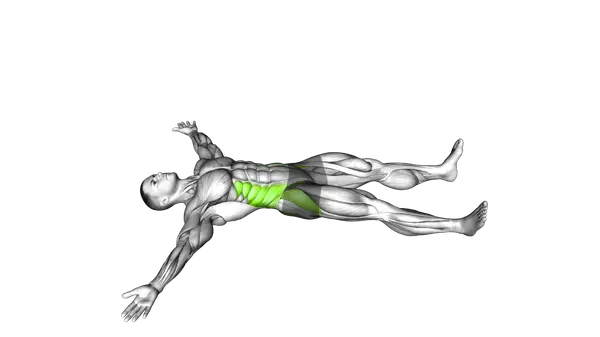
  1. Lie on your back with your legs extended and arms out to the sides at shoulder level, creating a T-shape with your body.
  2. Bend your right knee and draw it up toward your chest, keeping your left leg extended on the floor.
  3. Using your left hand, gently pull your right knee across your body toward your left side, while keeping your right shoulder and arm in contact with the floor.
  4. Exhale as you pull your knee across, allowing your spine to rotate and feeling the stretch through your right glute and lower back.
  5. Hold the stretch position for 20-30 seconds while taking deep, controlled breaths to relax into the stretch.
  6. Keep your upper back, shoulder, and arm firmly pressed against the floor throughout the movement to maximize the rotational stretch.
  7. Slowly release the stretch by guiding your knee back to center using your hand, then extend your right leg back to the starting position.
  8. Repeat the stretch on the opposite side by bending your left knee and using your right hand to pull it across your body.

Important information

  • Never force the stretch beyond your comfortable range of motion, as this can strain your lower back or knee.
  • Keep your opposite shoulder pressed firmly against the floor throughout the movement to ensure proper spinal rotation.
  • If you experience any sharp pain in your lower back or knee, reduce the range of motion or discontinue the exercise.
  • For a deeper stretch, extend the arm on the same side as the bent knee directly out from your shoulder while turning your palm up toward the ceiling.

Exercise Details

Primary Muscles

Glutes Abs

Muscle Groups

Glute exercises Ab exercises

Mechanic

Isolation

Risk Areas

Glutes Abs

Built for progress

Take the guesswork out of training

Create personalized AI-powered workout plans that evolve with you. Train smarter, track every rep and keep moving forward, one workout at a time.

Be among the first to join!
GrabGains workout plans

The Lying Cross Over Knee Pull Down Stretch offers a gentle yet effective way to release tension in the glutes and abs, making it perfect for beginners looking to enhance their flexibility and mobility. This accessible movement serves multiple purposes within your fitness routine, functioning beautifully as part of your warm-up sequence to prepare the body for more intense activity, during recovery periods between training sets, or as a soothing cool-down element after your workout.

As you settle into this stretch, you'll feel a pleasant opening sensation across your glutes, while simultaneously engaging your abdominal muscles. The cross-body component creates a gentle rotational element that helps address those hard-to-reach areas where tension often accumulates during daily activities or intense workouts. Your body will thank you for the attention to these commonly tight regions.

This stretch exemplifies how effective mobility work doesn't always require complex movements or advanced flexibility. The gentle nature of this position makes it accessible even when muscles feel particularly tight, allowing you to gradually increase your range of motion without forcing anything. Many fitness enthusiasts incorporate this movement into their regular routine to maintain hip mobility and core flexibility.

What makes this stretch particularly valuable is its ability to counteract the effects of prolonged sitting, which many of us experience in our daily lives. The cross-body component specifically targets areas that become compressed and shortened during desk work or commuting. Regular practice can help restore natural movement patterns and potentially reduce discomfort associated with sedentary behaviors.

Whether you're an active athlete looking to maintain mobility or someone simply wanting to feel more comfortable in your body, this stretch delivers remarkable benefits with minimal time investment. Its dual focus on the glutes and abs addresses two powerhouse areas that influence countless other movements in both exercise and everyday life, making it a smart addition to virtually any fitness regimen.

FAQ - Lying Cross Over Knee Pull Down Stretch

What muscles does the Lying Cross Over Knee Pull Down Stretch target?

This stretch primarily targets the gluteal muscles (especially the piriformis) and external hip rotators while also engaging the obliques and lower back muscles. The cross-body component creates rotational tension that helps release commonly tight areas that affect posture and movement quality.

How long should I hold this stretch for optimal benefits?

Aim to spend 1-2 minutes total on the stretch, moving the ball slowly to different spots along the base of your skull where you feel tension. For areas with significant tightness, you can pause and apply gentle pressure for 20-30 seconds before moving on.

Can I perform this stretch if I have lower back problems?

Most people with mild back discomfort can safely perform this stretch, as it's generally gentle on the spine. However, maintain a neutral spine position and stop if you feel any sharp pain. Those with diagnosed disc issues should consult their healthcare provider before attempting.

How often should I include this stretch in my routine?

For optimal shoulder mobility, perform this stretch 1-2 times daily, especially if you spend long hours at a desk. Include it both as part of your pre-workout warm-up and post-workout recovery routine to maximize its benefits and progressively improve your overhead range of motion.

What's the most common mistake people make with this stretch?

The most common error is rushing the movement and using momentum rather than controlled muscle engagement. Another frequent mistake is lifting the opposite hip off the ground during the crossover, which reduces effectiveness and places unnecessary stress on the lower back.

Alternative Exercises

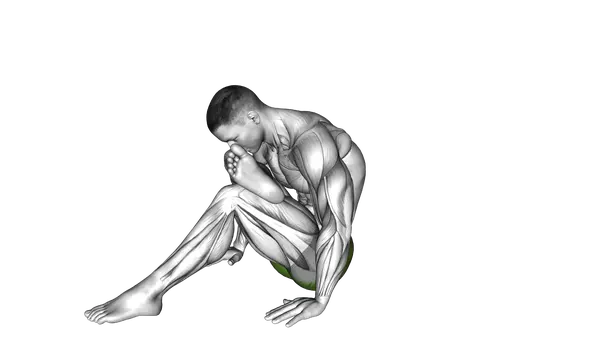
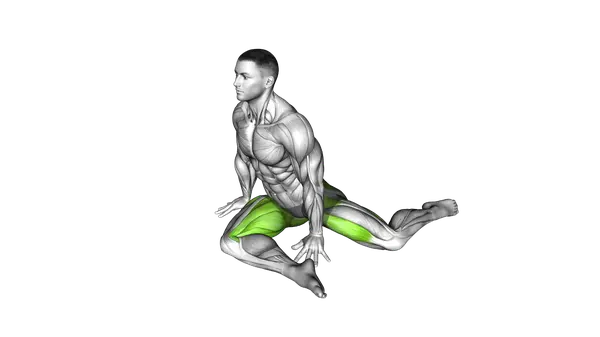
90/90 Stretch

90/90 Stretch

The 90/90 Stretch is a gentle yet highly effective mobility exercise that targets multiple areas of the lower body simultaneously, making it perfect for beginners looking to improve their hip function. This versatile stretch primarily engages the glutes and hip flexors, providing a deep release in areas that commonly become tight from prolonged sitting or intense workouts. As both a recovery tool and preparatory movement, the 90/90 Stretch earns its place in cool-down routines, recovery sessions, and warm-ups alike. Its ability to open the hips in multiple planes of motion makes it particularly valuable before activities requiring hip mobility, such as squats, lunges, or athletic movements that involve changing direction. What makes the 90/90 particularly special is how it combines stretching and mobility work in one efficient position. The stretch addresses external and internal rotation of the hips simultaneously, which helps restore natural movement patterns that may become restricted through daily activities or exercise. Many fitness professionals consider this movement a cornerstone of hip maintenance, especially for those dealing with discomfort or restrictions in their hip complex. Regular practice of the 90/90 Stretch can progressively improve your overall hip mobility, potentially enhancing athletic performance and reducing the risk of compensatory movements that might lead to injury. The beauty of this stretch lies in its simplicity and adaptability: it can be modified to accommodate different flexibility levels, making it accessible to virtually anyone. For optimal results, the 90/90 Stretch works best when performed consistently as part of a comprehensive mobility routine. Many find it beneficial to incorporate this movement daily, particularly after long periods of sitting, to reset hip positioning and maintain healthy movement patterns in this crucial joint complex.

Stretching
Mobility
Recovery
Cool-down
+1
Bodyweight exercises
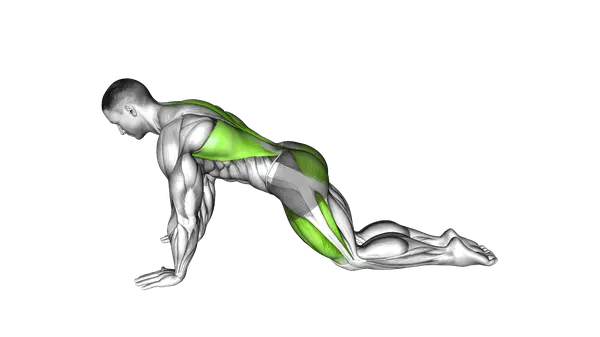
Child's Pose

Child's Pose

Child's Pose, often referred to as the resting pose in yoga practice, offers an accessible entry point for beginners while providing profound benefits for more advanced fitness enthusiasts. This gentle position primarily targets the erector spinae: those important muscles running along your spine, while also providing a mild release for the glutes, making it perfect for anyone experiencing tightness in the lower back region. What makes Child's Pose particularly valuable is its versatility within a fitness routine. As a recovery position, it allows the body to reset between more challenging exercises, bringing the heart rate down while maintaining engagement. During cool-down sequences, it helps transition the body from an active state to rest, signaling to your nervous system that the intense work is complete. Alternatively, incorporating it into your warm-up routine gently awakens the spine and prepares the back muscles for more demanding movements ahead. The pose primarily functions as a stretching exercise, creating gentle elongation through the entire posterior chain from the ankles to the neck. This stretching quality makes it exceptional for releasing tension that accumulates throughout the day, especially for those who spend hours sitting at desks. Beyond simple stretching, Child's Pose enhances mobility by encouraging the natural articulation of the spine and promoting healthy range of motion in the hips. Perhaps what's most remarkable about Child's Pose is its dual nature: simultaneously calming the mind while physically preparing the body. The position naturally encourages deeper breathing patterns, which activates the parasympathetic nervous system. This physiological response helps reduce cortisol levels and creates a moment of mindfulness even within a physically-focused training session. For athletes dealing with recovery from more intense workouts, this meditative quality offers both mental and physical restoration.

Stretching
Mobility
Recovery
Cool-down
+1
Bodyweight exercises
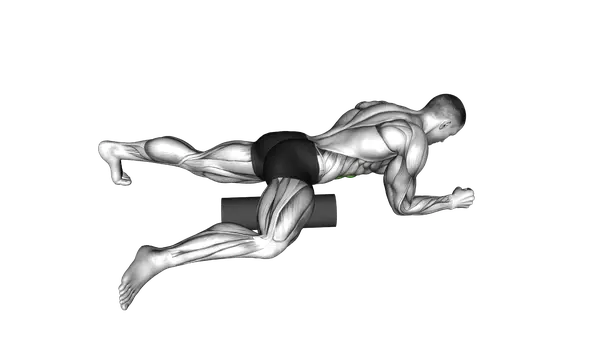
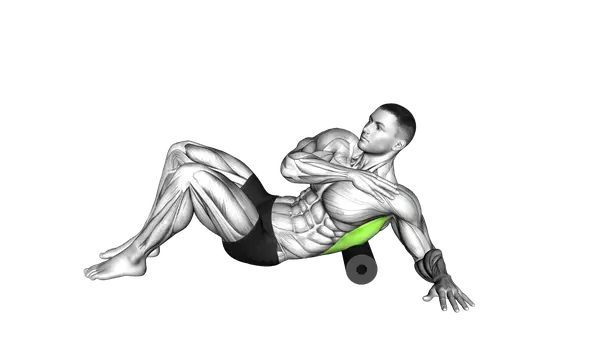
Roll Lower Back (Side) Lying On Floor

Roll Lower Back (Side) Lying On Floor

The Roll Lower Back (Side) exercise performed while lying on the floor offers a gentle yet effective way to release tension in the erector spinae muscles and engage the abdominal region. As a beginner-friendly mobility technique, this movement serves as an excellent addition to your recovery protocols, cool-down routines, or as part of a comprehensive warm-up sequence. This subtle rolling motion targets the often-neglected muscles that run alongside your spine, which can become tight and restricted from prolonged sitting or repetitive activities. The beauty of this exercise lies in its simplicity: it requires no equipment, just your body and a comfortable floor space, making it accessible regardless of your fitness environment. When incorporated into your recovery sessions, the Roll Lower Back (Side) can help alleviate discomfort and stiffness that accumulates throughout the day. The gentle movement promotes blood flow to the lower back region, potentially accelerating muscle repair and reducing post-exercise soreness.Many fitness enthusiasts find this technique particularly soothing after lower-body strength training or endurance activities. As a stretching modality, this exercise creates subtle traction along the spine while encouraging rotation through the torso, improving overall spinal mobility. The controlled movement pattern helps to reset your posture by releasing muscle tension patterns that may have developed during your daily activities or workout. What makes this exercise particularly valuable is its dual action of stretching tight muscles while simultaneously activating core stabilizers. This combination supports better movement quality and body awareness, which translates to improved performance in more complex exercises. The gentle nature of the movement also makes it appropriate for those managing minor back discomfort under proper professional guidance. Remember that consistency with mobility work often yields better results than intensity. Incorporating this Roll Lower Back (Side) technique regularly into your fitness routine can contribute to long-term spinal health and movement quality, supporting your overall athletic development and daily comfort.

Mobility
Stretching
Recovery
Cool-down
+1
Foam roller
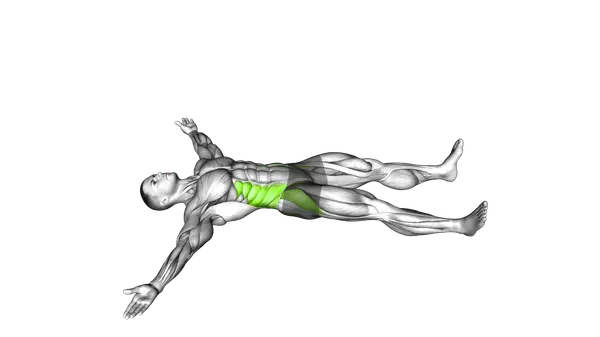
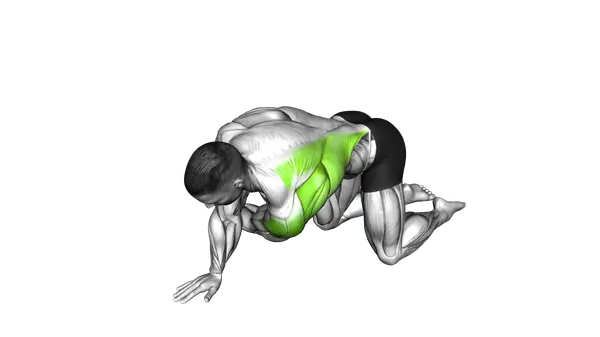
Kneeling T Spine Mobility

Kneeling T Spine Mobility

Kneeling T Spine Mobility is a gentle yet effective beginner-friendly exercise that primarily targets the erector spinae muscles along your spine and engages the abdominal muscles for stability. This mobility-focused movement serves as an excellent addition to your recovery protocol, cool-down routine, or as part of a thorough warm-up before more intense training. As a foundational mobility exercise, the Kneeling T Spine Mobility helps address one of the most common issues in today's sedentary society: thoracic spine stiffness. Many people experience limited rotation in their mid-back region due to prolonged sitting and hunching over devices, which can lead to poor posture, reduced athletic performance, and even contribute to shoulder and neck pain over time. This stretching technique works wonders for improving your thoracic rotation, which is essential for everyday movements and athletic endeavors alike. From swinging a golf club to reaching for items on a high shelf, proper t-spine mobility allows for more efficient movement patterns and reduced compensation from other areas of your body. The exercise creates space between your vertebrae, potentially alleviating pressure on spinal discs and surrounding tissues. What makes the Kneeling T Spine Mobility particularly valuable is its accessibility: requiring no equipment and minimal space, it can be performed virtually anywhere. The controlled nature of this movement makes it appropriate for nearly all fitness levels, though those with existing back conditions should always consult a healthcare provider first. Incorporating this mobility exercise regularly into your fitness routine can yield impressive benefits beyond just spinal health. Enhanced thoracic mobility often translates to improved breathing capacity, better shoulder function, and even enhanced core stability. As with any mobility work, consistency is key: even a minute or two daily can lead to noticeable improvements in how your upper body moves and feels over time.

Mobility
Stretching
Recovery
Cool-down
+1
Bodyweight exercises