Does running burn muscle? The truth revealed
Curious if does running burn muscle? We debunk myths and reveal the science. Get actionable nutrition and training strategies to build muscle while you run. You don’t have to choose between building muscle and keeping running in your program.
That old advice, the kind that treats every jog like a direct attack on your squat and deadlift, doesn’t hold up well anymore. The better question isn’t “does running burn muscle?” It’s “when does running support muscle, and when does poor programming make it look like running is the problem?”


As a coach, I’ve seen the same mistake from both sides. Lifters avoid cardio because they’re afraid of losing size. Runners pile on mileage, under-eat, skip strength work, and then blame the run itself when their legs flatten out. In both cases, the issue usually isn’t running. It’s the setup around it.
Smart running can improve your work capacity, help you recover between hard lifting sets, and even create a useful muscle-building stimulus in the lower body. Bad timing, low calories, weak recovery habits, and too much volume can push things the other way.
The myth of cardio killing gains
“Cardio kills gains” is catchy, but it’s a poor coaching rule.
Built for progress
Take the guesswork out of training
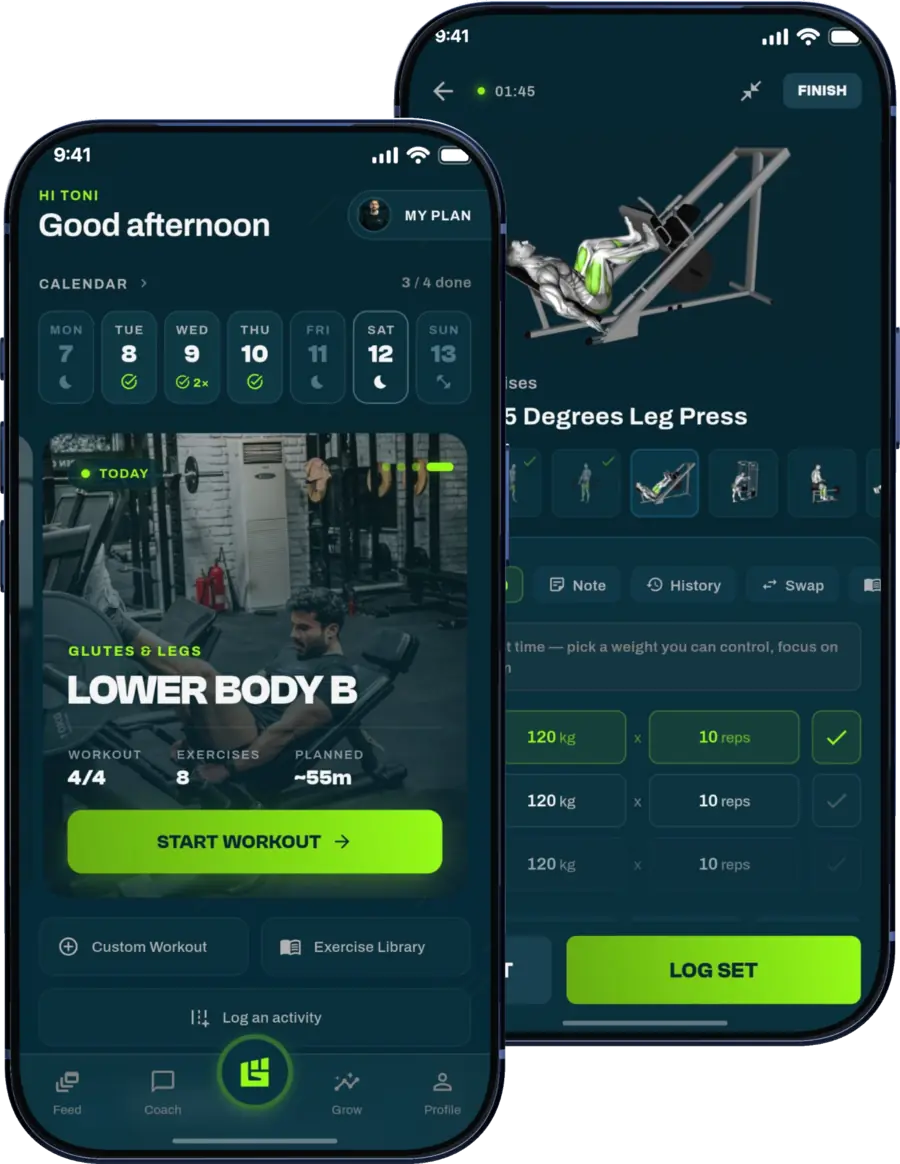
Get a personalized workout plan built around your goal, equipment and schedule. Train smarter, track every rep and keep moving forward, one workout at a time.






Running does not strip muscle on contact. Poor programming does. If a lifter adds miles without adjusting food, recovery, or leg training, performance can slide and muscle can follow. The run gets blamed because it was the new variable, even when the actual problem was total stress the athlete could not recover from.
That distinction matters. It changes how you use running.
A few well-placed runs each week can improve work capacity, support recovery between hard sets, and make lower-body training more repeatable across the week. That lines up with the real science of fueling your body, which helps explain why the outcome depends so much on energy availability and training setup.
Why the myth sticks around
The myth survives because people often judge running by bad examples.
A bodybuilder starts cutting calories, keeps lifting hard, adds extra treadmill work, and watches leg fullness disappear. A recreational runner ramps mileage, skips strength work, under-eats, and loses size through the hips and thighs. In both cases, running is part of the picture, but it is not the whole picture.
The pattern is usually more specific:
- Calories drop too low: hard training with an aggressive deficit leaves too little energy for repair and growth
- Protein stays inconsistent: muscle tissue gets less support after both lifting and running
- Running volume rises too fast: conditioning work turns into endurance work before the body is ready
- Session timing gets sloppy: hard runs and hard lower-body lifts compete for the same recovery resources
- Sleep and recovery habits slip: adaptation slows across the board
Practical rule: Running rarely costs muscle by itself. Low energy intake, poor recovery, and too much volume are the usual drivers.
Strong and fit is a valid goal
Fear-based content treats muscle and conditioning like they cancel each other out. Good programming does the opposite. It uses each quality to support the other.
Lifters with a solid aerobic base often handle more total training and recover better between sets. Runners who strength train usually hold form better, produce more force, and stay healthier over time. The trade-off is not muscle versus running. The trade-off is random training versus organized training.
That is the frame to keep. Running is not just a risk to manage. Used well, it is a tool that can make muscle-building training work better.
How Your Body Fuels a Run
Your body follows a fuel hierarchy during a run. It uses the fastest, most available energy first, then shifts based on pace, duration, and how well you ate beforehand.

Glycogen handles the high-output work
For moderate to hard running, glycogen does a lot of the heavy lifting.
Glycogen is stored carbohydrate, and it supports the kind of energy output you need for tempo runs, intervals, hills, and even steady runs that are faster than easy conversation pace. If you want your legs to feel responsive, this is the fuel source that matters most.
That matters for muscle, too. A well-fueled runner is less likely to create the kind of energy shortage that pushes the body to rely more heavily on backup options. In practice, that means carbs are not the enemy of gains. They often help protect training quality on both the running side and the lifting side.
If you want a plain-English nutrition resource that cuts through low-carb hype, the real science of fueling your body is a useful read.
Fat supports easier aerobic running
As intensity drops, fat contributes more.
This is one reason easy runs are so useful in a strength-focused program. They build aerobic capacity without demanding the same rapid fuel supply as harder efforts. That lower-intensity work can improve recovery, work capacity, and your ability to tolerate more total training across the week.
Fat is a strong endurance fuel. It is just slower to use than glycogen. So if the run gets faster, or you start changing pace often, carbohydrate takes over again.
Protein can help with energy, but it is a fallback
Protein is not a preferred fuel source for running.
Under normal, well-fed conditions, the body gets only a small share of exercise energy from amino acids. Protein contribution rises more when runs get long, glycogen is low, or total calorie intake is too low. That is the scenario people should pay attention to. Not normal cardio, but depleted training stacked on poor fueling.
I see this a lot with lifters who add running without changing how they eat. The issue is rarely the run itself. The issue is asking the body to support speed, volume, and recovery with empty storage.
Muscle loss risk goes up when running is under-fueled for long enough, not when cardio is simply part of the plan.
What this means in practice
A normal run does not make your body immediately burn muscle for fuel. It uses carbohydrates and fat first, with protein playing a smaller role unless you turn the session into a depletion event.
That creates a useful coaching rule set:
- Hard runs need carbohydrate support: go into quality sessions fed if you want to protect performance
- Easy runs are easier to pair with muscle-focused training: they build fitness with less fuel stress
- Long runs raise the margin for error: under-eating shows up faster when duration climbs
- Protein still matters after the run: keep it available for repair instead of forcing it to cover energy needs
Handled well, running and lifting support each other. Better aerobic fitness improves recovery between sets and sessions. Better strength improves running economy and tissue resilience. Fuel the work correctly, and cardio becomes part of the muscle-building system instead of a threat to it.
Primary Risk Factors for Muscle Loss
Running usually exposes weak programming. It does not create muscle loss on its own.
The pattern I see is simple. Training stress climbs faster than recovery support. A lifter adds three runs, keeps calories the same, sleeps six hours, and still expects leg strength to rise. That setup fails because the whole plan is under-resourced.
Large calorie deficits
Low energy intake is the fastest way to turn useful cardio into a recovery problem.
If fat loss is the goal, the deficit has to match the amount of training you are asking the body to handle. A small to moderate deficit can work well with lifting and a few runs each week. A hard cut paired with high run volume and heavy lower-body training often leads to flat sessions, slower recovery, and a drop in training quality. Muscle loss risk rises because the body is short on energy for both performance and repair.
This is the trade-off. The more aggressive the diet, the less room you have for extra running.
Low protein intake
Protein is the easiest variable to fix, and one of the easiest to miss.
Lifters who maintain muscle while running usually hit protein targets with boring consistency. They do not rely on one big dinner to make up for an underfed day. They spread intake across meals, keep a serving after training, and make sure total daily intake supports repair.
If you are running and lifting in the same week, treat protein as planned recovery, not an afterthought.
Too much volume with too little recovery
Hybrid plans encounter difficulties in practice.
Combining strength work and running works well when each session has a clear purpose. Problems start when every run is hard, every leg day is high volume, and nothing is spaced well enough to recover from. The issue is not interference in theory. The issue is accumulated fatigue in real life.
A common bad setup looks like this:
- High weekly mileage: long runs and extra “easy” miles that still add fatigue
- Demanding lower-body lifting: heavy compounds plus accessory volume in the same week
- Poor session spacing: hard runs placed close to squats, deadlifts, or both
- Weak recovery habits: short sleep, inconsistent meals, and no lighter days
That combination does not give the body much reason to build. It gives the body a reason to survive the week.
Interference, explained simply
Strength training pushes adaptation toward force production and tissue growth. Endurance training pushes adaptation toward efficiency and fatigue resistance. Those adaptations can coexist, but they stop playing well together when volume is excessive and recovery is poor.
That matters because busy people often blame the wrong thing. They blame a 20 to 30 minute run that could have improved work capacity and recovery between lifting sets. The bigger problem is usually trying to train for size, strength, race fitness, and fast fat loss at the same time.
Programmed well, running helps. Programmed carelessly, it exposes the limits of the rest of the plan.
How Running Can Actually Support Muscle Growth
Cardio does not sit on the opposite side of muscle growth. In a well-built plan, running can improve the same qualities that help lifters train harder and recover better.
High-intensity running creates a useful training stimulus
Short sprints, hill repeats, and controlled intervals ask the glutes, hamstrings, calves, and quads to produce force fast. That matters because muscle is built from tension, repeatable effort, and enough recovery to adapt.
I would not program sprint work as a replacement for lower-body lifting. I would use it as a support tool. Done well, it can add power output, improve lower-body stiffness and coordination, and give athletic lifters another productive signal without piling on more barbell volume.
The trade-off is simple. The wrong dose leaves your legs flat for squats and deadlifts. The right dose can make them more explosive.
Better aerobic fitness improves hypertrophy sessions
A stronger aerobic base helps you recover between hard efforts in the gym. Rest periods become more productive. Heart rate comes down faster. You can keep set quality higher across the whole session instead of fading after the first few compounds.
That benefit gets overlooked because it is less dramatic than soreness or fatigue. Coaches still care about it because work capacity changes what you can tolerate week after week.
This is one reason I rarely pull running out of a plan completely. I trim, shift, or choose a better format.
Running works best for muscle when it has a narrow job
Running supports growth best when it builds qualities your lifting plan can use. Power. Conditioning. Recovery capacity. Athleticism.
That usually looks like this:
- Short hard efforts: Sprints, hill repeats, or intervals with full control over pace and total volume
- A clear reason for each run: One session to build conditioning, one to build speed, not random extra mileage
- Enough recovery to protect leg training: Keep the run hard or long, not both
- Fueling that matches the work: Hard running plus hard lifting needs carbs and protein, as noted earlier
- A plan that fits your week: Fully customized workouts make this easier when schedule, lifting days, and run days keep changing
Running becomes productive for hypertrophy when it helps you create better lifting sessions, not when it turns your program into endurance training with occasional squats.
A lot of lifters need that reframing. Running is not just a risk to manage. It is a tool you can use to build stronger legs, better work capacity, and more consistent progress.
Smart Strategies to Combine Running and Lifting
Lifters get in trouble when running stops being programmed and starts being piled on.
The goal is not to protect your muscles from cardio. The goal is to make running serve your lifting. That means each run needs a job, each lifting session needs enough freshness to matter, and your recovery habits need to match the total workload.
Nutrition that supports both sessions
The big nutrition targets were covered earlier. What matters here is application.
If you run and lift in the same week, stop treating food intake like a generic daily task. Put more of your carbs where they improve training quality. Before hard runs, after leg sessions, and around any day where you stack demanding work. That keeps pace, bar speed, and session quality from dropping late in the week.
Protein works the same way. Hitting your daily total matters most, but distribution still helps. Give yourself a solid feeding after training instead of waiting half the day to eat. A practical post-run meal is simple. Protein you will eat, carbs you digest well, and enough total calories that recovery can start right away.
A simple checklist:
- Build meals around the training day: Hard run days and lower-body lifting days should not look like rest-day intake
- Front-load fuel before key sessions: Do not show up half-fasted to intervals, hills, or heavy squats and expect quality work
- Eat soon after training: Get a real meal or shake plus carbs in while appetite is still manageable
- Avoid large deficits during high-output weeks: Fat loss phases need tighter control when both running and lifting are in the plan
Programming that reduces interference
Poor scheduling causes more problems than running itself.
If muscle and strength are the priority, keep the hardest run away from your hardest lower-body lift when you can. Separate sessions by several hours or put them on different days. If they have to happen on the same day, lift first unless the run is the true priority for that phase.
Volume matters too. Two to three well-placed runs usually beat five random ones. Random mileage creates fatigue without giving you a clear adaptation.
Here is a practical weekly template:
| Day | Busy Professional Focus | HYROX Athlete Focus |
|---|---|---|
| Monday | Lower-body strength | Lower-body strength plus short intervals |
| Tuesday | Easy run or incline treadmill | Skill work and aerobic conditioning |
| Wednesday | Upper-body strength | Upper-body strength |
| Thursday | Off or mobility | Threshold run or race-pace conditioning |
| Friday | Full-body strength | Full-body strength |
| Saturday | Short run | Longer aerobic session |
| Sunday | Off | Recovery work or easy movement |
This setup works because each session has a role. Easy running supports recovery and aerobic base. Short intervals build conditioning without dragging fatigue across the whole week. Strength sessions stay protected.
If your schedule changes often, Fully customized workouts can help you keep that balance without rewriting the plan every few days.
Keep the run in its lane
A lot of lifters drift into medium-hard running because it feels productive. It usually is not.
Easy runs should stay easy enough that you finish fresher than you started. Hard runs should be short enough and controlled enough that they do not wreck the next two lifting sessions. That one decision fixes a lot of interference.
Recovery that keeps progress steady
Recovery problems usually show up before muscle loss does.
The first sign is often flat training. Weights that should move well feel slow. Your legs stay heavy for days. You stop pushing on the final work sets because everything feels one step off. That is a programming problem, a fueling problem, a sleep problem, or some combination of the three.
Sleep is the first box to check. If you are trying to combine running and lifting on short sleep, you are asking your body to adapt without enough time to recover. Busy schedule or not, that trade-off catches up fast.
Watch for these signs that your plan needs adjustment:
- Strength stalls for more than a week: Loads and reps drop across multiple sessions
- Leg soreness never clears: You are carrying fatigue instead of responding to training
- Resting motivation drops: You start avoiding sessions you normally enjoy
- Your easy runs stop feeling easy: Aerobic work turns into a grind
Small setup details matter
Surface, route, and exercise selection all affect how well this combination works.
Outdoor runners who always train on the same slanted roads can pick up little asymmetries over time. It is not a reason to avoid outdoor running. It is a reason to balance it with unilateral lifting and occasional route changes. Split squats, step-ups, single-leg RDLs, and lateral work clean up a lot of the stability gaps that straight-line runners miss.
That is what good concurrent training looks like. Running supports the lifting plan. Lifting supports the running plan. Muscle is easier to keep, and often easier to build, when both are programmed with a clear purpose.
Run Without Losing Muscle Your Action Summary
So, does running burn muscle?
Not by default.
Normal, well-fueled running is not the muscle-eating monster it’s made out to be. Problems show up when training stress outruns recovery. That usually means long or frequent runs paired with low calories, weak protein intake, poor session timing, and inconsistent sleep.
Running can also work in your favor. Shorter, harder efforts can create useful lower-body tension and metabolic stress. Better aerobic fitness can improve your recovery between lifting sets and help you handle more productive training over the week.
The practical takeaway is simple:
- Keep your nutrition matched to your workload.
- Hit protein consistently.
- Use carbs to support hard sessions.
- Separate running and lifting when you can.
- Keep endurance volume appropriate to your goal.
- Protect sleep like it matters, because it does.
The strongest athletes I’ve coached weren’t the ones who avoided cardio at all costs. They were the ones who stopped treating training methods like enemies and started treating them like tools.
If your goal is to look muscular, perform well, and still have real conditioning, you don’t need less strategy. You need better strategy.
GrabGains helps you build that kind of strategy without guessing. If you want adaptive programming for muscle, strength, cardio, mobility, or HYROX prep in one place, the GrabGains app is built to turn competing goals into a clear plan you can follow.
Get inspired and motivated