Back

Exercise

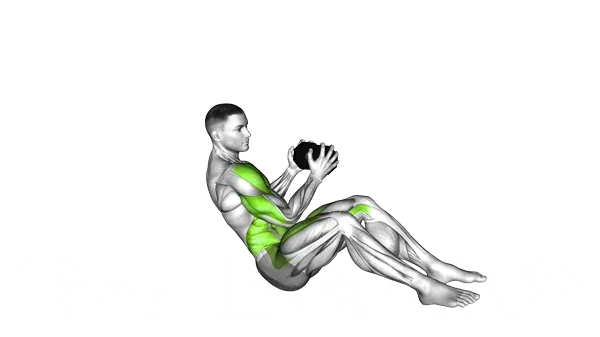
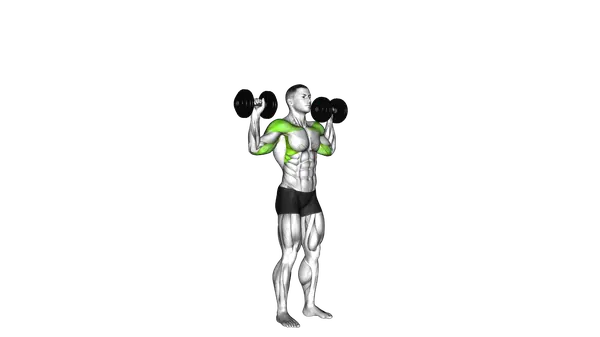
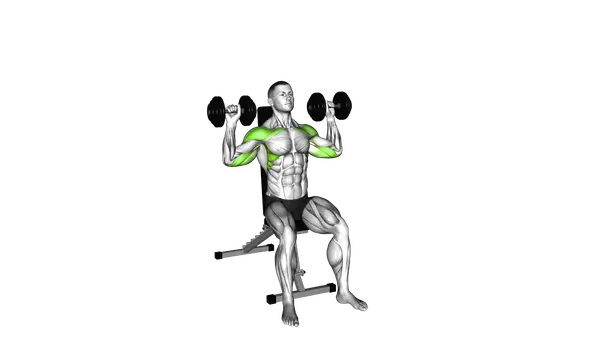
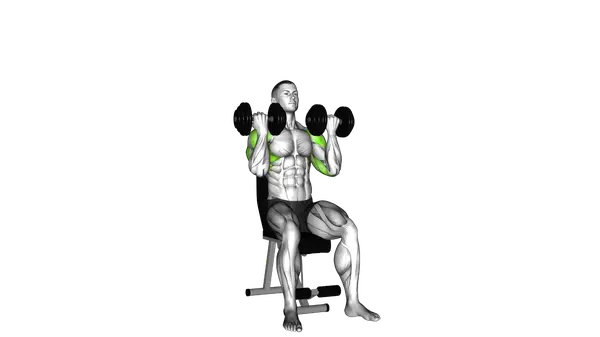
Dumbbell Military Press Russian Twist

Dumbbell Military Press Russian Twist
Add to Workout

Dumbbell Military Press Russian Twist

Build

How to Perform

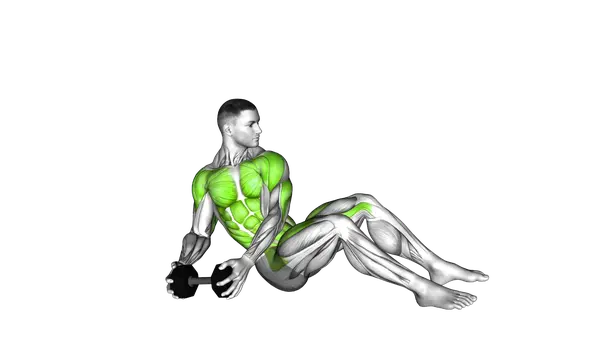
  1. Sit on the floor with your knees bent and feet flat on the ground, holding a single dumbbell with both hands at chest level.
  2. Lean back slightly to create a 45-degree angle between your torso and the floor, engaging your core to maintain this position.
  3. Extend your arms to press the dumbbell directly upward toward the ceiling, fully straightening your elbows while maintaining your torso position.
  4. Inhale as you hold the dumbbell overhead, keeping your shoulders down away from your ears and your wrists straight.
  5. Begin the twist by rotating your torso to the right while keeping the dumbbell pressed overhead, exhaling as you rotate.
  6. Return to center with the dumbbell still extended overhead, briefly pausing to stabilize your core.
  7. Rotate your torso to the left side while maintaining the overhead press position, controlling the movement with your obliques.
  8. Return to center and lower the dumbbell to chest level with control, completing one full repetition before beginning the next.

Important information

  • Keep your spine in a neutral position throughout the movement, avoiding excessive arching of your lower back.
  • If you feel strain in your lower back, decrease the range of motion or elevate your feet slightly off the ground.
  • Maintain tension in your core at all times to protect your spine and maximize the effectiveness of the exercise.
  • Start with a lighter dumbbell until you master the coordination required for this compound movement.

Exercise Details

Primary Muscles

Front Delts Abs

Muscle Groups

Shoulder exercises Ab exercises

Mechanic

Compound

Risk Areas

Front Delts Abs

Built for progress

Take the guesswork out of training

Create personalized AI-powered workout plans that evolve with you. Train smarter, track every rep and keep moving forward, one workout at a time.

Be among the first to join!
GrabGains workout plans

The Dumbbell Military Press Russian Twist combines two dynamic movements into one challenging compound exercise that targets multiple muscle groups simultaneously. This intermediate-level movement merges the powerful shoulder development of the military press with the rotational core engagement of the Russian twist, creating an efficient exercise for those looking to maximize their training time.

The primary muscle groups engaged during this exercise are the front deltoids and abdominals. Your front delts work intensively during the pressing portion, developing that coveted shoulder definition, while your abs—particularly the obliques—fire up during the twisting motion. This dual-action makes it particularly valuable for athletes who need both upper body pushing strength and rotational core power.

Whether you're into HIIT workouts or focused bodybuilding, this exercise fits seamlessly into various training protocols. For HIIT enthusiasts, it elevates heart rate quickly while challenging multiple muscle groups, making it perfect for time-efficient training. Bodybuilders appreciate how it simultaneously develops shoulder aesthetics and core definition, allowing for efficient training sessions that address multiple physique goals.

The beauty of this movement lies in its dual benefits for strength development and core stability. The pressing motion builds functional shoulder strength that transfers to numerous daily activities and athletic movements, while the twisting component enhances rotational core strength that's essential for sports performance and injury prevention. This combination also improves coordination between your upper and lower body, enhancing overall movement patterns.

As you progress with this exercise, you'll notice improvements in shoulder stability, core engagement, and overall upper body strength. The unilateral nature of the movement also helps identify and correct strength imbalances between your left and right sides. For optimal results, focus on maintaining proper form throughout both portions of the movement rather than simply increasing weight—quality of movement trumps quantity when it comes to this challenging exercise.

FAQ - Dumbbell Military Press Russian Twist

What muscles does the Dumbbell Military Press Russian Twist target?

This compound exercise primarily targets the front deltoids during the press portion and the obliques during the twist. Secondary muscles worked include the triceps, trapezius, serratus anterior, and the entire core musculature including rectus abdominis and transverse abdominis.

How can I modify this exercise for different fitness levels?

Beginners should start with lighter weights and perform the movements separately before combining them. Advanced lifters can increase the weight, add a pause at the top of the press, or perform the exercise from a standing position to increase core engagement and overall difficulty.

What are the most common form mistakes to avoid?

The most common mistakes include rounding your lower back, rotating your hips instead of keeping them square, rushing through the movement, and not hinging properly at the hips. Focus on maintaining a neutral spine, moving with control, and keeping your standing knee slightly soft rather than locked.

How often should I include this exercise in my workout routine?

For optimal results, include the Bodyweight Single Leg Deadlift 1-3 times weekly, performing 2-3 sets of 8-12 repetitions per leg. This frequency provides enough stimulus for strength development while allowing adequate recovery, especially if you're also doing other posterior chain exercises.

How do I ensure proper form for maximum effectiveness?

Sit with an engaged core and straight back, press the weight directly upward with palms facing forward, and only begin the twisting motion once your arm is fully extended. Keep your eyes on the dumbbell throughout the movement, and control the weight during both the lifting and lowering phases.

Alternative Exercises

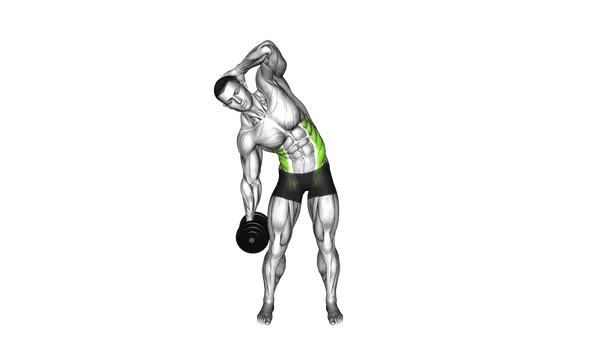
Dumbbell Side Bend

Dumbbell Side Bend

The Dumbbell Side Bend stands as a fundamental core exercise that specifically targets the obliques—those muscles running along the sides of your abdomen. This beginner-friendly movement helps develop a stronger, more stable midsection while adding definition to your waistline. Unlike many core exercises that focus primarily on the front abdominal wall, side bends directly engage the often-neglected lateral core muscles. When incorporated into bodybuilding routines, this exercise contributes to a more complete physique development, helping create that coveted V-taper by emphasizing the oblique muscles. The movement allows for progressive overload through increased weight, making it adaptable as your strength improves. Many fitness enthusiasts appreciate how side bends create a noticeable burn in areas that traditional crunches or sit-ups might miss. The beauty of the Dumbbell Side Bend lies in its versatility. It serves multiple purposes within a fitness program, functioning effectively as part of a comprehensive warm-up to activate the core before more demanding exercises. During recovery phases, lighter weight side bends can promote blood flow to the midsection without excessive strain. The exercise requires minimal space and equipment, making it accessible for home workouts or crowded gym environments. Beyond aesthetic benefits, strengthening your obliques through side bends enhances rotational stability and helps protect your spine during everyday movements. Strong obliques contribute significantly to improved posture and reduced risk of lower back issues. The core engagement required helps develop the neuromuscular connections necessary for more advanced fitness endeavors. Regular inclusion of Dumbbell Side Bends in your routine can help create a more balanced core development approach. While six-pack abs might get all the attention, the complete core package includes well-developed obliques that provide both functional strength and visual appeal. This time-tested exercise continues to be a staple in fitness programs across experience levels for good reason—it delivers results when performed consistently within a well-rounded routine.

Core
Bodybuilding
Recovery
+1
Dumbbell
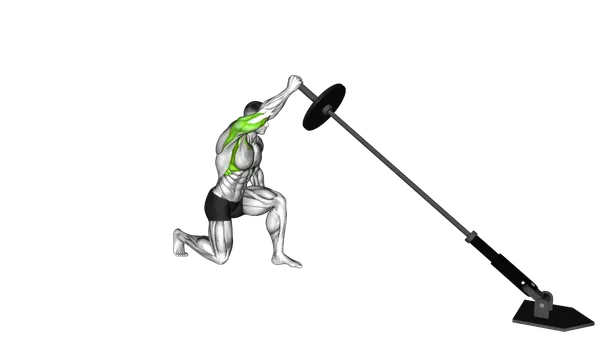
Landmine Kneeling One Arm Shoulder Press

Landmine Kneeling One Arm Shoulder Press

The Landmine Kneeling One Arm Shoulder Press stands as a brilliant intermediate-level movement that targets your front deltoids and triceps with remarkable precision. This exercise has gained popularity among serious lifters who want to develop functional shoulder strength while minimizing the risk of injury that sometimes comes with traditional overhead pressing. When you execute this press from a kneeling position, you're automatically forced to engage your core stabilizers, creating a full-body tension that amplifies the benefits beyond just shoulder development. The beauty of the landmine setup lies in its arced pressing path, which follows a more natural shoulder movement pattern than strict vertical presses. This makes it particularly valuable for those with shoulder mobility issues or those recovering from previous injuries. Favored in both bodybuilding and HIIT protocols, this exercise offers versatility that few shoulder movements can match. Bodybuilders appreciate how it isolates the front deltoid while still allowing heavy loading for hypertrophy, creating that coveted shoulder cap development. Meanwhile, HIIT enthusiasts value how quickly it can elevate heart rate when performed with moderate weight and higher repetitions. From a strength perspective, the unilateral nature of this exercise exposes and corrects imbalances between your left and right sides. This translates to improved performance in other pressing movements like bench press and military press. The kneeling position also removes the lower body from the equation, ensuring you can't cheat the movement by using leg drive. What makes this exercise truly stand out is how it combines shoulder-friendly mechanics with serious loading potential. As you progress, you'll notice not just aesthetic improvements in shoulder development, but also enhanced stabilization throughout your upper body, better posture, and increased pressing power that carries over to numerous other exercises and daily activities.

Strength
Bodybuilding
HIIT
Barbell
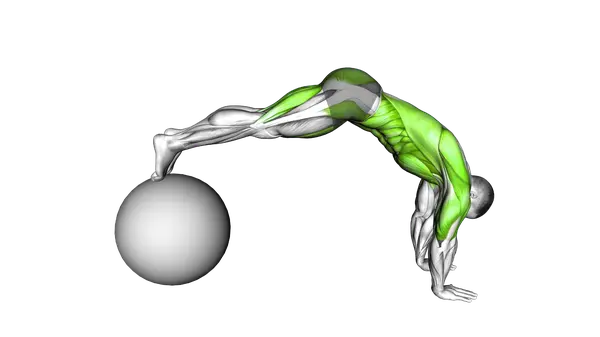
Stability Ball Pike Push-Up

Stability Ball Pike Push-Up

The Stability Ball Pike Push-Up stands as a formidable challenge in the realm of advanced bodyweight training, elevating the traditional push-up to an entirely new dimension of difficulty. This movement seamlessly blends shoulder strength development with core stabilization, making it a powerful addition to any serious fitness enthusiast's repertoire. This exercise primarily targets the front deltoids, the anterior portion of your shoulders responsible for that coveted capped look, while simultaneously engaging the triceps as crucial secondary movers. What truly sets this exercise apart, however, is the extraordinary core engagement required to maintain proper positioning throughout the movement. Perfect for integration into high-intensity interval training sessions or CrossFit WODs, the Stability Ball Pike Push-Up delivers maximum stimulus with minimal equipment. The instability factor introduces an element that traditional gym machines simply cannot replicate, forcing your body to recruit stabilizing muscles throughout your entire kinetic chain. Bodybuilders also appreciate this movement for its ability to isolate and sculpt the shoulders while maintaining functional strength patterns. The compound nature of this exercise makes it particularly effective for developing practical, real-world strength. As you progress with this movement, you'll notice improvements in overhead pressing power, core stability, and overall body control. The intense demand placed on your core musculature creates a synergistic effect, enhancing total-body strength beyond what isolated movements can achieve. For those seeking to break through plateaus in their fitness journey, the Stability Ball Pike Push-Up represents an excellent progression tool. The instability of the ball coupled with the inverted body position creates a unique challenge that forces muscular adaptation. This exercise embodies the principle that true strength isn't just about moving weight: it's about controlling your body through space with precision and power.

Strength
Core
HIIT
Crossfit
+1
Stability ball
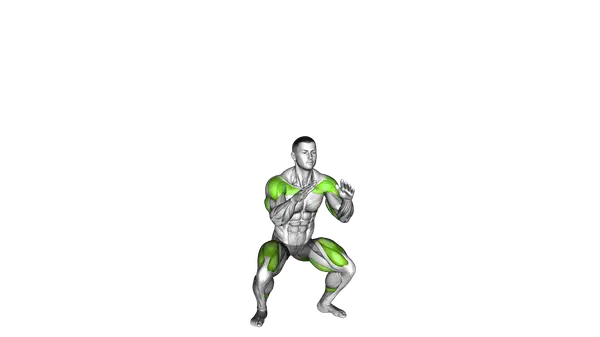
Bodyweight Full Squat With Overhead Press

Bodyweight Full Squat With Overhead Press

The Bodyweight Full Squat With Overhead Press combines lower body power with upper body pushing strength in one fluid movement, creating an efficient full-body exercise that elevates your heart rate while building functional strength. This intermediate-level compound movement simultaneously targets your quadriceps, glutes, and front deltoids, making it perfect for those looking to maximize their workout efficiency. This versatile exercise fits seamlessly into various training methodologies including HIIT circuits, bodybuilding routines, and CrossFit workouts. The dynamic nature of combining a squat with an overhead press creates a cardiovascular demand that burns calories while developing both strength and muscular endurance throughout your entire body. What makes this movement particularly valuable is how it mimics everyday functional patterns: the kind of integrated movement you might use when lifting objects from the ground and placing them on a high shelf. By training these movement patterns together, you're enhancing your body's natural coordination systems while developing practical strength that translates to daily activities. The full squat component engages your entire lower body kinetic chain, activating the quadriceps as primary movers while recruiting the glutes, hamstrings, and core stabilizers. Meanwhile, the overhead press portion develops shoulder strength and stability, particularly in the anterior deltoids, while engaging your triceps and upper back muscles as synergists. For those focused on metabolic conditioning, this exercise delivers impressive results by recruiting large muscle groups simultaneously, significantly elevating oxygen consumption and caloric expenditure. The compound nature makes it particularly effective for those with limited workout time who need maximum benefits from minimal exercises. Regular incorporation of the Bodyweight Full Squat With Overhead Press can lead to improved posture, enhanced core strength, better overhead mobility, and increased lower body power—all critical components for athletic performance and daily function. Whether you're focused on building strength, enhancing endurance, or improving overall fitness, this exercise delivers comprehensive benefits in a single, efficient movement.

Strength
Endurance
HIIT
Bodybuilding
+1
Bodyweight exercises