Stable and targeted glute training
Glute exercises with machines
Machine-based glute exercises provide a controlled and highly effective way to develop glute strength and muscle size. By guiding movement paths and stabilizing the body, machines allow focused loading of the glutes with minimal technical complexity. This makes them especially valuable for isolation work, hypertrophy phases, and injury-aware training. Glute machines are commonly used to complement free-weight exercises or to increase training volume without excessive fatigue.
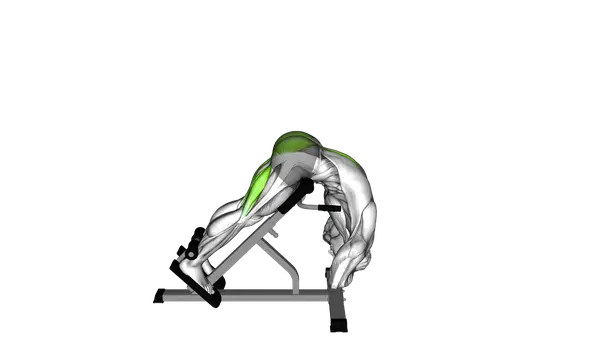
Hyperextension
The Hyperextension is a bodyweight strength exercise that builds lower-back and hip strength through controlled bending and straightening.
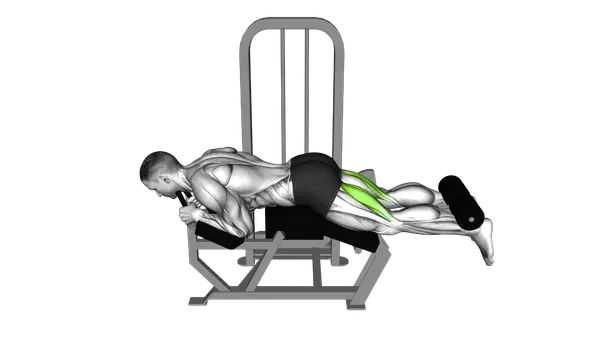
Lever Lying Leg Curl
The Lever Lying Leg Curl is a machine exercise that isolates the back of the thighs, allowing focused strength work through knee bending.
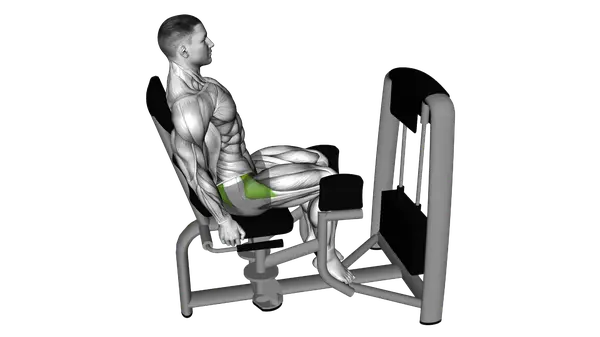
Lever Seated Hip Abduction
The Lever Seated Hip Abduction is a machine exercise that strengthens the outer hips by moving the legs outward against controlled resistance.
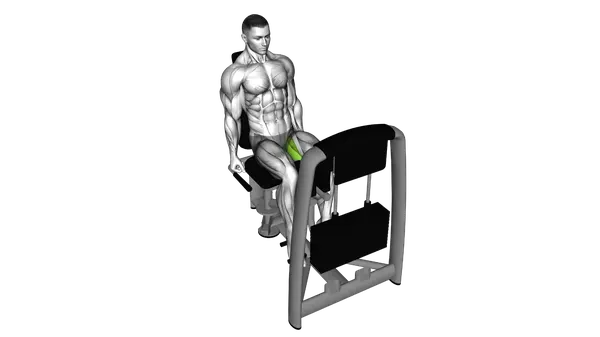
Lever Seated Hip Adduction
The Lever Seated Hip Adduction is a machine exercise that trains the inner thighs by bringing the legs together with controlled resistance.
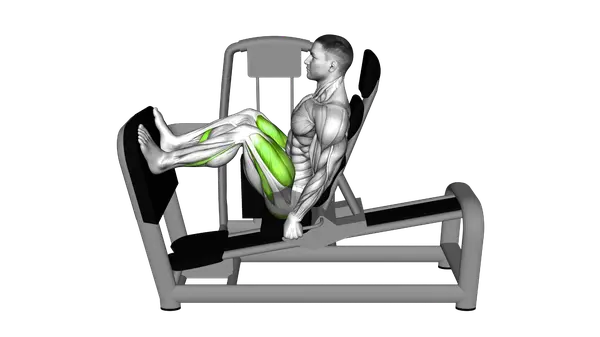
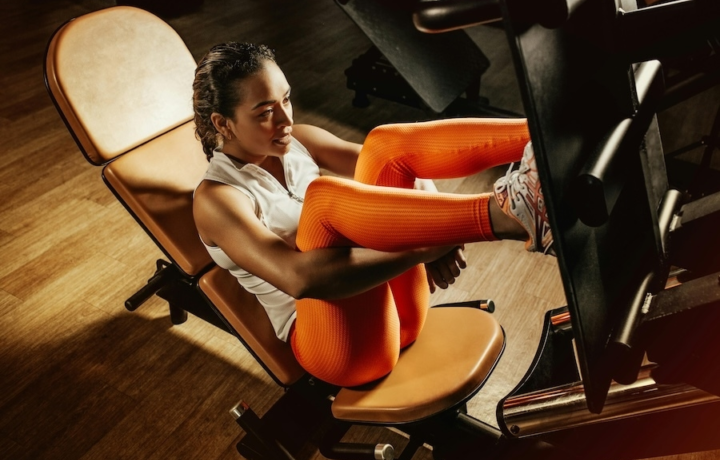
Lever Seated Leg Press
The Lever Seated Leg Press is a machine exercise that trains the legs by pushing weight away while staying seated and supported.
Built for Progress
Take the Guesswork Out of Training
Get a personalized workout plan built around your goal, equipment and schedule. Train smarter, track every rep and keep moving forward.
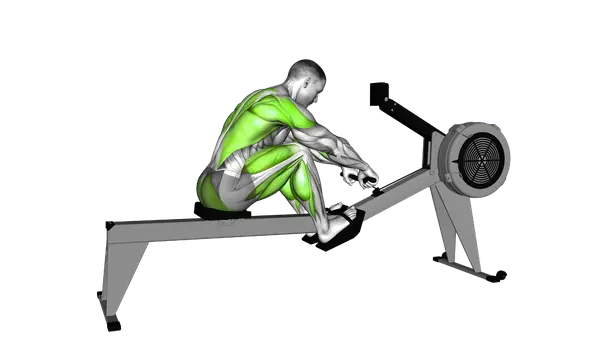
Rowing (Rowing Machine)
The Rowing (Rowing Machine) is a full-body cardio exercise that builds endurance while training legs, back, and upper body together.
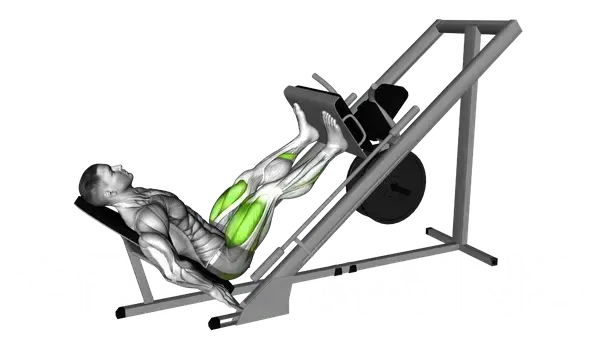
Sled 45 Degrees Leg Press
The Sled 45 Degrees Leg Press builds lower-body strength with a stable setup that allows controlled loading through a fixed movement path.
Stability, isolation and consistent loading
Why train glutes with machines
Machines reduce the need for balance and coordination, allowing the glutes to be trained directly and efficiently.
Key advantages:
- High stability and guided movement
- Easy load progression
- Strong glute isolation
- Reduced technical demand
- Suitable for all experience levels
Seven exercises for different training goals
Key machine-based glute exercises
The following exercises are selected from the page and each fulfills a specific role within glute-focused machine training.
- Lever seated hip abduction: A primary isolation exercise targeting the glute medius for hip stability and shape.
- Lever lying leg curl: A posterior-chain exercise that indirectly supports glute strength through hamstring development.
- Lever seated leg press: A compound machine movement allowing heavy loading with strong glute involvement in hip extension.
- 45-degree sled leg press: Ideal for progressive overload and glute-focused pressing through a stable movement path.
- Hyperextension (machine): A controlled posterior-chain exercise emphasizing glute and lower-back strength.
- Rowing machine (glute engagement): A dynamic conditioning tool that trains glutes through repeated hip extension under fatigue.
Exervise overview
| Exercise | Primary focus | Training goal |
|---|---|---|
| Lever seated hip abduction | Glute medius | Isolation & stability |
| Lever seated hip adduction | Hip & glute support | Balance & control |
| Lever lying leg curl | Posterior chain | Strength support |
| Lever seated leg press | Glutes | Compound strength |
| 45-degree sled leg press | Glutes | Progressive overload |
| Hyperextension | Glutes & lower back | Posterior-chain strength |
| Rowing machine | Glutes | Conditioning & endurance |
Efficient volume with low fatigue
Programming machine glute exercises
Machine-based glute exercises are well suited for hypertrophy blocks, accessory work after free weights, or standalone lower-body sessions. Isolation movements like hip abduction can be paired with compound presses for complete glute development.Because machines reduce stabilizer demands, they allow higher training volume and consistent progression without excessive joint stress. Create your personal training program in the app tailored to your goals, fitness level, and schedule.
Frequently asked questions about glute machines
Yes. Machines are often ideal for beginners because they reduce technical complexity and help establish proper movement patterns. This allows new trainees to focus on muscle engagement and gradual load progression with lower injury risk.
Glute machines are best used as a complement rather than a replacement. Free-weight exercises develop overall strength and coordination, while machines excel at isolating the glutes and increasing training volume safely. Combining both approaches leads to more complete glute development.
Hip abduction machines provide the most direct glute activation, particularly for the glute medius. Leg press variations and hyperextension machines also strongly engage the glutes, especially when programmed with a glute-focused intent.
Yes. Machine-based exercises are highly effective for glute hypertrophy because they allow stable positioning, controlled movement paths, and consistent tension. This makes it easier to apply sufficient training volume and progressive overload without being limited by balance or technical fatigue.
Most people can train glutes with machines two to three times per week. Because machines create less systemic fatigue than heavy free-weight lifts, they can also be used more frequently for accessory or isolation work if overall training volume is managed properly.