Back pain weightlifting: fix your form for safer, stronger lifts
Discover the real causes of back pain weightlifting and learn safer form with a practical plan to lift pain-free and build a stronger back. That nagging ache or sharp twinge in your lower back after a lifting session? It’s not just "part of the game." Think of it as a critical signal flare from your body.
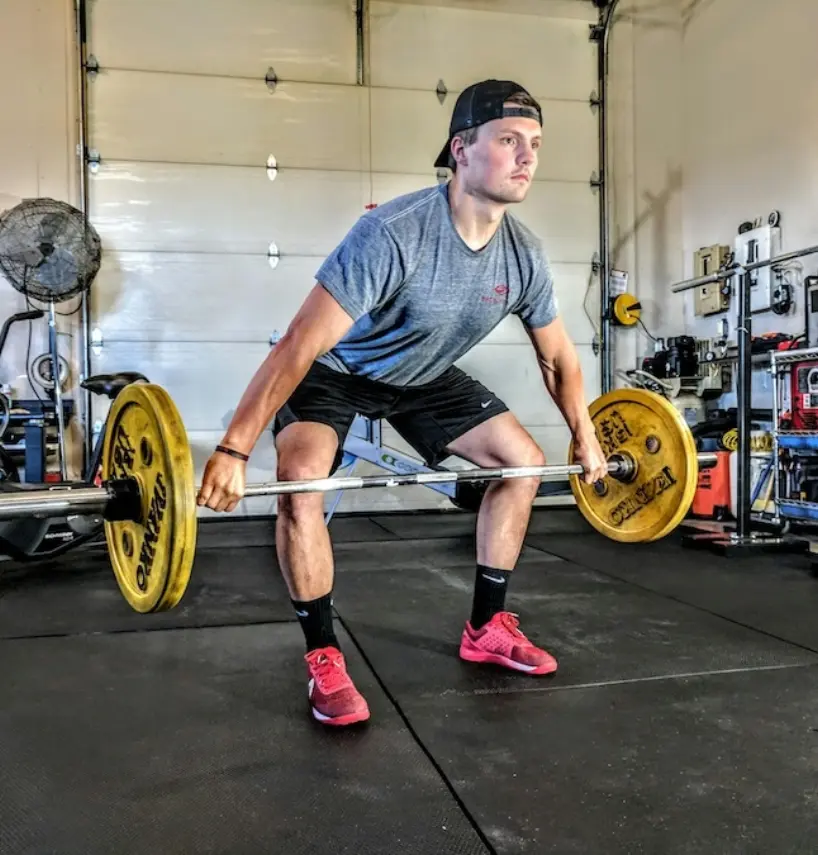
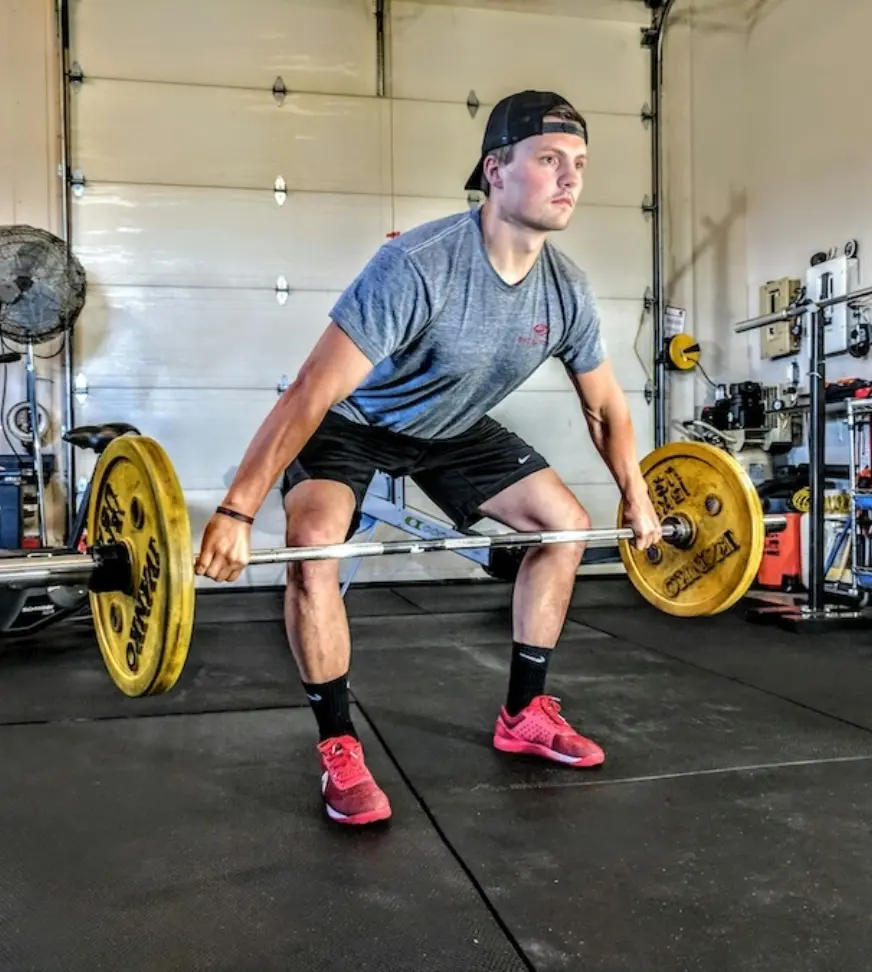
The link between back pain and weightlifting almost always comes down to technique, where small, repetitive mistakes pile up over time and create big problems.
Why your back hurts when you lift
Let's get straight to the biomechanics. When you lift—especially during big compound movements like squats and deadlifts—your spine handles immense force. With good form, that force builds a stronger, more resilient back. With bad form, it becomes destructive.
The problem isn't the exercises themselves; it's how you do them. Flawed technique is the number one reason lifters end up with back pain, creating nasty compressive and shear forces that the lumbar spine just isn't built to handle rep after rep.
The problem with poor form
Picture your spine as a stack of blocks (your vertebrae) with gel-filled cushions (your discs) in between. A neutral spine keeps everything aligned, distributing weight evenly. Simple enough.
Built for progress
Take the guesswork out of training
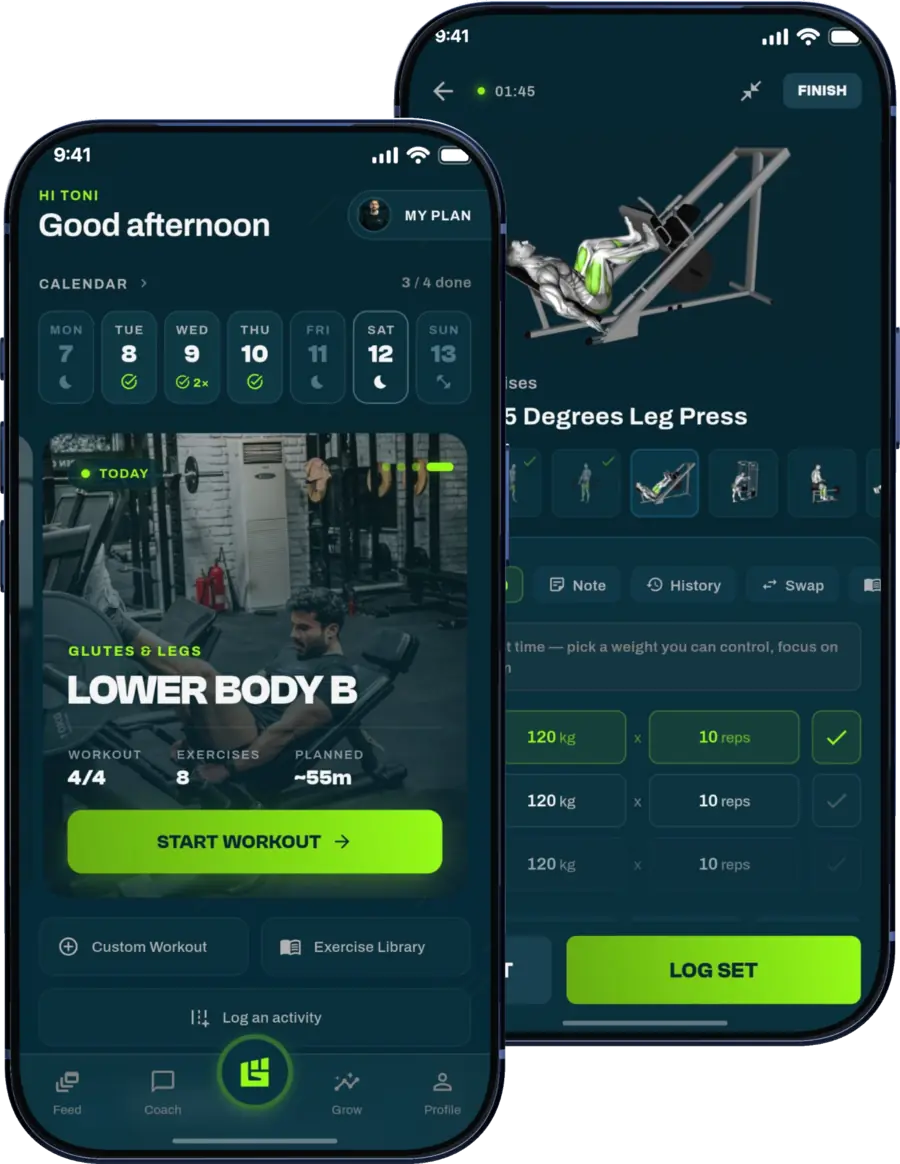
Get a personalized workout plan built around your goal, equipment and schedule. Train smarter, track every rep and keep moving forward, one workout at a time.






But when you let your lower back round on a deadlift or fall into a "butt wink" at the bottom of a squat, you're wrecking that alignment. This rounding shoves the front part of your intervertebral discs together, putting all the pressure right where you don't want it.
Do this enough, and it can lead to irritation, inflammation, and even serious issues like disc bulges or herniations.
"The single biggest mistake I see is ego lifting—prioritizing the weight on the bar over the quality of the repetition. One sloppy rep might not hurt you, but hundreds of them will inevitably lead to back pain."
This idea of cumulative micro-trauma is everything. Chronic back pain rarely comes from one single bad lift. It's the thousands of tiny, seemingly harmless form mistakes you make every week that slowly chip away at your spinal health.
The most common technical flaws
A few classic mistakes are notorious for causing back pain in the gym. Knowing what they are is the first step to cleaning up your lifts and building a safer, stronger back.
- Lumbar Flexion (Rounding the Back): This is the big one. It's the most common and dangerous error, especially when pulling heavy from the floor. It shifts the load from your powerful legs and hips straight onto the fragile ligaments and discs of your lower back.
- Hyperextension (Over-Arching): You often see this during overhead presses or at the lockout of a deadlift. Over-arching jams the facet joints in your spine together, causing a sharp, pinching kind of pain.
- Lack of Core Bracing: A weak or unengaged core turns your lower back into the main stabilizer. Your spine isn't a muscle—it needs 360-degree support from your abs and obliques to stay safe under load.
Research backs this up. Low back pain is incredibly common in weightlifting, with some studies reporting incidence rates as high as 40.8%. In one detailed analysis, 100% of reported low back pain cases were traced directly to flawed lifting technique, with the pain most often popping up at the L4-L5 and L5-S1 spinal levels.
From minor tweak to chronic pain
That first little "tweak" you feel is your body's early warning system. Pushing through it with the same broken movement patterns is how a minor annoyance turns into a chronic problem that can sideline you for months.
Sometimes the pain doesn't even stay in your back. Understanding how issues can manifest, like referred back and leg pain, helps you catch problems before they get serious.
The goal isn't to be afraid of lifting heavy. It's to respect the process. By making flawless technique your absolute top priority, you turn lifting from a potential risk into your best tool for building a genuinely bulletproof back.
Your first 72 hours after a back tweak
We’ve all been there. You feel that sudden “zing” or “pop” in your back mid-lift, and your heart sinks. What you do next is critical.
Forget the outdated advice to lay in bed for days on end. The goal now is smart, active recovery that controls the immediate fallout and sets you up to heal faster.
That initial 72-hour window is your chance to get ahead of the injury. It’s all about managing inflammation, calming the pain, and knowing how to take care of yourself after a spine or neck injury so you don't make things worse.
Ditch the bed rest for active recovery
Years ago, the go-to advice was total bed rest. We now know that's one of the worst things you can do for a simple back tweak. Too much stillness leads to more stiffness, muscle loss, and a much slower return to the gym.
The modern game plan is all about relative rest and gentle movement.
Moving around encourages blood flow to the injured area, which is exactly what you want. It delivers the oxygen and nutrients your body needs to start the repair process. This doesn't mean you should go train. It just means light, pain-free activity.
- Walking is your new best friend. Start with short, slow walks on a flat surface. Think 5-10 minutes at a time, a few times a day. If it feels good, you can gradually walk for longer.
- Find your pain-free position. Take the pressure off your lower back. For many, this means lying on your back with a few pillows stacked under your knees, or lying on your side with a pillow wedged between them.
I used to think I had to be completely immobile after tweaking my back. My biggest breakthrough came when I realized a slow, 20-minute walk actually made me feel better, not worse. It calmed the muscle spasms and reduced that feeling of being locked up.
The ice vs. heat debate
For the first 24-48 hours, your goal is to control inflammation. Ice is the tool for that job.
Apply an ice pack (wrapped in a thin towel) to the spot for 15-20 minutes every couple of hours. This helps constrict blood vessels, which can reduce swelling and numb that sharp, initial pain.
After about 48 hours, you can start introducing gentle heat. A warm compress or a hot shower can help relax tight, spasming muscles and bring restorative blood flow back to the area. Some lifters swear by alternating between ice and heat. Just listen to your body—if anything makes the pain worse, stop.
What to avoid at all costs
While gentle movement is good, a few common actions can seriously set you back. Your main job in these first few days is to protect the area from further insult.
Watch out for these culprits:
- Bending at the Waist: Avoid any forward bending, whether you're picking something up or just tying your shoes. This motion directly loads your lumbar spine. Instead, get used to squatting down by bending at your knees while keeping your back straight.
- Twisting Motions: Quick, sharp twists can wreak havoc on the small stabilizing muscles and joints in your lower back. When you need to turn, move your feet and turn your whole body as one unit.
- Sitting for Too Long: Slouching in a chair puts a ton of pressure on your lumbar discs. If you have to sit, use a chair with good support and make a point to get up and walk around for a minute or two at least every 30 minutes.
By focusing on these simple strategies, you give your body the best possible chance to heal quickly and correctly. This proactive approach in the first three days will dramatically cut down your recovery time and build a solid foundation for your return to lifting.
Become your own form detective
 Once the initial pain from a back tweak has calmed down, it's time to figure out what actually went wrong. This means putting your lifting technique under a microscope. It’s not about blame—it’s about collecting data so you can build a more resilient body and prevent the next injury before it starts.
Most back pain from lifting isn't from one single bad rep. It's the result of small, repetitive form flaws that add up over time. Your job is to play detective and find the exact technical errors in your main lifts that are leaving your spine vulnerable.
How to film and analyze your lifts
The single best tool for this job is your smartphone. Trying to "feel" what your form looks like is notoriously unreliable, especially when you're straining under a heavy load. Filming your sets gives you objective, undeniable feedback.
Prop your phone up on a tripod, a stack of plates, or even your water bottle. You’re looking for a clear, full-body view from the side. This angle is king for spotting issues with your spinal position and how your hips are moving.
- Angle: Set the camera directly to your side, around hip height.
- Distance: Make sure you're far enough back to capture your entire body, from feet to head, throughout the full lift.
- Lifts to Record: Film the big compound lifts where technique is most likely to slip: squats, deadlifts, and overhead presses. Record both your warm-ups and your working sets to see if and how fatigue impacts your mechanics.
Once you have the footage, watch it back in slow motion. Pay extra attention to the moments in the lift where you feel the most strain or instability. This is how you start connecting a specific movement flaw to the pain you're feeling.
Common form faults to look for
When you review your videos, you're hunting for specific deviations from a strong, neutral spine. These are the usual suspects behind weightlifting-related back pain, and each one puts a unique stress on your lower back.
Let's break down what to spot in the "big three" lifts.
The squat: the dreaded butt wink
The butt wink is that moment at the bottom of a squat when your pelvis tucks underneath you, causing your lower back to round. This rounding (lumbar flexion) creates direct compressive force on the front of your spinal discs.
- What to Look For: Watch your tailbone as you hit the bottom of your squat. Does it tuck under, making your low back look rounded instead of flat?
- Why It Happens: This is almost always a mobility issue, usually tight hamstrings or limited ankle dorsiflexion. Your body runs out of space at the hips and ankles, so it compensates by flexing the lumbar spine to reach depth.
The deadlift: the cat-back pull
This is arguably the most dangerous technical mistake you can make in the gym. It's when you round your lower back—like an angry cat—either right off the floor or as you get tired mid-set.
- What to Look For: Freeze the video the instant the bar leaves the floor. Is your back flat and rigid, or is it already starting to round? Check again as the bar passes your knees.
- Why It Happens: This usually boils down to a bad setup (hips too high or low), a lack of core bracing, or glutes and hamstrings that aren't strong enough for the load. Your back ends up doing the pulling that your legs are supposed to do.
The overhead press: the aggressive arch
When pressing overhead, a lot of lifters make up for poor shoulder mobility or a weak core by leaning way back. This aggressive arch turns the strict press into a standing incline press.
- What to Look For: As the bar moves past your face, watch your ribcage. Does it flare out while your lower back forms a deep "C" curve? You'll often see the hips shoot forward as a counterbalance.
- Why It Happens: Tight lats and poor thoracic spine (upper back) mobility are the main culprits. Your body simply can't get the arms fully overhead, so it cheats by hyperextending the lumbar spine, which can jam up the facet joints in your back.
Understanding the 'why' behind a form flaw is just as important as spotting the 'what.' When you see your butt wink, don't just think, 'I'm rounding.' Instead, think, 'I'm rounding because my ankles are tight, and that's compressing my L5 disc.' This connection is what drives meaningful change.
Making this connection between a visual mistake and the stress it causes is a complete game-changer. It shifts your mindset from simply avoiding pain to proactively building safer, more efficient movement patterns. In fact, a global survey found that for weightlifters, wrong posture was cited by 26% and wrong movements by 18% as triggers for acute lower back pain. You can review the full study and explore more about these findings on sports-related back pain. By becoming your own form detective, you're directly tackling the most common sources of back pain in the gym.
How to build a bulletproof back
Getting back under the bar after a back injury isn't about weeks of rest and inactivity. It’s about being smarter. The goal is to build a more resilient foundation from the ground up, turning your midsection into an unshakable pillar of stability.
This means shifting your focus from just chasing pain relief to actively fortifying the muscles that protect your spine. The numbers are staggering: low back pain has a lifetime prevalence of up to 77% in elite athletes and has been a leading cause of disability worldwide since 1990. Because it hits the working-age population (20-65) the hardest, learning to build a stronger back isn't just a good idea—it's essential. You can learn more about the global impact of back pain on athletes and see why this proactive approach is so critical.
Rethink your core training
First things first: your "core" is not your six-pack. For a lifter, the core is a 360-degree muscular corset that includes your abs, obliques, deep spinal stabilizers, and even your pelvic floor. Its number one job is to create stiffness and resist movement, protecting your lumbar spine from being pulled into dangerous positions under load.
This is why endless crunches and sit-ups are a waste of time. They train your spine to flex, which is the exact motion that gets you into trouble during a heavy squat or deadlift. We need to train the core for its real job: anti-movement.
These are the drills that build real, transferable stability:
- Bird-Dog: Teaches you to keep a rigid torso while your limbs are in motion. On all fours, extend one arm and the opposite leg, fighting the urge to let your lower back arch or sag.
- Dead Bug: This is the bird-dog, but flipped over. Lie on your back with arms up and knees at 90 degrees. Slowly lower one arm and the opposite leg, keeping your lower back glued to the floor. No space allowed.
- Plank Variations: A standard plank is a great start, but side planks are the real money-maker here. They hammer the obliques, which are crucial for resisting spinal twisting.
Wake up your glutes
Your glutes are the engine of your lower body. If they’re not doing their job, other, smaller muscles have to pick up the slack—and your lower back erectors are usually the first to volunteer. This is a classic recipe for strain and pain.
When your glutes are weak or "sleepy," your lower back is forced to act as a primary mover in lifts like squats and deadlifts. That’s a job it was never designed for. Glute activation drills are like a wake-up call, teaching your body to initiate movement from the hips and take the load off your spine.
My own journey with nagging back pain truly turned a corner when I realized my glutes were barely firing. Adding simple glute bridges to every warm-up felt like I was flipping a switch on my body's strongest muscles for the very first time.
Start with these two fundamental activation drills:
- Glute Bridge: Lie on your back, knees bent. Drive through your heels and squeeze your glutes to lift your hips until your body forms a straight line from shoulders to knees. Hold the squeeze at the top.
- Hip Thrust: This is just a loaded glute bridge. Rest your upper back on a bench, place a barbell across your hips, and drive the weight up by squeezing your glutes hard.
Unlock your hips and upper back
Mobility is the final piece of the puzzle. If you lack range of motion in your hips or thoracic spine (upper back), your body will steal that motion from somewhere else. The lumbar spine is always the first victim.
A classic example is "butt wink," where tight hips cause your lower back to round at the bottom of a squat. Another is over-arching during an overhead press because your upper back is too stiff to extend properly. Improving mobility in these key areas gives your lower back the freedom to stay in a safe, neutral position.
A Sample Back-Building Routine:
You can weave this routine into your warm-ups or do it on off-days. The focus should always be on slow, controlled, and deliberate movement.
- Cat-Cow: 10-12 reps (to gently get the spine moving)
- Bird-Dog: 2 sets of 8-10 reps per side
- Glute Bridge: 2 sets of 15 reps (with a 2-second hold at the top)
- Thoracic Spine Rotations: 2 sets of 8 reps per side
- Side Plank: 2 sets of 30-second holds per side
This isn't just about getting out of pain. It's about building a body that's structurally sound and truly prepared for the demands of heavy lifting.
Your smart return to the barbell
Getting back under a heavy barbell after a back injury isn't about being tough—it's about being smart. This is where you trade your ego for a strategy, dial back the weight, and focus on rebuilding confidence one perfect, pain-free rep at a time.
The goal isn't to avoid the big lifts forever. It's to modify them so you can keep training the movement patterns that build strength, just without the unnecessary spinal stress. We’re going to rebuild from the ground up so you come back stronger and more resilient than before.
Are you really ready to lift again?
Before you even touch a barbell, you need to pass a simple, non-negotiable readiness test. Be brutally honest with yourself here. Rushing back is the number one way to end up right back where you started.
Can you check all three of these boxes?
- Pain-Free Daily Life: Can you bend over to tie your shoes, sit at a desk for 30 minutes, or carry a bag of groceries without that familiar twinge or stiffness?
- Rock-Solid Core: Can you hold a clean plank for 30-45 seconds without your hips sagging? Can you do a set of dead bugs while keeping your lower back completely glued to the floor?
- Flawless Bodyweight Movement: Can you knock out 15-20 bodyweight squats and glute bridges with perfect form and absolutely zero pain?
If the answer to any of these is "no," you're not ready. Don't sweat it. Just spend more time on the core and mobility work we covered earlier. That foundation is everything.
Smart swaps for safer lifts
Once you've passed the test, you don't jump straight back into your old 1RM. Instead, you use intelligent exercise substitutions to train the same muscles and patterns while giving your lower back a break.
This is all about building a back that can handle the demands of heavy lifting. It comes down to three key pillars.

Here are a few of my go-to swaps for lifters coming back from back pain:
- Instead of Barbell Back Squats, Try Goblet Squats: Holding a weight in front of you forces you to stay upright, automatically cleaning up your squat form and taking a ton of pressure off your lumbar spine.
- Instead of Conventional Deadlifts, Try Kettlebell Swings: Swings are the perfect tool for re-grooving an explosive hip hinge without the heavy spinal loading. You learn to generate power from your glutes and hamstrings, which is exactly what you want.
- Instead of Barbell Rows, Try Chest-Supported Rows: Lying on an incline bench takes your lower back completely out of the movement. This lets you hammer your upper back without having to worry about holding a static, fatiguing position.
Your return to lifting is a marathon, not a sprint. Starting with lighter, modified movements isn't a step back—it's a strategic move to build a stronger, more resilient foundation for the future.
Your sample week 1 return-to-lifting plan
Here’s what a smart, cautious first week back might look like. The number one rule is zero pain. If you feel even a hint of your old back pain, stop the exercise. If you're looking for a program that adapts automatically, a Personalized strength training app can create routines that progress based on how you feel and perform.
Workout A:
| Exercise | Sets & Reps | Coaching Cue |
|---|---|---|
| Goblet Squats | 3 sets of 10-12 | Chest up, spread the floor with your feet. |
| Chest-Supported Rows | 3 sets of 10-12 | Squeeze your shoulder blades like you're cracking a nut. |
| Walking Lunges | 3 sets of 10 reps per leg | Stay tall and don't let your front knee crash inward. |
| Plank | 3 sets of 30-45 sec hold | Brace your core like you're about to take a punch. |
Workout B:
| Exercise | Sets & Reps | Coaching Cue |
|---|---|---|
| Kettlebell Swings | 4 sets of 15 | It's a hip snap, not a squat. Be explosive! |
| Push-Ups (or Incline) | 3 sets to failure | Keep a straight line from your head to your heels. |
| Glute Bridges | 3 sets of 15 reps | Squeeze your glutes hard at the top for a 2-second hold. |
| Side Plank | 3 sets of 30 sec hold/side | Don't let your hips sag toward the floor. |
Treat this as your baseline. If you get through the week feeling strong and pain-free, you've earned the right to add a little weight or move to a slightly tougher exercise variation next week.
Common questions about back pain and lifting
Even with a solid plan, navigating back pain and lifting brings up a lot of questions. Over the years, I've heard the same concerns from countless lifters trying to get back to the gym safely. Let's tackle some of the most common ones with direct, no-nonsense answers.
Should I wear a lifting belt to prevent back pain?
Let's clear this up: a lifting belt is a performance tool, not a Band-Aid for bad form or a weak core.
A belt works by giving your abdominal wall something to push against. This jacks up intra-abdominal pressure, creating a rigid cylinder around your spine. It’s a great way to add stability during near-maximal lifts—think anything over 85% of your one-rep max.
The problem is when it becomes a crutch. Relying on a belt for every set teaches your core muscles to be lazy. They never learn to create that stability on their own, masking the underlying weakness that's likely causing your pain in the first place.
My advice? Earn the right to wear a belt. Build your foundation first with planks, side planks, and dead bugs. Use the belt strategically for your heaviest sets, but do the vast majority of your training raw to build real, transferable core strength.
Are squats and deadlifts just bad for your back?
This is a myth that just won't die. Squats and deadlifts aren't inherently bad for your back—poorly executed ones are. When done right, they are two of the best exercises for building a strong, resilient posterior chain that actually protects your spine.
The danger comes from technical breakdown. Rounding your lower back as the bar leaves the floor, letting your hips shoot up first in a deadlift, or losing core tension at the bottom of a squat—these are the real culprits. They create shearing forces that your spinal discs simply aren't built to handle over and over.
The solution isn't to avoid these incredible lifts; it's to master them. Swallow your ego, lighten the load, and chase perfect mechanics. A flawless goblet squat is infinitely more valuable than a sloppy barbell back squat.
Focus on locking in a rigid, neutral spine and letting your powerful legs and hips do the work. If you're struggling with a conventional lift, switch to a variation like a goblet squat or Romanian deadlift to groove the pattern before you even think about adding serious weight.
How long should I rest before lifting again?
There's no magic number here. The right amount of time off depends entirely on the severity of the injury. A minor tweak might only need a few days of active recovery, like walking and gentle mobility. Sharp, radiating, or persistent pain demands more time and a visit to a professional.
The best approach is relative rest. This means you stop doing whatever causes pain but keep moving in ways that don't. Complete bed rest is old-school advice that often leads to more stiffness and muscle loss.
A good benchmark for returning is when you can get through your daily life pain-free and can perform basic core exercises (like planks and bird-dogs) without any symptoms.
When you do get back under the bar, the rules are simple:
- Start light: Begin with weights around 50% of what you were lifting before.
- Be a stickler for form: Every single rep needs to be perfect and completely pain-free.
- Listen to your body: If you feel even a hint of that familiar ache, stop the exercise immediately.
This patient, methodical approach is how you rebuild strength on a solid foundation and drastically cut your risk of getting hurt again.
Ready to stop guessing and start training smarter? The GrabGains fitness app builds truly personalized workout plans that adapt to your goals and performance. With a library of exercises, professional video guides, and smart progress tracking, it’s like having a personal trainer in your pocket, ensuring you build strength safely and effectively.
Get inspired and motivated