First day at gym: a beginner's guide to starting with confidence
First day at gym - Conquer your first day at gym with this essential guide. Learn what to pack, how to work out, and key etiquette tips for a confident start. Your first day at the gym is all about two things: getting comfortable and learning the basics. Forget about lifting heavy or running a marathon. The real goal is to get a feel for the place and walk out confident enough to come back.
How to prepare for your first day at the gym

Walking into a new gym can be intimidating, but a little prep work turns those nerves into a solid plan. Success on day one isn’t about how much you lift—it’s about feeling prepared and knowing what’s coming.
A big reason people give up is that they feel overwhelmed right at the start. In fact, some industry analyses show that around 80% of new members quit within the first three months because the initial excitement wears off without a clear path forward. You can find more of these kinds of fitness market insights on healthandfitness.org. Let’s make sure you’re in the 20% who stick with it.
Built for progress
Take the guesswork out of training
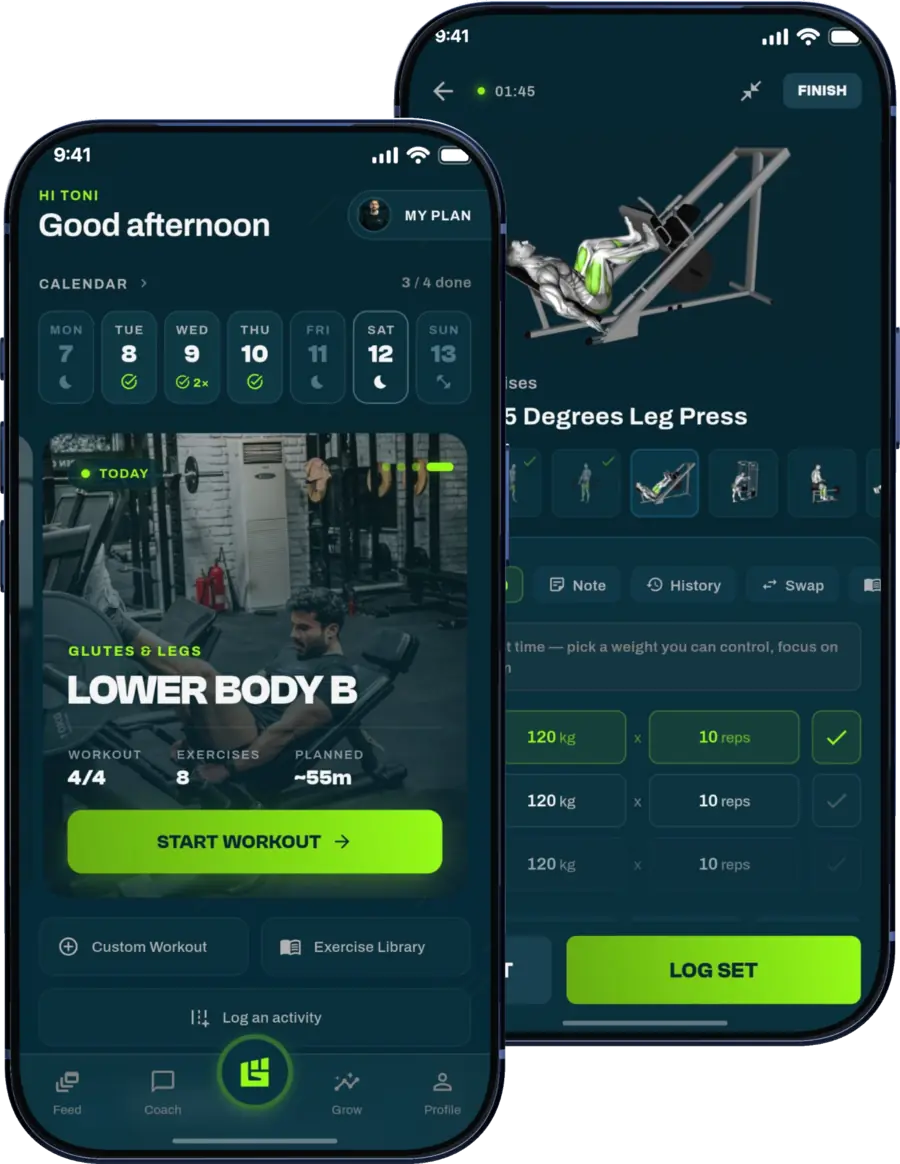
Get a personalized workout plan built around your goal, equipment and schedule. Train smarter, track every rep and keep moving forward, one workout at a time.






Pack your gym bag with confidence
Having the right gear makes a huge difference. It helps you feel like you belong from the second you walk through the door. Think of your gym bag as your first-day toolkit—get this right, and you've already won.
Here’s a quick checklist of what I recommend packing to make sure you have a smooth and comfortable first session.
Your first-day gym bag checklist
| Item | Why It's Important | Pro Tip |
|---|---|---|
| Workout Clothes | Comfort is everything. You need clothes that let you move freely without feeling restricted. | Go for breathable, sweat-wicking fabric. You don't need expensive brands; just something you feel good in. |
| Athletic Shoes | The right shoes give you stability and support, which is key for preventing injuries. | A good pair of cross-trainers is a versatile starting point for both cardio and weights. |
| Reusable Water Bottle | Staying hydrated is non-negotiable for performance and recovery. You will get thirsty. | Fill it up before you leave home. Most gyms have fountains, but it’s one less thing to worry about. |
| A Padlock | Don't assume the gym provides locks for their lockers. Securing your valuables is a must. | A simple combination lock is perfect. It means you can focus on your workout, not your stuff. |
| Earbuds | Music is a great way to find your focus and block out distractions, especially in a busy gym. | A good pair of budget workout earbuds can be a game-changer for getting in the zone. |
Having these items ready to go removes any small hurdles that might make you second-guess yourself.
Packing a complete bag is your first win before you even leave the house.
Navigating gym etiquette and unwritten rules

Once you're through the door, the quickest way to feel like you belong is to understand the gym's unwritten rules. Think of it as basic social etiquette—these norms keep the space clean, safe, and efficient for everyone.
If you only remember two things, make them these: wipe down your equipment and put your weights away. Always use the provided sanitizing spray and towels on benches, seats, and handles after you're done. Just as important, re-rack your weights exactly where you found them.
Key etiquette for a great first visit
Beyond the big two, a few other habits show respect for the shared space and the people in it. Adopting these from day one will make every visit smoother.
- Respect Personal Space: Give people a wide berth when they're in the middle of a lift. Never walk directly in front of someone using the mirrors, as they’re using them to watch their form.
- Don’t Hog Equipment: During busy hours, be mindful of how long you’re on one machine. If you're resting between sets, it's common courtesy to let someone "work in" with you.
- Keep Your Phone on Silent: The gym floor isn't the place for a loud phone call. If you have to take it, step into the lobby or locker room.
Think of the gym like a shared library of equipment. You use something, you clean it, and you put it back exactly where you found it so the next person can use it.
Understanding the gym's layout
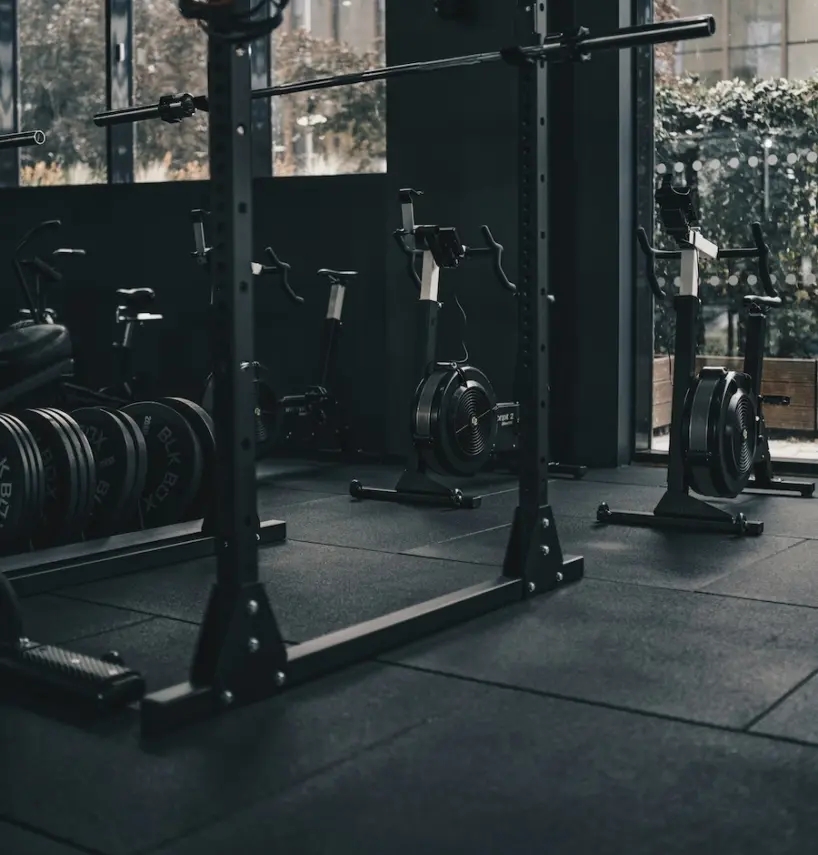
Finding your way around is a lot easier when you know what to expect. Most gyms are split into three main zones, each with a specific purpose.
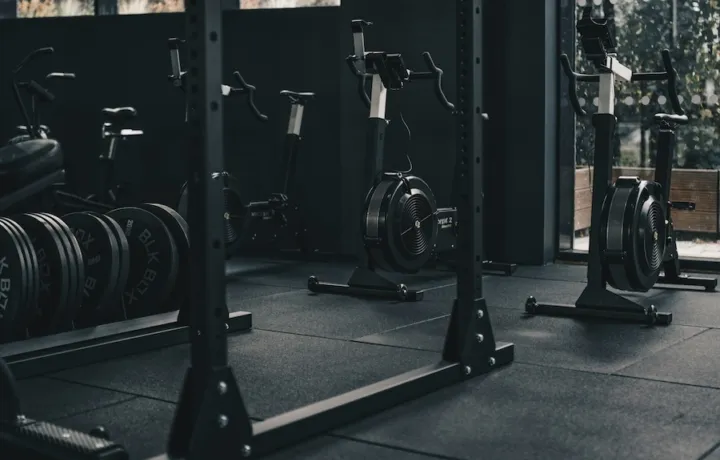
- The Cardio Deck: This is where you’ll find all the treadmills, ellipticals, stationary bikes, and stair climbers. It’s pretty self-explanatory.
- Machine Circuits: These machines have a fixed path of motion, making them a great starting point for learning an exercise safely.
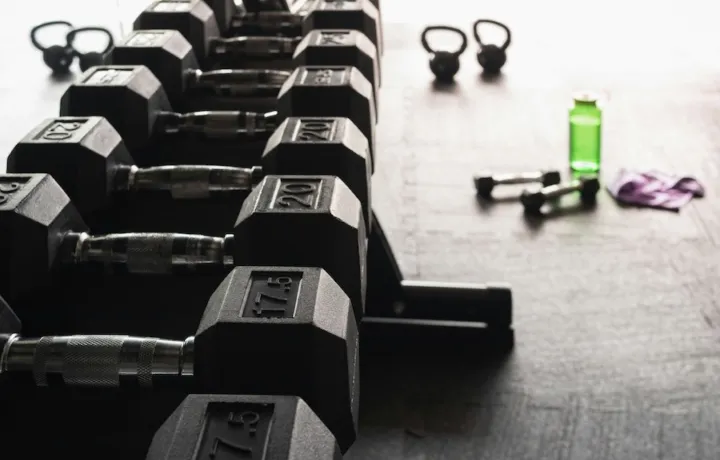
- The Free Weight Area: Home to the dumbbells, barbells, benches, and squat racks. This area requires a bit more know-how, but it's where a lot of strength is built.
The perfect warm-up to start your workout right
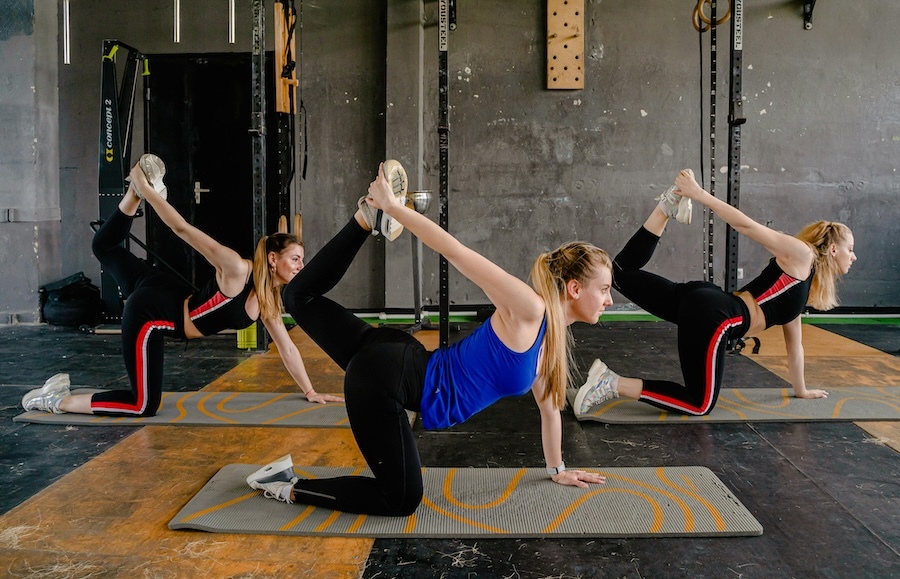
It’s tempting to jump straight into your workout, but that’s one of the biggest mistakes you can make on your first day. A solid warm-up isn't just about preventing injuries—it's about priming your body to perform better and making every movement feel smoother.
Think of it as waking your body up before you ask it to lift anything heavy. The goal here is simple: gradually raise your heart rate and get warm, oxygenated blood flowing to your muscles. This small investment of time makes a huge difference in the quality of your main workout.
Phase 1: light cardio
First, get your body moving with five minutes of light cardio. You shouldn't be gasping for air; just aim to feel a little warmer and break a light sweat.
- Treadmill: A brisk walk is perfect.
- Elliptical: A comfortable, steady pace works great.
- Stationary Bike: A light spin with low resistance.
Your warm-up sets the tone for your entire workout. Taking just 10 minutes to get ready can be the difference between a great session and a potential injury.
Phase 2: dynamic stretching
After your heart rate is up, it's time for dynamic stretches. Unlike the old-school static stretches you hold forever, these are active movements that take your joints and muscles through a full range of motion. This gets them ready for the work ahead.
Perform each of these movements for about 30 seconds:
- Arm Circles: Make big, controlled circles forward, then reverse the motion. This gets your shoulders ready for pressing and pulling.
- Leg Swings: Grab onto a rack or wall for balance. Swing one leg forward and backward, then side to side.
- Torso Twists: Stand with your feet shoulder-width apart and gently rotate your upper body. This wakes up your core and spine.
Your simple and effective first gym workout

Alright, this is where the fun begins. Your first workout isn’t about lifting a new personal best—it’s about learning the movements, building a solid foundation, and leaving the gym feeling good, not completely wiped out.
For your first day at gym, we’re sticking with a simple full-body routine. To keep things straightforward, you can always follow a structured a gym workout routine for beginners. We'll use a mix of machines and basic free weights to teach your body fundamental movements safely.
Your full-body beginner workout
This routine hits all your major muscle groups. For every exercise, aim to complete 3 sets of 10-12 repetitions. Pick a weight that makes the last couple of reps feel tough, but never so heavy that your form breaks down.
1. Goblet Squat (Dumbbells) This is a fantastic way to learn proper squat mechanics while building strength in your legs and core.
- How to do it: Stand with your feet slightly wider than your shoulders, holding one dumbbell vertically against your chest. Keep your chest up and back straight as you lower your hips back and down, like you’re sitting in a chair.
2. Leg Press (Machine) The leg press machine gives you stability, so you can focus on pushing with your legs without having to worry about balance. It’s an excellent tool for building lower-body strength from day one.
Your number one priority is form over weight. Lifting too heavy with bad form is the fastest way to get injured and lose motivation. Start light, master the movement, and the strength will follow.
3. Seated Cable Row (Machine) This exercise is brilliant for building a strong back and fixing that desk-job posture. The machine guides the movement, making it easier to feel the right muscles working.
- How to do it: Sit with your feet braced and knees slightly bent. Grab the handle and pull it toward your stomach, making sure to squeeze your shoulder blades together at the end of the movement.
4. Dumbbell Bench Press (Dumbbells) Using dumbbells instead of a barbell gives your arms a more natural range of motion and recruits smaller stabilizing muscles in your shoulders and chest.
- How to do it: Lie on a flat bench with a dumbbell in each hand. Press the weights straight up until your arms are fully extended, then slowly lower them back down to your sides.
Once you’ve got a few workouts like this under your belt, a personalized workout builder can take the guesswork out of what to do next by creating new routines that adapt as you get stronger.
Cool-down stretches and planning your next visit
Don’t just pack up and leave after your last rep. The work isn't quite finished. A solid cool-down is what bridges the gap between your workout and your recovery, helping to reduce soreness and improve your flexibility for next time.
All it takes is 5-10 minutes. Think of it as a signal to your body that the intense work is done and it’s time to wind down. We'll use static stretches—unlike the dynamic ones from your warm-up, these are held in one position.
Simple cool-down stretches
For each of these, ease into the stretch until you feel a gentle pull, not pain. Breathe deeply and hold each one for about 20-30 seconds.
- Chest Stretch: Stand in a doorway or at a rack corner. Place a forearm against the frame with your elbow bent at 90 degrees and gently lean your body forward. You'll feel this open up your chest and the front of your shoulder.
- Quad Stretch: Hold onto something for balance. Grab your foot and gently bring your heel toward your glute, feeling the stretch down the front of your thigh.
- Hamstring Stretch: Sit on the floor with one leg straight out and the other bent with the sole of your foot against your inner thigh. Hinge at your hips and lean forward over the straight leg.
- Upper Back Stretch: Clasp your hands out in front of you. As you push your hands away, round your upper back to create space between your shoulder blades.
Turn one visit into a consistent habit
You made it through day one. Honestly, that’s the hardest part. The real challenge now is turning this single visit into a routine that sticks.
This is especially true for women, who now account for 57% of gym-goers worldwide. But without a clear plan and support, the initial motivation can drop off fast—regional data shows dropout rates can hit 40% in the first month alone. You can read more about these trends in the U.S. fitness industry on mmcginvest.com.
Don’t let your first-day momentum fade. The best time to plan your next workout is right now, while the feeling of accomplishment is still fresh.
Instead of showing up next time and wondering what to do, let technology handle the planning. The GrabGains app builds your workouts for you and adapts them as you get stronger, removing all the guesswork.
With a library of video demonstrations, you’ll walk in knowing exactly what to do and how to perform each movement correctly. It ensures your second session—and every one after that—is just as successful as your first.
Common questions about your first day at the gym
Even with a perfect plan, a few last-minute questions are completely normal. The unknown can be intimidating, but we’re here to clear up the final hurdles so you can walk in with total confidence.
Let’s get these common worries out of the way.
What should I wear to the gym?
You don’t need expensive, high-end athletic wear. Focus on function, not fashion.
- Clothes: Anything that lets you move freely is perfect. A simple t-shirt with athletic shorts or leggings works great. Just avoid heavy cotton or anything too restrictive, as it will trap sweat and get uncomfortable fast.
- Shoes: Supportive athletic shoes are a must. A good pair of cross-trainers is your best bet, as they’re versatile enough for both cardio machines and weight training.
How do I deal with feeling self-conscious?
This is the number one thing that holds people back. The truth is, almost everyone feels a little awkward at first.
The reality is that most people are way too wrapped up in their own workout—and their own insecurities—to notice what you're doing.
Remember this: Every single person in that gym was a beginner once. They are focused on their own goals, not on judging yours. Put in your earbuds, focus on your plan, and that feeling will disappear quicker than you think.
What if I don't know how to use a machine?
It’s a common feeling. Gyms can look like a maze of intimidating equipment, but you're not expected to be an expert on day one.
Look for the small placard or sticker on the machine. It almost always has a diagram showing the basic movement and which muscles it works. That’s your first stop. If you're still not sure, just ask a staff member for a quick pointer. It's literally their job to help.
Don't let the small stuff stop you from getting started. With GrabGains, you can walk into any gym with a clear, personalized plan right on your phone. The app provides video demonstrations of its exercises, so you'll always know exactly what to do and how to do it with perfect form.
Get inspired and motivated