8 essential mobility exercises for athletes to unlock performance
Unlock your potential with these 8 essential mobility exercises for athletes. Improve flexibility, prevent injury, and boost performance with our expert guide. In the relentless pursuit of peak performance, athletes often focus on strength, speed, and endurance, yet overlook a foundational element: mobility. True athleticism isn't just about how much you can lift or how fast you can run; it's about how efficiently and safely your body can move through its full range of motion. Poor mobility creates energy leaks, limits force production, and is a leading contributor to non-contact injuries that can derail your progress.
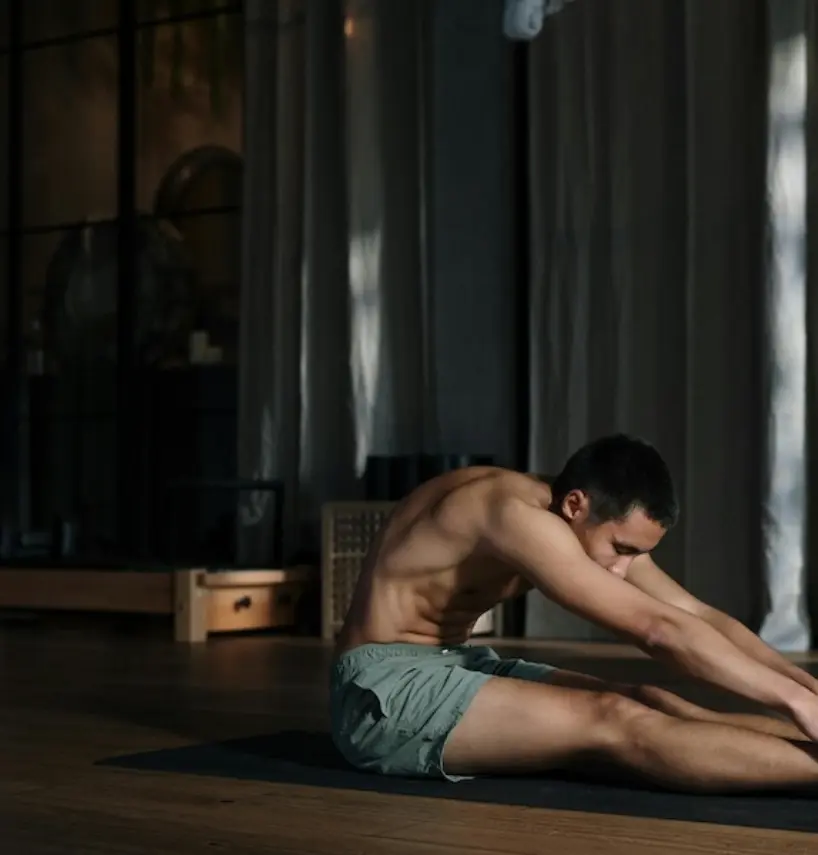
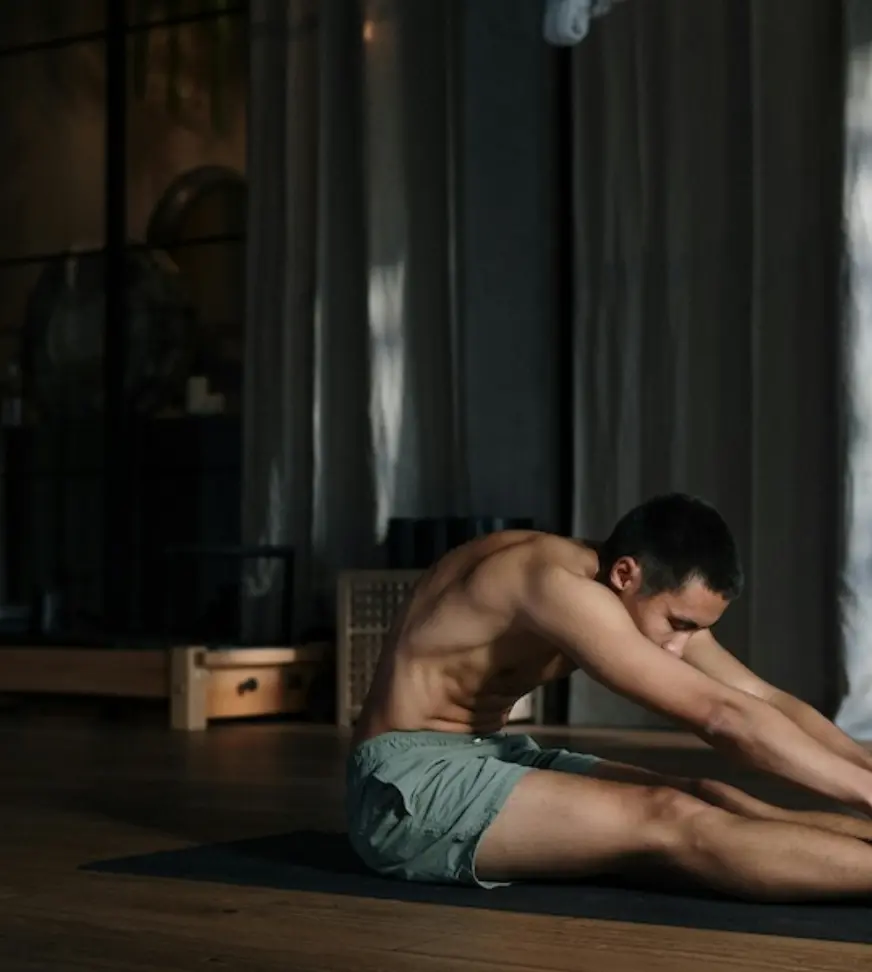
This guide moves beyond a simple list of stretches. We are diving deep into the essential mobility exercises for athletes that address the most common restriction points: the hips, ankles, shoulders, and thoracic spine. You'll learn not just what to do, but how to do it correctly, why it matters for your specific sport, and how to integrate these movements into your routine for lasting results.
Whether you're a competitive powerlifter aiming for a deeper squat, a HYROX athlete seeking more efficient running mechanics, or a weekend warrior looking to move without pain, mastering these drills will unlock new levels of performance and resilience. Consider this your definitive resource for building a more durable, powerful, and mobile athletic foundation.
The 8 best mobility exercises for athletes
1. Cat-Cow stretch (Marjaryasana-Bitilasana)
The Cat-Cow stretch, known in yoga as Marjaryasana-Bitilasana, is a foundational dynamic movement that mobilizes the entire spinal column. Performed on all fours, this exercise involves a fluid transition between spinal flexion (rounding the back like a cat) and spinal extension (arching the back like a cow). This controlled articulation is fundamental for athletes, as it enhances proprioception, or your body's awareness of its position in space, and improves segmental control of the vertebrae. For any athlete performing compound lifts or explosive movements, a mobile and stable spine is non-negotiable.
Built for progress
Take the guesswork out of training
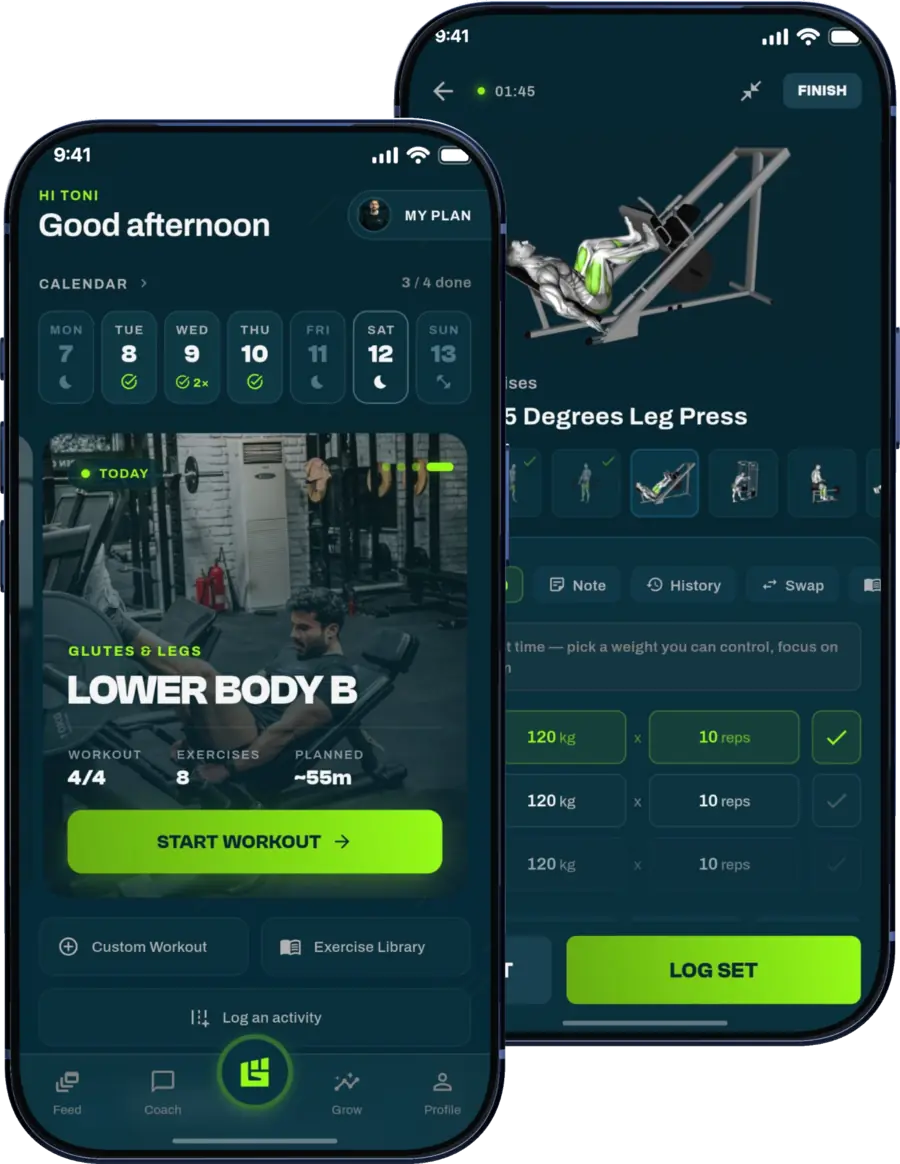
Get a personalized workout plan built around your goal, equipment and schedule. Train smarter, track every rep and keep moving forward, one workout at a time.






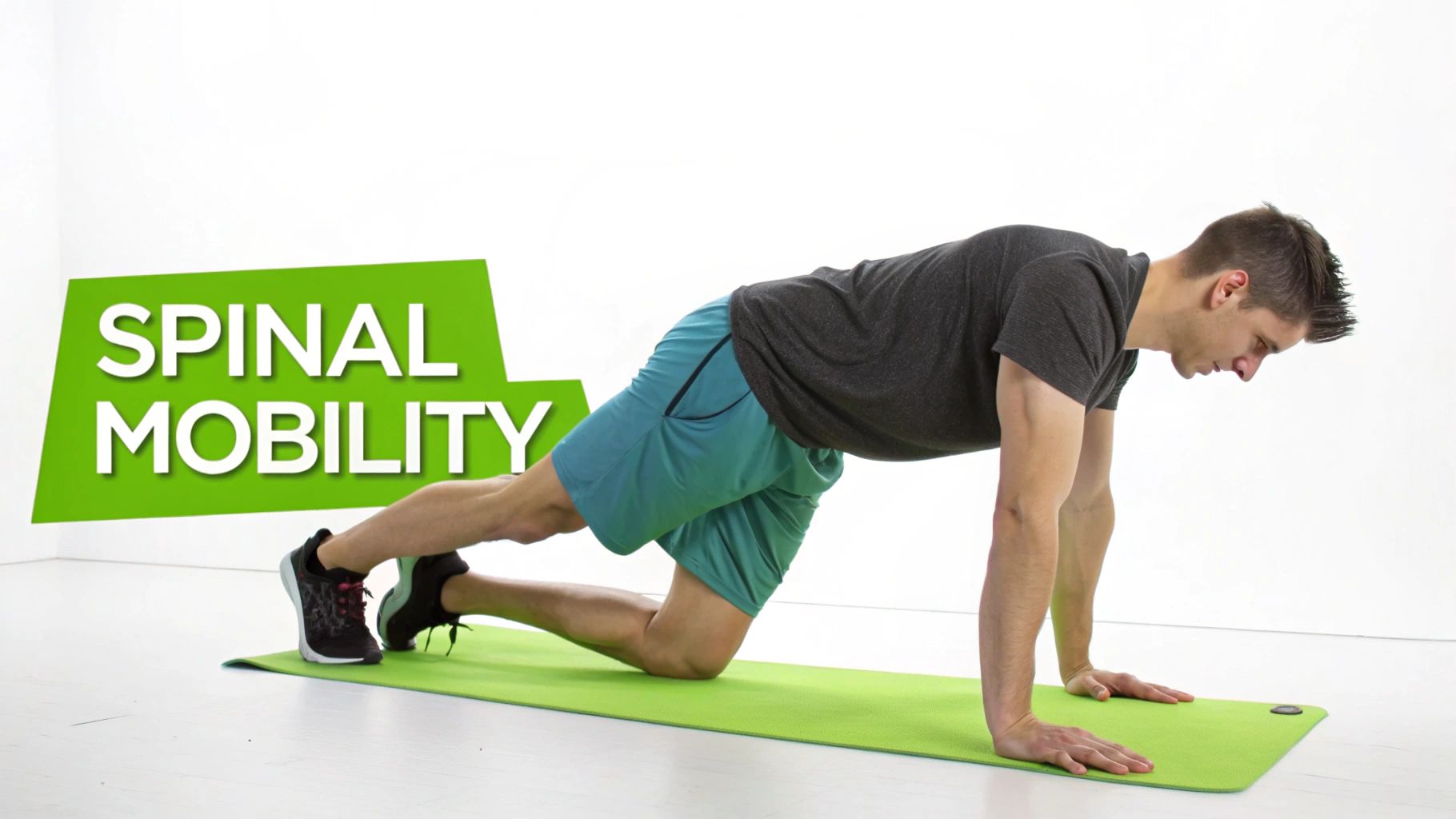
This simple yet effective drill is a staple in diverse training environments. CrossFit athletes frequently integrate it into their warm-ups to prepare the spine for heavy loads, while physical therapists prescribe it to counteract the stiffness caused by prolonged sitting. It serves as an excellent diagnostic tool, helping you identify areas of restriction in your thoracic (mid-back) or lumbar (low-back) spine.
How to implement the Cat-Cow stretch
To get the most out of this movement, focus on deliberate, controlled execution rather than speed. Synchronizing your breath with the movement is key to relaxing the nervous system and deepening the stretch.
- Breathing Cadence: Inhale deeply as you drop your belly and lift your chest into the "Cow" position. Exhale completely as you press the floor away, rounding your spine up toward the ceiling into the "Cat" position.
- Recommended Volume: Aim for 8-10 slow repetitions for 2-3 sets. This can be done daily or as part of a pre-workout warm-up.
- Common Faults: A common mistake is letting the head drop limply or cranking the neck up too high. Keep the neck as a natural extension of the spine throughout the movement.
This exercise is not just a warm-up tool; it's a core component of spinal health that complements more intensive Back exercises by ensuring the spine is prepared for heavier loads.
2. 90/90 hip stretch
The 90/90 Hip Stretch is a potent mobility exercise designed to improve both internal and external rotation of the hip joint. The position involves sitting on the floor with both legs bent at 90-degree angles, one in front of you (external rotation) and one to the side (internal rotation). This unique setup isolates the deep hip rotators, including the often-tight piriformis muscle, addressing a primary source of restriction for athletes. For anyone involved in running, squatting, or sports requiring quick changes of direction, having mobile and functional hips is crucial for performance and injury prevention.
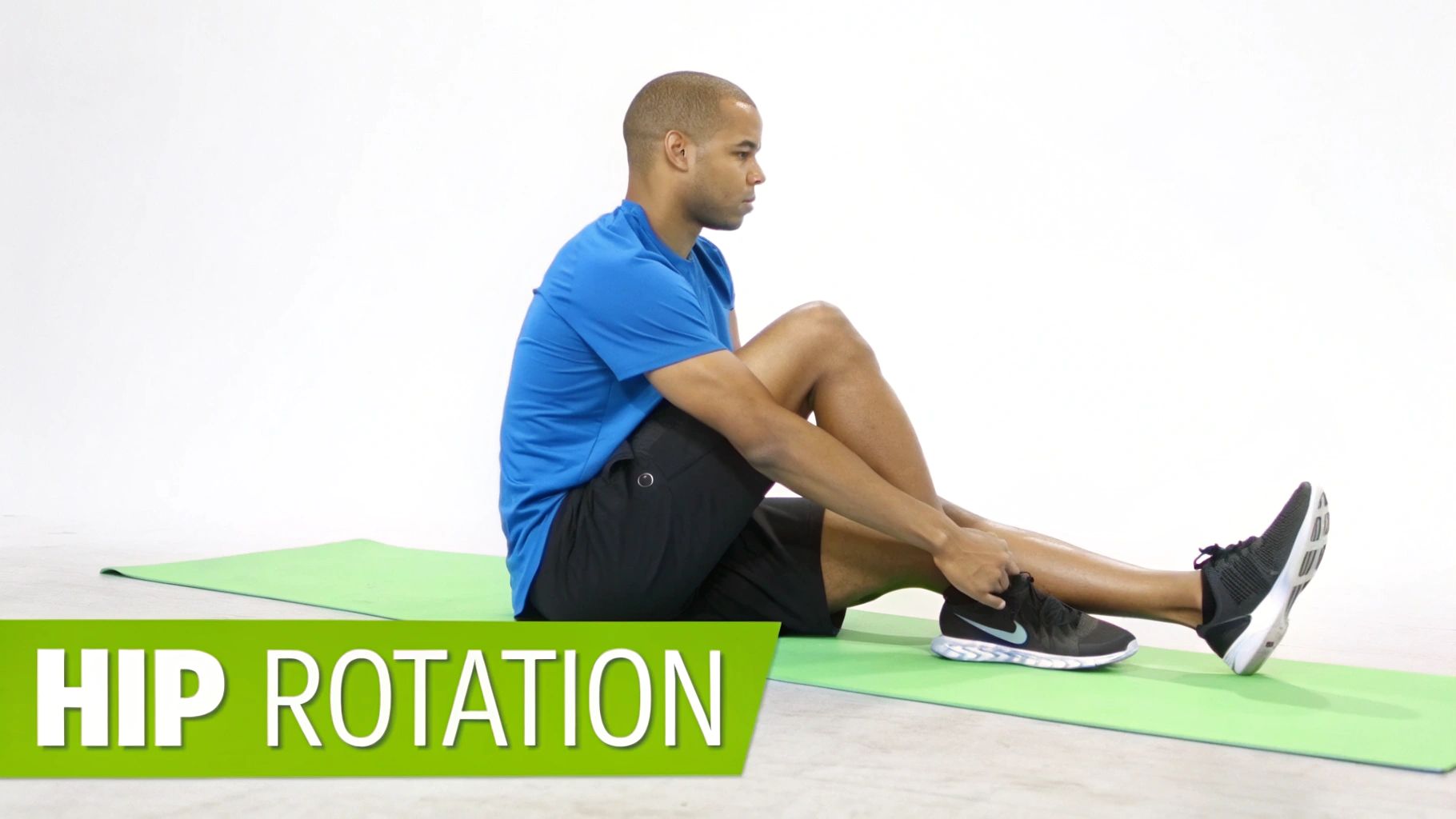
This stretch has been popularized by mobility pioneers like Kelly Starrett and is a staple in functional fitness circles. CrossFit athletes use it to prepare for heavy lifting days, while HYROX competitors integrate it to maintain fluid movement through demanding obstacle courses. It's also frequently prescribed in running programs to help alleviate common issues like IT band syndrome by addressing the root cause in the hip capsule.
How to implement the 90/90 hip stretch
The goal is to relax into the position, allowing the hip capsules to open up gradually. Avoid forcing the stretch and focus on maintaining an upright torso to maximize the benefits.
- Breathing Cadence: Inhale to prepare and sit tall. Exhale slowly as you deepen the stretch, either by gently pressing the front knee down or by folding your torso over the front leg. Deep, controlled breaths help signal the nervous system to release tension.
- Recommended Volume: Hold the static stretch for 60-90 seconds per side for 2-3 sets. If you are very tight, begin with 30-second holds and progressively increase the duration.
- Common Faults: A frequent error is allowing the hips to roll and the torso to collapse to one side. Try to keep both sit bones grounded as much as possible, using your hands for support to maintain a tall, neutral spine.
3. Dead bug exercise
The Dead Bug exercise is a foundational core stability drill that masterfully combines mobility with control. Performed on your back, it involves slowly extending the opposite arm and leg while maintaining a completely neutral spine pressed against the floor. This movement teaches the nervous system to coordinate limb movement independently from the torso, building crucial anti-extension strength. For athletes, this translates directly to a more stable trunk during sprints, throws, and heavy lifts, safeguarding the spine from injury.
This exercise is a staple in both high-performance and rehabilitative settings. Strength coaches program it as a warm-up before heavy squats or deadlifts to prime the core, while physical therapists use it to help patients rebuild foundational stability post-injury. Its controlled, low-impact nature makes it one of the most effective mobility exercises for athletes looking to build a resilient core without unnecessary spinal stress.
How to implement the dead bug exercise
Proper execution of the Dead Bug is all about slow, deliberate movement and maintaining core tension. The goal is to prevent any arching in the lower back as your limbs extend.
- Breathing Cadence: Exhale fully as you slowly extend your opposite arm and leg. Inhale as you return to the starting position with control. This breathwork helps engage the deep core musculature.
- Recommended Volume: Aim for 8-12 slow repetitions per side for 3 sets. Prioritize perfect form over high volume.
- Common Faults: The most common mistake is allowing the lower back to arch off the floor as the limbs lower. Keep your core engaged and press your low back into the ground throughout the entire movement. Another fault is moving too quickly, which turns the exercise into a momentum-based movement rather than a stability drill.
The Dead Bug is a cornerstone of functional training and an essential component of comprehensive Abdominal exercises that build a foundation for more dynamic and powerful movements.
4. World's greatest stretch
The World's Greatest Stretch (WGS) is aptly named for its incredible efficiency, combining a deep lunge, hip flexor stretch, and thoracic spine rotation into one fluid, multi-planar sequence. This dynamic movement simultaneously targets hip mobility, thoracic rotation, ankle dorsiflexion, and hamstring flexibility. For athletes, this all-in-one drill is invaluable as it addresses multiple common areas of restriction at once, making it a perfect tool for an efficient warm-up. Its complexity trains coordination and motor control, essential for any sport requiring integrated movement patterns.
This comprehensive exercise has become a staple in high-performance settings. Functional fitness coaches program it for mixed-modal athletes, and MMA strength coaches use it to prepare fighters for the dynamic demands of their sport. Its popularity in communities like CrossFit and HYROX stems from its ability to prime the body for intense, full-body work in a short amount of time, making it one of the most effective mobility exercises for athletes.
How to implement the world's greatest stretch
Proper execution requires a deliberate and controlled pace, focusing on achieving a full range of motion in each phase of the movement. Avoid rushing through the sequence; the goal is to feel the stretch and rotation in the targeted areas.
- Breathing Cadence: Exhale as you step into the lunge and lower your elbow toward your instep. Inhale deeply as you rotate and reach your arm toward the ceiling, following your hand with your eyes.
- Recommended Volume: Perform 5-8 slow and controlled repetitions per side for 1-2 sets. Each full rep should take 5-8 seconds to complete.
- Common Faults: A frequent mistake is allowing the back knee to sag or the lower back to round excessively. Keep your core engaged and your back leg active to maintain a stable, neutral spine.
The thoracic rotation component of the WGS is especially beneficial for improving posture and preparing the upper body for compound lifts, complementing demanding Chest exercises by enhancing shoulder girdle mobility.
5. Couch stretch
The Couch Stretch is a powerful and notoriously intense mobility exercise that targets the hip flexors and quadriceps. Popularized in the functional fitness world by figures like Kelly Starrett, it's designed to counteract the negative effects of prolonged sitting by lengthening the iliopsoas and rectus femoris. For athletes, these muscles are often chronically tight, which can lead to anterior pelvic tilt, inhibit glute activation, and limit performance in movements like squats, lunges, and running.
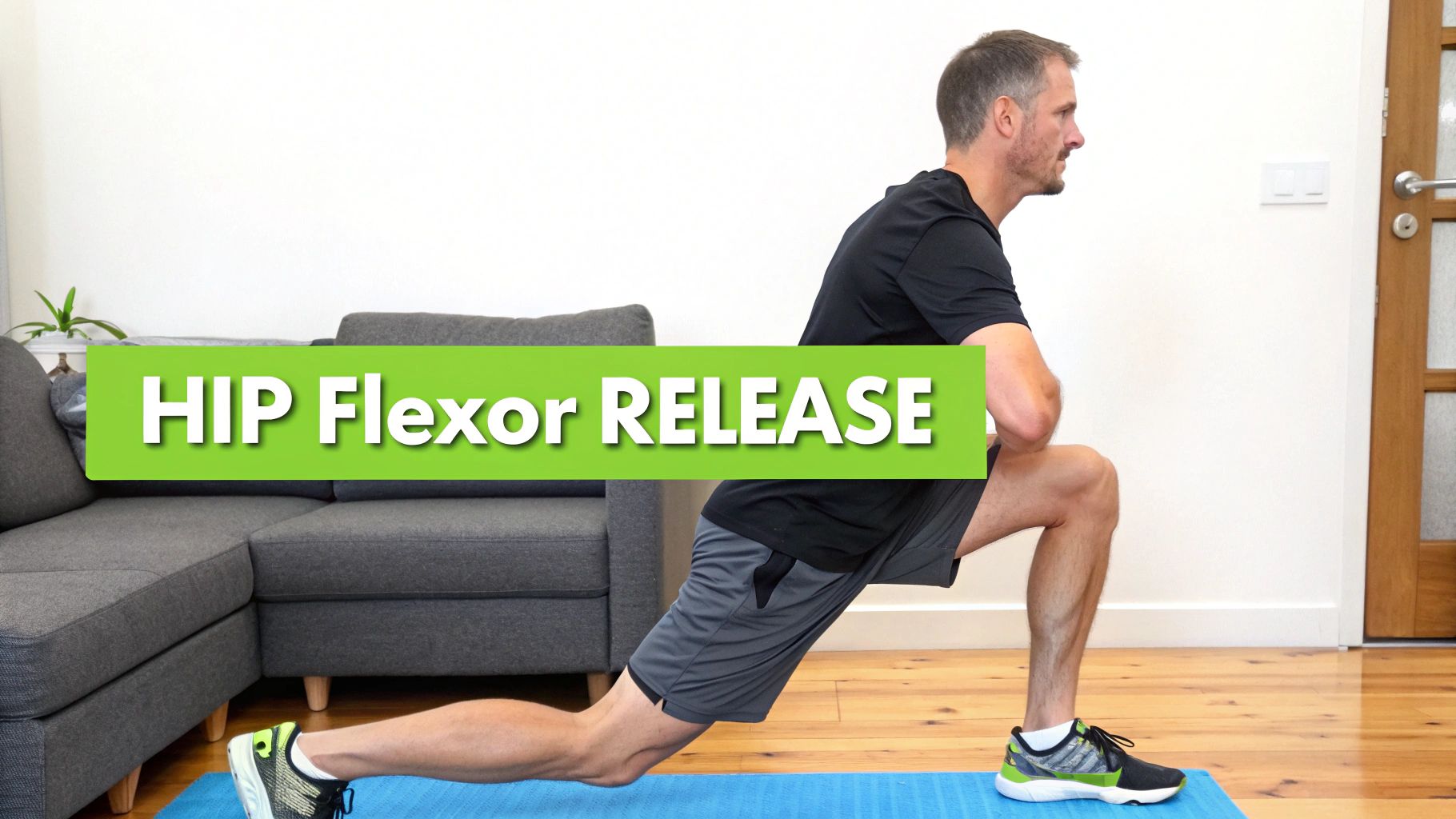
This potent stretch is a staple for CrossFit athletes and is frequently programmed by physical therapists to improve hip extension, a key component of athletic power. By placing the back knee against a wall or couch and bringing the front foot forward into a lunge, you create a deep, isolated stretch that directly improves squat depth, running mechanics, and overall spinal posture. It’s one of the most effective mobility exercises for athletes looking to unlock their hips.
How to implement the couch stretch
The key to the Couch Stretch is consistency and controlled breathing, not forcing the movement. It can be quite intense, so ease into it and focus on maintaining good posture throughout the hold.
- Breathing Cadence: Breathe deeply and slowly throughout the hold. Focus on exhaling to relax into the stretch rather than fighting the tension.
- Recommended Volume: Hold the stretch for 60-90 seconds per side for 2-3 sets. This is best performed post-workout or in the evening when muscles are warm.
- Common Faults: A frequent error is excessively arching the lower back to compensate for tight hips. To correct this, actively squeeze the glute of the back leg and tuck your pelvis under to keep the spine neutral and intensify the stretch on the hip flexors.
Regularly performing this stretch will not only improve your mobility but also enhance the effectiveness of your Leg exercises by allowing a greater range of motion.
6. Scapular mobility drills (band pull-aparts & arm circles)
Scapular mobility drills, such as Band Pull-Aparts and Arm Circles, are foundational movements designed to restore and enhance shoulder blade function. These exercises focus on improving scapular control, retraction (pulling shoulder blades together), and external rotation, which are often restricted by postural stress and pressing-heavy routines. For athletes, healthy scapular movement is crucial for safe and powerful overhead pressing, throwing, pulling, and climbing. Mastering these drills directly translates to improved shoulder stability and reduced injury risk.
This category of mobility exercises for athletes is a staple in high-performance settings. Strength coaches program them before bench press or overhead press days to activate the upper back musculature. Likewise, they are essential for throwing athletes like baseball pitchers and are frequently recommended in corporate wellness programs to counteract the rounded shoulders associated with desk work. Their simplicity and effectiveness make them a versatile tool for both rehabilitation and prehabilitation.
How to implement scapular mobility drills
The goal is to feel the muscles between and around your shoulder blades working. The focus should be on controlled movement and muscle activation, not on using heavy resistance or creating momentum.
- Breathing Cadence: For band pull-aparts, exhale as you pull the band apart, focusing on squeezing your shoulder blades together. Inhale as you return to the start with control. For arm circles, maintain steady, relaxed breathing.
- Recommended Volume: Aim for 3 sets of 15-20 reps for band pull-aparts with a light resistance band. For arm circles, perform 10-15 circles in each direction (forward and backward) per arm.
- Common Faults: A frequent mistake is shrugging the shoulders up toward the ears or arching the lower back to complete the movement. Keep your shoulders down and your core engaged to isolate the target muscles.
These drills are an excellent primer for more complex Shoulder exercises, ensuring the joint is properly stabilized and ready to handle load.
7. Deep squat hold (third world squat)
The Deep Squat Hold, often called the Third World Squat, is a foundational static hold that simultaneously improves mobility in the ankles, hips, and thoracic spine. By sitting in the bottom of a full bodyweight squat, athletes can use gravity to gently lengthen tight tissues and reinforce proper movement patterns. This position is a fundamental human movement, crucial for any athlete needing to generate force from a low position, absorb impact, or maintain lower body health. Its ability to address multiple joints at once makes it one of the most efficient mobility exercises for athletes.
This powerful drill is a cornerstone in functional fitness and CrossFit circles, where it’s used to prime the body for heavy squats, Olympic lifts, and pistols. Running coaches also value it for its effectiveness in improving dorsiflexion, which is key for a proper gait cycle. For any athlete, from a powerlifter to a HYROX competitor, mastering the deep squat hold translates directly to better performance, improved positioning under load, and reduced injury risk in the lower body.
How to implement the deep squat hold
The goal is to relax into the position over time, allowing your body to adapt. Active engagement and subtle movements within the hold are more beneficial than passively sitting.
- Progressive Loading: Start by holding onto a stable object for balance if needed. If your heels lift, place them on small weight plates or a book to achieve depth, gradually reducing the elevation as your ankle mobility improves.
- Recommended Volume: Aim to accumulate 2-5 minutes in the hold daily. This can be broken into shorter holds, such as 3-5 sets of 30-60 seconds.
- Common Faults: A frequent mistake is allowing the lower back to round excessively (butt-wink) or letting the chest collapse forward. Focus on keeping your spine neutral, your chest up, and actively pressing your knees out with your elbows to open the hips.
The deep squat hold is not just a passive stretch; it’s an active position that teaches your body to create stability in a mobile environment, making it a perfect complement to heavy Leg exercises and dynamic athletic movements.
8. Thoracic spine rotation drills
Thoracic spine rotation drills are crucial for athletes whose sports involve twisting or throwing. These movements, like the quadruped rotation and half-kneeling wood chop, specifically target rotation in the mid-back (thoracic spine) rather than the lower back (lumbar spine). Isolating this movement is key because the thoracic spine is designed for rotation, while the lumbar spine is primarily built for stability. Mastering this separation of movement improves rotational power and significantly reduces the risk of lower back injuries.
These drills are cornerstones in high-performance training environments. Golf and baseball programs utilize them extensively to refine swing mechanics and enhance throwing velocity. Functional fitness competitors and CrossFit athletes integrate them into warm-ups before Olympic lifts or complex rotational movements to improve positioning and stability. For any athlete, improving thoracic mobility unlocks greater efficiency and power transfer through the kinetic chain.
How to implement thoracic spine rotation drills
Proper execution requires focusing on controlled rotation from the mid-back, keeping the hips and lower back as still as possible. This deliberate control is more important than the range of motion or the weight used.
- Breathing Cadence: For quadruped rotations, exhale as you rotate your chest open toward the ceiling. Inhale as you return to the starting position. For wood chops, exhale during the rotational "chopping" motion and inhale on the return.
- Recommended Volume: For quadruped rotations, aim for 3 sets of 8-10 slow reps per side. For half-kneeling wood chops, perform 3 sets of 10-12 reps per side with light resistance.
- Common Faults: A frequent error is allowing the hips to sway or the lower back to arch and rotate. To correct this, actively brace your core and imagine your hips are locked in place, forcing the movement to originate from your chest and rib cage.
These drills are essential for any comprehensive mobility routine, especially for athletes in rotational sports. They prepare the body for dynamic action and build a resilient foundation against common back injuries.
Summary of top mobility drills
| Exercise | Implementation complexity | Resource requirements | Expected outcomes | Ideal use cases | Key advantages |
|---|---|---|---|---|---|
| Cat-Cow Stretch (Marjaryasana-Bitilasana) | Low — easy to learn, safe for beginners | None (yoga mat recommended) | Spinal mobility, segmental control, breathing awareness | Warm-ups, desk-workers, pre-strength sessions | Gentle, low-impact, easily modified |
| 90/90 Hip Stretch | Low — position-sensitive; needs cueing | None (pad/towel for comfort) | Improves hip external rotation, squat depth, reduces sciatic irritation | Runners, squatters, those with prolonged sitting | Targets deep hip rotators; quick measurable gains |
| Dead Bug Exercise | Low — requires concentration on form | None (mat optional) | Core stability, anti-extension control, safer heavy lifting | Rehab, beginners, pre-heavy lifts | High transfer to compound lifts; easy regressions/progressions |
| World's Greatest Stretch | Medium — multi-step pattern; coaching helpful | Minimal (space only) | Multi-planar mobility, full‑chain activation, time-efficient | Busy athletes, functional fitness, warm-ups for complex sessions | Combines multiple mobility targets into one efficient drill |
| Couch Stretch | Low — simple position but can be intense | Low (couch/bench/pad) | Deep hip flexor/quadriceps lengthening; improves squat depth & posture | Sedentary professionals, runners, squat-focused athletes | Strong targeted effect on hip flexors; ideal for daily practice |
| Scapular Mobility Drills (Band Pull-Aparts & Arm Circles) | Low–Medium — needs proper cueing for scapular control | Low (light resistance band recommended) | Improves scapular control, overhead pressing, posture | Overhead athletes, desk workers, pressing days | Prevents shoulder injury; inexpensive and portable |
| Deep Squat Hold (Third World Squat) | Medium — uncomfortable initially; requires balance | None (heel wedge optional) | Improves ankle/hip mobility, squat mechanics, functional strength | Squatters, runners, functional fitness competitors | Full-chain lower-body mobility; rapid gains with consistency |
| Thoracic Spine Rotation Drills | Low–Medium — must isolate thoracic vs lumbar motion | Minimal (band optional for progression) | Improves thoracic rotation, reduces lumbar strain, enhances rotational power | Rotational sports (golf/baseball), throwing, overhead work | Direct transfer to rotational performance; scalable progressions |
Integrating mobility into your training routine
This guide has provided a comprehensive toolkit of foundational mobility exercises for athletes, from the dynamic World's Greatest Stretch to the targeted 90/90 hip opener. We've broken down movements for every critical joint system: the hips, ankles, thoracic spine, and shoulders. Each exercise, whether it's the Couch Stretch or a simple Deep Squat Hold, is more than just a stretch; it's a direct investment in your athletic potential.
Mastering the form of these exercises is the first crucial step, but the real performance gains are unlocked through consistent, intelligent application. Mobility is not a one-time fix for stiffness or a magic bullet for a new personal record. It is a daily, deliberate practice that compounds over time, building a more resilient and efficient athletic body.
From knowledge to action: your next steps
The path forward is about integration, not addition. You don't need to add another hour to your training schedule. Instead, weave these movements into the fabric of your existing routine.
- Identify Your Weakest Links: Did the thoracic spine rotations feel particularly stiff? Were your ankles a limiting factor in the deep squat? Start by choosing two or three exercises that target your most significant restrictions.
- Bookend Your Sessions: Dedicate 5-10 minutes before your workout to dynamic mobility drills like Cat-Cow and the World's Greatest Stretch. This prepares your joints and nervous system for the demands ahead. Use static holds like the Couch Stretch during your cool-down to improve flexibility and aid recovery.
- Make It a Habit: Consistency trumps intensity. A few minutes of focused work every day will yield far greater results than one long session per week. Attach this new habit to an existing one, like your morning coffee or before you go to bed, to make it stick.
The true value of a mobile athlete
Ultimately, prioritizing mobility is about playing the long game. The strongest athletes are not just powerful; they are also pliable. By dedicating time to these fundamental movements, you are doing more than just improving your range of motion. You are actively reducing your risk of injury, accelerating your recovery between sessions, and unlocking the full expression of your strength and skill.
This isn't just about feeling better; it’s about performing better. Improved hip mobility translates to a deeper, more powerful squat. A more mobile thoracic spine allows for greater rotational force in a swing or a throw. Enhanced shoulder mobility ensures stability and strength overhead. Make these mobility exercises for athletes a non-negotiable component of your training, and you will build a foundation for sustained, elite performance.
Ready to build customized mobility routines and track your progress with precision? The upcoming GrabGains app provides guided video demonstrations, structured plans, and the tools you need to integrate these exercises seamlessly into your training. Take the guesswork out of your warm-ups and cool-downs by downloading the app tdy
Get inspired and motivated