Plank to Push Up: A complete how-to guide
Master the plank to push up with our step-by-step guide. Learn proper form, progressions, and fixes for common mistakes to build core strength safely. Read now. You can only hold a standard plank for so long before it stops giving you much back. The burn is familiar. Your timer goes up. Your body gets better at enduring one position, but your control under movement may still lag behind.
That’s where the plank to push up earns its place. It takes the stability of a plank and adds shifting pressure, single-arm loading, shoulder control, and anti-rotation demand. For a lot of people, it’s the missing link between static core work and stronger push-ups, better shoulder function, and more useful trunk strength.
It also looks simpler than it is. That’s why some lifters rush it, twist through the hips, and turn a smart progression into a messy conditioning drill. Done well, this movement teaches tension, positioning, and control. Done poorly, it just teaches compensation.
Why your plank routine needs an upgrade
A regular plank still has value. It teaches bracing, awareness, and basic body line control. But once you can own that position, staying there longer isn’t always the best next step.
The problem isn’t effort. The problem is transfer.
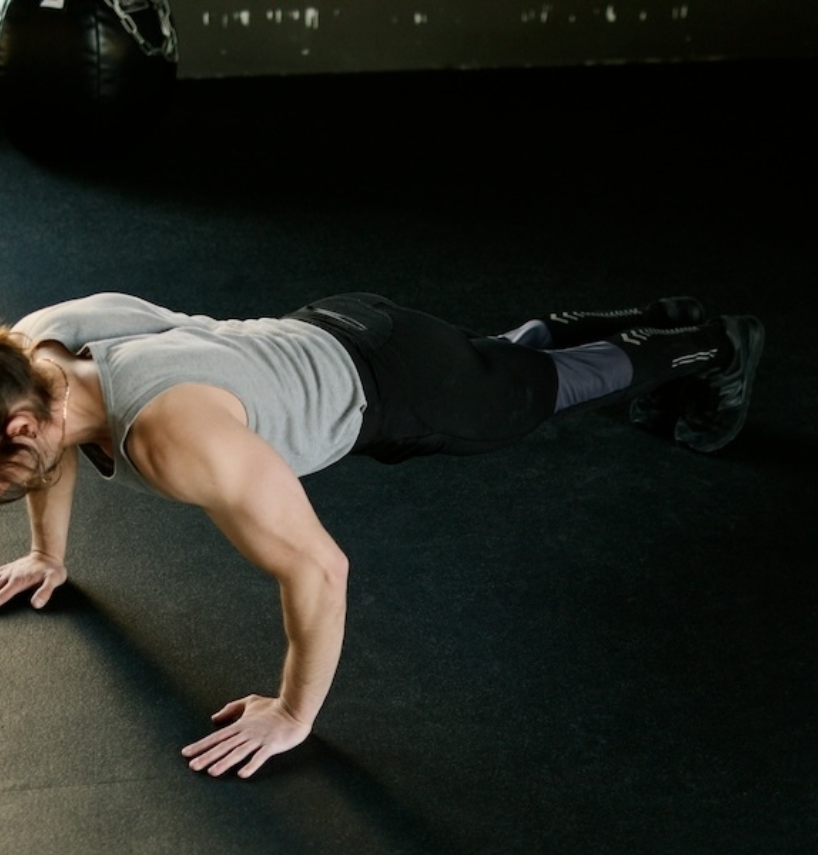
A static plank asks you to resist movement. A plank to push up asks you to resist movement while one side of the body works at a time. That changes the demand completely. Your trunk has to stop the hips from rocking. Your shoulders have to stabilize as your base shifts. Your chest and triceps have to press without letting posture collapse.
Built for progress
Take the guesswork out of training
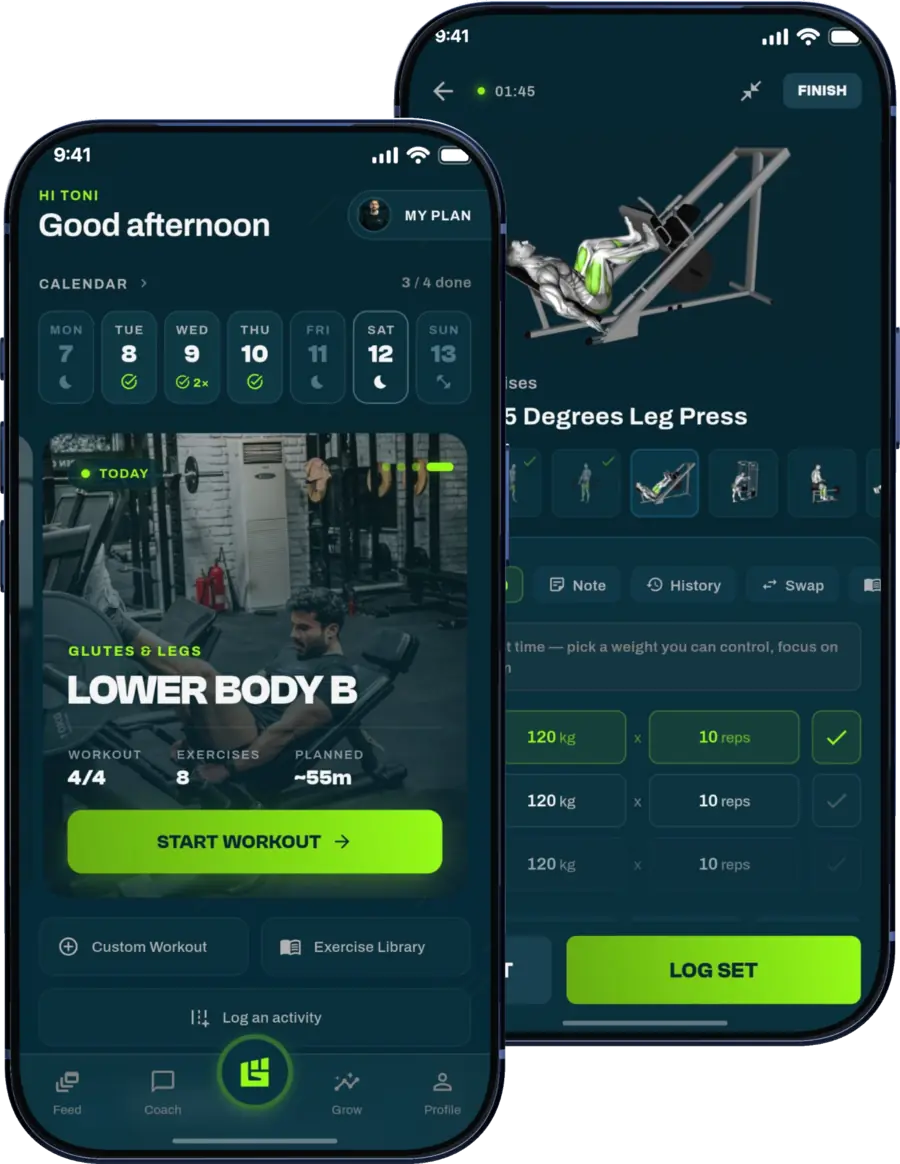
Get a personalized workout plan built around your goal, equipment and schedule. Train smarter, track every rep and keep moving forward, one workout at a time.






Static strength has limits
Many people plateau because they keep adding time instead of adding challenge. If your goal is better push-ups, stronger upper-body control, or more resilient shoulders, you need an exercise that bridges those qualities.
The plank to push up does that well because it blends:
- Core stiffness under motion so your torso doesn’t sway
- Upper-body pushing strength without needing full push-up volume
- Coordination between sides as you alternate the lead arm
- Body control that carries into pressing, crawling, and athletic transitions
A long plank hold proves you can stay still. A strong plank to push up proves you can stay organized while moving.
It’s a skill, not just a burner
This exercise has a serious performance ceiling. In coverage of Alex Goulding’s Guinness World Record, the UK athlete completed 66 push ups to planks in one minute, showing how demanding this pattern is when performed at elite level. That record matters because it highlights what the movement requires: core stability, shoulder strength, muscular endurance, and precise coordination.
Most readers don’t need world-record speed. They do need the lesson behind it. This isn’t fluff work. It’s a high-skill bodyweight pattern that rewards clean mechanics and punishes sloppiness.
When this exercise makes the most sense
The plank to push up fits especially well if any of these sound familiar:
- You’re bored with standard planks but not ready for harder push-up variations
- Your hips shift during push-ups and you need more trunk control
- You want a joint-friendly strength drill that loads the upper body without heavy equipment
- You train at home and need one movement that challenges multiple areas at once
If that’s where you are, this isn’t just the next ab exercise. It’s the upgrade your plank routine has probably been missing.
How to perform the plank to push up with perfect form
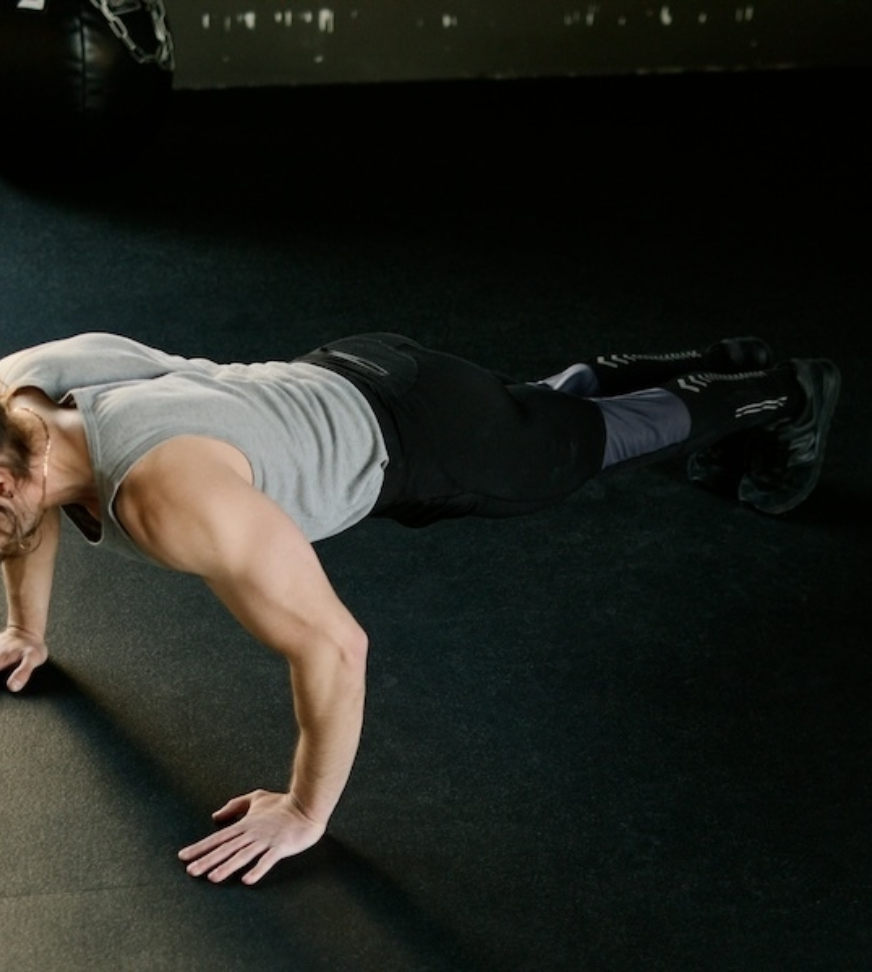
The best plank to push up reps look almost quiet. No hip swing. No head bobbing. No panicked pressing off one side. The body stays long and steady while the arms do the work.

Build the starting position first
Start in a forearm plank. Place your elbows under your shoulders. Set your forearms parallel if that helps you feel balanced, or bring the hands slightly inward if your shoulders are more comfortable there.
From head to heels, create one straight line. Squeeze your glutes. Brace your abs as if someone is about to tap your stomach. Press the floor away lightly through the forearms so you don’t sink between the shoulders.
The importance of your feet is often underestimated. A wider stance usually makes the movement more stable. A narrower stance increases the anti-rotation challenge. If you’re learning, widen the feet first and earn the right to bring them closer later.
Press up one hand at a time
From the forearm plank, place one palm on the floor where that elbow was. Then place the other palm down and press into a high plank. Don’t think about rushing. Think about minimizing side-to-side movement.
A few cues help here:
- Drive the floor away instead of heaving yourself up
- Keep the ribs tucked so the low back doesn’t arch
- Let the chest stay square to the ground
- Move with intent so each hand lands under the shoulder, not way out in front
If one side is much easier, that’s normal. Alternate the lead arm each rep or each set so you don’t build a pattern where one shoulder does all the clean work and the other side just survives.
Own the high plank
Once you’re at the top, pause just long enough to confirm position. Hands are under shoulders. Arms are straight. Neck stays neutral. Glutes are still on. Abs are still braced.
This midpoint tells you whether the rep was honest. If your hips are twisted or your shoulders are shrugged up near your ears, the transition wasn’t controlled enough.
Practical rule: If you can’t pause in the top plank without readjusting your body, slow the rep down until you can.
Return to the forearms without collapsing
The lowering phase matters just as much as the press. Bring one forearm down, then the other, and return to the starting plank. A common mistake made here is dropping fast and letting gravity take over.
Instead, think of the descent as a second strength rep. Keep pressure through the planted hand while the lowering forearm finds the floor softly. Then repeat on the other side.
In this exercise, anti-rotation is taught most effectively. You’re trying to lower without dumping weight into one hip or swinging the pelvis to create space.
What a good rep should feel like
A clean plank to push up should feel like a full-body tension drill, not just an arm exercise. You’ll notice the shoulders and triceps, but your abs, glutes, chest, and upper back should all stay active.
Use this quick checklist during your set:
- Straight line from head to heels
- Minimal hip movement while transitioning
- Hands under shoulders in the top position
- Controlled lowering back to forearms
- Alternating lead side across reps
Tempo that builds skill
For most trainees, slower is better at first. A deliberate pace gives you time to feel whether your trunk is staying locked in or leaking tension. Fast reps hide mistakes.
A useful coaching approach is to make each transition look the same. If the first rep is sharp and the fifth rep looks like a wrestling match, the set is too long or the variation is too hard.
Simple self-checks that work
You don’t need fancy equipment to clean this up. Try one of these:
- Mirror feedback if you train side-on and can check hip movement
- Phone video from the front to see whether the pelvis rotates
- Pause reps where you stop briefly in both the forearm plank and high plank
- Alternating starts so you notice side-to-side differences
If you focus on smooth transitions and stillness through the trunk, your reps will improve quickly. Most of the benefit comes from that control, not from chasing fatigue.
The Real Benefits of This Dynamic Core Exercise
The plank to push up works because it trains the body as a system. You’re not isolating the abs, then the shoulders, then the triceps. You’re forcing them to cooperate.
That’s a big reason this movement carries over so well to daily training. It asks the core to stabilize while the upper body produces force. That’s far more useful than bracing in a position that never changes.

It builds anti-rotation strength
“Core” is often thought to mean flexion, crunching, or long static holds. In practice, one of the core’s key jobs is to stop unwanted motion. The plank to push up does that every rep.
As you move from forearms to hands, your body wants to rock and twist. Your trunk has to resist that. That anti-rotation demand is what makes the exercise feel so different from a standard plank.
For athletes, that matters in running, carrying, changing direction, and pressing. For office workers, it matters in simpler ways too. Better trunk control often improves posture awareness, movement quality, and how stable you feel during other lifts.
It trains shoulders and pressing mechanics together
This is also a smart shoulder exercise when done with good technique. You’re loading the upper body in a closed-chain pattern, which usually gives people more feedback and more control than flinging dumbbells around with sloppy mechanics.
The transition teaches you to stabilize the shoulder blade while pressing through the floor. That’s useful if you want better push-ups, cleaner burpees, or more control in any horizontal pressing pattern.
It supports body composition and endurance goals
Plank-based training isn’t just about feeling your abs shake. In a 12-week review of plank exercise training, researchers reported decreases in body weight, fat mass, and BMI, along with increased muscle mass and improved abdominal endurance. The same review notes average plank time in adults at about 1.5 to 1.7 minutes, which helps frame where general baseline capacity tends to sit.
That doesn’t mean the plank to push up is magic. It means well-structured plank training can improve both performance and body composition when it’s part of a broader program.
If your goal is to get more out of bodyweight work, choose movements that create tension, coordination, and progression. The plank to push up checks all three boxes.
Who benefits most
This movement is especially useful for:
- Lifters who need better trunk stiffness during presses and carries
- Beginners working toward stronger floor push-ups
- Functional fitness athletes who need shoulder endurance under fatigue
- Home trainees who want one exercise that does more than a static hold
The biggest benefit isn’t that it “works a lot of muscles.” Plenty of exercises do that. Its primary benefit is that it teaches those muscles to stay organized while the body shifts under load.
Common Mistakes and how to fix them Instantly
Most bad plank to push up reps fail in the middle. The start looks fine. The finish looks passable. The transition is where everything leaks.
According to Nerd Fitness guidance on push-up progression, the most common pitfall appears in approximately 70% of novices, and that’s hip rotation. The same source notes that shoulder shrugging is another frequent error and that the movement involves lifting around 64% of bodyweight in the standard position. That load is high enough that poor mechanics show up quickly.
Mistake one: hips twisting side to side
This is the classic compensation. As one hand presses, the hips swing to make the rep easier. People often don’t notice it until they see themselves on video.
Why it happens:
The body is trying to avoid anti-rotation demand. If the trunk can’t hold steady, the pelvis rotates to create momentum.
How to fix it right away:
- Widen your feet to increase stability
- Slow the rep down so you can own each transition
- Brace before moving instead of bracing while already off-balance
- Reduce range or place hands higher if floor reps are too advanced
A simple cue works well here: keep your belt buckle facing the floor the whole time.
Mistake two: shoulders creeping toward the ears
This usually shows up when fatigue hits. The upper traps take over, the neck tightens, and the shoulders shrug as you press.
Why it matters:
That position narrows space around the shoulder and can irritate people who already have cranky pressing mechanics.
Quick correction:
Think “long neck” and “push the floor away.” You want active shoulders, not jammed shoulders. If you can’t keep that position, end the set earlier.
Good reps stop before posture falls apart. Grinding through ugly bodyweight work usually teaches uglier bodyweight work.
Mistake three: sagging or piking through the torso
Some people drop the hips and hang on the low back. Others lift the hips too high and turn the move into something closer to a modified transition.
Neither is ideal.
Try this reset:
- Set glutes first
- Pull ribs down
- Reach head long
- Then begin the arm transition
If you can’t hold that line, your current variation is too hard. Regress without ego and rebuild the pattern.
Mistake four: hands landing too far forward
When the hands shoot out in front, the shoulders take a rougher angle and the top plank becomes unstable. It also makes the press feel heavier than it needs to be.
The fix is technical, not dramatic. Put the hand down close to where the elbow was, then stack the shoulder over the wrist in the top plank. Optimal alignment usually improves the rep immediately.
Mistake five: treating it like a speed drill
Fast reps can look athletic, but speed before control is a bad trade. You won’t build the right pattern if every rep turns into a scramble off the floor.
Use a short quality checklist:
- Could you pause at the top?
- Did your hips stay mostly level?
- Did both shoulders stay active without shrugging?
- Would the rep look the same on video as it felt in your head?
If the answer is no, count fewer reps and make them better. That’s how this movement starts helping instead of just tiring you out.
Your Path from Beginner to Advanced
The best progression is the one that lets you keep the shape of the movement while increasing the challenge. If form collapses every set, you didn’t progress. You just picked a harder version too soon.

Beginner foundation
If you’re new to pushing work or your current floor reps are shaky, start by reducing load and simplifying control.
Good entry points include:
- Knee plank to push up if you need less total body load
- Hands-raised plank to push up using a bench, box, or sturdy step
- Forearm plank holds and high plank holds if the transition itself is too unstable right now
The key is choosing the variation where you can keep your trunk steady. Knee versions can help some beginners, but many people do better with hands placed higher because they still practice a more complete body line.
Master the standard floor version
Move to the full plank to push up on the floor once you can control both the press and the descent without twisting. Don’t rush this jump.
A solid standard rep has three qualities:
- No major hip shift
- Clean shoulder stacking in the top plank
- Even control on both lead arms
If one side is clearly weaker, spend a little extra attention there by starting some sets on that side. You don’t need to bury the weak side with volume. You need to teach it a better pattern.
Advanced options that actually make sense
Once the floor version is crisp, you can increase difficulty in different ways depending on your goal.
For more core demand
Use a narrower foot stance or add a longer pause in the top and bottom positions. This raises the anti-rotation challenge without changing the basic pattern.
For more strength
Add a weight vest or slow the lowering phase. Extra load works well only if your trunk stays organized. If the added challenge just creates twisting, it’s too early.
For more movement complexity
Try a version with a push-up added at the top, or use feet placed higher if your pressing strength is already solid. These are strong options for advanced trainees who want more chest and triceps demand.
For instability
Unstable surfaces can increase difficulty, but they’re often overused. They make sense only when you already own the floor version. If your goal is cleaner strength, a bench, floor, or vest is usually a better choice than making the environment wobble.
Progression should make the same movement harder, not turn it into a different exercise entirely.
A simple decision guide
| Variation | Best for | What it teaches |
|---|---|---|
| Knee version | New trainees | Basic sequencing and bracing |
| Hands elevated | Most beginners | Full-body line with reduced load |
| Standard floor | Intermediate trainees | True anti-rotation and pressing control |
| Paused floor version | Skill-focused lifters | Position ownership |
| Weighted or advanced variations | Strong, experienced trainees | Higher strength and stability demand |
If you’re unsure where to start, choose the version that lets every rep look nearly identical. Consistency is the fastest route to advancement.
How to Program the Plank to Push Up for Real Results
Random reps don’t work well for this exercise. You might feel tired, but fatigue alone doesn’t guarantee better control, stronger pressing, or cleaner movement.
That matters because most advice around the plank to push up stays shallow. As noted in Girls Gone Strong’s discussion of progression gaps, most guides give basic rep ranges but don’t offer structured periodization, even though periodized training produces superior strength gains. For busy professionals, that gap matters. Guesswork wastes sessions.
Program the movement based on the outcome you want
The plank to push up can serve different jobs in a program. The mistake is using the same sets, tempo, and fatigue target for all of them.
If your goal is core endurance, keep reps smooth and stop before form fades. If your goal is hypertrophy or strength, use slower tempos, stricter reps, and fewer total reps per set so quality stays high.
A good rule is simple. If the torso starts rotating, the set is over.
Plank to push up programming by goal
| Fitness Level | Goal: Core Endurance | Goal: Hypertrophy/Strength | Tempo Focus |
|---|---|---|---|
| Beginner | Short, controlled sets using an elevated or knee variation | Low-rep sets with long pauses in stable positions | Slow up, slower down |
| Intermediate | Moderate sets on the floor with alternating lead arms | Lower-rep floor sets with added pauses or a harder body position | Controlled transitions, brief top pause |
| Advanced | Longer quality sets or movement circuits | Harder variations such as weighted or top push-up additions | Deliberate eccentric and no momentum |
Where it fits in a workout
This exercise works best in one of three places:
- Early in the session as a skill-strength accessory, when control is freshest
- Between bigger lifts as a trunk stability pairing
- Near the end for controlled endurance work, but only if technique stays sharp
It doesn’t belong in a sloppy race against the clock if your form still breaks down. Build the pattern first. Then add density, challenge, or fatigue in a planned way.
For trainees who don’t want to build that structure manually, Fully customized workouts solve the biggest programming problem. They adjust progression instead of leaving you stuck with the same static template.
Use the plank to push up like a coach would. Match the variation to the athlete, the reps to the goal, and the tempo to the skill level. That’s how you get results from it.
If you want a smarter way to progress exercises like the plank to push up, GrabGains helps you train with adaptive programming instead of guesswork. It builds personalized workouts around your goals, adjusts over time, and gives you clear exercise guidance so your plan keeps moving forward as your performance improves.
Get inspired and motivated