Your ultimate pre workout meal guide
Unlock peak performance with the perfect pre workout meal. Discover what to eat and when to eat to fuel your body for strength, endurance, and results. A pre workout meal is the strategic fuel you eat before training to boost your energy, improve performance, and protect your hard-earned muscle. It’s not just about eating to avoid hunger—it's about giving your body the right resources to crush your workout.
Think of it this way: trying to hit a new personal record on an empty tank is like trying to drive a performance car with low-grade fuel. You just won't get the output you're looking for. A well-timed meal is the difference between a sluggish, disappointing session and one where you feel strong and capable from start to finish.
The science of fueling your fitness

This isn’t just about eating something before you train; it’s about eating the right things. The effectiveness of your pre-workout fuel comes down to the three main building blocks of nutrition, also known as macronutrients: carbohydrates, protein, and fats.
Each one plays a specific and critical role in preparing your body for what’s ahead. Getting the combination right turns your food into a true performance-enhancer.
Built for progress
Take the guesswork out of training
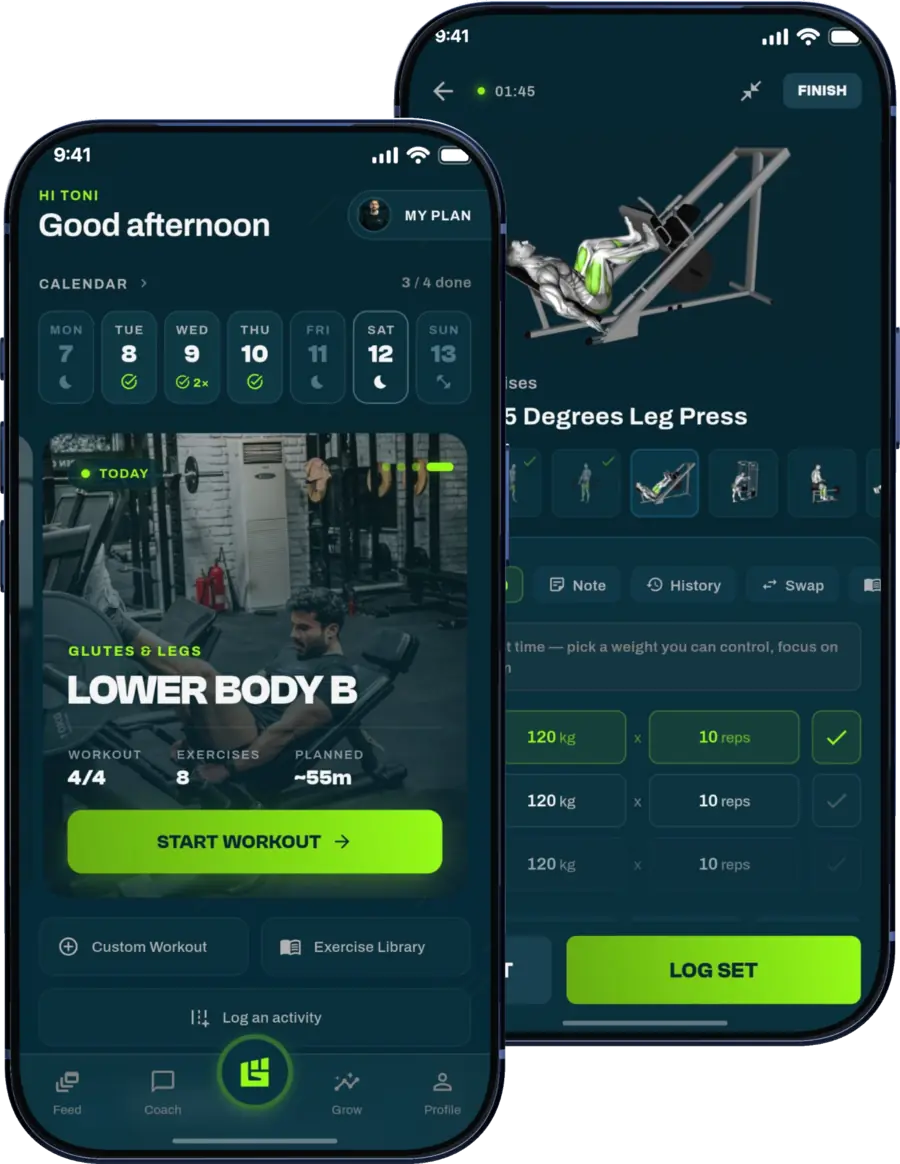
Get a personalized workout plan built around your goal, equipment and schedule. Train smarter, track every rep and keep moving forward, one workout at a time.






The core building blocks of performance
Carbohydrates are your body's high-octane fuel. When you eat them, your body breaks them down into glucose, which is then stored in your muscles and liver as glycogen. This glycogen is your most immediate and accessible energy source for everything from lifting heavy weights to sprinting on the treadmill. Run low on glycogen, and you'll hit "the wall"—that feeling of complete exhaustion where you simply can't push any further.
Protein acts as your muscle’s defense system. During intense exercise, your muscle fibers sustain tiny micro-tears. Consuming protein before your workout provides a steady stream of amino acids that helps minimize this muscle breakdown. It essentially gives your body the raw materials it needs to start the repair and growth process the moment your workout is over.
Finally, fats are your body's slow-burning energy source. While they aren't the primary fuel for short, intense bursts of activity, they are essential for providing sustained energy during longer, lower-intensity workouts like a long run or bike ride. Because fats digest slowly, the key is to get the timing and portion size right to avoid feeling weighed down or uncomfortable.
To help you remember what each macronutrient does, here’s a quick summary.
Quick guide to pre workout macronutrients
This table breaks down the primary job of each macronutrient in fueling your workout.
| Macronutrient | Primary Role in Pre Workout Nutrition | Best Time to Consume |
|---|---|---|
| Carbohydrates | Your main source of immediate energy, stored as glycogen in muscles. | 30 minutes to 2 hours before exercise. |
| Protein | Protects muscle from breakdown and kickstarts the recovery process. | 1 to 3 hours before exercise. |
| Fats | Provides sustained, slow-release energy for longer, lower-intensity work. | 2 to 4 hours before exercise. |
By getting a handle on these three components, you can move past simply eating a pre-workout "snack" and start building a meal that gives you a real strategic advantage.
A smart pre workout meal is your secret weapon. It ensures your energy tanks are full, your muscles are protected, and your body is primed to perform at its peak.
Ultimately, understanding what each macronutrient does helps you build a plate that perfectly matches your training goals—whether you're aiming for strength, endurance, or overall fitness.
You've probably heard tons of advice about what to eat before a workout, but the real game-changer is often when you eat it. Timing your pre-workout meal isn't about following some rigid, complicated formula. It's about working with your body's natural rhythm to make sure energy is available right when you need it.
The goal is simple: top off your fuel stores while giving your body enough time to digest, so you don't feel sluggish or uncomfortable mid-set.
Most of the science points to a sweet spot between 1 to 4 hours before you train. This window gives carbohydrates time to break down into accessible energy and allows protein to start feeding amino acids to your muscles.
Why carb timing and amount are everything
It’s not enough to just eat some carbs and hope for the best. The amount you eat—and when you eat it—is what really powers your performance.
Think of your muscle glycogen stores like your phone's battery. If you only plug it in for a few minutes (i.e., eat a tiny, low-carb snack), you’re not going to have enough juice to get through a tough session.
This isn't just theory; it's backed by solid research. A massive systematic review that crunched the numbers from 46 different studies found that carb-focused meals eaten 1 to 4 hours before exercise gave a significant performance boost, especially for workouts lasting over an hour.
But here’s the critical detail: the review showed that eating less than 1 gram of carbohydrate per kilogram of body weight did very little. To actually move the needle, you need a bigger dose to properly fill your tank.
The takeaway is clear: A small snack just won't cut it for serious training. Your body needs a substantial amount of carbohydrates to fuel sustained effort and intensity.
This means you have to be strategic. Got 3-4 hours before your workout? You can handle a larger, more complex meal. Only have an hour? You’ll need to stick with simpler, faster-digesting carbs to get that energy quickly without upsetting your stomach.
Protein: your muscle's protective shield
If carbs are the fuel, think of protein as a protective shield for your muscles. Any time you train hard, your muscle fibers get stressed and experience tiny micro-tears. Eating protein before your workout helps to counteract this.
It provides a steady stream of amino acids—the building blocks of muscle—into your bloodstream. This does two important things:
- Reduces Muscle Breakdown: It helps minimize the catabolic (breakdown) effects of training, so you can hold onto your hard-earned muscle.
- Kickstarts Recovery: It ensures the raw materials for muscle repair are already on-site the second your workout ends, giving you a head start on recovery and growth.
For those in a hurry, grabbing a protein bar before workout can be a really efficient way to get that quality protein in without a lot of fuss.
The small but important role of fat
When it comes to your pre-workout meal, fat plays a much more limited role. Fats digest very slowly, and eating a high-fat meal too close to training is a classic recipe for feeling sluggish, crampy, and heavy.
That doesn't mean you should avoid fat altogether. Healthy fats are a great source of long-lasting energy, making them perfect for lower-intensity, longer-duration activities like a long hike or a steady bike ride.
The key is timing. If you do include fats in your meal, make sure you're eating at the earlier end of that 2-4 hour window. This gives your body plenty of time to digest, so you get the sustained energy without feeling weighed down.
How americans actually eat before a workout
In a perfect world, every workout would be fueled by a perfectly balanced, scientifically-timed meal. But let's be honest—life gets in the way. The gap between what we should do and what’s actually convenient is where most of us live.
For a lot of people, pre-workout nutrition isn’t a structured plan. It’s a last-minute grab-and-go decision, driven by whatever is quick and available. While the intention to fuel up is there, reality often leads to choices that don't quite line up with our fitness goals.
The reality of pre-workout nutrition habits
So what are people actually eating before they hit the gym? The numbers tell an interesting story. According to recent data from YouGov, a surprising one-third of Americans (33%) who exercise regularly have no fixed pre- or post-workout meal plan at all. That’s a huge opportunity to improve performance just by adding a little structure. You can read more about these workout nutrition findings on YouGov.com.
For those who do eat something, convenience is king. The most common choices are:
- Fruit: The top pick, with 32% of people reaching for it before or after exercise.
- Supplements and vitamins: A close second, used by 28%.
- Protein shakes: Right behind, with 26% making them part of their routine.
This shows a clear trend: even without a formal plan, we instinctively reach for quick-energy sources. Fruit provides fast-digesting carbs and supplements offer a simple boost, but this approach often misses the balanced macronutrient profile needed to truly crush a workout.
Common food choices: the good and the bad
When you look closer, people’s pre-workout choices run the full spectrum—from smart and effective to things that actively sabotage their sessions.
On the good side, many choices are intuitively smart. Grabbing a banana or an apple gives you the quick-release carbs needed to power through a tough workout. A pre-mixed protein shake is an efficient way to get muscle-protecting amino acids into your system fast.
But convenience has a dark side. We’ve all seen it (or done it): grabbing a slice of leftover pizza, a handful of candy, or a greasy pastry on the way to the gym. Sure, they provide calories, but the high fat and refined sugar can lead to digestive issues, bloating, and nasty energy crashes—undermining the very workout you’re trying to fuel.
How fueling varies with activity
People also tend to change their pre-workout snack based on the type of training they’re doing. This shows a basic understanding that different workouts have different energy demands.
- For Endurance Athletes: Runners, cyclists, and other endurance-focused athletes often lean toward lighter, carb-heavy snacks. Think energy gels, a small bowl of oatmeal, or a piece of toast. The goal is to get readily available fuel without feeling weighed down.
- For Strength Trainees: Lifters and anyone focused on building muscle are more likely to eat a more substantial meal with both carbs and protein. This could be something like chicken and rice or Greek yogurt with berries, reflecting the dual need to fuel performance and kick-start muscle repair.
This candid look at common habits proves that most people get the basic idea—you need fuel to perform. The next step is bridging that gap between simply grabbing what’s easy and strategically choosing what’s effective.
Fine-tuning your fuel for your fitness goal
General advice is a good start, but a truly effective pre-workout meal is built for your specific mission. You wouldn't use the same training plan to run a marathon and compete in a powerlifting meet, right? The same logic applies to your nutrition. Fueling for muscle growth, endurance, or fat loss requires totally different strategies.
The flowchart below shows some common pre-workout habits. You'll notice many people reach for simple, quick-fix options.

While there's nothing wrong with grabbing a piece of fruit, moving from a random snack to a goal-specific meal is how you unlock another level of performance. Let's break down how to do it.
A well-planned pre-workout meal aligns your nutrition with your training. The table below offers a quick blueprint for three common fitness goals, showing you where to focus your macros and giving you a simple meal idea to get started.
Goal-specific pre workout meal blueprints
| Fitness Goal | Primary Macro Focus | Sample Meal (1-2 hours before) |
|---|---|---|
| Strength & Hypertrophy | Carbs & Protein. Fuel for intensity and muscle preservation. | A bowl of Greek yogurt with berries and a drizzle of honey. |
| Endurance & Performance | Carbohydrates. Maximize glycogen stores for lasting energy. | A medium bowl of oatmeal with a sliced banana. |
| Fat Loss & Power | Lean Protein & some Carbs. Energy to train hard without excess calories. | An apple with two tablespoons of peanut butter powder (mixed with water). |
These blueprints give you a solid foundation. Now, let’s dig into the why behind each approach so you can start making smarter choices for your own plate.
For strength and hypertrophy
When your mission is building muscle and getting stronger, your pre-workout meal has two critical jobs: powering intense effort and kickstarting recovery. This means a solid combination of carbohydrates and protein isn't just a good idea—it's essential.
Carbs are what get you through those heavy sets. If your glycogen stores are low, you'll feel your strength and rep counts drop off a cliff halfway through your workout. Protein is just as crucial, delivering the amino acids that help minimize muscle breakdown during the session and set the stage for repair and growth immediately after.
Your meal, eaten about 1-2 hours before you lift, should be centered on a balanced mix of complex carbs and high-quality protein. Some people are even exploring unique options like protein-infused brews to sneak in extra protein before a session.
For endurance and sustained performance
If you’re prepping for a HYROX race, a half-marathon, or a long ride, your main enemy is fatigue. Your pre-workout meal’s job is to load your muscles with as much long-lasting fuel as possible. Here, the spotlight shifts almost entirely to carbohydrates.
Think of your body as a car about to go on a long road trip. You need to start with a completely full tank of gas. For you, that gas is carbohydrates.
For high-intensity events, research shows that consuming 2.5-4 grams of carbohydrates per kilogram of body weight about 3-4 hours beforehand is ideal. For more general sustained efforts, aiming for at least 1 gram of carbs per kilogram of body weight an hour before you start will top off your glycogen stores effectively.
Your fueling strategy should prioritize easily digestible carbs while keeping protein moderate and fat low. This helps you avoid any digestive surprises mid-race.
For fat loss without losing power
When fat loss is the goal, you're playing a balancing act. You need a calorie deficit to lose weight, but skimping on fuel before a workout is a recipe for disaster. It leads to sluggish performance, kills your motivation, and can even cause muscle loss.
The perfect pre-workout meal here provides just enough energy to crush your session without adding a ton of calories back into your day.
Your aim is to preserve precious muscle mass while your body burns fat for fuel. A smaller, protein-forward meal is your best bet. The protein keeps you feeling full and protects your muscles, while a modest serving of carbs gives you the energy to train hard and keep your metabolism fired up.
Quick pre workout meals for a busy schedule

We get it. For most busy people, finding time to eat before a workout is a bigger challenge than the workout itself. But going in on an empty tank isn’t the answer.
You don't need a perfectly gourmet pre workout meal to get results. The secret is having a few fast, simple, and easy-to-digest options in your back pocket. With a bit of planning, you can fuel up effectively, even on the most packed days.
Fueling in a hurry: grab-and-go options
When you’re truly crunched for time, your best bet is a quick stop at the grocery store. The goal here is simple: fast-acting carbs for immediate energy, without anything heavy to weigh you down.
Here are a few solid choices you can grab on the way to the gym:
- A Banana: It’s the original power bar. A banana gives you easily digestible carbs plus potassium to help fend off muscle cramps.
- A Small Fruit Smoothie: Look for pre-made smoothies with simple ingredients like fruit and yogurt. Just be sure to check the label for tons of added sugar.
- Rice Cakes: A couple of plain rice cakes are a super light source of carbs that won’t sit heavy in your stomach.
- A Small Box of Raisins: Dried fruit is basically concentrated sugar, which makes it a fantastic source of fast fuel right before a session.
These are your go-to options when you have less than an hour before your workout and just need that quick hit of energy.
Five-minute pre workout meal ideas
Got five minutes to spare at home or the office? You can put together something a little more balanced. These "recipes" are no-cook and provide a better mix of nutrients than just fruit alone.
Quick doesn't have to mean incomplete. With just five minutes, you can get in both fast-acting carbs and a bit of protein to support your muscles.
Try one of these simple combos:
- Greek Yogurt with a Drizzle of Honey: A classic for a reason. You get quick carbs from the honey and quality protein from the yogurt. Perfect before a strength session.
- Apple Slices with Peanut Butter Powder: Mix some peanut butter powder with water for a low-fat, high-protein dip. The apple provides the carbs, and the protein helps protect your muscles.
- A Handful of Cereal: A small bowl of a low-sugar, whole-grain cereal with a bit of milk gives you carbs for fuel and a little protein.
These quick meals are ideal if you have 60 to 90 minutes before you train, giving your body enough time to start putting those nutrients to work.
Make-ahead strategies for zero stress
If you really want to eliminate last-minute decisions, the best strategy is to prep ahead. Spending a few minutes on a Sunday can set you up for a week of perfectly fueled workouts with zero morning chaos.
The king of make-ahead pre-workout meals is overnight oats. Just throw some rolled oats, milk or water, and a scoop of protein powder into a jar. Stick it in the fridge, and in the morning, you’ve got a balanced, carb-and-protein-packed meal that's literally ready to grab and go.
Personalizing your plate with technology
Moving from general advice to a meal plan that’s actually built for you can feel like a huge jump. The basics of a good pre workout meal are simple, but figuring out the exact number of carbs and protein you need in grams? That’s a whole different game.
This is where technology comes in. Instead of drowning in spreadsheets and guesswork, you can use smart tools to do the heavy lifting. These tools bridge the gap between knowing you need fuel and knowing precisely how much fuel your body needs to crush a workout.
From general advice to precise numbers
Modern fitness platforms have taken the complexity out of nutrition. With a good macro calculator, you just plug in your age, weight, height, activity level, and goals. The system does the rest, instantly generating your specific targets for daily carbs, protein, and fat.
This screenshot from the GrabGains Macro Calculator shows you what that looks like in practice.
Those aren't just random numbers. They're a personalized prescription for your body’s unique energy demands. This data-driven approach means your pre-workout meal stops being a guess and starts being a strategic tool for hitting your goals.
Creating a complete performance ecosystem
Knowing your macro targets is step one. The real magic happens when your nutrition is synced up with your training plan. This creates a full performance ecosystem where what you eat directly supports how you train, day in and day out.
Think of it as having a personal nutritionist and a coach working together in your pocket. The technology aligns your pre-workout meal with the specific energy demands of that day's training session.
When your nutrition and workouts are in sync, you create a powerful feedback loop. For example, a Personalized strength training app might schedule a high-volume leg day. The app knows this session demands a lot more fuel and will prompt you to load up on carbs in your pre-workout meal to meet that demand.
This seamless connection has a few huge advantages:
- Effortless Alignment: It automatically adjusts your nutrition targets based on your training, whether you have a heavy strength day or a light recovery session.
- Adaptive Recommendations: The system learns from you. If you’re consistently feeling drained during workouts, it can suggest tweaks to your pre-workout fueling strategy.
- Simplified Execution: All the mental load of planning is gone. You get clear, simple instructions on what your body needs, so you can just focus on your performance.
Using these tools turns the complex science of sports nutrition into a simple, actionable part of your daily routine. It’s the smartest way to make sure every meal—especially your pre-workout meal—is working just as hard as you are.
Pre workout meal questions answered
Even with the perfect plan, real-world questions always come up. Here are the straight answers to the most common issues people face when fueling their workouts.
Should I eat before an early morning workout?
This is the age-old question for anyone training at sunrise. The answer comes down to your workout's intensity and length.
If you’re just doing a light jog or some mobility work, you can probably train fasted without any problems. Your body has enough in the tank for that.
But for a tough strength session or a long run, skipping food is a big mistake. Your glycogen stores are low after fasting all night, and you’ll hit the wall fast. A small, easy-to-digest carb source like a banana or a couple of rice cakes 30 minutes before you start can make all the difference, without weighing you down.
Can a pre-workout supplement replace a meal?
No. A supplement and a meal do two completely different jobs. Pre-workout powders are designed for a short-term kick in energy and focus, usually from ingredients like caffeine and beta-alanine. They don't provide the calories and macronutrients your body needs for fuel and muscle repair.
Think of a supplement as the spark plug that starts the engine. A real meal is the gasoline in the tank. One gets you going, but the other one keeps you running.
Supplements have their place, but they are not a substitute for the fundamental energy you get from a balanced pre-workout meal.
What if I get an upset stomach when I eat before a workout?
Digestive issues are common, but they’re almost always fixable. If you feel bloated, crampy, or heavy, it’s usually because of what or when you ate. The biggest culprits are foods high in fat and fiber, because they digest very slowly.
Try making these small adjustments:
- Eat Earlier: Give yourself more time. Push your meal to the 2-3 hour mark before your workout.
- Simplify Your Carbs: Swap whole grains and beans for fast-digesting options like white rice, toast, or fruit.
- Cut Back on Fat and Fiber: Save the nuts, avocado, and fibrous veggies for another meal. They aren't your friends right before you train.
- Hydrate Smarter: Sip water throughout the day instead of chugging a huge amount right before your session.
By testing these changes, you’ll find a fueling strategy that delivers energy without the stomach trouble, letting you focus 100% on your training.
Ready to stop guessing and start personalizing your nutrition and training? The GrabGains app uses smart technology to create adaptive workout plans and calculate your precise macro needs, ensuring every meal fuels your progress. Download GrabGains on iOS or Android today to train smarter.
Get inspired and motivated