Strength Plateau Fix: how to break through & get stronger
Stuck in a rut? Learn a proven strength plateau fix. This guide helps you diagnose the cause and implement new programming, recovery, and nutrition strategies. You add five pounds to the bar, unrack it, and it feels wrong immediately. Last month that lift moved cleanly. This week it stalls halfway, or the last rep turns into a grind that blows up the rest of the session.
That moment rattles people because it feels personal. You trained consistently. You did not skip the hard work. Yet progress stopped anyway.


A strength plateau fix starts with a mindset shift. A stall is not proof that you are untalented, old, broken, or doing everything wrong. It usually means your body has adapted to the stress you have been giving it, and the next phase requires more precision than the last one. In resistance training, strength gains often come quickly in the first few weeks, then many lifters hit a plateau relatively soon after. Long-term data also shows something encouraging. Even when progress slows, consistent training keeps strength well above the natural decline seen without training (research on long-term resistance training adaptation).
Most lifters make the same mistake at this point. They panic and change everything, or they stubbornly change nothing. Both approaches waste time.
The better move is simple. Diagnose the reason for the stall, then match the fix to the problem. Sometimes the issue is programming. Sometimes recovery is the bottleneck. Sometimes the limit is technical, not muscular. When you separate those causes, a plateau gets much easier to solve.
Built for progress
Take the guesswork out of training
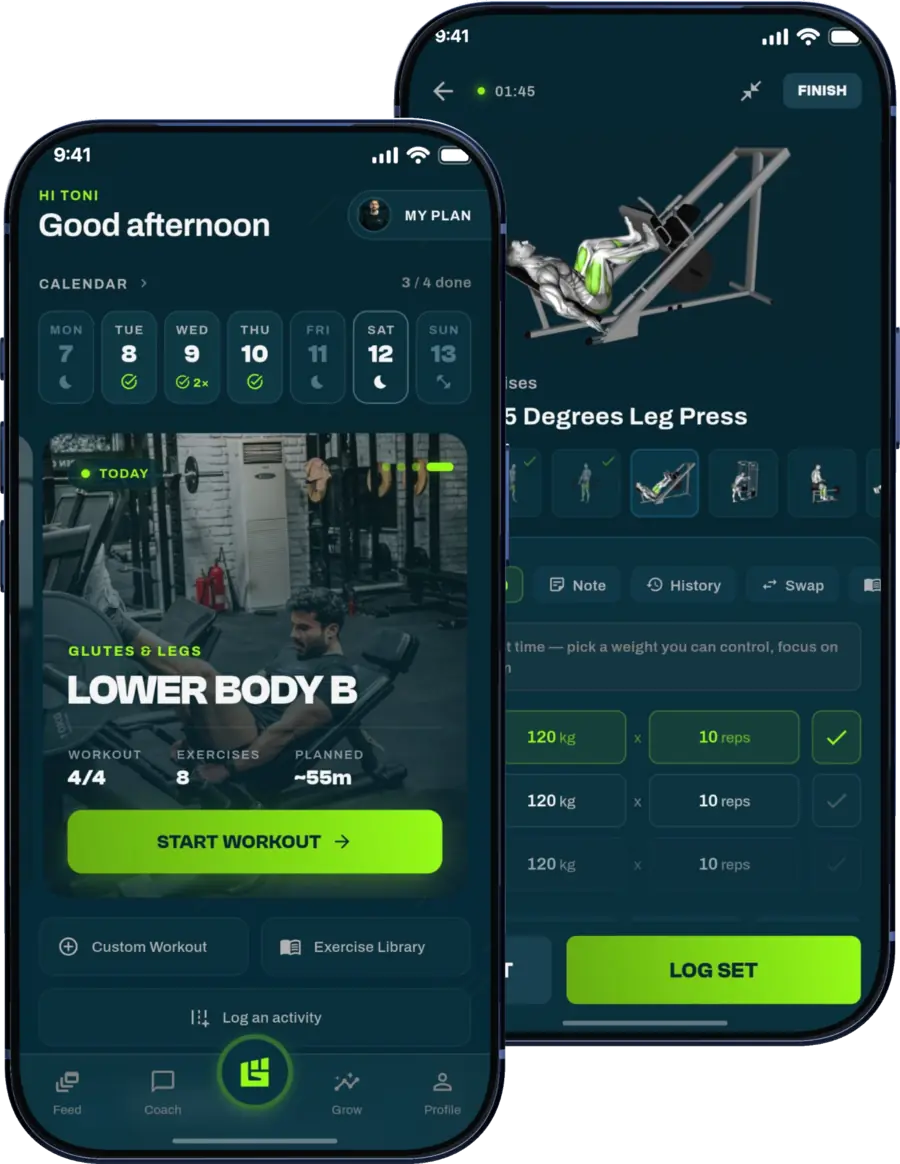
Get a personalized workout plan built around your goal, equipment and schedule. Train smarter, track every rep and keep moving forward, one workout at a time.






That frustrating moment when your progress grinds to a halt
A plateau usually does not arrive dramatically. It sneaks in.
First, your warm-ups feel heavier than they should. Then your top set stops moving as fast. Then two or three sessions pass and nothing improves. You keep showing up, but the bar speed, rep quality, and confidence all flatten out.
That is why plateaus are mentally harder than missed lifts. A missed lift is obvious. A plateau feels confusing because effort stays high while results stop.
Why this happens to almost everyone
Lifters often assume progress should look linear for far longer than it does. Early gains come fast because your body is learning the movement, coordinating force better, and adapting to training stress efficiently. After that, the easy runway ends.
A plateau is often the cost of adaptation. Your current plan worked. Then it worked less well. That is normal.
Key takeaway: A plateau is a training problem to solve, not a verdict on your potential.
What not to do when you first notice a stall
Most bad decisions come from frustration:
- Do not max out repeatedly: Testing strength every time you feel stuck usually adds fatigue, not clarity.
- Do not pile on random volume: More sets can help some lifters, but it can also bury recovery.
- Do not scrap your whole plan overnight: If one lift stalls, that does not mean every part of your program is broken.
The lifters who move through plateaus fastest usually stay calm. They look at trends, not one bad day. They ask better questions. Is this a real stall, or just a rough week? Is the problem the plan, the recovery behind the plan, or the way the lift is being executed?
That distinction matters because each one needs a different fix.
How to Diagnose Your Specific Strength Plateau
The lifter who gets unstuck fastest is usually the one who names the problem correctly.
A strength plateau is a diagnosis question. The bar stopped moving, but the reason usually falls into one of three buckets: programming, recovery, or technique. Each one leaves a different trail in your logbook and in the gym. If you lump them together, you end up solving the wrong problem.

Confirm that you are dealing with a real plateau
One rough session is noise. A real stall shows up as repeated exposures to the same lift with no clear progress, even though training has been consistent enough to judge.
Use a simple standard:
- The same lift has been flat for several weeks
- Loads, reps, or bar speed are not improving
- Perceived effort is rising for the same work
- Your records are detailed enough to trust
If you are not logging sets, reps, load, and effort, diagnosis gets sloppy fast. Apps help here. GrabGains makes this easier because you can review trends by lift, see when performance flattened, and compare what changed before the stall started.
Separate a single-lift problem from a whole-system problem
This is the first split I use with lifters.
If one lift is stuck but the rest of training is moving, the problem is often local. Technique, exercise selection, setup, or lift-specific programming usually deserve the first look.
If several lifts are flat or regressing at the same time, the issue is often systemic. Recovery debt, excessive fatigue, poor load management, or a program that asks for more than you can recover from are better suspects.
That distinction saves time.
What a programming plateau usually looks like
Programming stalls often come from mismatch. The plan is either not creating enough productive stress, or it is creating so much fatigue that adaptation never shows up in performance.
Look for patterns like these:
| What you see | What it usually means |
|---|---|
| Main lift is flat, accessories are easy, you finish sessions feeling fresh | Training stress may be too low or too predictable |
| Same exercise, same rep range, same weekly structure for a long stretch | The stimulus may have gone stale |
| Performance drops across multiple hard sessions, especially late in the week | Fatigue is outpacing recovery |
| You miss prescribed work often and every top set turns into a grind | Load selection or weekly volume is too aggressive |
Understanding Progressive Overload matters here. Overload is not just adding weight. It is applying enough stress to force adaptation without turning the week into a recovery problem.
What a recovery plateau usually looks like
Recovery stalls show up before the work sets. Warm-ups feel heavy. Joints stay irritated. Sleep quality slips. You need more psych-up for weights that should feel routine.
The key trade-off is simple. Hard training only works if you can absorb it. Plenty of lifters blame the program when the underlying issue is that their recovery habits no longer match their training demand. Others blame recovery when the problem is a reckless plan. You need evidence, not guesses.
Signs that recovery is driving the plateau:
- Several lifts feel off in the same week
- Soreness or fatigue hangs around longer than usual
- Your mood, focus, or readiness is worse than normal
- Performance improves after an easier session or extra rest day
What a technique plateau usually looks like
Technique stalls are more specific. The lift does not just feel hard. It breaks down in the same place every time.
A squat folds forward out of the hole. A bench loses position on the chest. A deadlift slows below the knee because the bar drifts and the lats switch off. Those are not generic strength problems. They are movement problems under load.
Sasquatch Strength makes a useful distinction between technical skill plateaus and neural efficiency plateaus in its discussion of why progress slows on familiar lifts (technical skill vs neural efficiency plateaus). In practice, that means one lifter needs cleaner reps and better positions, while another needs a variation that challenges the pattern from a new angle.
Use a coach's triage checklist
Run through these questions in order:
- Is the stall limited to one lift or showing up everywhere?
- Has training structure changed recently, or has it been identical for too long?
- Do you feel beat up before the session starts, or only when the lift gets heavy?
- Does the rep fail because you cannot produce force, or because position falls apart?
- What happened in the two to three weeks before the plateau? Look at volume, intensity, exercise changes, schedule disruption, and bodyweight trend.
That last point matters more than many lifters realize. Plateaus rarely come out of nowhere. There is usually a lead-up.
A practical way to label the stall
Use this quick filter:
- Programming plateau: one or two lifts stall, recovery feels decent, training has become stale or poorly dosed
- Recovery plateau: several lifts suffer, effort feels high across the board, fatigue signs spill outside the gym
- Technique plateau: one lift repeatedly breaks in the same position, especially near sticking points
Once you label the plateau, the next change becomes much clearer. You stop guessing, stop piling on random fixes, and start adjusting the right variable.
Smart Programming Adjustments to Force New Growth
A lifter misses the same weight three weeks in a row, then responds by adding effort instead of changing the plan. That usually makes the stall last longer.
Programming fixes work when they match the problem. If recovery is decent and technique is not the limiter, the next step is to change training stress in a controlled way. That means looking at dose, exercise selection, rep ranges, and weekly structure instead of hoping motivation will cover for a stale plan.

Adjust volume based on the pattern, not on emotion
Volume is one of the first dials to change, but only after reading the trend correctly. A plateau can come from too little work to drive adaptation or too much work to recover from. The log usually makes the difference obvious.
Reduce volume if the main lifts are flat, warm-ups feel heavier than they should, and fatigue spills across multiple sessions. Start by cutting low-value accessory work and keeping enough main lift exposure to hold skill. I would rather see a lifter do fewer useful sets well than drag through junk volume that trashes the next session.
Increase volume if training feels stable, bar speed is consistent, and the current workload has stopped producing progress. In that case, add a small amount first. One or two hard sets for the stalled pattern each week is often enough to test whether underdosing is the issue.
Deloads should remove fatigue, not just sound responsible
A real deload lowers stress enough for performance to rebound. Keep the lift, lower the total work, and leave the gym feeling like you could have done more.
Common mistake. Lifters cut load a little, keep the same number of hard sets, then wonder why nothing changes. Often, the problem is that they did not reduce stress enough for a full rebound.
A simple deload week can look like this:
- keep the same competition lift or main variation
- reduce total sets by about one-third to one-half
- stop each set well short of failure
- limit accessories to what supports recovery and movement quality
If a block has been productive but performance is slipping, a deload often restores it. If a block has been stale for weeks, a deload alone may not be enough. Then you need a new training stimulus.
Change the stimulus with a purpose
Exercise variation works best when it solves a specific problem. Random variety just hides the issue for a few weeks.
If the squat folds in the hole, use paused squats or tempo squats. If the bench stalls off the chest, use a longer pause or a close-grip variation if triceps strength is also lagging. If the deadlift breaks slowly from the floor, deficit pulls or more quad-driven pulling work can help, assuming position is sound.
Rep range changes matter too. A lifter who has lived in sets of five for months may respond well to a block of triples and fours. Another lifter who has only touched heavy singles may need more submaximal volume to build force production. The right change depends on what the current program is missing.
Frequency is a trade-off, not a badge of honor
More exposure can help a stalled lift, especially when the issue is skill retention or poor weekly quality on a single all-out day. But frequency only works if the added session is recoverable.
For example:
- Squat once per week and stalled: try one heavier day and one lighter technique or volume day
- Bench twice per week and stalled: keep one intensity day, add one hypertrophy-focused day or one paused bench day
- Deadlift feels beat-up every session: add a lighter variation day before adding more heavy pulling
More sessions give you more chances to practice and progress. They also give you more chances to accumulate fatigue badly. That trade-off has to be managed, not ignored.
A simple adjustment model for a single stalled lift
If one lift is stuck and the rest of training looks fine, use a short test block instead of rewriting the whole program.
- Keep the main lift in the plan.
- Change the rep range for 3 to 4 weeks.
- Add one variation that attacks the sticking point.
- Adjust weekly set count slightly up or down.
- Review performance, effort, and rep quality at the end of the block.
Here is a practical bench example:
- Main bench: 4 x 4 instead of 5 x 5
- Variation: paused bench 3 x 3
- Accessory support: rows and triceps work, kept moderate
- Time frame: run it for 3 to 4 weeks before judging it
That is the logic behind Progressive Overload. The demand has to progress, but progression is not limited to adding five more pounds. Better structure counts.
Use your log to decide what stays
Programming changes fail when lifters stack three or four fixes at once. Then they have no idea what worked.
Track the main variables that affect the decision. Log sets, reps, load, and effort. Note whether the miss came from strength or position. Watch whether the change improves performance, lowers fatigue, or does neither. GrabGains helps here by recording those trends and adjusting workouts from the data you enter, which makes it easier to tell whether a lift needs more work, less work, or a better variation.
Good programming is not flashy. It is specific, patient, and honest about trade-offs.
Optimizing Your Recovery Fuel and Sleep Schedule
You finish the warm-ups, load a weight that should move cleanly, and it already feels heavy in your hands. That pattern matters. If several sessions in a row feel flat before the main work starts, the problem is often recovery capacity, not exercise selection.
This is the part lifters skip because it is less satisfying than changing the program. But recovery plateaus leave clues, and they are usually consistent. Bar speed drops early. Effort feels high at loads that were manageable a few weeks ago. Small aches linger longer. Motivation swings around sleep, work stress, and missed meals more than around the training plan itself.
Start with sleep consistency, not sleep perfection
Strength responds well to routine. Bedtime and wake time matter because the nervous system performs better when sleep is predictable, especially on heavy training weeks.
Poor sleep shows up in training in practical ways. Setup feels sloppy. Bracing takes more effort. Missed reps happen from loss of position as much as loss of force. If your schedule is erratic, fix that before blaming the program. If you are in bed long enough but still wake up tired, this guide on how to fix poor sleep quality can help clean up the basics.
A good first target is simple. Keep the same sleep window most nights for two weeks and watch what happens to session quality.
Fuel the work you are asking your body to do
A recovery-driven plateau often comes from a mismatch between training demand and intake. Lifters call it a strength issue, but the weekly pattern usually says otherwise. Hard sessions late in the day with little food beforehand. Protein hit on some days, missed on others. Long gaps between meals. Fluids ignored until training starts.
Protein still needs to be high enough to support training, and consistency matters more than one perfect day. Carbohydrates matter too if performance is the goal. They help lifters hold output across work sets and recover better between sessions. If squat day always feels terrible after a rushed workday and a light lunch, that is a useful diagnosis. The issue may be fuel timing, not a broken program.
Use a short audit:
- Pre-training meal: Did you eat enough a few hours before lifting, or did you walk in half-fasted?
- Protein consistency: Are you hitting your target most days, or just after good sessions?
- Hydration: Are bodyweight swings and headaches showing up late in the week?
- Appetite: Has hard training started to suppress hunger, leading to accidental under-eating?
Stress lowers your recovery ceiling
Life stress changes what you can adapt to. A lifter in a calm week can tolerate volume that buries the same lifter during travel, deadline pressure, or broken sleep at home.
That does not mean training stops. It means expectations and recovery inputs need to match reality. Keep the main work productive, trim unnecessary fatigue, and stop forcing high-output sessions during low-readiness weeks. Many stalled lifters do not need more discipline. They need a more accurate read on what they can recover from right now.
Turn recovery into something you can measure
Generic advice fails because it does not identify the bottleneck. A useful recovery check looks at patterns across the week: sleep window, meal timing, bodyweight trend if size is a goal, stress level, and how prepared you feel before the first work set.
This is one place GrabGains helps. Log sleep quality, bodyweight, session readiness, and performance side by side. After two to three weeks, the trend is usually clear. If bad sessions cluster around short sleep and poor meal timing, that is a recovery plateau. If recovery markers look solid and only one lift is stalling, the issue is probably elsewhere.
Fix the limiting factor first. Then reassess the bar.
Advanced Techniques for the Stubbornly Stuck Lifter
Some lifters do the obvious things right and still stall. Programming is solid. Recovery is acceptable. Technique is not a mess. The bar still refuses to move.
That is when advanced methods can help. These are not beginner tools, and they are not magic. They are specific solutions for specific problems.
Progressive range of motion training
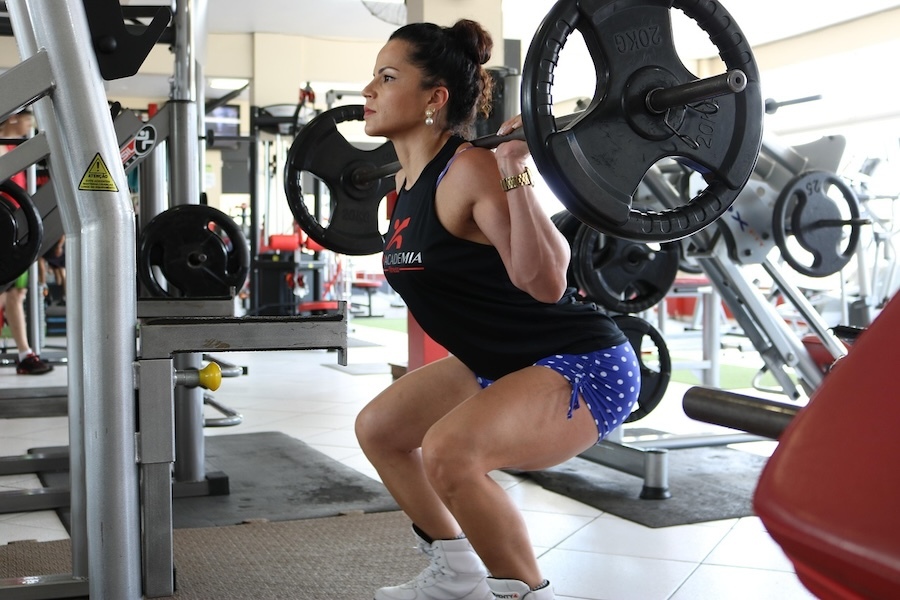
One of the more interesting options for an advanced strength plateau fix is Progressive Range of Motion (PRoM) Training. The method uses supermaximal loads, often 2-3% above your 1RM, and gradually increases the range of motion over time. In one practitioner case, a lifter worked up to a full-ROM double at 510lbs, which led to about a 5% increase in 1RM after the cycle (PRoM method example and case details).
The appeal is straightforward. You expose the lifter to heavier loads than full-ROM lifting currently allows, but you control the range so positions stay manageable.
How PRoM works in practice
The method is simple on paper and demanding in the gym:
- Pick the projected end-of-cycle load.
- Start with partial reps in a limited range.
- Increase range of motion gradually each week.
- Keep technique strict.
- Finish by hitting the same load through full range.
This can work well for squats, bench presses, and deadlifts when the issue is confidence under load, weak positions near a sticking point, or the need for a strong neural stimulus.
Trade-offs that matter
PRoM is useful, but it has clear risks.
If the range expands too fast, positions degrade. If it is used too often, fatigue builds quickly. It also assumes the lifter already has solid technical awareness. A beginner who cannot stay braced in a regular squat has no business loading supra-maximal partials.
Use advanced methods only when the basics are already handled. If recovery, programming, or technique are still sloppy, advanced methods usually magnify the problem.
Other advanced ideas
Experienced lifters also use tools like bands, chains, pauses, and contrast work to attack sticking points or improve force production. These methods can be effective, but they should answer a specific question.
Use them when you know why the lift is stalling. Do not use them because social media made them look hardcore.
The best advanced work still follows the same rule as basic programming. Every method has to earn its place by solving a real problem.
How to Track Progress and Prevent Future Plateaus
A plateau rarely starts on the day the bar stops moving. It usually starts two or three weeks earlier, when reps get slower, execution gets less consistent, and effort rises for numbers you used to own.
The lifters who catch that early stay out of long stalls. The ones who do not usually wait until frustration forces a change.
Track the right signals
Load matters, but load alone hides the reason progress stalled.
Track four things together:
- Performance trend: Are top sets and back-off work improving, holding steady, or slipping?
- Effort trend: Is the same weight costing more each week in RPE, bar speed, or grind?
- Recovery context: Did sleep, food quality, schedule stress, or missed sessions change at the same time?
- Technique pattern: Does the lift break in the same position every week, or was it just one bad day?
That combination gives you a diagnosis, not just a number.
If bench is flat but effort is climbing while sleep has been poor, that points toward recovery. If squat is flat while recovery is stable and reps keep folding in the hole, that points toward a technical limit. If deadlift is stuck even though recovery and execution look solid, programming usually deserves the first look.
Use your log to make smaller decisions sooner
Good tracking keeps you from making dramatic changes for a temporary dip. It also keeps you from ignoring a real stall for a month.
A practical rule is simple. If a lift has been flat for three weeks, review the log before changing the plan. Check whether fatigue rose, whether exercise selection drifted, and whether execution got worse under heavier loads. Then make one adjustment that matches the problem. Reduce fatigue with a deload. Add a small amount of productive volume. Swap in a variation that attacks the sticking point. Keep the rest of the plan stable long enough to judge the result.
That process is more useful than max testing every week to see if strength magically returned.
Build a system you can follow under real-life pressure
Training falls apart for busy lifters when logging gets inconsistent. Sessions blur together. Missed reps stop meaning anything because there is no context around them.
A Personalized strength training app helps by keeping sets, reps, exercise history, and trend lines in one place. That matters because plateau prevention is mostly pattern recognition. You need to see whether strain is rising faster than performance, whether a lift always stalls in the same phase of the cycle, and whether your fixes worked the last time.
The ultimate goal is not to avoid every plateau. That is not realistic.
The goal is to shorten them. Spot the pattern early, match the fix to the cause, and keep records good enough that the next stall becomes easier to solve instead of starting from zero.
Get inspired and motivated