Hip Flexor Stretch (Kneeling)
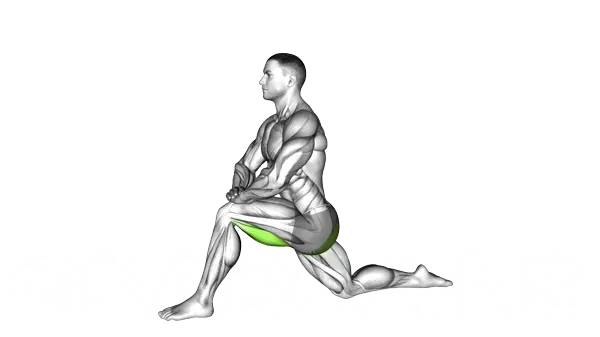
The Hip Flexor Stretch (Kneeling) is a controlled stretch that improves hip mobility and helps reduce tightness from prolonged sitting.
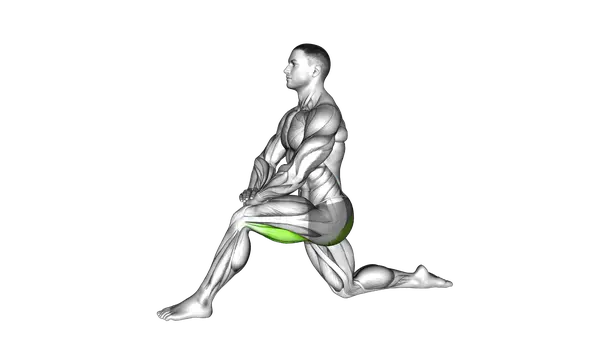
Hip Flexor Stretch (Kneeling)
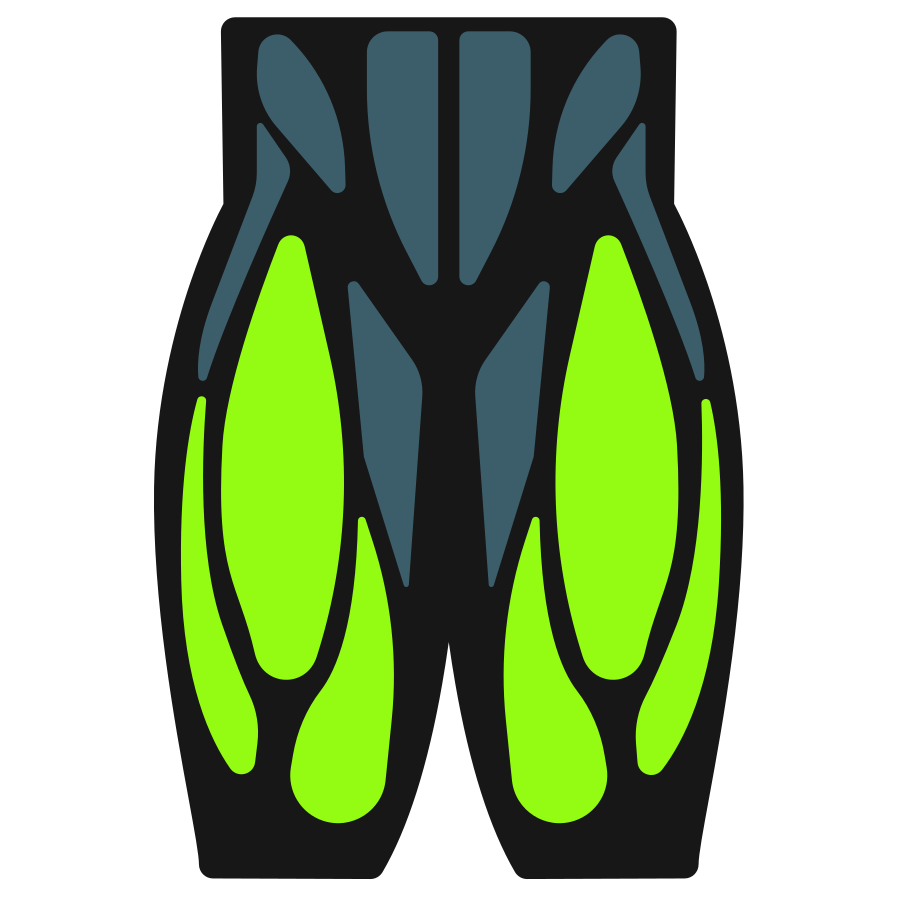
Muscles Worked: Hip Flexor Stretch (Kneeling)
The kneeling hip flexor stretch mainly targets the muscles at the front of your hip. These muscles get lengthened when you move the hip into extension, while your glutes help keep the back leg side steady and stop your lower back from taking over. Your abs also help by keeping your ribs down so the stretch stays in the hip instead of turning into a back arch. When your setup is right, this position is meant to improve hip extension mobility, which is the movement quality this stretch is commonly used to address (González-de-la-Flor et al., 2024).
Built for progress
Take the guesswork out of training
Get a personalized workout plan built around your goal, equipment and schedule. Train smarter, track every rep and keep moving forward, one workout at a time.






Technique and form
How to perform the Hip Flexor Stretch (Kneeling)
- Begin in a kneeling position with your right knee on the floor and left foot planted flat on the ground in front of you, creating a 90-degree angle with both knees.
- Position your hands on your left thigh or on your hips for stability, keeping your torso upright and core engaged.
- Shift your weight forward while maintaining a straight line from your right knee to your shoulder, ensuring your left knee stays directly above your ankle.
- Tuck your pelvis under by contracting your glutes and abdominals, which will enhance the stretch in your right hip flexor.
- Hold this position while breathing deeply, inhaling through your nose and exhaling through your mouth to help relax into the stretch.
- To intensify the stretch, raise your right arm overhead and create a slight side bend away from the stretching leg while maintaining pelvic alignment.
- After holding for the desired duration (typically 20-30 seconds), slowly return to the starting position by shifting your weight backward.
- Repeat the stretch on the opposite side by switching leg positions, placing your left knee on the floor and right foot forward.
Important information
- Keep your front knee tracking directly over your ankle, never pushing forward beyond your toes to avoid knee strain.
- Maintain a neutral spine throughout the movement, avoiding excessive arching in your lower back.
- If you feel discomfort in your back knee, place a folded mat or towel underneath for cushioning.
- For those with balance issues, perform this stretch near a wall or sturdy object for support.
Does the Hip Flexor Stretch (Kneeling) improve flexibility?
Yes. The kneeling hip flexor stretch can improve flexibility by helping you get more hip extension, which means your leg can move farther behind you without your lower back cheating the motion. A 2024 trial found that stretching strategies aimed at the hip flexors improved hip extension mobility in active adults, which supports using this drill when tight hips limit movement (González-de-la-Flor et al., 2024).
- Targets the front of the hip directly — The half-kneeling setup puts the back leg in the exact position used to train hip extension mobility. That makes it more specific than random lower-body stretches when your goal is opening up the front of the hip.
- Helps separate hip motion from back motion — A lot of people think they have mobile hips, but they are really just arching their lower back. This stretch teaches you to keep your torso stacked while the hip does the work, which makes the mobility more useful in squats, split squats, and running.
- Useful before lower-body training — If stiff hips make it hard to stand tall or squeeze your glutes, a short round of this stretch can help you get into better positions before exercises like the standing-hip-flexor-stretch or single-leg work. It fits well into a warm-up because it creates very little fatigue.
- Easy to progress without equipment — You can make the stretch stronger by gently tucking your hips and squeezing the glute on the kneeling side instead of forcing a huge lunge. That usually increases the hip extension demand without needing a bigger range of motion, and the study showed hip-focused stretching can improve extension mobility when done consistently (González-de-la-Flor et al., 2024).
Programming for flexibility
Do 2-4 sets of 20-45 seconds per side, resting about 15-30 seconds between sides. Use it 4-7 days per week if your hips feel stiff, or 2-3 days per week to maintain mobility. Before training, keep holds closer to 20-30 seconds so you loosen up without overdoing it. After training or on recovery days, 30-45 second holds usually work better for building flexibility over time.
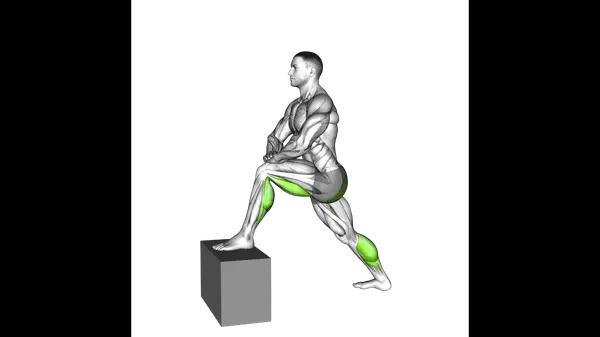
Alternative Exercises
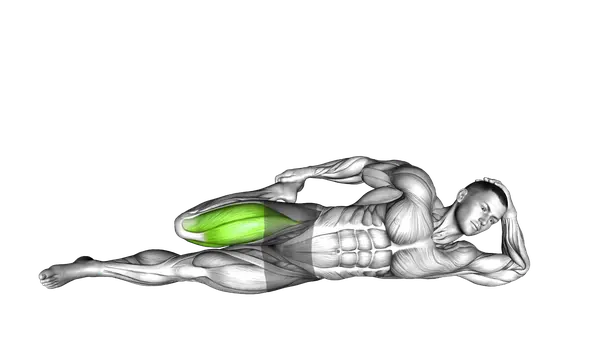
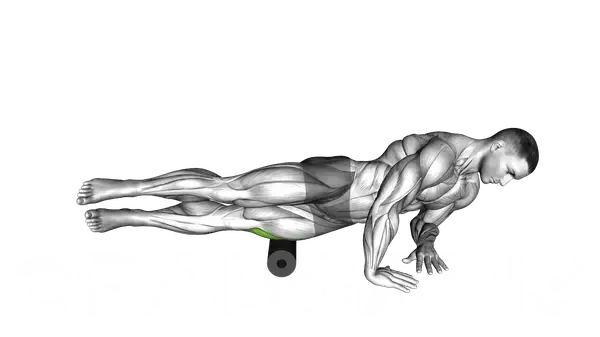
FAQ - Hip Flexor Stretch (Kneeling)
This stretch primarily targets the hip flexor muscle group, which includes the iliopsoas (psoas major and iliacus), rectus femoris, and sartorius. It also indirectly stretches the quadriceps and can help release tension in the lower back.
Hold the stretch for 20-30 seconds per side, repeating 2-3 times. For chronic tightness, you can extend holds up to 60 seconds, but avoid bouncing or forcing the stretch beyond your comfortable range of motion.
The most common errors include rushing through the movement instead of finding and addressing tight spots, compensating with lumbar extension rather than isolating the hip, and applying excessive pressure that causes pain. Focus on controlled, gentle movements and maintain proper core engagement throughout.
Include this stretch in your routine 3-5 times per week for optimal results. Those who sit for long periods may benefit from performing it daily, while athletes might incorporate it before and after workouts that heavily involve the hip flexors and quadriceps.
Yes, you can intensify this stretch by reaching the same-side arm overhead while in the stretch position, adding a gentle rotation away from the front leg, or elevating your back foot on a bench or stability ball. These variations increase the stretch intensity and target surrounding muscle groups.
Scientific References
González-de-la-Flor Á, Cotteret C, García-Pérez-de-Sevilla G et al. · BMC musculoskeletal disorders (2024)
Sources are peer-reviewed academic publications from PubMed.
Hip Flexor Stretch (Kneeling)
Thank you for your feedback!
Thank you for your feedback!