Functional strength and dynamic lower-body training
Leg exercises with kettlebell
Kettlebell leg exercises offer a highly functional approach to lower-body training by combining strength, coordination, and dynamic loading. Unlike machines or fixed-bar movements, kettlebells challenge stability and movement control while allowing natural joint paths. This makes kettlebell training especially effective for developing real-world strength, athletic performance, and full-body integration.
Kettlebell leg training emphasizes hip-driven movement patterns, unilateral control, and efficient force transfer, making it a valuable tool for both strength-focused and conditioning-oriented programs.
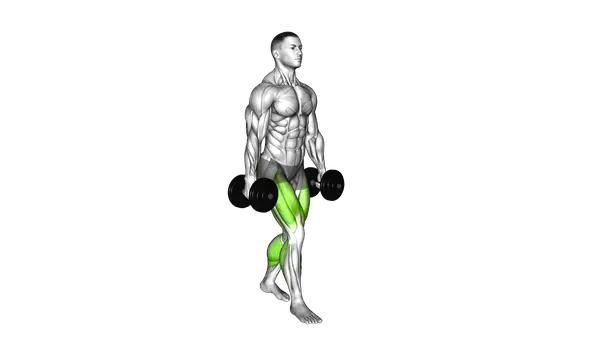
Farmers Walk
The Farmers Walk is a loaded carry exercise that builds grip strength, full-body stability, and posture under continuous tension.
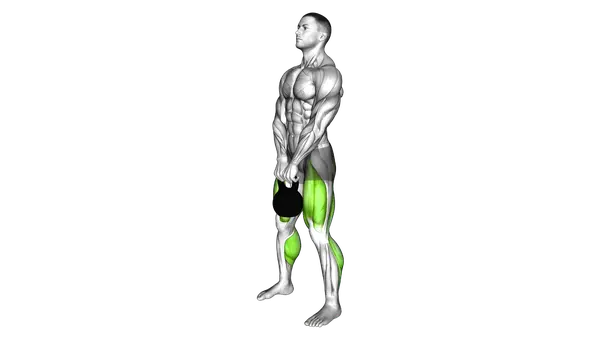
Kettlebell Deadlift
The Kettlebell Deadlift is a simple hip hinge exercise that builds full lower-body strength while reinforcing safe lifting mechanics.
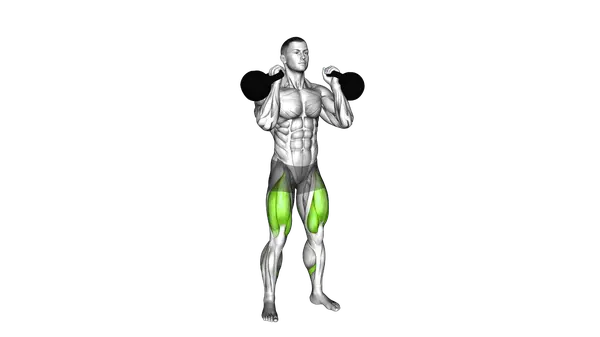
Kettlebell Front Squat
The Kettlebell Front Squat is a squat variation that builds leg and glute strength while challenging posture and control through a front-loaded position.
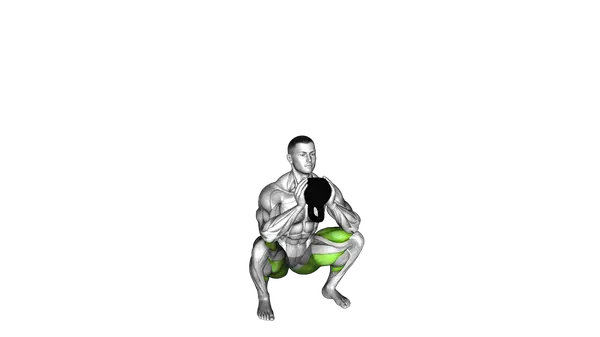
Kettlebell Goblet Squat
The Kettlebell Goblet Squat is a squat variation that builds leg and glute strength while encouraging an upright position and controlled depth.
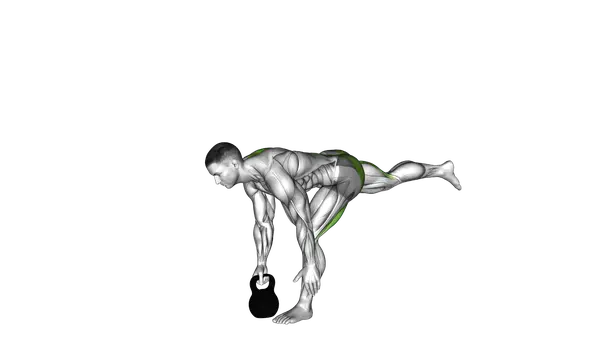
Kettlebell One Legged Deadlift
The Kettlebell One Legged Deadlift is a single-leg hinge exercise that builds strength, balance, and control through the hips and legs.
Built for Progress
Take the Guesswork Out of Training
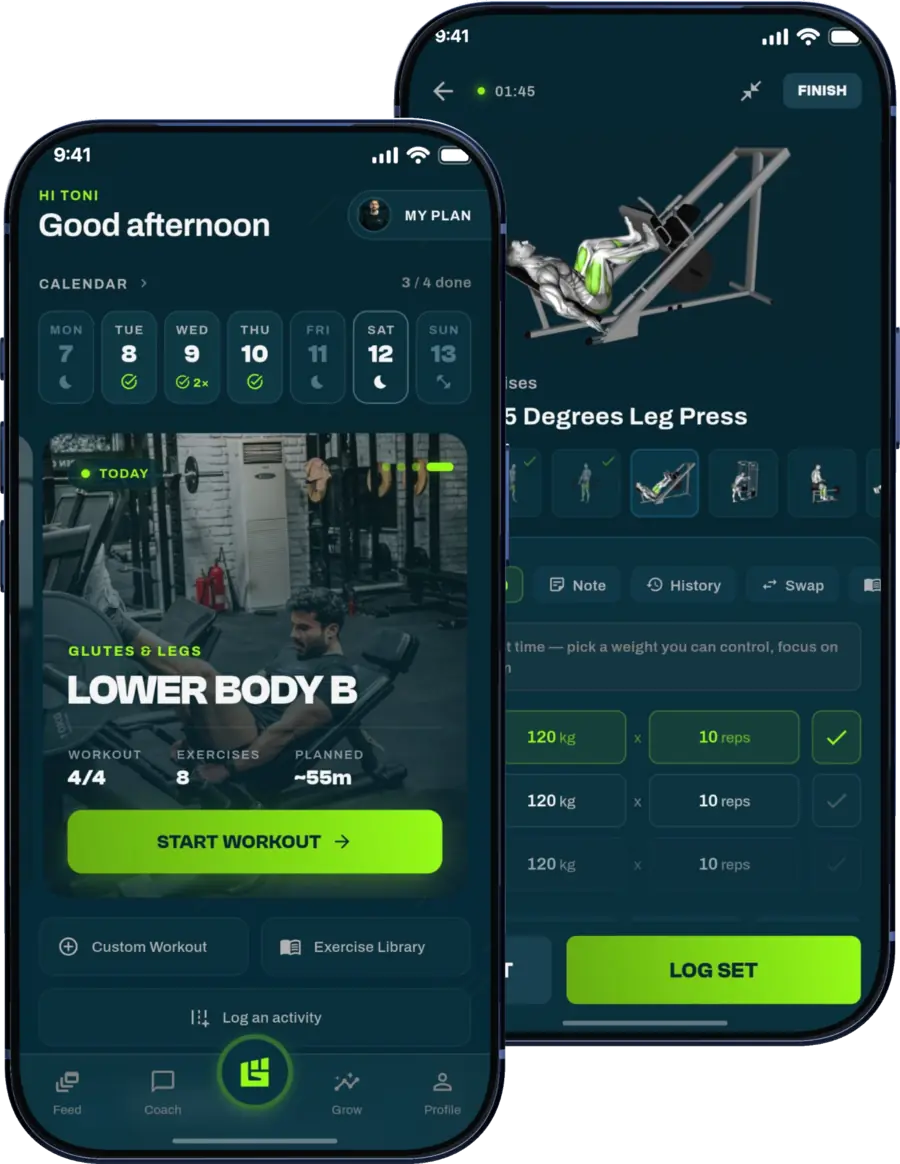
Get a personalized workout plan built around your goal, equipment and schedule. Train smarter, track every rep and keep moving forward.
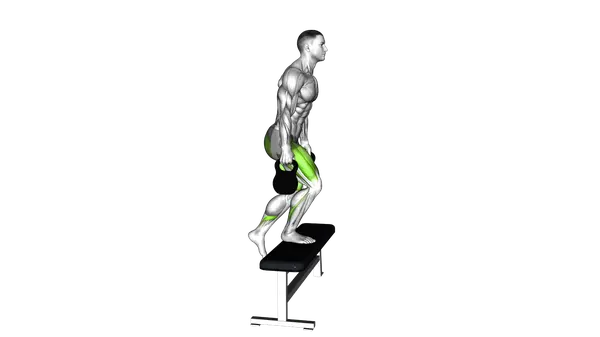
Kettlebell Step Up
The Kettlebell Step Up is a single-leg strength exercise that builds leg power and control by stepping onto an elevated surface with added load.
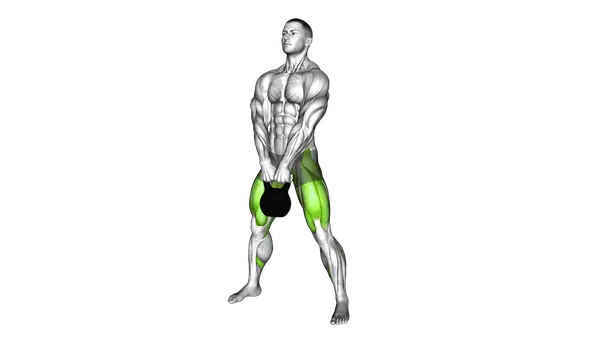
Kettlebell Sumo Deadlift
The Kettlebell Sumo Deadlift is a lower-body strength exercise that uses a wide stance to build power in the legs and hips.
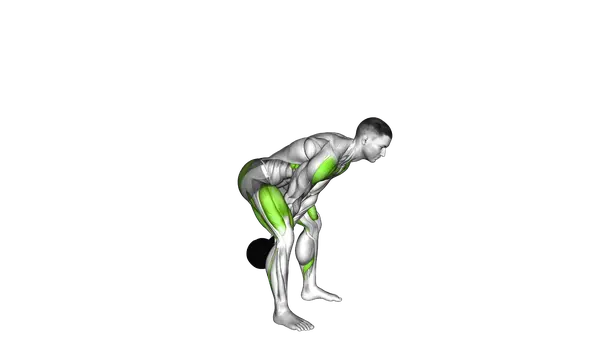
Kettlebell Swing
The Kettlebell Swing is a full-body strength exercise that builds power in the hips while improving work capacity and lower-body endurance.
Strength, balance, and movement efficiency
Why train legs with kettlebells
Kettlebells allow the legs to be trained through compound and dynamic movements that challenge multiple muscle groups simultaneously.
Key advantages:
- Functional lower-body strength with full-body involvement
- Improved balance and unilateral control
- Strong emphasis on posterior-chain development
- High carryover to athletic and everyday movement
- Efficient training with minimal equipment
Foundational movements for lower-body development
Core kettlebell leg exercises
The following exercises form the core of effective kettlebell-based leg training. Together, they cover bilateral strength, unilateral stability, and dynamic hip extension.
- Farmer’s walk: A loaded carry that builds leg strength, postural control, and grip endurance while reinforcing efficient gait under load.
- Kettlebell deadlift: A fundamental hip-hinge movement targeting the glutes and hamstrings while teaching proper posterior-chain mechanics.
- Kettlebell front squat: A squat variation that challenges the legs while demanding core stability and an upright torso position.
- Kettlebell goblet squat: An accessible squat pattern that builds quad and glute strength while reinforcing proper squat depth and alignment.
- Kettlebell one-legged deadlift: A unilateral hinge exercise that improves balance, hip stability, and hamstring strength.
- Kettlebell step up: A single-leg movement that develops lower-body strength and coordination through a natural stepping pattern.
- Kettlebell sumo deadlift: A wide-stance deadlift emphasizing the glutes and inner thighs while promoting strong hip engagement.
- Kettlebell swing: A dynamic hip-driven movement that builds explosive power, conditioning, and posterior-chain endurance.
Exercise overview
| Exercise | Primary focus | Training goal |
|---|---|---|
| Farmer’s walk | Legs, core, grip | Functional strength |
| Kettlebell deadlift | Glutes & hamstrings | Posterior-chain strength |
| Kettlebell front squat | Quads, core | Lower-body strength |
| Kettlebell goblet squat | Quads, glutes | Squat mechanics |
| One-legged deadlift | Hamstrings, balance | Unilateral control |
| Step up | Quads, glutes | Single-leg strength |
| Sumo deadlift | Glutes, adductors | Hip strength |
| Swing | Glutes, conditioning | Power & endurance |
Supporting strength and movement quality
Programming kettlebell leg exercises
Kettlebell leg exercises are best used as primary movements in functional strength training or as complementary work alongside barbells and machines. Their dynamic nature makes them well suited for full-body workouts, athletic preparation, and conditioning-focused blocks. Because kettlebell movements often generate lower joint stress while still producing high muscular engagement, they can be trained frequently while supporting movement quality and muscular balance. Create your personal training program in the app tailored to your goals, fitness level, and schedule.
Built for progress
Take the guesswork out of training
Get a personalized workout plan built around your goal, equipment and schedule. Train smarter, track every rep and keep moving forward, one workout at a time.




Frequently asked questions about kettlebell leg exercises
They are best used as a complement or alternative depending on goals, space, and equipment availability.
They can usually be trained two to four times per week depending on volume and intensity.
The offset load of kettlebells increases stability demands and encourages more natural movement patterns.
Yes. While loads are typically lighter than barbells, kettlebells excel at developing functional strength and muscular endurance.
They primarily train the glutes, hamstrings, and quadriceps, with strong involvement of the core and stabilizing muscles.