Back
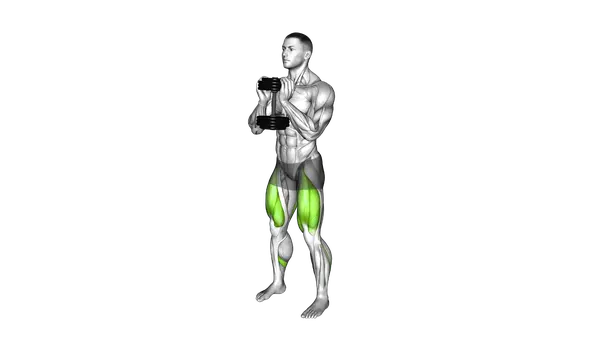
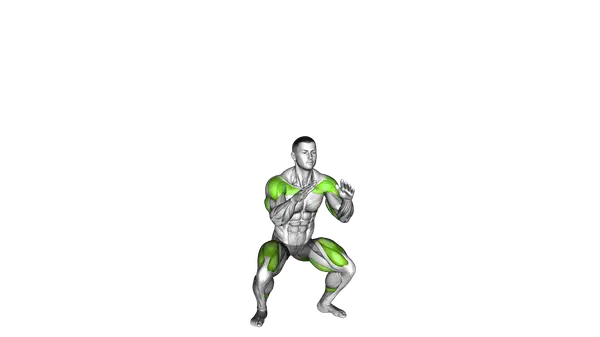
Kettlebell Front Squat
Add to Workout

Kettlebell Front Squat

Build

How to Perform

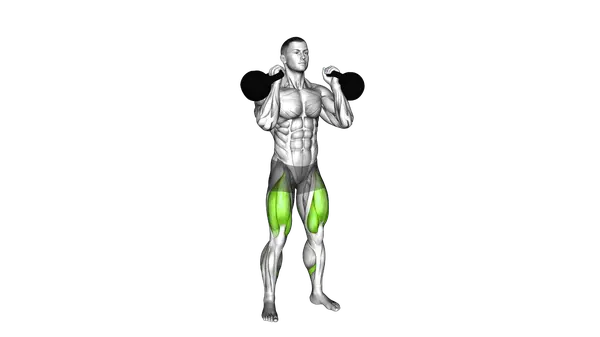
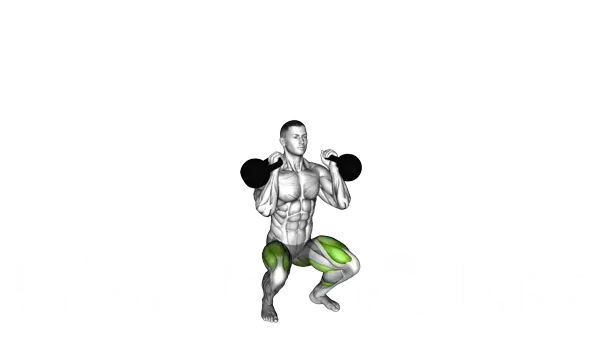
  1. Stand with your feet shoulder-width apart, toes pointed slightly outward, while holding a kettlebell by the horns close to your chest with elbows tucked in.
  2. Brace your core and maintain a neutral spine as you take a deep breath in preparation for the descent.
  3. Initiate the movement by pushing your hips back and bending your knees, keeping your weight in your heels and the midfoot.
  4. Descend until your thighs are at least parallel to the ground, maintaining an upright torso and keeping the kettlebell racked securely against your chest.
  5. Keep your knees tracking in line with your toes and ensure they don't collapse inward during the descent or ascent.
  6. At the bottom position, exhale and drive through your heels to stand up, pushing the floor away while keeping your chest up.
  7. Extend your hips and knees fully at the top position without hyperextending your back, maintaining tension throughout your core.
  8. Reset your breath and position at the top before beginning the next repetition, ensuring the kettlebell remains stable against your chest.

Important information

  • Keep your elbows pointed down and tucked in close to your body throughout the movement to maintain a secure rack position.
  • Make sure your heels stay planted on the ground during the entire movement – if they lift, you may need to improve ankle mobility or adjust your stance width.
  • Maintain a tall spine position and avoid rounding your back or shoulders forward, even when holding the kettlebell at the chest.
  • If wrist discomfort occurs, try adjusting your grip or using wrist wraps for additional support.

Exercise Details

Primary Muscles

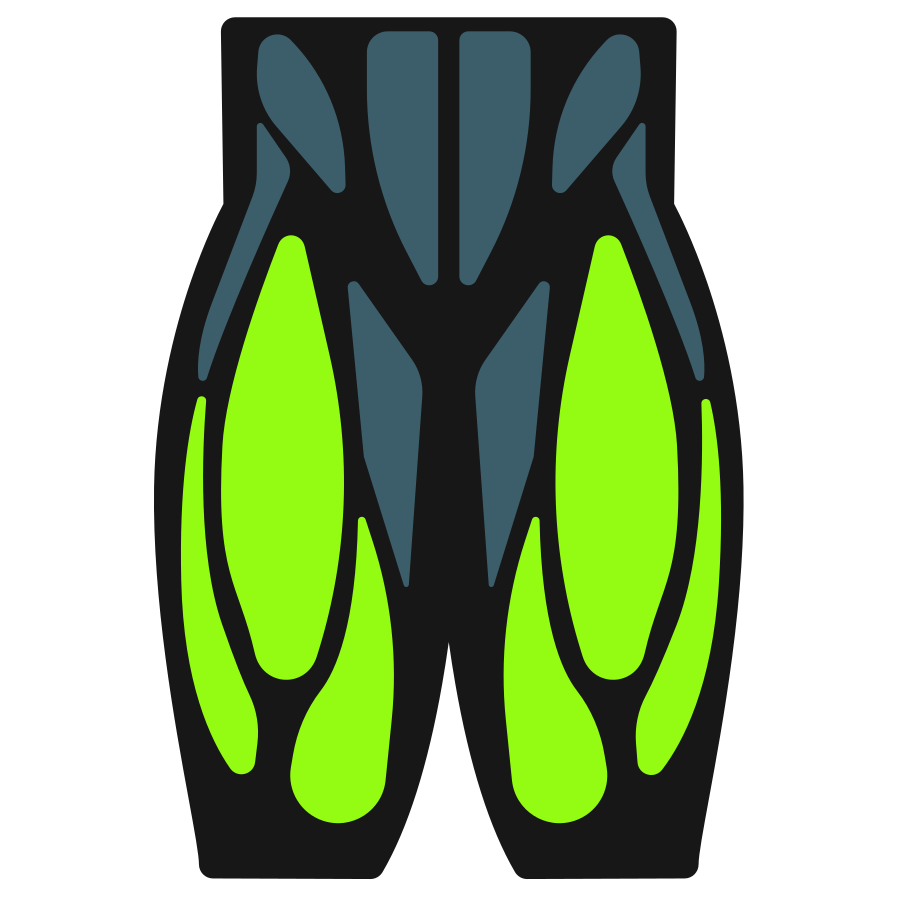
Quads Glutes

Muscle Groups

Leg exercises Glute exercises

Mechanic

Compound

Risk Areas

Glutes Quads

Built for progress

Take the guesswork out of training

Create personalized AI-powered workout plans that evolve with you. Train smarter, track every rep and keep moving forward, one workout at a time.

Be among the first to join!
GrabGains workout plans

The Kettlebell Front Squat stands as a cornerstone movement for anyone looking to develop serious lower body strength while engaging the core in a functional pattern. This intermediate exercise primarily targets the quadriceps and glutes, making it exceptionally valuable for both bodybuilding enthusiasts seeking aesthetic development and CrossFit athletes needing to build functional power.

What sets the Kettlebell Front Squat apart from other squat variations is the unique load positioning. With the weight held in the front rack position, your anterior chain faces a significant challenge, forcing your core to work overtime as a stabilizer. This anterior loading creates a natural counterbalance that encourages proper squat mechanics and upright posture.

The beauty of this movement lies in its transferability across fitness domains. For bodybuilders, it offers tremendous quadriceps development while simultaneously building the glutes in a way that creates balanced, proportional development. The constant tension throughout the movement means your muscles remain engaged throughout the entire range of motion, maximizing hypertrophy potential.

For those focused on strength gains, the Kettlebell Front Squat delivers impressive carry-over to other lifts. The movement patterns established here directly translate to improved performance in traditional barbell squats, deadlifts, and Olympic lifts. Additionally, the grip and upper back engagement required create a surprising amount of upper body strength endurance.

CrossFit athletes particularly benefit from the metabolic demands of this exercise. When programmed for moderate to high repetitions, the Kettlebell Front Squat elevates heart rate significantly while building the muscular endurance necessary for competitive success. The movement efficiency developed here pays dividends across numerous other CrossFit movements.

As you progress with this exercise, you'll notice improvements not just in leg strength, but in overall posture, core stability, and athletic performance. The Kettlebell Front Squat truly bridges the gap between aesthetic-focused training and functional strength development, making it an indispensable tool in any serious fitness regimen.

FAQ - Kettlebell Front Squat

What muscles does the Kettlebell Front Squat primarily target?

The Kettlebell Front Squat primarily targets the quadriceps and glutes, while significantly engaging your core as a stabilizer. Your shoulders and upper back also work isometrically to maintain the front rack position throughout the movement.

What's the proper form for a Kettlebell Front Squat?

Hold the kettlebell(s) in the front rack position with elbows pointing down, stand with feet shoulder-width apart, and descend by pushing your hips back while keeping your chest up. Maintain a neutral spine throughout, and drive through your heels to return to standing position while keeping the weight stable against your chest.

How can I modify the Kettlebell Front Squat based on my fitness level?

Beginners can start with a lighter kettlebell or perform box squats to develop proper form. For advanced progression, use heavier kettlebells, add a pause at the bottom position, try double kettlebell front squats, or incorporate tempo work with slower eccentric phases to increase time under tension.

What are the most common mistakes to avoid with this exercise?

The most common mistake is rushing through the movement without focusing on the quality of the rolling motion. Other errors include using excessive tension rather than controlled movement, and failing to achieve full range of motion through all three planes of shoulder movement (flexion, depression, and retraction).

How often should I include Kettlebell Front Squats in my workout routine?

For strength development, include Kettlebell Front Squats 2-3 times per week with at least 48 hours between sessions to allow for recovery. You can program them as a primary lower body movement on leg days or incorporate them into full-body workouts or high-intensity circuits depending on your goals.

Alternative Exercises

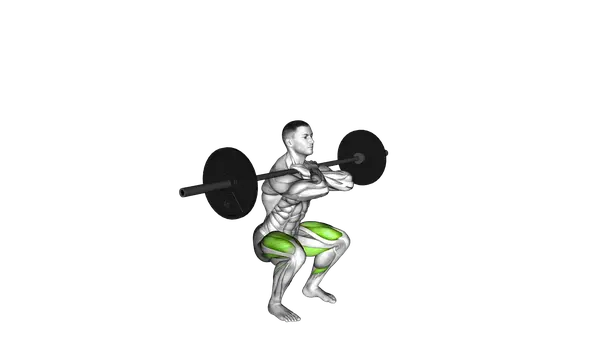
Barbell Front Squat

Barbell Front Squat

The barbell front squat stands as a cornerstone compound movement in strength training that delivers exceptional results for intermediate lifters seeking to develop their lower body and core strength. Unlike its more common counterpart, the back squat, the front squat positions the barbell across the front of the shoulders, creating a more upright torso position that dramatically increases the activation of the quadriceps while still engaging the glutes significantly. This exercise has earned its respected place in both powerlifting and bodybuilding circles for good reason. Powerlifters appreciate the front squat's ability to strengthen the quad dominance needed for competition squats and its carryover to improved positioning in deadlifts. Bodybuilders value its targeted quad development and the aesthetic benefits it brings to the anterior chain. The front rack position engages the core musculature more intensely than many other squat variations, as your abdominals must work overtime to maintain an upright torso position throughout the movement. This core stabilization aspect makes the front squat particularly valuable for athletes looking to develop functional strength that transfers to sport-specific movements. What sets the front squat apart is its joint-friendly nature compared to other squat variations. The more vertical torso position reduces shear forces on the lumbar spine, making it an excellent option for those with back concerns who still want to train heavy. The movement also demands and builds impressive mobility in the wrists, elbows, shoulders, and ankles – creating better overall movement patterns. For intermediate lifters looking to break through plateaus, the front squat serves as both a humbling reality check and an effective strength builder. The exercise forces proper form – you simply cannot cheat a front squat without dropping the bar. This built-in feedback mechanism makes it an honest assessment of your true strength capabilities while simultaneously building the foundation for even greater gains in your overall training program.

Strength
Powerlifting
Bodybuilding
Barbell
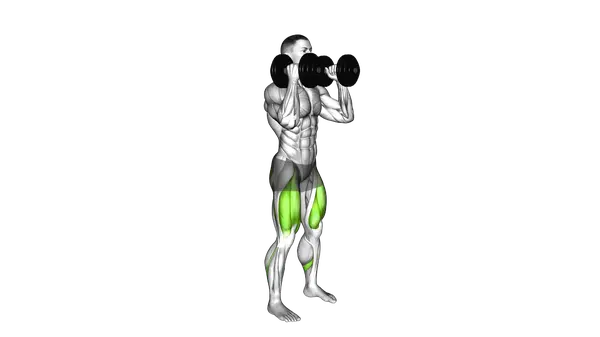
Dumbbell Front Squat

Dumbbell Front Squat

The dumbbell front squat stands as a versatile and effective compound movement that has earned its place in both bodybuilding and CrossFit training regimens. This intermediate-level exercise primarily targets the quadriceps and glutes while engaging various supporting muscle groups throughout the lower body and core. Unlike its barbell counterpart, the dumbbell variation offers unique advantages for strength development, particularly in addressing muscle imbalances since each side of the body must work independently with its own weight. This bilateral accountability can reveal and help correct strength discrepancies between your left and right sides—something that's especially valuable for athletes seeking balanced muscular development. The beauty of this movement lies in its carryover to both aesthetic and functional fitness goals. Bodybuilders appreciate how the front-loaded position creates tremendous tension through the quadriceps, stimulating muscle growth in ways that complement traditional back squats. Meanwhile, CrossFit enthusiasts value the exercise for its transferability to various athletic movements and its effectiveness in building practical lower body strength. From a physiological perspective, the front-loaded position demands greater core engagement and upper back stability than many other squat variations, making it particularly effective for developing total-body strength coordination. The anterior weight placement also tends to promote more upright posture during the movement, potentially reducing shear forces on the spine compared to back-loaded squat variations. Incorporating dumbbell front squats into your training routine can yield impressive strength gains when programmed appropriately. For strength-focused objectives, working in the 3-6 rep range with challenging weights produces optimal results, while higher rep schemes can effectively build muscular endurance and hypertrophy. The exercise responds well to progressive overload principles, making it an excellent choice for long-term strength development strategies. Whether you're looking to add mass to your quads and glutes or develop functional strength that transfers to athletic performance, the dumbbell front squat delivers impressive results while accommodating various fitness levels and equipment availability.

Strength
Bodybuilding
Crossfit
Dumbbell
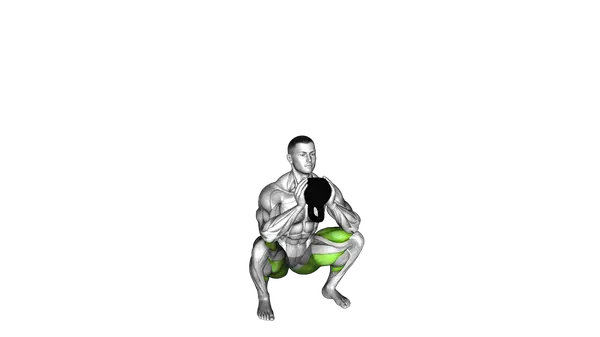
Dumbbell Goblet Squat

Dumbbell Goblet Squat

The dumbbell goblet squat stands as a cornerstone movement for anyone stepping into the world of fitness, offering beginners an accessible yet effective entry point to proper squatting mechanics. This foundational exercise primarily targets the quadriceps and glutes, creating a powerful lower body development opportunity without overwhelming those new to resistance training. When incorporated into bodybuilding routines, the goblet squat allows for precise muscle engagement and development, particularly in the anterior chain. The beauty of this movement lies in its versatility, as it transitions seamlessly into high-intensity interval training (HIIT) circuits where it elevates heart rate while maintaining proper form parameters that protect the knees and lower back. Strength benefits emerge quickly with consistent practice, as the goblet position—holding the weight close to the chest—naturally encourages proper spinal alignment and depth through the squat pattern. This makes it not merely a muscle-building exercise but a movement skill that transfers to daily activities, enhancing functional fitness alongside aesthetic improvements. The exercise's popularity in both strength and conditioning programs speaks to its efficiency—delivering significant training stimulus to multiple muscle groups simultaneously while remaining accessible to those with varying mobility challenges. For beginners especially, mastering the goblet squat often serves as a gateway to more complex barbell variations later in their fitness journey. What distinguishes the goblet squat in the fitness landscape is its remarkable balance of simplicity and effectiveness. By focusing on these fundamental movement patterns early in one's training career, proper motor patterns become ingrained, reducing injury risk while establishing the neuromuscular foundation needed for progressive overload in subsequent training phases. This investment in proper movement quality pays dividends throughout one's fitness journey, making the humble goblet squat far more valuable than its beginner-friendly reputation might suggest.

Strength
Bodybuilding
HIIT
Dumbbell
Bodyweight Full Squat With Overhead Press

Bodyweight Full Squat With Overhead Press

The Bodyweight Full Squat With Overhead Press combines lower body power with upper body pushing strength in one fluid movement, creating an efficient full-body exercise that elevates your heart rate while building functional strength. This intermediate-level compound movement simultaneously targets your quadriceps, glutes, and front deltoids, making it perfect for those looking to maximize their workout efficiency. This versatile exercise fits seamlessly into various training methodologies including HIIT circuits, bodybuilding routines, and CrossFit workouts. The dynamic nature of combining a squat with an overhead press creates a cardiovascular demand that burns calories while developing both strength and muscular endurance throughout your entire body. What makes this movement particularly valuable is how it mimics everyday functional patterns: the kind of integrated movement you might use when lifting objects from the ground and placing them on a high shelf. By training these movement patterns together, you're enhancing your body's natural coordination systems while developing practical strength that translates to daily activities. The full squat component engages your entire lower body kinetic chain, activating the quadriceps as primary movers while recruiting the glutes, hamstrings, and core stabilizers. Meanwhile, the overhead press portion develops shoulder strength and stability, particularly in the anterior deltoids, while engaging your triceps and upper back muscles as synergists. For those focused on metabolic conditioning, this exercise delivers impressive results by recruiting large muscle groups simultaneously, significantly elevating oxygen consumption and caloric expenditure. The compound nature makes it particularly effective for those with limited workout time who need maximum benefits from minimal exercises. Regular incorporation of the Bodyweight Full Squat With Overhead Press can lead to improved posture, enhanced core strength, better overhead mobility, and increased lower body power—all critical components for athletic performance and daily function. Whether you're focused on building strength, enhancing endurance, or improving overall fitness, this exercise delivers comprehensive benefits in a single, efficient movement.

Strength
Endurance
HIIT
Bodybuilding
+1
Bodyweight exercises