Back
Runners Stretch
Add to Workout

Runners Stretch

Build

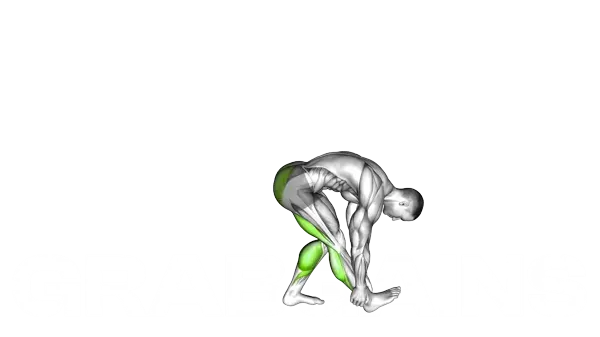
How to Perform

  1. Start in a standing position with your feet hip-width apart and arms at your sides.
  2. Take a large step forward with your right foot while keeping your left leg straight behind you.
  3. Lower your hips down toward the floor until your right knee forms a 90-degree angle, ensuring your knee doesn't extend past your toes.
  4. Place both hands on the floor on either side of your right foot for support and balance.
  5. Keep your back straight and core engaged as you press your hips forward and down to deepen the stretch in your left hip flexor.
  6. Hold this position for 20-30 seconds while breathing deeply, inhaling through your nose and exhaling through your mouth.
  7. To increase the stretch, raise your left arm overhead and slightly lean to the right, feeling the stretch extend along your left side.
  8. Return to standing position by pushing through your right heel, then repeat the stretch with your left leg forward.

Important information

  • Keep your front knee directly above or behind your ankle to avoid excess stress on the knee joint.
  • Maintain a neutral spine throughout the stretch, avoiding arching or rounding your back.
  • If you feel any pinching sensation in your hip or knee, adjust your stance by widening your base or reducing the depth of the lunge.
  • For a deeper stretch in the calf of your back leg, gently press your heel toward the floor while keeping that leg straight.

Exercise Details

Primary Muscles

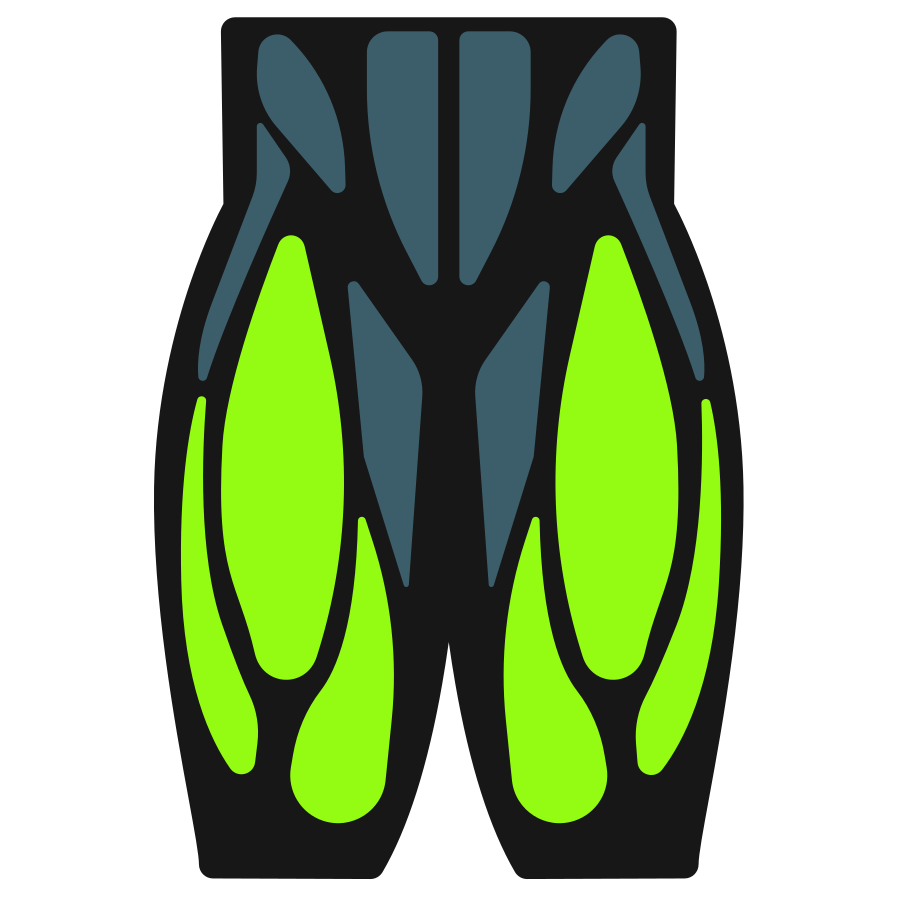
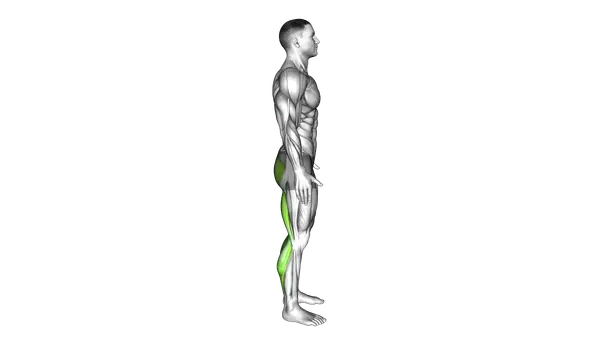
Hamstrings Glutes

Muscle Groups

Leg exercises Glute exercises

Mechanic

Isolation

Built for progress

Take the guesswork out of training

Create personalized AI-powered workout plans that evolve with you. Train smarter, track every rep and keep moving forward, one workout at a time.

Be among the first to join!
GrabGains workout plans

The Runner's Stretch is a fundamental mobility exercise that serves as an excellent addition to any fitness routine, particularly for those who engage in running or other lower-body intensive activities. This gentle yet effective stretch primarily targets the hamstrings and glutes, making it perfect for beginners looking to enhance their flexibility and recovery practices.

As a staple in both warm-up and cool-down routines, the Runner's Stretch helps prepare the muscles for activity while also aiding in post-workout recovery. The beauty of this stretch lies in its ability to release tension in the posterior chain—an area that commonly tightens during running and everyday activities like sitting. Regular practice can contribute to improved stride length and reduced risk of common running injuries such as hamstring strains.

The stretch creates a gentle lengthening sensation along the back of the leg while simultaneously opening the hip flexors on the opposite side. This dual-action makes it particularly valuable for runners who typically develop tightness in both areas. The position mirrors the natural running stance, which helps reinforce proper movement patterns while increasing range of motion in the joints most utilized during running.

What makes the Runner's Stretch stand out in the world of mobility work is its accessibility and functional carryover to daily activities. The stretch mimics movements we naturally perform throughout the day, enhancing not just athletic performance but overall movement quality. For those new to stretching routines, this exercise provides a gentle introduction to lower body mobility without overwhelming complexity.

Incorporating the Runner's Stretch into your regular fitness regimen can contribute to long-term joint health and muscle pliability. Whether used as part of a comprehensive stretching routine or as a quick mobility fix during the day, this stretch delivers significant benefits for minimal time investment. The combination of hamstring lengthening and hip opening makes it a time-efficient addition to any recovery or preparation protocol.

FAQ - Runners Stretch

What muscles does the Runner's Stretch target?

The Runner's Stretch primarily targets the hamstrings and glutes of the extended leg, while simultaneously opening the hip flexors of the opposite leg. This dual-action makes it especially effective for runners who typically develop tightness in both these areas.

How long should I hold the Runner's Stretch?

Hold the stretch for 20-30 seconds per side for optimal benefits, breathing deeply throughout. For enhanced flexibility gains, you can perform 2-3 sets per side, especially after running or lower-body workouts.

Can I do the Runner's Stretch if I have knee pain?

Yes, but with modifications—place a cushion under your knee for support and avoid deep lunging positions that cause discomfort. If you experience sharp pain rather than the normal stretching sensation, consult with a physical therapist before continuing.

What are common mistakes to avoid with the Runner's Stretch?

Avoid rounding your back, which reduces the effectiveness of the hamstring stretch and places stress on your spine. Also, don't bounce in the position or push beyond mild discomfort, as this can trigger your body's protective stretch reflex and potentially lead to injury.

How often should I include the Runner's Stretch in my routine?

Incorporate the Runner's Stretch at least 3-4 times weekly, ideally after workouts when muscles are warm. For those who run regularly or sit for extended periods, daily practice can significantly improve flexibility and may help prevent common running injuries.

Workouts with Runners Stretch
Alternative Exercises

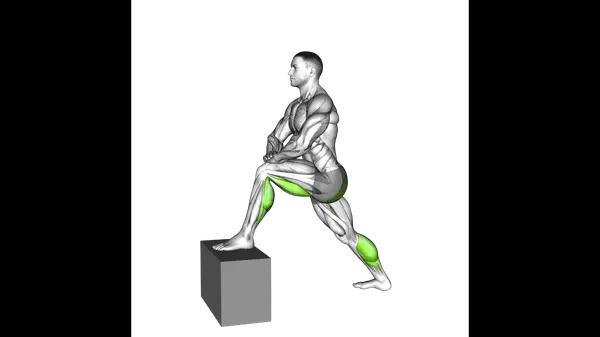
Standing Hip Flexor Stretch

Standing Hip Flexor Stretch

The Standing Hip Flexor Stretch offers a simple yet effective way to release tension in the front of your hips, an area that often tightens due to prolonged sitting or intense physical activity. This beginner-friendly stretch targets the hip flexor muscles—primarily the iliopsoas and rectus femoris—which play crucial roles in everyday movements like walking and climbing stairs. When incorporated into your recovery routine, this stretch helps alleviate the stiffness that accumulates after workouts, particularly following lower-body training sessions. The gentle lengthening of these muscles promotes better circulation to the area, facilitating faster recovery and reduced soreness. Many fitness enthusiasts find this stretch equally valuable as part of their cool-down ritual, helping the body transition from high-intensity exercise back to a resting state. As a warm-up element, the Standing Hip Flexor Stretch prepares your hips for movement by increasing blood flow and temporarily improving range of motion before you tackle more demanding activities. This preparation is especially beneficial before exercises that require hip extension, such as lunges, squats, or running. Beyond its immediate benefits, regular practice of this stretch contributes to enhanced mobility throughout the hip complex. The modern lifestyle, characterized by extended periods of sitting, often leads to chronically shortened hip flexors, which can contribute to postural issues and lower back discomfort. By consistently stretching these muscles, you work toward restoring proper length-tension relationships in the hip region. The beauty of this stretch lies in its accessibility—it requires no equipment and minimal space, making it perfect for a quick mobility break during your workday or as part of a more comprehensive stretching routine. While seemingly simple, the Standing Hip Flexor Stretch delivers significant benefits for everyday movement quality and athletic performance when performed regularly with proper attention to form and breathing.

Stretching
Mobility
Recovery
Cool-down
+1
Bodyweight exercises
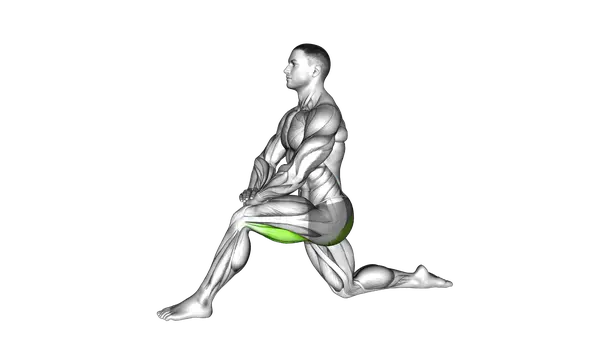
Lying (Side) Quadriceps Stretch

Lying (Side) Quadriceps Stretch

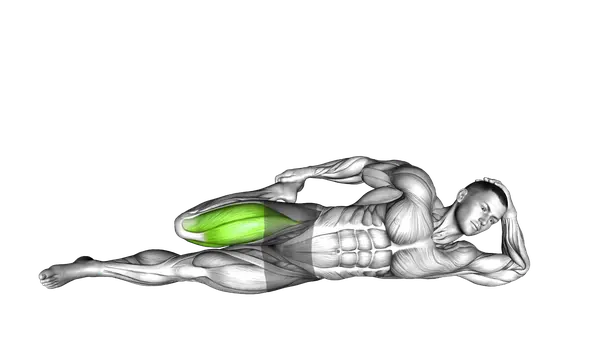
The Lying (Side) Quadriceps Stretch offers an excellent way to release tension in your quads while providing a deeper stretch than many standing variations. This beginner-friendly stretch targets the quadriceps muscles along the front of your thighs, making it perfect for recovery sessions, cool-downs after intense workouts, or as part of your warm-up routine when performed gently. What makes this stretch particularly effective is the side-lying position, which stabilizes your pelvis and allows for better isolation of the quadriceps muscle group. By stretching in this position, you're able to minimize compensation patterns that often occur during standing quad stretches, where people tend to arch their back or tilt their pelvis to avoid the full stretch sensation. The horizontal position also takes balance out of the equation, making this an accessible option for those with stability concerns. The stretch delivers significant mobility benefits for the hip flexors and knee joint in addition to the primary quad stretch. Regular practice can help counteract the tightness that develops from prolonged sitting, running, cycling, or strength training. Many athletes find that incorporating this stretch into their routine helps reduce anterior knee discomfort and improves overall movement quality in squats and lunges. For those engaged in regular strength training or high-impact activities, this stretch serves as valuable maintenance work, helping to preserve tissue quality and joint function. The passive nature of the position allows you to truly relax into the stretch, potentially achieving greater range of motion than more active stretching variations. While simple in execution, the Lying Side Quadriceps Stretch remains a staple in flexibility programs across fitness levels. Its effectiveness comes from its simplicity – sometimes the most basic approaches deliver the most reliable results when it comes to improving mobility and supporting recovery.

Stretching
Mobility
Recovery
Cool-down
+1
Bodyweight exercises
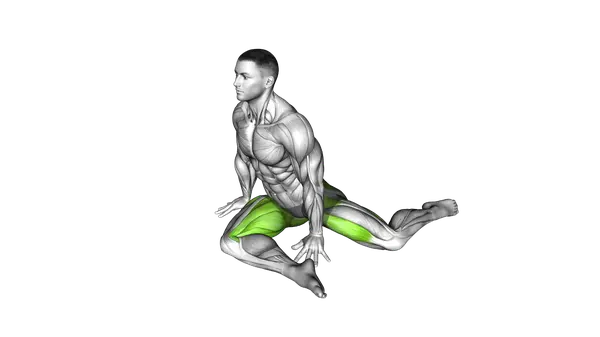
90/90 Stretch

90/90 Stretch

The 90/90 Stretch is a gentle yet highly effective mobility exercise that targets multiple areas of the lower body simultaneously, making it perfect for beginners looking to improve their hip function. This versatile stretch primarily engages the glutes and hip flexors, providing a deep release in areas that commonly become tight from prolonged sitting or intense workouts. As both a recovery tool and preparatory movement, the 90/90 Stretch earns its place in cool-down routines, recovery sessions, and warm-ups alike. Its ability to open the hips in multiple planes of motion makes it particularly valuable before activities requiring hip mobility, such as squats, lunges, or athletic movements that involve changing direction. What makes the 90/90 particularly special is how it combines stretching and mobility work in one efficient position. The stretch addresses external and internal rotation of the hips simultaneously, which helps restore natural movement patterns that may become restricted through daily activities or exercise. Many fitness professionals consider this movement a cornerstone of hip maintenance, especially for those dealing with discomfort or restrictions in their hip complex. Regular practice of the 90/90 Stretch can progressively improve your overall hip mobility, potentially enhancing athletic performance and reducing the risk of compensatory movements that might lead to injury. The beauty of this stretch lies in its simplicity and adaptability: it can be modified to accommodate different flexibility levels, making it accessible to virtually anyone. For optimal results, the 90/90 Stretch works best when performed consistently as part of a comprehensive mobility routine. Many find it beneficial to incorporate this movement daily, particularly after long periods of sitting, to reset hip positioning and maintain healthy movement patterns in this crucial joint complex.

Stretching
Mobility
Recovery
Cool-down
+1
Bodyweight exercises
Foam Roller Tensor Fasciae Latae (TFL) Release

Foam Roller Tensor Fasciae Latae (TFL) Release

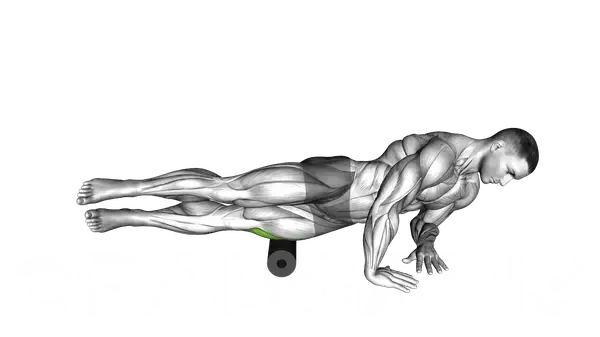
The Foam Roller Tensor Fasciae Latae Release is an effective way to relieve tension in the front and outer part of your hips. This small but important muscle, the tensor fasciae latae, works alongside the hip flexors and the iliotibial (IT) band to stabilize your pelvis during movement. Because it’s active in almost every lower-body exercise and even while walking or sitting, it often becomes overworked and tight. Using a foam roller helps reduce this tension, improving hip mobility and comfort during squats, running, or daily activities.When used before training, this release prepares your hips for movement by increasing blood flow and reducing stiffness in the connective tissue around the TFL and IT band. After workouts, it helps accelerate recovery by easing muscle tightness and improving circulation in the hip region. Regularly including this technique in your mobility routine can help prevent imbalances and reduce discomfort around the hips and knees.The strength of this mobility exercise lies in its simplicity. By targeting the tensor fasciae latae directly, you’re not only improving local flexibility but also promoting better movement patterns through the entire hip complex. Releasing tension in this area often eases strain on neighboring muscles such as the glutes, hamstrings, and lower back, leading to smoother, more efficient movement.Whether you’re new to foam rolling or experienced with recovery tools, the Foam Roller Tensor Fasciae Latae Release is easy to learn and self-regulated — you control the pressure and range. A few minutes of consistent practice can lead to noticeably freer hips, improved posture, and a lower risk of overuse injuries, proving that small, targeted recovery habits can make a big difference in overall performance.

Stretching
Mobility
Recovery
Cool-down
+1
Foam roller