Shoulder exercises with cable
Cable shoulder exercises are highly effective for building consistent tension across the entire range of motion. Unlike free weights, cables maintain resistance throughout the movement, making them ideal for controlled hypertrophy, joint-friendly training, and precise targeting of the deltoid muscles. Cable machines allow you to adjust angles easily, helping you train the shoulders from multiple directions while maintaining stable resistance and smooth execution.
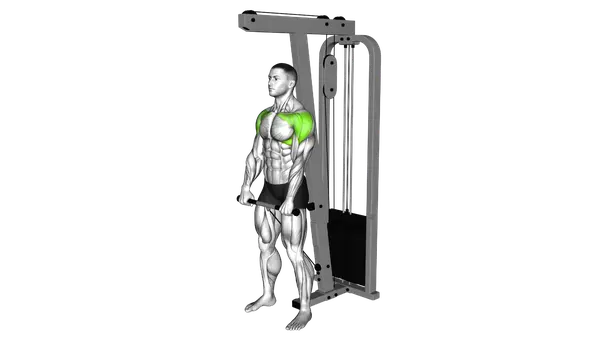
Cable Front Raise
The Cable Front Raise targets the front of the shoulders using constant cable tension for controlled, even resistance.
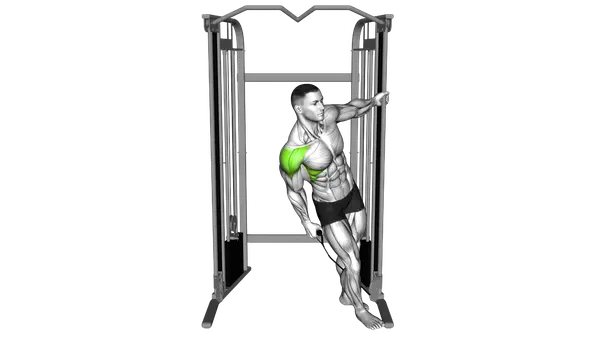
Cable Leaning Lateral Raise
The Cable Leaning Lateral Raise increases shoulder tension through a longer range, helping you build control and width with lighter loads.
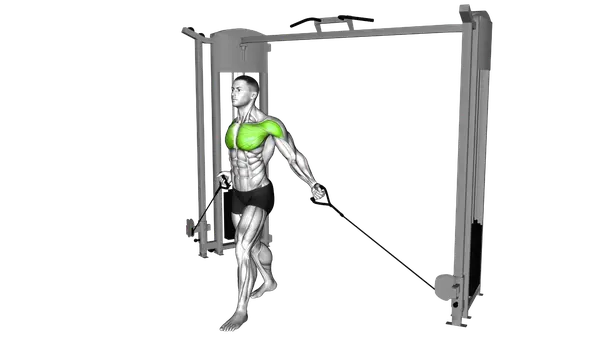
Cable Low to High Cable Fly
The Cable Low to High Cable Fly is a chest isolation exercise that targets the upper chest by guiding the arms upward through a controlled cable motion.
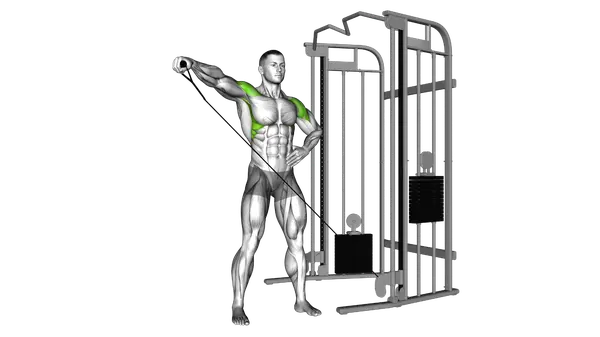
Cable One Arm Lateral Raise
The Cable One Arm Lateral Raise keeps steady tension on the shoulder, helping you build control, balance, and clean side-delt strength.
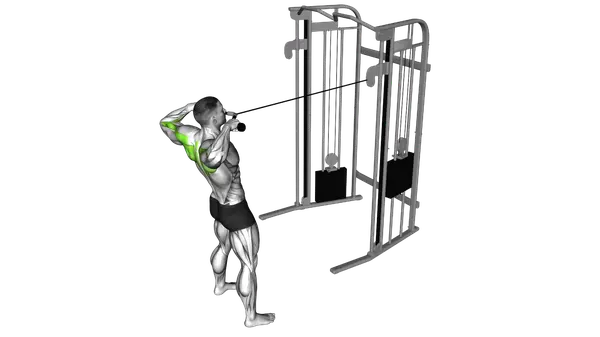
Cable Standing Face Pull (With Rope)
The Cable Standing Face Pull is a cable exercise that strengthens the upper back and shoulders while improving posture and shoulder control.
Built for Progress
Take the Guesswork Out of Training
Get a personalized workout plan built around your goal, equipment and schedule. Train smarter, track every rep and keep moving forward.
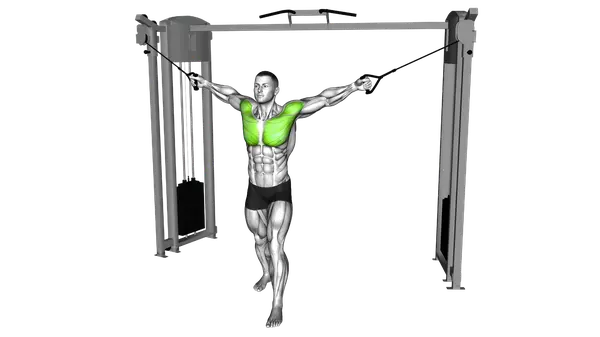
Cable Standing Up Straight Crossovers
The Cable Standing Up Straight Crossovers is a chest isolation exercise that builds chest strength and control using standing cable resistance.
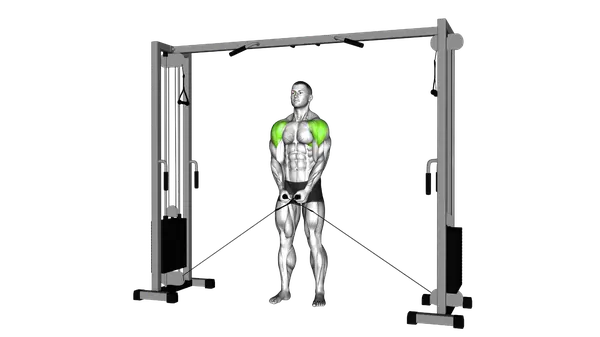
Crossed Cable Lateral Raise
The Crossed Cable Lateral Raise builds shoulder width with constant tension, helping you control the lift and keep stress where it belongs.
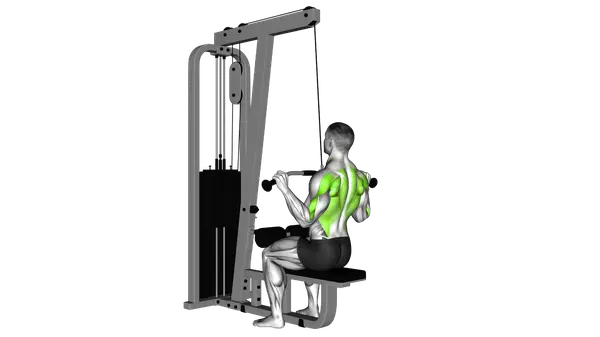
Lat Pulldown
The Lat Pulldown is a back exercise that targets the lats and upper back, building pulling strength with controlled cable resistance.
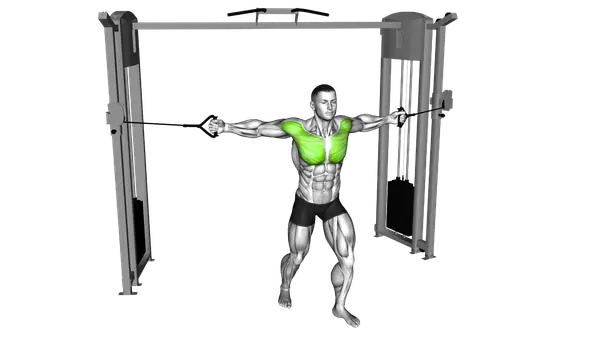
Middle Cable Chest Fly
The Middle Cable Chest Fly is a cable-based isolation exercise used to train the chest through constant tension and controlled movement.
Why cables are effective for shoulder strength and control
Benefits of training shoulders with cable
Cable training allows the shoulders to stay under tension from start to finish, which supports muscle growth and improved control. The adjustable setup makes it easier to target specific delt heads while reducing joint stress compared to heavier free-weight pressing.
Key advantages:
- Constant tension through the full range of motion
- Easy angle adjustments for targeted delt activation
- Reduced joint stress compared to heavy pressing
- Excellent for isolation and accessory work
- Suitable for beginners and advanced lifters
How these movements fit into your weekly routine
When to use cable shoulder exercises
Cable shoulder exercises work best as accessory movements after compound presses or as primary exercises in hypertrophy-focused sessions. They fit well into upper-body days, push workouts, or shoulder-specialization blocks. Most people use cable shoulder exercises one to three times per week, depending on total shoulder volume and recovery capacity.
Movements worth prioritizing
Key cable shoulder exercises
Below are the five most valuable cable shoulder exercises on this page. These movements focus on controlled resistance, clean movement paths, and balanced delt development.
- Cable lateral raise: Targets the medial delts with continuous tension, helping build shoulder width and definition.
- Cable front raise: Emphasizes the anterior delts with a smooth resistance curve, supporting controlled strength and hypertrophy.
- Cable standing face pull (with rope): Trains the rear delts and upper back while supporting shoulder stability and posture.
- Cable one-arm lateral raise: Allows unilateral shoulder training to correct strength imbalances and improve control.
- Cable standing up straight crossovers: A functional movement that challenges shoulder control and upper-body coordination through a wide range of motion.
Exercise overview
| Exercise | Primary focus | Training goal |
|---|---|---|
| Cable lateral raise | Medial delts | Hypertrophy and shoulder width |
| Cable front raise | Anterior delts | Controlled strength and size |
| Cable face pull | Rear delts + upper back | Stability and posture |
| Cable one-arm lateral raise | Medial delts | Unilateral control |
| Cable standing crossovers | Shoulders + upper body | Functional strength |
Placing these movements inside your program
How to integrate cable shoulder exercises
Cable shoulder exercises are best placed after heavy presses or as the main focus in isolation-based sessions. Combining lateral, front, and rear-delt movements ensures balanced shoulder development. Because cables are joint-friendly, they work well for higher repetitions and controlled volume without excessive fatigue. Create your personal training program in the app tailored to your goals, fitness level, and schedule.
Frequently asked questions about shoulder exercises with cable
Start with a weight that allows smooth, controlled movement without momentum. Cable resistance feels different from free weights, so proper tension matters more than load.
Cable shoulder exercises primarily target the anterior, medial, and posterior delts. Movements like lateral raises focus on shoulder width, while face pulls emphasize rear delts and upper-back stability.
One to three times per week works well for most people. Cable exercises are especially useful for adding volume without overloading the joints.
Focus on controlled tempo, full range of motion, and precise positioning. Adjust angles to target different delt heads and avoid rushing repetitions.
Cables are excellent for isolation and control but do not fully replace heavy pressing for strength. They work best as a complement to free-weight shoulder training.