Build powerful, defined shoulders by targeting the front delts
Front delts exercises
The front delts (or anterior deltoids) are heavily involved in pressing and lifting movements. Developing this area improves shoulder strength, stability, and aesthetics: particularly in overhead and front-facing movements. Whether your goal is improved posture, pressing power, or a fuller shoulder silhouette, this page outlines the best front delt exercises, training tips, and equipment options to get you started.
Focus on
Pick your equipment
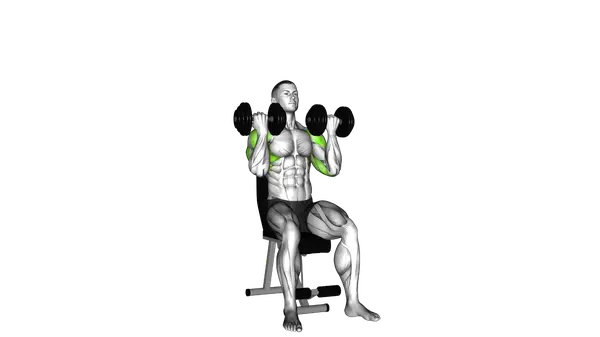
Dumbbell Arnold Press
The Dumbbell Arnold Press uses a rotating press to increase shoulder tension through a longer range while building control and strength.
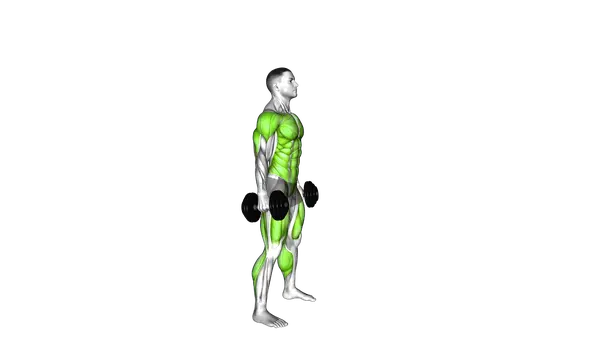
Dumbbell Devils Press
The Dumbbell Devil’s Press is a full-body exercise that combines strength, explosive movement and intense cardio effort.
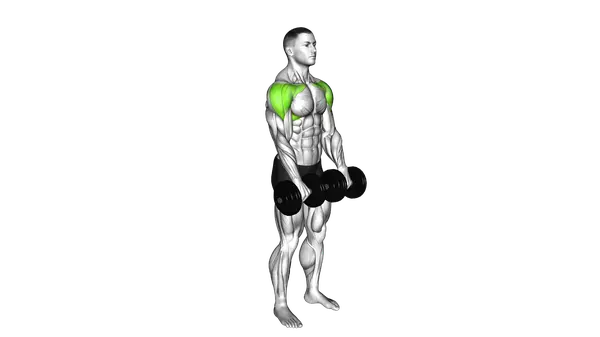
Dumbbell Front Raise
The Dumbbell Front Raise lifts the weights straight in front of you to build shoulder strength with simple, controlled motion.

Dumbbell Incline Chest Press
The Dumbbell Incline Chest Press targets the upper chest while improving pressing strength, shoulder stability, and muscular balance.

Dumbbell Military Press Russian Twist
The Dumbbell Military Press Russian Twist combines an overhead press with controlled rotation to build strength and coordination.
Built for Progress
Take the Guesswork Out of Training
Get a personalized workout plan built around your goal, equipment and schedule. Train smarter, track every rep and keep moving forward.
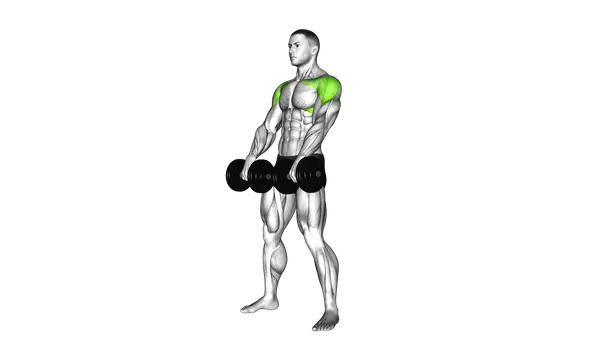
Dumbbell Standing Alternate Raise
The Dumbbell Standing Alternate Raise lifts one arm at a time to build shoulder control, balance and steady strength.

Dumbbell Thruster
The Dumbbell Thruster is a full-body compound exercise that combines a squat and overhead press to build strength and conditioning.
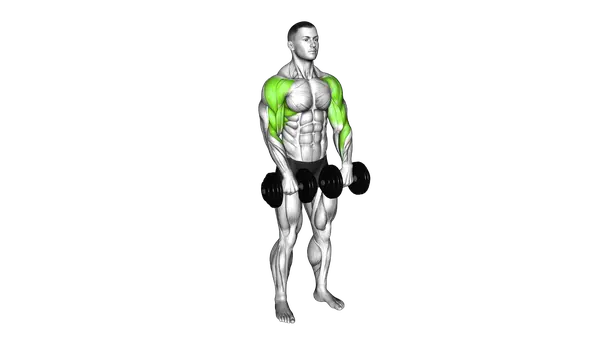
Dumbbell Upright Row
The Dumbbell Upright Row builds shoulder and upper-back strength by lifting the weights close to the body in a controlled motion.
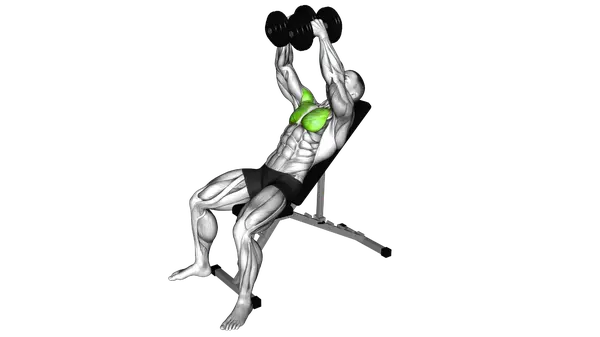
Incline Dumbbell Fly
The Incline Dumbbell Fly is an isolation chest exercise that emphasizes the upper pecs through a controlled fly motion on an incline bench.
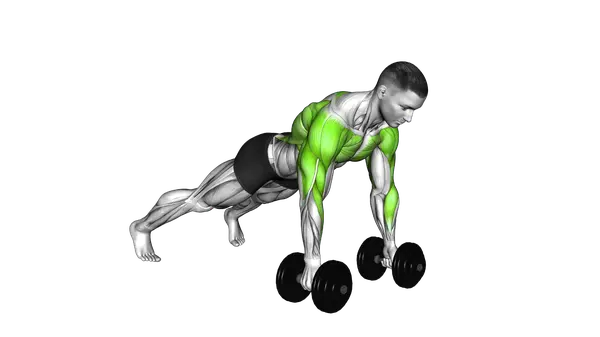
Push-Up to Renegade Row
The Push-Up to Renegade Row is a full-body exercise that combines pushing and pulling to build strength, stability and control.
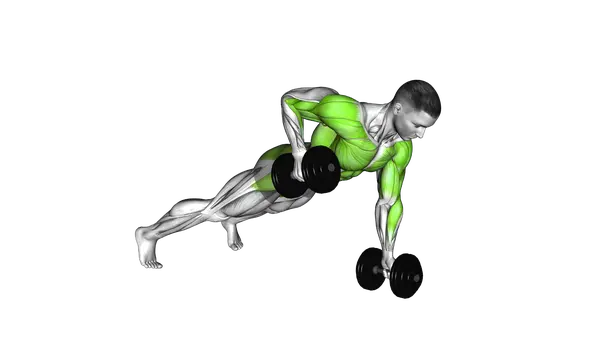
Renegade Row
The Renegade Row is a challenging full-body exercise that builds back strength while improving core stability and balance.
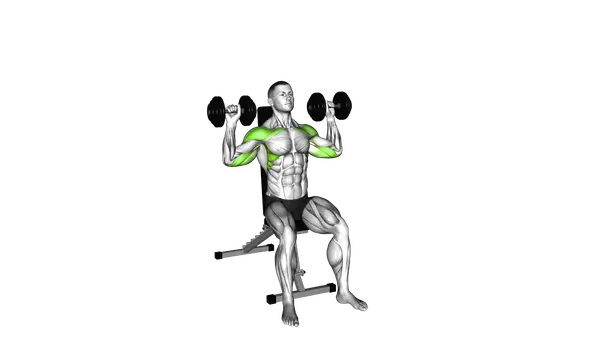
Seated Dumbbell Shoulder Press
The Seated Dumbbell Shoulder Press builds shoulder strength and size while improving pressing stability and control in a seated position.

Standing Dumbbell Shoulder Press
The SStanding Dumbbell Shoulder Press builds shoulder and arm strength while training balance and control in an upright position.
Improve pressing strength, shoulder symmetry, and upper-body control
Training goals for front delt development
The front delts are responsible for raising the arm forward and stabilizing the shoulder joint during pushing exercises. Training this muscle helps improve performance in lifts like the overhead press and bench press, while also contributing to better shoulder balance and posture. A focused front delt routine helps prevent overuse of the surrounding muscles and reduces injury risk by strengthening this specific area.
Choose lifts that emphasize forward shoulder movement and control
Best front delt exercises for strength and size
Some of the most effective front delt exercises include overhead presses, front raises with cable or dumbbell, Arnold presses with dumbbells, and landmine presses. Overhead presses allow you to lift heavy and build overall shoulder strength, while isolation movements like front dumbbell raises directly target the front delts for growth. Arnold presses combine pressing with rotation to increase time under tension, and landmine presses offer a joint-friendly angle for front-focused development. A mix of compound and isolated work produces the best results.
Train your front delts with dumbbells, barbells, cables, or bodyweight
Equipment options for front delt training
You can target your front delts using nearly any type of equipment. Dumbbells and barbells are perfect for overhead and front raises, allowing for progressive overload. Cables provide smooth resistance throughout the entire range of motion: ideal for isolation work. Landmine stations and resistance bands offer joint-friendly alternatives. Even bodyweight variations like pike push-ups and wall walks will challenge the front delts when equipment is limited.
Incorporate front delt work into push days or focused shoulder sessions
Training plans featuring front delt exercises
Front delts are already activated during many chest and shoulder pressing movements, so direct isolation isn't always necessary every session. However, adding 2–3 sets of front delt-specific work 1–2 times per week can boost muscle growth and fill in weak spots. Most lifters benefit from placing front delt work after compound presses, or incorporating it into dedicated shoulder training days. Proper programming helps prevent overtraining while improving shoulder function and symmetry. Create your personal training program in the app tailored to your goals, fitness level, and schedule. Your plan will include the most effective front delt exercises and show you exactly how to integrate them into your weekly training split.
Frequently asked questions about front delt exercises
If your front delts dominate your shoulder development — which is common in people who press often — reduce front delt volume and shift your focus to the side and rear delts. Exercises like lateral raises and rear delt flys help restore balance, improve posture, and reduce the risk of shoulder strain or poor mobility over time.
Because front delts are involved in so many compound lifts, they don’t need to be isolated more than once or twice per week. Focus on good form, moderate volume, and strategic placement in your training split to avoid overuse. If you’re already pressing frequently, isolation work should be kept minimal and intentional.
Yes. Bodyweight exercises like pike push-ups and handstand holds emphasize shoulder flexion and stability, which engages the front delts. You can also use a backpack, water bottles, or resistance bands for front raises. Slowing down the tempo and increasing time under tension makes these alternatives more effective even without a gym setup.
Not always — pressing movements like bench presses and shoulder presses already train the front delts to some extent. However, if your shoulders feel unbalanced or your front delts are lagging in size or strength, adding direct isolation work can help. Just 2–3 sets of front raises or landmine presses once or twice a week may be enough to close the gap.
The most effective front delt exercises include overhead presses, front dumbbell raises, Arnold presses, and landmine presses. Each movement targets the front of the shoulder with slightly different angles and levels of muscle activation. Compound movements build foundational strength, while isolation lifts enhance control and definition.
Integrate front delt exercises into full-body and split routines