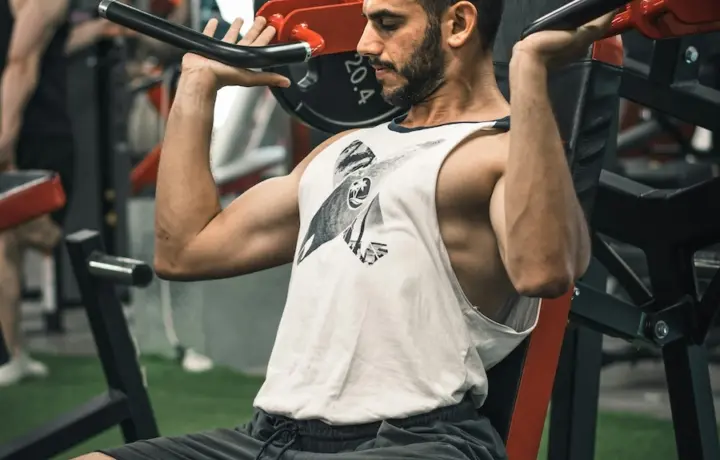
Shoulder exercises with machine
Machine shoulder exercises are ideal for building strength and muscle while maintaining a controlled and stable movement path. Because machines guide the range of motion, they reduce balance demands and allow you to focus fully on shoulder activation. This makes them well suited for hypertrophy training, controlled overload, and joint-friendly shoulder work for both beginners and experienced lifters.
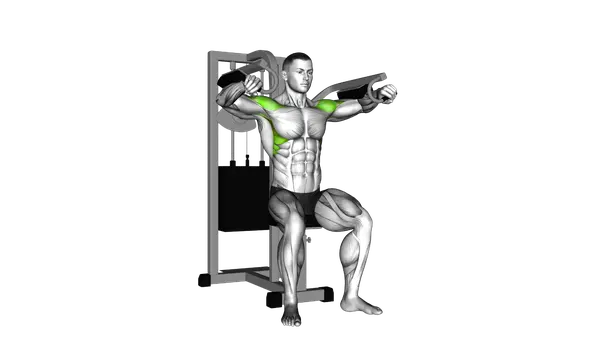
Lever Lateral Raise (on machine)
The Lever Lateral Raise (on machine) uses a guided machine path to build shoulder width with steady tension and controlled movement.
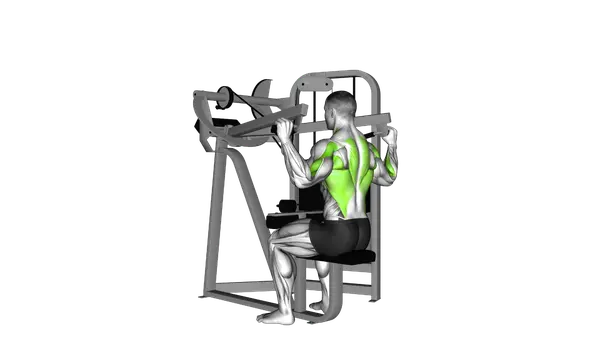
Lever Lateral Wide Pulldown
The Lever Lateral Wide Pulldown is a machine-based pulling exercise designed to build upper-back width with a wide, stable movement path.
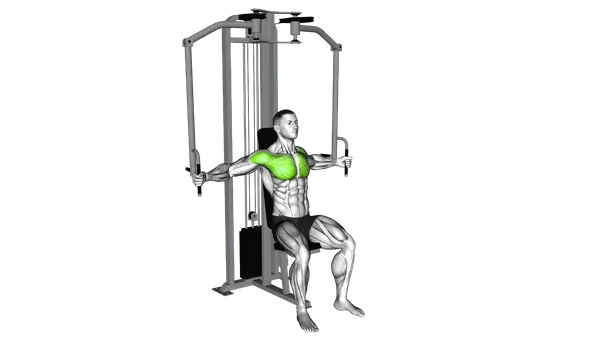
Lever Seated Fly
The Lever Seated Fly is a machine-based isolation exercise designed to target the chest through a controlled horizontal adduction movement.
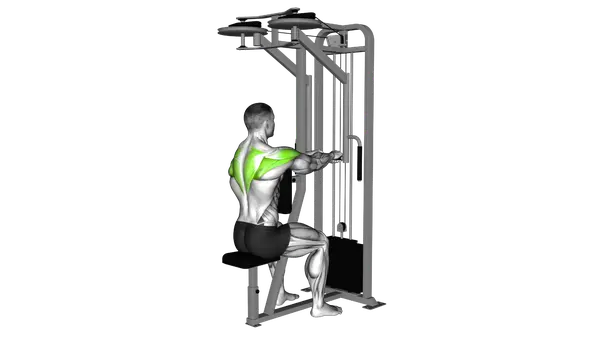
Lever Seated Reverse Fly
The Lever Seated Reverse Fly is a machine-based isolation exercise that targets the rear shoulders and upper back.

Lever Seated Shoulder Press
The Lever Seated Shoulder Press uses a guided machine path to build shoulder strength with controlled pressing and steady tension.
Why machines support control, safety, and consistent progress
Benefits of training shoulders with machines
Machine-based shoulder training allows you to apply steady resistance without relying heavily on stabilizing muscles. This improves training consistency and makes it easier to accumulate volume while maintaining good technique. Machines are especially useful when training close to muscular fatigue.
Key advantages:
- Stable movement path with reduced coordination demands
- Easier isolation of specific delt heads
- Joint-friendly resistance for long-term shoulder health
- Suitable for higher training volume and controlled overload
- Effective for beginners and advanced hypertrophy phases
How these movements fit into your weekly routine
When to use machine shoulder exercises
Machine shoulder exercises work best after compound presses or as the main focus of a shoulder-specific workout. They fit well into upper-body days, push workouts, or hypertrophy-focused training blocks. Most people include machine shoulder work one to three times per week, depending on overall shoulder volume and recovery.
Movements worth prioritizing
Key machine shoulder exercises
Below are the five most valuable shoulder exercises available on this page. These movements cover all three heads of the deltoids while offering controlled resistance and predictable execution.
- Lever seated shoulder press: A primary compound movement that targets the anterior and medial delts while allowing safe and stable load progression.
- Lever lateral raise: Isolates the medial delts with a guided path, supporting shoulder width and consistent hypertrophy.
- Lever lateral wide pulldown: Engages the shoulders and upper back through a wide pulling pattern that supports shoulder stability and balance.
- Lever seated reverse fly: Targets the rear delts and upper back, helping improve posture and shoulder health.
- Lever seated fly: Provides controlled shoulder isolation while maintaining constant tension across the delts.
Exercise overview
| Exercise | Primary focus | Training goal |
|---|---|---|
| Lever seated shoulder press | Anterior + medial delts | Strength and hypertrophy |
| Lever lateral raise | Medial delts | Shoulder width and definition |
| Lever lateral wide pulldown | Shoulders + upper back | Stability and balance |
| Lever seated reverse fly | Rear delts | Posture and shoulder health |
| Lever seated fly | Delts | Controlled hypertrophy |
Placing these movements inside your program
How to integrate machine shoulder exercises
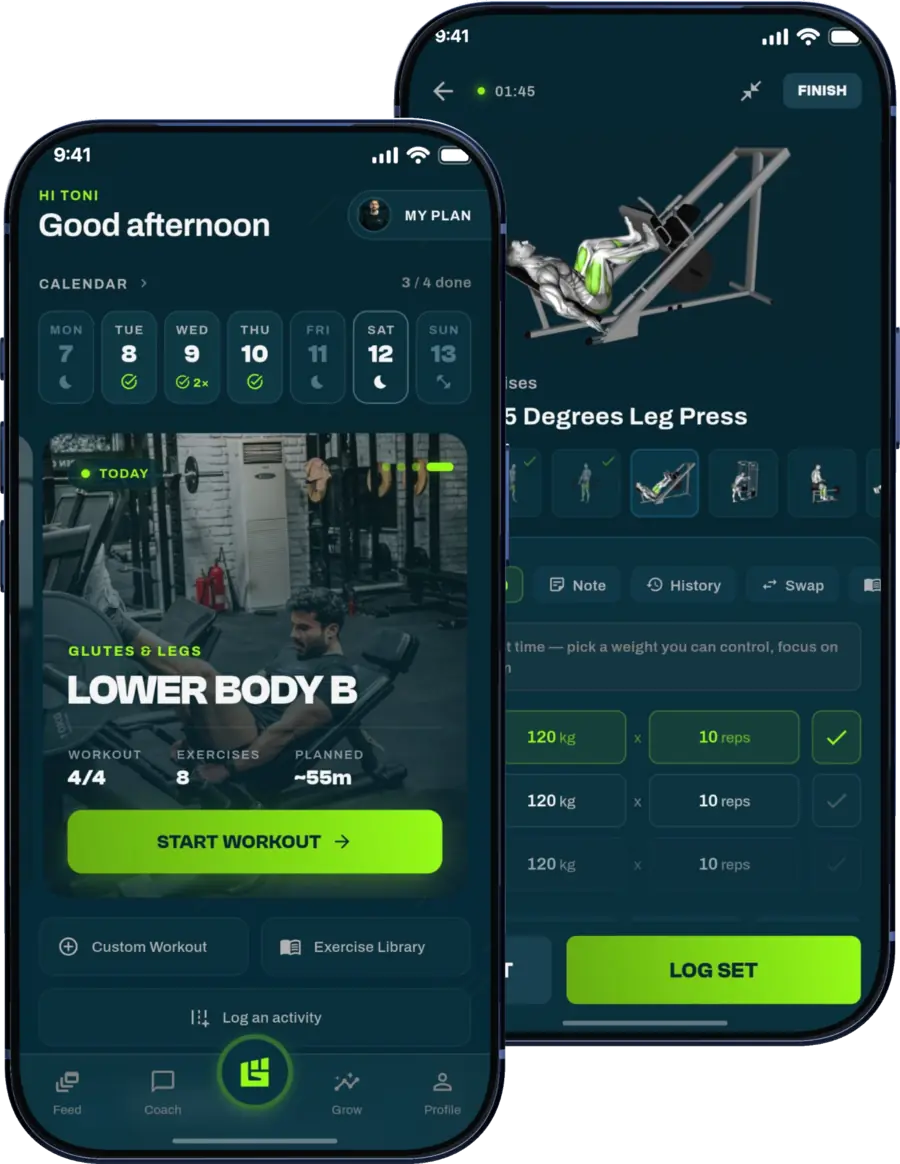
Use machine shoulder exercises after free-weight pressing or as the main component of a shoulder-focused session. Combine pressing movements with lateral and rear-delt isolation for balanced development. Machines work well for moderate to high repetitions and controlled progression without excessive joint strain. Create your personal training program in the app tailored to your goals, fitness level, and schedule.
Frequently asked questions about shoulder exercises with machine
Adjust the seat and handles to your body, use full range of motion, and control each repetition. Prioritize tension and consistency over heavy weight.
Machines are excellent for hypertrophy and control but do not fully replace free-weight pressing for overall strength. Combining both delivers the best results.
Machine shoulder exercises primarily target the anterior, medial, and posterior delts. Depending on the movement, the upper back and traps also assist in stabilizing and controlling the motion.
Start with a weight that allows smooth, controlled repetitions without locking joints or losing posture. Machines often feel easier than free weights, so focus on tension rather than load.
One to three times per week works well for most people. Machines are well suited for adding extra volume without overloading the joints.
Built for progress
Take the guesswork out of training
Get a personalized workout plan built around your goal, equipment and schedule. Train smarter, track every rep and keep moving forward, one workout at a time.