Single-Arm Medicine Ball Push-Up
Reviewed by Dylan Maurick, Physiotherapist
The Single-Arm Medicine Ball Push-Up is a push-up variation that challenges strength, balance and control by using one arm.


Single-Arm Medicine Ball Push-Up
Muscles Worked: Single-Arm Medicine Ball Push-Up
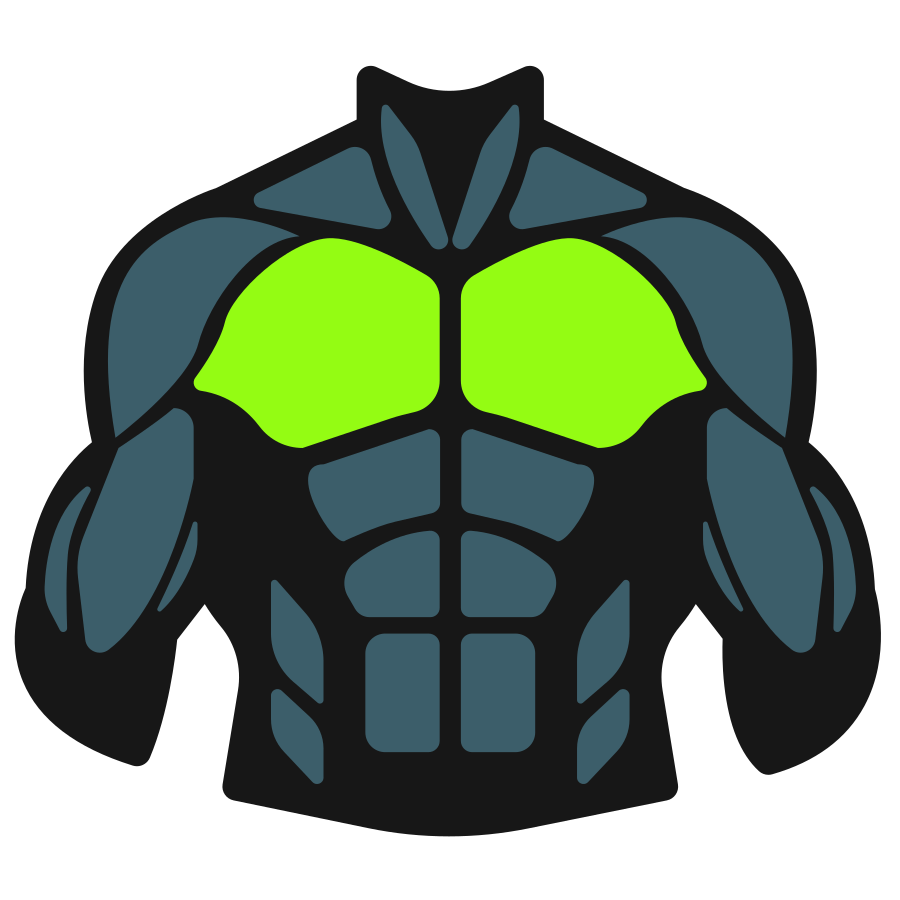
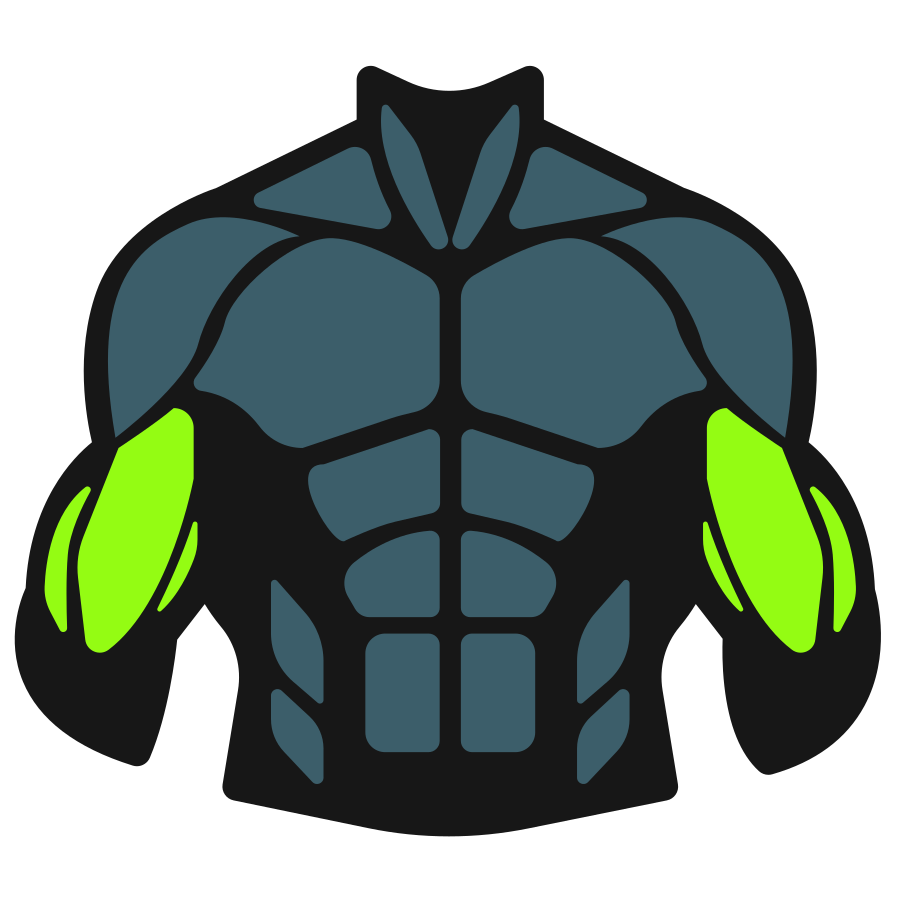
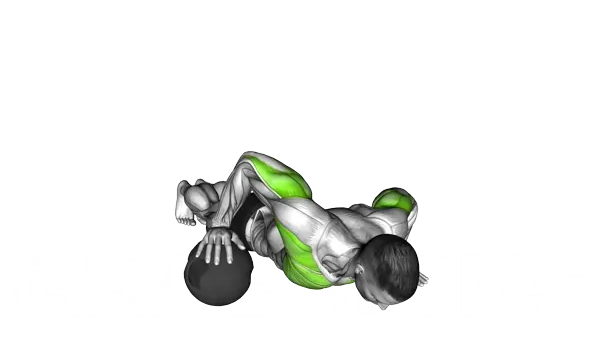
The Single-Arm Medicine Ball Push-Up mainly works your chest, because one side has to press most of your bodyweight while your arms come together against the ball. Your triceps help straighten the working arm, and your shoulders help drive the press while both sides fight to keep you from twisting. Your abs and hips also work hard to keep your body square since the uneven setup shifts load from side to side. You should feel one pec doing most of the pushing and your midsection bracing hard to stop rotation; longer rest between hard pressing sets can help you keep rep quality high.
Built for progress
Take the guesswork out of training
Get a personalized workout plan built around your goal, equipment and schedule. Train smarter, track every rep and keep moving forward, one workout at a time.






Technique and form
How to perform the Single-Arm Medicine Ball Push-Up
- Place a medicine ball on the ground and position one hand on top of the ball with fingers spread for stability, while placing your other hand flat on the ground at shoulder-width distance from the ball.
- Assume a plank position with your feet hip-width apart (or wider for more stability), legs extended, and body forming a straight line from head to heels.
- Engage your core by drawing your navel toward your spine and squeezing your glutes to maintain a neutral spine position and prevent rotation.
- Inhale as you slowly lower your chest toward the ground by bending both arms, keeping the hand on the ball centered and the other arm at approximately 45 degrees from your body.
- Keep your neck in a neutral position by focusing your gaze about 6-12 inches in front of the ball, avoiding dropping your head forward.
- Lower until your chest is 2-3 inches from the ground or as far as your strength and stability allow while maintaining proper form and preventing excessive rotation.
- Exhale forcefully as you push through both palms to straighten your arms and return to the starting position, actively fighting against rotation throughout the movement.
- Complete the prescribed number of repetitions on one side, then switch the medicine ball to the opposite hand and repeat for the same number of reps.
Important information
- This variation heavily challenges your core stability and anti-rotation strength
- Keep the ball-side hand centered on the ball with fingers spread wide
- Consider widening your feet for additional stability until you build strength
- Progression: Master regular medicine ball push-ups before attempting the single-arm variation.
Is the Single-Arm Medicine Ball Push-Up good for muscle growth?
Yes. The Single-Arm Medicine Ball Push-Up can build chest muscle if you can do it with solid form, because the offset setup makes one pec handle more of the work per rep than a regular push-up. It also demands high tension from your triceps, front delts, and trunk, so each clean rep is challenging enough to drive progress when you add reps, slow the lowering phase, or raise your feet over time.
- More load on one side — Because one hand is on the floor and the other is on the ball, one side of your chest has to produce more force to press you up and keep you centered. That makes this a strong bodyweight option when standard push-ups stop being hard enough.
- Big stability demand — The ball moves, so your pressing side has to stay tight while your torso resists twisting. That extra control work can make light bodyweight feel much harder, but only if you keep your ribs down and your hips level instead of letting your body rotate.
- Great for fixing side-to-side gaps — Training one side harder at a time can expose a weaker pec or triceps that gets hidden in even bilateral presses. Pairing this with two-arm-medicine-ball-push-up gives you both balanced reps and harder single-side work.
- Best when treated like a strength-biased push-up — This is not a high-speed conditioning drill. To keep output high across sets, use full recovery; longer inter-set rest improves pressing performance better than rushing back in too soon. You can also rotate it with single-arm-medicine-ball-push-up progressions by changing ball height or foot position.
Programming for muscle growth
Do 3-4 sets of 5-10 reps per side with 2-3 minutes rest, 1-2 times per week. Stay in a rep range where you can lower yourself slowly, pause briefly at the bottom, and press up without twisting. If you can get 10 clean reps per side for all sets, make it harder by elevating your feet or slowing the lowering phase instead of rushing through more reps.
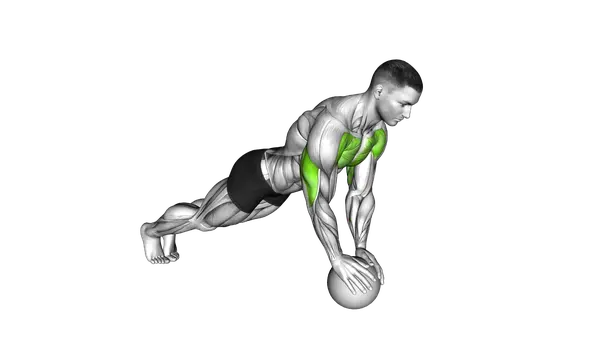
Alternative Exercises
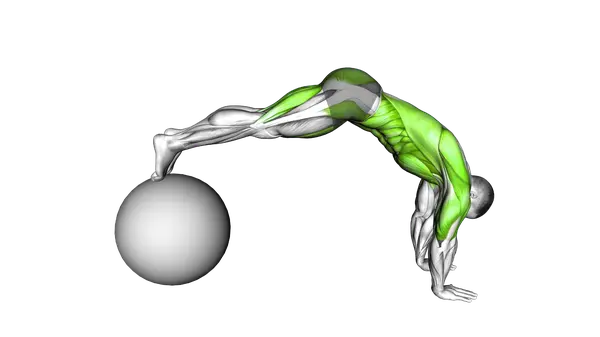
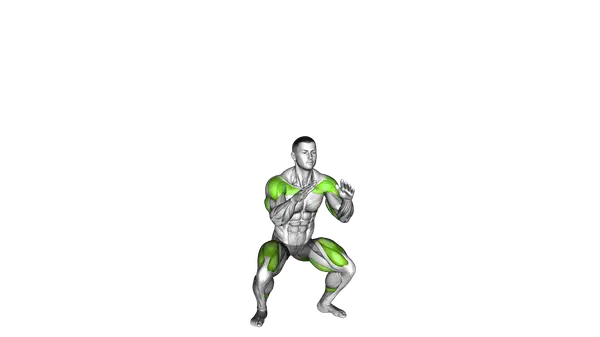
FAQ - Single-Arm Medicine Ball Push-Up
The Medicine Ball Push Up primarily targets your chest (pectoralis major), triceps, and front shoulders (anterior deltoids), while the unstable surface significantly activates your core, serratus anterior, and smaller stabilizing muscles throughout your upper body.
Beginners can start with lighter weight and higher reps (12-15) focusing on proper form. Intermediate lifters can progress to moderate weight in the 8-12 rep range. Advanced lifters can incorporate techniques like drop sets, slower negatives, or single-arm variations to increase intensity without compromising form.
The most common mistakes are pulling on your head with your hands, rounding your back to bring your elbow down, and rushing through the reps. Another mistake is swinging your arms instead of rotating from your core. Keep your chest up, bring your knee up to your elbow, and move with control on both sides.
Medicine Ball Push Ups activate up to 20% more muscle fibers in your chest and core compared to standard push ups due to the instability factor. This makes them more efficient for building strength and improving muscle coordination, though they typically allow for fewer total repetitions.
Include them 1-2 times weekly as part of your chest or upper body training days. Start with 2-3 sets of 8-12 repetitions, focusing on quality movement rather than quantity, and allow 48 hours of recovery between sessions for optimal muscle adaptation.
Reviewed by

Physiotherapist
Highlights Physiotherapist & Exercise Advisor at GrabGains: Collaborates with the GrabGains team to verify exercise content, ensuring every movement guide is safe, effective, and anatomically accurate. Licensed Physiotherapist: Registered in the Dutch BIG…
Single-Arm Medicine Ball Push-Up
Thank you for your feedback!
Thank you for your feedback!