How to recover faster naturally: an athlete's guide
Learn how to recover faster naturally with evidence-based strategies for sleep, nutrition, and active recovery. Speed up muscle repair and reduce soreness. You finish a hard session, sit down, and feel that familiar mix of fatigue, stiffness, and mental fog. At that moment, there's a common inclination to ask the wrong question: what supplement to take, what tool to buy, or what hack will make soreness disappear by tomorrow.
A better question is this: what recovery system can you repeat every week without guesswork?
That's what matters if you want to know how to recover faster naturally. Recovery isn't passive. It's part of training. The athletes who keep progressing usually aren't the ones doing the most trendy recovery work. They're the ones who consistently sleep well, refuel on time, move intelligently between hard sessions, and manage training load before fatigue gets out of hand.


Why Smart Recovery Is Your Hidden Performance Edge
A lot of athletes treat recovery like cleanup work after the main effort is done. That mindset costs progress. If training breaks the body down, recovery is what lets you adapt to that work instead of just surviving it.
The practical difference shows up fast. One athlete finishes a brutal session and does nothing but hope tomorrow feels better. Another athlete has a routine: eat soon, rehydrate, protect sleep, and decide whether the next day calls for easy movement or actual rest. The second athlete usually strings together better weeks.
Recovery is a system, not a single trick
Many individuals overrate the small stuff and underrate the basics. They'll look for a powder, compression gadget, or cold plunge protocol before they lock in sleep, fueling, and training management. That's backward.
Built for progress
Take the guesswork out of training
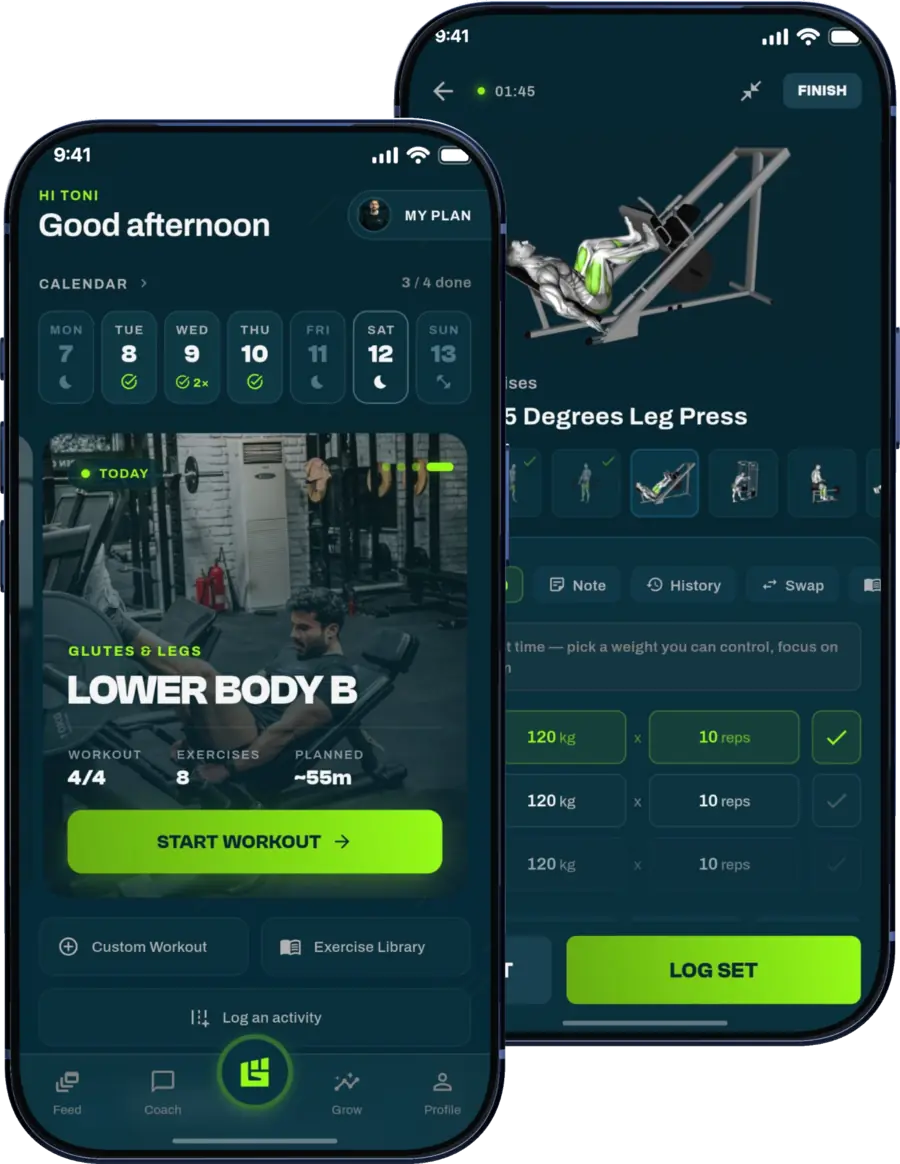
Get a personalized workout plan built around your goal, equipment and schedule. Train smarter, track every rep and keep moving forward, one workout at a time.






If your energy is consistently flat outside the gym, it helps to zoom out and look at your full routine, not just your workout. Resources like Dr. Matt's advice for natural energy can be useful because they frame recovery in the bigger context of sleep, daily stress, and sustainable habits.
Practical rule: If a recovery method only works when life is perfect, it's not a real system.
A strong recovery system also matches what's happening in your body after training. If you want a quick primer on the key phases of muscle recovery, that breakdown helps explain why timing and consistency matter more than novelty.
What actually moves the needle
Natural recovery works best when you stop thinking in isolated tips and start thinking in priorities:
- Protect the big levers: Sleep, food, hydration, and smart training decisions do more than flashy extras.
- Match the strategy to the session: A heavy leg day, long endurance effort, and light upper-body workout don't create the same recovery demands.
- Listen to body signals: Mild stiffness often responds well to movement. Sharp pain, deep fatigue, or worsening symptoms usually mean you need to back off.
That last point gets missed in most articles. Knowing how to recover faster naturally isn't just about doing more recovery work. It's about doing the right kind at the right time.
Master Your Sleep and Circadian Rhythm
You finish a hard evening session, eat something decent, maybe do a few mobility drills, then stay up late answering messages or watching one more episode. The next morning your legs feel heavier than they should, your resting mood is off, and the session that looked manageable on paper suddenly feels expensive.
That pattern is common, and it usually has less to do with motivation than recovery timing. Sleep is the main window your body uses to shift from training stress into repair. The CDC recommends adults get 7 or more hours of sleep per night, and athletes who train hard often do better when they protect the upper end of that range with a consistent schedule.

Sleep is the first recovery decision
Poor sleep changes how the next day feels and how the next session performs. It also makes it harder to read your body accurately. Athletes who are under-slept often mistake fatigue for laziness, stiffness for a need to push harder, or wired energy for readiness.
That is why recovery has to be matched to your signals, not just your plan.
If you wake up with normal muscle soreness, decent energy, and stable mood, stay with your usual routine and protect your sleep schedule that night. If you wake up flat, irritable, or unusually sore after a demanding block, the right move is often to reduce stimulation later that day, shift training earlier if possible, and treat bedtime like part of the session rather than the part that happens after it.
What helps tonight
A good sleep routine works because you can repeat it under real-life conditions.
- Keep sleep and wake times steady: Regular timing helps your circadian rhythm do its job, especially during heavy training weeks.
- Make your room easier to sleep in: Dark, quiet, and cool usually beats any supplement or gadget.
- Use a short wind-down period: Ten to twenty minutes of reading, light stretching, or slow breathing is enough for many athletes.
- Cut bright screens late: Light and mental stimulation both delay the shift into sleep.
- Be selective with recovery products: Some athletes use them well, but they should support sleep habits, not replace them. If you want muscle recovery supplements explained, use that as background, not as your first fix.
Use the full day to set up the night
Circadian rhythm starts long before bedtime. Morning light exposure helps set the body clock. Late caffeine, late hard training, and late work keep the system turned up when you need it to come down.
The trade-off is straightforward. Early training can be less convenient, but it often makes sleep easier. Late training can fit the schedule better, but some athletes need a longer cool-down, earlier meal planning, and stricter screen limits afterward to avoid carrying that activation into bed.
Treat sleep quality as feedback. If you are falling asleep fast, staying asleep, and waking up reasonably restored, your current setup is probably working. If sleep gets lighter, bedtime drifts later, or you feel tired but wired, adjust the inputs first. Training time, evening light, and pre-bed stimulation usually matter more than adding another recovery tool.
Fuel and Hydrate for Faster Repair
You finish a hard session, skip food because the appetite is not there, sip a little water on the drive home, and tell yourself you'll catch up later. Then the next day's warm-up feels heavy, legs stay flat, and what should have been normal fatigue turns into lingering drag.
Fueling and hydration shape how fast you repair. They also help you decide what kind of recovery day you need. If you under-fuel after a hard session, the answer is not always more rest. Sometimes the fix is replacing carbohydrate, protein, fluid, and sodium before you judge how recovered you are.
After endurance training, InsideTracker's recovery guidance points to a 4:1 carbohydrate-to-protein ratio within about 1 hour for rapid refueling, and about 1.5 liters of fluid for every kilogram of body mass lost during training for rehydration.

Match the recovery plan to the session
The right move depends on what created the fatigue.
A long run, hard conditioning session, or repeated sprint workout drains glycogen harder than a lower-volume lift. A heavy strength session creates a different problem. You still need protein and fluids, but the urgency around carbohydrate is usually higher after endurance or mixed sessions where output drops fast if glycogen stays low.
That is why blanket advice falls short. Recovery works better when you ask two questions right away: what did this session cost, and what do I need to do again tomorrow?
Use this simple framework:
- High sweat, high output, or long duration: Prioritize fluids, sodium, and carbohydrate first, then add protein.
- Strength or mixed training: Get a meal or snack with protein and carbohydrate in soon after training.
- Back-to-back hard sessions: Treat the first hour after training more seriously because the next session is already coming.
- Light training or recovery day: Eat normally, rehydrate steadily, and avoid turning a low-demand day into a forced feeding project.
Timing matters because schedules are real
One missed recovery meal is rarely the issue. Three or four in a busy week is.
I see this with athletes who train early, head straight to work, and leave refueling to chance. By afternoon they are drained, craving quick calories, and wondering why soreness lasts longer than expected. The problem is often basic. They trained hard and never properly replaced what they used.
The practical standard is simple. Eat something useful soon after training, especially if the session was long, intense, or followed by another hard day. If you are not hungry, liquid calories can help. Yogurt, milk, fruit, oats, or a simple shake are often easier to get down than a full meal.
Simple food options that work
You do not need a perfect formula. You need repeatable habits.
| Situation | Simple recovery option |
|---|---|
| Fast post-workout meal | Rice, lean protein, and fruit |
| On-the-go snack | Greek yogurt with granola and banana |
| Endurance session follow-up | Oats with fruit and a protein source |
| Hot training day | Regular meal plus extra fluids and electrolytes from food and drink |
Whole foods cover a lot of ground. Supplements can help when convenience is the issue, but they should fill a gap, not replace meals. If you want context on where they fit, this guide on muscle recovery supplements explained is a useful next read after the basics are handled.
Hydration should be measured, not guessed
Thirst helps, but it is a poor system after hard training in heat or long sessions with heavy sweat loss.
A better approach is to build hydration into the day:
- Start training reasonably hydrated
- Drink during longer or hotter sessions
- Replace losses after training
- Keep fluids and sodium coming through meals and drinks across the day
If you finish a session lightheaded, cramp-prone, headachy, or unusually flat, hydration deserves attention before you label the day as poor recovery. On days like that, easy movement and mobility exercises tend to work better after food and fluids are handled.
A recovery drink does not fix under-eating, and a protein shake does not fix dehydration.
Treat food and hydration as part of training load management. The session ends when refueling starts, not when the stopwatch stops.
Implement Smart Active Recovery and Mobility
The day after a hard workout is where a lot of people make a bad call. They either do nothing when movement would help, or they turn “recovery” into another workout and dig the hole deeper.
Sports medicine guidance notes that low-intensity active recovery increases blood flow to working muscles and may help clear byproducts accumulated during exercise. A 20 to 30 minute brisk walk or similarly easy cycling or swimming session is a common benchmark because it promotes circulation without adding meaningful stress, as described by Mass General Brigham's athlete recovery guidance.

Use a green yellow red decision rule
This is the part most athletes need. Don't just ask, “Should I train today?” Ask what your body is signaling.
Green day
You feel generally good. There's some mild soreness, but joints feel fine and movement improves once you get going. Active recovery usually makes sense here.
Yellow day You feel heavy, stiff, and a bit drained. Warm-up helps some, but not a lot. A short easy session, light mobility, or partial reduction in training load can then work well.
Red day
Pain feels sharp, localized, or worsening. Fatigue feels systemic. Technique breaks down quickly. This is not an active recovery day. This is a back-off day.
What active recovery should look like
Many find simple options beneficial:
- Brisk walking: Easy to control and low impact
- Easy cycling or swimming: Good when you want movement without much joint stress
- Gentle mobility flow: Useful when stiffness is limiting range of motion
- Foam rolling in small doses: Helpful for tension, but don't turn it into a painful event
If you want ideas, these mobility exercises are the kind of low-load movements that fit well on recovery days.
If your recovery session creates a pump, burn, or competitive mindset, it's probably too hard.
Mobility is support work, not punishment
Mobility should make you move better, not leave you more irritated. Keep it targeted. If your hips, thoracic spine, or calves are stiff after training, give those areas a few controlled drills instead of doing a random full-body routine.
A good test is simple. You should feel looser and more coordinated when you finish, not smoked. That's how to recover faster naturally with movement. Use enough activity to improve circulation and motion, but not enough to create a second recovery problem.
Manage Your Training Load to Prevent Burnout
The best recovery strategy often happens before recovery is needed. If your program constantly outruns your ability to adapt, no sleep routine, massage gun, or nutrition plan will fully save it.
A lot of athletes think they need better recovery when what they really need is better programming. Too many hard days stacked together create fatigue that keeps accumulating in the background. Then one session feels terrible, motivation drops, and every small ache starts getting louder.

Stop earning recovery debt
You can't train hard at full volume all the time. Productive programs wave stress up and down. They include hard sessions, easier sessions, and periods where total load comes down on purpose.
That's what smart load management does. It prevents the kind of deep fatigue that forces athletes into emergency recovery mode.
Three habits help a lot:
- Separate hard and easy days: Don't treat every session like a test.
- Reduce load before you feel cooked: Deloads work better when they're planned, not when they're forced by burnout.
- Watch your readiness: If your mood is off, warm-ups feel unusually heavy, and coordination is poor, adjust.
Use feedback, not ego
Many athletes ignore the obvious signs because the program says “go.” A better approach is to keep the structure, then make small daily decisions based on what your body can handle.
Here's a simple comparison:
| If this is happening | Better choice |
|---|---|
| You feel sharp and recovered | Run the planned session |
| You feel flat but functional | Trim volume or intensity |
| You feel rundown and sore in a bad way | Replace with recovery work or rest |
The athletes who last aren't always the toughest in one workout. They're usually the best at managing training over months. If you want to know how to recover faster naturally, don't just look at what you do after training. Look at whether your week is built in a way that your body can keep up with.
Control Stress and Support Your Nervous System
You finish a hard session, eat well, and still wake up feeling flat. Warm-up sets feel heavy. Small aches hang around. In a lot of cases, the problem is not the workout itself. It is the total stress load your body is trying to handle.
Training stress and life stress draw from the same recovery budget. Your body still has to process poor sleep, work pressure, travel, conflict, and constant stimulation from phones and screens. The result is familiar to many athletes. You are tired but wired, physically drained but unable to settle.
The science here is stronger than "growing interest." The American Psychological Association explains that chronic stress changes sleep, muscle tension, pain sensitivity, and recovery capacity through ongoing activation of the stress response, which is exactly why athletes can feel under-recovered even when the program looks reasonable on paper. A useful overview is their piece on stress effects on the body.
Read the signal before you choose the tool
This section matters because active recovery is not one fixed routine. The right move depends on what kind of fatigue is showing up.
If you feel mentally scattered, restless, and overstimulated, the goal is downshifting. If you feel stiff and low-energy but calmer once you start moving, light activity usually helps. If both body and mood feel off for several days, the smartest call is often to reduce input across the board, not add more recovery tasks.
That is the part many athletes miss. Recovery works better when you match the method to the signal.
Simple ways to shift out of go mode
You do not need an elaborate ritual. You need a few repeatable actions that lower arousal and tell the body the day is winding down.
- Slow breathing for a few minutes: Longer exhales tend to settle the system faster than shallow chest breathing.
- An easy walk outside: Light movement plus lower sensory input often works better than collapsing into more screen time.
- A short mindfulness or body-scan practice: Useful when your mind keeps replaying training, work, or tomorrow's checklist.
- A firm cutoff for work and notifications: Late mental stimulation keeps many athletes switched on long after the body is tired.
If you want guided options, these practical regulation exercises are a good starting point.
What to do on different days
Use a simple decision rule.
On high-stress days, keep recovery low-friction. Breathe, walk, dim the lights earlier, and cut extra noise. On moderate days, a short mobility session or easy aerobic work can help you feel better without adding strain. On days when readiness is clearly poor, reduce choices and stick to basics.
I use the same rule with athletes who track training through GrabGains for adaptive fitness. If stress is high but the body loosens up with easy movement, do a short recovery session. If stress is high and everything feels worse as the session goes on, shut it down and recover hard by simplifying the rest of the day.
What usually backfires
Stress management gets messy when athletes confuse distraction with recovery.
An hour of doom-scrolling rarely calms the nervous system. Another hard workout because you feel mentally tense usually adds more load, not less. Even aggressive mobility work can miss the mark if your system is already overstimulated.
The better trade-off is boring and effective. Lower stimulation. Keep the body moving gently if it helps. End the day earlier. Done consistently, that gives your nervous system a real chance to shift gears, which is often what allows the rest of recovery to finally work.
Building Your Daily and Weekly Recovery Plan
Good recovery works when it's built into the week before things get chaotic. The point isn't to copy someone else's schedule perfectly. The point is to create a repeatable rhythm that matches your training style.
For a strength athlete, recovery usually revolves around lifting performance, tissue repair, and keeping fatigue from blunting quality sessions. For an endurance athlete, the challenge often includes repeated glycogen demands, leg heaviness, and balancing easy movement with enough true rest.
Sample weekly recovery schedules
| Day/Focus | Strength Athlete Recovery Plan | Endurance Athlete Recovery Plan |
|---|---|---|
| Hard training day | Eat a carb-plus-protein meal soon after training, rehydrate, do a short cooldown walk, keep evening mobility brief, protect bedtime routine | Refuel promptly with a carb-focused meal that includes protein, replace fluids carefully, keep the rest of the day low stress, prioritize an early night |
| Moderate training day | Normal meals with enough protein across the day, light mobility if stiff, avoid adding extra junk volume | Keep meals steady, include easy walking later if legs feel tight, use a relaxed evening routine |
| Active recovery day | Easy walk or cycle, a few targeted mobility drills, no chasing fatigue, keep intensity low | Short low-intensity movement session, light mobility, monitor whether soreness improves as you move |
| Full rest day | Skip the urge to “make up” work, eat normally, sleep on schedule, reduce life stress where possible | Full rest or very easy movement only, focus on meals, fluids, and nervous-system downshift |
| High fatigue week | Trim volume, remove nonessential accessory work, preserve technique quality | Reduce intensity and duration, keep easy sessions easy, avoid stacking demanding efforts |
Make the plan fit real life
The best recovery plan is one you can follow on your busiest week, not just on your most disciplined one. That usually means choosing a few anchors:
- One sleep target
- One post-workout meal strategy
- One active recovery option
- One rule for when to back off
For athletes who want more structure around training and recovery decisions, GrabGains for adaptive fitness can be used to organize workouts around changing goals, performance, and recovery needs.
Keep the framework simple. Hard days need better fueling and tighter sleep. Yellow-light days need controlled movement. Red-light days need restraint. That's the key skill behind how to recover faster naturally.
If you want a training setup that accounts for performance, mobility, and recovery in one place, GrabGains offers a personalized way to organize your workouts around your goals and adjust as your body responds over time.
Get inspired and motivated