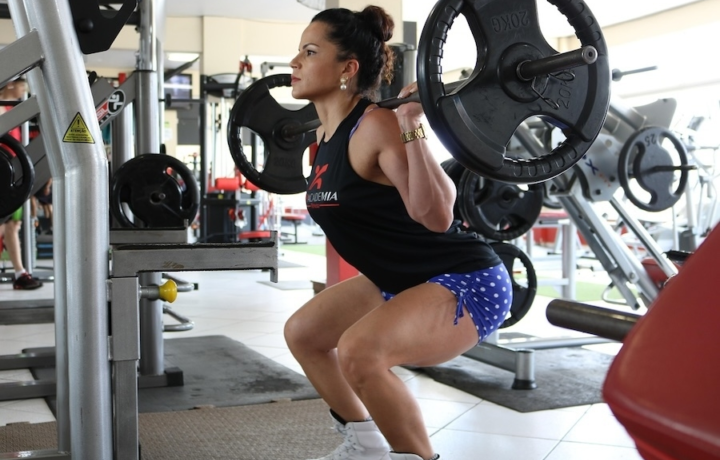
Develop maximal lower-body strength and power
Leg exercises with barbell
Barbell leg exercises form the backbone of serious lower-body training. By allowing progressive loading and compound movement patterns, they enable you to build maximal strength, muscle mass, and athletic power. These exercises challenge the largest muscle groups in the body while reinforcing coordination, bracing, and full-body tension. Whether your goal is hypertrophy, performance, or long-term strength development, barbell leg training provides the mechanical load and consistency required for measurable progress.
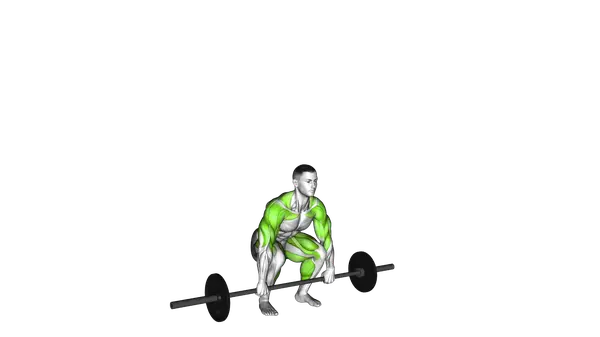
Barbell Clean And Jerk
The Barbell Clean and Jerk is an explosive full-body lift that builds power, coordination and total-body strength in one fluid movement.
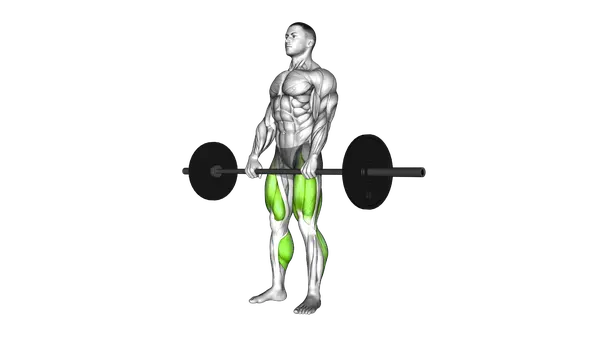
Barbell Deadlift
The Barbell Deadlift is a foundational strength exercise that builds full-body power and proper lifting mechanics and improves control.
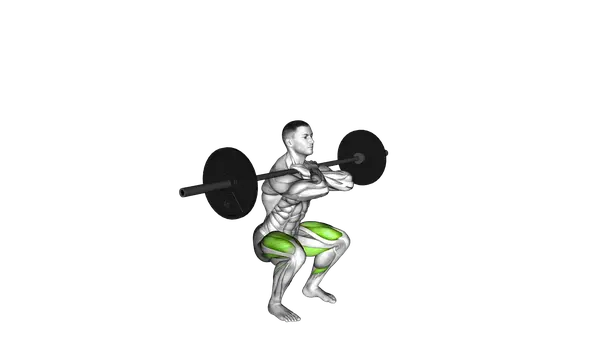
Barbell Front Squat
The Barbell Front Squat is a lower-body strength exercise that builds quad strength while reinforcing an upright, stable squat position.
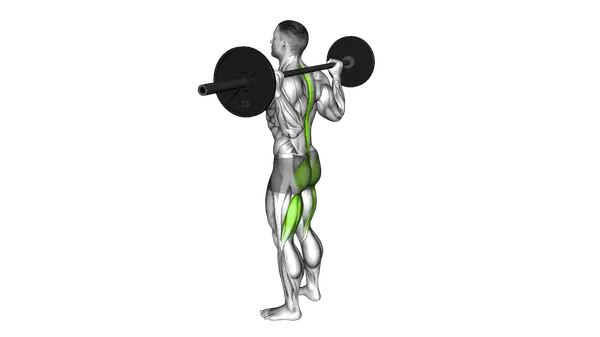
Barbell Good Morning
The Barbell Good Morning is a hinge-based exercise that strengthens the hamstrings, glutes and lower back while reinforcing proper hip mechanics.
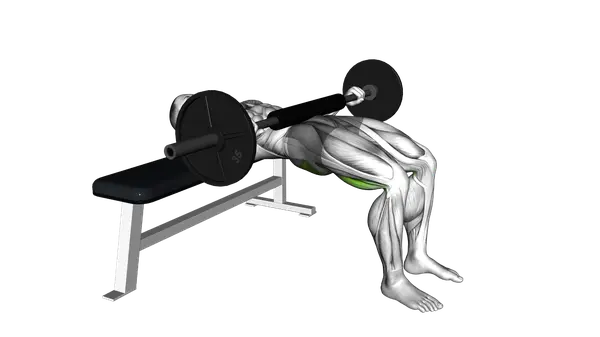
Barbell Hip Thrust
The Barbell Hip Thrust is a compound lower-body strength exercise that builds glute power through loaded hip extension.
Built for Progress
Take the Guesswork Out of Training
Get a personalized workout plan built around your goal, equipment and schedule. Train smarter, track every rep and keep moving forward.
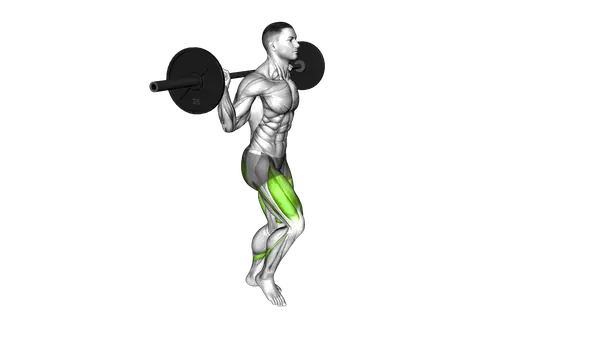
Barbell Lunge
The Barbell Lunge is a compound lower-body exercise that builds leg strength, balance and control through unilateral loading.
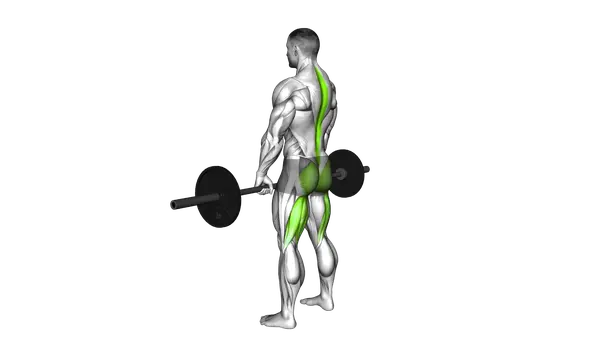
Barbell Romanian Deadlift
The Barbell Romanian Deadlift is a compound strength exercise that builds hamstring and glute strength while improving hip control.
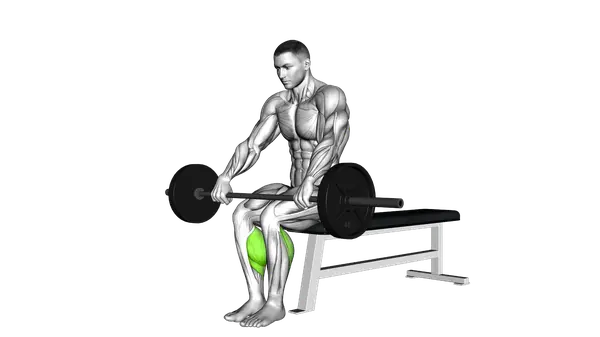
Barbell Seated Calf Raise
The Barbell Seated Calf Raise is an isolation strength exercise that builds calf size and strength through controlled ankle movement.
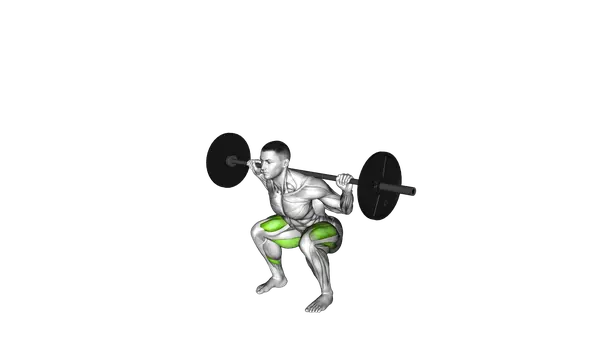
Barbell Squat
The Barbell Squat is a compound lower-body strength exercise that builds leg power, full-body strength and movement control.
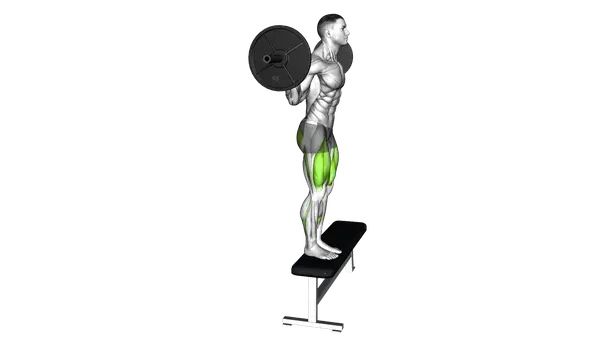
Barbell Step-Up
The Barbell Step-Up is a lower-body strength exercise that builds leg power, balance, and control through stepping under load.
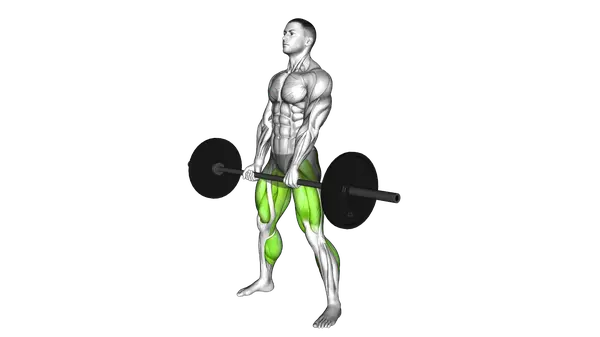
Barbell Sumo Deadlift
The Barbell Sumo Deadlift is a compound strength exercise that builds lower-body power with a wide stance and upright torso.
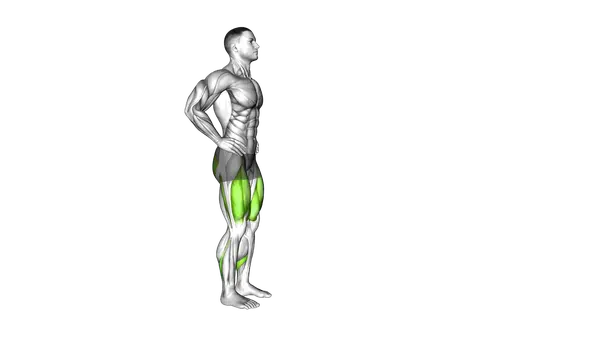
Forward Lunge
The Forward Lunge is a unilateral lower-body exercise that builds leg strength and control while reinforcing balance and coordinated movement.
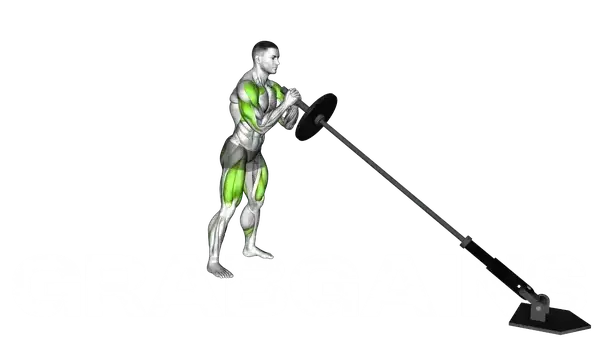
Landmine Squat & Press
The Landmine Squat & Press is a compound exercise that combines a squat with an angled press to build full-body strength and coordination.
The most effective tool for lower-body overload
Why train legs with a barbell
Barbells allow precise load progression and full control over training intensity. This makes them uniquely suited for building absolute strength and muscle mass in the legs.
Key advantages:
- Enables progressive overload over time
- Trains multiple large muscle groups simultaneously
- Builds maximal strength and power
- Reinforces proper bracing and movement mechanics
- Transfers well to athletic and functional performance
The foundation of lower-body strength training
Core barbell leg exercises
The following exercises represent the most effective and widely used barbell movements for leg development. Together, they cover knee-dominant, hip-dominant, unilateral, and explosive patterns.
- Barbell squat: The primary lower-body strength exercise, targeting the quads, glutes, and core while developing full-body stability.
- Barbell deadlift: A powerful hip-dominant movement that builds strength across the posterior chain, including glutes, hamstrings, and spinal stabilizers.
- Barbell front squat: A squat variation that emphasizes the quads and core while reinforcing upright posture and upper-back strength.
- Barbell Romanian deadlift: A controlled posterior-chain exercise that focuses on hamstring and glute development through hip hinge mechanics.
- Barbell lunge: A unilateral barbell movement that improves balance, coordination, and leg strength while addressing left–right asymmetries.
Exercise overview
| Exercise | Primary focus | Training goal |
|---|---|---|
| Barbell squat | Quads & glutes | Maximal strength |
| Barbell deadlift | Posterior chain | Total-body strength |
| Barbell front squat | Quads & core | Strength & posture |
| Barbell Romanian deadlift | Hamstrings & glutes | Hypertrophy & control |
| Barbell lunge | Unilateral leg strength | Balance & stability |
Progression, volume and recovery
Programming barbell leg exercises
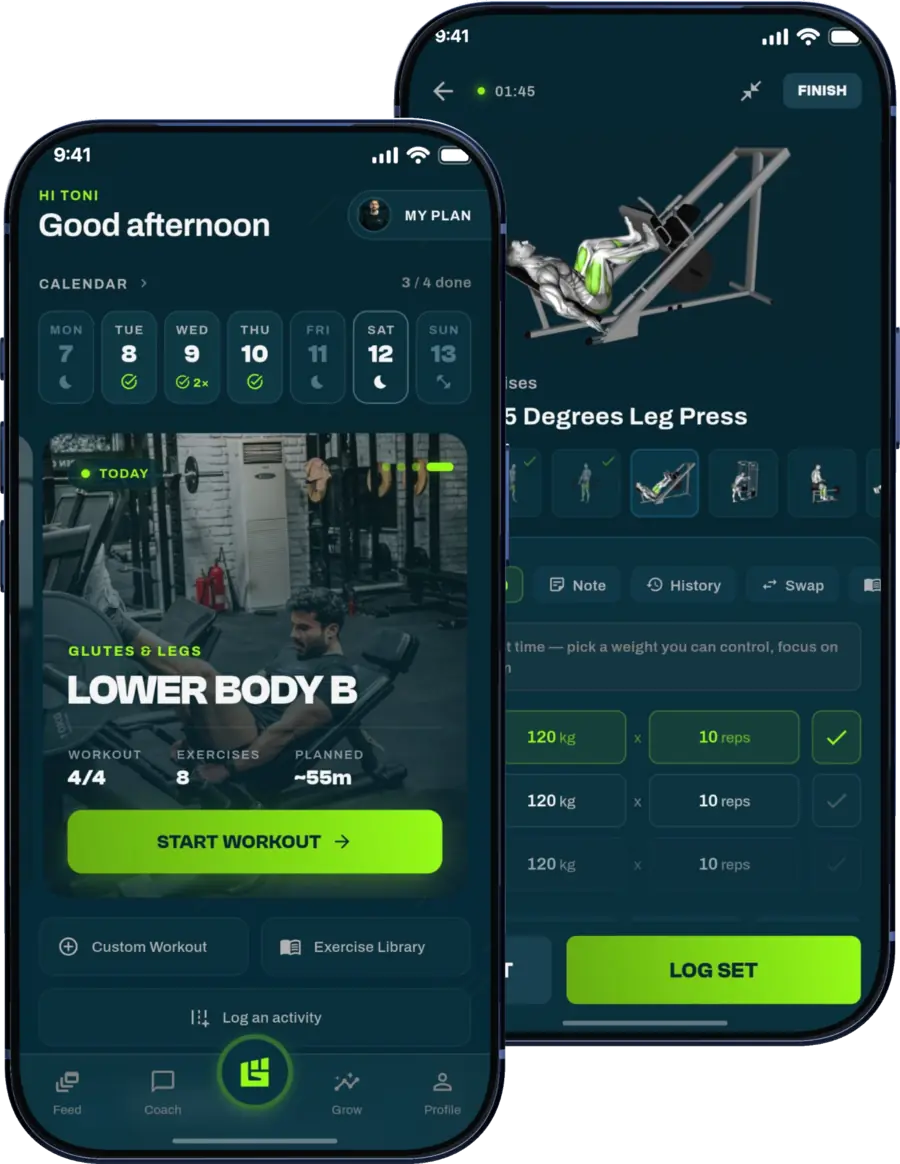
Barbell leg exercises place high demands on the nervous system and musculature, making recovery a critical factor. These movements are typically trained one to three times per week depending on volume and intensity. Heavy bilateral lifts form the core of strength-focused programs, while unilateral exercises support balance and structural integrity. Consistent load progression and adequate recovery are essential for long-term progress and injury prevention. Create your personal training program in the app tailored to your goals, fitness level, and schedule.
Built for progress
Take the guesswork out of training
Get a personalized workout plan built around your goal, equipment and schedule. Train smarter, track every rep and keep moving forward, one workout at a time.




Frequently asked questions about barbell leg exercises
Yes, when load is managed properly and movement quality is prioritized, barbell training is effective at all experience levels.
Most programs include one to two dedicated barbell leg sessions per week, depending on intensity and overall training volume.
Absolutely. These exercises develop strength, power, and force production that transfer directly to sports and functional movement.
Progress by gradually increasing load, maintaining consistent technique, and balancing training intensity with recovery.
They primarily target the quads, glutes, and hamstrings, with significant involvement from the core and stabilizing muscles.