Versatile lower-body training beyond traditional weights
Leg exercises with other equipment
Leg exercises with other equipment introduce variety and adaptability into lower-body training by using tools beyond traditional weights and machines. Equipment such as boxes, sleds, sandbags, jump ropes, and mobility tools allows for dynamic movement patterns, explosive power development, and targeted recovery work. These exercises are commonly used in athletic training, conditioning programs, and functional fitness settings where movement quality and work capacity are key priorities.
Training legs with alternative equipment supports strength, coordination, and resilience across a wide range of physical demands.
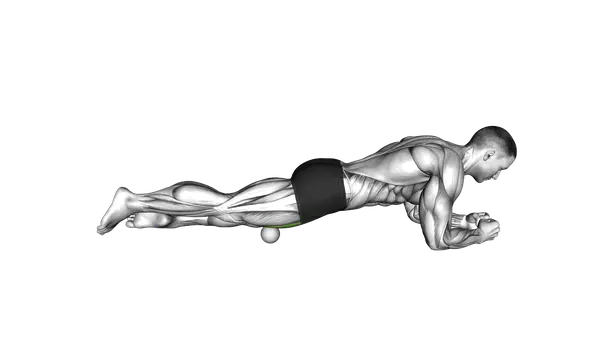
Ball Rolling for Front Thigh
Ball Rolling For Front Thigh is a simple recovery exercise that helps reduce stiffness and improve comfort in the front of the leg.
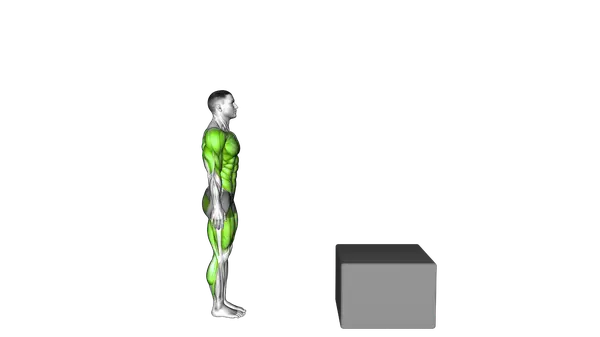
Burpee Box Jump
The Burpee Box Jump combines a burpee with an explosive box jump to build full-body power, coordination, and high-intensity conditioning.
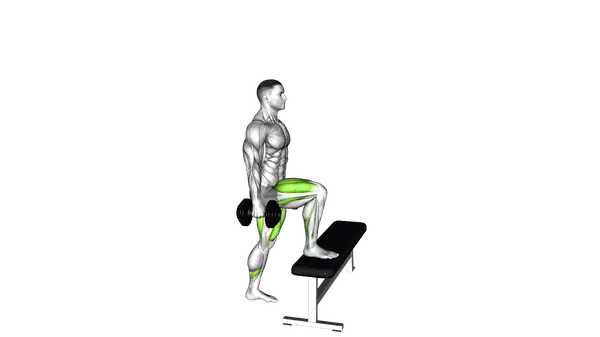
Dumbbell Step Up
The Dumbbell Step Up is a simple but effective lower-body exercise that builds leg strength, balance and control using a raised platform.
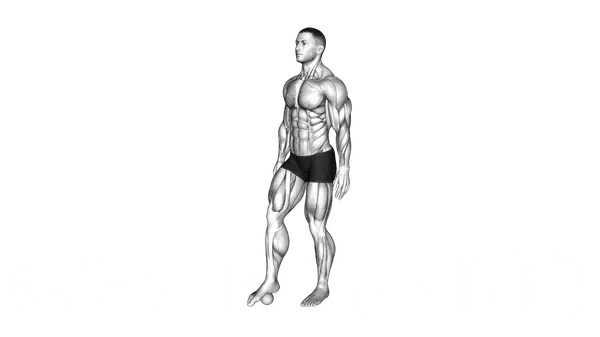
Foot Rolling with Ball
Foot Rolling with Ball is a simple recovery exercise that helps release tension in the feet and restore comfort after standing or training.4
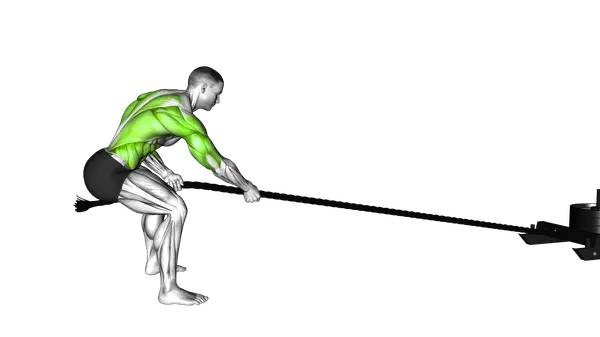
Hyrox Sled Pull
The Hyrox Sled Pull builds back, bicep, and grip strength by pulling a loaded sled toward you hand-over-hand with a rope.
Built for Progress
Take the Guesswork Out of Training
Get a personalized workout plan built around your goal, equipment and schedule. Train smarter, track every rep and keep moving forward.
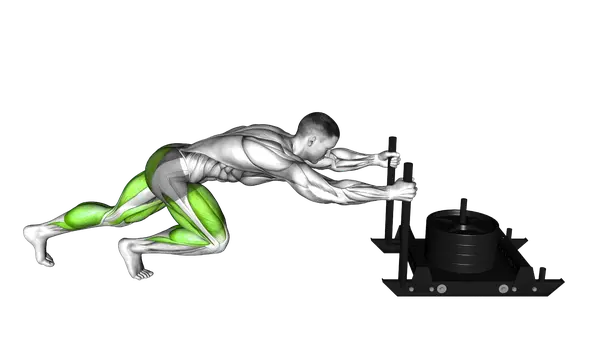
Hyrox Sled Push
The Hyrox Sled Push is a loaded conditioning exercise that builds lower-body strength and work capacity through continuous forward drive.
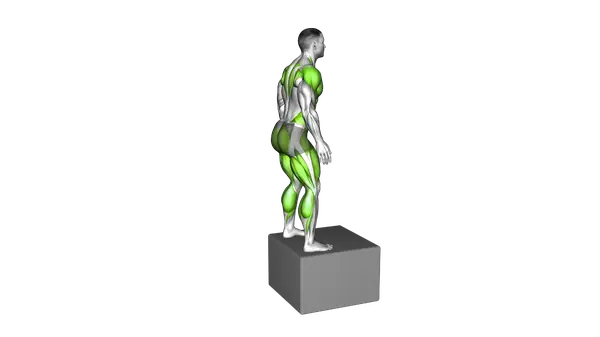
Jump Box
The Jump Box is an explosive lower-body exercise that builds leg power and coordination by jumping onto a raised platform.
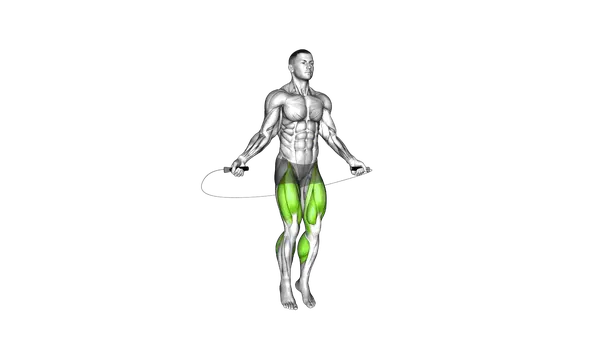
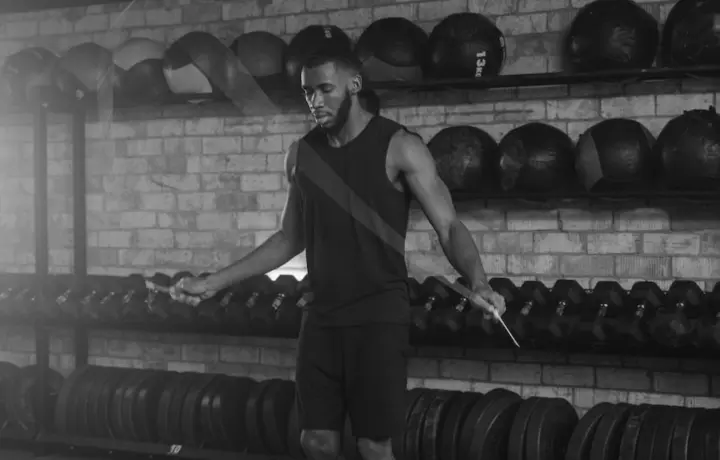
Jump Rope
The Jump Rope is a bodyweight exercise that uses repeated jumps to build lower-body endurance, coordination and movement efficiency.
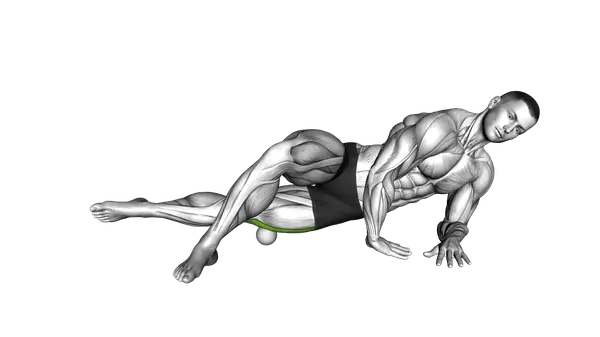
Roll Ball Outside Thigh Stretch
The Roll Ball Outside Thigh Stretch is a self-applied release drill that helps reduce tension along the outer thigh using controlled body pressure.
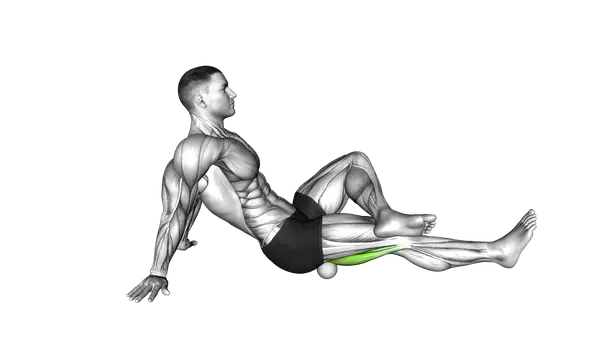
Roll Ball Seated Hamstrings Active
The Roll Ball Seated Hamstrings Active is a seated control-based exercise that trains hamstring tension and coordination through active movement.
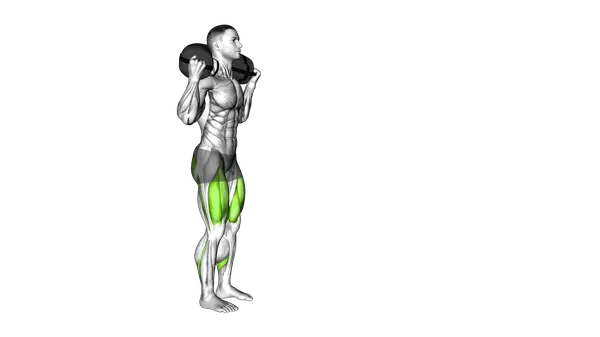
Sandbag Lunges
The Sandbag lunges build lower-body strength, balance, and control while adding an unstable load that challenges posture and coordination.

Tibialis Posterior with ball
The Tibialis Posterior with Ball is a seated foot exercise that builds ankle strength and control using gentle inward pressure.
Why train legs with other equipment
Athletic movement, variety, and functional strength
Using non-traditional equipment challenges the lower body in ways that differ from fixed or linear resistance, promoting more adaptable strength and movement efficiency.
Key advantages:
- Greater movement variety and athletic transfer
- Improved coordination and neuromuscular control
- Effective combination of strength and conditioning
- Support for mobility and recovery-focused training
- Reduced reliance on maximal external loads
Dynamic movements for strength, power and recovery
Core leg exercises with other equipment
The following exercises represent the most effective leg-focused movements performed with alternative equipment. Together, they support lower-body strength, conditioning, mobility, and functional performance.
- Ball rolling for front thigh: A mobility-focused exercise that supports quadriceps recovery and tissue quality.
- Burpee box jump: A dynamic compound movement combining explosive leg power with full-body conditioning.
- Dumbbell step up: A unilateral lower-body exercise that builds strength, balance, and control.
- Jump box: A plyometric movement focused on developing lower-body explosiveness and coordination.
- Jump rope: A rhythmic conditioning exercise that enhances calf endurance, coordination, and cardiovascular capacity.
- Power sled pull: A posterior-chain–dominant movement that builds strength and work capacity through resisted locomotion.
- Power sled push: A high-output leg exercise emphasizing quad drive, glute engagement, and conditioning.
- Roll ball outside thigh stretch: A recovery-oriented movement aimed at improving lateral thigh mobility.
- Roll ball seated hamstrings active: An active mobility exercise supporting hamstring flexibility and movement control.
- Sandbag lunges: A functional lunge variation that challenges leg strength and load management.
- Tibialis posterior with ball: A targeted lower-leg exercise supporting ankle stability and foot control.
Exercise overview
| Exercise | Primary focus | Training goal |
|---|---|---|
| Ball rolling for front thigh | Quadriceps | Mobility & recovery |
| Burpee box jump | Full lower body | Power & conditioning |
| Dumbbell step up | Quads & glutes | Unilateral strength |
| Jump box | Legs | Explosive power |
| Jump rope | Calves | Endurance & coordination |
| Power sled pull | Posterior chain | Strength & conditioning |
| Power sled push | Quads & glutes | Drive & work capacity |
| Roll ball outside thigh stretch | Lateral thigh | Mobility & recovery |
| Roll ball seated hamstrings | Hamstrings | Active mobility |
| Sandbag lunges | Legs & core | Functional strength |
| Tibialis posterior with ball | Lower leg | Stability & control |
Frequently asked questions about leg exercises with other equipment
They can be trained two to four times per week, depending on intensity and overall program structure.
They work best as a complement to barbell, dumbbell, or machine-based leg exercises.
Athletes, functional fitness enthusiasts, and anyone seeking varied, movement-based leg training.
Yes. While loading methods differ from barbells or machines, they are highly effective for functional strength, power, and conditioning.
They primarily train the quadriceps, glutes, hamstrings, calves, and stabilizing muscles, depending on the movement.